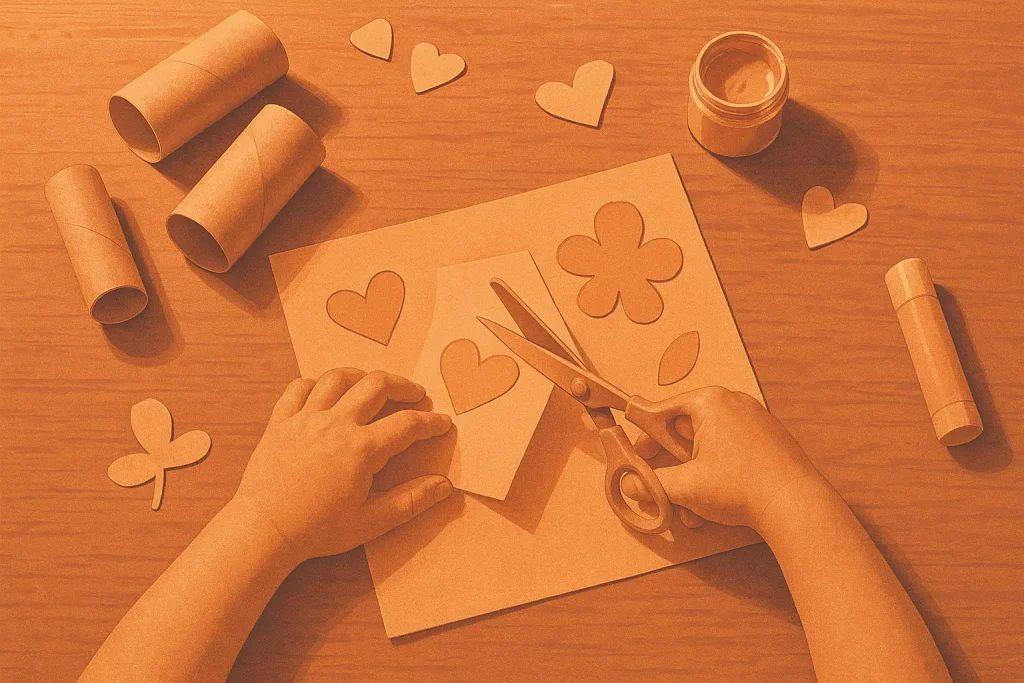
The key takeaway: Craft activities for kids are more than just fun—they’re powerful tools for development, fostering creativity, problem-solving, and fine motor skills through accessible materials like recycled items. By blending tradition with tech (like e-textiles), they spark curiosity and even boost STEM learning. As one expert notes, these projects transform paper into personal universes, proving that every creation is a step toward lifelong innovation.
Ever felt stuck trying to find craft activities for kids that’re both fun and meaningful? 🤔 Between the mess, the short attention spans, and the quest for educational value, crafting can feel overwhelming. We’ve got you! This guide delivers 30+ easy, low-cost craft activities for kids that boost fine motor skills, creativity, and problem-solving—no fancy supplies needed. 🌟 Dive into seasonal hacks, tech-infused DIYs (yes, coding meets glue sticks!), and inclusive tips for sensory-sensitive kids. Spoiler: That cardboard box? It’s secretly a robot, a rocket, or your kid’s next storytelling prop. Ready to turn chaos into creativity? ✂️✨
Why Craft Activities Are More Than Just Fun And Games
Ever wondered why kids love gluing pom-poms onto paper or building forts from cardboard boxes? Craft activities for kids aren’t just about keeping tiny hands busy—they’re powerful tools for growth. From boosting brainpower to building confidence, these projects shape young minds in surprising ways.
Unlocking Developmental Milestones
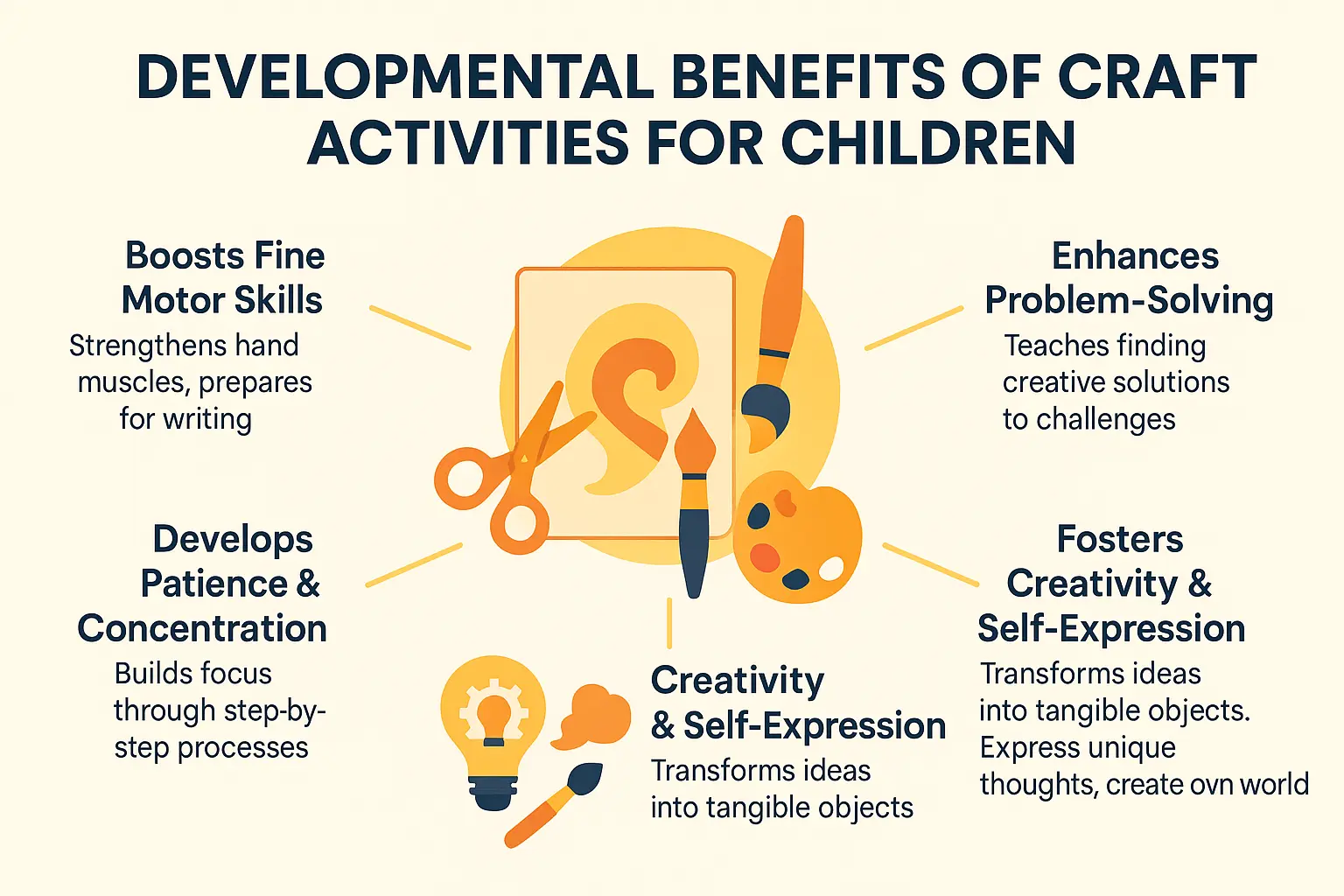
Crafting isn’t just cute—it’s a workout for growing brains and bodies. Let’s break down the hidden superpowers developed during these projects:
- Fine motor skills: Pinching glue bottles, snipping paper, or threading beads strengthens tiny hand muscles, setting the stage for writing and typing.
- Problem-solving: When a paper plate won’t stick, kids learn to troubleshoot—should they add more glue, try a different angle, or find a new material?
- Patience: Waiting for paint to dry or repeating patterns teaches delayed gratification, a key skill for academic success.
A Booster For Creativity And Self-Expression
“Crafting gives children a tangible way to express their unique thoughts and feelings, turning a simple piece of paper into a universe of their own making.”
There’s no “wrong” way to create. When a child paints a purple sun or crafts a three-eyed monster, they’re flexing their originality. This freedom builds confidence—every scribble or lopsided clay pot becomes a celebration of self-expression. By embracing imperfection, kids learn creativity thrives on experimentation, not rules.
Getting Started: Simple Supplies For Endless Creativity
Your At-Home Craft Corner
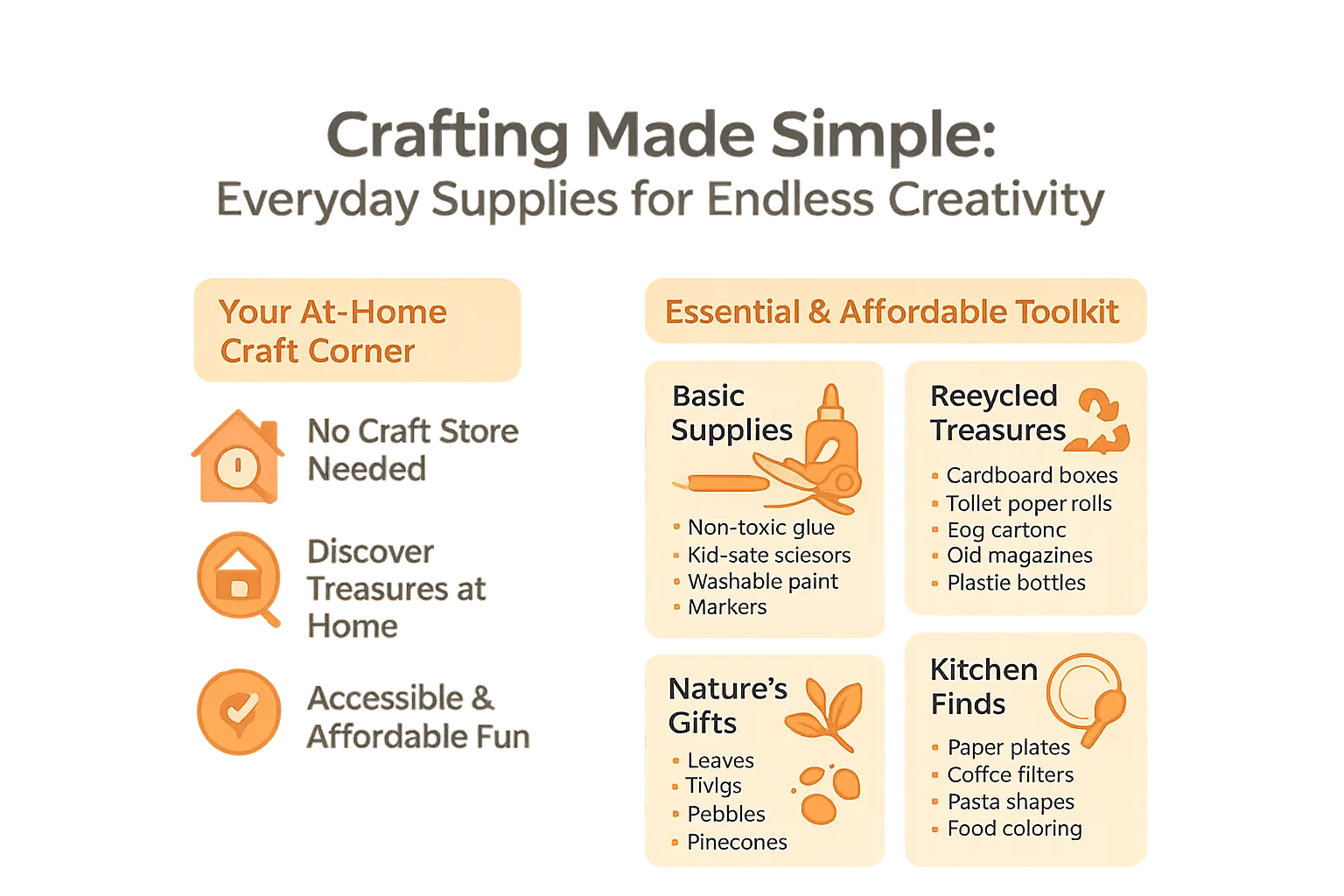
Let’s break the myth: you don’t need a dedicated craft room to spark creativity. 🎨 A small corner of the living room or a kitchen table can become a magical workshop! Start by turning material gathering into a “treasure hunt” – raid the pantry for pasta shapes, dig out old magazines, or collect leaves from the garden. Use portable bins or a rolling cart to store supplies, letting creativity follow you anywhere. 🌟 Use low shelves or colorful bins for easy access – kids love grabbing what they need independently!
The Essential (And Affordable) Toolkit
Most materials are already hiding in your home! Here’s your starter kit:
- Basic Supplies: Non-toxic glue for collaging, kid-safe scissors, washable paint, markers, and construction paper.
- Recycled Treasures: Cardboard boxes become rocket ships, toilet paper rolls transform into binoculars, egg cartons morph into flower gardens, old magazines fuel collages, and plastic bottles turn into bird feeders. 🐦
- Nature’s Gifts: Leaves become textured stamps, twigs build fairy houses, pebbles create mosaics, and pinecones star in decorations. 🌿
- Kitchen Finds: Paper plates host puppet faces, coffee filters bloom into flowers, pasta shapes form mosaics, and food coloring creates tie-dye magic. 🍝
These items are budget-friendly and planet-friendly! 🌍 For amazing projects with recycled crafts, check our guide. No special skills needed – just creativity! 🎉 Reusing materials boosts motor skills and problem-solving, whether building a cardboard castle or crafting a pasta necklace. Let’s make something awesome! ✨
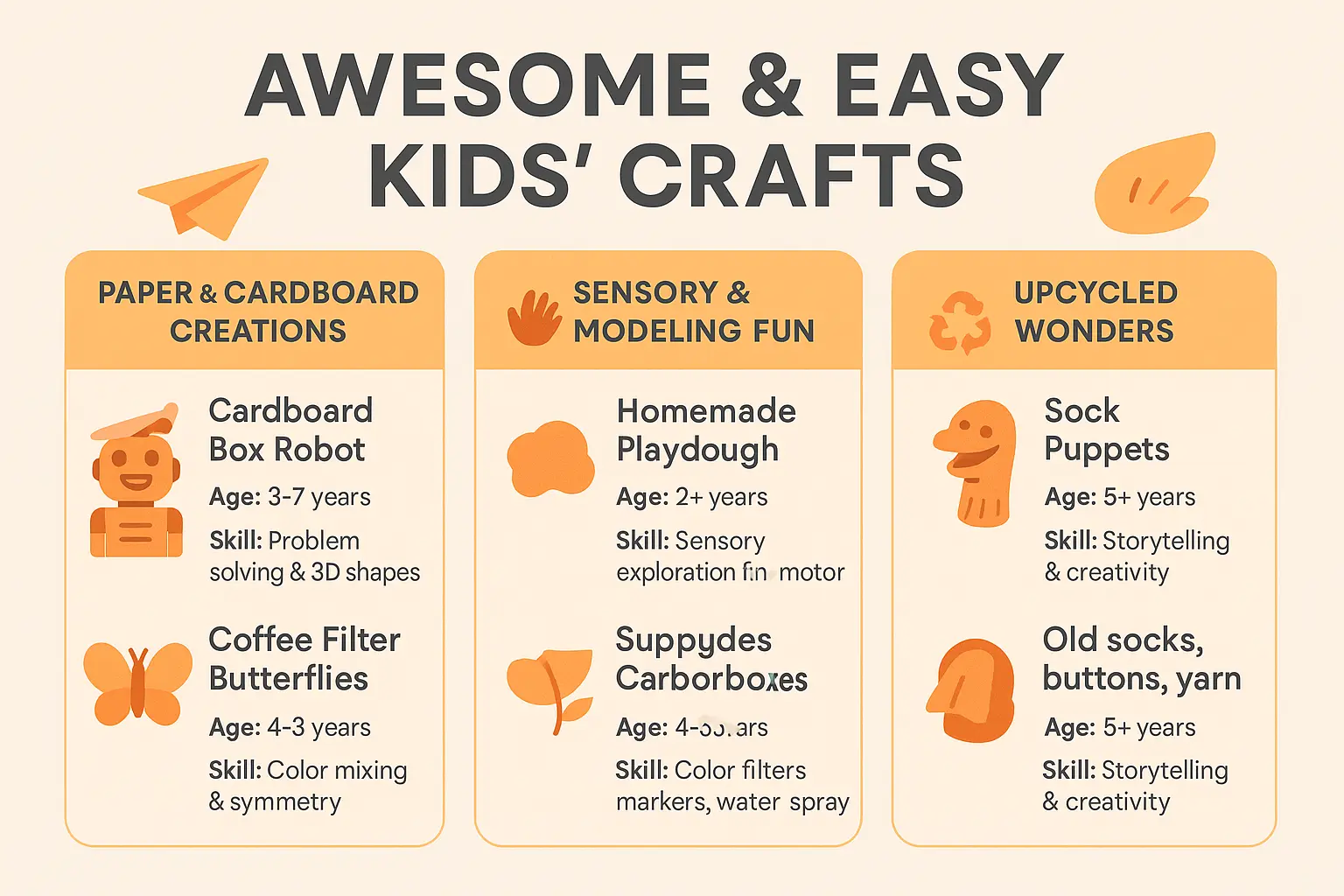
| Activity | Recommended Age | Main Skill Developed | Key Supplies |
|---|---|---|---|
| Cardboard Box Robot | 3-7 years | Problem-solving & 3D shapes | Cardboard boxes, foil, bottle caps |
| Homemade Playdough | 2+ years | Sensory exploration & fine motor | Flour, salt, water, food coloring |
| Coffee Filter Butterflies | 4-8 years | Color mixing & symmetry | Coffee filters, markers, water spray |
| Sock Puppets | 5+ years | Storytelling & creativity | Old socks, buttons, yarn |
Ready to discover more creative ways to keep little hands busy? Explore even more creative activities that’ll spark imagination while developing essential skills!
Awesome and easy craft activities for kids
Paper and cardboard creations
Let’s start with the magic of transforming simple materials into amazing creations! 🎨
Cardboard Box Robots turn everyday boxes into futuristic friends. Use foil scraps, bottle caps, and stickers to build 3D characters. This activity boosts spatial awareness and problem-solving while repurposing household items. Tip: Add LED lights for glowing robot eyes using battery-operated tea lights.
For color exploration, try Coffee Filter Butterflies. Dye coffee filters with washable markers, spray with water to blend colors, then shape into fluttering insects. Kids learn symmetry and color theory through this mesmerizing process. Bonus: Turn finished butterflies into mobile decorations by attaching them to sticks.
Create entire imaginary worlds with Paper Bag Village. Decorate lunch bags with markers, then fill with tiny figures for open-ended imaginative play. The portable format makes it perfect for storytelling on the go. Pro tip: Add felt roofs or cotton ball clouds for extra dimension.
Sensory and modeling fun
Dive into hands-on learning with these tactile experiences! 🖐️
Mixing Homemade Playdough becomes a science lesson in measuring and texture. Kneading strengthens hand muscles while encouraging open-ended creativity. Add essential oils for extra sensory stimulation. Try making multiple batches with different scents like lavender or lemon.
Smear colorful DIY Finger Paint across paper for pure sensory joy. Make non-toxic paint using cornstarch, sugar, and food coloring. Toddlers love the squishy textures while developing color recognition. For eco-friendly options, experiment with beet juice for red or spinach for green hues.
Design Sticky Suncatchers by arranging tissue paper on contact paper. This precision task improves fine motor skills while creating dazzling window decorations. The transparent medium teaches light refraction basics. Try geometric patterns or nature-inspired designs using leaf shapes.
Upcycled wonders
Turn trash into treasure with these eco-friendly projects! ♻️
Transform shoeboxes into Recycled Guitars using rubber bands and cardboard tubes. Kids experiment with sound vibration while creating musical instruments. Adjusting band tension teaches basic physics principles. Add a paper towel tube neck for authentic instrument shape.
Make Toilet Roll Telescopes with paper towel tubes and paint. This simple craft sparks cosmic curiosity while practicing scissor skills. Add stickers for extra decoration. Use washable window markers to let kids draw constellations on their telescopes.
Stitch-free Sock Puppets come alive with buttons and yarn. Use old socks as bases, then glue on embellishments for unique characters. Storytelling with puppets builds narrative skills and confidence. Create themed characters like pirates or space explorers for cross-curricular learning.
Try 3D Paper Animals for extra paper crafting fun. Fold and layer colored paper to create pop-up creatures. This technique teaches depth perception and paper engineering basics. Use templates for beginners or freehand designs for advanced crafters. The 3D effect amazes with minimal materials!
Crafting for every season and reason
Rainy day rescues 🌧️
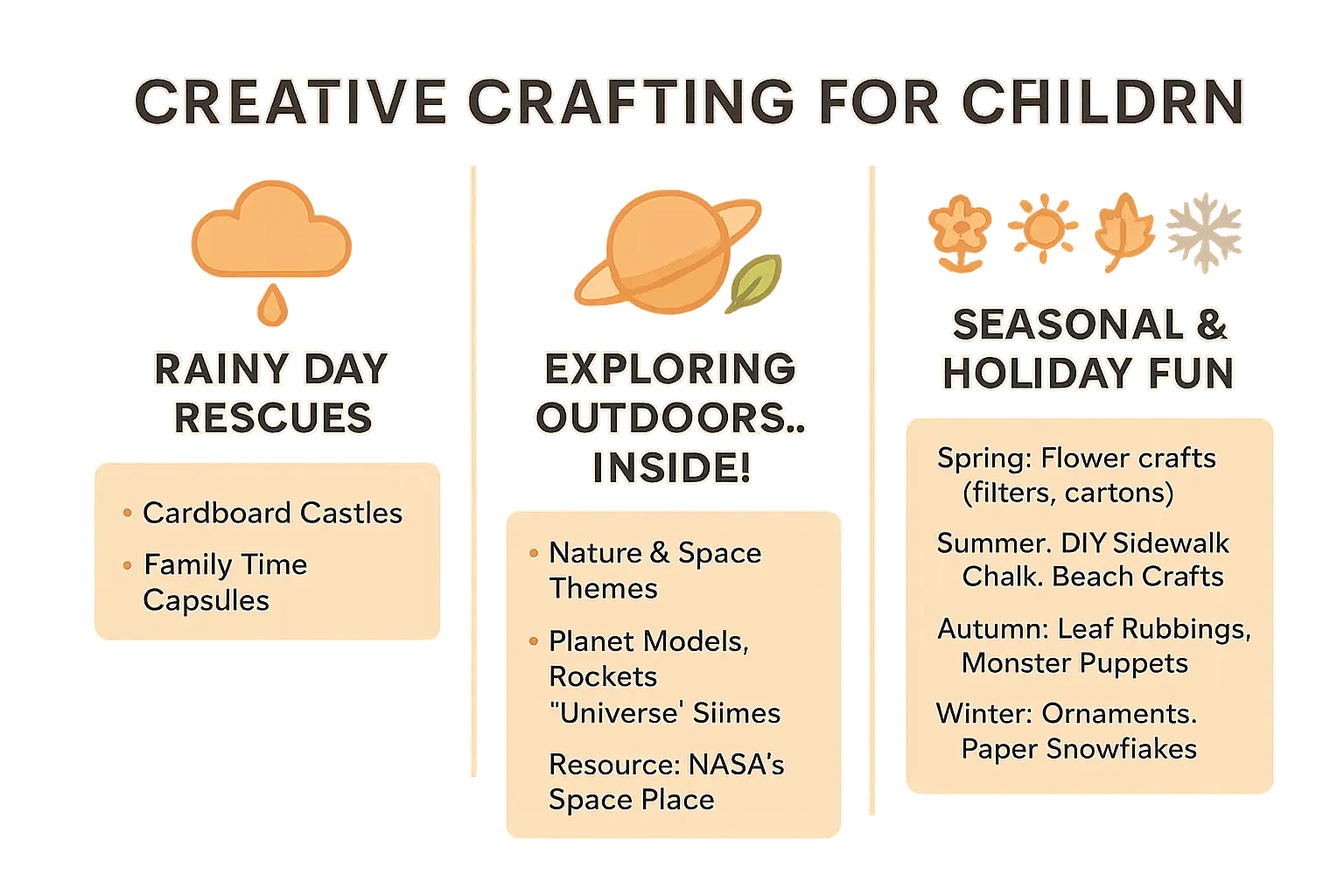
Turn rainy days into adventures! Build a cardboard castle with boxes, paint, and stickers. Let kids design towers or craft a family time capsule with photos and notes – combining storytelling with hands-on creativity. Add texture with pasta shapes as battlements or bead “magic tapestries.” These activities boost fine motor skills and spark imaginative play! For extra challenge, turn cereal boxes into castle bridges or use foil scraps for “dragon scales” – blending art with problem-solving as kids figure out how to attach materials.
Exploring the great outdoors… inside! 🌌
Bring the cosmos home with space-themed crafts! Mold planets from paper mache or craft rockets from cardboard tubes. Explore NASA’s Space Place for inspiration. Try “alien slime” with glue and food coloring – a sensory experience that mimics Martian terrain! Build a solar system model with painted foam balls – hang them at different heights to teach planetary order. For dramatic play, use silver-painted bowls as astronaut helmets – kids practice storytelling by “exploring” their homemade galaxy!
Seasonal and holiday fun 🎨
Keep creativity blooming year-round:
- Spring: Dip-dye coffee filter flowers for instant bouquets. Use potato halves to stamp blossoms, or transform egg cartons into ladybugs with glitter-dipped wings – learning colors and insects through play.
- Summer: Slap-paint DIY sidewalk chalk with molds, or glue seashells onto flip-flops. Turn plastic bags into jellyfish by twisting strips – a sneaky lesson in repurposing trash into treasure.
- Autumn: Press leaves into sun catchers or craft puppets from paper bags. Mold forest creatures from pinecones – glue buttons for owl eyes or pom-poms for hedgehog spikes, mixing art with nature lessons.
- Winter: Fold paper snowflakes for window art, or sculpt penguins from cotton balls. Press salt-dough ornaments with cookie cutters – bake them solid to create lasting holiday keepsakes.
These projects use everyday items like paper rolls and paint – no fancy supplies needed. Each activity blends learning with play, whether practicing scissor skills during leaf rubbings or spatial reasoning while building rocket ships. Bonus: seasonal crafting builds vocabulary (frost, harvest, migration) without boring flashcards! Ready to craft your way through the seasons? 🎨
The new wave of crafting: adding a touch of tech
What are e-textiles?
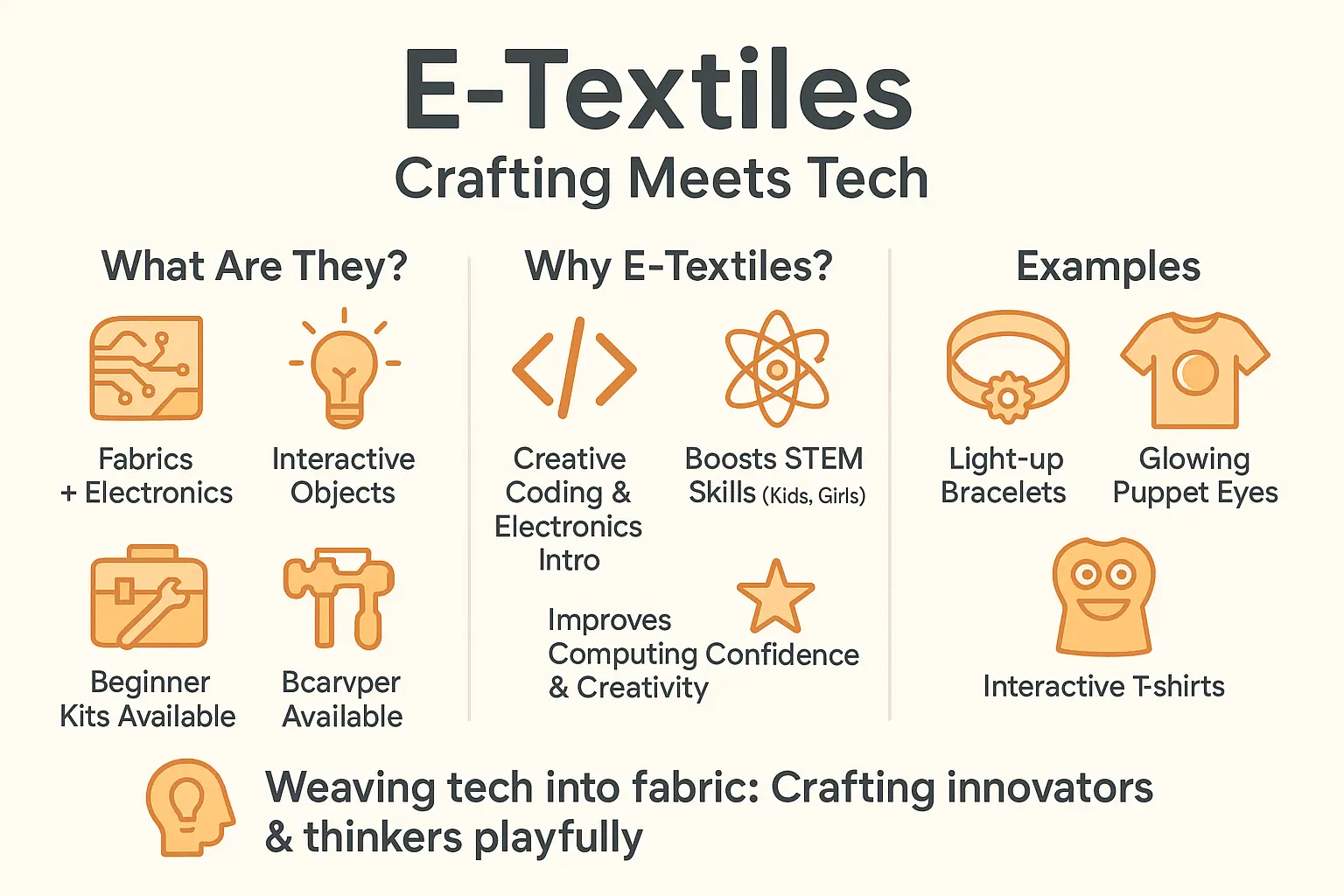
Imagine blending fabric with tiny lights or sensors to create interactive crafts! 🌟 E-textiles are textiles that weave in electronics like LED lights or conductive threads. No need for advanced skills – beginner kits exist to safely introduce kids (ages 10+) to coding and circuits. Projects range from glowing bracelets to smart costumes, merging creativity with tech basics. Perfect for hands-on learners curious about how things work!
These projects use materials like LilyPad components – sewable electronics that snap onto fabric. Conductive thread replaces traditional wire, letting kids stitch circuits directly into designs. Safety is key: kits often include plastic needles and pre-programmed microcontrollers to avoid soldering. The goal? Turn abstract concepts into playful, wearable art! 🎨
Crafting meets coding
Think crafting is just glue and scissors? Think again! 🤖 Projects like light-up puppets or music-playing shirts mix art with STEM skills. A study shows e-textiles boost confidence in tech for girls, turning abstract concepts into tangible creations.
“By weaving technology into fabric, we’re not just making crafts; we’re crafting the next generation of innovators and thinkers in a playful, accessible way.”
Try these ideas:
- A LED brooch that glows with hand-stitched circuits
- A singing monster plush with sewn buttons for sounds
- A constellation dress that lights up with programmable stars
- A light-up bookbag using conductive thread to power mini-LEDs
These projects teach circuits and coding basics while sparking joy – no app downloads or complex tools needed! For younger kids, start with paper circuits using copper tape and coin batteries. Ready to craft the future? 🛠️
Tips for inclusive crafting with every child
Focus on the process, not the product
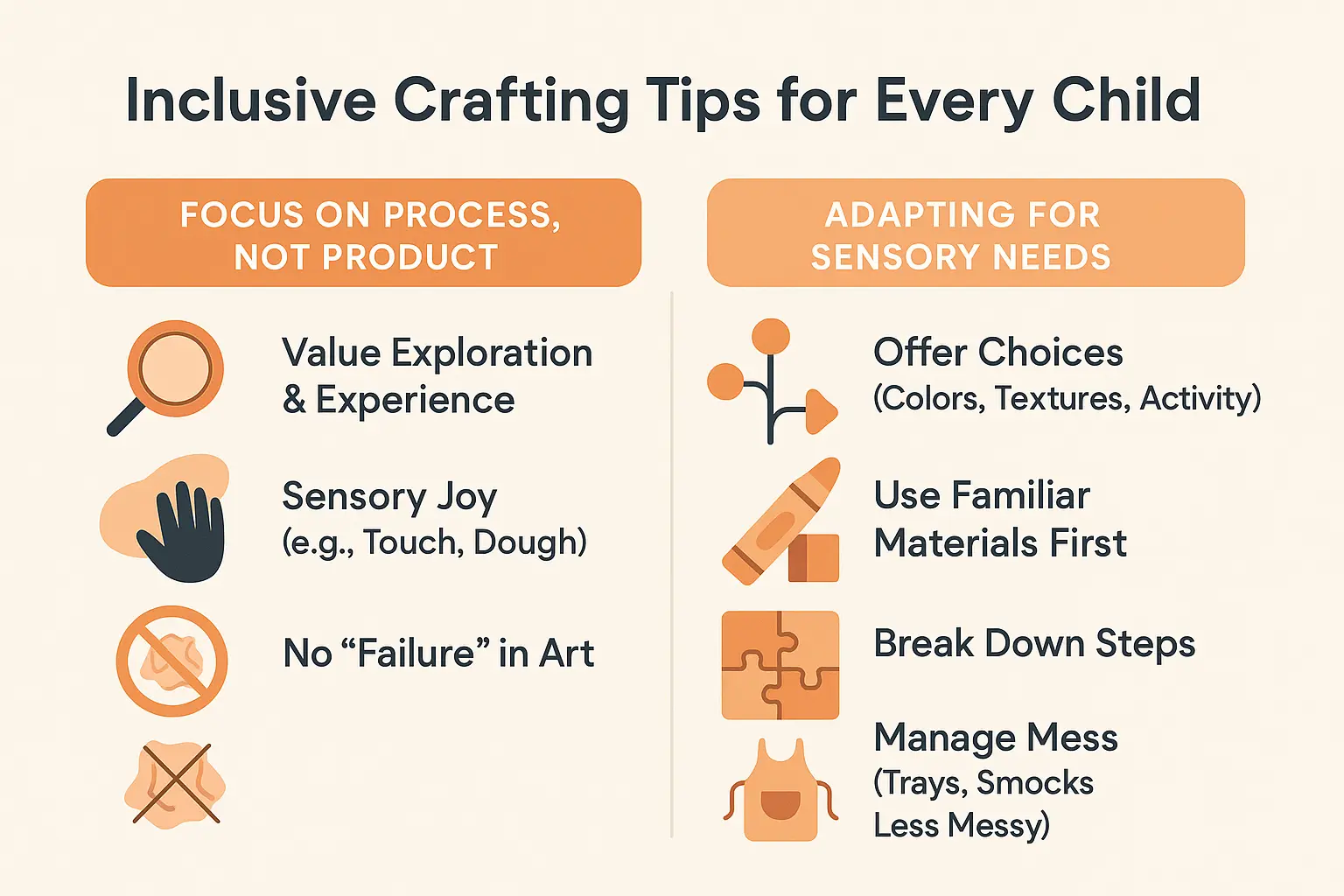
Reframe crafting as a sensory journey. When kids explore paint, clay, or paper, they’re engaging with textures and movements. For children with sensitivities, the tactile joy of squishing playdough or brushing paint matters more than the final product. Praise their process: “I love how you mixed the colors!” instead of focusing on the outcome.
Offer open-ended options like a “sensory station” with familiar materials. Let them choose what feels safe. For mess-averse kids, swap glue for washi tape or self-adhesive felt shapes. A child might arrange items in patterns or enjoy tearing paper strips—both are valid creative expressions.
Adapting activities for sensory needs
Simple adjustments create accessibility. Observe preferences: some dislike sticky glue but enjoy smooth stickers. Create an adaptable environment:
- Offer choices: Let kids pick colors or materials to reduce anxiety. Try a “texture buffet” with velvet or bubble wrap.
- Use familiar items: Introduce new textures gradually. Try dry pasta before wet glue.
- Break steps down: Show one step at a time. Use visual step-by-step cards with photos for clarity.
- Contain mess: Use trays to organize supplies. For mess-averse kids, try squishy paint bags or sticker mosaics.
For sensory-overloaded children, start with contained activities like ziplock bag painting. Pair projects with visual instructions to guide neurodivergent learners. Use adaptive tools to match individual needs.
Forget Pinterest-perfect crafts. Prioritize creativity and motor skills through play. Adapt tools and mindset to make crafting joyful for all kids. 🌈 Celebrate every child’s unique path to creation!
From crafting to storytelling: bringing creations to life
Your craft is the hero
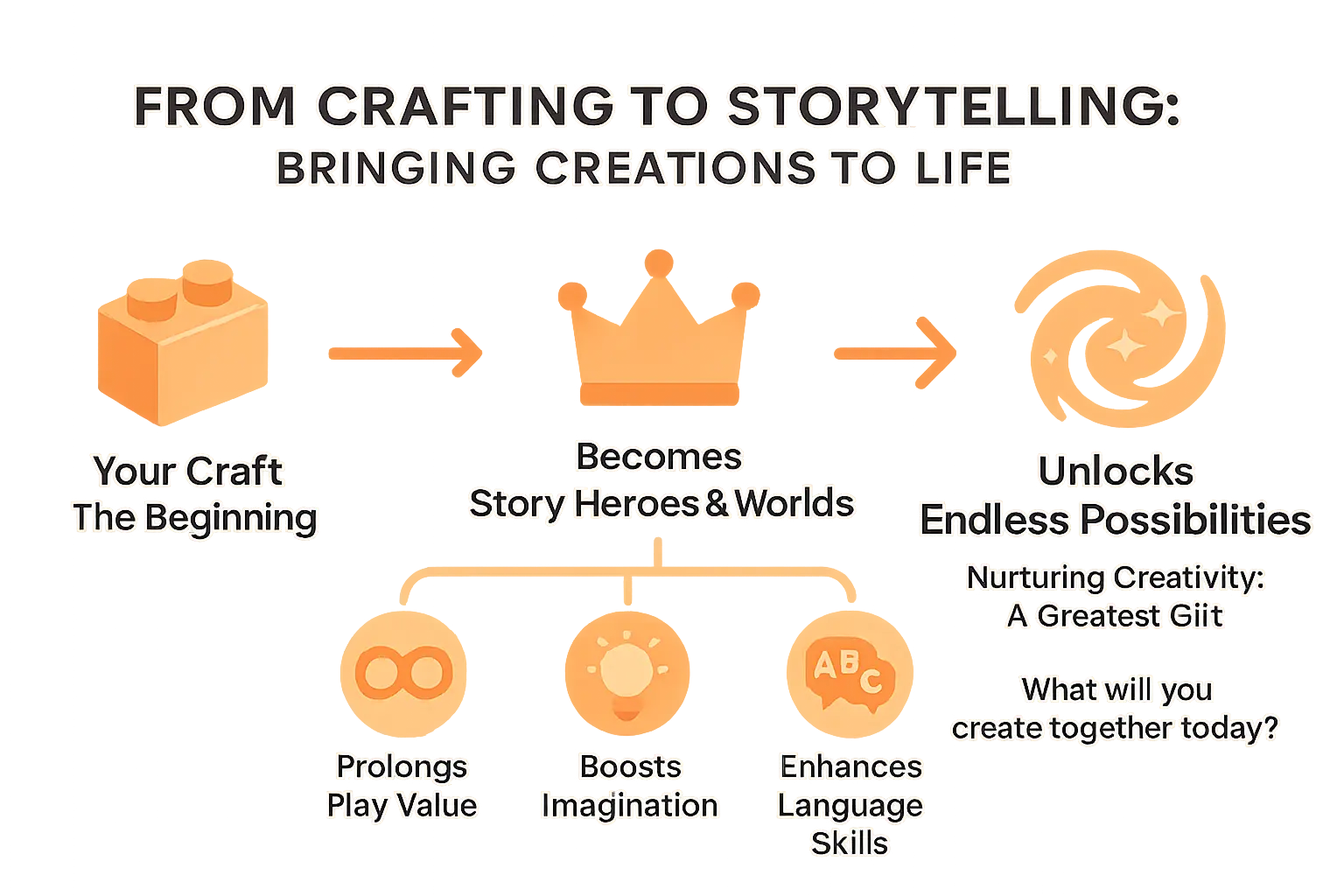
Turn those paper creations into epic adventures! 🎭 That sock puppet you made? Suddenly it’s a daring knight in a cardboard castle. The tissue paper flowers become magical potions in a wizard’s lab. Using handmade crafts as story elements gives new life to your child’s work.
Try these transitions:
- A cardboard box robot becomes a space explorer in a galaxy made from foil
- Plastic bottle fish swim in a bathtub aquarium during bath time tales
- DIY binoculars made from toilet rolls transform into jungle explorer gear
This magical transformation boosts language development while extending playtime. Kids learn to describe characters, invent dialogues, and sequence events through their handmade stories.
The endless power of imagination
Every craft opens a universe of possibilities! ✨ That paper plate fish you decorated? It’s now swimming in an undersea adventure. The tissue paper stained-glass art? Suddenly it’s a portal to a fairy kingdom.
Imaginative storytelling builds creative confidence by showing children how their creations spark entire worlds. It’s not just about making art – it’s about bringing it to life through stories that grow more elaborate with each telling.
Nurturing your child’s creativity is one of the greatest gifts you can offer. It’s how they learn to express themselves, solve problems, and make sense of their world. So, what will you create together today? ✨
Crafting adventures offer more than just fun—they nurture creativity, fine motor skills, and problem-solving. With simple materials and endless imagination, every project becomes a stepping stone to new stories. Embrace the mess, celebrate the process, and watch your child’s world expand. Ready to craft your next memory together? ✨
FAQ
What are some creative craft ideas for kids?
Time to grab your supplies! 🎨 For toddlers and older, try cardboard box robots (add buttons and foil for a sci-fi twist) or coffee filter butterflies (use markers and water for vibrant colors). Homemade non-toxic playdough (flour + salt + food coloring) is perfect for sensory exploration. These crafts boost fine motor skills and creativity – plus, they’re super fun! ✨
What’s the latest craft trend for children?
Meet e-textiles – the fusion of crafts and tech! 🌟 Kids can create light-up bracelets or sound-making puppets using conductive thread and LED kits. These projects blend art + science, teaching basic circuits while sparking imagination. Think of it as “digital arts and crafts” – no screen time needed! 🚀
Does Hobby Lobby offer kids’ craft classes?
You bet! 🎨 Hobby Lobby regularly hosts kid-friendly workshops (like seasonal crafts or slime-making) in-store. Check their website or app for local events – perfect for guided creativity! Pro tip: Their “Make & Take” stations let kids craft on the spot. 🛠️
What fun activities keep kids engaged?
Think toilet paper roll telescopes (paint + cardboard = space adventures) or sock puppets (glue googly eyes for instant characters!). For active play, try DIY sidewalk chalk (cornstarch + paint) or recycled guitars (shoebox + rubber bands). These mix problem-solving with pure joy! 🎭
What’s 5-Minute Crafts and is it safe for kids?
5-Minute Crafts is a YouTube channel with quick, easy DIYs – but not all are kid-approved. 🔍 For children, pick family-friendly versions like paper bag villages or coffee filter flowers. Always supervise and simplify steps! 📹
What’s the most popular craft for young creators?
Hands down: cardboard creations! 📦 From castles to monster puppets, cardboard is free, eco-friendly, and endlessly adaptable. Add paint or recycled treasures (bottle caps, magazines) for instant magic. It’s a hit for imaginative play and STEM learning! 🧠
What craft trends will shine in 2025?
Tech meets tactile! 🛸 Expect augmented reality (AR) art (apps that bring crafts to life) and bio-crafts (projects using natural dyes or biodegradable materials). But the real star? Collaborative digital-physical builds, like coding a robot while decorating its cardboard shell. 🌱
What’s trending in art and crafts for kids?
Two words: eco-chic and retro revival! ♻️ Upcycled crafts (like egg carton flowers) are booming, plus vintage-inspired stickers + washi tape collages. Don’t miss DIY room decor – think paper lanterns or friendship bracelets with a modern twist. 🌈
What is OG Infinite Craft?
OG Infinite Craft is a viral online game where you mix elements to create new items (think: “fire + water = steam”). While not a physical craft, it’s perfect for creative problem-solving – and a great segue into real-world crafting! 🔥