Short on time? Here’s the bottom line: Ditch outdated discipline—modern parenting thrives on connection, not control. Tools like personalized routines and positive reinforcement (think praise, not punishment) cut stress and build lifelong resilience. Research proves it: Structured programs boost parent-child bonds, and institutions like MIT even offer free coaching. Adapting to your child’s unique needs beats generic rules every time. ✨
Feeling like you’re juggling a dozen balls in the air and about to drop them all? 🙋♀️ That’s the everyday reality for most parents drowning in tantrums, bedtime battles, screen time wars, and mealtime meltdowns. Let’s cut to the chase: parenting solutions aren’t about perfection—they’re about finding your personal toolkit to survive (and even enjoy!) this wild parenting gig. Spoiler alert: We’re spilling the beans on game-changing strategies for real-life chaos, from decoding toddler meltdowns to mastering digital boundaries and turning picky eaters into adventurous foodies. 🎯 Your sanity starts with these actionable tips—no parenting manual required. 💡
Stressed out? find practical parenting solutions that actually work
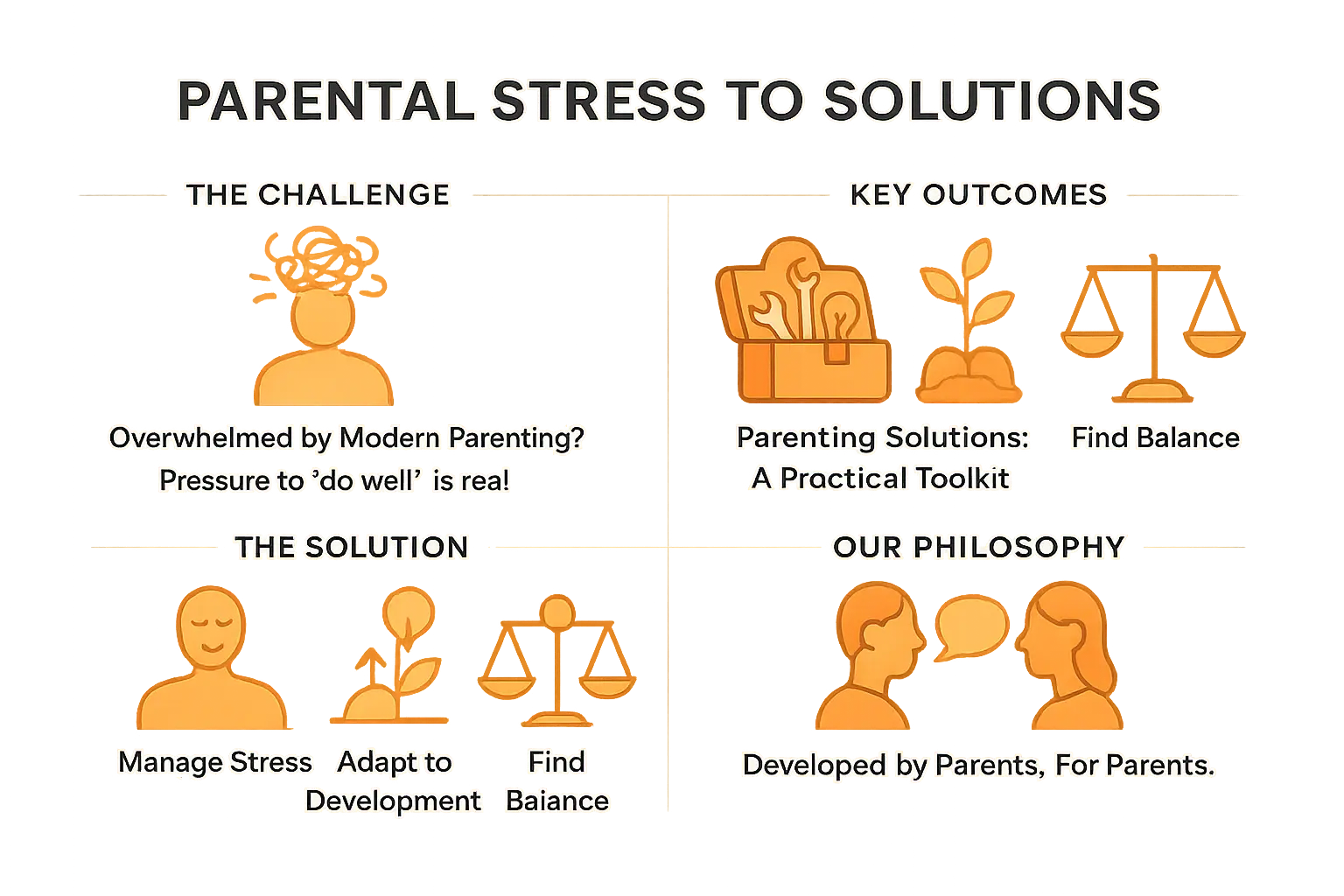
You ever feel like you’re juggling flaming torches while riding a unicycle? That’s modern parenting in a nutshell. No judgment here – we’ve all been there. This isn’t about “perfect parenting” (spoiler alert: that concept’s made up).
Real talk: parenting’s tough AF. You’re navigating tantrums, screen time battles, and that weird phase where your kid eats nothing but goldfish crackers for a week. The pressure to “do it all right” could sink the Titanic twice over.
Here’s the game-changer: parenting solutions aren’t one-size-fits-all. What works for your sister’s angel might turn your toddler into a tiny tornado. We’re talking personalized strategies that adapt to your family’s unique rhythm, not some dusty advice from 1950s parenting manuals.
We’re diving deep into evidence-based techniques that actually help. Think stress management hacks that don’t require a yoga mat, work-life balance tips that won’t make you quit your job, and developmental approaches that make sense for your kid’s specific quirks.
Pro tip: Our team’s been there. We’re real parents who’ve stared down bedtime resistance and survived picky eating marathons. That’s why our solutions combine personal experience with proven methods – no cookie-cutter advice here.
Beyond The Old Rulebook: Embracing A New Parenting Philosophy
From Discipline To Connection
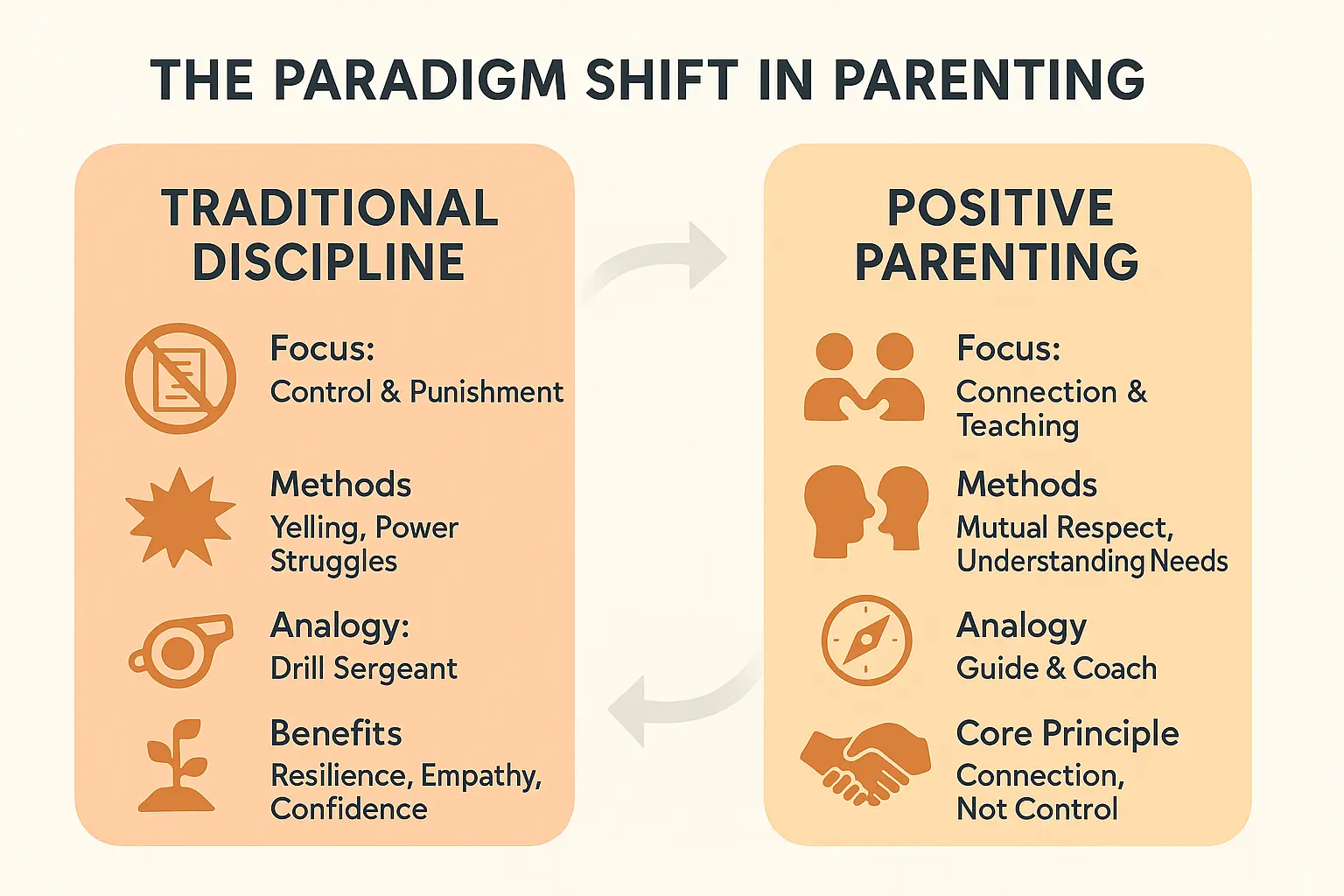
Remember when parenting meant “because I said so”? 🔄 That old-school approach left many families stuck in power struggles. Modern parenting focuses on building bridges, not walls. Think of it less like being a drill sergeant and more like being a guide or a coach. Take bedtime routines – instead of forcing compliance with threats, you could co-create a story where their favorite character learns about healthy sleep habits.
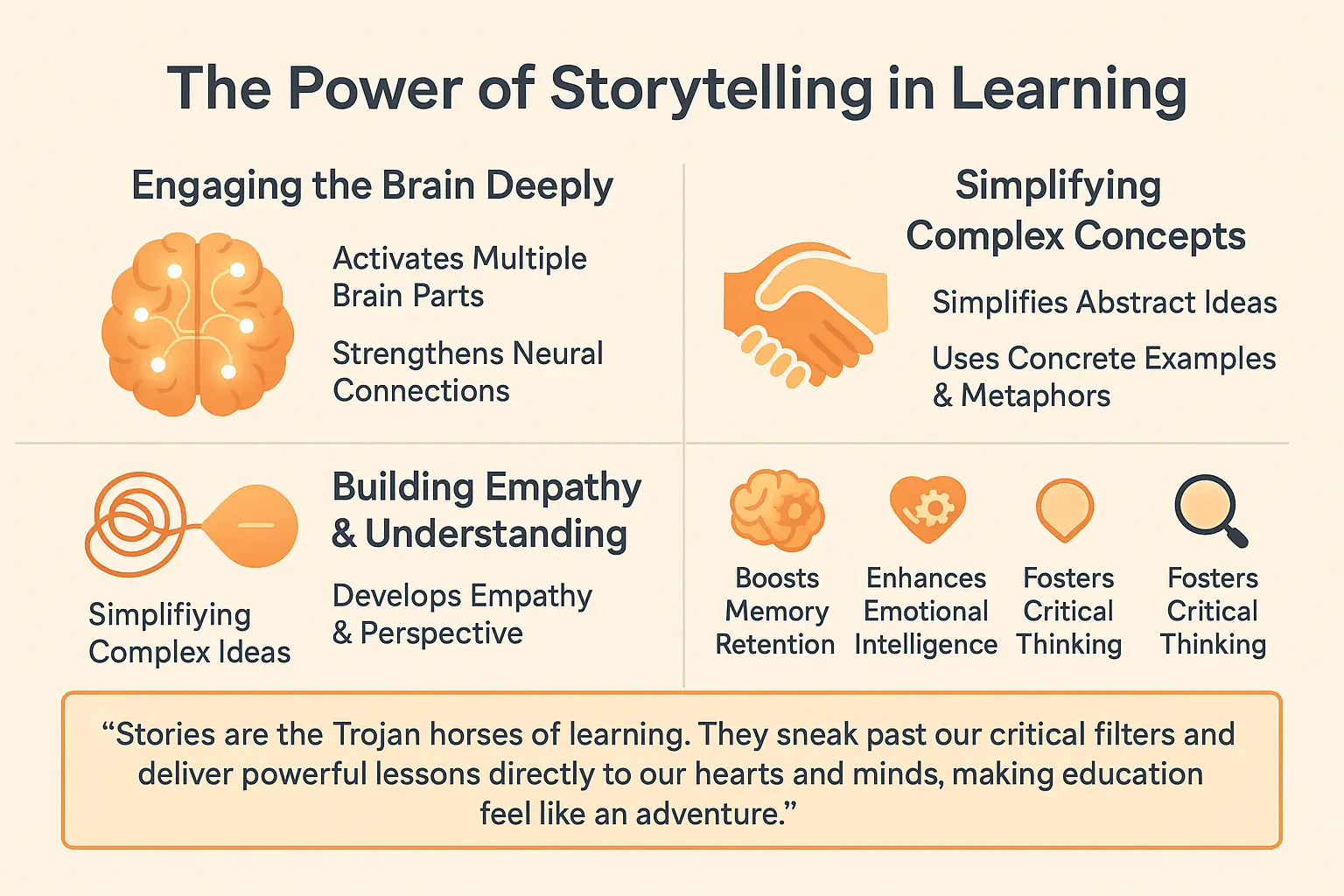
Research shows punitive methods create fear-based compliance, not lasting growth. Positive parenting prioritizes mutual respect while teaching emotional regulation. Imagine guiding your child through tantrums with empathy instead of threats – that’s the core shift! 🧠 Helping them name emotions mid-meltdown turns chaos into self-control lessons.
This isn’t about being “too soft.” It’s strategic! When kids feel heard and understood, they cooperate more. The goal? Reduce daily battles while nurturing long-term resilience. Sounds better than yelling matches, right? 😅 And here’s the bonus – this builds skills that serve them far beyond childhood.
What Is Positive Parenting, Really?
Let’s clear up a myth: positive parenting isn’t letting kids run wild. It’s proactive teaching of life skills like resilience and empathy. One core tool is using positive reinforcement effectively – think “I love how you shared your toys!” rather than “Don’t be selfish!”
“Modern parenting solutions focus on teaching kids what to do, not just punishing them for what they did wrong. The goal is connection, not control.”
Structured approaches improve outcomes. Research from the Journal of Family Social Work shows these methods significantly improve parent-child relationships. Kids raised this way show 40% higher self-esteem and better social skills – pretty compelling, right?
Think of it like upgrading your parenting toolkit. You still set boundaries but explain why they matter. This builds cooperation instead of compliance. And remember – connection doesn’t mean perfection. It means progress, one teachable moment at a time. 🌱
Your practical toolbox for everyday parenting challenges
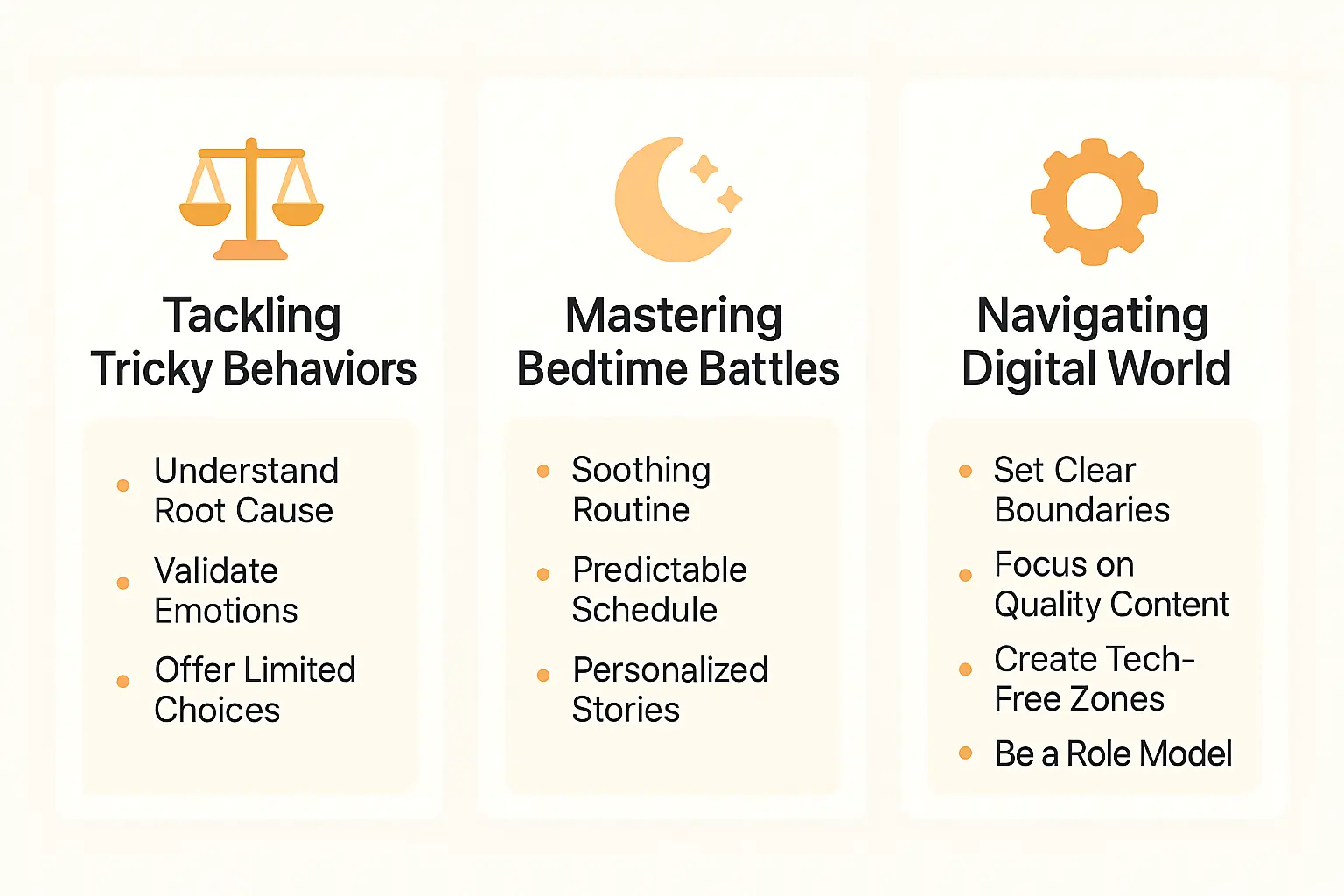
Tackling tricky behaviors without the yelling
Let’s face it: tantrums and defiance hit when everyone’s already stressed. The trick isn’t to “win” but to decode what’s really going on. Kids aren’t being “bad” – they’re drowning in emotions they can’t name yet.
Here’s the game plan: Stay calm. Name their feelings (“I see you’re mad about bedtime!”) and set clear limits (“No hitting, but let’s stomp feet instead!”). Later, debrief with a hug and brainstorm better reactions next time.
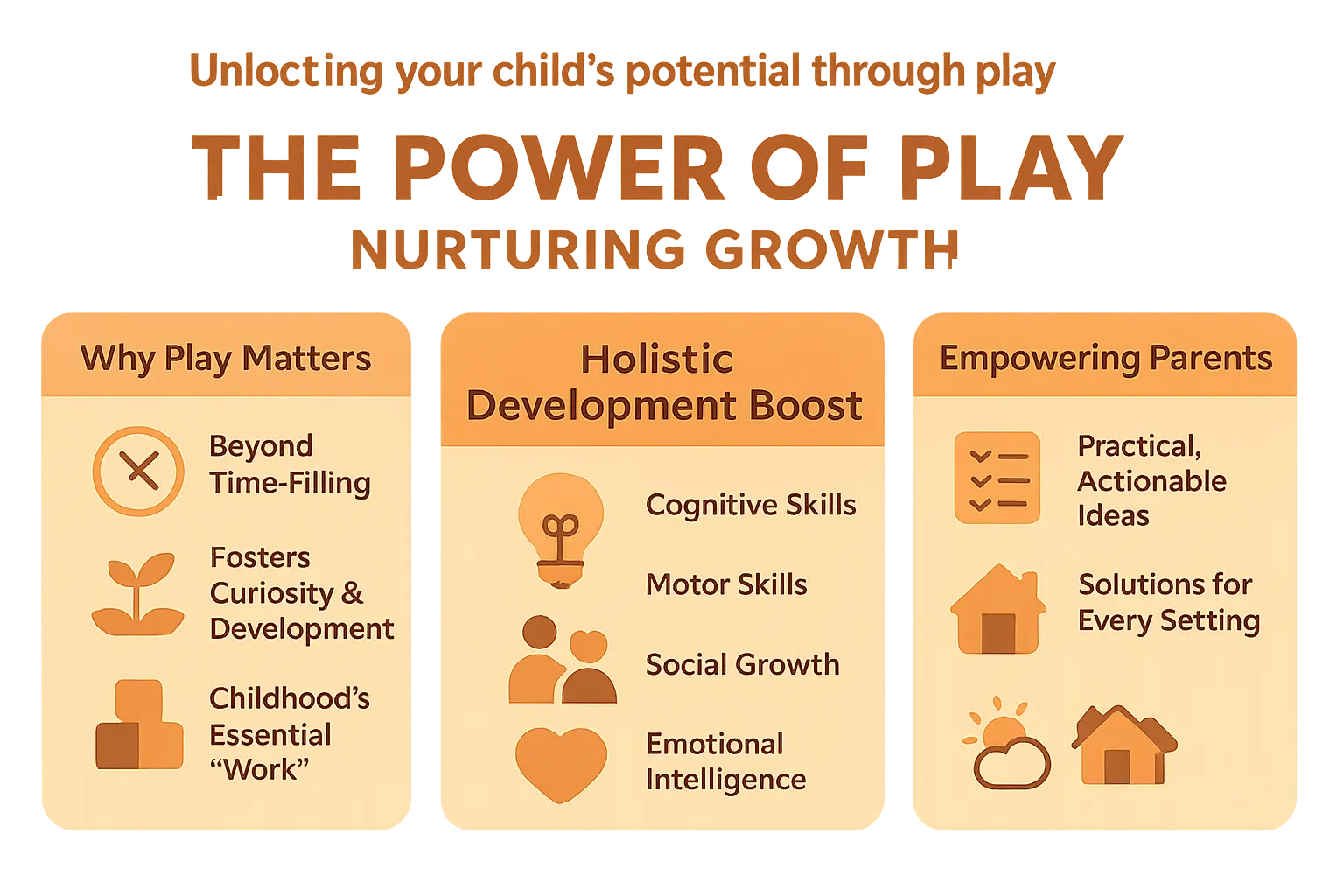
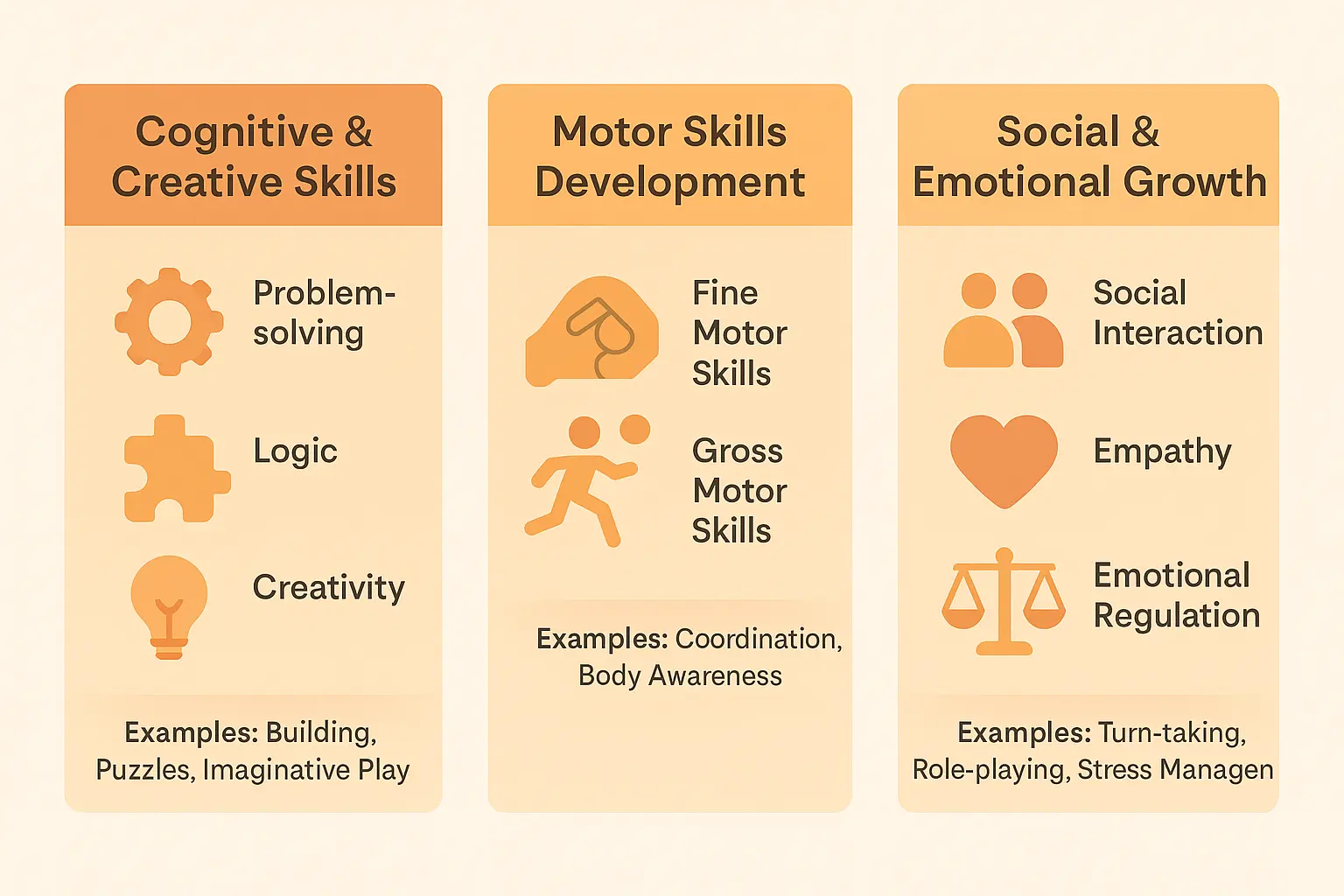
Pro tip: Fill their “emotional tank” daily. Even 10 minutes of dedicated playtime cuts tantrums. Think: eye contact, specific praise (“I love how you stacked those blocks!”), or a surprise dance party in the living room. Need help? This guide breaks down how to handle meltdowns without losing your cool.
Mastering the bedtime battle for good
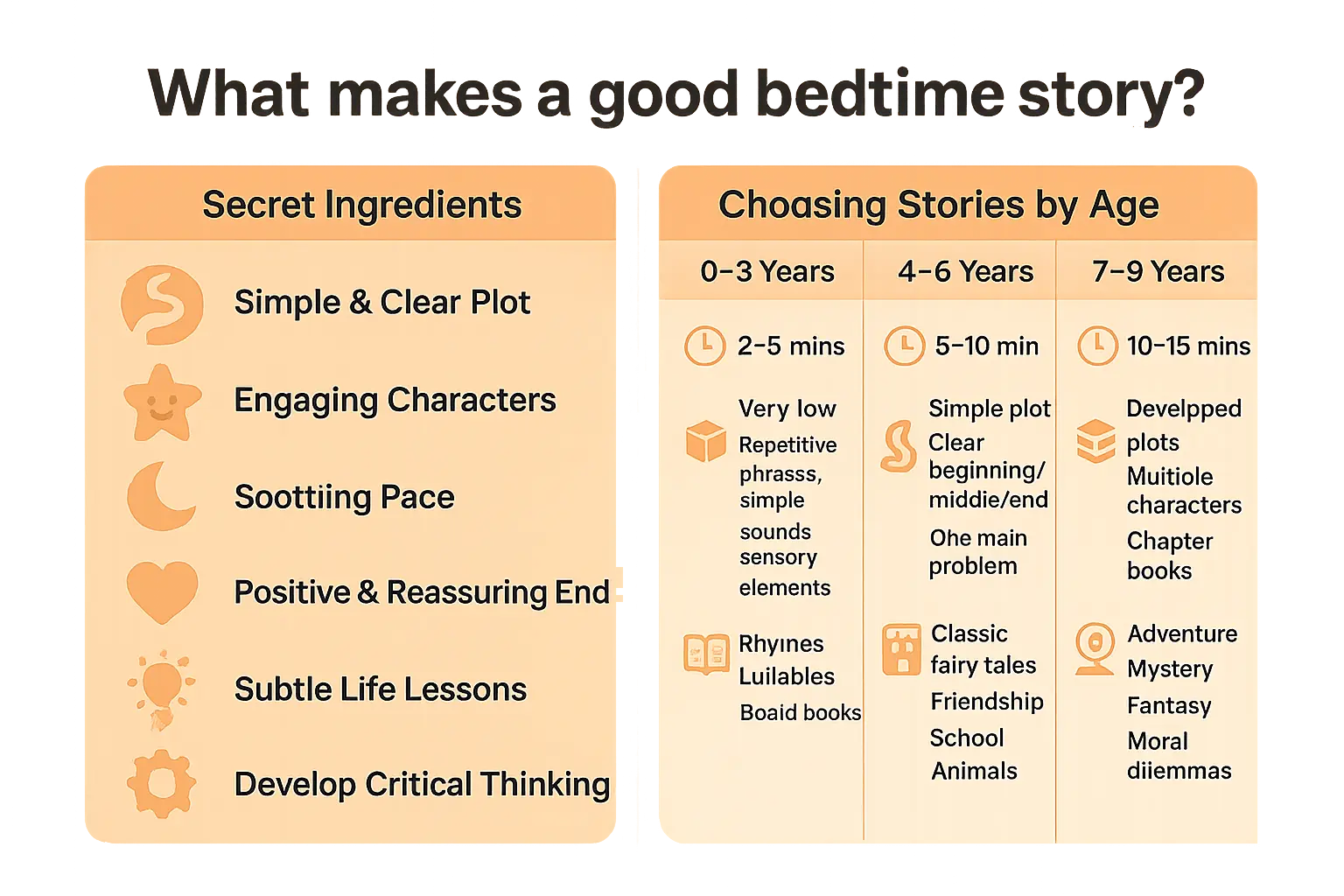
Bedtime struggles? You’re not alone. But here’s the deal: Consistency beats creativity. A 15-minute wind-down ritual works magic when done the same way, same time, every night.
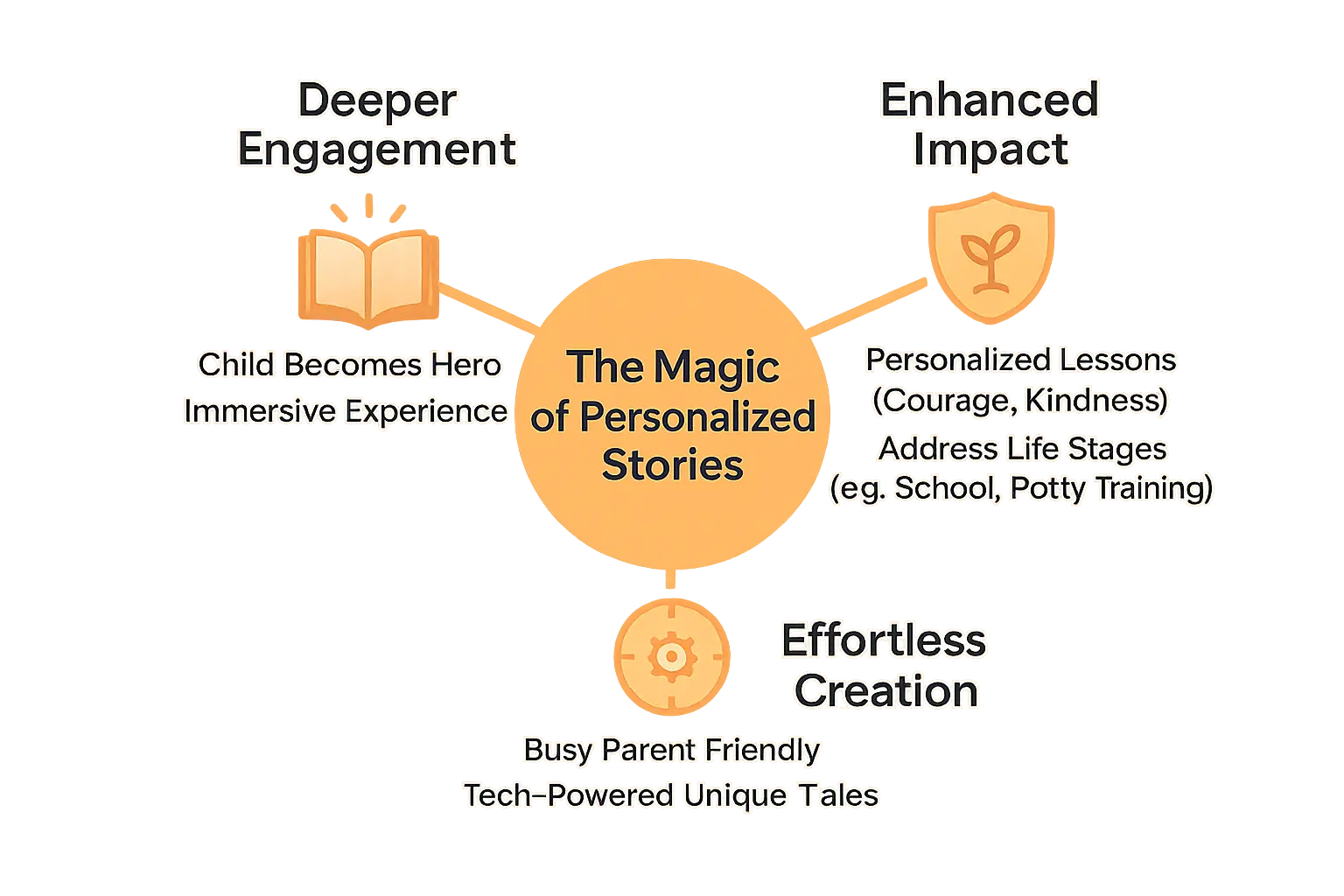
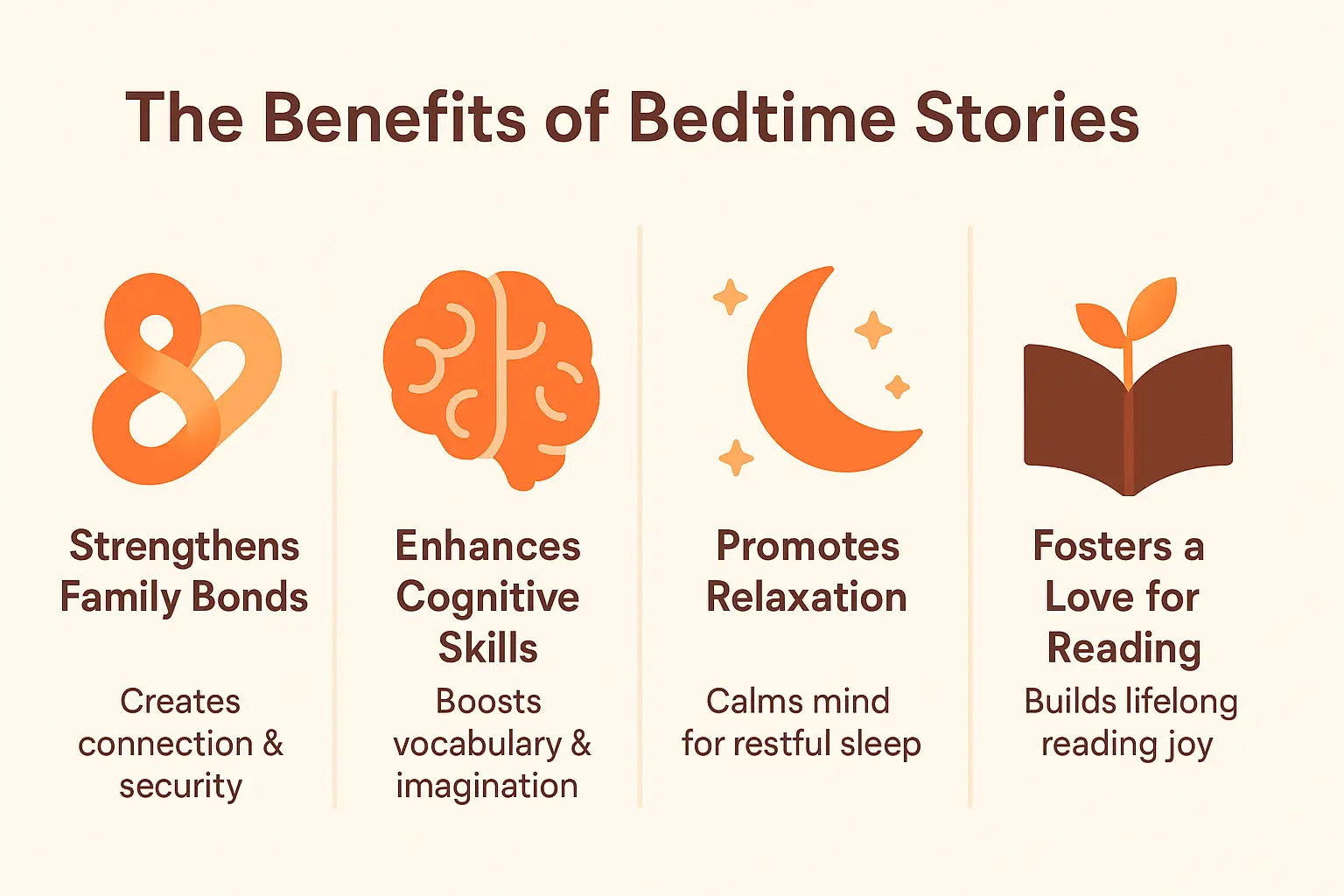
Try this: Bath → PJs → Teeth → Storytime. The story part? Supercharged when your kid becomes the hero! Imagine their eyes lighting up hearing a tale where they rescue dragons or invent time machines. Bonus: It builds emotional skills while they drift off. Example: If they’re scared of the dark, create a story where their stuffed bear brings moonlight to a cave – suddenly bedtime’s an adventure, not a fight. Ready to transform chaos into calm? This bedtime hack starts tonight.
Navigating the digital world: the screen time maze
Screen time’s a modern minefield. But here’s the wake-up call: It’s not about “how much” but “how wisely.” Quality matters way more than quantity.
- Set clear and consistent boundaries: Decide rules together – like “no screens before homework.”
- Focus on quality over quantity: Creepy crawly apps? Pass. Try interactive puzzles or story adventures where they choose the plot twists.
- Create tech-free zones: Make mealtime screen-free – suddenly dinner conversations pop off! Science says kids in tech-free homes eat 20% slower and connect more.
- Be a role model: Hide your phone during family time. Try a “tech detox hour” – everyone’s devices go dark for 60 minutes.
Remember: Over 2 hours/day of leisure screen time? Risky territory for mental health. Need balance hacks? Check this screen time blueprint for family-friendly rules that actually work. Pro tip: Start with one no-screen hour before school nights – focus improves 15% in 2 weeks.
Decoding popular parenting “rules”: What really works?
Let’s cut through the noise: as parents, we’re drowning in “rules” promising stress-free parenting. But here’s the truth – no single formula fits every family. Let’s dissect three popular ones and why flexibility wins over rigid systems. Parenting rules like 1-2-3 Magic or the 80/20 Rule might sound like magic bullets, but let’s unpack their pros and cons.
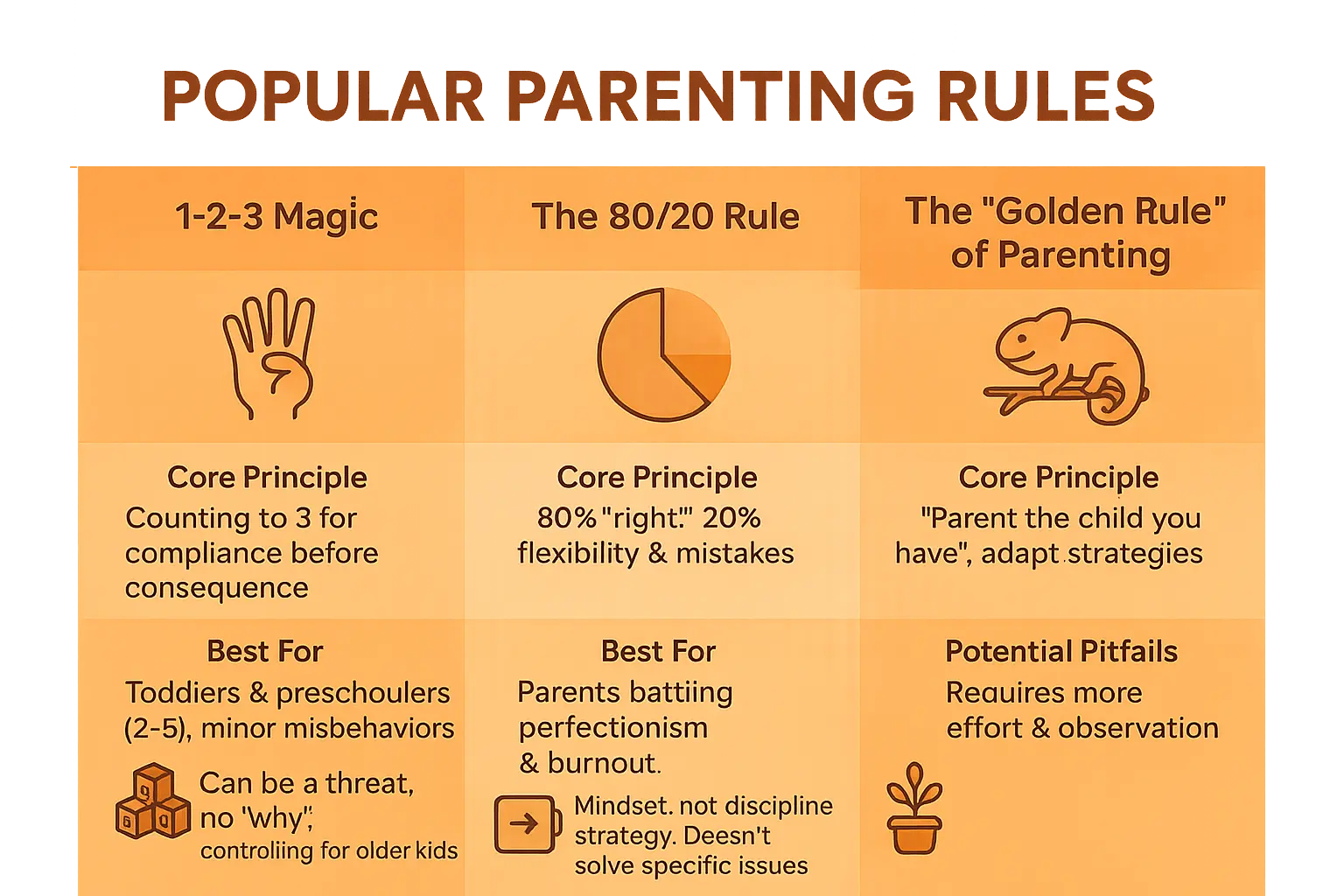 Visual comparison of parenting strategies” width=”100%” />
| Parenting Rule | Core Principle | Best For… | Potential Pitfalls |
|---|---|---|---|
| 1-2-3 Magic | Simple counting method to stop unwanted behavior. Count to 3 before consequences like time-out. | Toddlers/preschoolers (2-5) for minor misbehavior (whining, refusing to share). | Becomes a threat if overused, doesn’t teach “why” behind behavior, feels controlling for older kids. |
| 80/20 Rule | Target 80% consistency, allow 20% flexibility (e.g., pizza for dinner, extra screen time). | Parents battling perfectionism or burnout – promotes self-compassion. | Mindset shift, not a discipline fix. No quick solutions for specific behavioral issues. |
| Golden Rule | Adapt strategies to your child’s unique temperament, not “ideal child” expectations. | Every parent, every stage. Builds personalized, respectful relationships. | Requires more effort than one-size-fits-all approaches, but pays off long-term. |
1-2-3 Magic: Quick fix or quicksand?
This method works for toddlers needing clear boundaries. But if counting becomes a threat (“I’ll count to 3!”), it backfires. It doesn’t build self-regulation – you’ll still be counting at age 6 when they throw Legos across the room.
80/20 Rule: Your anti-burnout lifeline
For parents stuck in “perfectionism” mode: yes, pizza nights won’t ruin their future! But remember – it’s not a discipline tool. You’ll still need strategies when your 4-year-old draws on the walls at 7 AM.
Golden Rule: The personalized approach most guides miss
Your child isn’t a carbon copy. A routine-loving 3-year-old might meltdown over a changed bedtime song, while an adventurous 5-year-old loves spontaneous park visits. Science shows tailored approaches boost emotional regulation. Think of it as using the right tool, not a hammer for every job.
Reality check: no rule works 100% of the time. The real win? Knowing when to bend the rules. Treat these strategies as your parenting toolkit – not a rulebook. Your child’s uniqueness is what makes this journey challenging yet rewarding. 🙌
Finding the right type of solution for your family
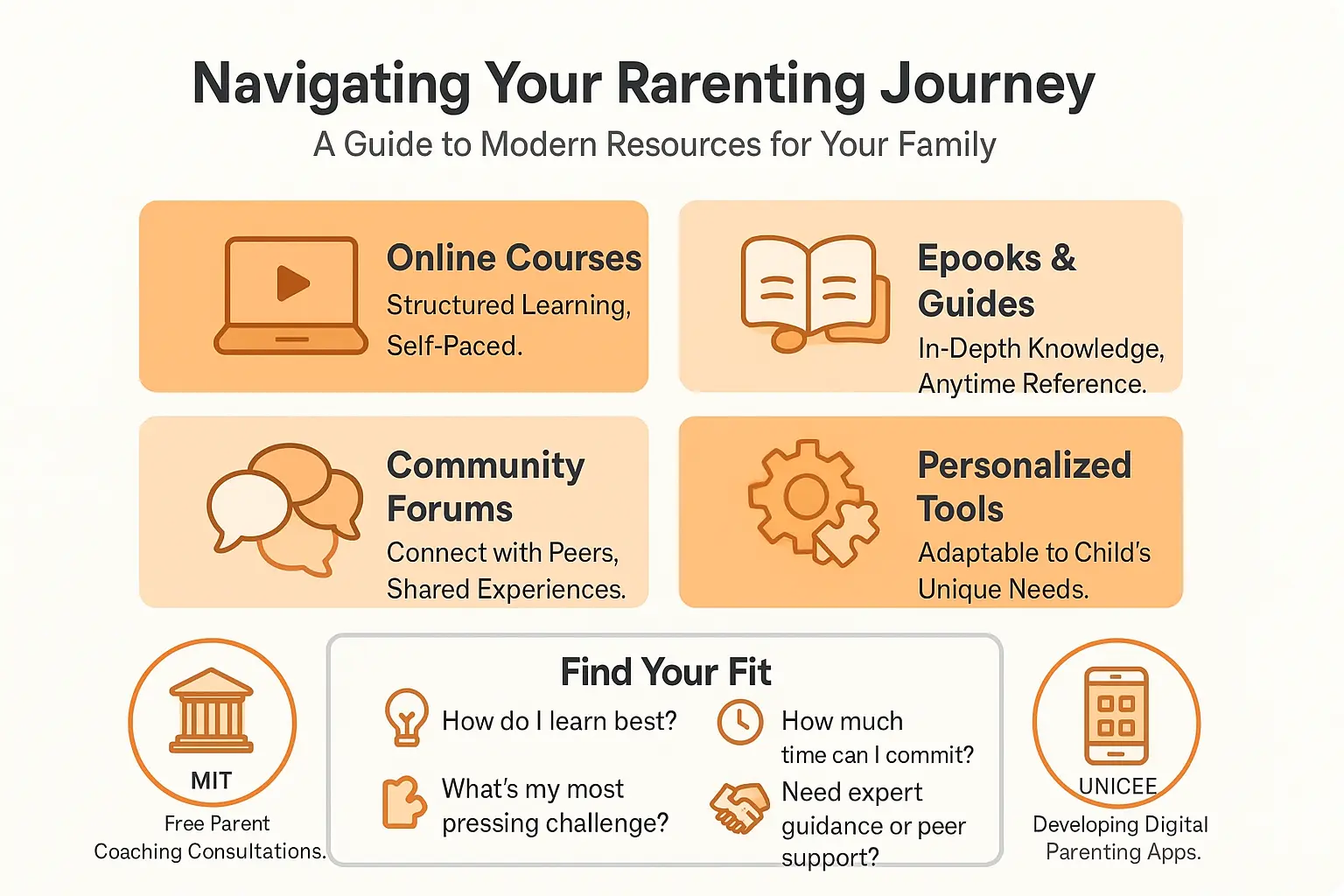
Let’s face it: parenting isn’t one-size-fits-all. Whether you’re navigating bedtime battles or juggling work-life chaos, parenting solutions come in all shapes and sizes. The trick? Finding what clicks for YOUR family. No pressure, right? 😅
Online Courses: Learn at your own pace 🎓
Prefer structured learning? Online courses let you dive into evidence-based strategies whenever life gives you 5 minutes of peace. They’re perfect for busy parents craving actionable steps without the guilt. For instance, platforms like Tellmestories’ parenting courses break down complex topics into bite-sized lessons—because let’s be real, who has time for a textbook?
Ebooks & Guides: Your pocket-sized wisdom 📚
Need answers now? Ebooks like The Gentle Parenting Guide offer instant access to expert advice. They’re like having a parenting guru in your phone—minus the unsolicited advice from strangers. 📱✨
Community Forums: You’re not alone 💬
Ever feel like you’re speaking a different language when discussing tantrums? Join a parenting community forum to swap stories, vent about picky eaters, and celebrate tiny wins. It’s therapy without the couch. 🛋️
Personalized Tools: Because your kid’s a unique snowflake 🎯
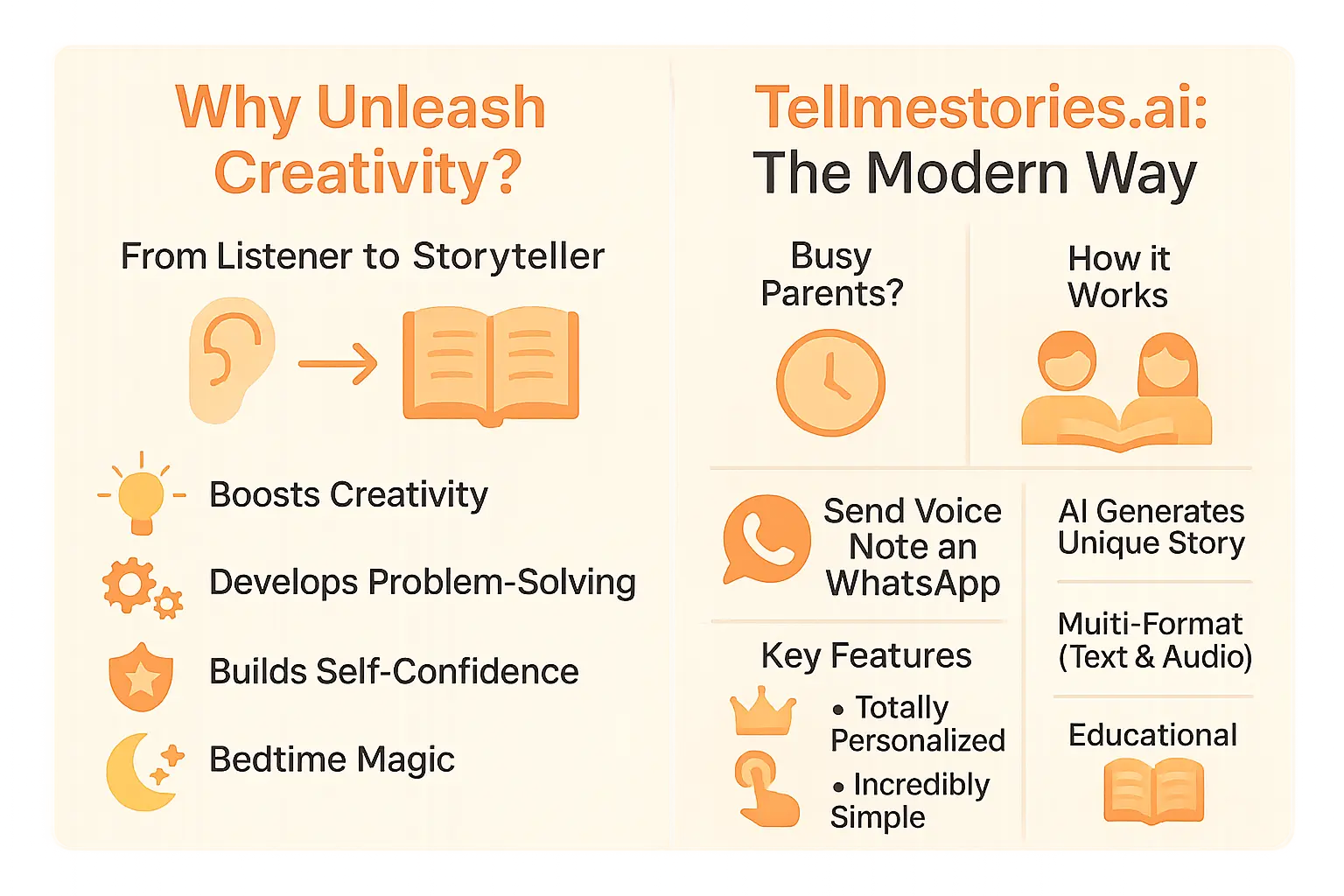
Meet tools that get your child’s quirks. Services like Tellmestories use AI to create stories starring your little one, turning bedtime into a magical bonding moment. (Spoiler: No app download needed. Just WhatsApp. 🤯)
MIT & UNICEF get it too 🌍
Even institutions like MIT and UNICEF back personalized support! MIT offers free coaching for staff, while UNICEF builds apps to empower parents globally. Proof that tailored help isn’t just a “you” problem—it’s a human solution.
So… what’s your parenting style?
Ask yourself these questions to pick your perfect fit:
- How do I learn best? (Videos? Reading? Late-night scrolling?)
- Time commitment? (5 minutes/day vs. 2 hours/week)
- What’s your toddler’s current “vibe”? (Sleep struggles? Boundary-testing?)
- Expert advice or peer vibes? (Both? You’re a rebel. 💪)
Still stuck? That’s okay. The goal isn’t perfection—it’s progress. And hey, if MIT thinks personalization is genius, you’re already on the right track. 🚀
Your parenting journey, empowered and connected
Parenting feels like a wild ride. Asking for help isn’t weakness—it’s growth. The goal? Not perfection. Staying connected through small, meaningful steps. Each breath you take instead of reacting builds a bridge between you. 🌟 It’s the tiny moments—like choosing calm over frustration—that teach your child how to navigate emotions.
The heart of parenting isn’t rigid rules or “perfect” days. It’s creating a space where both feel seen, heard, safe. Focus on respect: listening without judgment teaches handling life’s messiness. Love isn’t conditional—it’s a daily practice. Even tantrums become moments to connect. Imagine: your child’s meltdown isn’t a battle to win, but a signal to decode together.
“Investing in your parenting skills is not just about fixing today’s problems; it’s about building a foundation of trust and resilience that will last a lifetime.”
Keep going. Every calm choice during chaos, playtime when drained, or new strategy? That’s a win. Tools like personalized stories (where your child becomes the hero!) turn learning into magic. 💫 These stories aren’t just fun—they reflect your child’s personality, making lessons stick without lectures. A bedtime tale where they overcome fears? That’s empowerment in action.
Stay curious. Trust your effort shapes a thriving future. You’ve got this—because being “good enough” is more than enough. ✨ Remember: progress, not perfection, is the goal. Even 5 minutes of intentional connection daily changes everything.
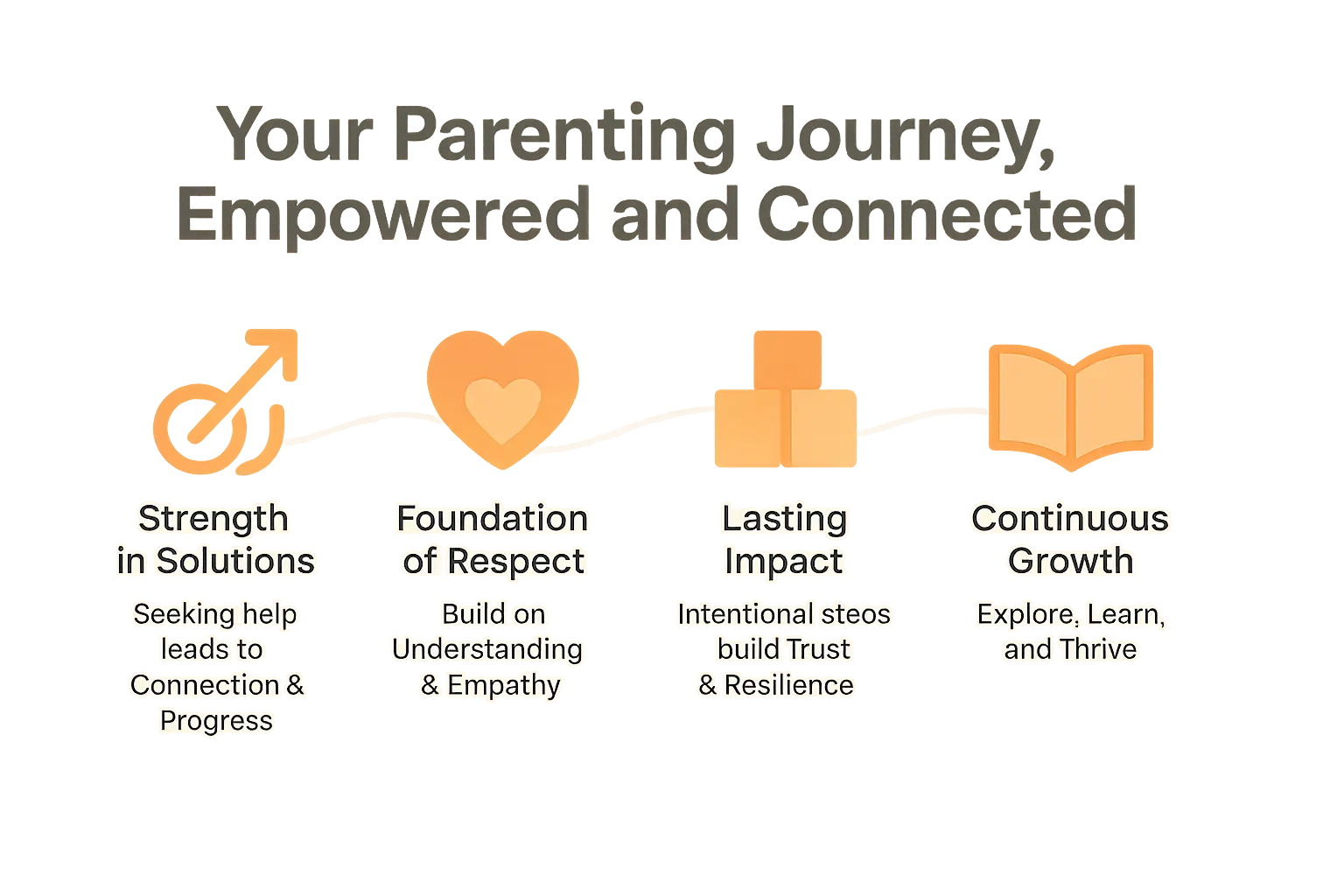
Your parenting journey is about progress, not perfection. 💪 Choosing connection over control builds lasting trust. “Investing in your skills creates a foundation of trust and resilience.” Every step counts—keep exploring what works for your family. You’re doing great! 🌟
FAQ
What’s the 7-7-7 parenting rule, and does it actually work?
Okay, let’s demystify this! The 7-7-7 rule is a strategy often shared for toddlers around 3 years old. The idea is simple: for 7 days straight, you spend 7 minutes giving your child undivided attention, then 7 minutes letting them lead play while you follow their cues. 🧸 It’s all about building connection and giving kids that “I see you” moment they crave. Now, does it work? Well, many parents say it helps with cooperation and reducing attention-seeking behaviors. But remember—it’s not magic! Consistency matters, and every kiddo’s different. You can try it as a tool in your toolbox, but don’t stress if it’s not a perfect fit!
What’s the 70/30 parenting rule? Is it a thing?
Oh yeah, the 70/30 rule! Here’s the deal: it’s about dividing your energy between guiding your child (70%) and letting them explore independently (30%). Think of it like this—you’re the safety net, but you’re not helicoptering. 🪂 For example, if they’re building a block tower, you might step in to prevent a safety issue (70%), but let them figure out the design (30%). This balance helps kids learn problem-solving while feeling secure. It’s super flexible and works for all ages, but keep in mind—it’s more of a mindset than a strict formula. You’ll tweak it as you go!
Wait, what’s the 30% rule in parenting? Is it the same as 70/30?
Great question! The 30% rule is basically the “let them be” part of the 70/30 split. 🤚 It’s all about stepping back to let kids make mistakes, try things independently, and even get a little bored (which is actually good for creativity!). For instance, if your 5-year-old is struggling with shoelaces, the 30% rule says, “Don’t jump in right away!” Let them fumble for a bit—praise the effort, and only help if they’re really stuck. The magic? It builds resilience without making you feel like a stage mom. But hey, don’t overthink it—parenting’s not a math test!
Do positive parenting solutions really work, or is it just hype?
Short answer: YES, they do! 🙌 But let’s get real—it’s not about being a perfect parent. Positive parenting is like learning to ride a bike: you’ll wobble, but the balance gets better with time. Studies show it reduces tantrums, builds trust, and even helps kids handle stress later in life. The key? It’s not about being soft—it’s about being firm AND kind. For example, instead of yelling, you’d say, “I know you’re mad we’re leaving the park, but we can talk about it calmly.” Over time? Less power struggles and more teamwork. Does it take effort? Totally. Worth it? 100%.
What’s the 80/20 rule in parenting? Is it like Pareto’s principle?
Kinda, but not exactly! The 80/20 parenting rule is more about “good enough” parenting. 🍕 Here’s the vibe: aim to be “on your A-game” 80% of the time, and let the other 20% be messy, imperfect moments. Like, maybe 80% of dinners are home-cooked, but 20% are pizza. Or 80% of the time you’re calm during homework, 20% you’re like, “Ugh, just DO IT!” 😅 The goal? Stop beating yourself up over tiny slip-ups. Life’s not a straight line, and kids need to see you being human too. Just don’t let the 20% creep into the 80%—balance is key!
How does the 1-2-3 parenting rule work? Is it just counting to three?
Oh, the classic 1-2-3 rule! Yep, it’s about counting to three when a kiddo’s misbehaving, but there’s nuance. 📏 You say “1” as a gentle reminder, “2” if they’re still not listening, and “3” means action time (like a time-out). Super simple, right? It works best for toddlers and preschoolers—think: “1, we don’t throw food. 2, let’s try again. 3, time to pause.” But here’s the catch: if you don’t follow through on “3,” it loses power. Also, it’s not a long-term fix—it teaches compliance, not problem-solving. Use it sparingly, not as your go-to!
What’s the 80/20 rule in custody? Does it apply to parenting time?
Oh boy, this one’s tricky. In custody terms, the 80/20 rule sometimes refers to “primary custody” where one parent has the child 80% of the time, and the other 20%. 🏠 It’s common in high-conflict situations where stability matters most. But here’s the catch: it’s not a legal term everywhere, and judges don’t always stick to exact percentages. Some parents use it to plan schedules, but remember—it’s not one-size-fits-all. Communication’s still crucial, even if time isn’t split 50/50. If you’re navigating this, talk to a family law pro to avoid surprises!
What’s the golden rule of parenting? Is it just “treat others as you’d want to be treated”?
Kinda, but let’s dig deeper! The golden rule here is: “Parent the child you have, not the child you wish you had.” 💡 It’s about adapting to your kiddo’s unique needs, not forcing them into a mold. For example, if you’ve got a shy kid, don’t push them to be the loudest in the room. Instead, celebrate their quiet confidence and help them thrive in their way. This rule’s a game-changer for reducing stress and building trust. But it’s not easy—requires patience and a lot of “read the room” energy. Still, it’s the foundation of parenting that feels fair and respectful to both of you!
What’s the best custody schedule for high-conflict families? 50/50 or primary custody?
Ugh, high-conflict custody… tough stuff. 🤯 The “best” schedule? It’s not one-size-fits-all. Some experts say 50/50 works if co-parenting’s possible, but if parents can’t agree on what day it is, 80/20 (primary custody) might be safer for the kid. The key is minimizing handoffs and keeping routines stable. For example, a “2-2-3” schedule (2 days with one parent, 2 with the other, 3 with the first) can work for low-conflict families. But if tempers flare often, clear boundaries and less frequent transitions are better. Pro tip? Mediation helps, and always put the child’s needs before your “points” in an argument. 💪