Not enough time to read? Here’s what matters: Stories for 2-year-olds thrive on simplicity and repetition, fitting short attention spans while boosting language, emotional growth, and imagination. These tales are daily moments to bond, foster empathy, and spark curiosity. Key insight: Toddlers engage 3x longer with personalized stories where they’re the hero. Short, relatable, purposeful: the magic formula for early learning and connection.
Ever watched a 2-year-old’s eyes light up at a story… only to see them squirm seconds later? 🧸 Let’s face it: stories for 2 year olds are a lifeline for sanity and development—yet finding ones that hook their short attention spans feels like a puzzle. Spoiler alert: the magic lies in simplicity, repetition, and relatable themes (think bath time adventures, giggly animal antics, or educational stories that sneak in colors and numbers). This guide spills the secrets to crafting bedtime routines that stick, building a stronger bond, and sparking their inner Einstein—all while keeping the chaos at bay. Ready to transform storytime into a highlight of their day? 📚✨
Why finding the right stories for 2 year olds is a game changer
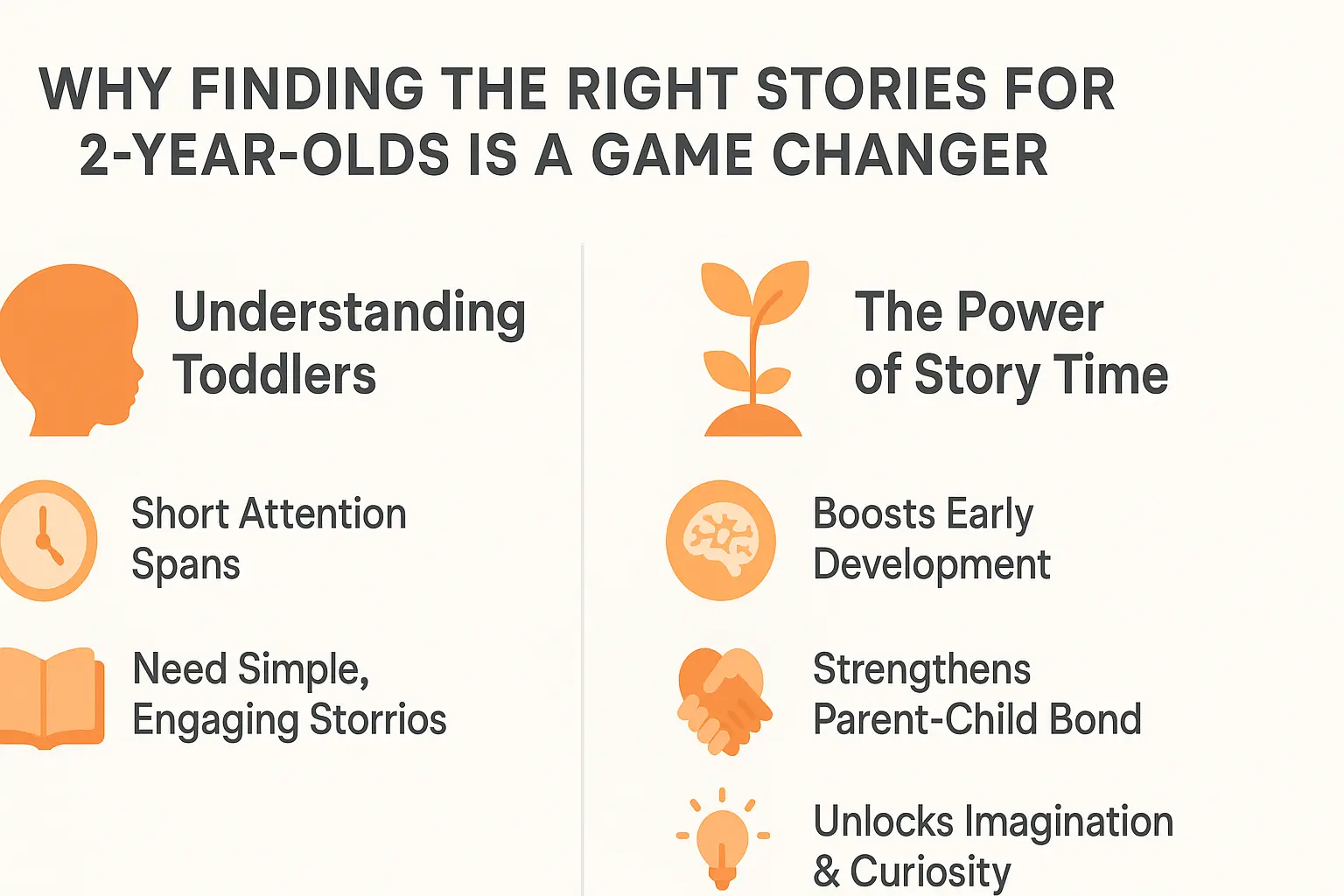
Ever wonder what’s going on in that little head of theirs? 🤔 Two-year-olds are like tiny scientists, absorbing their world. Keeping their attention feels like catching smoke with your bare hands. That’s where the magic of story time kicks in.
Stories aren’t just for calming them before bed. They’re secret weapons for toddler development. Think of them as brain fuel wrapped in fun. The trick? Keep stories short, repetitive, and filled with cozy themes they recognize. No dragons or complex plots – just simple, predictable worlds they can cling to.
Here’s the kicker: their short attention spans give you about 3 minutes max before they chase a cat or lick the fridge. Personalized stories change the game. Imagine tales where your child becomes the hero – saving the day with their teddy. Suddenly, story time becomes their favorite adventure.
This isn’t just entertainment. These stories build vocabulary, teach emotional security, and strengthen your bond. Ever seen a toddler light up hearing their name in a story? That’s their brain making 100 new connections a second.
Ready to unlock the secret sauce? Let’s dive into how these tiny humans think – and what kind of tales make their world shine. 🌟
What makes a story perfect for a 2-year-old?
The magic of simplicity and repetition
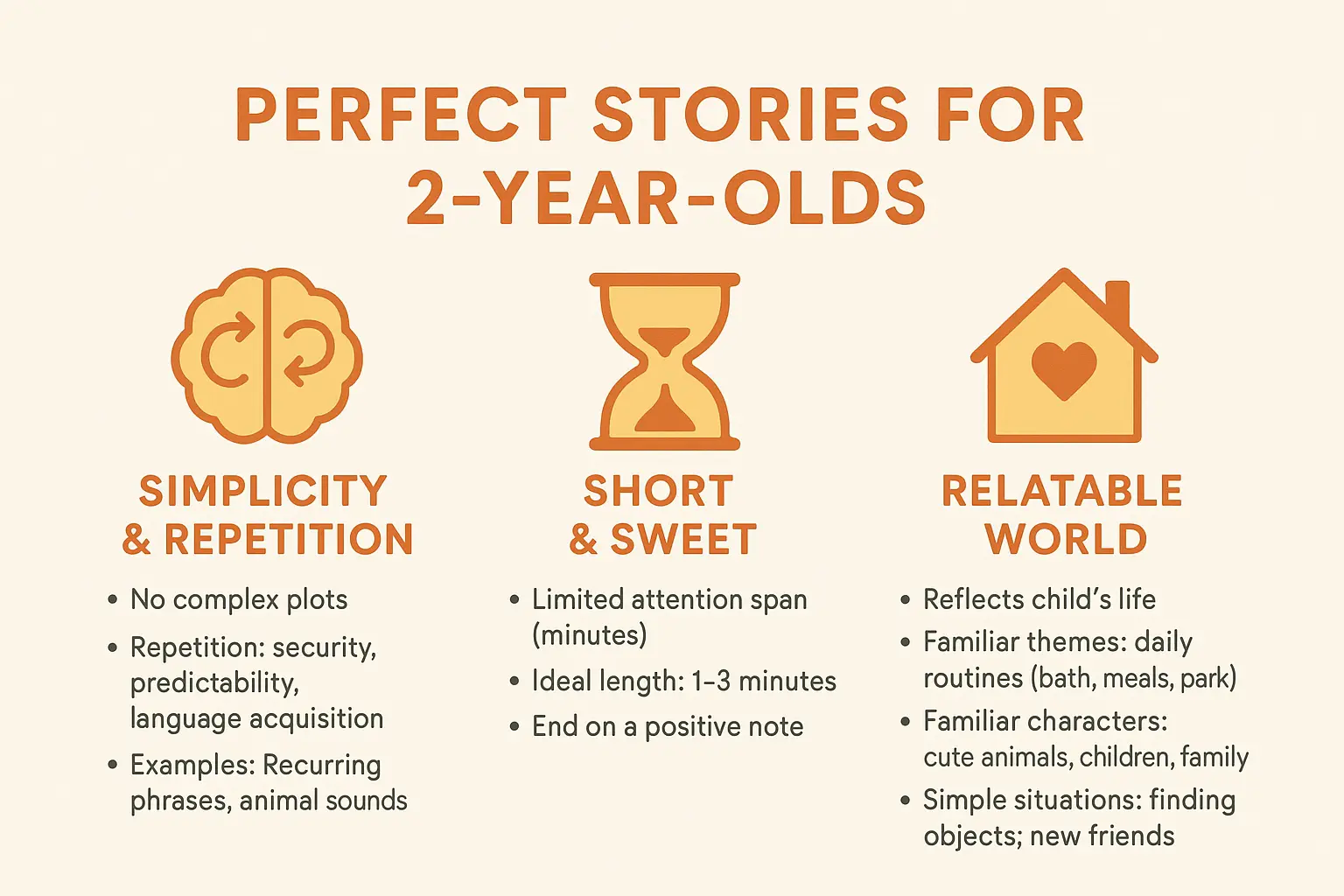
Two-year-olds thrive on stories that mirror their cognitive world: simple, structured, and predictable. Their brains process information sequentially, making complex narratives overwhelming. Repetition isn’t just a quirk—it’s a superpower. 🌟
Repetition creates a “cozy blanket” for their developing minds. Hearing the same phrases builds familiarity, which boosts language acquisition. Think of recurring animal sounds or repeated dialogue—these elements help them anticipate what comes next, turning passive listening into active participation. Studies show repeated exposure to the same story improves vocabulary retention more than varied stories.
Simple structures also reduce cognitive load. A sentence like “The bear goes huff-puff!” becomes a playful template they’ll use in their own speech. This isn’t just mimicking—it’s foundational learning.
Short and sweet: why length matters
Let’s face it: toddlers have short attention spans. 🕰️ Most stay engaged for just 1-3 minutes at this age. Long-winded tales? They’ll squirm away before the third page.
Brevity isn’t about rushing—it’s about timing. Short stories end on a high note, leaving little room for frustration. Audio formats work wonders here, letting parents play 2-minute tales during car rides or bedtime routines. Quick downloads from services like Tellmestories mean stories fit seamlessly into chaotic schedules.
Think of these mini-narratives as “language snacks.” Bite-sized but packed with developmental benefits—from vocabulary building to emotional bonding during cozy reading moments.
Relatable characters and familiar themes
Why do toddlers ask for the same story 10 nights in a row? Because seeing themselves in characters makes stories stick. Here’s what resonates:
- Daily routines: Bath time, mealtime, park adventures
- Beloved figures: Cuddly animals, sibling dynamics, grandparents
- Simple challenges: Finding lost toys, making new friends, helping parents
These themes aren’t random—they reflect their expanding world. A story about a cat taking a bath mirrors their own bath time struggles. A tale of a shy puppy making friends mirrors their social milestones. This connection transforms stories into emotional anchors, teaching empathy through characters who share their experiences.
The amazing benefits of stories for your toddler’s growth
Boosting language and listening skills
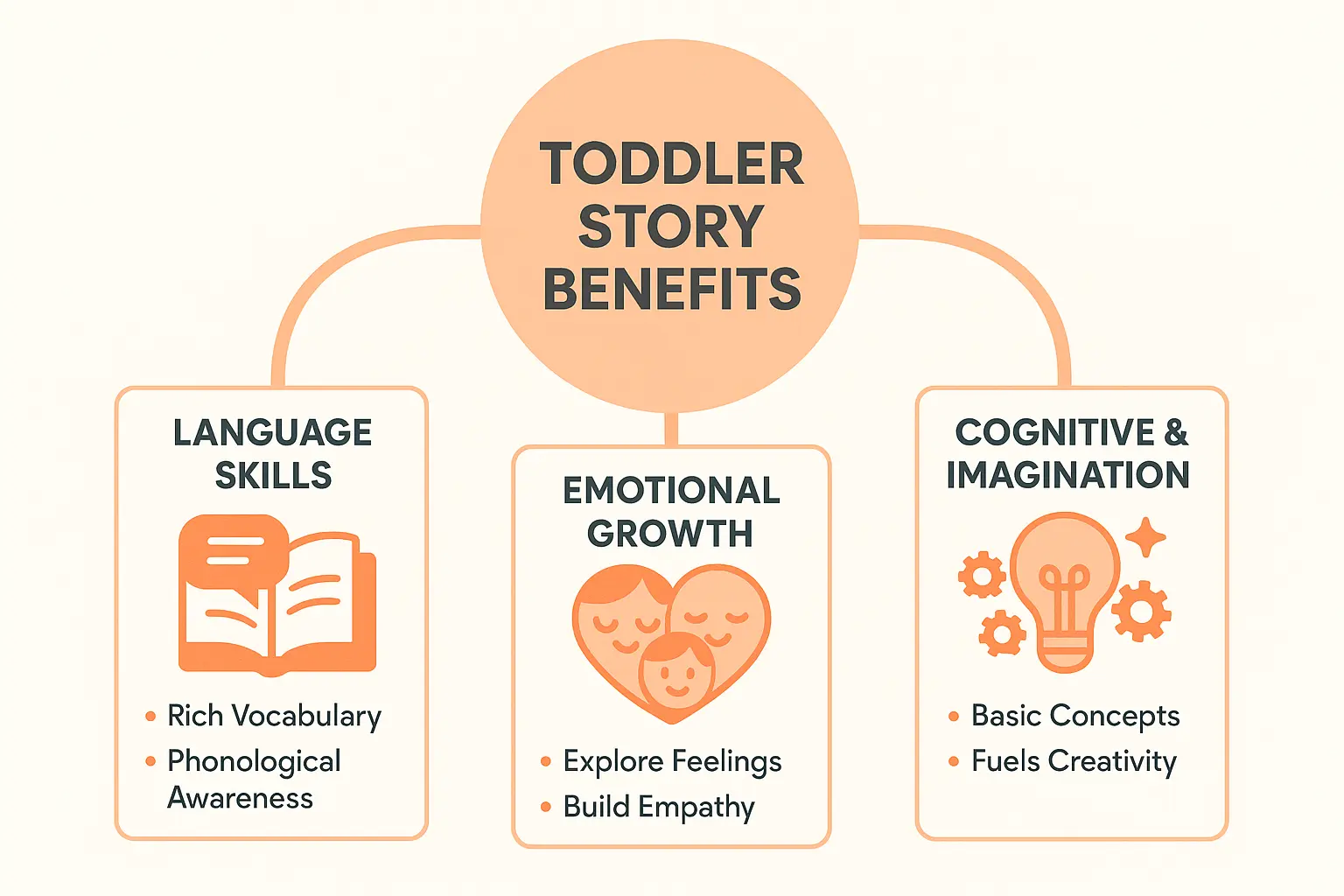
Reading stories exposes toddlers to rich vocabulary and proper sentence structures long before they can read independently. 📚 Simple rhymes and repetitive patterns build phonological awareness – the foundation for future reading success. When your child hears familiar sounds and rhythms in stories, their brain starts recognizing speech patterns. This primes them for decoding language later.
With Tellmestories, parents can use voice notes to create custom tales that incorporate their child’s favorite animals or daily routines. This personalized approach makes language learning irresistible – imagine your toddler hearing their own name in a story about a brave bear cub! 🧠 Discover how tailored narratives strengthen these crucial early literacy foundations while making learning feel like playtime.
Nurturing emotional intelligence (EQ)
Stories give children a safe space to explore big feelings like sadness, anger, or joy, helping them understand that all emotions are okay and manageable.
Through relatable characters, toddlers learn to identify and express their emotions. A story about a scared bunny during thunderstorms teaches emotional vocabulary and coping strategies. 👶 When your child sees their photo transformed into a character facing similar fears, the lesson becomes deeply personal and powerful.
Regular storytime builds empathy by showing different perspectives. When your child sees how characters handle situations, they start developing their own emotional toolkit. 💖 The service’s memory feature even remembers your child’s favorite themes, creating continuity that reinforces emotional learning across multiple stories.
Sparking cognitive growth and imagination
Simple narratives introduce basic concepts like counting apples or recognizing colors. These stories create mental frameworks for understanding cause-and-effect relationships. 🧒 The photo-to-character feature lets toddlers see themselves as the hero of adventures, making abstract concepts tangible and memorable.
Repetition in stories boosts memory and logical thinking. The predictable structure of personalized tales helps toddlers anticipate what comes next, strengthening their problem-solving muscles. 🎯 Audio narration by professional voice actors adds another layer – hearing different tones and pacing helps develop their auditory processing skills.
Creative plots fuel imagination. A space adventure story might spark hours of imaginative play, while animal tales expand their understanding of the world. 🌌 The option to order physical books means they can physically interact with their stories, turning pages and pointing at characters they helped create – a multi-sensory experience that supercharges cognitive development.
Your guide to the different types of stories for 2 year olds
Looking for stories that engage toddlers while supporting growth? 📚 Let’s explore options for every moment and goal.
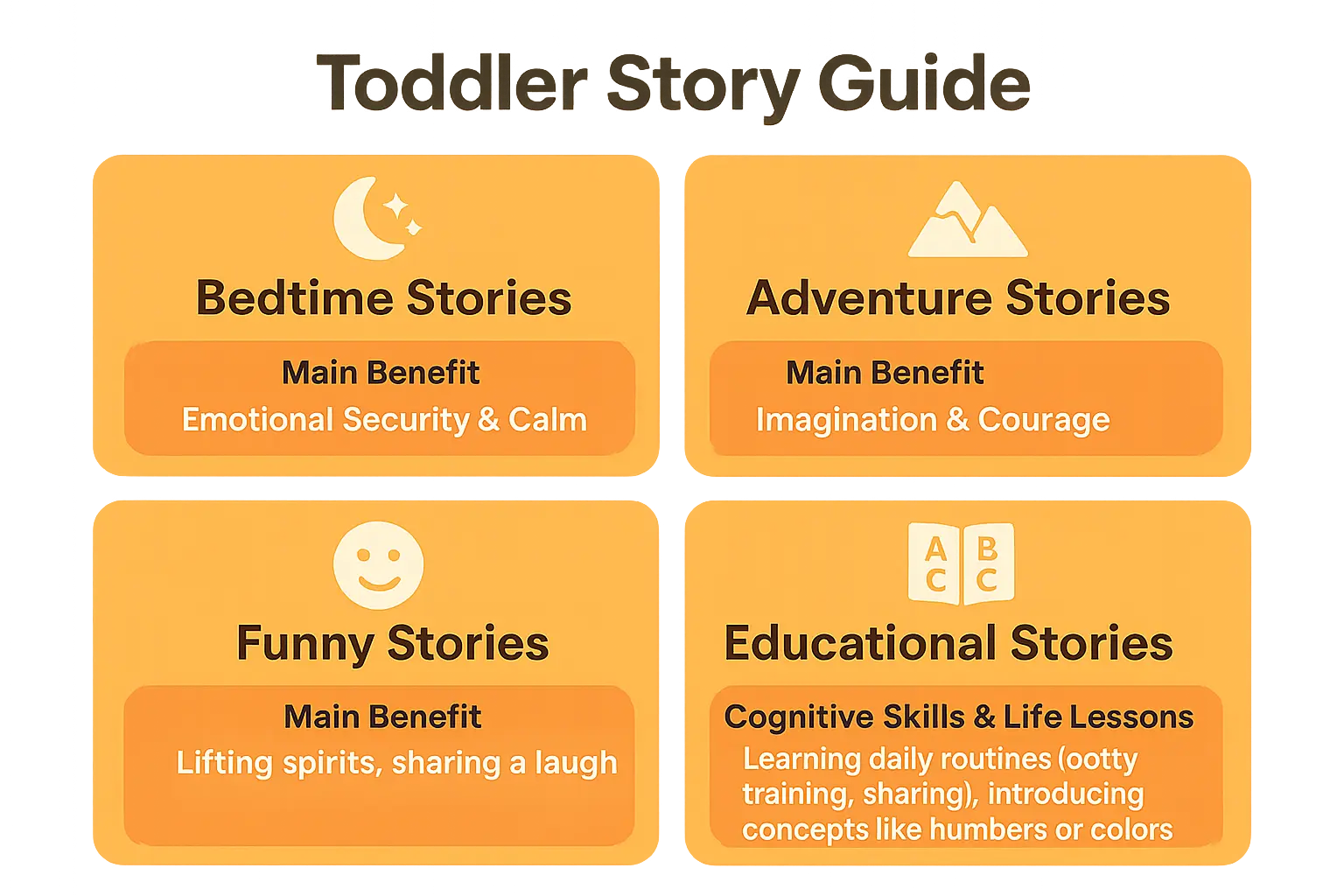
| Story Type | Main Benefit | Best For… |
|---|---|---|
| Bedtime Stories | Emotional Security & Calm | Winding down before sleep, creating a soothing bedtime routine |
| Adventure Stories | Imagination & Courage | Daytime fun, encouraging curiosity (without being scary) |
| Funny Stories | Joy & Bonding | Lifting spirits, sharing a laugh together |
| Educational Stories | Cognitive Skills & Life Lessons | Learning routines (potty training, sharing), introducing numbers or colors |
Bedtime Stories: Calm Before Dreamland 🌙
Use tales with soft sounds and predictable rhythms to signal sleep time. Think of a sleepy unicorn finding stars or a baby elephant learning to snuggle under blankets. Repetitive phrases become comforting anchors for toddlers.
Adventure Stories: Brave Little Explorers 🌟
Spark curiosity with gentle quests! A turtle learning to swim or a curious bear meeting forest friends teaches courage. Focus on problem-solving (like sharing snacks with birds). Toddlers love helping characters solve simple challenges.
Funny Stories: Belly Laughs & Connection 😄
Stories about giggly penguins wearing socks or cats chasing tails let families bond through humor. Use exaggerated sounds (“SPLASH!” or “OOOOH!”) toddlers mimic joyfully. Silly moments teach that mistakes are okay!
Educational Stories: Learning Disguised As Fun 🧠
Introduce concepts like colors (“Red apple, red apple, where’s the red apple?”) or potty training through playful narratives. A shy dinosaur story subtly teaches perseverance. Look for interactive elements like pointing to shapes.
Story Formats: From Text To Audio 🎧
Try mixing formats! Audio stories work during car rides. For personalized keepsakes, some services let your child become the hero. The key? Match formats to attention spans and daily routines.
Need instant tales tailored to your toddler’s world? 📲 Let’s explore smart story creation next!
Making story time a cherished and successful ritual
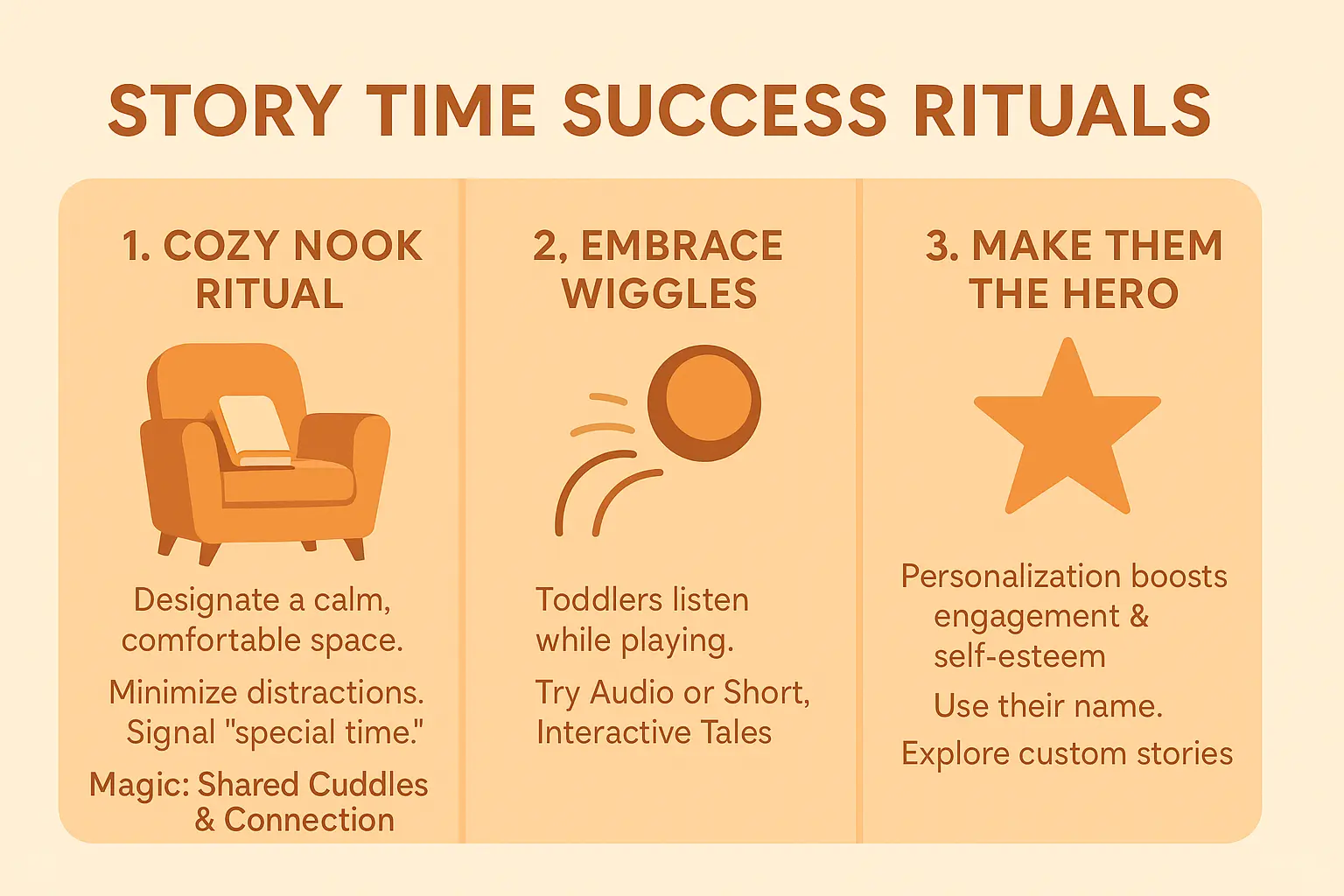
Create a cozy reading nook
Transform any corner into a magical story sanctuary 🌟
Choose a quiet spot with soft blankets and favorite stuffed animals. Think beyond bedtime – story time works during lazy afternoons or post-bath calm. The goal? Create a “this means business” environment that signals: “Time to connect!” Add a small basket of sensory items like crinkly fabric books or scented stickers for extra engagement.
“The magic of story time isn’t just in the tale itself, but in the shared cuddles, the quiet moments, and the feeling of being completely connected.”
Keep screens away and maintain consistent timing. This predictability builds excitement for reading. Even a simple pillow pile becomes special when paired with daily story magic ✨ Try adding a “story basket” with tactile books and soft animal toys for bonus engagement.
What if my toddler won’t sit still?
Don’t panic! 🤯 80% of toddlers move constantly during stories – it’s perfect for their age.
Experts confirm that active listening counts too! Your child might prefer “attending” while building with blocks or zooming toy cars.
Try these alternatives:
- Play audio stories during playtime
- Try super-short 2-minute tales with sound effects
- Make it interactive by asking “What happens next?”
Remember: Movement helps little minds process stories differently. They’re still learning through motion! Try “story walks” where you narrate while they explore nearby spaces.
The ultimate trick: make them the hero
Here’s the game-changer 🎯 When kids hear their name in stories, watch their eyes light up! This personalization:
- Boosts self-esteem through personal connection
- Makes learning moments (like sharing) unforgettable
- Creates bedtime magic that grandparents will want too!
Meet Tellmestories – the genius solution from two dads who solved their own bedtime battles. Just send a voice note with your child’s details and boom! Instant personalized adventures in minutes 📱
Picture this: Your little firefighter hero saves the day using kindness, all while learning bedtime routine benefits. The AI remembers preferences too – Sofia’s space adventures become a comforting series that grows with her interests. Perfect for building emotional security through familiar characters and soothing themes!
Ready to start your storytelling adventure?
Creating magical moments with your toddler doesn’t require perfect stories – just simple, heartfelt ones.
Short tales with repetitive phrases and relatable characters are perfect for tiny minds. They build language skills, spark joy, and create cozy bedtime routines. Whether it’s a sleepy bear’s journey or a bouncing bunny’s adventures, every story becomes a chance to connect, teach, and laugh together.
Remember: There’s no “right” way to read with your child – just show up, have fun, and let curiosity lead the way. Your toddler’s giggles and wide eyes are all the proof you need that you’re doing something amazing.
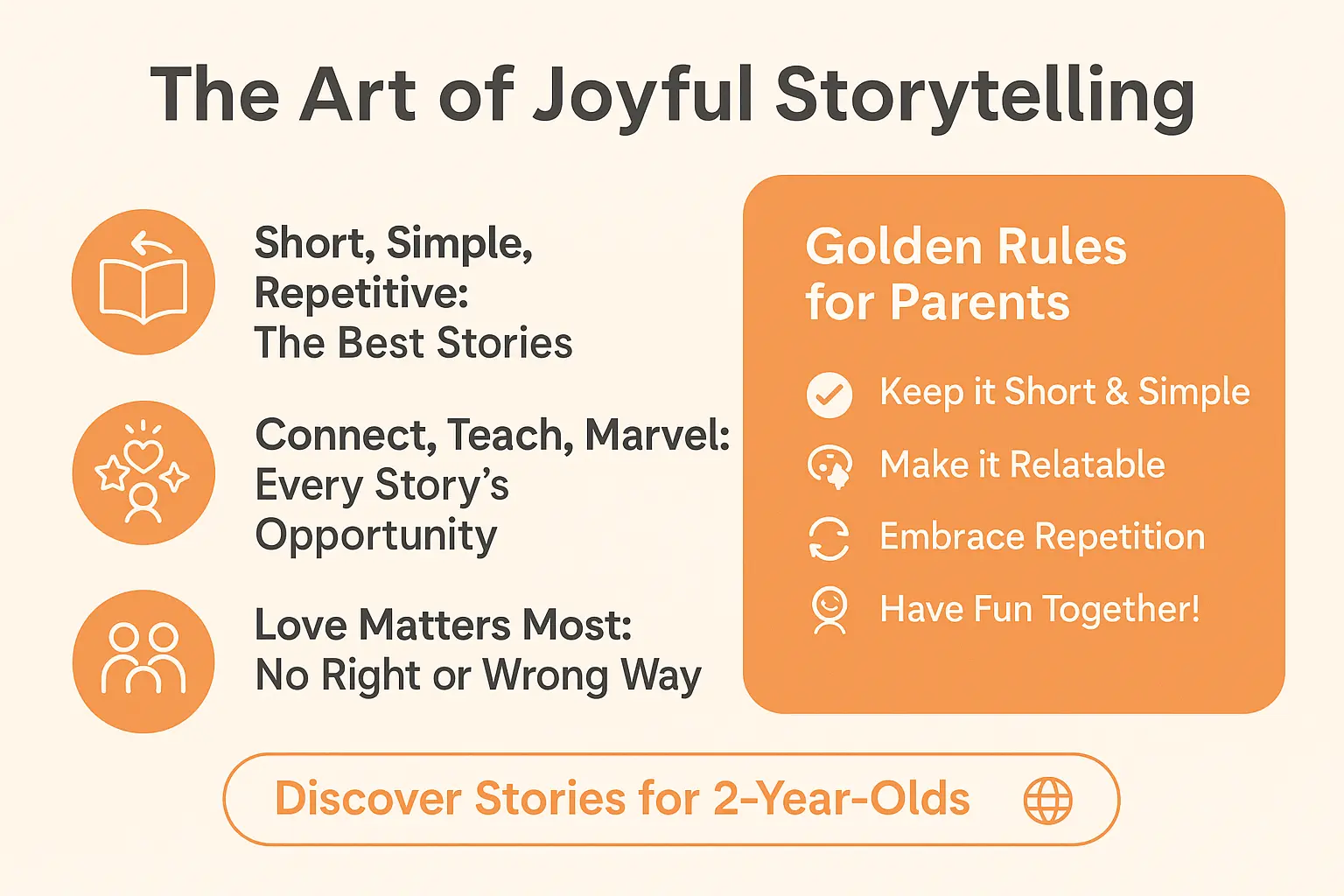
- Keep it short & simple – 5-minute stories win!
- Make it relatable – stars, puddles, or bath-time splashes
- Embrace repetition – “Again! Again!” means they’re learning
- Have fun together – silly voices welcome 🎭
Time to turn everyday moments into unforgettable stories! Discover a universe of stories for 2-year-olds – where your child becomes the hero of their own adventures.
Ready for storytelling magic? Short, simple stories with repetition captivate 2-year-olds. They boost development, spark imagination, and strengthen your bond. Focus on short, relatable tales with repetition and joy! Discover personalized adventures at [discover stories](https://tellmestories.ai/2-year-old-stories)—where every tale creates lasting memories. 🌟
FAQ
What makes a great book for a 2-year-old?
Look for super short stories with bold, colorful pictures and repeating phrases! Toddlers love books that feel like interactive games—think flaps to lift, textures to touch, or stories where they can “fill in the blank” (like shouting “NO!” when a character makes a funny mistake). Classics like The Very Hungry Caterpillar or Time for Bed work magic. Bonus points if it’s a board book they can chew on safely 😉. For high-energy moments, audio stories keep them engaged without paper pages to rip!
What types of play captivate 2-year-olds the most?
Imaginative play! Think pretend kitchens, dress-up clothes, or stuffed animal “vet clinics”. Sensory bins with pasta shapes or kinetic sand? Huge hit. Oh, and they live for interactive books where they can press a button to hear animal sounds or point at pictures. Pro tip: Pair playtime with short stories about their favorite themes (trucks! Dinosaurs! Bath time!) to boost focus and vocabulary.
Is my 2-year-old ready to start learning to read?
They’re already building “pre-reading” superpowers! At this age, it’s about making stories a habit, not decoding letters. When you read together, their brain is learning how books “work”—words go left to right, pictures match the story, and your voice turns scribbles into meaning. Repeating phrases like “I see a red ball!” helps them connect sounds to words. Keep it playful! Apps with personalized audio stories (where their name stars in the tale) make this feel like a game, not “homework” 🚀.
Are Dr. Seuss books a good fit for 2-year-olds?
Yes… with a caveat! Dr. Seuss’s rhymes supercharge phonological awareness (how sounds make words). But keep it short—start with Green Eggs and Ham or Mr. Brown Can Moo! instead of longer tales. If they fidget, try “fill-in-the-blank” rhymes—pause at “I am Sam, Sam I am… (wait for them to say ‘am!’). For extra giggles, pair it with a story where they’re the star, like a custom tale where they help the Grinch find his missing Who-ville gifts!
What reading milestones should a 2-year-old be reaching?
They’ll start pointing at familiar letters (like their name!), babble “reading” stories from memory, and shout out animal sounds from books. Don’t stress about decoding words—this is about joy + connection. Use board books for tactile learning or audio stories when they’re too busy playing to sit still. Fun fact: Hearing the same story 10x? That’s them building brain connections—not testing your patience (we promise!).
How many books should we read together each day?
Quality > quantity! Aim for 3-5 short stories or 10-15 minutes of story time daily. But hey, even 2 minutes of “read-aloud” play while they scribble counts! The magic is consistency. Try “storytime menus”—let them pick 2 favorites from a basket. Need backup? Apps with 5-minute audio stories (no screens involved!) save sanity during car rides or grocery shopping meltdowns.
What’s the best way to support a 2-year-old’s learning during story time?
Make them the main character! Stories where they “find the blue car” or “teach a cartoon duck to quack” turn passive listening into active learning. Focus on emotional moments—like a bunny feeling shy—to teach empathy. Need a hack? Use custom stories where they get to solve the problem (spoiler: they’ll ask to “read it again!” 17x). Oh, and don’t skip the silly voices—a growly dinosaur voice = instant attention magnet 🦖.
When does imaginative play typically begin in toddlers?
Watch for it around 18-24 months—that’s when your baby becomes a “chef” stirring a pot of “soup” or a “vet” giving a teddy bear a checkup! Stories with magical adventures (think dragons or flying buses) fuel this creativity. Try pairing books with open-ended toys—a cardboard box + a pirate story = instant treasure hunt. Pro move: Use storytelling apps where they choose the plot twist—it’s like letting them direct their own mini-movie 🎬.
How can I make story time extra special for my 2-year-old?
Three words: cozy + chaos + customization. Create a “reading nook” with pillows and a lava lamp (yes, really). Let them “help” by turning pages or pointing at pictures. But the ultimate trick? Personalized stories where their name is in the text and they solve the story’s problem. Imagine your toddler’s face when they see “Lila the Brave” rescue the lost moon! Add a post-story dance party to the mix, and you’ve got a storytime trifecta 💃✨.