The key takeaway: Emotional learning stories aren’t just tales—they’re SEL superchargers. By weaving in CASEL’s 5 core skills (self-awareness to decision-making), they help kids navigate emotions, build empathy, and boost academic success. A Harvard study highlights their power to transform feelings into lifelong resilience, making complex emotions as simple as turning a page. 🚀
Ever wondered how to explain big feelings like frustration or jealousy to a little one? Emotional learning stories aren’t just bedtime tales—they’re your secret weapon for nurturing empathy, resilience, and self-awareness in kids. 🌟 Picture using A Friend for Henry to explore friendship dynamics or The Dot to celebrate self-confidence. On the program: how these stories unlock SEL skills, practical picks (like The Rabbit Listened for calming strategies), and why they’re ideal for blending literacy and emotional growth. Ready to turn storytime into a supercharged tool for life skills? Let’s dive in! 🚀
What are emotional learning stories and why do they matter? 🤔
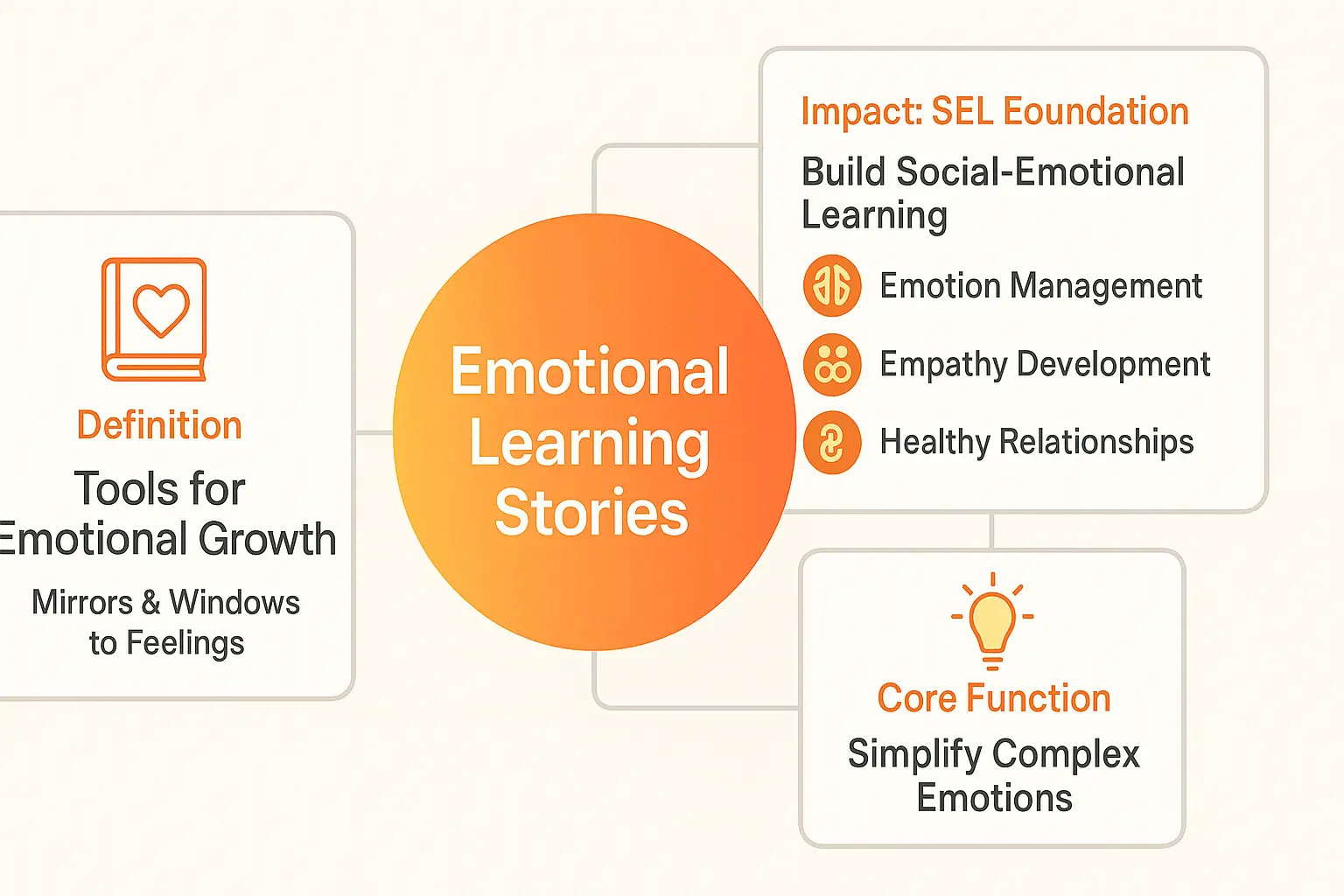
Ever wondered how to explain big feelings like frustration or jealousy to a little one? Emotional learning stories are the magic bridge between complex emotions and childlike curiosity. These narratives aren’t just bedtime tales – they’re powerful tools that help kids navigate their emotional universe through relatable characters and engaging plots. They create a safe space for emotional exploration, where children can test-drive solutions to tricky feelings without real-world consequences. 🚀
At their core, emotional learning stories are narratives designed to build social-emotional skills. Think of them as “emotional mirrors” reflecting kids’ own experiences and “windows” offering new perspectives. Whether it’s a rabbit learning to listen or a child overcoming stage fright, these stories turn abstract feelings into tangible lessons about kindness, resilience, and self-awareness. They even help develop “emotional muscles” – like how “The Dot” empowers kids to embrace creativity despite self-doubt. 🎭
Digging deeper, these stories align with the CASEL framework for Social-Emotional Learning (SEL), which emphasizes five core skills: self-awareness, social awareness, relationship-building, decision-making, and self-management. Research shows SEL improves academic performance, reduces behavioral issues, and builds happier classrooms. But here’s the catch: 1 in 3 kids without SEL support struggle with emotional regulation later in life. Early exposure through stories like “A Friend for Henry” (exploring neurodiversity) creates neural pathways for empathy – literally shaping how young brains process emotions! 🎯
On the program: we’ll explore how stories like “The Rabbit Listened” teach empathy, why “Be Kind” sparks conversations about inclusion, and how parents and educators use these tools to build emotional resilience. Ready to discover the science behind storytelling’s superpowers? Let’s dive in! 🎉
The building blocks of emotional intelligence: understanding SEL
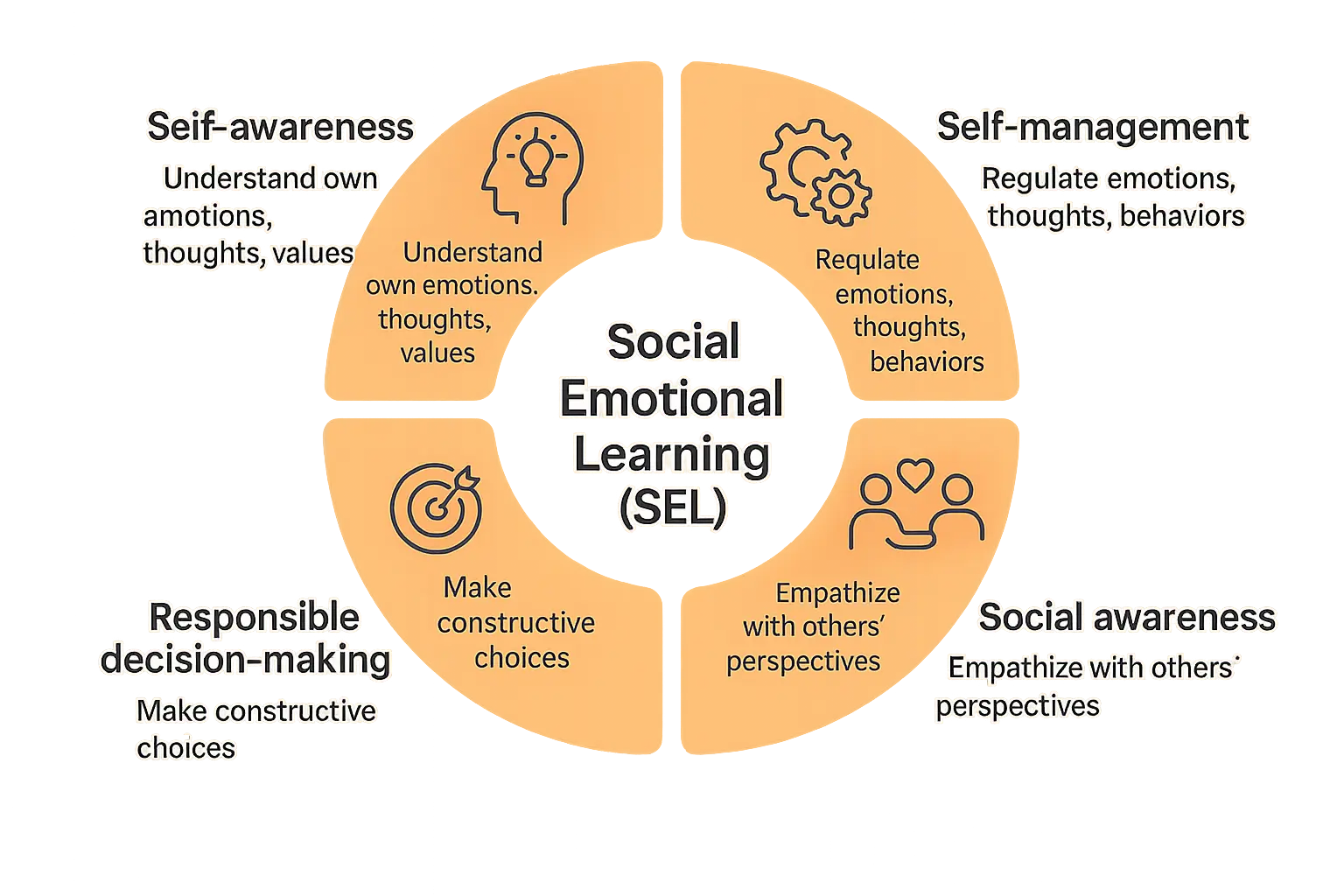
Ever wondered how kids learn to manage big feelings or build healthy friendships? Social Emotional Learning (SEL) is the secret sauce for developing these life skills. It’s not just about being “nice” – SEL systematically builds emotional intelligence through five core competencies defined by CASEL, the Collaborative for Academic, Social, and Emotional Learning.
These five pillars create a strong foundation for navigating life’s challenges:
- Self-awareness: Recognizing your emotions, strengths, and how they shape your actions.
- Self-management: Regulating emotions and staying focused on goals, even when stressed.
- Social awareness: Understanding others’ perspectives and showing empathy across differences.
- Relationship skills: Building trust, resolving conflicts, and collaborating effectively.
- Responsible decision-making: Making ethical choices while considering consequences for yourself and others.
Here’s where emotional learning stories shine. These narratives aren’t just bedtime tales – they’re powerful tools for SEL development. When children see characters overcoming fears or making tough choices, they’re not just entertained. They’re learning by example. Services like Tellmestories use personalized storytelling via WhatsApp to create these “aha!” moments instantly, turning abstract concepts into relatable adventures.
Research has consistently shown that teaching social and emotional learning not only improves children’s attitudes and behaviors but also boosts their academic performance.
Imagine a child hearing a story where their favorite character handles disappointment – suddenly, their own bad day feels less overwhelming. Or a tale where a hero shows empathy, making them realize kindness can change someone’s entire world. Studies confirm these experiences create lasting neural pathways for healthier social interactions and academic focus. For example, The Rabbit Listened teaches emotion management through a gentle narrative structure.
Tellmestories’ smart learning memory remembers each child’s preferences, ensuring stories grow with them. A 4-year-old might hear tales about sharing toys, while the same child at 7 receives narratives about resolving peer conflicts. This tailored approach mirrors real-life challenges, making SEL lessons stick. Best of all? Stories work anywhere – whether during car rides, bedtime, or classroom transitions, emotional learning happens naturally.
A library of feelings: stories to nurture key emotional skills
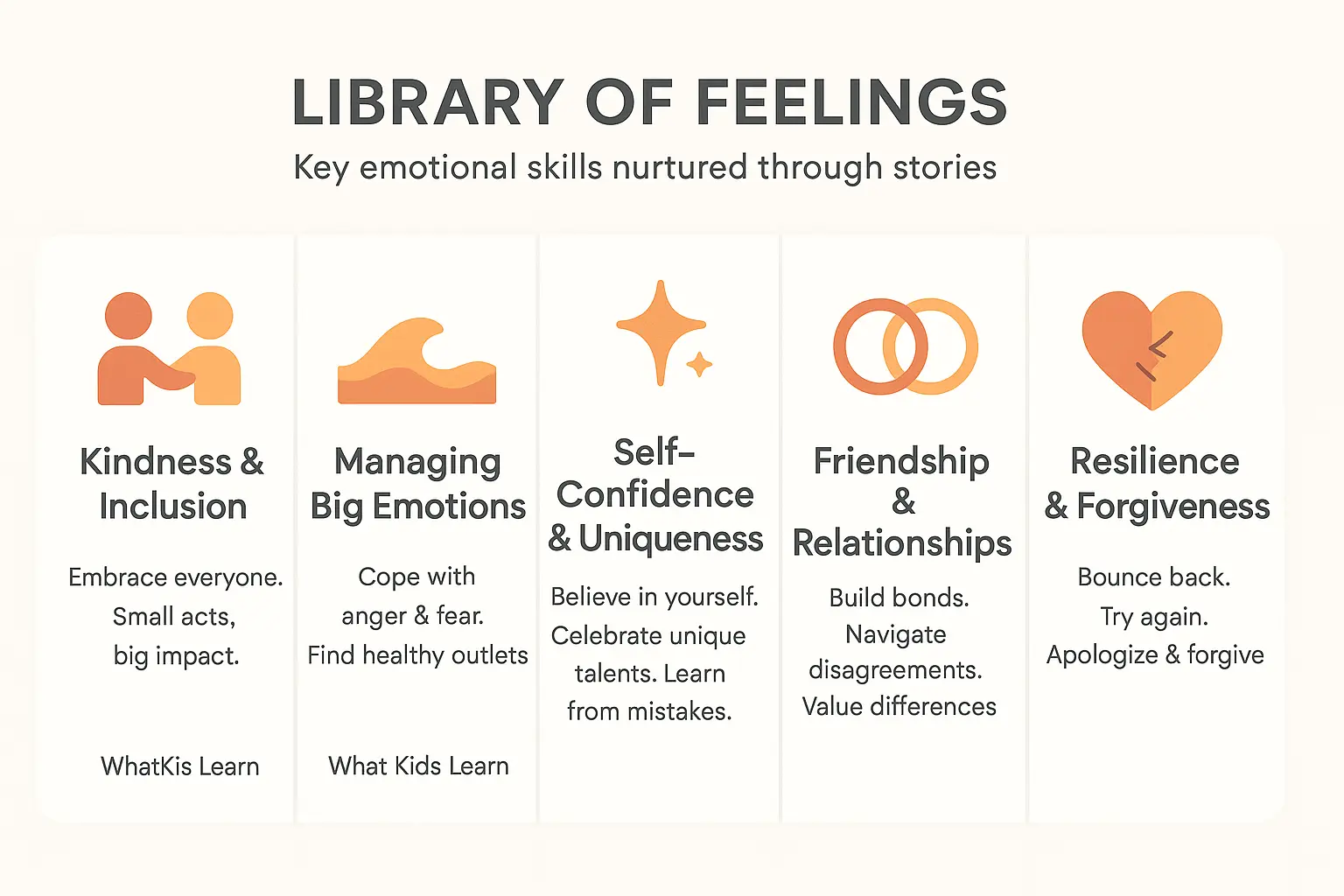
What if bedtime stories could do more than just put kids to sleep? 🤔 Tellmestories turns tales into emotional toolkits. These aren’t just stories—they’re blueprints for building empathy, confidence, and emotional intelligence. Let’s break down how personalized narratives become SEL superchargers. 🌟
| SEL Skill / Theme | Story Example(s) | What Kids Learn 💡 |
|---|---|---|
| Kindness & Inclusion | “The Invisible Boy”, “Be Kind” | How tiny gestures create ripples. In The Invisible Boy, a quiet child transforms from “unseen” to celebrated when a classmate finally says, “Want to play?” 🧸 |
| Managing Big Emotions | “The Rabbit Listened”, “Jabari Jumps” | That fear isn’t a stop sign—it’s a speed bump. Jabari Jumps teaches kids to name anxieties (“I’m just checking the water!”) before taking the plunge. 🐾 |
| Self-Confidence & Uniqueness | “The Dot”, “I am Enough” | Why “good enough” beats “perfect.” The Dot shows that creativity starts with a single mark—no erasers allowed. 🖼️ |
| Friendship & Relationships | “A Friend For Henry”, “The Sandwich Swap” | How to spot kindred spirits. A Friend For Henry proves shared passions—like goldfish Gilly or building blocks—matter more than “neurotypical” social cues. 🐠 |
| Resilience & Forgiveness | “The Girl Who Never Made Mistakes”, “The Bad Seed” | Why failure isn’t final. The Bad Seed rewrites its “mean” story through tiny kindnesses—proving growth takes time, not perfection. 🌻 |
Wordless stories like I Walk With Vanessa are secret weapons for social awareness. Without text, kids decode body language—like noticing clenched fists or slumped shoulders—to practice empathy. 🎭
Here’s the magic: Tellmestories’ AI remembers every detail. Is your kid scared of thunderstorms? Does Max love dinosaurs? 🦖 The “smart memory” feature weaves these into tales, making lessons stick. Bonus: Turn family photos into story characters for instant connection. 📸✨
Why wait? Start building your child’s “library of feelings” with custom emotional learning stories. Send a voice note via WhatsApp, and—poof!—your little one becomes the star of adventures that teach kindness, courage, and resilience. No apps. No stress. Just stories that grow with them. 📱
From Page to Practice: How to Use These Stories Effectively
Reading emotional learning stories is just the starting point. The real transformation happens through intentional conversations that bridge the narrative to real-life experiences. These stories become tools for nurturing emotional intelligence when paired with guided reflection. A story about sharing might spark a discussion about how your child handles similar situations at school, while a tale about fear could mirror their anxiety about starting daycare. These connections make abstract emotions tangible.
Before You Read: Set the Stage
Choose a calm moment without distractions. Select a story that mirrors your child’s current experiences, like managing frustration or adapting to change. If your little one struggles with transitions, try Jabari Jumps to explore overcoming fear. This alignment makes the narrative immediately relevant.
During the Read: Be an Actor!
Bring the story to life using distinct voices for characters, pausing to discuss illustrations, and pointing out facial expressions. Exaggerate a character’s excitement or whisper during tense moments to emphasize feelings. For example, mimic the character’s shaky breath when they’re nervous or stomp feet to show anger—kinesthetic cues help kids internalize emotions.
After You Read: Start the Conversation
This is where the magic happens. Avoid quizzing; instead, invite open-ended dialogue. Ask questions like:
- How do you think [Character’s Name] was feeling when…?
- Have you ever felt that way? What was it like?
- What did the character do to feel better? What are some things we could do?
- What would you have done if you were in the story?
The goal isn’t to test their comprehension, but to build a bridge between the story’s world and their own, creating a safe space to talk about feelings.
This approach transforms storytime into a powerful learning experience. Experts from Harvard highlight that while most people believe they are self-aware, only 10-15% actually are—underlining the need for practice. Regular discussions after stories help children—and adults—develop this crucial skill. For instance, reflecting on The Rabbit Listened might lead to sharing how you’d comfort a friend.
Transform Storytime into a Journey
By integrating these strategies, you turn reading into a shared exploration. Whether navigating big feelings with The Rabbit Listened or discussing inclusion through The Invisible Boy, every story becomes a stepping stone for emotional growth. You can even create physical books from personalized tales via WhatsApp, blending digital convenience with tactile engagement. Stay curious, stay connected, and let the narrative guide the way. 🌟
Creating your own emotional learning journey ✨
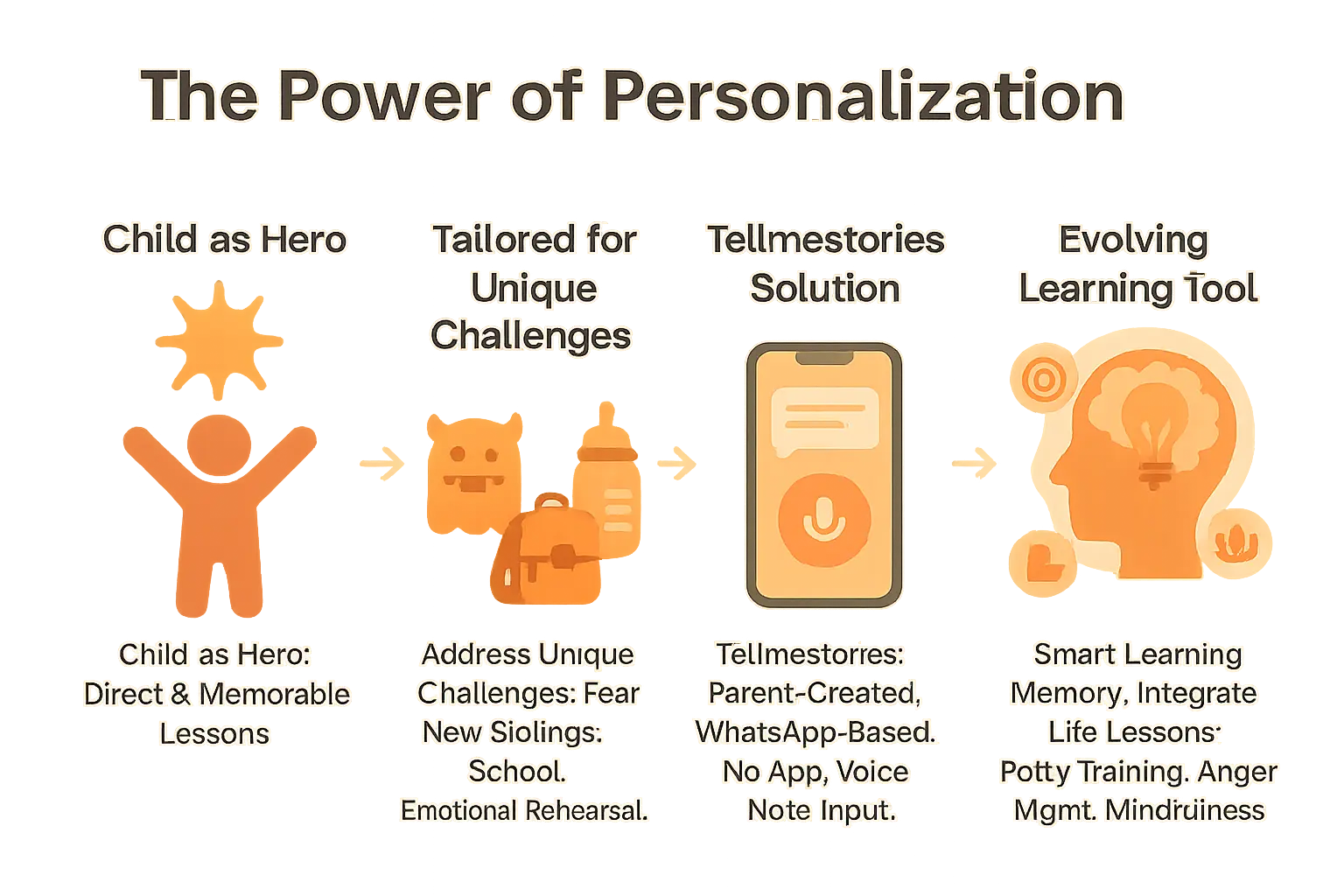
What if you could turn your child’s challenges into magical adventures where they’re the hero? Personalized emotional learning stories create powerful connections. When kids see themselves in narratives, lessons stick better than generic tales. 🌟 This approach aligns with educational psychology showing children learn best through relatable contexts.
Imagine your little one facing fears or adjusting to a new sibling through stories mirroring their reality. Tellmestories crafts tales about bedtime routines, first days of school, or sharing toys. These aren’t just stories—they’re practice runs for real-life scenarios. 🛠️ For instance, a child anxious about separation might star in a tale where their favorite superhero learns to trust babysitters.
We’re parents who know the struggle. 😅 That’s why we built Tellmestories—a WhatsApp-based service turning voice notes into custom stories. No app downloads, no tech headaches. Just record a quick voice message with your story idea and let our AI craft something magical. Created by Alex and Julien (two dads), our solution grew from helping Alex’s daughter Anja overcome bedtime anxiety. What began as a personal project now strengthens family bonds globally. 📞
Your child’s favorite characters, hobbies, and even their name appear in every tale. Our smart memory feature remembers preferences so stories evolve with their growth. Need help teaching patience or kindness? Add life lessons directly into adventures. Watch as your 4-year-old learns to share while rescuing dragons in a fantasy world! 📚 The AI adjusts complexity based on age and past interactions.
You can even create stories focused on mindfulness and calm to help with bedtime routines. From PDFs to audio readings and physical books, we make it easy to bring personalized learning home. 📖 Whether teaching emotional regulation or celebrating small victories, our platform adapts to your family’s unique journey. 💡 Audio versions become car ride companions, while printed books preserve memories of their growth.
Ready To Start The Conversation?
Emotional learning stories aren’t just bedtime tales—they’re powerful tools for building socio-emotional skills. By weaving empathy and resilience into narratives, these stories give kids a safe space to explore complex feelings. Whether navigating fear, celebrating uniqueness, or practicing kindness, each tale becomes a stepping stone for growth. 🌱
But the magic doesn’t stop at the child. Sharing these stories creates moments of connection, turning reading into a shared journey. Parents become guides, helping little ones decode emotions while building trust. It’s learning disguised as bonding—a win-win for everyone involved. 💬
Stories like The Rabbit Listened teach emotional management, while platforms like Tellmestories let you craft tales mirroring your child’s world. No app downloads needed—just WhatsApp magic. 📖
- In short, emotional learning stories help to:
- Build empathy and kindness
- Develop resilience and confidence
- Strengthen your bond with your child
The most important lessons in life aren’t just taught, they’re shared. Stories are the perfect way to start sharing and open up a world of emotional understanding.
Ready to begin? Grab a book—or create a story tailored to your child’s world. With tools like Tellmestories, personalized adventures take minutes. Use voice notes to create stories, let AI remember preferences, and dive into tales that grow with your child. Time to start! 🚀
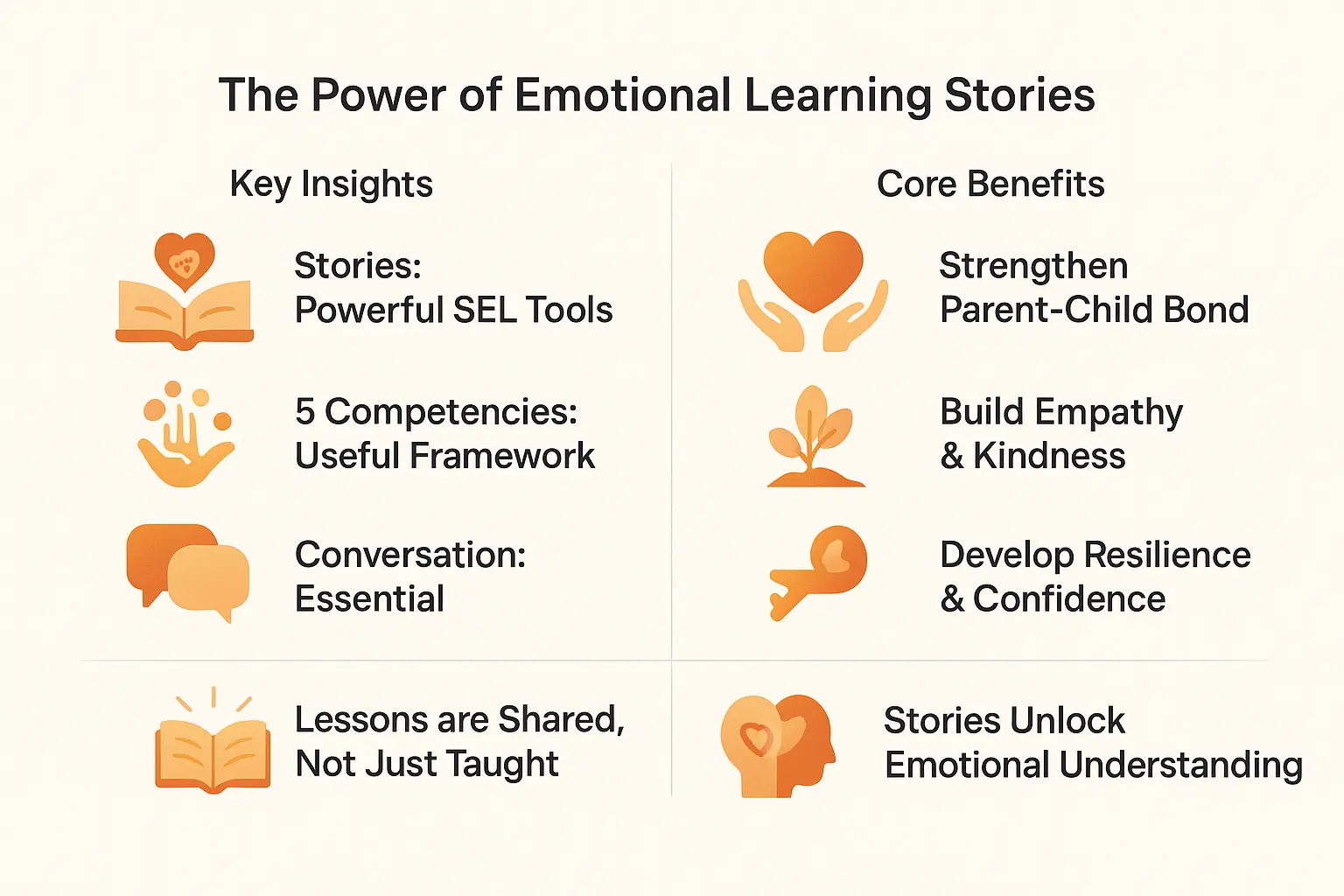
Ready to start the conversation? Emotional learning stories nurture SEL skills—empathy, resilience, and confidence—while strengthening bonds. These tales spark dialogues on self-awareness, self-management, and decision-making. Goal: connection, not perfection. So, grab a book, dive into feelings, and grow together! 📚✨
FAQ
What are good read alouds for social emotional learning?
Looking for engaging stories to spark emotional learning? 📚 Try classics like “The Invisible Boy” for inclusion or “The Rabbit Listened” for managing big emotions. These books create perfect opportunities to discuss empathy and resilience. For younger kids, “Be Kind” makes kindness tangible. Storytime becomes a mirror for kids to see their feelings and a window into others’ experiences.
Pro tip: Pair with questions like “How do you think they felt?” to start conversations. The key? Keep it fun and relatable – kids absorb SEL skills best when stories feel like adventures, not lessons.
What are the 5 types of social emotional learning?
Meet the CASEL 5 – your SEL superstars! 🌟
- Self-Awareness: Knowing your feelings and strengths
- Self-Management: Calming down when upset or staying focused
- Social Awareness: Understanding others’ perspectives
- Relationship Skills: Making friends and resolving conflicts
- Responsible Decision-Making: Choosing kind, safe actions
Think of these as the emotional toolkit for life! Stories like “I Am Enough” build self-awareness, while “The Bad Seed” tackles decision-making. Bonus: Research shows these skills boost both grades AND happiness! 📈
What are examples of learning stories?
Books that pack an emotional punch! 🎯 Try:
- Kindness: “The Sandwich Swap” (cultural misunderstandings)
- Resilience: “The Girl Who Never Made Mistakes” (perfectionism)
- Inclusion: “A Friend For Henry” (neurodiversity)
- Empathy: “I Walk With Vanessa” (wordless book for reading facial cues)
These aren’t just tales – they’re emotional training wheels! Each story models how to handle tricky feelings or social situations. The best part? Kids don’t even realize they’re learning – they’re too busy getting lost in the adventure! 🚀
What is an SEL story?
Imagine a book that’s both entertaining AND teaches life skills – that’s SEL storytelling! 🧠❤️ These stories help kids:
- Identify emotions (mad? Sad? Excited?)
- Practice empathy by walking in characters’ shoes
- Learn conflict resolution through story arcs
- Build vocabulary for complex feelings
Think of them as emotional dry-runs – like “Jabari Jumps” teaching courage before actual swim lessons! They’re not preachy lectures but adventures where characters overcome relatable challenges. The magic happens when kids say “That’s just like when I…” – that’s SEL sticking! 💡
What is the big five of social emotional learning?
Same as the CASEL 5 – just with a cooler name! 🎯 Let’s break it down:
- Self-Awareness: Body scan – am I excited or nervous?
- Self-Management: Using “turtle techniques” to calm down
- Social Awareness: Noticing a friend’s sad face
- Relationship Skills: Taking turns with toys
- Responsible Decision-Making: Choosing to share
These aren’t just school skills – they’re life skills! Bonus fact: Harvard researchers say only 10-15% of people are truly self-aware, making these stories even more valuable for practice.
What is the best SEL curriculum?
While no one-size-fits-all solution exists, the CASEL framework is gold standard 🏆. Combine it with:
- Interactive read-alouds (with voice acting!)
- Real-life connections (“Remember when…” questions)
- Emotion charades or feeling faces games
- Customizable stories (did someone say Tellmestories?)
The secret sauce? Making SEL part of daily life – not a special activity. Even 10 minutes of intentional discussion after reading “The Dot” builds confidence that lasts all day!
What are examples of emotional learning?
From page to practice! 🧩
- Using “When Sophie Gets Angry” to teach calming strategies
- Role-playing “The Juice Box Bully” to practice standing up for others
- Creating “feeling faces” art projects after reading “My Many Colored Days”
- Building “kindness chains” inspired by “Ordinary Mary’s Extraordinary Deed”
Pro tip: Stories about neurodiverse characters like “Iggy Peck, Architect” teach that different = awesome. The SEL kicks in when kids apply these lessons to their playground drama!
What are the three R’s of SEL?
Think Reflect, Regulate, Relate! 🧠
- Reflect: “Why did the character cry?” questions
- Regulate: Breathing exercises inspired by “Breathe Like a Bear”
- Relate: Finding real-life connections to characters
This trio helps kids move from “I’m mad!” to “I’m mad because… and here’s how I’ll handle it.” Pair with mindfulness stories for double impact – check out this collection for starting points.
What are the four C’s of SEL?
Meet your new parenting superpower: Calm, Communication, Creativity, Community! 🌈
- Calm: Techniques from “Sitting Still Like a Frog”
- Communication: Learning to say “I feel…” statements
- Creativity: Rewriting story endings to practice problem-solving
- Community: Buddy Bench activities after reading “The Recess Queen”
These C’s work together like a dream team. When kids practice them through stories, they’re building the emotional muscle for navigating life’s challenges – from first-day jitters to tricky friendships.