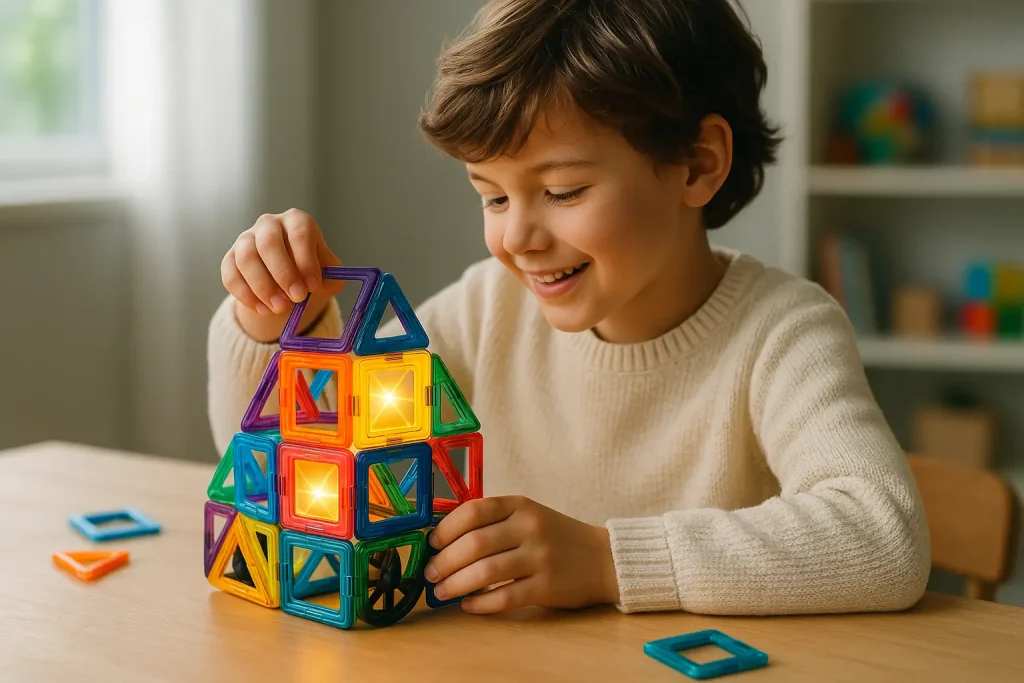
Educational gifts merge play and learning, building problem-solving, creativity, social skills, and fine motor skills while preparing kids for school through hands-on play. Age-specific picks—from toddler sensory toys to pre-teen coding robots—match developmental stages and introduce STEM concepts. 80% of parents see improved focus with “learn by doing” (learningthroughplay.org). 🌟
Choosing between fun and learning doesn’t have to be an either/or situation 🤯 — especially when educational gifts for kids blend both seamlessly. This guide dives into age-tailored picks that spark curiosity, from toddler-friendly sensory toys like Peekaboo Learning Farm to STEM-powered gadgets like Artie 3000™ for future innovators. You’ll discover how to transform playtime into powerful learning moments, unlock creativity through personalized stories that make kids the hero of their own adventures, and explore financial gifts like UGMA accounts that fuel long-term growth. Ready to crack the code on gifts that teach without feeling like homework? 🚀
What are educational gifts for kids anyway?
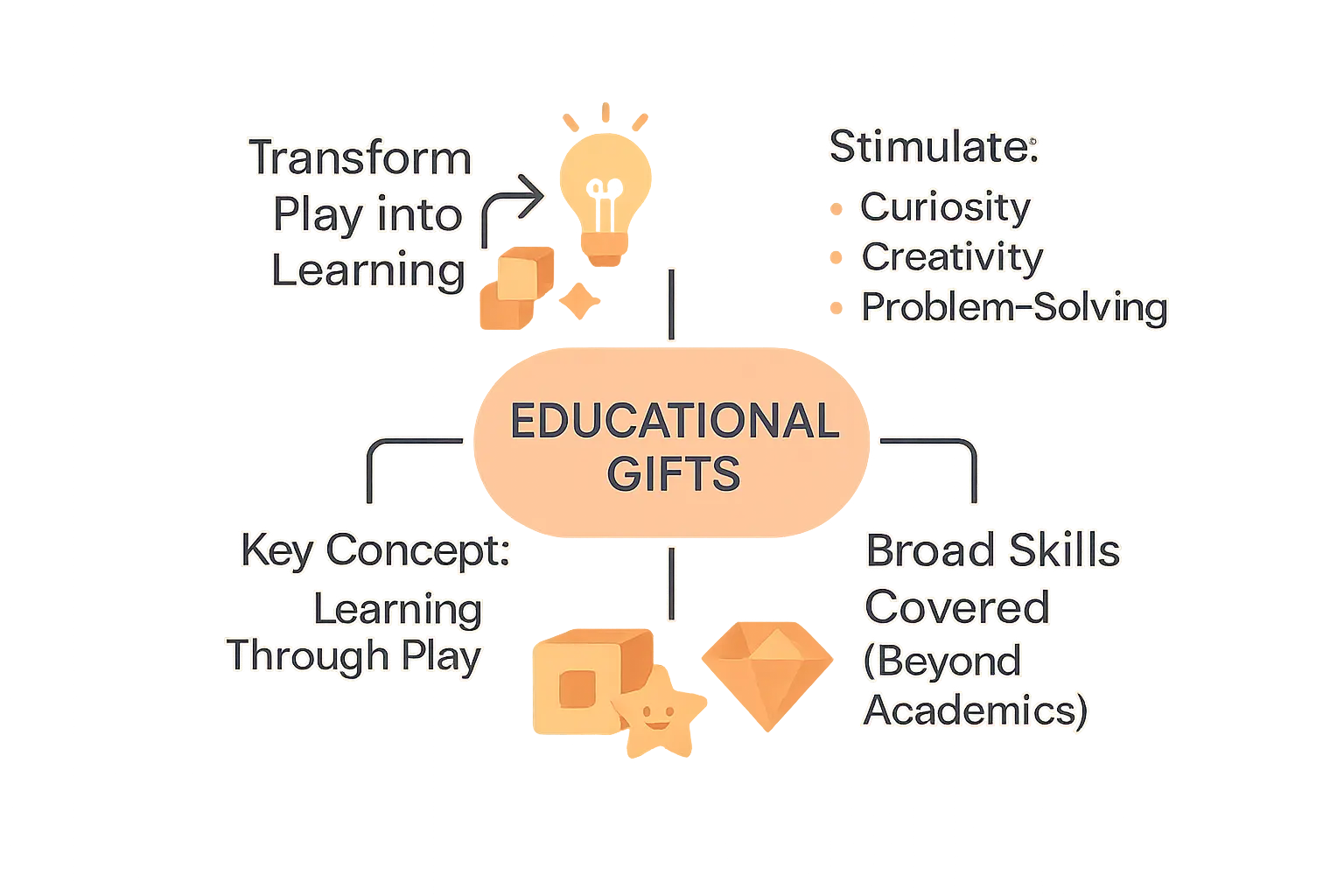
Looking for a gift that’s more than just a five-minute wonder? 🤔 Let’s break it down: educational gifts for kids aren’t about turning playtime into a classroom. Nope—they’re tools that quietly teach skills while kids think they’re just having fun. Think of them as stealthy teachers hiding in toys, books, or interactive activities. 🎯
These gifts focus on learning through play, a method backed by child development experts. When kids play with a robot that teaches coding basics or a storybook that sparks creativity, they’re building neural pathways without even realizing it. It’s all about nurturing curiosity, problem-solving, and adaptability—skills that’ll serve them way beyond childhood. 🧠✨
Here’s the kicker: educational gifts don’t just mean flashcards or math apps. They span everything from STEM kits to emotional intelligence games. Want an example? Tellmestories crafts personalized adventures via WhatsApp, turning kids into story heroes while boosting language skills. No apps, no screens—just creative storytelling that grows with them. 📖✨
Why does this matter? Because play is how kids process the world. A wooden puzzle teaches spatial reasoning; a role-play set builds empathy. The best part? These gifts grow with your child’s interests, whether they’re into dinosaurs, space, or becoming a mini-Mozart. 🌟 Ready to dive into age-specific picks and hidden gems? Let’s roll! 🚀
The real power of playing to learn
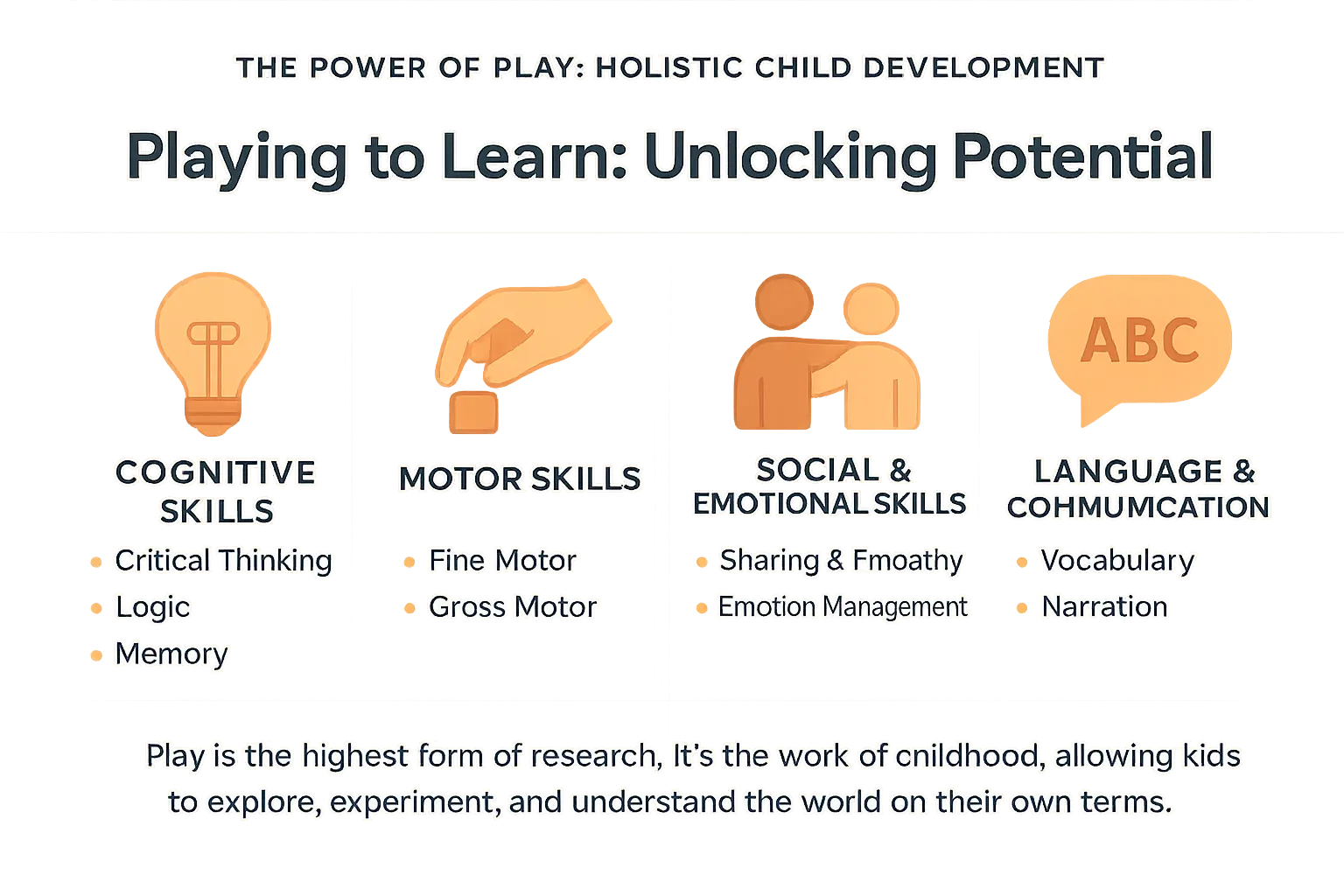
Play isn’t just fun – it’s how kids build their brains. 🧠 Educational gifts transform playtime into powerful developmental moments that shape their evolving minds. These tools prepare children for future challenges while keeping learning joyful and engaging.
“Play is the highest form of research. It’s the work of childhood, allowing kids to explore, experiment, et comprendre le monde on their own terms.”
Cognitive skill development
Every puzzle solved strengthens neural pathways. 🧩 Building towers teaches balance while developing critical thinking. Sorting shapes improves categorization, and sequencing games boost memory. STEM kits like magnetic tiles introduce spatial reasoning, while coding robots (Botley® for ages 4+) build logical thinking through playful problem-solving. These tools make abstract concepts tangible through trial-and-error learning, turning mistakes into growth opportunities.
Motor skills mastery
Manipulating puzzle pieces builds fine motor skills. 🎨 Playdough strengthens finger muscles, while obstacle courses improve spatial awareness. Construction sets combine hand strength with creativity during play, and threading beads teaches precision. Gross motor activities like balancing on a beam or jumping games also refine coordination, laying foundations for sports and daily tasks.
Social-emotional growth
Board games teach problem-solving through turn-taking. 🎲 Pretend play develops empathy and perspective-taking. Collaborative projects require communication and emotional regulation, blending imagination with real-life lessons about sharing. Role-playing as characters from personalized stories (like Tellmestories) adds emotional depth, helping kids navigate scenarios in a safe, engaging way.
Language building through play
Storytelling with character toys expands vocabulary. 🗣️ Describing creations builds sentence structure. Interactive storytelling via voice notes makes learning personal, connecting words to concrete experiences while memory games enhance narrative sequencing. Even simple activities like narrating a toy’s adventures boost expressive language and confidence in communication.
Gifts for tiny explorers: toddlers (1-3 years)
Little scientists aged 1-3 need toys that light up their senses while building crucial skills. These early years shape neural pathways through sensory exploration and motor development. Let’s explore age-specific educational gifts that turn playtime into brain-boosting adventures 🧠✨
Sensory toys that spark connections
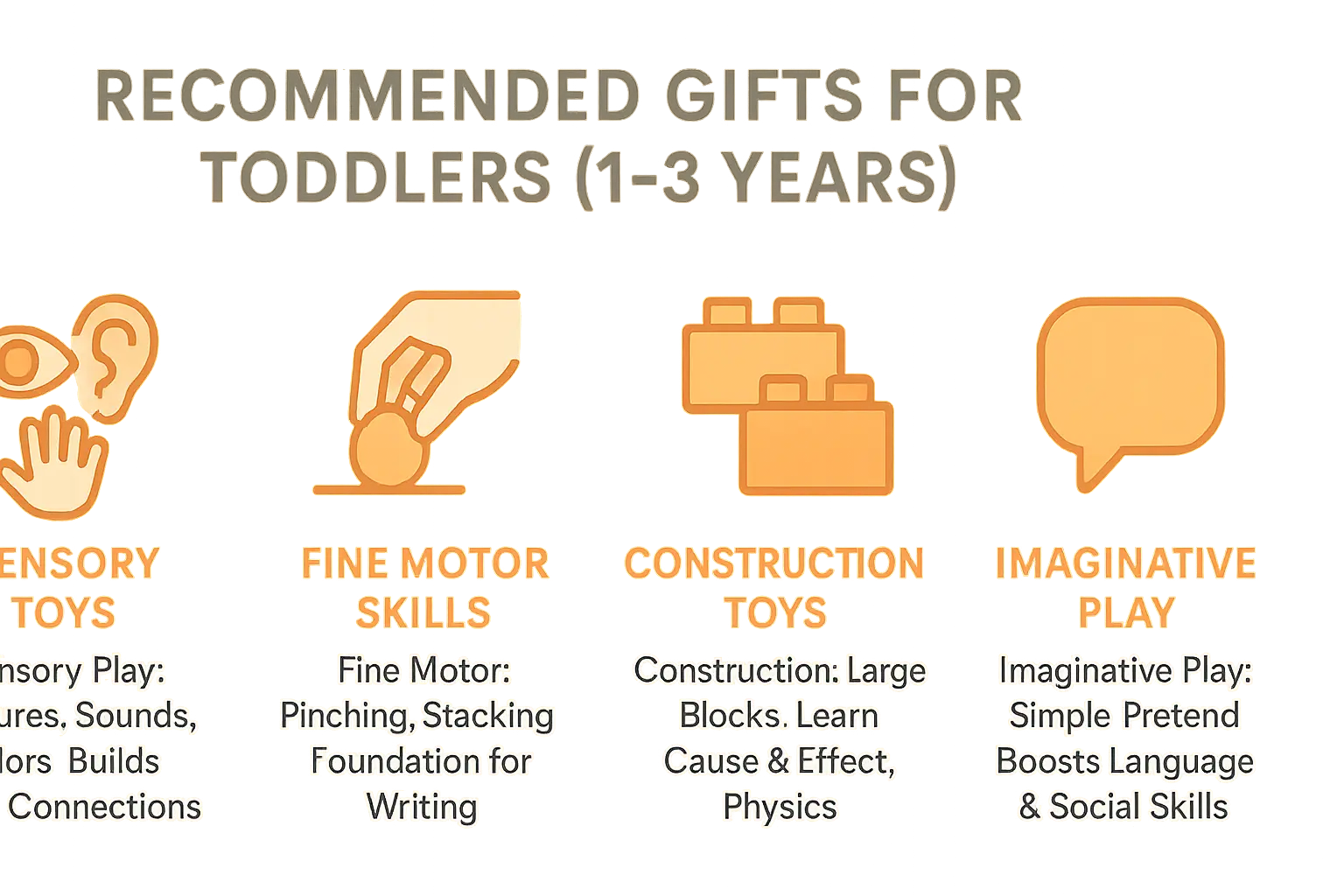
Between 12-36 months, 90% of brain development happens through sensory experiences. Textured balls, musical rattles, and peek-a-boo books like Peekaboo Learning Farm create neural pathways through touch, sound, and color recognition. Sensory bins filled with rice or kinetic sand offer tactile feedback that improves spatial awareness. Add scented items like cinnamon sticks or citrus peels to engage olfactory senses.
Fine motor gear for writing readiness
Did you know toddler hand strength predicts preschool writing success? Tools like Spike the Fine Motor Hedgehog® build grip strength through playful poking. Snap-n-Learn™ Matching Dinos teach color sorting while developing hand-eye coordination. These activities create muscle memory for future writing skills. Try transferring mini pom-poms between bowls with tweezers – this develops the “pincer grasp” used for pencils and utensils.
Block play for cause-effect learning
Stacking Gears! Gears! Gears!® sets teaches physics basics through trial and error. When toddlers make gears spin or towers tumble, they grasp cause-and-effect relationships. This hands-on experimentation builds problem-solving skills and spatial reasoning – 85% of early math skills develop through tactile play. Weighted balance blocks teach basic engineering as they stabilize wobbly creations.
Pretend play that builds language
Mini chefs using New Sprouts® Classroom Play Food Set aren’t just playing – they’re building vocabulary. Imaginative play boosts language development by 30% through pretend scenarios. When toddlers “cook” or “shop,” they practice social scripts and emotional expression naturally, laying foundations for empathy and communication. Add role-play kits (baby dolls/doctors) to expand real-life understanding. Watch vocabulary grow through narrated “grocery shopping” or “bedtime routines.”
This curated approach ensures every toy becomes a learning opportunity. By matching developmental stages with purposeful playthings, you create a playground for growing minds while nurturing essential skills through joyful discovery 🌟
Gifts for creative minds: Preschoolers (3-5 years)
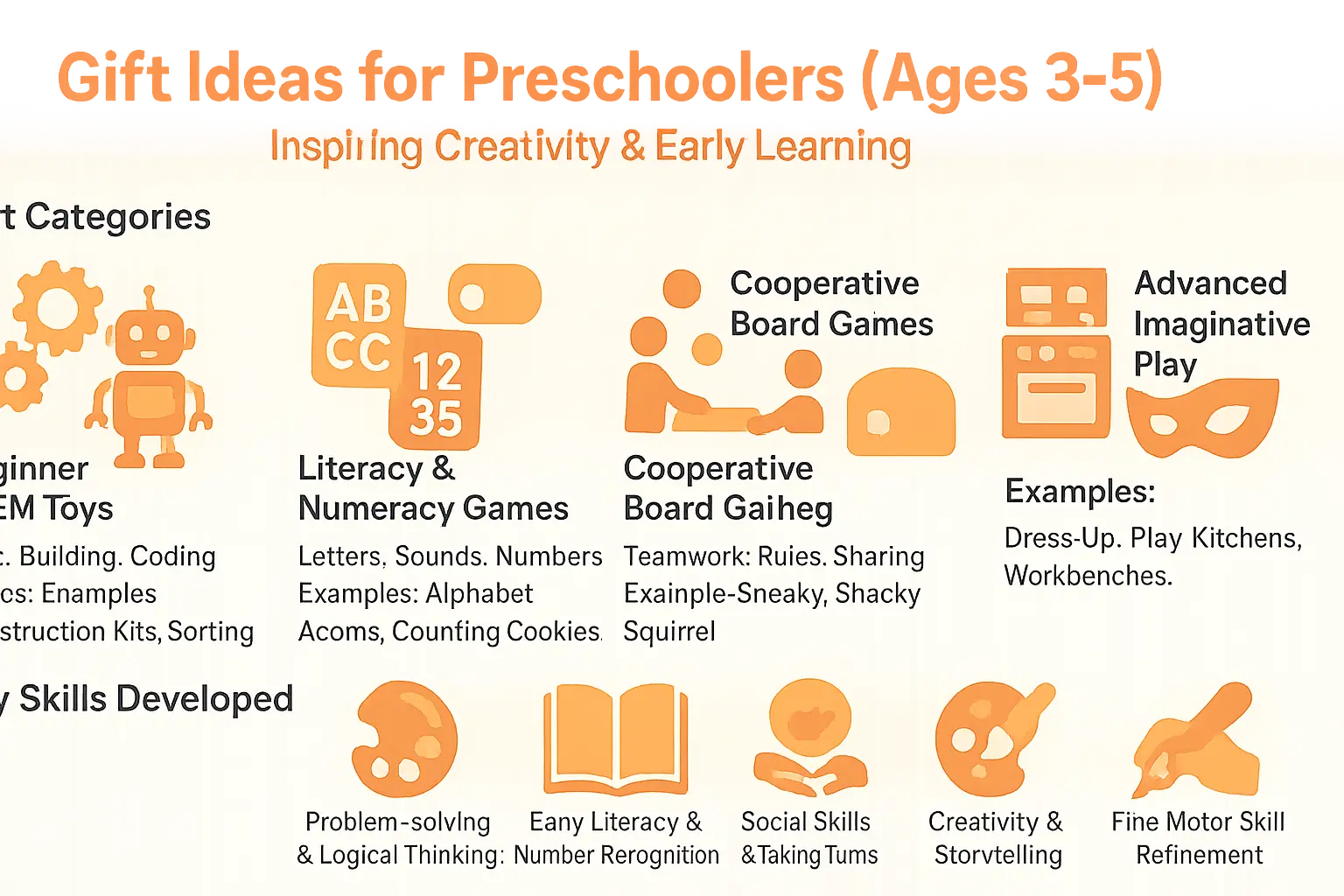
At 3-5 years old, kids’ brains are like sponges 🌟. They’re mastering cooperation, logic, and creativity through play. The right gifts turn “just fun” into “skill-building adventures” – here’s how to choose wisely!
Why STEM toys matter
STEM kits spark curiosity about how things work. Try:
- Farmer’s Market Color Sorting Set – Boosts color recognition + problem-solving
- Code & Go® Robot Mouse – Introduces coding basics through maze adventures
- Gears! Gears! Gears!® Deluxe Set – Teaches cause/effects with gears + motion
These tools build early engineering skills while kids “just play” – sneaky smart, right? 🧠
Literacy & numeracy games
Make letters + numbers feel like treasure hunts!
- Alphabet Acorns – Match tactile letters to sounds
- Counting Cookies – Practice numbers while “baking” sweet treats
- Hot Dots® Kindergarten Readiness – Interactive flashcards with instant feedback
These games turn abstract concepts into playground challenges – watch their confidence grow! 🎯
Cooperative board games
Ditch competitive play! Try:
- The Sneaky, Snacky Squirrel Game!® – Work together to collect acorns
- Koala Capers™ – Collaborate to match rhythm patterns
- Pretend & Play® Cash Register – Team up for grocery store math
These teach teamwork + emotional regulation – because sharing isn’t always easy! 😅
Imaginative play boosters
Let their inner heroes shine!
- Design & Drill Rocket – Build + decorate with real kid-friendly tools
- Peekaboo Learning Farm – Explore animal sounds + habitats
- Costume kits – Doctor, chef, or astronaut – possibilities are endless
Role-play builds self-expression + social skills – and who doesn’t love a good dress-up party? 🎭
- Problem-solving – Puzzles, building challenges
- Early literacy – Letter recognition, rhyming games
- Social skills – Sharing, taking turns
- Creativity – Open-ended building, storytelling
- Fine motor skills – Pincer grasp with tweezers, lacing cards
Remember: The best educational gifts feel like magical discovery, not “homework.” Watch their eyes light up as they master new skills through play – that’s the real treasure! ✨
Gifts for growing intellects: school-age kids (5-8 years)
At 5-8 years old, kids thrive on challenges that blend play and learning. Their brains absorb school concepts quickly, making this the ideal window to introduce gifts that build foundational skills. Let’s explore tools that turn “boredom” into brain-boosting adventures. 🚀
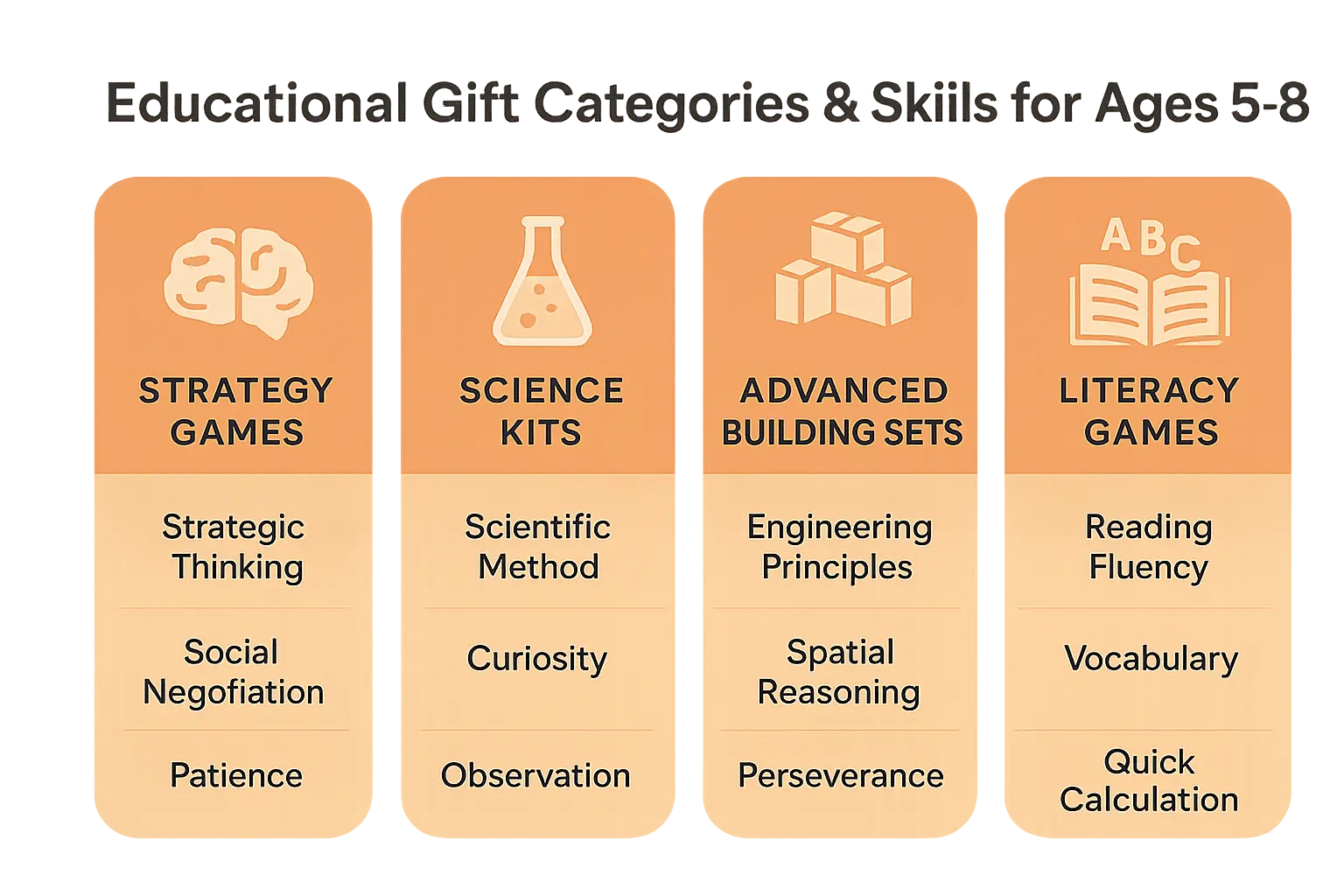
Strategy Games: Build Smarter Thinkers
Kanoodle® Jr. sharpens strategic thinking through 2D/3D puzzles. Kids twist and fit pieces, learning patience and problem-solving. For social interaction, Word on the Street® Jr. pits teams against each other in a vocabulary battle, blending language mastery with negotiation skills.
Science Kits: Spark Mini-Scientist Mode
The GeoSafari® Jr. My First Microscope reveals hidden textures and insects, nurturing scientific observation and curiosity. Pair with STEM Explorers™ Brainometry™ for tactile geometry basics. This set uses shape-matching to teach symmetry and 3D forms, making abstract concepts tangible. These kits turn “why” questions into hands-on discoveries.
Advanced Building Sets: Engineer Their Future
Gears! Gears! Gears!® sets let kids create spinning machines, teaching engineering principles and spatial reasoning. Add Design & Drill® Bolt Buddies® for custom builds using mini drills – expect proud “I made this!” moments. 🛠️
Literacy & Math Games: Learning Disguised as Fun
Sight Word Swat!® turns memorization into a physical game – kids “swat” words with fly swatters. MathLink® Cubes allow visual equation building, reinforcing reading fluency and math skills without screen time. Adaptable to skill levels, these grow with your child.
| Category | Skills Developed |
|---|---|
| Strategy Games | Strategic thinking, social negotiation, patience |
| Science Kits | Scientific method, curiosity, observation |
| Advanced Building Sets | Engineering principles, spatial reasoning, perseverance |
| Literacy Games | Reading fluency, vocabulary, quick calculation |
Why This Age Demands Smarter Gifts
This stage shapes problem-solving DNA. Unlike passive toys, these gifts create “aha!” moments through play. They align with school curricula while reducing screen time. When kids beg to “play” with “homework tools,” parents win. 🙌
Tellmestories co-founders designed their service to make personalized learning stick. Like these gifts, it turns daily moments into developmental wins – no Wi-Fi required. Ready to invest in gifts that evolve with them? 🌟
Gifts for future innovators: older kids (8+ years)
Why coding and robotics matter for pre-teens
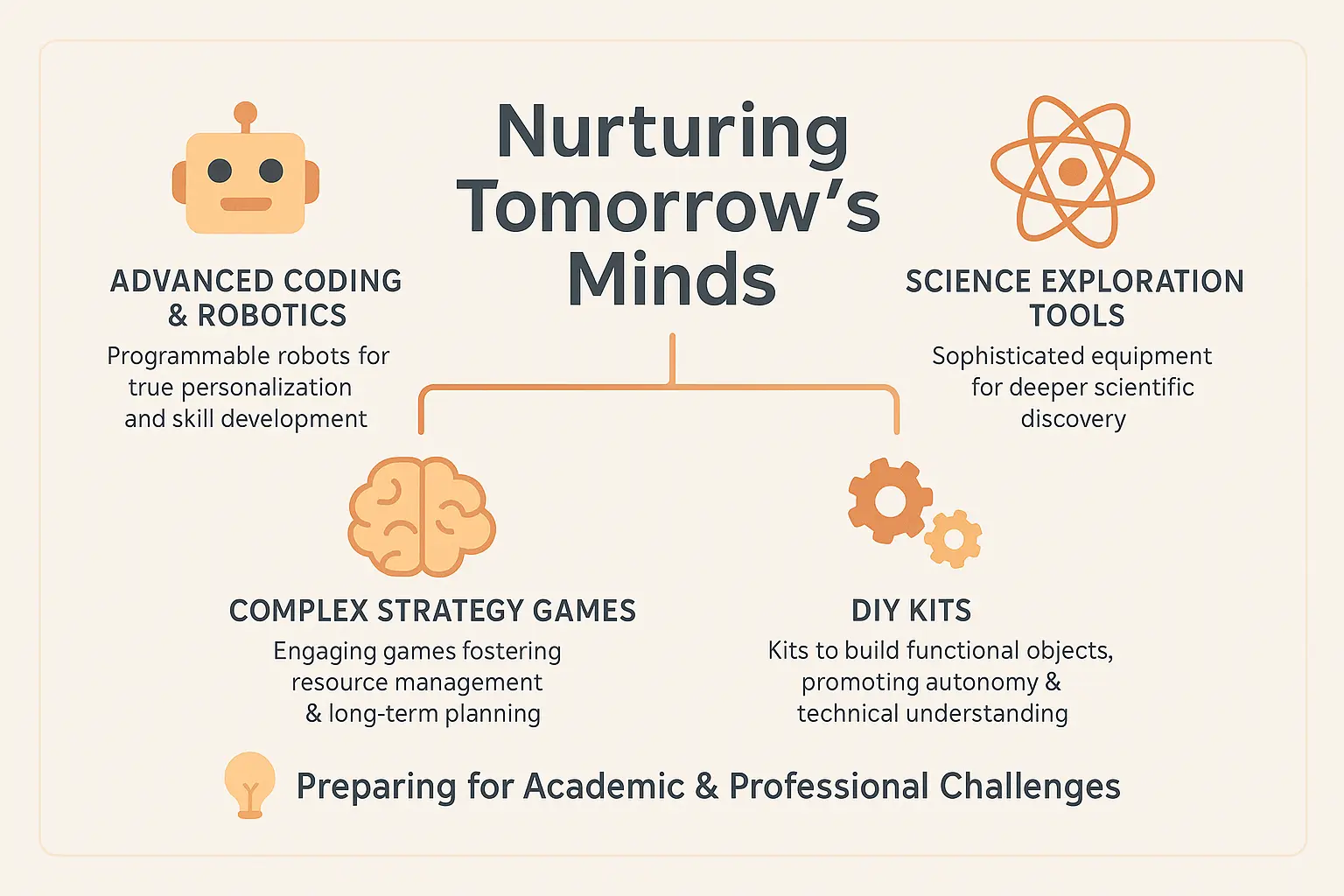
By 8+, kids crave challenges that feel meaningful 🤔. Tools like Artie 3000™ The Coding Robot let them create custom programs, teaching coding language basics through physical movement. These kits build problem-solving skills while making tech creation feel empowering 🔧
Why this matters? 78% of educators agree early coding exposure improves math confidence. With AI reshaping jobs, giving kids control over technology prepares them for tomorrow’s unknowns.
Science tools that unlock curious minds
Telescopes and microscopes become magic portals for 8+ explorers. Nancy B’s Science Club® MoonScope™ turns backyard nights into cosmic adventures. GeoSafari® Motorized Solar System brings orbital mechanics to life with spinning planets.
- Boosts scientific curiosity
- Develops observation skills
- Encourages outdoor learning
Strategy games with deep thinking
Kanoodle® Head-to-Head builds mental flexibility. Players juggle spatial logic and tactics, with 90% of teachers noting improved decision-making in regular users.
Games like Carcassonne teach territorial strategy through family fun. Pair with Kingdomino for tile-placement challenges. Strategy games develop:
- Planning & adaptability
- Communication skills
- Long-term thinking 🎲
DIY kits for hands-on learning
Building circuits teaches mechanics. The STEM Explorers™ Brainometry™ set combines geometry with hands-on construction. These projects make abstract concepts tangible—like seeing electrical circuits spark to life.
Parents report DIY kits improve:
- Motricity
- Technical understanding
- Independent thinking 💡
Preparing for tomorrow’s challenges
These gifts are time machines. Coding basics today prepare kids for tomorrow’s quantum computing. Early exposure to complex systems builds lifelong adaptability.
Remember: 85% of current jobs will transform by 2030. Give tools that teach, unteach, and reteach. The future belongs to flexible thinkers 🌟
The secret to maximizing learning: less is more
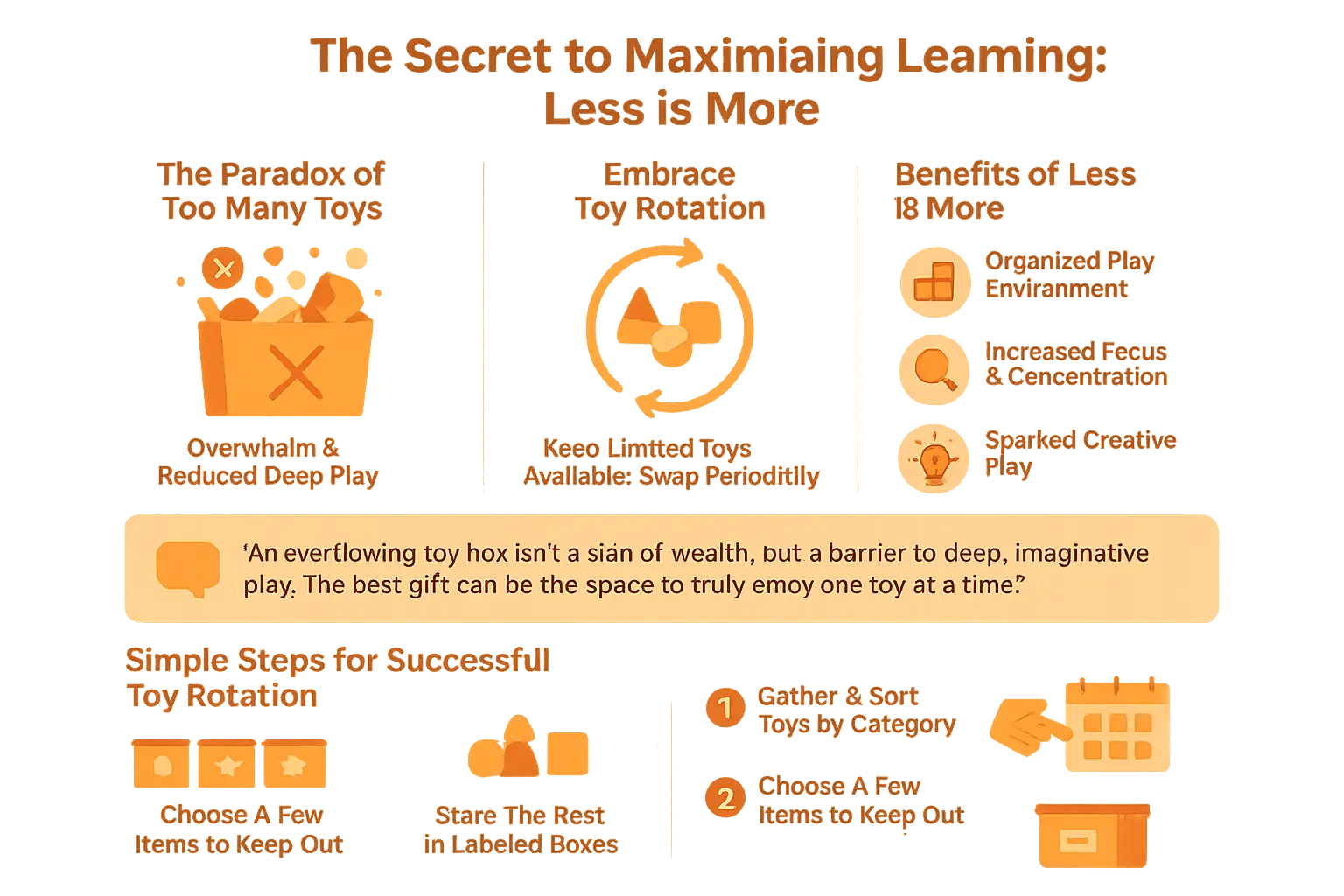
More toys don’t always mean more joy or better learning. Research shows overwhelming kids with choices can backfire. Overstimulation leads to shallow play and lost focus. Fewer toys spark deeper creativity and meaningful learning. A study found toddlers with four toys (vs. sixteen) engaged more deeply, proving quality trumps quantity.
Toy rotation solves this. Keep a small selection accessible, store others out of sight. Swap every few weeks to reignite interest. This isn’t deprivation — it’s creating space for imagination to thrive. Think of it as a “spa day” for your toy box: fresh, organized, purposeful.
“An overflowing toy box isn’t a sign of wealth, but a barrier to deep, imaginative play. The best gift can be the space to truly enjoy one toy at a time.”
Here’s how to start your rotation system:
- Gather toys and sort by category (building, puzzles, art, etc.).
- Choose a few items from each to keep out — prioritize open-ended options like wooden blocks or art supplies.
- Store extras in labeled boxes, out of sight but easy to access for swaps.
- Swap toys every few weeks or when interest wanes. Friday afternoons often work best for transitions.
Parents report benefits. Kids focus longer, play more creatively, and tidy up faster. Boredom becomes a gateway to innovation. A cardboard box transforms into a spaceship or castle. Rotating STEM kits with building blocks like Magna-Tiles keeps play fresh and skill-building.
Minimalism isn’t strict. The “20-toy rule” works if it fits your family’s rhythm. The goal? Cultivate curiosity. Watch their eyes light up when old favorites resurface like long-lost friends.
Ready to declutter? Start with one shelf. Let kids choose what stays. Store extras in bins with clear labels. Remember, the magic lies in intentional space for growth — and the bonus of a quieter playroom is just the cherry on top.
Thinking outside the toy box: gifts that tell a story
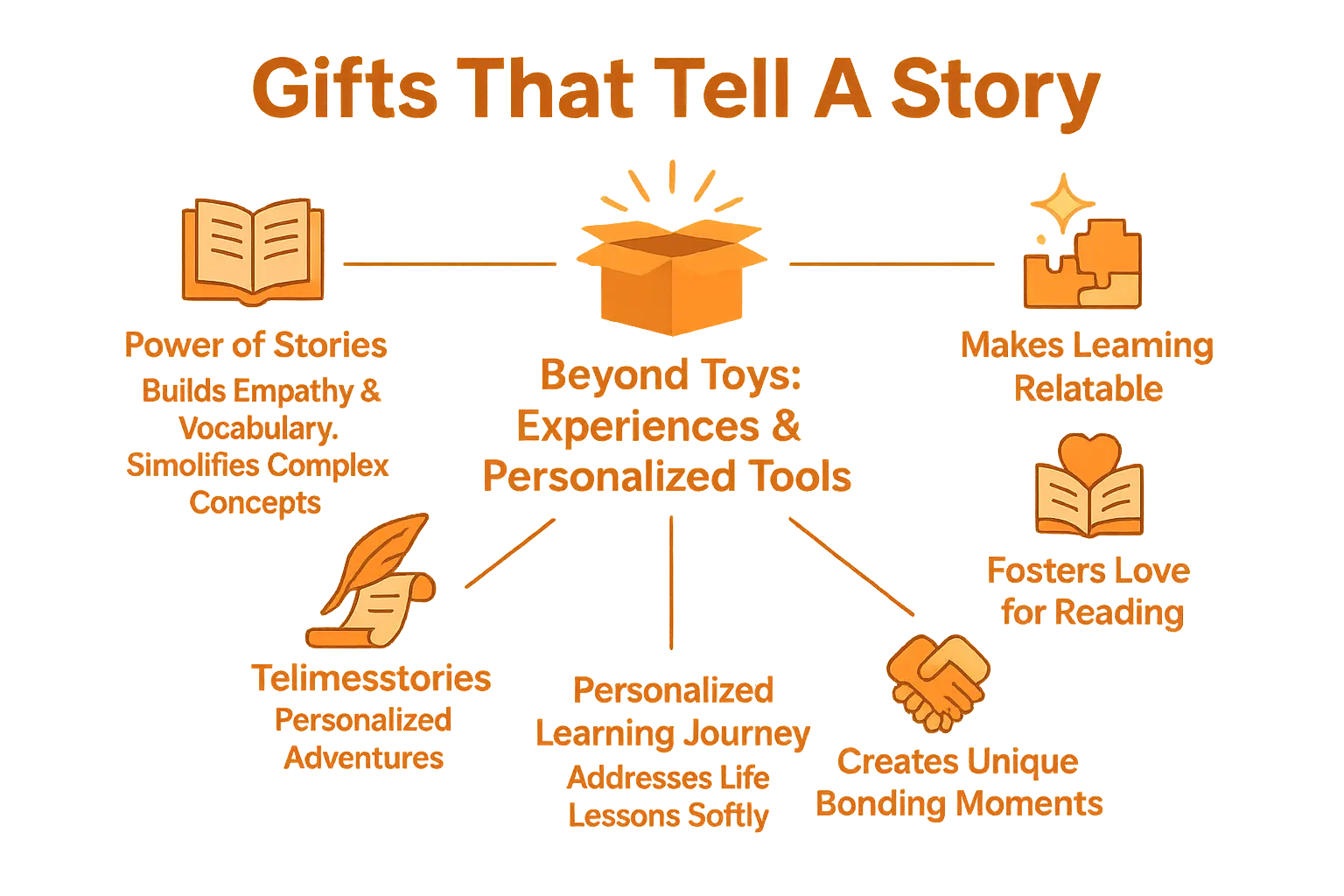
What if the best gift wasn’t a toy at all? 🤔 Tellmestories redefines educational gifting by turning children into heroes of their own adventures—all through WhatsApp. This AI-powered service crafts personalized stories that adapt to a child’s age, name, and interests, blending creativity with developmental growth. Imagine your 4-year-old giggling as Princess Ava conquers a dragon while learning courage!
Stories aren’t just bedtime rituals—they’re brain boosters! 🧠 Personalized narratives enhance vocabulary, empathy, and critical thinking. When kids become protagonists, they’re active participants in their learning journey. Tellmestories’ educational stories weave in life lessons like sharing and resilience. A tale about teamwork becomes a mystery solved by your child’s best friend—making values stick through adventure.
Here’s why personalized storytelling shines:
- Boosts self-esteem through personalization
- Makes abstract concepts (like kindness) relatable through adventure
- Fosters a lifelong love for reading
- Strengthens parent-child bonds during shared listening moments
These stories grow with your child. The AI remembers preferences, adapting tales as kids mature. Need a gentle intro to potty training? A story about Captain Ellie conquering “big kid adventures” arrives in minutes. Busy parents love how voice notes create instant stories—no app downloads required!
Think of it as personalized learning meets magic. While STEM kits teach coding and microscopes explore science, storytelling builds emotional intelligence and creativity. Stories shape how kids see themselves and the world. Ready to turn bedtime into a journey where your child writes the rules? WhatsApp could be your pocket’s most powerful educational tool. ✨
A different kind of educational gift: investing in their future
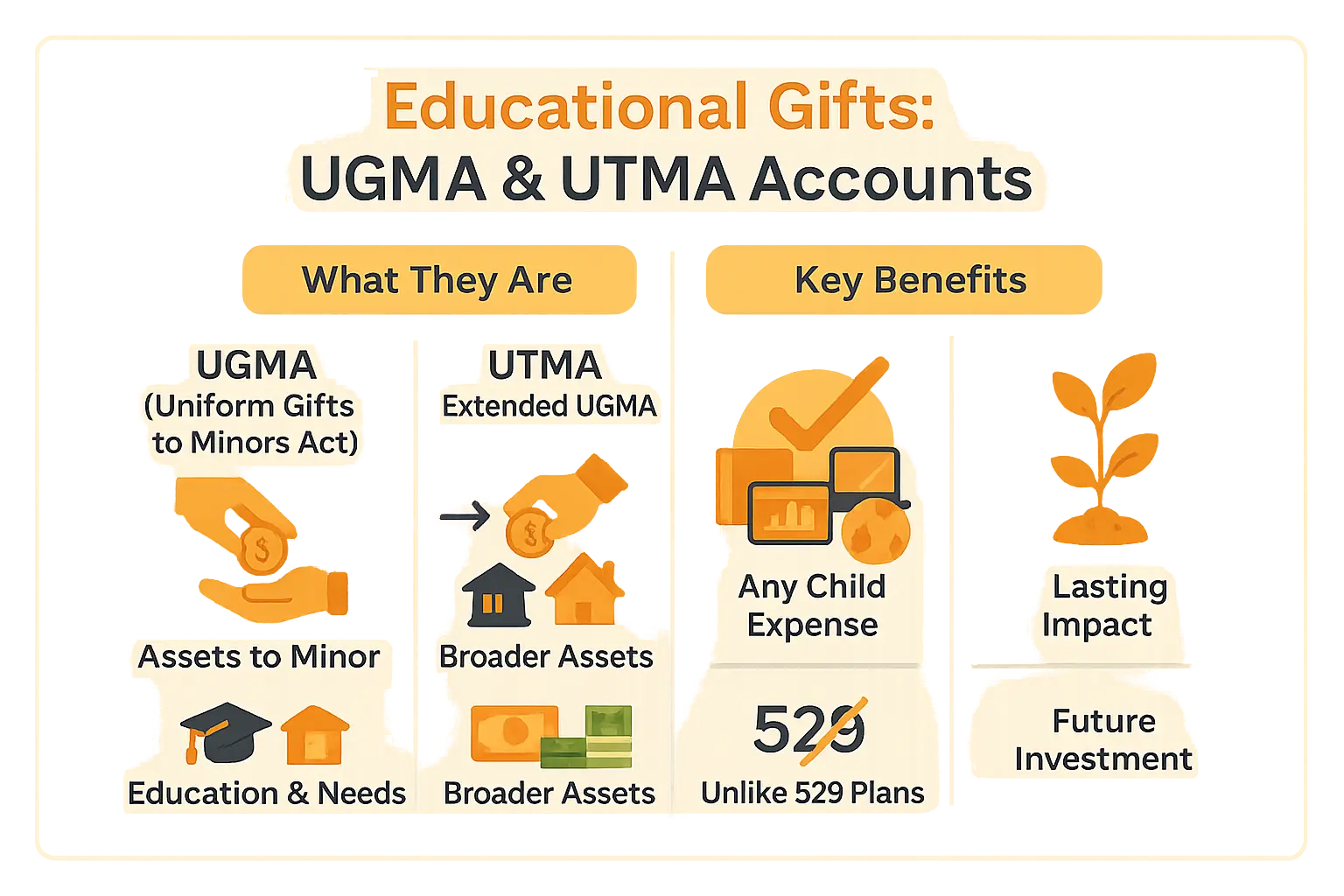
When we think of educational gifts, we often picture toys or tools that spark curiosity. But what if you could give something with lifelong impact? UGMA accounts offer a unique financial gift for a child’s future. These custodial accounts let adults invest in education, hobbies, or growth – unlike typical gifts, this one grows with time.
UGMA (Uniform Gifts to Minors Act) allows adults to transfer assets like stocks or bonds into a child’s name. A custodian manages funds until the child reaches 18-21. The twist? Money isn’t just for college – it can cover music lessons, summer camps, or even a science kit. Think long-term flexibility.
UTMA accounts expand on UGMA by including physical assets like real estate. Both offer tax advantages (first $1,350 in earnings tax-free) and simple setup. They’re designed for growth, not just immediate needs.
These funds aren’t limited to schools. Need a laptop for projects or a coding class? Covered. Avoid basics like food/shelter – those stay parental duties. For details on eligible expenses, check Investopedia’s guide.
Choosing UGMA/UTMA means giving a gift that evolves with their dreams. Whether they become an astronaut or an artist, this financial boost adapts – a present worth investing in.
The Perfect Gift Is The One That Sparks Joy In Learning
Choosing an educational gift isn’t about forcing learning—it’s about making it fun and personal. 🎯 The best gifts align with a child’s natural curiosity, turning playtime into a chance to grow. Whether it’s a storybook where they’re the hero or a puzzle that boosts problem-solving skills, the goal is to blend joy with growth.
Parents, watch how your child interacts with the world. 🌟 Do they love building towers? Maybe a STEM kit will click. Are they glued to animal documentaries? A wildlife-themed game could spark magic. The key? Let their passions guide your choice.
Tellmestories was born from this idea. 🧠 Created by parents for parents, our personalized stories adapt to your child’s name, age, and interests—all through WhatsApp. No downloads, no screens, just instant adventures that teach empathy, resilience, or even potty training. Because the best lessons happen when kids are too busy having fun to notice.
Ready to gift something that lasts? Explore our story gifts and give an adventure that grows with them. 🚀
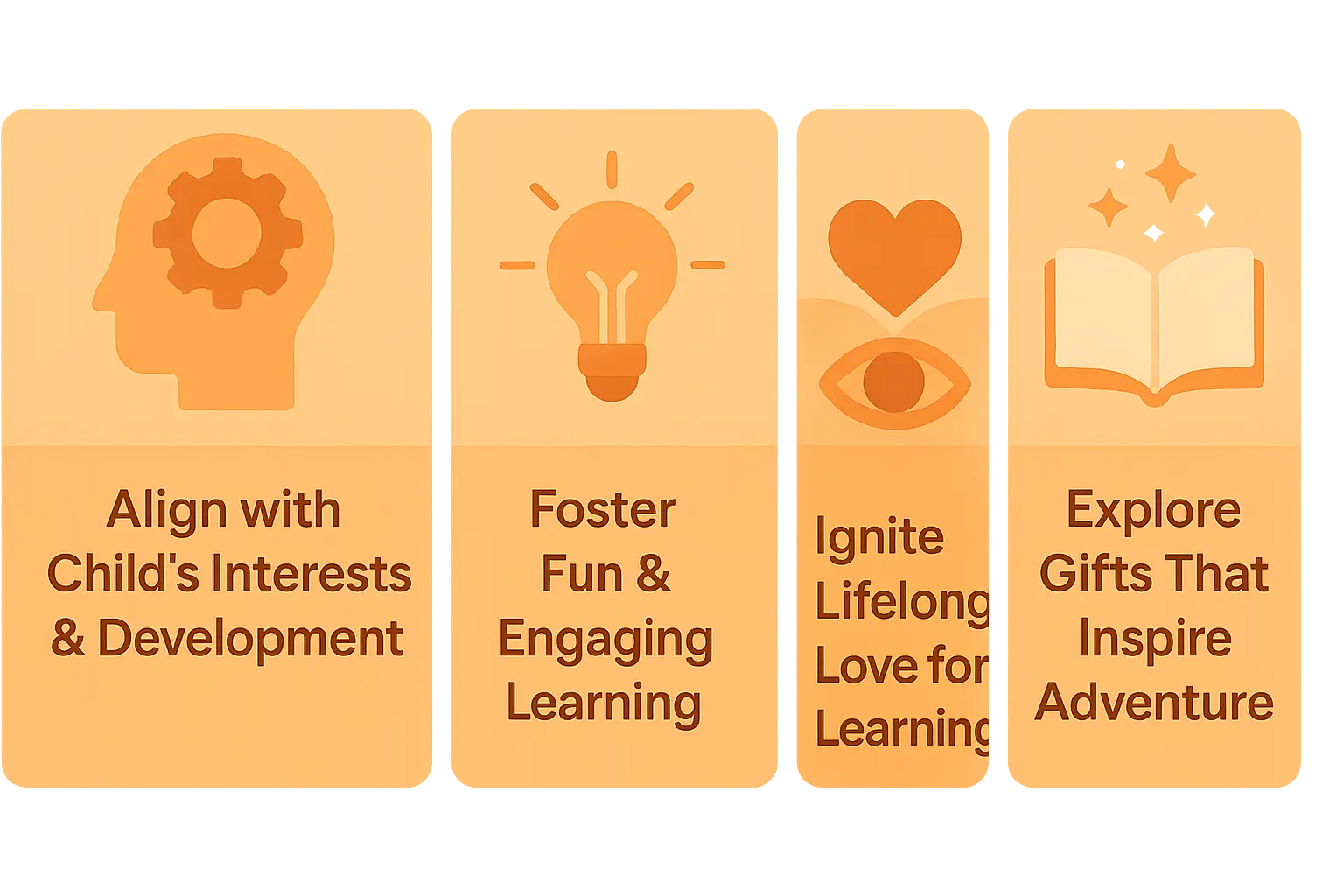
The perfect educational gift is one that matches your child’s unique interests and developmental stage. Learning thrives when it’s fun and engaging, so observe what sparks their curiosity—whether it’s science, stories, or building. Remember, the best gifts nurture joy and growth. Ready to inspire? Explore personalized story gifts that turn learning into lifelong adventures. ✨
FAQ
What’s the 20 Toy Rule and Why Does It Matter?
The 20 Toy Rule suggests keeping a child’s active toy collection under 20 items at a time. 🧸 This “less is more” approach encourages deeper focus, creativity, and prevents sensory overload. By rotating toys every few weeks, you’ll notice kids engage longer with each item, reduce clutter, and rediscover forgotten favorites like magic! 🔄 It’s all about quality over quantity. Think of it as a toy detox for smarter playtime! ✨
What Makes a Toy Truly Educational?
Great educational toys blend fun with skill-building! 🎯 Look for ones that spark curiosity while developing key areas like: critical thinking (puzzles), motor skills (building blocks), emotional intelligence (role-play sets), or STEM basics (coding kits). The best picks adapt to your child’s interests – whether they’re a budding engineer or a creative storyteller! 🧠 The secret? When kids don’t realize they’re “learning,” that’s when the magic happens! 💡
How Many Types of Educational Gifts Exist?
Think beyond one-size-fits-all! Here’s the breakdown:
- STEM Superstars (robotics, science kits)
- Fine Motor Movers (puzzles, lacing beads)
- Imaginative Explorers (costumes, play kitchens)
- Language Launchpads (alphabet games, storytelling cards)
- Cooperative Builders (team-based board games)
Mix & match categories to match your kid’s superpowers! 🎨
Which Toys Boost Brainpower the Most?
Top brain-boosters combine play with problem-solving! 🧠 Try:
- Coding robots (Botley 2.0) for logic
- Open-ended building sets (LEGO, Magna-Tiles) for spatial skills
- Strategy games (Kanoodle) for planning
- Science kits (microscopes) for curiosity
Pro tip: Look for toys that “grow” with your child – like STEM sets with multiple difficulty levels! 🚀
What’s the 20-20-20 Rule for Screen Time?
Combat screen fatigue with this easy hack: 👓 Every 20 minutes, have kids look at something 20 feet away for 20 seconds! This eye-health trick (from optometry pros) prevents strain during digital play. Pair it with physical activity breaks for balanced development. 💡 Think of it as a “reset” button for tired eyes! 🔄
How Many Toys Do Kids Really Need?
Quality > Quantity! 🧸 Experts suggest 8-12 purposeful toys for toddlers, 15-20 for school-age kids. But here’s the hack: rotate them! Store 50% away and swap monthly. You’ll save money, reduce clutter, and keep playdates fresh. 🔄 Bonus: Kids treat “new” toys like holiday gifts! 🎁
Which Brands Make the Coolest Educational Toys?
Top-rated favorites include:
- Learning Resources (STEM kits)
- Osmo (digital-physical hybrids)
- LEGO Education (engineering basics)
- ThinkFun (logic games)
- VTech (tech-forward learning)
🏆 These brands score high for durability, learning value, and that “I-don’t-mind-them-on-my-coffee-table” factor! 🌟
What ADHD-Friendly Toys Work Best?
Look for sensory engagement + structure! 🎨 Great options:
- Fidget tools (weighted stuffed animals)
- Hands-on builders (Magna-Tiles)
- Color-coded puzzles for focus
- Active play kits (balance beam kits)
- Visual schedule boards for routine-building
🧩 These help channel energy into creative outlets while developing executive function skills. 🎯
Do Educational Toys Deliver Real Value?
Short answer: YES! 💸 While they might cost more upfront, these toys:
- Teach transferable skills (problem-solving, collaboration)
- Grow with kids through multiple play stages
- Outlast cheap plastic alternatives
- Spark “aha!” moments that turn into lifelong skills
💡 Pro tip: Pair with toy rotation to maximize ROI – your wallet and their brain will thank you! 💰