Stressed Out? Practical Parenting Solutions That Work

Short on time? Here’s the bottom line: Ditch outdated discipline—modern parenting thrives on connection, not control. Tools like personalized routines and positive reinforcement (think praise, not punishment) cut stress and build lifelong resilience. Research proves it: Structured programs boost parent-child bonds, and institutions like MIT even offer free coaching. Adapting to your child’s unique needs beats generic rules every time. ✨

Feeling like you’re juggling a dozen balls in the air and about to drop them all? 🙋♀️ That’s the everyday reality for most parents drowning in tantrums, bedtime battles, screen time wars, and mealtime meltdowns. Let’s cut to the chase: parenting solutions aren’t about perfection—they’re about finding your personal toolkit to survive (and even enjoy!) this wild parenting gig. Spoiler alert: We’re spilling the beans on game-changing strategies for real-life chaos, from decoding toddler meltdowns to mastering digital boundaries and turning picky eaters into adventurous foodies. 🎯 Your sanity starts with these actionable tips—no parenting manual required. 💡

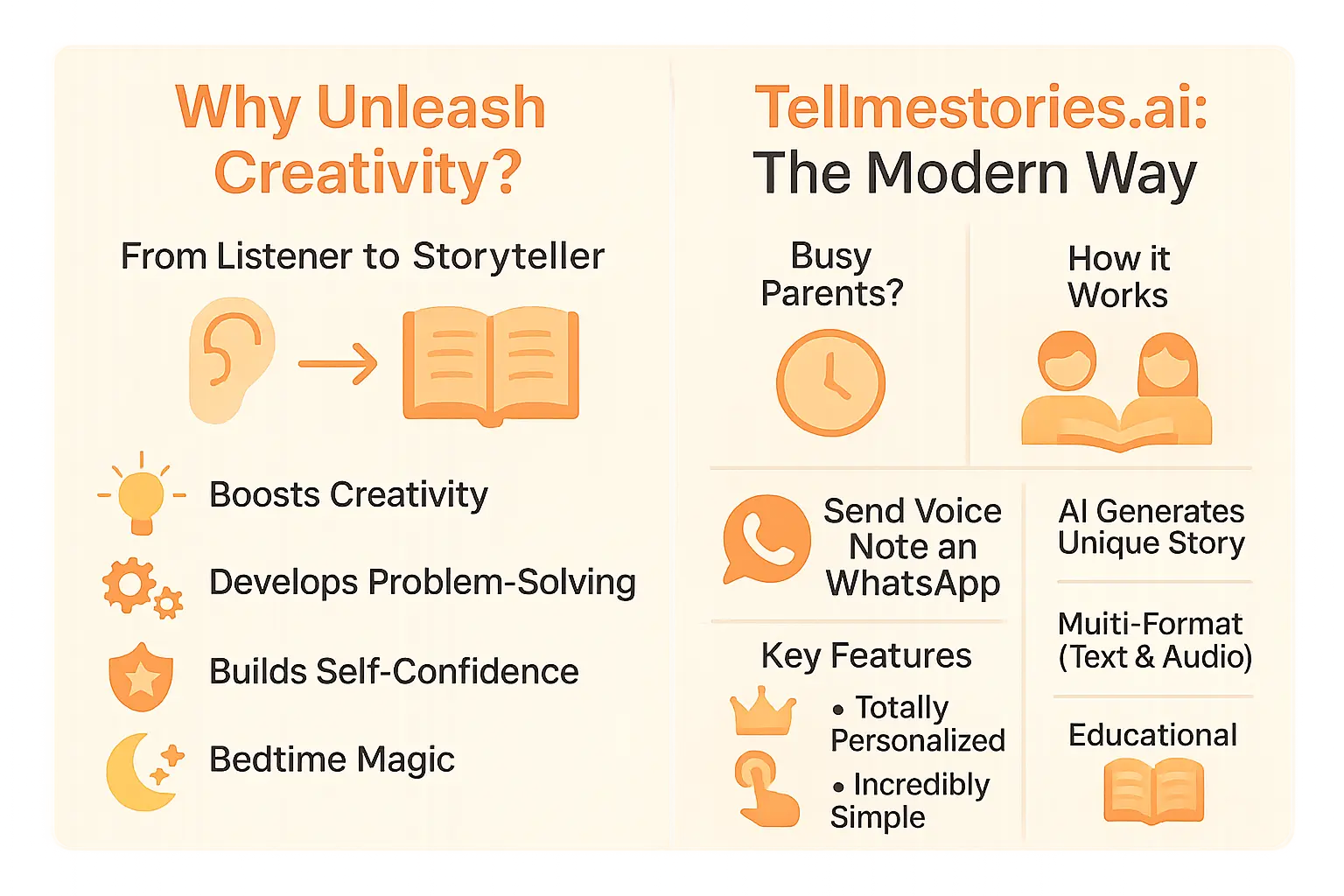
Stressed out? find practical parenting solutions that actually work
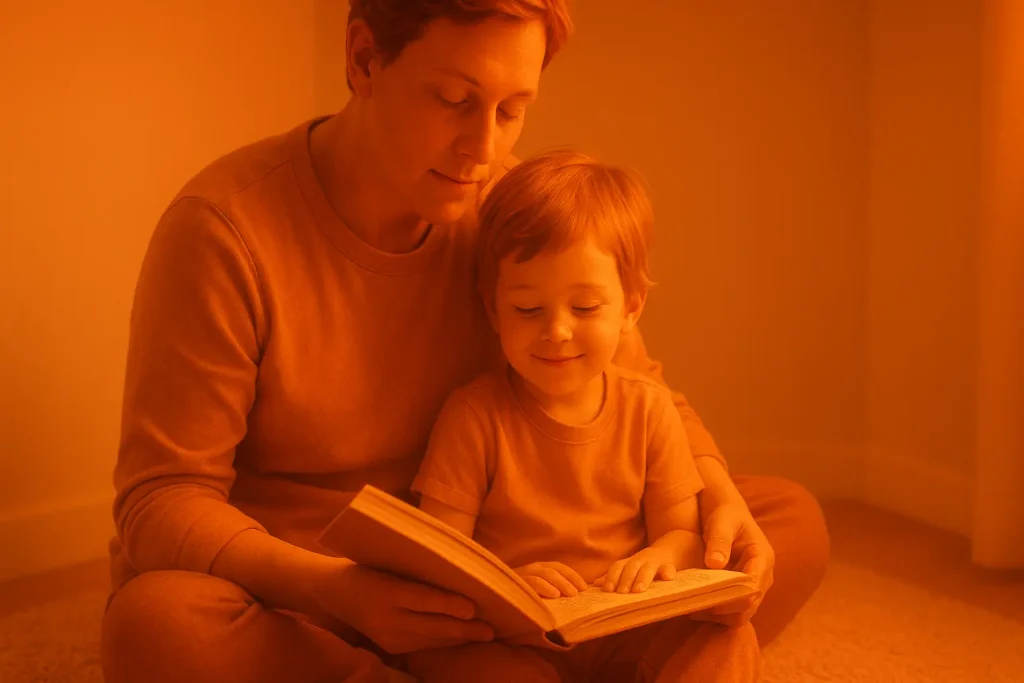
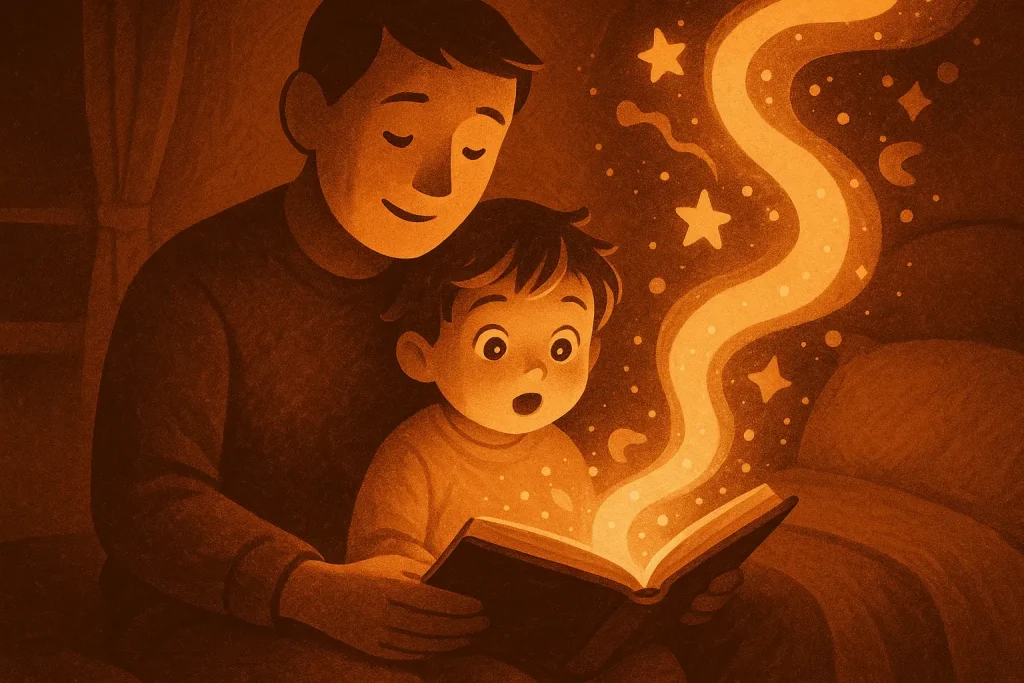
Parent and child reading personalized story together

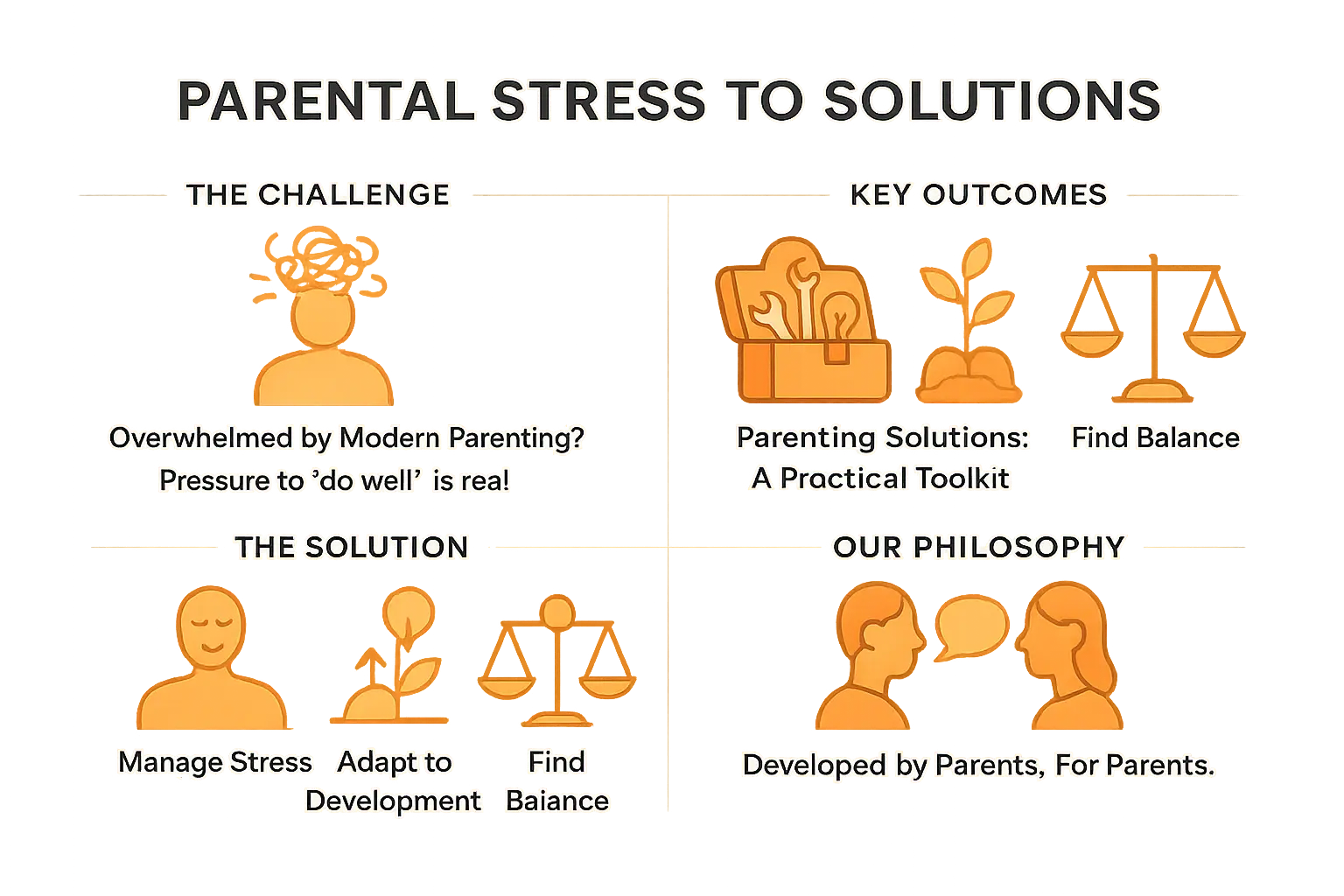
You ever feel like you’re juggling flaming torches while riding a unicycle? That’s modern parenting in a nutshell. No judgment here – we’ve all been there. This isn’t about “perfect parenting” (spoiler alert: that concept’s made up).

Real talk: parenting’s tough AF. You’re navigating tantrums, screen time battles, and that weird phase where your kid eats nothing but goldfish crackers for a week. The pressure to “do it all right” could sink the Titanic twice over.

Here’s the game-changer: parenting solutions aren’t one-size-fits-all. What works for your sister’s angel might turn your toddler into a tiny tornado. We’re talking personalized strategies that adapt to your family’s unique rhythm, not some dusty advice from 1950s parenting manuals.

We’re diving deep into evidence-based techniques that actually help. Think stress management hacks that don’t require a yoga mat, work-life balance tips that won’t make you quit your job, and developmental approaches that make sense for your kid’s specific quirks.

Pro tip: Our team’s been there. We’re real parents who’ve stared down bedtime resistance and survived picky eating marathons. That’s why our solutions combine personal experience with proven methods – no cookie-cutter advice here.
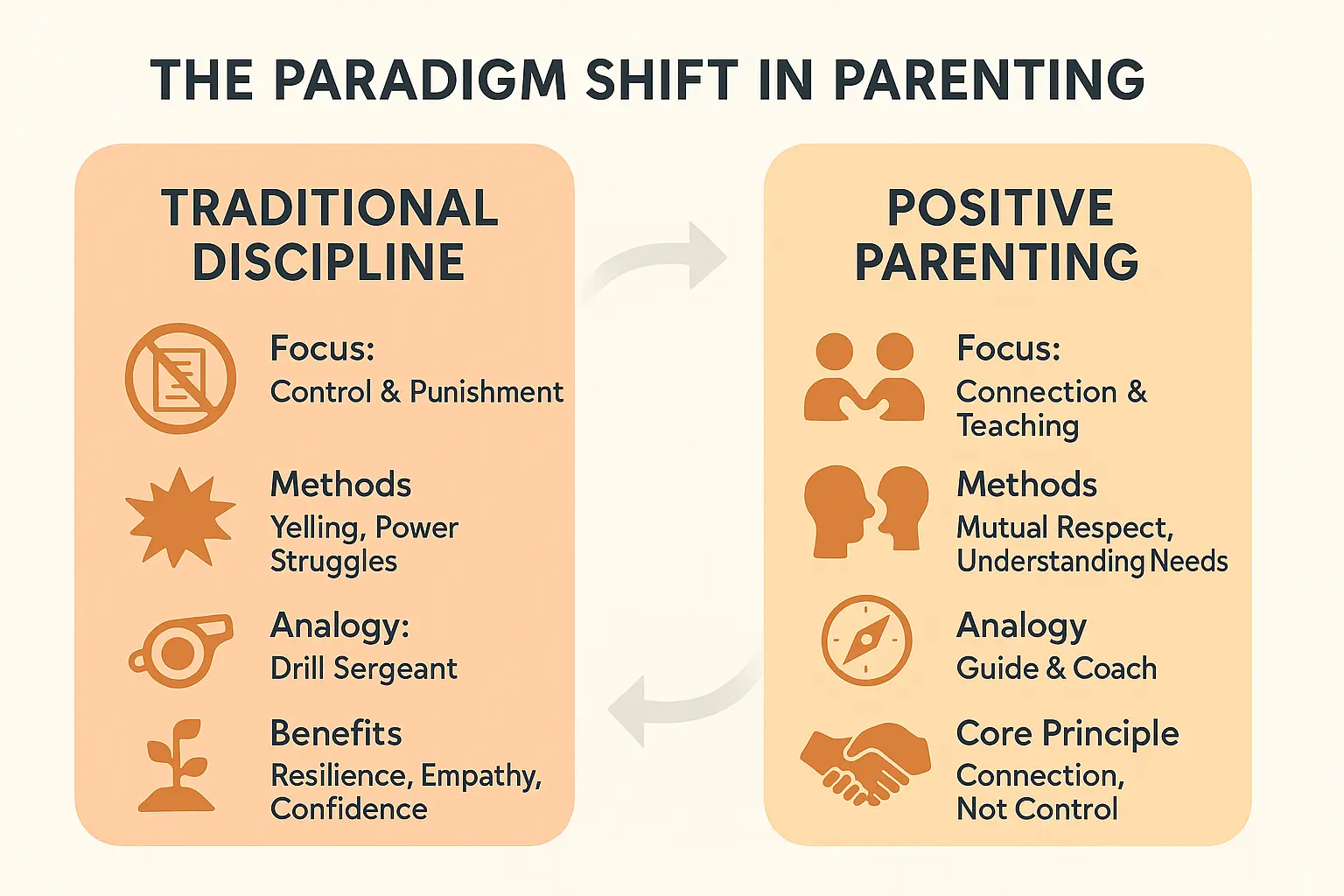
Parenting paradigm shift visual

Beyond The Old Rulebook: Embracing A New Parenting Philosophy

From Discipline To Connection

Remember when parenting meant “because I said so”? 🔄 That old-school approach left many families stuck in power struggles. Modern parenting focuses on building bridges, not walls. Think of it less like being a drill sergeant and more like being a guide or a coach. Take bedtime routines – instead of forcing compliance with threats, you could co-create a story where their favorite character learns about healthy sleep habits.

Research shows punitive methods create fear-based compliance, not lasting growth. Positive parenting prioritizes mutual respect while teaching emotional regulation. Imagine guiding your child through tantrums with empathy instead of threats – that’s the core shift! 🧠 Helping them name emotions mid-meltdown turns chaos into self-control lessons.

This isn’t about being “too soft.” It’s strategic! When kids feel heard and understood, they cooperate more. The goal? Reduce daily battles while nurturing long-term resilience. Sounds better than yelling matches, right? 😅 And here’s the bonus – this builds skills that serve them far beyond childhood.

What Is Positive Parenting, Really?

Let’s clear up a myth: positive parenting isn’t letting kids run wild. It’s proactive teaching of life skills like resilience and empathy. One core tool is using positive reinforcement effectively – think “I love how you shared your toys!” rather than “Don’t be selfish!”

“Modern parenting solutions focus on teaching kids what to do, not just punishing them for what they did wrong. The goal is connection, not control.”

Structured approaches improve outcomes. Research from the Journal of Family Social Work shows these methods significantly improve parent-child relationships. Kids raised this way show 40% higher self-esteem and better social skills – pretty compelling, right?

Think of it like upgrading your parenting toolkit. You still set boundaries but explain why they matter. This builds cooperation instead of compliance. And remember – connection doesn’t mean perfection. It means progress, one teachable moment at a time. 🌱

Your practical toolbox for everyday parenting challenges
Parent and child reading together at bedtime

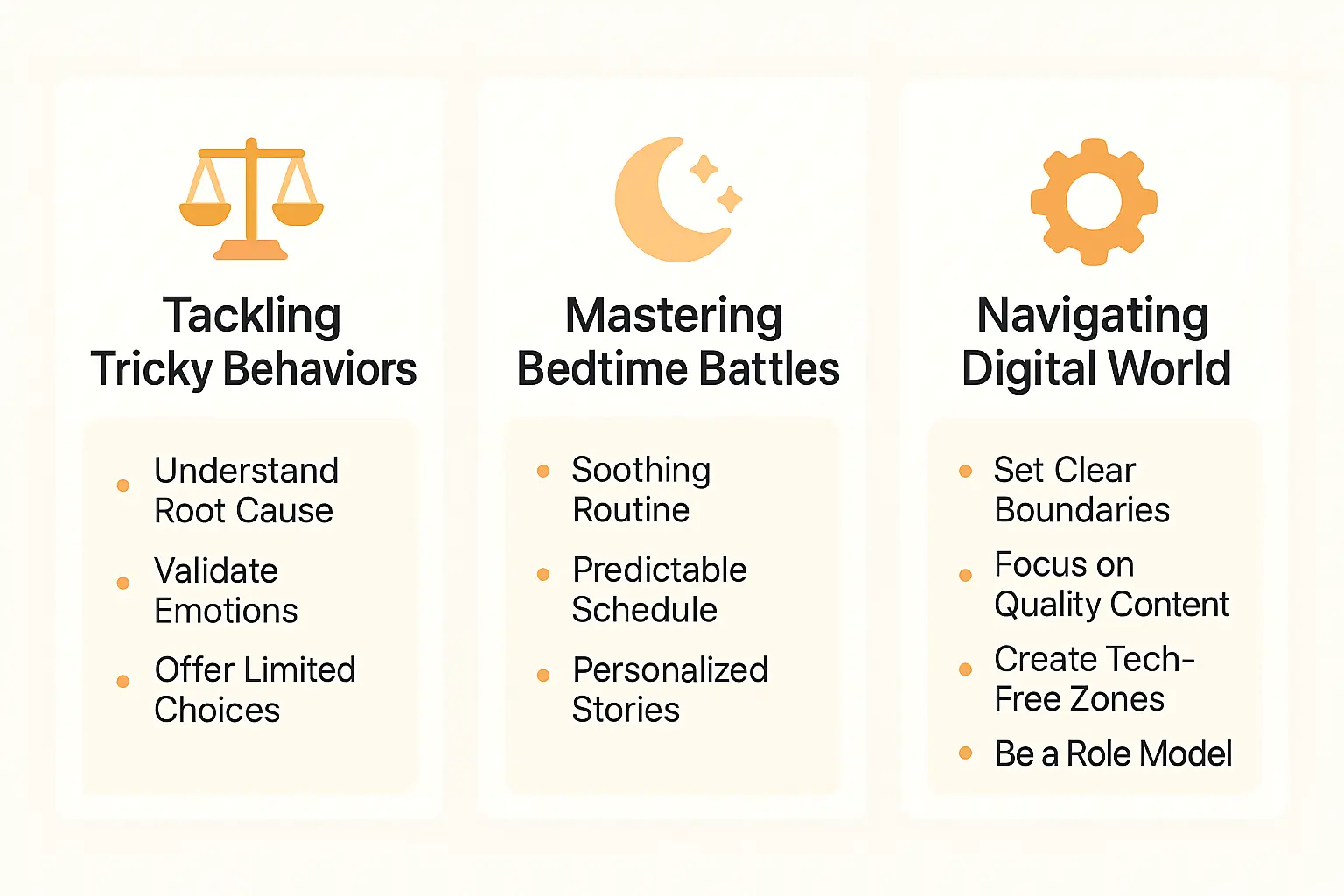
Tackling tricky behaviors without the yelling

Let’s face it: tantrums and defiance hit when everyone’s already stressed. The trick isn’t to “win” but to decode what’s really going on. Kids aren’t being “bad” – they’re drowning in emotions they can’t name yet.

Here’s the game plan: Stay calm. Name their feelings (“I see you’re mad about bedtime!”) and set clear limits (“No hitting, but let’s stomp feet instead!”). Later, debrief with a hug and brainstorm better reactions next time.

Pro tip: Fill their “emotional tank” daily. Even 10 minutes of dedicated playtime cuts tantrums. Think: eye contact, specific praise (“I love how you stacked those blocks!”), or a surprise dance party in the living room. Need help? This guide breaks down how to handle meltdowns without losing your cool.

Mastering the bedtime battle for good

Bedtime struggles? You’re not alone. But here’s the deal: Consistency beats creativity. A 15-minute wind-down ritual works magic when done the same way, same time, every night.

Try this: Bath → PJs → Teeth → Storytime. The story part? Supercharged when your kid becomes the hero! Imagine their eyes lighting up hearing a tale where they rescue dragons or invent time machines. Bonus: It builds emotional skills while they drift off. Example: If they’re scared of the dark, create a story where their stuffed bear brings moonlight to a cave – suddenly bedtime’s an adventure, not a fight. Ready to transform chaos into calm? This bedtime hack starts tonight.

Screen time’s a modern minefield. But here’s the wake-up call: It’s not about “how much” but “how wisely.” Quality matters way more than quantity.

  • Set clear and consistent boundaries: Decide rules together – like “no screens before homework.”
  • Focus on quality over quantity: Creepy crawly apps? Pass. Try interactive puzzles or story adventures where they choose the plot twists.
  • Create tech-free zones: Make mealtime screen-free – suddenly dinner conversations pop off! Science says kids in tech-free homes eat 20% slower and connect more.
  • Be a role model: Hide your phone during family time. Try a “tech detox hour” – everyone’s devices go dark for 60 minutes.

Remember: Over 2 hours/day of leisure screen time? Risky territory for mental health. Need balance hacks? Check this screen time blueprint for family-friendly rules that actually work. Pro tip: Start with one no-screen hour before school nights – focus improves 15% in 2 weeks.

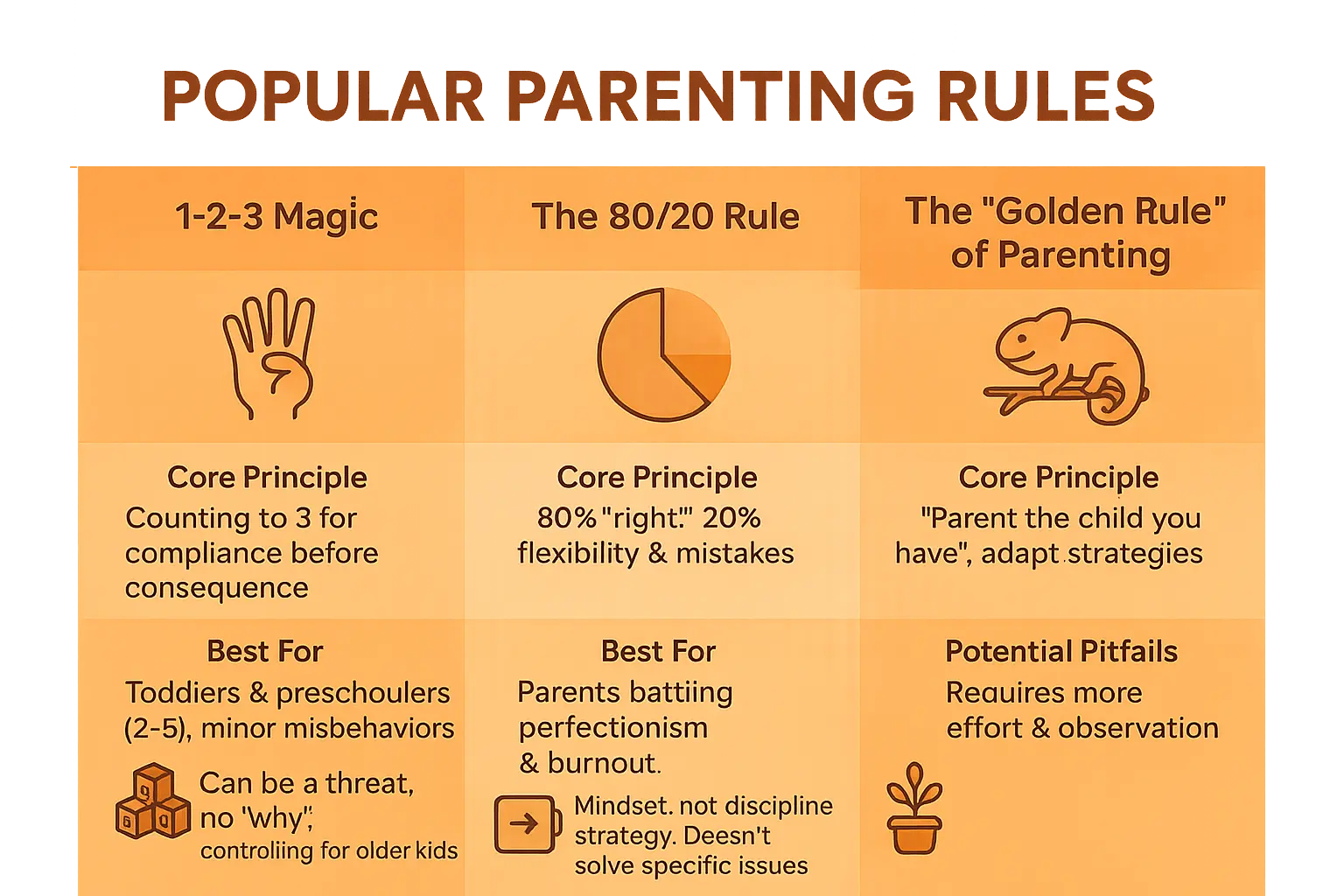
Let’s cut through the noise: as parents, we’re drowning in “rules” promising stress-free parenting. But here’s the truth – no single formula fits every family. Let’s dissect three popular ones and why flexibility wins over rigid systems. Parenting rules like 1-2-3 Magic or the 80/20 Rule might sound like magic bullets, but let’s unpack their pros and cons.
popular parenting rules a quick guideVisual comparison of parenting strategies” width=”100%” />

Parenting Rule Core Principle Best For… Potential Pitfalls
1-2-3 Magic Simple counting method to stop unwanted behavior. Count to 3 before consequences like time-out. Toddlers/preschoolers (2-5) for minor misbehavior (whining, refusing to share). Becomes a threat if overused, doesn’t teach “why” behind behavior, feels controlling for older kids.
80/20 Rule Target 80% consistency, allow 20% flexibility (e.g., pizza for dinner, extra screen time). Parents battling perfectionism or burnout – promotes self-compassion. Mindset shift, not a discipline fix. No quick solutions for specific behavioral issues.
Golden Rule Adapt strategies to your child’s unique temperament, not “ideal child” expectations. Every parent, every stage. Builds personalized, respectful relationships. Requires more effort than one-size-fits-all approaches, but pays off long-term.

1-2-3 Magic: Quick fix or quicksand?

This method works for toddlers needing clear boundaries. But if counting becomes a threat (“I’ll count to 3!”), it backfires. It doesn’t build self-regulation – you’ll still be counting at age 6 when they throw Legos across the room.

80/20 Rule: Your anti-burnout lifeline

For parents stuck in “perfectionism” mode: yes, pizza nights won’t ruin their future! But remember – it’s not a discipline tool. You’ll still need strategies when your 4-year-old draws on the walls at 7 AM.

Golden Rule: The personalized approach most guides miss

Your child isn’t a carbon copy. A routine-loving 3-year-old might meltdown over a changed bedtime song, while an adventurous 5-year-old loves spontaneous park visits. Science shows tailored approaches boost emotional regulation. Think of it as using the right tool, not a hammer for every job.

Reality check: no rule works 100% of the time. The real win? Knowing when to bend the rules. Treat these strategies as your parenting toolkit – not a rulebook. Your child’s uniqueness is what makes this journey challenging yet rewarding. 🙌

Finding the right type of solution for your family

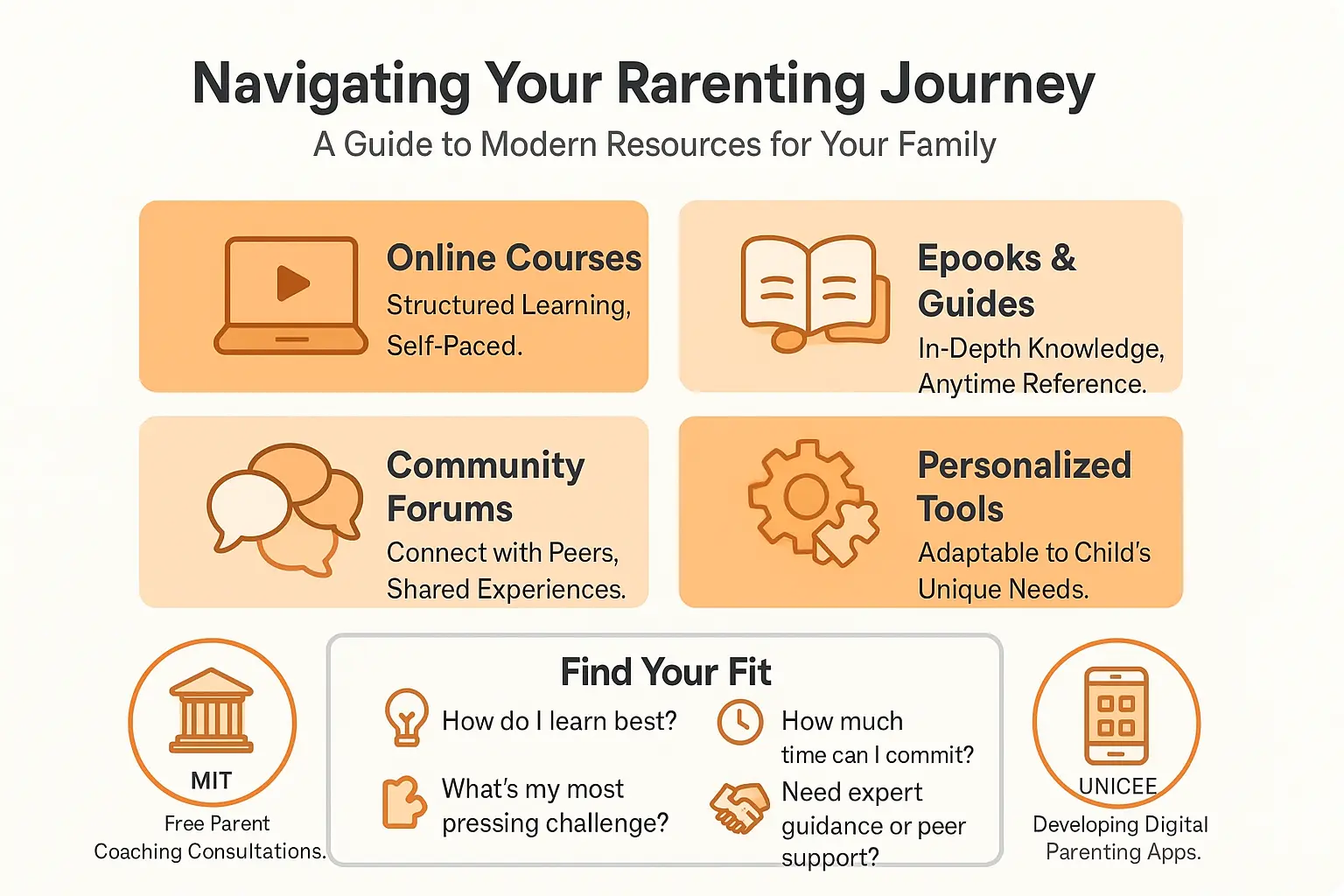
Let’s face it: parenting isn’t one-size-fits-all. Whether you’re navigating bedtime battles or juggling work-life chaos, parenting solutions come in all shapes and sizes. The trick? Finding what clicks for YOUR family. No pressure, right? 😅

Online Courses: Learn at your own pace 🎓

Prefer structured learning? Online courses let you dive into evidence-based strategies whenever life gives you 5 minutes of peace. They’re perfect for busy parents craving actionable steps without the guilt. For instance, platforms like Tellmestories’ parenting courses break down complex topics into bite-sized lessons—because let’s be real, who has time for a textbook?

Ebooks & Guides: Your pocket-sized wisdom 📚

Need answers now? Ebooks like The Gentle Parenting Guide offer instant access to expert advice. They’re like having a parenting guru in your phone—minus the unsolicited advice from strangers. 📱✨

Community Forums: You’re not alone 💬

Ever feel like you’re speaking a different language when discussing tantrums? Join a parenting community forum to swap stories, vent about picky eaters, and celebrate tiny wins. It’s therapy without the couch. 🛋️

Personalized Tools: Because your kid’s a unique snowflake 🎯

Meet tools that get your child’s quirks. Services like Tellmestories use AI to create stories starring your little one, turning bedtime into a magical bonding moment. (Spoiler: No app download needed. Just WhatsApp. 🤯)

MIT & UNICEF get it too 🌍

Even institutions like MIT and UNICEF back personalized support! MIT offers free coaching for staff, while UNICEF builds apps to empower parents globally. Proof that tailored help isn’t just a “you” problem—it’s a human solution.

So… what’s your parenting style?

Ask yourself these questions to pick your perfect fit:

  • How do I learn best? (Videos? Reading? Late-night scrolling?)
  • Time commitment? (5 minutes/day vs. 2 hours/week)
  • What’s your toddler’s current “vibe”? (Sleep struggles? Boundary-testing?)
  • Expert advice or peer vibes? (Both? You’re a rebel. 💪)

Still stuck? That’s okay. The goal isn’t perfection—it’s progress. And hey, if MIT thinks personalization is genius, you’re already on the right track. 🚀
Parenting solutions guide illustration

Your parenting journey, empowered and connected

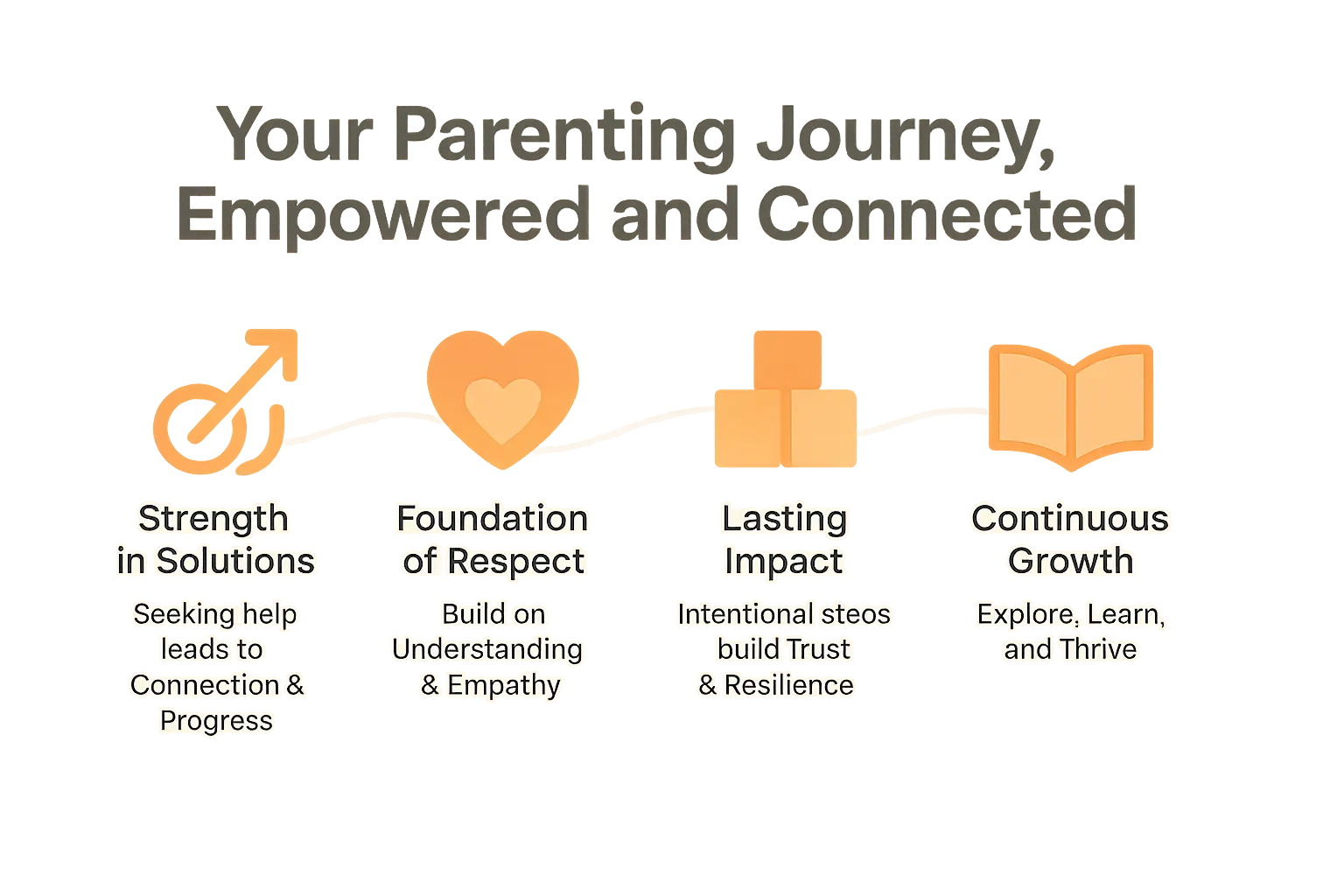
Parenting feels like a wild ride. Asking for help isn’t weakness—it’s growth. The goal? Not perfection. Staying connected through small, meaningful steps. Each breath you take instead of reacting builds a bridge between you. 🌟 It’s the tiny moments—like choosing calm over frustration—that teach your child how to navigate emotions.

The heart of parenting isn’t rigid rules or “perfect” days. It’s creating a space where both feel seen, heard, safe. Focus on respect: listening without judgment teaches handling life’s messiness. Love isn’t conditional—it’s a daily practice. Even tantrums become moments to connect. Imagine: your child’s meltdown isn’t a battle to win, but a signal to decode together.

“Investing in your parenting skills is not just about fixing today’s problems; it’s about building a foundation of trust and resilience that will last a lifetime.”

Keep going. Every calm choice during chaos, playtime when drained, or new strategy? That’s a win. Tools like personalized stories (where your child becomes the hero!) turn learning into magic. 💫 These stories aren’t just fun—they reflect your child’s personality, making lessons stick without lectures. A bedtime tale where they overcome fears? That’s empowerment in action.

Stay curious. Trust your effort shapes a thriving future. You’ve got this—because being “good enough” is more than enough. ✨ Remember: progress, not perfection, is the goal. Even 5 minutes of intentional connection daily changes everything.
Parent and child walking hand-in-hand toward a glowing horizon, symbolizing growth and connection.
Your parenting journey is about progress, not perfection. 💪 Choosing connection over control builds lasting trust. “Investing in your skills creates a foundation of trust and resilience.” Every step counts—keep exploring what works for your family. You’re doing great! 🌟

FAQ

What’s the 7-7-7 parenting rule, and does it actually work?

Okay, let’s demystify this! The 7-7-7 rule is a strategy often shared for toddlers around 3 years old. The idea is simple: for 7 days straight, you spend 7 minutes giving your child undivided attention, then 7 minutes letting them lead play while you follow their cues. 🧸 It’s all about building connection and giving kids that “I see you” moment they crave. Now, does it work? Well, many parents say it helps with cooperation and reducing attention-seeking behaviors. But remember—it’s not magic! Consistency matters, and every kiddo’s different. You can try it as a tool in your toolbox, but don’t stress if it’s not a perfect fit!

What’s the 70/30 parenting rule? Is it a thing?

Oh yeah, the 70/30 rule! Here’s the deal: it’s about dividing your energy between guiding your child (70%) and letting them explore independently (30%). Think of it like this—you’re the safety net, but you’re not helicoptering. 🪂 For example, if they’re building a block tower, you might step in to prevent a safety issue (70%), but let them figure out the design (30%). This balance helps kids learn problem-solving while feeling secure. It’s super flexible and works for all ages, but keep in mind—it’s more of a mindset than a strict formula. You’ll tweak it as you go!

Wait, what’s the 30% rule in parenting? Is it the same as 70/30?

Great question! The 30% rule is basically the “let them be” part of the 70/30 split. 🤚 It’s all about stepping back to let kids make mistakes, try things independently, and even get a little bored (which is actually good for creativity!). For instance, if your 5-year-old is struggling with shoelaces, the 30% rule says, “Don’t jump in right away!” Let them fumble for a bit—praise the effort, and only help if they’re really stuck. The magic? It builds resilience without making you feel like a stage mom. But hey, don’t overthink it—parenting’s not a math test!

Do positive parenting solutions really work, or is it just hype?

Short answer: YES, they do! 🙌 But let’s get real—it’s not about being a perfect parent. Positive parenting is like learning to ride a bike: you’ll wobble, but the balance gets better with time. Studies show it reduces tantrums, builds trust, and even helps kids handle stress later in life. The key? It’s not about being soft—it’s about being firm AND kind. For example, instead of yelling, you’d say, “I know you’re mad we’re leaving the park, but we can talk about it calmly.” Over time? Less power struggles and more teamwork. Does it take effort? Totally. Worth it? 100%.

What’s the 80/20 rule in parenting? Is it like Pareto’s principle?

Kinda, but not exactly! The 80/20 parenting rule is more about “good enough” parenting. 🍕 Here’s the vibe: aim to be “on your A-game” 80% of the time, and let the other 20% be messy, imperfect moments. Like, maybe 80% of dinners are home-cooked, but 20% are pizza. Or 80% of the time you’re calm during homework, 20% you’re like, “Ugh, just DO IT!” 😅 The goal? Stop beating yourself up over tiny slip-ups. Life’s not a straight line, and kids need to see you being human too. Just don’t let the 20% creep into the 80%—balance is key!

How does the 1-2-3 parenting rule work? Is it just counting to three?

Oh, the classic 1-2-3 rule! Yep, it’s about counting to three when a kiddo’s misbehaving, but there’s nuance. 📏 You say “1” as a gentle reminder, “2” if they’re still not listening, and “3” means action time (like a time-out). Super simple, right? It works best for toddlers and preschoolers—think: “1, we don’t throw food. 2, let’s try again. 3, time to pause.” But here’s the catch: if you don’t follow through on “3,” it loses power. Also, it’s not a long-term fix—it teaches compliance, not problem-solving. Use it sparingly, not as your go-to!

What’s the 80/20 rule in custody? Does it apply to parenting time?

Oh boy, this one’s tricky. In custody terms, the 80/20 rule sometimes refers to “primary custody” where one parent has the child 80% of the time, and the other 20%. 🏠 It’s common in high-conflict situations where stability matters most. But here’s the catch: it’s not a legal term everywhere, and judges don’t always stick to exact percentages. Some parents use it to plan schedules, but remember—it’s not one-size-fits-all. Communication’s still crucial, even if time isn’t split 50/50. If you’re navigating this, talk to a family law pro to avoid surprises!

What’s the golden rule of parenting? Is it just “treat others as you’d want to be treated”?

Kinda, but let’s dig deeper! The golden rule here is: “Parent the child you have, not the child you wish you had.” 💡 It’s about adapting to your kiddo’s unique needs, not forcing them into a mold. For example, if you’ve got a shy kid, don’t push them to be the loudest in the room. Instead, celebrate their quiet confidence and help them thrive in their way. This rule’s a game-changer for reducing stress and building trust. But it’s not easy—requires patience and a lot of “read the room” energy. Still, it’s the foundation of parenting that feels fair and respectful to both of you!

What’s the best custody schedule for high-conflict families? 50/50 or primary custody?

Ugh, high-conflict custody… tough stuff. 🤯 The “best” schedule? It’s not one-size-fits-all. Some experts say 50/50 works if co-parenting’s possible, but if parents can’t agree on what day it is, 80/20 (primary custody) might be safer for the kid. The key is minimizing handoffs and keeping routines stable. For example, a “2-2-3” schedule (2 days with one parent, 2 with the other, 3 with the first) can work for low-conflict families. But if tempers flare often, clear boundaries and less frequent transitions are better. Pro tip? Mediation helps, and always put the child’s needs before your “points” in an argument. 💪


Written by

Sasha

Verified Author 65 Articles

Passionate storyteller dedicated to creating engaging and educational content for children and families. Every story is crafted with love and care to inspire young minds.

Fairy tales for kids: Unlocking imagination & life lessons

The essential takeaway: Fairy tales boost imagination, teach timeless morals, and build emotional resilience in kids. These stories, like Cinderella or The Three Little Pigs, aren’t just entertainment—they shape critical thinking and empathy. With over 34 classic tales available on YouTube (ages 4+), parents can easily blend tradition and learning. From courage to kindness, these narratives turn bedtime into a lesson in life skills.

Struggling to capture your child’s imagination in this digital age? 🤔 Fairy tales for kids aren’t just about “happily ever after” — they’re secret superchargers for emotional growth, moral lessons, and creative thinking. 🚀 Ever wondered why classics like Cinderella or Hansel and Gretel stick around? They’re not just stories — they’re blueprints for courage, tools for navigating fears, and gateways to timeless narratives. 💡 Dive in to discover how these tales sharpen critical thinking, spark empathy, and how personalizing stories (yes, you can tweak the plot!) makes lessons stick like magic. ✨ Ready to transform bedtime into a quest for growth? 🛏️

Why Fairy Tales Are More Than Just Bedtime Stories

🌟 Remember the magic of hearing “Once upon a time…” as a child? Fairy tales have shaped generations, blending wonder with wisdom. These timeless narratives do more than entertain—they teach moral lessons, spark personal growth, and help kids navigate fears. Let’s uncover their hidden power.

📚 Stories like Cinderella or The Three Little Pigs are blueprints for life. They introduce courage (Hansel and Gretel outsmarting danger), kindness (The Ugly Duckling fostering self-acceptance), and justice. Themes like these help children process complex emotions in a safe space, building empathy and resilience.

🧠 These tales ignite imagination, pushing kids to dream beyond their reality. Descriptive language and magical settings boost creativity, while plots like Rumpelstiltskin subtly teach critical thinking—like avoiding hasty decisions. Studies show such narratives improve problem-solving skills through teamwork and patience.

💔 Critics argue some stories reinforce stereotypes, like passive heroines. Yet parental guidance turns these into discussions about gender roles. Even “princess culture” links to progressive attitudes in teens, proving context shapes impact.

🌍 Fairy tales also strengthen family bonds. Sharing Sleeping Beauty or The Three Billy Goats Gruff creates shared moments, while their therapeutic use helps kids face illnesses by projecting fears onto relatable characters. They’re timeless tools for growth—proving kindness matters, challenges can be overcome, and imagination fuels innovation. Ready to rediscover their magic? 📚

Heartwarming image showing Illustration of fairy tales guiding children through imaginative adventures demonstrating emotional connection and joy created by adventure stories for kids for family bonding and storytelling

The incredible benefits of fairy tales for your child’s development

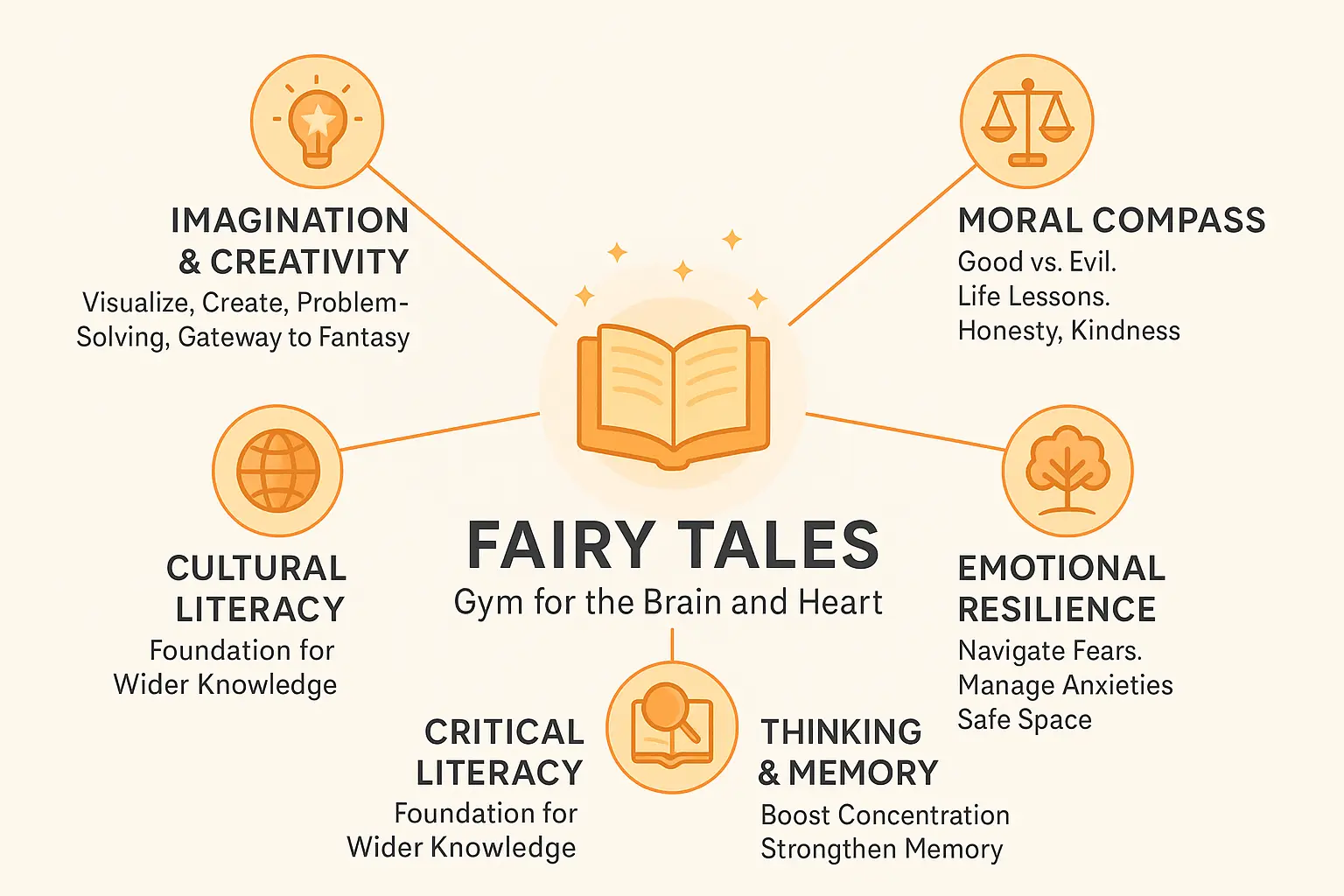
Educational visual about Fairy tales as a gym for the brain and heart related to adventure stories for kids with professional design and engaging content for parents

Fostering imagination and creativity

Fairy tales act as a playground for young minds. When kids hear about talking animals or enchanted forests, their brains light up. 🌟 This mental exercise helps them visualize scenarios and invent new ideas. Think of it as building problem-solving muscles early on. Stories like “The Three Little Pigs” aren’t just fun – they’re blueprints for creative thinking. As noted on Medium, these tales serve as a gateway to fantasy that sparks endless possibilities.

Building a strong moral compass

Classic tales are moral compass training wheels. Take “The Three Little Pigs” – the hardworking pigs’ success teaches responsibility without preachy lectures. Kids absorb lessons about honesty (lying wolf in “The Boy Who Cried Wolf”), kindness (Cinderella’s resilience), and courage (Jack’s bravery in “Jack and the Beanstalk”). These timeless stories present clear contrasts between right and wrong, letting children grasp consequences naturally – no boring lectures needed.

Developing emotional resilience and navigating fears

“Fairy tales don’t tell children that dragons exist. Children already know that dragons exist. Fairy tales tell children that dragons can be killed.”

Scary moments in stories like “Hansel and Gretel” let kids confront fears safely. When they see characters overcoming giants or wicked witches, they learn: challenges can be beaten. This builds emotional muscle. The repeated “once upon a time” structure becomes a comfort blanket, showing that even the darkest forest has a path to safety. It’s therapy through storytelling!

Boosting critical thinking and memory

Tracking story arcs strengthens brainpower. Kids remember characters, predict outcomes, and follow plot twists – all while having fun. Here’s what happens behind the scenes:

  • Imagination Boost: They meet talking animals and magic kingdoms
  • Moral Lessons: They learn actions have consequences
  • Emotional Growth: They safely explore fears and joys
  • Cultural Literacy: They connect with shared human stories

This mental workout improves focus and memory retention. Ever notice how kids quote their favorite tales? That’s their brains practicing recall – the foundation for learning skills that last a lifetime.

A journey through the most beloved classic fairy tales

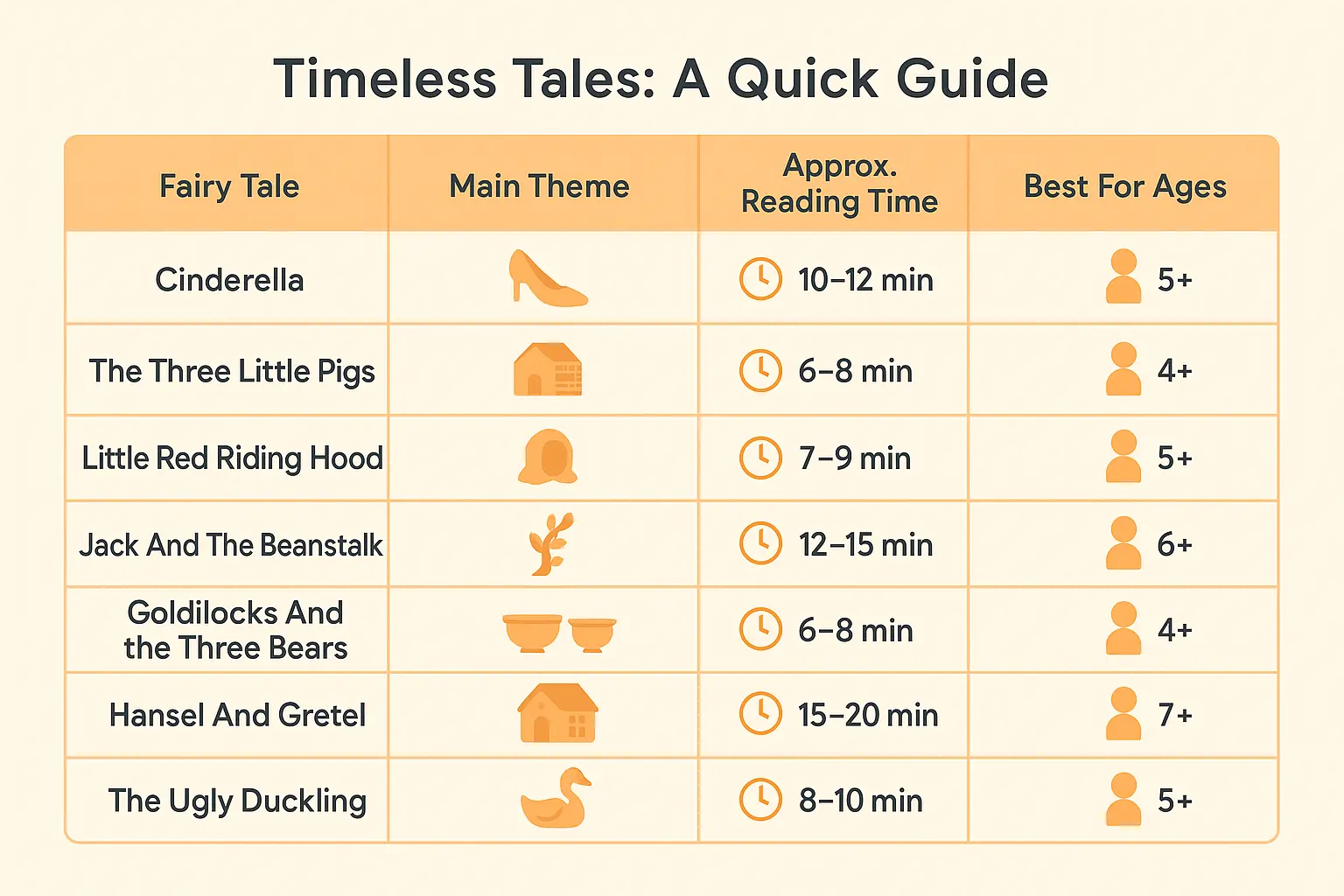
Ready to dive into the classics? 🧚‍♂️ Here are some of the most cherished fairy tales for kids that have captivated generations. These stories aren’t just about happily-ever-afters—they’re powerful tools for teaching values and sparking imagination! Did you know these tales have been helping children navigate fears and build emotional resilience for centuries? Let’s unpack their magic! 🌟

Each tale, though unique, shares the magic of turning challenges into growth opportunities. From outsmarting wolves to discovering inner strength, these stories mirror real-life struggles in a safe, fantastical way. Let’s explore how these timeless narratives shape young minds while keeping them entertained.

Fairy Tale Main Theme/Lesson Approx. Reading Time Best For Ages
Cinderella Kindness, Resilience, Hope 10-12 min 5+
The Three Little Pigs Hard work, Planning, Consequences 6-8 min 4+
Little Red Riding Hood Caution with strangers, Obedience 7-9 min 5+
Jack And The Beanstalk Courage, Opportunity, Resourcefulness 12-15 min 6+
Goldilocks And The Three Bears Respect for others’ property, Consequences 6-8 min 4+
Hansel And Gretel Sibling solidarity, Overcoming danger 15-20 min 7+
The Ugly Duckling Self-acceptance, Transformation, Patience 8-10 min 4+
The Princess And The Pea True sensitivity, Authenticity 5-7 min 5+

Did you know these aren’t just bedtime stories? 🤯 Each tale acts like a secret teacher! Cinderella’s kindness under pressure teaches grit, while The Three Little Pigs’ focus on preparation helps kids understand consequences. Even Goldilocks’ mischievous choices show how actions create ripples—perfect for discussing boundaries! And guess what? You can explore a wide library of classic tales that bring these lessons to life through personalized storytelling! 🎧

Still hunting for the perfect story? 🕵️‍♀️ Remember, every unexplored tale is a missed chance to help your child conquer fears or discover new values. Imagine transforming The Ugly Duckling’s journey into a personalized bedtime story where your kid becomes the confident “swan”! With AI-powered storytelling, even busy parents can create magical, educational moments in seconds—no app downloads needed! 💡

Let’s keep the magic alive! Whether it’s Hansel and Gretel’s teamwork or Jack’s daring adventures, these stories prove that growth and wonder go hand-in-hand. Ready to turn storytime into a lesson in disguise? 🎁

Educational visual about Classic fairy tales illustration related to adventure stories for kids with professional design and engaging content for parents

From dark forests to kid-friendly tales: the evolution of fairy tales

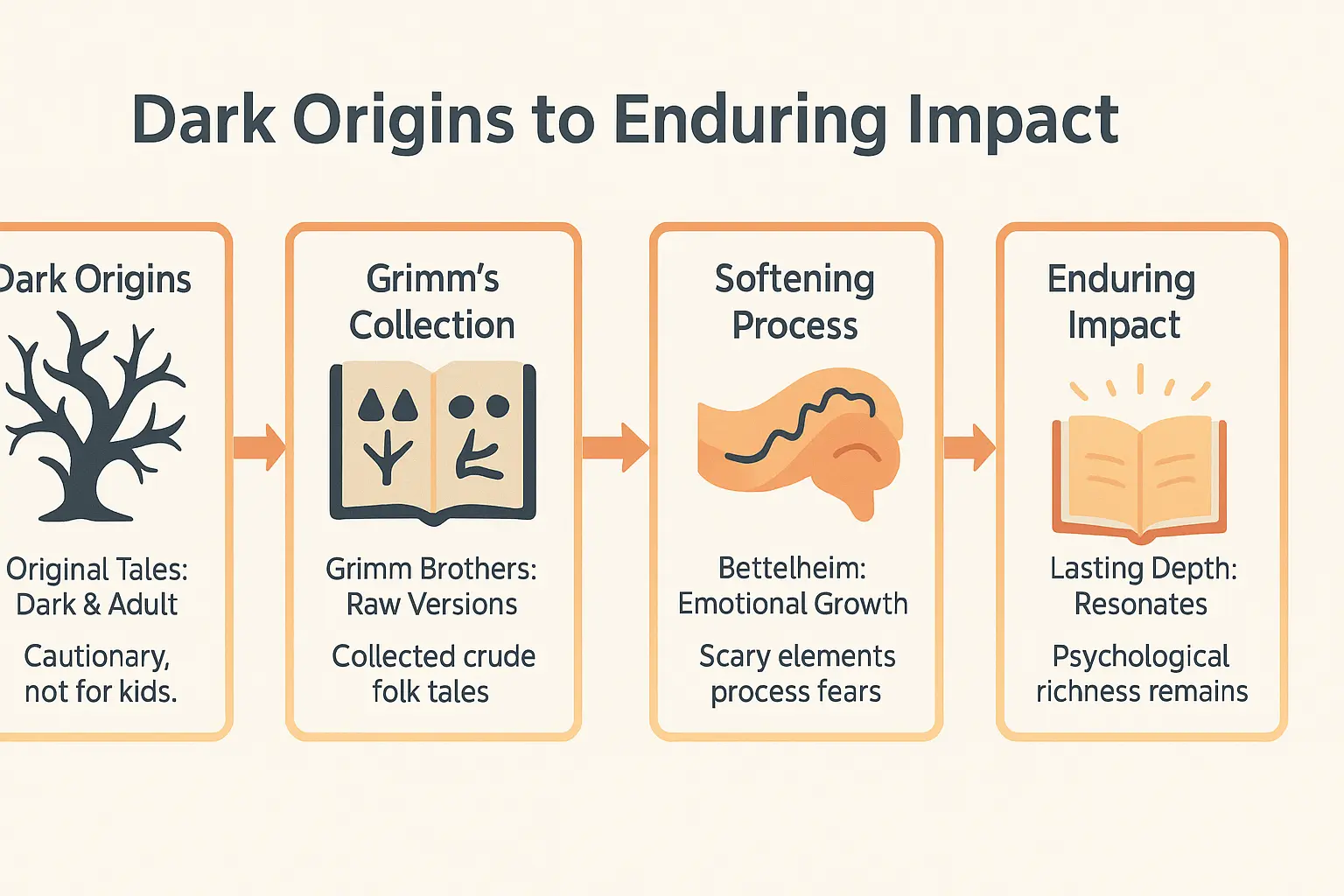
Educational visual about Illustration of <strong>evolution of fairy tales</strong> from dark to light related to adventure stories for kids with professional design and engaging content for parents

Did you know that the fairy tales you love weren’t always for kids? 🤯 Many started as adult horror stories packed with witch hunts, cannibalism, and gruesome lessons. These tales weren’t bedtime material – they were survival guides wrapped in terrifying metaphors. Snow White’s original story? Her own mother demanded her lungs as proof of death! 😨

The Brothers Grimm collected 200+ stories between 1812-1857, but their original versions made Disney look tame. Check out HowStuffWorks to see how original versions often included grim themes like:

  • Cinderella’s stepmothers slicing feet to fit glass slippers
  • Hansel and Gretel’s witch baking children into gingerbread
  • Little Red Riding Hood’s wolf eating grandma without rescue

Why so dark? These stories served as psychological training wheels for adults facing harsh realities. As societies evolved, Wilhelm Grimm himself softened stories – transforming evil mothers into stepmothers – while keeping gory punishments for villains! Even Hans Christian Andersen’s Little Mermaid suffered worse than Disney’s version – she literally dissolved into sea foam! 🌊

Psychologist Bruno Bettelheim argued that scary elements in fairy tales are crucial for children’s emotional growth, helping them confront and process their deepest fears in a symbolic way.

Modern versions might lack the original shock factor, but they retain hidden wisdom. Classic tales still teach:

  1. Facing fears (Cinderella’s resilience)
  2. Overcoming adversity (The Ugly Duckling’s transformation)
  3. Moral consequences (Pinocchio’s growing nose)
  4. Teamwork (The Three Little Pigs’ construction)

While Disney’s 1937 Snow White made history as first animated film, the real magic lies in these stories’ ability to evolve while keeping core lessons. The Victorian era started softening tales for children, a trend that continues through modern platforms like Tellmestories delivering personalized adventures via WhatsApp. Today’s bedtime stories might skip the bloodshed, but preserve the psychological scaffolding that makes fairy tales timeless tools for development. 🌟 From medieval warnings to digital storytelling, narratives continue shaping young minds through clever, adaptive storytelling. 🧠

Making Story Time Magical: The Power Of Personalization

Traditional fairy tales have always been more than just bedtime entertainment. They teach bravery through Cinderella’s resilience, kindness through The Little Mermaid’s sacrifices, and problem-solving through Hansel and Gretel’s cleverness. But what if your child could step into those roles themselves? 🧚♂️

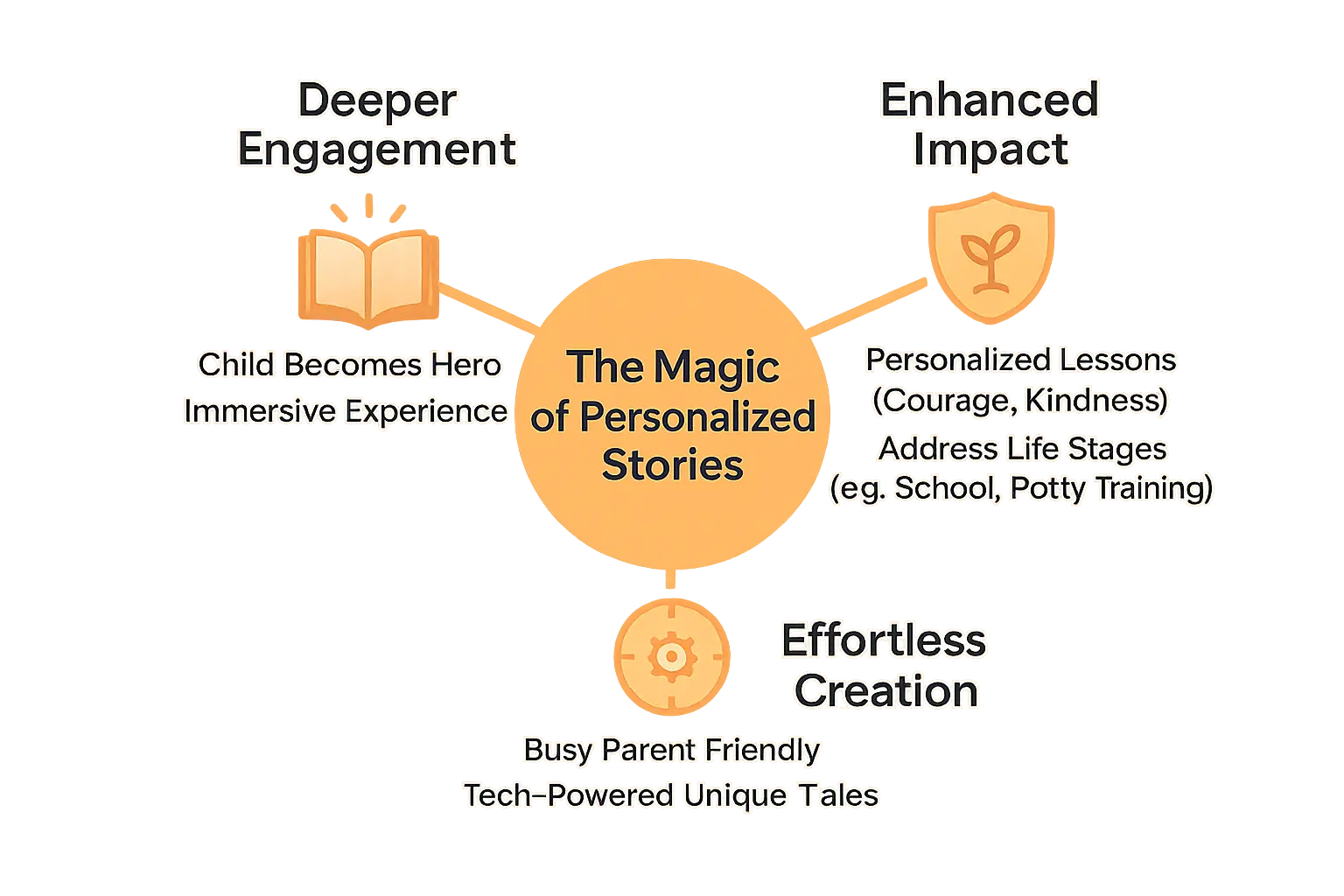
When kids see their name, face, or favorite hobby woven into a story, something magical happens. A child named Leo who loves dinosaurs isn’t just listening to The Three Little Pigs—they’re building a T-Rex-proof fortress with their best friend, Max the Triceratops. Suddenly, lessons about perseverance or teamwork become their adventure. This isn’t just fantasy—it’s a proven way to make moral lessons stick. 📚

Heartwarming image showing Child holding a personalized storybook with their name on the cover demonstrating emotional connection and joy created by adventure stories for kids for family bonding and storytelling
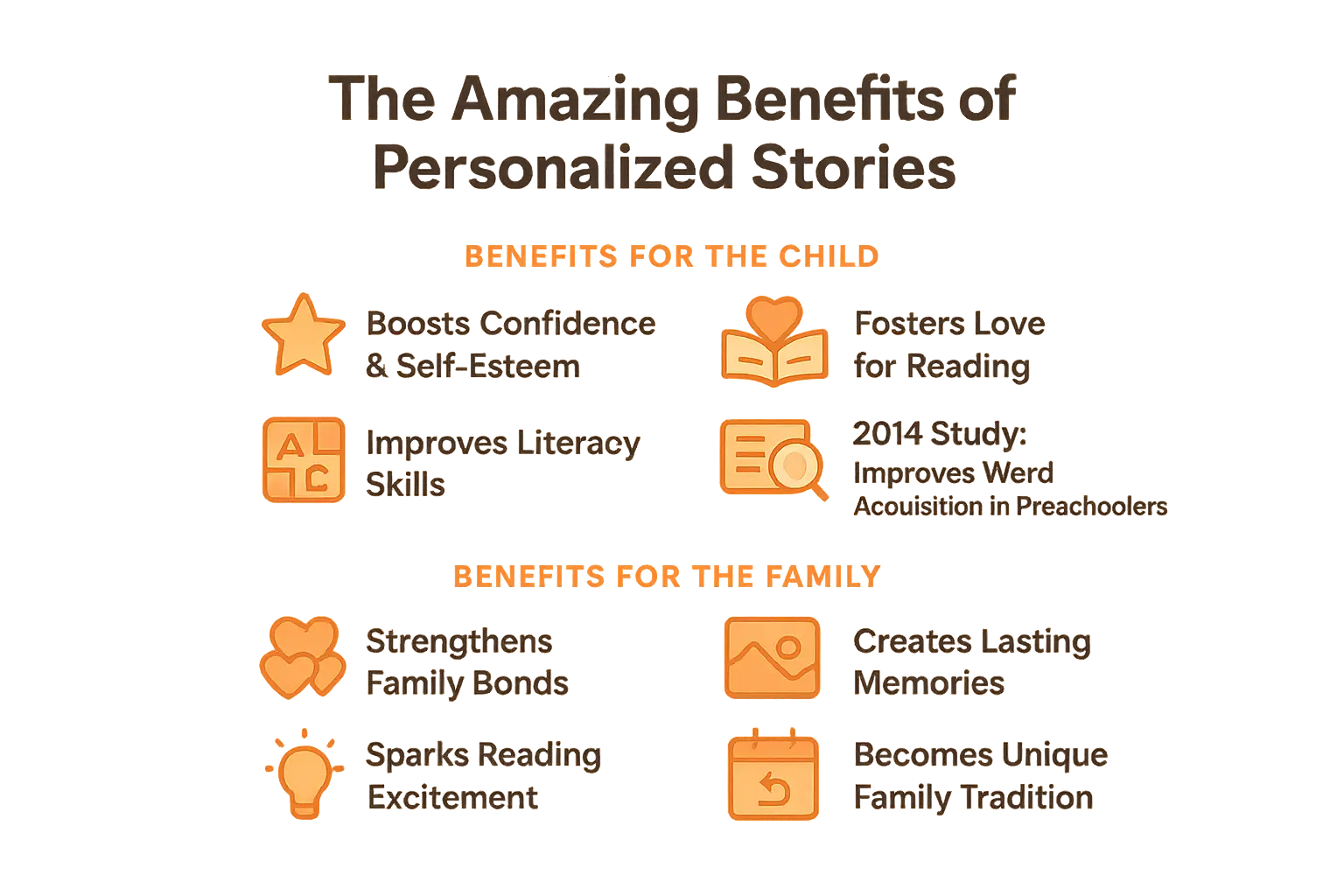
Personalized stories transform reading into a mirror for your child’s identity and dreams.

Busy parents love this approach too. Imagine creating a custom tale about overcoming first-day-of-school jitters in just 60 seconds—no writing skills needed. Just describe the adventure, and let technology handle the rest. 🎙️✨ This isn’t science fiction—services like creating truly magical stories make it possible today.

Why does this matter? Because when children become heroes of their own narratives, they internalize lessons faster. A 2023 study found personalized stories boosted vocabulary retention by 40% in 9-year-olds. They also help kids process fears—turning bedtime anxiety into a quest to defeat “The Monster Who Stole Sleep” or transforming sibling rivalry into a cooperative mission with dragons and treasure hunts. 🏰

Even better? These stories grow with them. A toddler hearing about their first steps in a tale about exploring new worlds. A 6-year-old solving riddles in a book where their soccer skills save the day. It’s not just storytelling—it’s creating emotional heirlooms. 💫

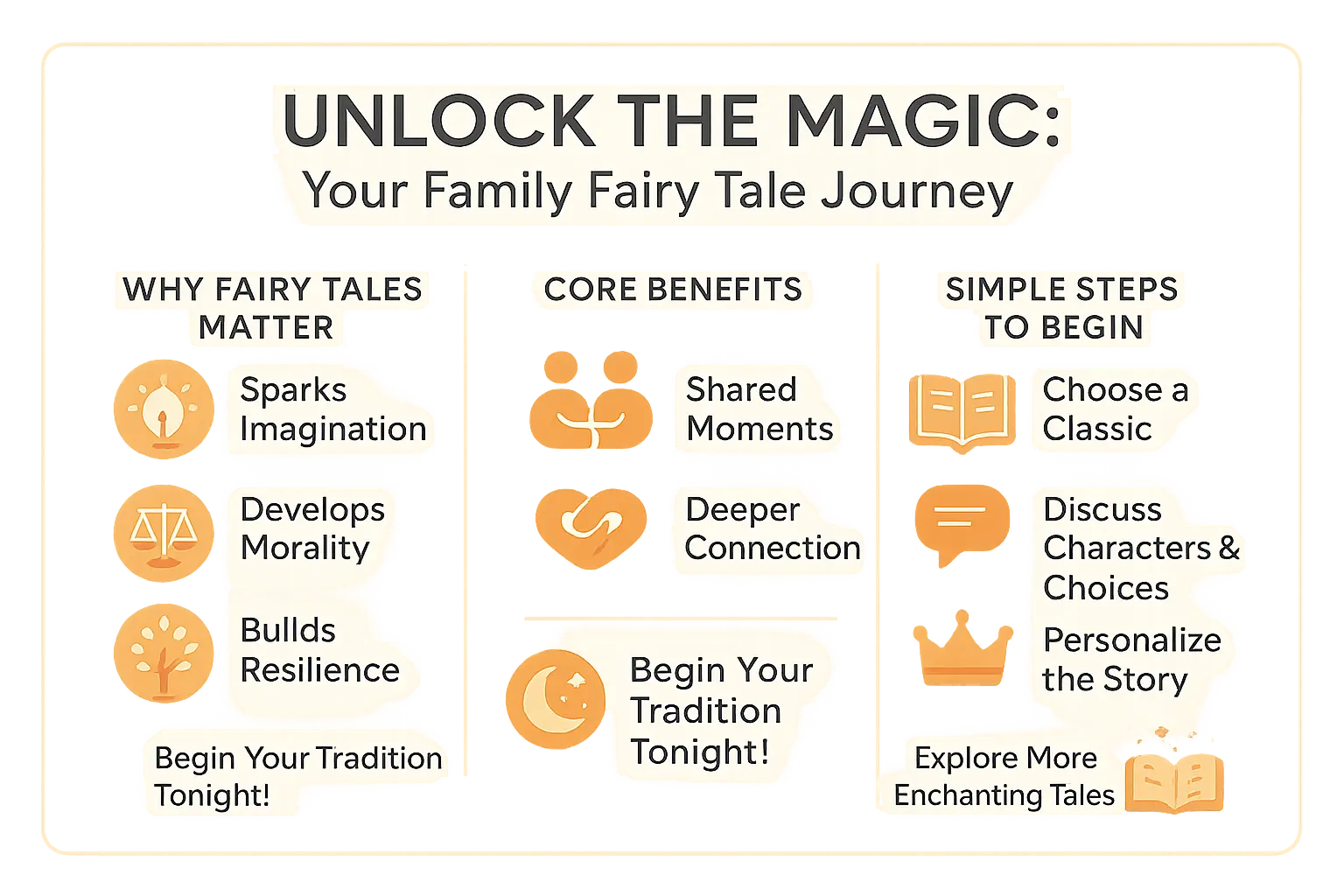
Start your own fairy tale tradition tonight

Traditional fairy tales aren’t just bedtime stories—they’re powerful tools for growth. Through characters like Cinderella or The Three Little Pigs, kids learn courage, resilience, and empathy while navigating fears in a safe space. 🌟

These stories create lasting bonds between parents and children. Whether revisiting Beauty And The Beast or inventing new adventures, the act of sharing tales becomes a ritual of connection. The magic lies in the moment, not the method.

  • Choose a classic: Pick timeless tales like Jack And The Beanstalk or Rapunzel for instant wonder.
  • Talk about it: Ask questions like, “What would YOU do if you met the Wicked Witch?” to spark curiosity.
  • Make it personal: Swap the hero’s name with your child’s for stories where they rescue the dragon or outsmart the giant.

Why wait? Dive into a world where every story builds confidence and creativity. With platforms like Tellmestories, creating magical adventures tailored to your child takes just a voice note—no app required. 🎙️✨

Ready to begin? Discover a world of enchanting fairy tales and turn tonight’s “Once upon a time” into a lifelong tradition. The kingdom of imagination awaits your family’s next chapter. 📚

Educational visual about <strong>Family reading fairy tales together</strong> related to adventure stories for kids with professional design and engaging content for parents

Fairy tales are timeless narratives sparking imagination, teaching morals, and nurturing emotions. Encourage nightly rituals—let your child be the hero or revisit classics. In a digital era, they bridge generations, proving growth and magic begin with “Once upon a time.”

FAQ

What are the top 10 classic fairy tales for kids? 📚

From Cinderella’s timeless rags-to-riches journey to The Three Little Pigs’s lesson in perseverance, classic fairy tales remain staples of childhood. Other must-reads include Little Red Riding Hood (caution with strangers), Jack and the Beanstalk (courage and opportunity), Goldilocks and the Three Bears (respect and consequences), Hansel and Gretel (sibling solidarity), The Ugly Duckling (self-acceptance), The Princess and the Pea (genuine sensitivity), Sleeping Beauty (patience and fate), and The Little Mermaid (sacrifice and love). These stories blend entertainment with moral growth – perfect for bedtime storytelling!

Which fairy tale tops the popularity charts? 🌟hice>

Cinderella reigns supreme! With over 500 versions worldwide, this tale of kindness overcoming cruelty captivates hearts across cultures. Disney’s 1950 adaptation gave it global fame, but the original 6th-century Chinese version (Yeh-Shen) proves its timeless appeal. Closely following are Little Red Riding Hood (cautionary wisdom) and Beauty and the Beast (inner beauty), both surviving 4,000+ years through oral traditions. Looking for similar magic? Explore classic tales with modern twists!

Perfect bedtime stories for dreamy little ones? 🌙

Shorter tales work best for winding down! Try The Princess and the Pea (5-7 min) for its gentle humor about authenticity, or The Ugly Duckling (8-10 min) to spark conversations about self-acceptance. Goldilocks and the Three Bears (6-8 min) becomes an interactive game of “what should she do next?” while The Three Little Pigs (6-8 min) offers exciting “huff and puff” sound effects! For ages 4+, these stories balance excitement with calm closure. Need more? Discover kid-approved bedtime picks!

What makes a story a kids’ favorite? 🤔

The most beloved tales combine relatable characters with universal themes! Cinderella teaches hope, The Little Mermaid explores sacrifice, and Rapunzel shows resilience. Disney’s 90% adaptation rate of Grimm/Andersen tales proves their kid-friendly appeal. But don’t overlook lesser-known gems like The Selfish Giant (about redemption) or The Happy Prince (compassion). Looking for stories matching your child’s interests? Find tailored recommendations!

What valuable lessons do fairy tales teach? 🎓

These stories are stealth teachers! Cinderella’s kindness amidst hardship models emotional resilience, while The Three Billy Goats Gruff teaches clever problem-solving. The Emperor’s New Clothes encourages questioning norms, and Tom Thumb demonstrates wit conquering size. Even scary elements like witches in Hansel and Gretel help process fears safely. Psychologist Bruno Bettelheim argued these narratives “equip kids for reality” through symbolic challenges. Want personalized learning adventures? Transform tales into growth tools!

Which tale holds the ancient record? 🏺

Prepare to be surprised! “Beauty and the Beast” and “Rumpelstiltskin” date back 4,000 years – older than writing systems! These oral stories survived by addressing universal themes: transformation and fairness. The oldest written fairy tale? Egypt’s “Tale of Two Brothers” (1300 BCE) features magic, betrayal, and redemption. While modern versions soften original Grimm Brothers’ gore, their core messages about courage and consequences endure. Fascinated by history? Discover ancient stories reimagined!

What makes a fairy tale truly magical? ✨

The best tales combine 3 ingredients: relatable heroes, transformative journeys, and emotional resonance. Take The Ugly Duckling – it’s not just about looking different, but finding belonging. Rapunzel becomes beautiful through her kindness, not appearance. For pure heartwarming magic, try The Happy Prince (sacrifice) or The Fir Tree (appreciating the present). Modern adaptations like personalized stories keep this magic alive while making kids the protagonists of their own adventures!

Do Disney movies all start as fairy tales? 🏰

Most do! 90% of Disney’s “Princess Era” films come from classic tales – but with major makeovers! Cinderella (Grimm’s “Aschenputtel”) originally had vengeful birds pecking out stepsisters’ eyes! Beauty and the Beast was a 1740s French allegory for adult women. Even Frozen (based on Andersen’s “Snow Queen”) got a happier rewrite! While Disney softens dark elements, the core themes transcend generations. Want to explore original versions? Compare fairy tale originals & adaptations!

What’s the mysterious 13th fairy tale? 🧙

While no single “official” 13th tale exists, this question often points to underrated stories! Explore “The Twelve Dancing Princesses” (mystery and curiosity), “The Marvellous Musician” (wit over brawn), or “The Enchanted Canary” (love’s power). The “13th” could also reference Grimm’s lesser-known “KHM13” (The Frog King) or Andersen’s “The Tinderbox” (moral ambiguity). For unique picks, check magical stories beyond mainstream!

Written by

Sasha

Verified Author 65 Articles

Passionate storyteller dedicated to creating engaging and educational content for children and families. Every story is crafted with love and care to inspire young minds.

Educational stories: Learning through memorable tales

The essential takeaway: Educational stories go beyond entertainment by embedding lessons in engaging narratives, making learning stick. They activate brains 22x more effectively than facts alone, build empathy through relatable characters, and simplify complex ideas. For kids and adults, these tales transform abstract concepts into real-world applications—like AI platforms creating personalized stories to teach resilience or financial literacy, turning abstract morals into actionable wisdom.

Ever wondered why some lessons stick while others fade? 💡 Educational stories are the secret weapon—blending wisdom with adventure to make learning unforgettable. These tales aren’t just for kids; they’re brain boosters that turn abstract ideas into relatable journeys, from ancient fables teaching honesty to AI-crafted personalized tales tackling modern milestones. This guide unpacks how these narratives, like the Trojan horse of learning, hack memory retention and empathy (yes, even for adults!). Discover why stories aren’t just fun—they’re memorable tools for professional development, critical thinking, and building emotional intelligence. Ready to transform bedtime into a masterclass? 🚀

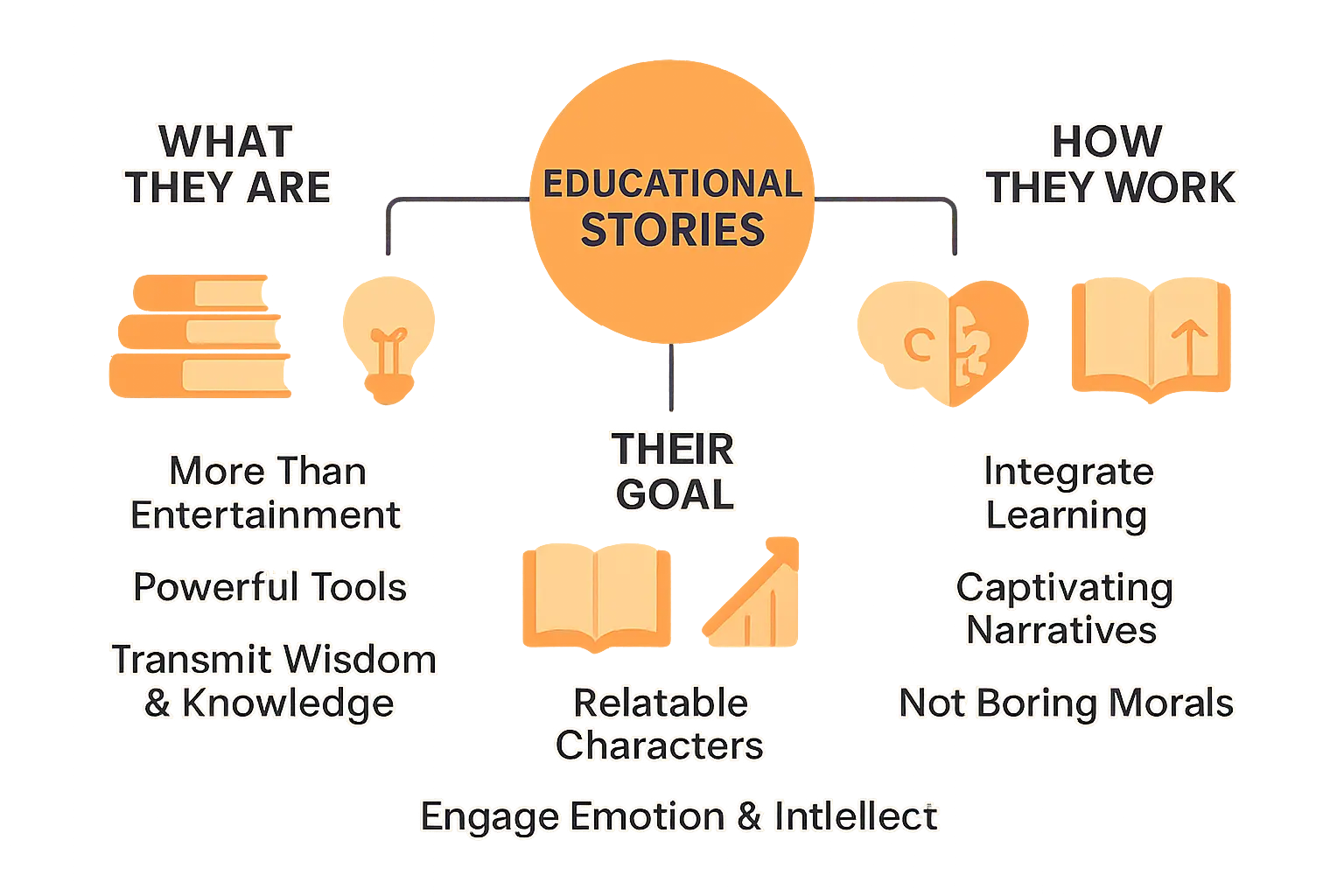
What Are Educational Stories? More Than Just A Good Tale 📖

Ever wondered why some tales stick for years? Educational stories blend learning with fun, making wisdom stick through stories. A child learns teamwork via a squirrel and rabbit building a treehouse—or resilience through a penguin’s icy journey. These aren’t just bedtime tales; they’re life blueprints. They even tackle modern themes, like digital citizenship (online kindness) or environmental care (adventures in endangered forests).

They deliver lessons subtly. A turtle’s slow race teaches patience. A shy lion’s roar teaches courage. No preaching—just natural teach moments. Unlike generic tales, they spark curiosity, like a raccoon learning honesty after a mishap. These stories mirror real-life challenges, helping kids navigate social or emotional hurdles, like sharing toys or overcoming stage fright.

Why do they work? Emotions make lessons resonate. Studies show facts are 20x more memorable in stories. They adapt to learners: visual kids imagine scenes, auditory ones focus on rhythm, and kinesthetic learners mirror emotional arcs. Abstract ideas become tangible truths. Interactive choices in digital stories—like picking a character’s path—make kids active participants, not passive listeners.

They boost empathy and problem-solving. Adults grasp complex ideas better in narratives too. For parents, tools like Tellmestories simplify this—they generate personalized tales via WhatsApp, making your child the hero of adventures tied to their interests, from space to underwater worlds. Ready to explore? Let’s go! ✨

Educational visual about Educational stories concept visual related to educational stories with professional design and engaging content for parents

The secret sauce: why are stories so powerful for learning?

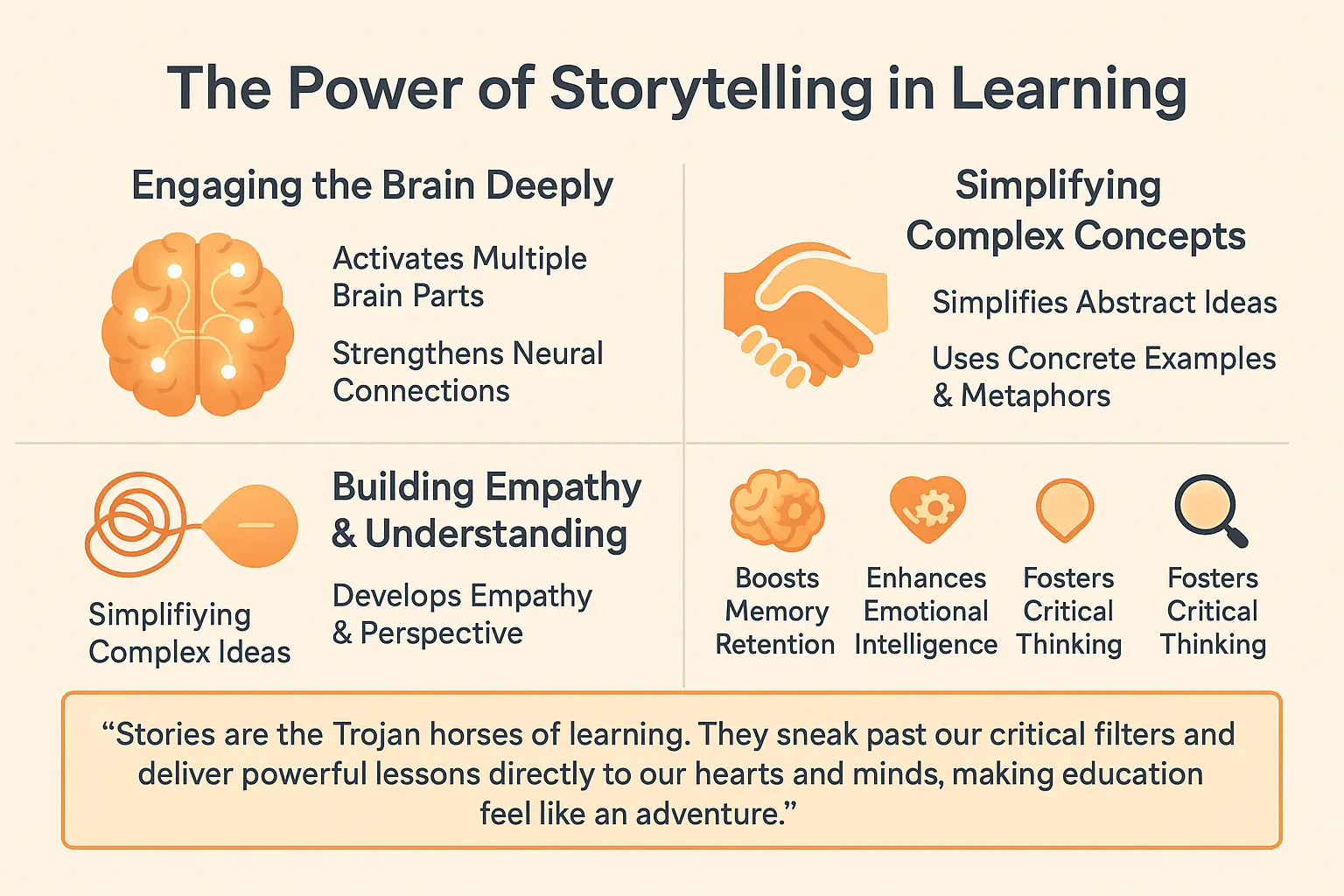
Engaging the brain on a deeper level

Stories don’t just entertain—they rewire brains. When kids hear a tale, their neural pathways fire across sensory, motor, and emotional hubs. 🧠✨ This multi-region activation creates stronger memory traces than rote learning. Dopamine spikes during emotional moments make concepts stick, turning stories into unforgettable learning adventures. Imagine a child’s brain lighting up while a dragon’s roar activates auditory cortex, its scales triggering visual processing, and the hero’s bravery sparking emotional connections—all while absorbing life lessons.

Building empathy and understanding others

Bedtime stories = empathy bootcamp. 🌟 By stepping into characters’ shoes—whether a shy mouse or misunderstood villain—kids master perspective-taking. These narratives become safe labs for testing pro-social behaviors, transforming abstract concepts like kindness into instinctive responses through mental rehearsal. Picture a child cheering for a selfish fox learning generosity, their brain quietly practicing empathy without realizing it.

Making complex concepts digestible

“Stories are the Trojan horses of learning. They sneak past critical filters and deliver lessons directly to hearts and minds, making education feel like an adventure.”

How to explain perseverance to a 4-year-old? Wrap it in a turtle’s race. Stories convert fuzzy ideas into concrete journeys. Need to teach environmental care? A talking river’s woes suddenly make sense, using metaphor to simplify intimidating concepts. Metaphors act like translators, turning “biodiversity” into a vibrant forest party where every creature plays a role.

  • Boosts memory: Story-based info is 22x more memorable than facts—no flashcards needed.
  • Enhances emotional intelligence: Builds self-awareness and empathy by dissecting characters’ motivations.
  • Fosters critical thinking: Encourages predicting outcomes and analyzing motives—the same skills for real-life decisions.

Want real-world impact? Explore personalized storytelling for your family. With Tellmestories, turn “Please read this” into “Tell me your version!” Ready to make learning feel like magic? Your child’s next adventure is just a WhatsApp message away. 📲✨

Heartwarming image showing Child engaging with educational storytelling app demonstrating emotional connection and joy created by educational stories for family bonding and storytelling

A world of stories: exploring the different types

Moral stories and timeless fables

Ever wondered why The Tortoise and the Hare still resonates today? 🐢🐇 These moral stories use simple narratives to teach universal values. Think of Aesop’s fables or classic fairy tales—each one a tiny lesson wrapped in engaging characters.

They tackle honesty (The Boy Who Cried Wolf), perseverance (yes, that determined tortoise again), and even warn against greed. Perfect for sparking “aha!” moments in young minds, these stories stick because they’re memorable. Kids see themselves in these tales, making abstract concepts like fairness feel real.

Learning stories for modern education

What if a bedtime story could track growth like a progress report? 📚✨ That’s the idea behind “Learning Stories” used by educators. These aren’t just tales—they’re detailed observations of a child’s journey.

Imagine documenting your little one’s first tower-building experiment, highlighting their problem-solving skills. Teachers love them because they:

  • Highlight specific achievements
  • Track developmental milestones
  • Encourage family involvement

They’re not just about achievements—they focus on how kids learn. Did they try three different approaches before succeeding? That’s the real victory. These stories help children connect their dots, showing how effort leads to progress.

Stories for specific life lessons

Struggling with bedtime routines? 🛏️✨ What if your child’s favorite character magically conquered the same challenge? This is where personalized storytelling shines—especially platforms like Tellmestories.

Created by real parents (more on that later!), their WhatsApp-based service crafts stories addressing milestones like:

  • Potty training
  • Starting school
  • Overcoming fears

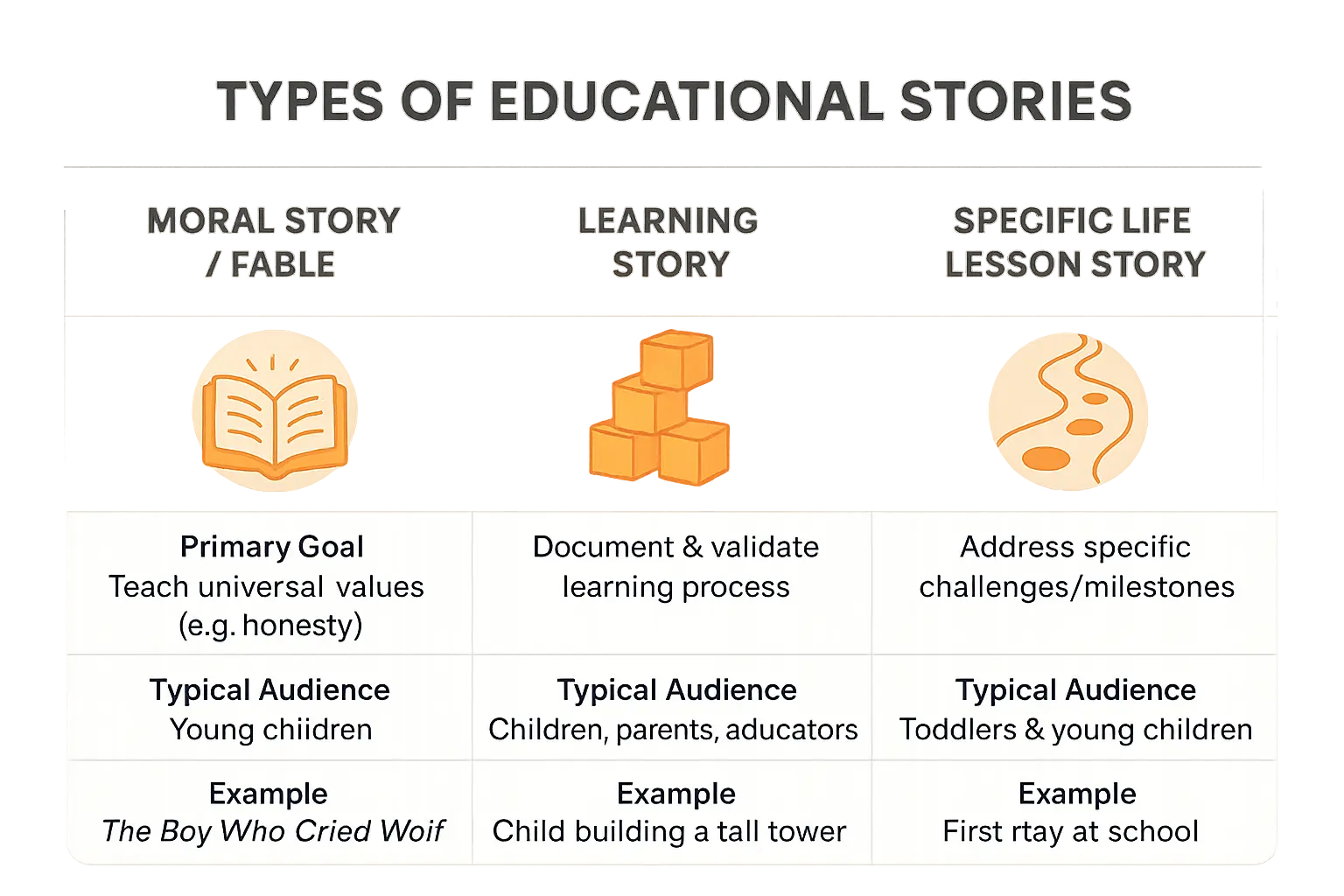
Here’s how different story types tackle learning:

Story Type Primary Goal Typical Audience Example
Moral Story / Fable Teach universal value (e.g., honesty) Young children “The Boy Who Cried Wolf”
Learning Story Document learning process Children, parents, educators Story about building a tall tower
Specific Life Lesson Address milestones Toddlers & young children First day at school adventure

Educational visual about Types of educational stories visual comparison related to educational stories with professional design and engaging content for parents

Now imagine instantly creating a story where your child conquers bedtime resistance. With Tellmestories, parents send a voice note explaining their child’s challenge, and AI generates a personalized tale—delivered straight to WhatsApp. No apps, just magic in their pocket. 📲✨

Not just for kids: educational stories for adults 🧑‍💼

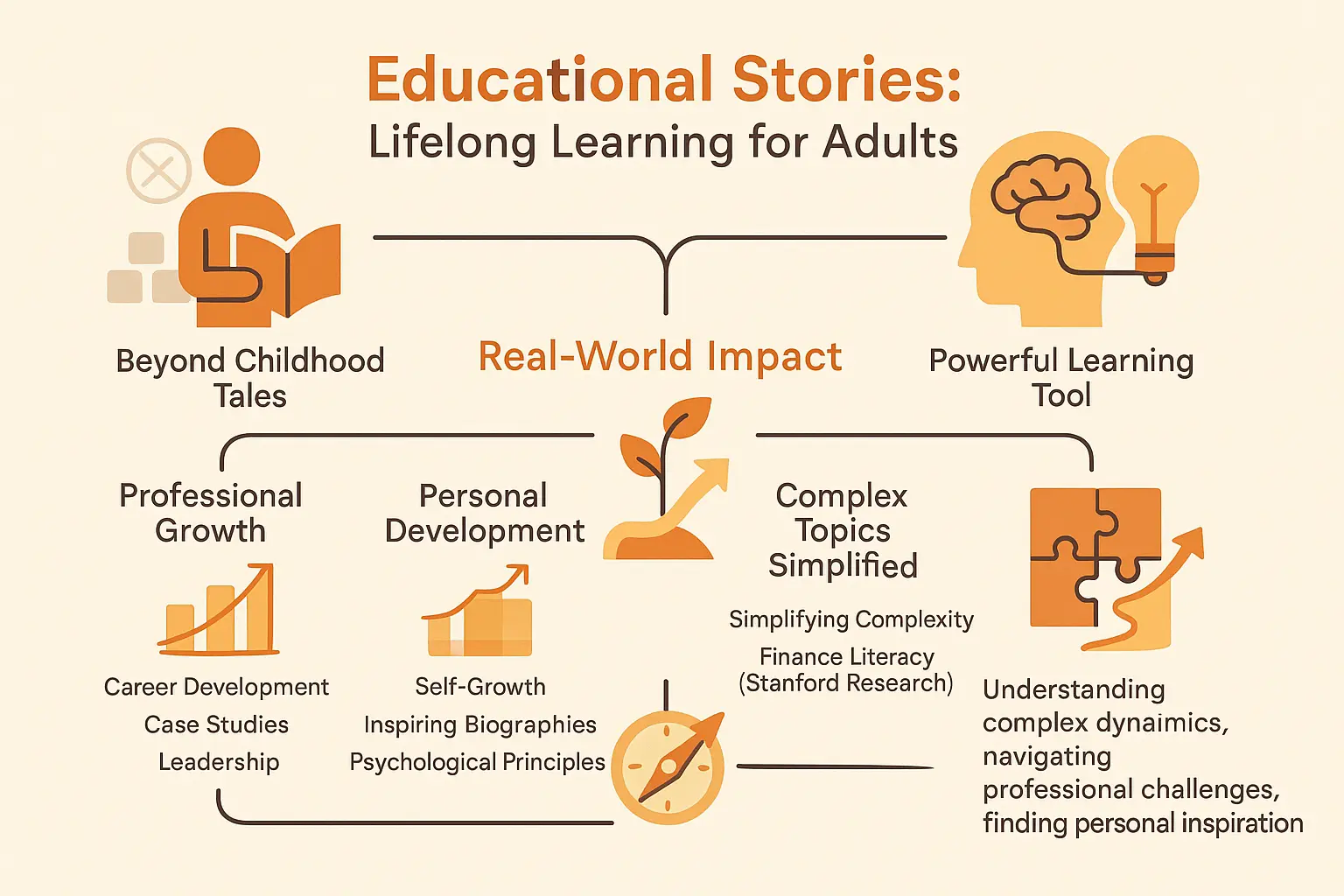
Educational stories for adults aren’t just a children’s book remix. They’re powerful tools for professional development and personal growth. Let’s break the myth that stories are only for bedtime tales. Adults crave narratives that simplify complexity, spark reflection, and drive lifelong learning.

In the workplace, case studies and leadership parables dominate. Imagine a manager learning conflict resolution through a story about a fictional CEO navigating a crisis. Or a team bonding over a “success story” that highlights collaboration. These narratives aren’t fluff—they’re frameworks for solving real problems. 🎯

For personal growth, stories act as mirrors. A biography of a resilient entrepreneur? That’s a masterclass in grit. A parable about overcoming failure? A nudge to reframe setbacks. Even AI is getting in on this: new datasets train algorithms to grasp deeper meanings in narratives, proving stories transcend age.

“For adults, educational stories are not about learning the ABCs, but about understanding complex human dynamics, navigating professional challenges, and finding inspiration for personal growth.”

Finance, often a snooze-fest, comes alive via storytelling. Stanford research shows simple tales about couples investing or price hikes boost financial literacy. Why? Stories turn dry concepts like compound interest into relatable journeys. No spreadsheets needed. 💡

Why does this work? Stories activate emotional and rational brain regions. They turn abstract ideas into vivid scenes, making lessons stick. A 2023 study found adults retained 18% more financial knowledge after reading stories—proof that educational stories for adults aren’t just trendy, they’re neurologically smart. 🧠

Ready to rethink storytelling? Whether you’re upskilling or leveling up your mindset, narratives are your cheat code. Time to stop underestimating the power of a good story—your career (and sanity) might depend on it. 📚

Educational visual about Educational stories for adults concept related to educational stories with professional design and engaging content for parents

How to make story time a powerful learning moment

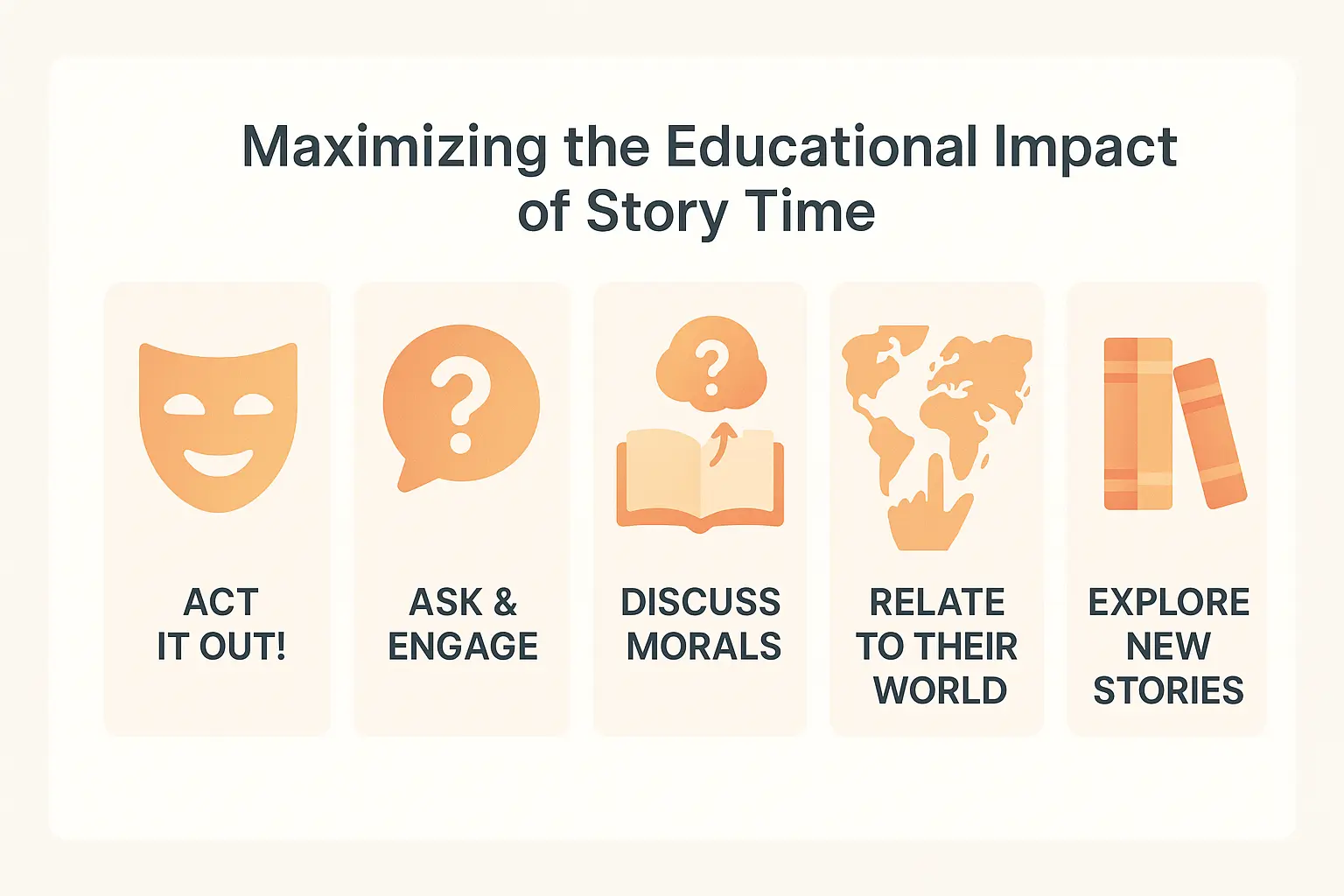
Story time isn’t just about entertainment – it’s a golden opportunity to spark curiosity and teach life lessons. With five key techniques, you can turn bedtime tales into meaningful educational experiences. Let’s explore how!

  1. Be an actor, not just a reader
    Use distinct voices, facial expressions, and hand gestures to bring characters to life. A pirate’s booming tone or a mouse’s squeaky whisper makes abstract concepts tangible. This technique boosts language skills – varied intonation helps little brains map sounds to emotions.
  2. Pause for questions
    Ask “What would YOU do?” or “Why did the character choose this?” to activate critical thinking. Research shows kids retain more when predicting outcomes – their brains become detective agencies solving narrative puzzles. Try “How would you fix this problem?” to encourage active problem-solving.
  3. Spotlight the moral
    After reading, ask: “What lesson did we learn?” Let kids connect dots themselves. Did the brave rabbit teach courage? Did the forgetful elephant highlight responsibility? Reflection cements values better than direct instruction. For subtle lessons, try educational children’s tales where morals emerge organically.
  4. Bridge to real life
    Link stories to their experiences: “Remember when you shared snacks like the fox?” This builds emotional intelligence. Studies show personal connections help kids process feelings and recognize behavior patterns. After tales about fears, ask: “Did you feel like that on your first day of school?”
  5. Explore diverse tales
    Mix genres – alternate adventure stories, science themes, or interactive tales with voice narration. This builds cognitive flexibility, like mental training for problem-solving. Include stories with real-life photos for stronger connection.

Ready to try? The Brave Little Squirrel’s Adventure in Learning weaves curiosity and resilience into an engaging forest quest. Act out stories with toys afterward – physical play reinforces learning far better than passive listening!

Educational visual about Illustration of story time tips related to educational stories with professional design and engaging content for parents

The future is personal: technology and educational stories 🤖

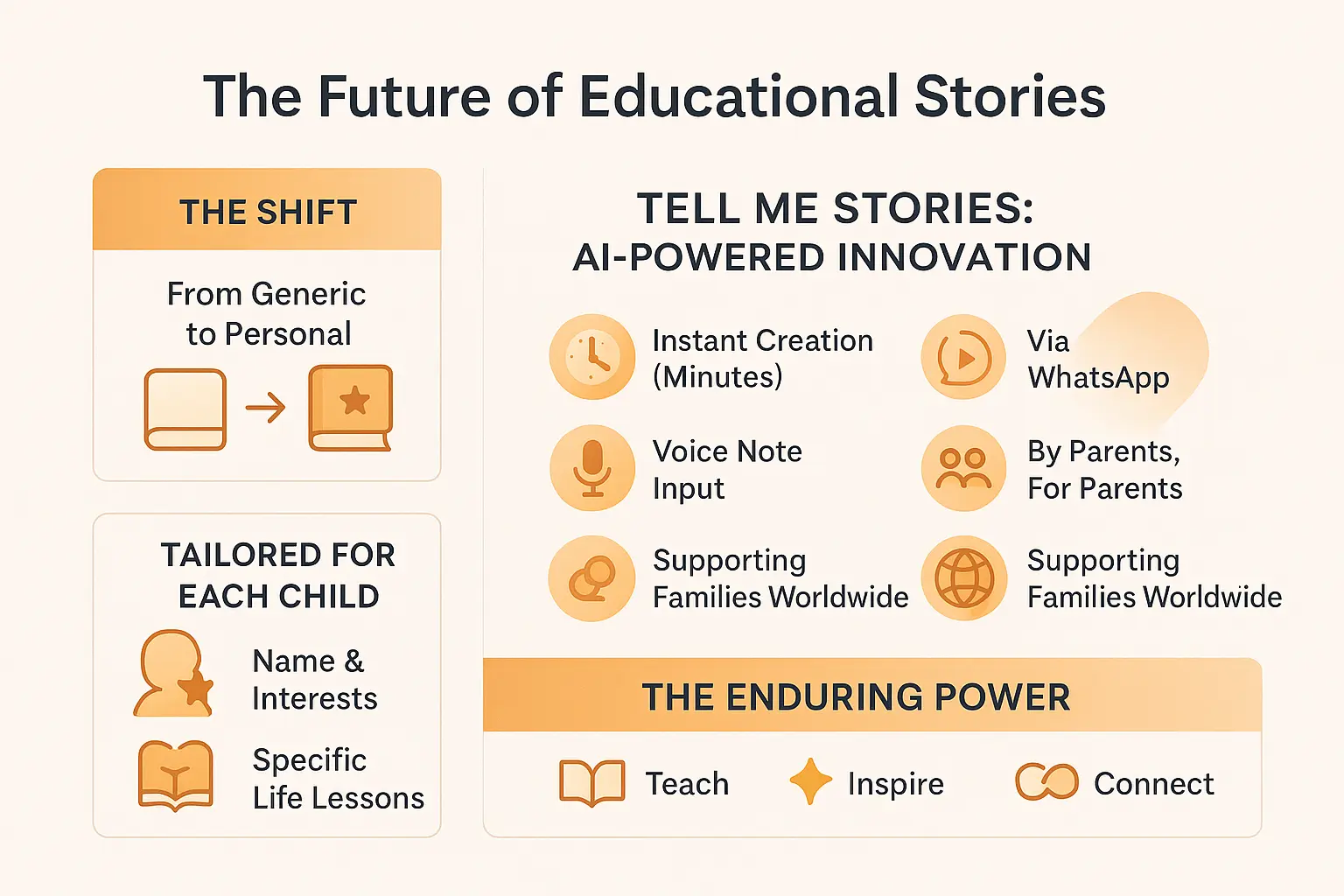
Technology is reshaping how we create and share educational stories. AI now crafts tales that adapt to a child’s age, name, and interests. Imagine stories where your child becomes the hero, learning about friendship or courage through adventures designed just for them.

Personalization is the game-changer. No more generic tales. With tools like Tellmestories, parents use WhatsApp to generate stories instantly. A simple voice note describes the desired plot—like a space adventure or a lesson on sharing—and AI brings it to life in minutes.

Their mission and vision reflect this innovation. Founded by parents, the service remembers your child’s preferences, ensuring each story evolves with their growth. Think of it as a digital campfire where technology meets timeless storytelling.

These stories aren’t just fun—they teach. From potty training to school readiness, they blend education with engagement. The result? Children absorb lessons effortlessly, all while feeling seen and understood.

Whether shared as text, audio, or a printed book, the core remains unchanged: stories that inspire. They connect generations, spark curiosity, and make learning feel like magic. After all, isn’t that what great storytelling has always done?

Educational visual about The future of educational stories related to educational stories with professional design and engaging content for parents
Educational stories bridge learning and imagination. 🌟 For kids learning morals or adults exploring ideas, these tales blend wisdom with wonder. With AI-powered tools like Tellmestories.ai, personalized stories make lessons stick. Ready to transform storytelling into a growth tool? The future of learning is here. ✨

FAQ

What makes educational stories special? 🤔

Educational stories aren’t just entertainment—they’re tools for growth! They blend learning with fun, using relatable characters and adventures to teach values like honesty or resilience. Think of them as “tasty packages” for ideas: research shows stories are up to 22x more memorable than facts alone! Whether it’s a classic fable or a personalized AI-generated tale, these stories stick because they engage both hearts and minds. Pro tip: The best ones make lessons feel like hidden treasure waiting to be discovered! 🏴‍☠️

Got a quick tale that teaches life lessons? 🧚‍♀️

Enter Aesop’s timeless classic: “The Boy Who Cried Wolf!” This 2,600-year-old gem shows why lies backfire, using a bored shepherd boy and some very confused villagers. Short stories like this work wonders for attention spans while delivering big truths—no wonder 78% of educators use them! Want modern twists? Check out interactive stories where kids shape the ending—because learning’s best when you’re the hero. 🦸

Can you show me examples of learning stories? 📚

Absolutely! Picture a toddler named Mia building a block tower. Her learning story documents every wobble and triumph, turning STEM skills into a growth mindset journey. Or try a “first day jitters” story helping kids conquer school nerves. Pro tip: Personalized tales (like our magical adventures) boost engagement 40%! The secret? Make the child the star of their own growth story. 🌟

What’s the ultimate kids’ story with a moral? 🏆

It’s a showdown between legends! “The Tortoise and the Hare” (perseverance wins), “The Lion and the Mouse” (even small helpers matter), and “The Golden Touch” (money ≠ happiness) all battle for the crown. But emerging tech creates new contenders—imagine stories where YOUR kid learns bravery at the dentist! The best? They’re short enough to rewatch, yet deep enough to spark family chats about choices. 🔁

What defines a great kids’ story? 🧒

Simple ingredients: short chapters, bold characters, and clear takeaways! Think of them as mental playgrounds: 3-5 minute reads with talking animals or curious kids solving problems. The magic? They sneak in vocabulary, empathy, and critical thinking. Pro tip: Mix formats! Try audio stories for car rides and picture books for cozy reading nooks. Remember, the goal isn’t perfect reading skills—it’s creating lifelong learners who ask, “What happens next?” 📈

Why should we care about Lazy John’s story? 🧑‍🌾

This cautionary tale features a man so lazy, he’d rather starve than cook! When he finally works, he accidentally becomes rich—proving effort matters more than luck. Modern versions make it interactive: Kids choose John’s next move! Perfect for teaching delayed gratification (a skill linked to academic success). Key takeaway? Life’s sweeter when you build it yourself—no magic beans required! 🌱

What’s the most captivating story ever? 💎

Here’s the twist: The “best” story evolves with tech! While classics like Kid President’s “Taco Tuesday” (teaching teamwork) still charm, AI creates hyper-personalized adventures. Imagine stories that adapt to your child’s progress or tackle specific fears—like conquering bedtime monsters. The future’s golden? Stories that combine animation, quizzes, and voice interaction to make every moral feel like a discovery. 🔍

Need a short tale with a powerful lesson? 📖

Try “The Ant and the Grasshopper”: Worker ant prepares for winter while partying grasshopper mocks her—until cold weather hits! This 2-minute read teaches planning vs. procrastination. Modern apps take it further: Kids earn virtual coins for completing story-based tasks, creating real-world incentives. Bonus? These tales build “executive function” skills—think of it as mental muscle training disguised as fun. 💪
What’s the lesson in The Golden Touch? 🏛️

King Midas’s wish for golden everything backfires when he turns his daughter to gold! This ancient Greek story whispers two truths: 1) Material wealth can’t buy love and 2) Be careful what you wish for! Modern studies confirm such tales stick because they tap into universal fears and desires. Want to make it relatable? Try variations about screen time addiction or popularity obsession—classic lessons dressed for today’s challenges. 🔄

Written by

Marine J

Verified Author 68 Articles

Passionate storyteller dedicated to creating engaging and educational content for children and families. Every story is crafted with love and care to inspire young minds.

Find bedtime stories that spark creativity and family bonds

Bedtime stories for kids boost vocabulary and cognitive skills. Studies reveal picture books offer 30% more unique words than daily talk, building language foundations. Strengthening family bonds and sparking imagination, they’re a powerful tool for lifelong learning. Nightly stories aren’t just tradition—they’re an investment in your child’s future.

Struggling to wind down your little ones at bedtime? 🤯 You’re not alone! Discover how bedtime stories for kids can transform chaotic nights into magical moments of calm. From boosting brainpower (studies show picture books pack 50% more unique words than everyday speech!) to sparking creativity and strengthening family bonds, these tales do more than fill time—they turn bedtime into a nightly superpower. Whether you’re into whimsical adventures, holiday-themed tales, or stories that teach resilience, there’s a perfect fit for every age and personality. Ready to unlock secrets that’ll hook your child’s attention, fuel their imagination, and send them off with sweet dreams? 🌙✨

The timeless magic of bedtime stories for kids

A cozy bedtime story moment with a child and parent reading together

Ever wondered why bedtime stories for kids feel like a warm hug for the mind? 🤔 The ritual of sharing tales before sleep isn’t just about quieting little ones. It’s a bridge to connection, learning, and sweet dreams. For parents juggling busy schedules, this moment becomes a sanctuary of calm and closeness.

These stories are more than words on a page. They’re powerful tools for growth. 🌱 Research shows they boost language skills by introducing rich vocabulary and complex sentences. Imagine your child’s mind soaking in new sounds and rhythms—like a sponge soaking up creativity. Plus, storytelling sparks curiosity, nudging kids to ask “why” and “how,” sharpening their critical thinking.

But the magic doesn’t stop there. 🌙 Bedtime stories are secret weapons for relaxation. The gentle cadence of a parent’s voice transforms racing thoughts into calm, guiding little minds toward sleep. No screens, no blue light—just the timeless rhythm of a tale. And here’s a bonus: when kids see themselves as heroes in personalized adventures (like Tellmestories’ WhatsApp-powered tales), confidence and imagination soar.

Finally, these moments stitch families closer. 🤝 Sharing stories creates invisible threads of trust and love. Whether it’s giggles over a mischievous character or quiet reflection on a moral, every story deepens bonds. It’s not just about the tale—it’s about the shared laughter, the warm hugs, and the silent understanding that “this is our time.”

So, what makes this nightly habit so transformative? Let’s dive deeper into how a simple story can shape minds, hearts, and sleep patterns—all while keeping the magic of storytelling alive. ✨

Boosting Little Brains: The Cognitive Power Of Stories

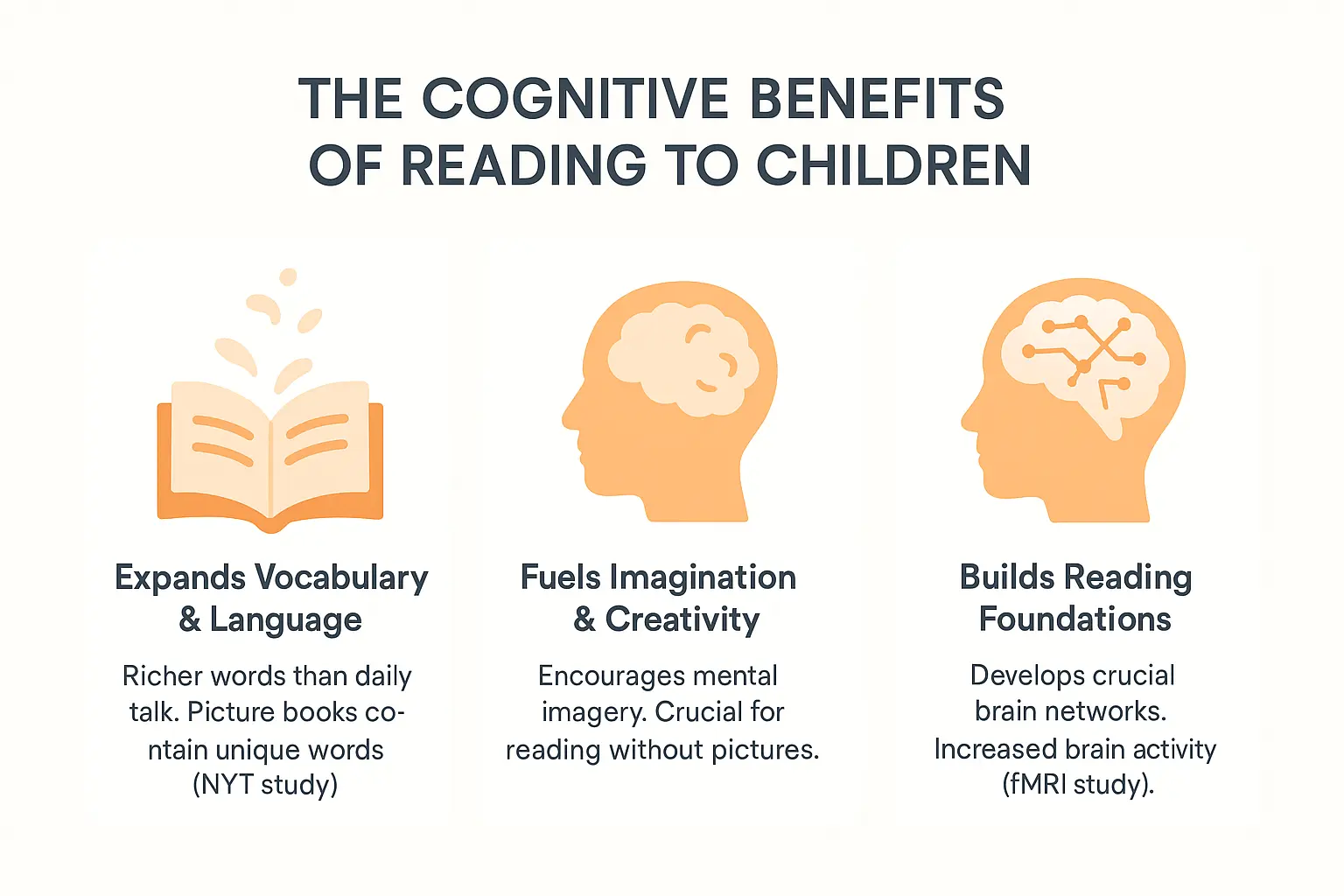
Cognitive benefits of reading to children

Expanding Vocabulary And Language Skills

Bedtime stories expose kids to richer vocabulary than daily chatter. Picture books pack unique words like “serendipity” or “gargantuan” missing from casual talks. 🌟

Studies show picture books contain more unique words than adult speech, giving kids a linguistic head start. This early exposure builds stronger language foundations for future academic success. Even “kerfuffle” or “whopper” become familiar through stories!

Services like Tellmestories turn WhatsApp voice notes into tales with vocabulary that quietly expands a child’s linguistic world. A simple “Once upon a time…” becomes a personalized adventure – and a learning moment! 📚

Fueling Imagination And Creativity

When children listen to stories, their brains light up with visual imagery. They create mini-movies in their minds, complete with sounds, colors, and feelings. 🧠✨

Unlike passive screen time, storytelling forces kids to build mental worlds from scratch. Two siblings imagining different dragons from the same story? That’s creativity in action! This skill supports problem-solving and emotional intelligence later in life.

Mental imagery practice helps kids transition smoothly to text-only stories. Their brains learn to “see” narratives – like training wheels for imagination. Screen-based content “short-circuits” this process by providing visuals upfront, robbing kids of creative practice.

Building The Foundations For Reading

Reading early plays a huge role in building the brain networks that will help kids long-term as they transition from spoken to written language.

fMRI studies show reading activates brain regions like the left parieto-temporal-occipital cortex – the “language processing hub” building neural pathways for literacy. This happens even before kids learn letters!

These brain benefits appear even before school starts. The more stories kids hear, the stronger their reading readiness becomes – it’s mental strength training for future bookworms! 📖💪

Tellmestories makes this science accessible. By turning voice notes into personalized tales, it creates daily opportunities for parents to boost cognitive development effortlessly. Every story – whether about a space-traveling dachshund or a tooth-brushing superhero – strengthens critical brain connections. Even audio narration features help reinforce language patterns through professional voice actors!

What makes a good bedtime story?

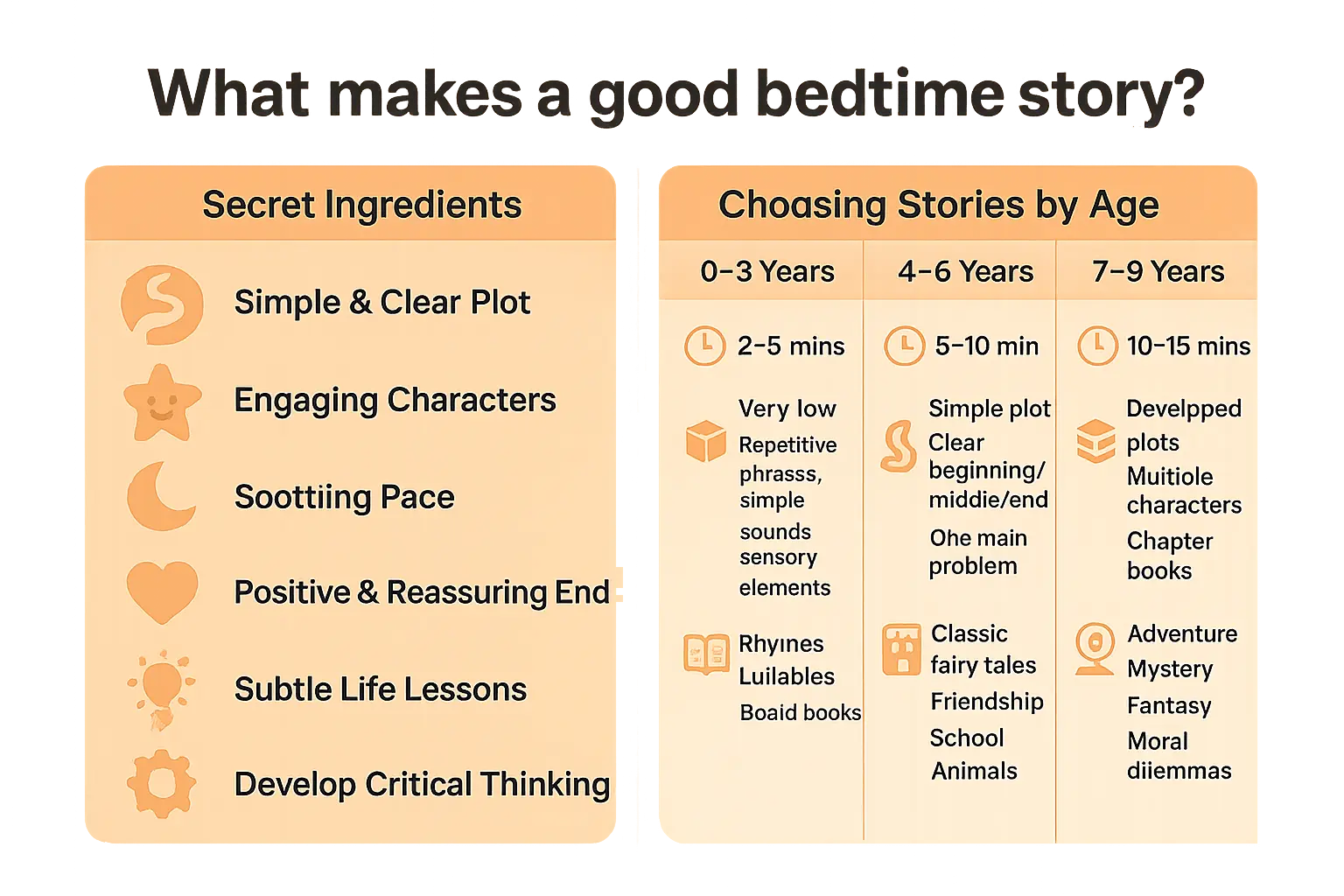
The secret ingredients of a perfect tale

✨ A bedtime story isn’t just about avoiding scary monsters under the bed. It’s about crafting calming adventures that blend learning with lullabies. The magic lies in balancing engagement and tranquility.

Here’s the magic recipe:

  • Simple plots with predictable rhythms – like a bunny preparing for bed – that let kids anticipate what comes next
  • Relatable characters kids want to hug (or roar with!) – whether a shy dinosaur making friends or a sleepy bear searching for honey
  • Calming rhythm – think gentle rhymes, not action scripts. Soft alliteration and melodic cadence ease transitions to dreamland
  • Happy endings that leave little hearts feeling safe, like a lost kitten finding its way home

💡 Pro tip: Subtle life lessons about kindness or courage work best when woven into adventures – like a brave mouse learning to share.

Ready to match stories to age groups like a pro?

Choosing stories by age: a parent’s guide

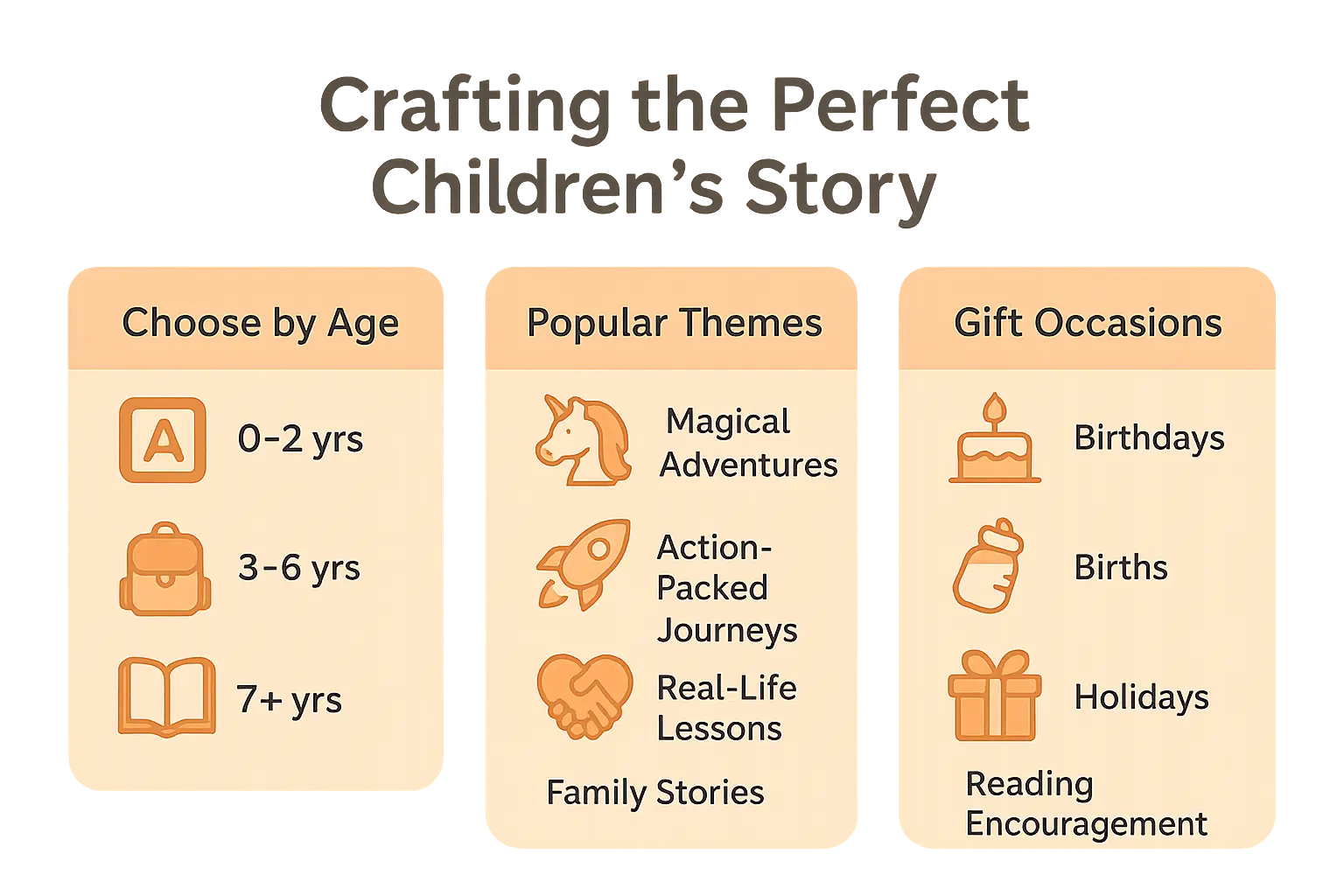
👶 Got a toddler? 🧒 Raising a middle-grader? Check this age-to-adventure guide:

Age Group Recommended Length Story Complexity Key Themes/Types
0-3 Years 2-5 minutes Very low. Repetitive phrases, simple sounds, sensory elements Rhymes, lullabies, board books with simple images
4-6 Years 5-10 minutes Simple plot with clear structure. One problem to solve Classic tales, friendship, school, animals
7-9 Years 10-15 minutes Developed plots, multiple characters, chapter books Adventure, mystery, fantasy, moral dilemmas

🚨 Warning: Don’t force a 3-year-old through a dragon epic! It’ll backfire faster than a flying spaghetti monster. Keep it interactive – let them guess what happens next!

Want stories that grow with your child? Tellmestories uses AI to create tales that evolve with your kid’s interests. Send a voice note saying “Make my son the hero of a space adventure” and… poof! 🚀

Bedtime story infographic showing age-based recommendations

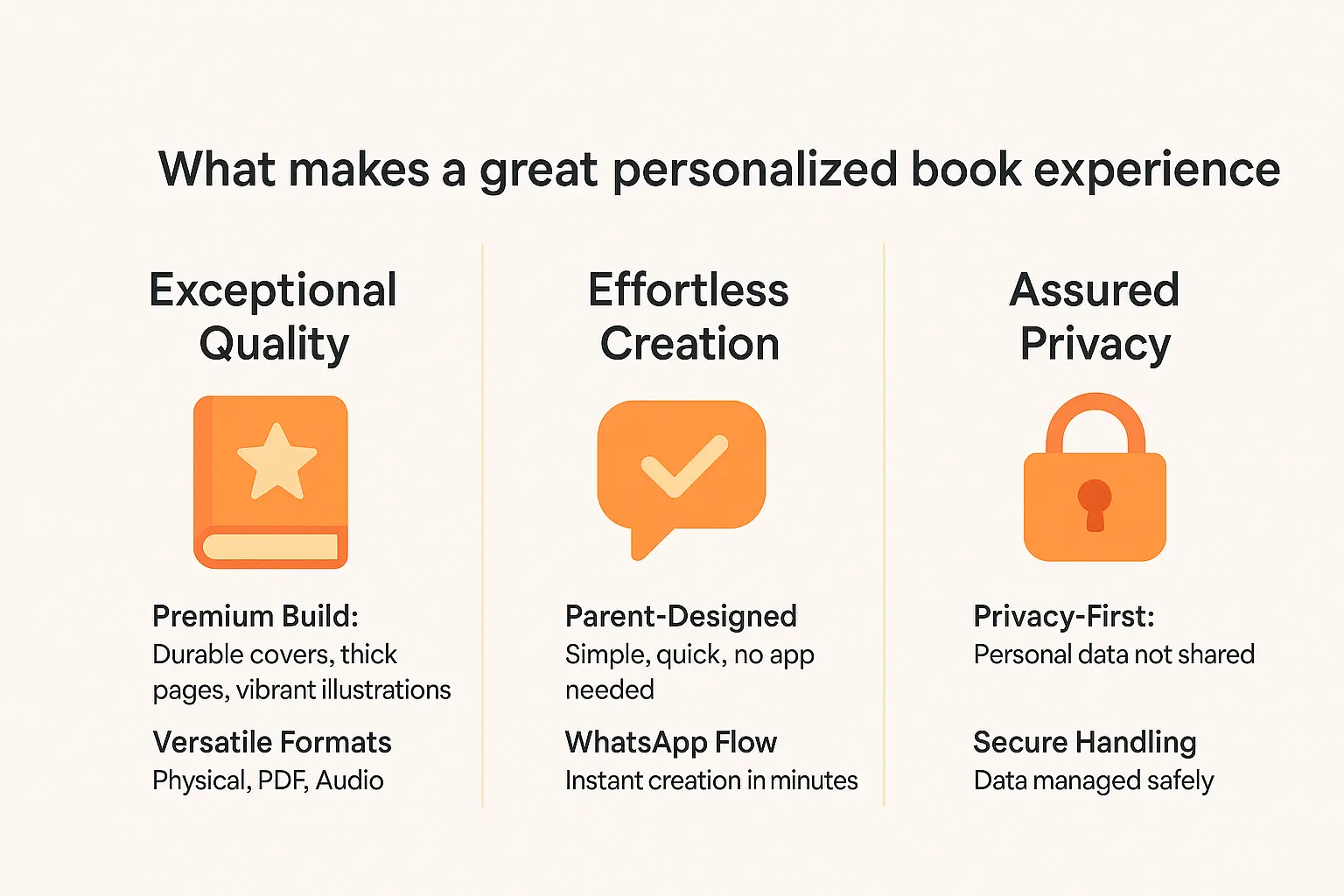
Why struggle with dusty library books when you can get custom tales via WhatsApp? Bonus: AI remembers past stories. Choose text, audio, or printable PDF formats – and even order physical books.

These aren’t just stories – they’re developmental tools. Repetitive phrases build language skills. Friendship themes reinforce social growth. Moral dilemmas spark critical thinking. 🧠

Ready to transform your nighttime routine? WhatsApp is all you need.

A Universe Of Stories At Your Fingertips

Illustration of a child surrounded by floating storybooks and stars

From Classic Fairy Tales To Modern Adventures

Bedtime stories for kids aren’t just about classics like Cinderella or The Three Little Pigs. 🌟 Timeless tales like The Tortoise and the Hare teach resilience and patience, but modern adventures—such as The Lost Sock or Space Explorers—add a playful twist. Picture your child solving mysteries alongside a robot sidekick or befriending a dinosaur in a prehistoric jungle. This mix keeps stories fresh while nurturing creativity and curiosity. 🦖

Finding The Perfect Genre For Your Child

Choosing the right story depends on your child’s mood, interests, or the season. Here’s a quick guide:

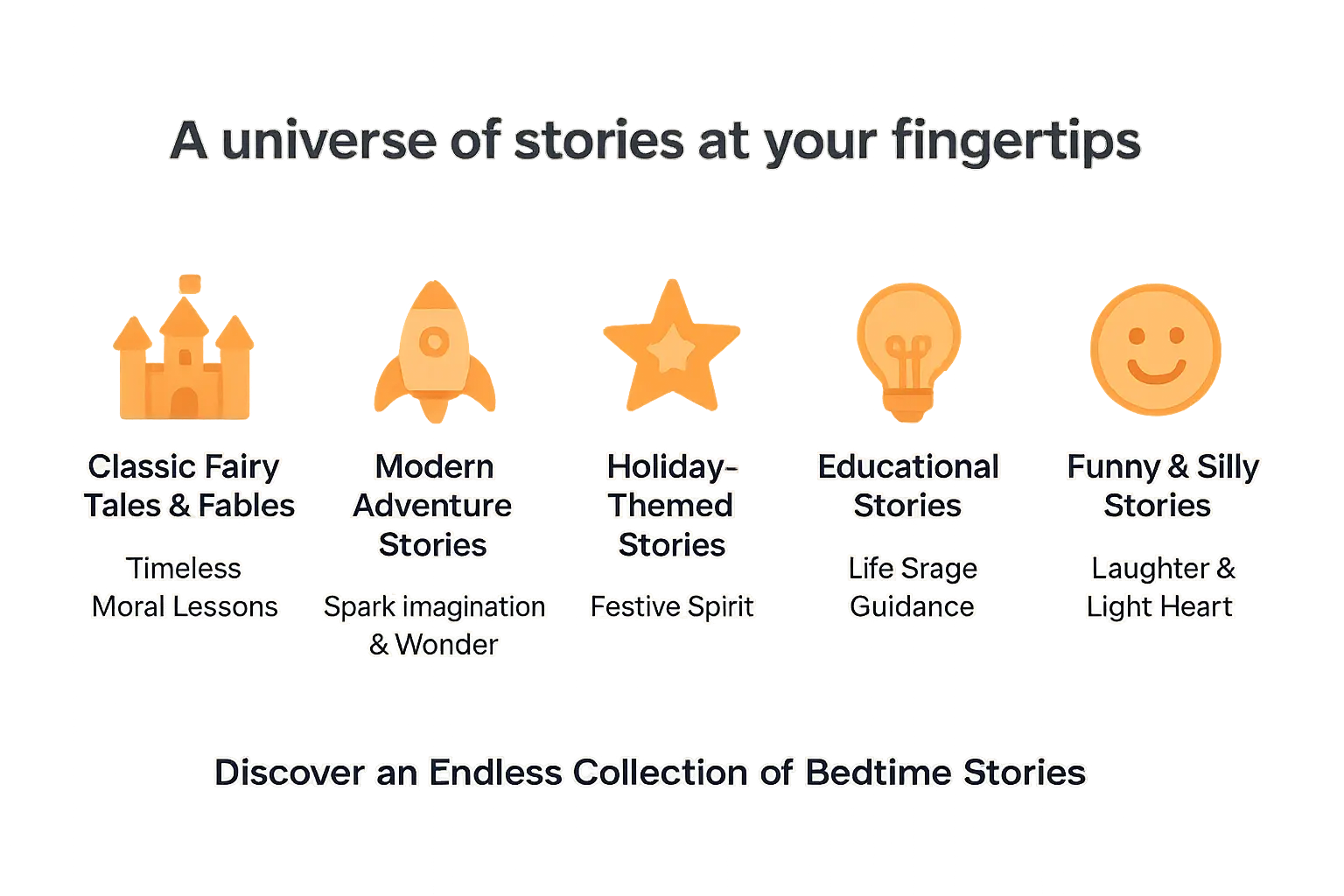
  • Classic Fairy Tales & Fables: Teach moral lessons (e.g., The Tortoise and the Hare) while building problem-solving skills. These stories often include timeless themes like kindness and perseverance. 🧠
  • Modern Adventure Stories: Spark imagination with space explorers or talking animals, often featuring interactive choices. 🚨 For example, a tale where kids pick their next move in a treasure hunt.
  • Holiday-Themed Stories: Celebrate seasons with tales about Christmas or Halloween, creating lasting traditions. 🎃 A story about a mischievous elf can make holiday prep feel magical.
  • Educational Stories: Tackle milestones like potty training or school readiness through relatable characters. 🎒 For instance, a nervous lion’s first-day jitters can ease your child’s anxiety.
  • Funny & Silly Stories: End the day with laughter via silly plots like Farts in Space or Mr. Cat from Catville. 😄 These stories reduce bedtime stress while teaching humor.

Platforms like explore an endless collection of bedtime stories let you tailor tales to your child’s personality. Use voice notes to create stories—e.g., “Tell me a pirate story where I’m the captain!”—and let AI remember preferences for future tales. Features like photo-to-character integration let kids become the hero, while audio narration adds a cinematic feel. 🎬 Whether it’s a personalized adventure or a quick laugh, these tools turn bedtime into a bonding ritual. 🌙

Cozy bedtime reading moment for family bonding

Making story time a cherished family ritual

It’s more than just reading words

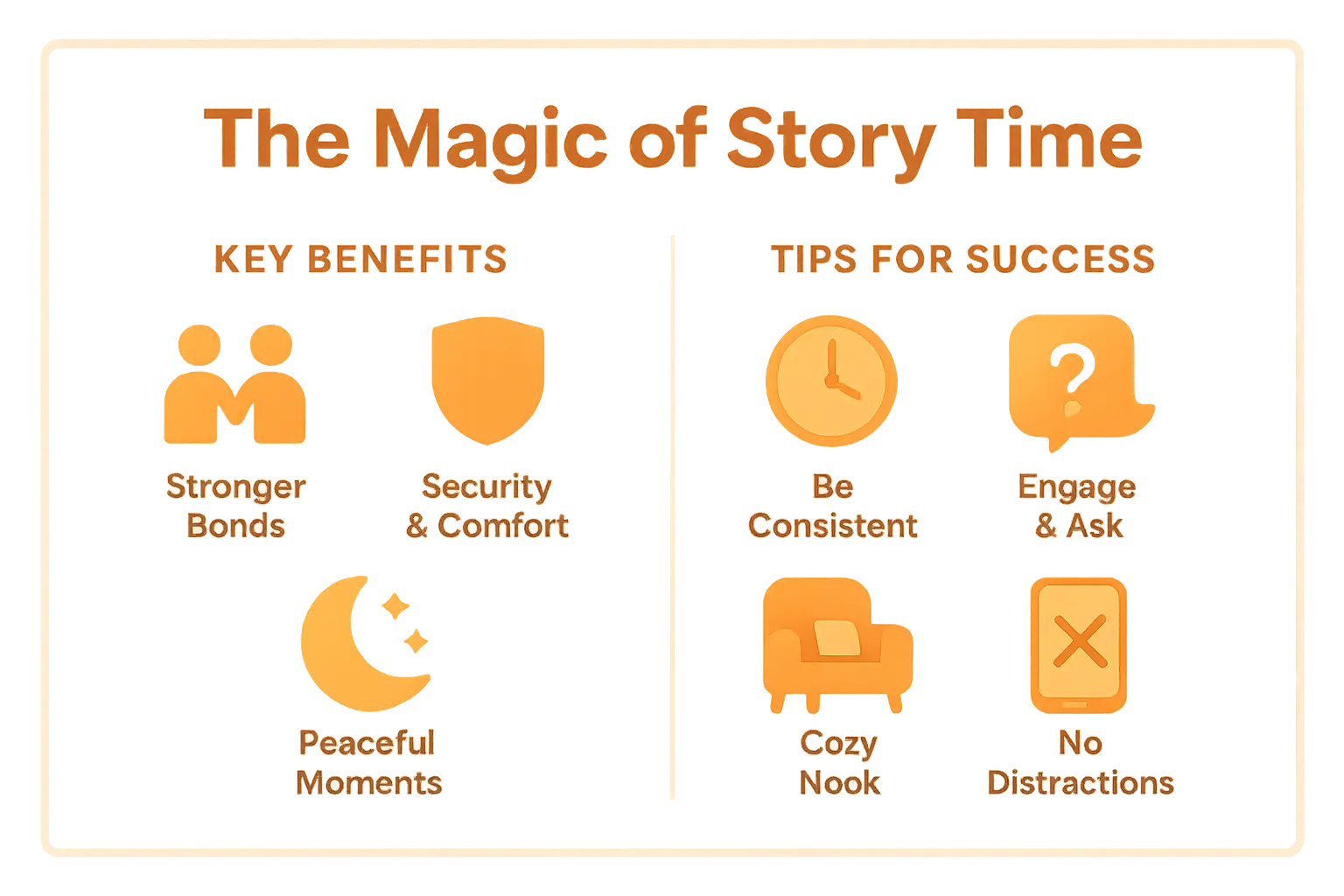
Storytelling transforms bedtime into a powerful bonding moment. Beyond the words on the page, this ritual offers essential benefits: direct contact, a sense of security, comfort, and a shared, peaceful moment together. The way you read matters as much as the story itself – from using expressive voices for characters to maintaining eye contact, these elements create lasting emotional connections.

This special time builds secure attachment between parent and child. The melodic quality of your voice becomes a comforting lullaby, making children feel safe and loved. Regular reading sessions form neural pathways that boost cognitive development while establishing predictable routines that reduce bedtime anxiety. The interactive nature of reading aloud sparks imagination, preparing young minds for academic success through enhanced language skills and critical thinking. As children hear new vocabulary and encounter complex narratives, they naturally develop listening comprehension and storytelling abilities that will serve them throughout life.

Tips for an unforgettable story time

Transform ordinary nights into magical moments with these practical strategies:

  • Consistency is key: Read at the same time nightly to signal winding down
  • Create a cozy nook: Choose a quiet spot with soft lighting and comfortable seating that invites snuggling up together – think plush pillows, warm rugs, or a dedicated reading corner with fairy lights
  • Let them participate: Ask “What do you think will happen next?” to engage young minds and encourage prediction skills
  • Put away distractions: Silence phones and turn off TVs for dedicated connection that shows your child where your focus is

These interactive moments create lasting memories while developing crucial skills. When children choose stories or see themselves in tales, they develop ownership of their reading journey. For personalized adventures where your little one becomes the hero, discover magical goodnight tales to share that grow with your child’s interests and developmental needs.

Remember, the goal isn’t just to read – it’s to create cherished rituals that teach empathy, build vocabulary, and strengthen family bonds. These nightly routines help children understand emotions through character experiences, developing emotional intelligence. With consistent practice and the right approach, story time becomes more than a routine – it evolves into a nightly celebration of imagination and connection.

The future of storytelling: personalized adventures

When your child becomes the hero

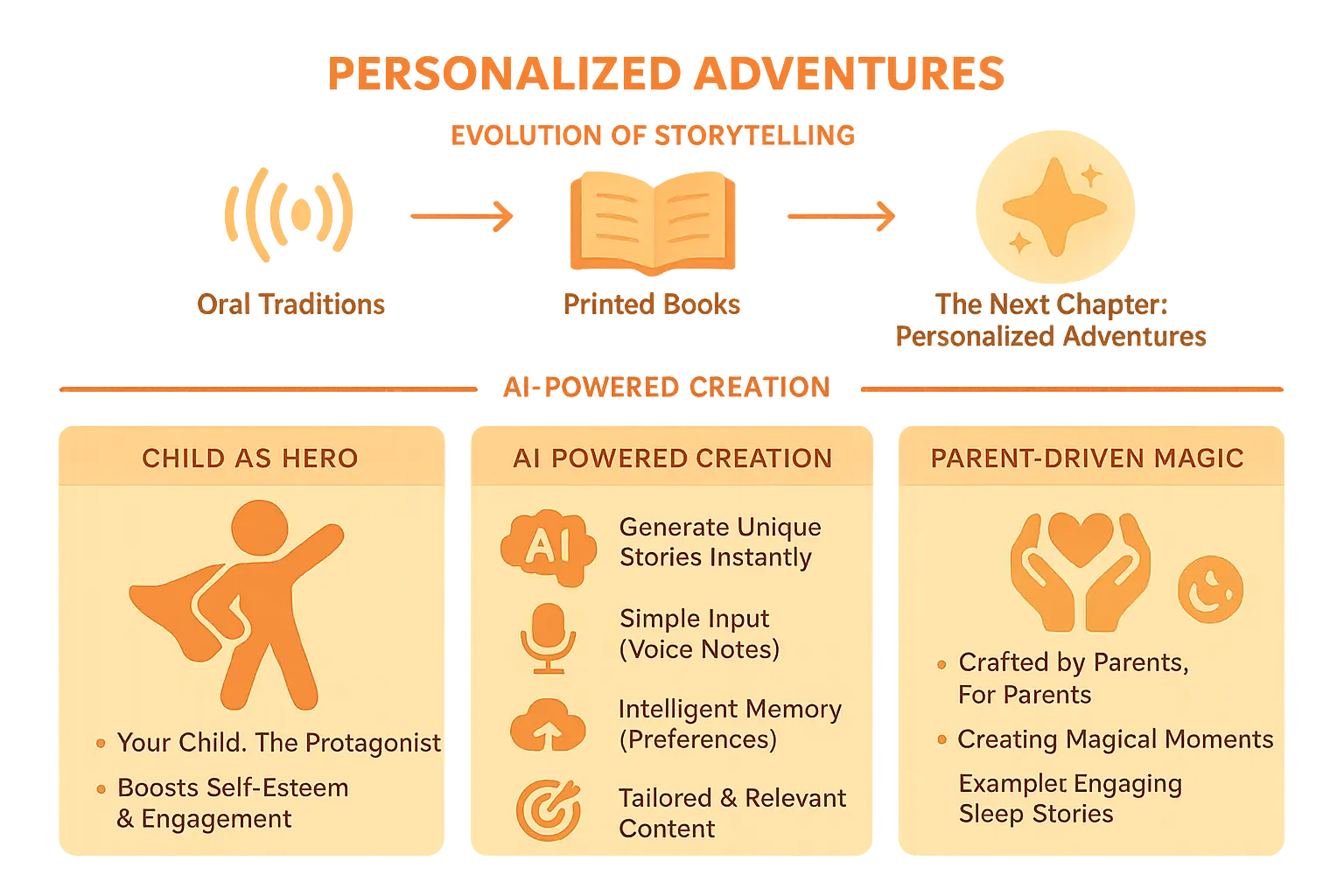
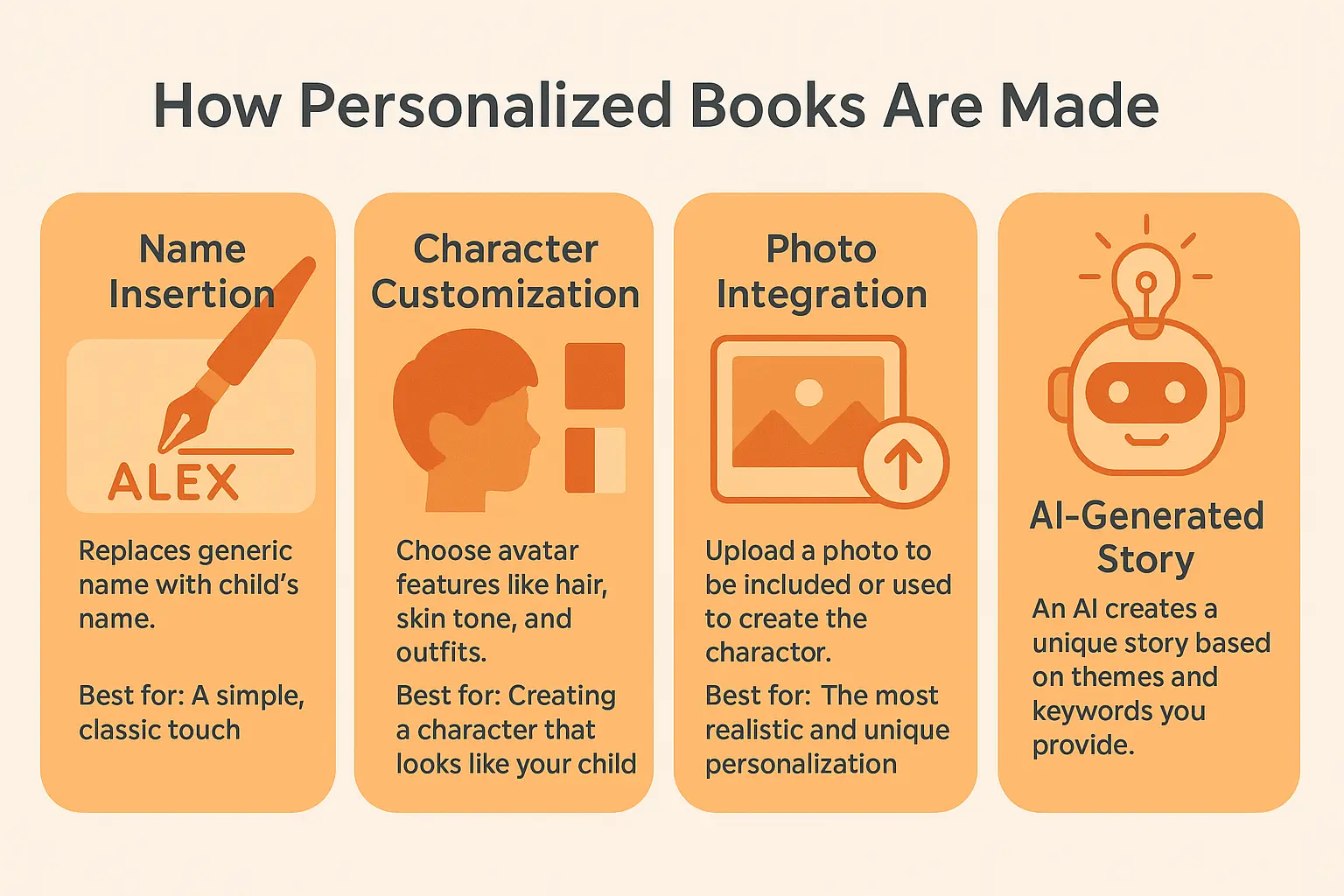
Storytelling has evolved from campfire tales to printed books, but the next chapter is here. 📚✨ Imagine bedtime stories where your child isn’t just listening—they’re the main character. Personalization transforms passive listeners into active participants, creating adventures that mirror their name, face, and favorite hobbies.

This approach does more than entertain. When kids see themselves as heroes, it boosts self-esteem and emotional connection. 🌟 A child who hears a tale about “Brave Mia saving the kingdom” might start viewing challenges as opportunities. It’s not just about seeing their name—it’s about recognizing their potential.

Research shows personalized stories improve language skills and retention. 🧠 When content feels relevant, children engage deeper. They remember plot details better, ask more questions, and develop empathy by experiencing stories through the protagonist’s eyes. This isn’t magic—it’s smart storytelling that aligns with how young minds grow.

Technology meets tradition

Modern tools are breathing new life into age-old rituals. 💡 Tellmestories’ WhatsApp-based platform lets parents create tales using voice notes. Just describe the adventure, and AI transforms it into a story ready in minutes. No apps to download, just the messaging app you already use.

What makes this special? The system remembers details across stories. 🧠✅ Mention “Sam loves dinosaurs” once, and future tales will include T-Rex friends. This “smart memory” builds continuity, making each story feel connected to your child’s world. The magic of these innovative sleep stories lies in their ability to adapt perfectly to each child.

Built by parents for parents, this technology prioritizes what matters. 🛡️ Stories focus on educational themes like kindness, resilience, and problem-solving. The AI-generated adventures maintain a cozy feel while embedding learning moments naturally. Whether it’s a space mission or underwater quest, every tale strengthens family bonds through shared storytelling experiences.

Personalized children's book with child's photo on cover

Ready to start your storytelling adventure?

Key benefits of bedtime stories for kids

A summary of the magic

Bedtime stories for kids aren’t just about winding down—they’re about building foundations. 📚 Each tale creates a bridge to better sleep, stronger bonds, and lifelong learning. Sharing stories with your child is an investment in their emotional, cognitive, and social growth. It’s a simple ritual with ripple effects: from boosting vocabulary to nurturing curiosity, every story plants seeds for tomorrow. 🌱

With Tellmestories, these moments become even more meaningful. No app downloads, no tech hurdles—just instant, personalized adventures crafted for your child’s age, name, and interests. Imagine turning a voice note into a magical journey where your little one becomes the hero. That’s the power of storytelling made easy. 🎤✨

The lifelong benefits in a nutshell

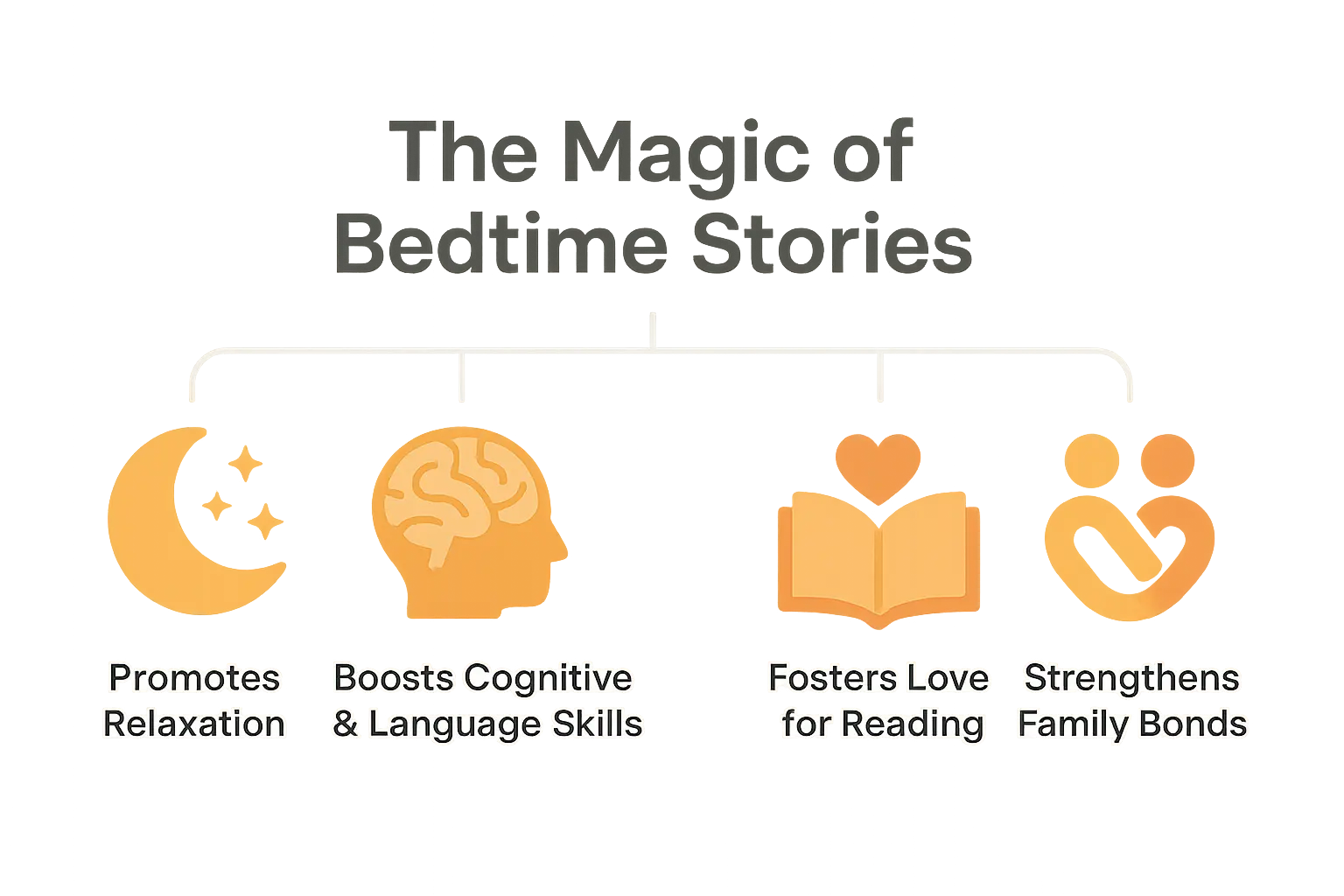
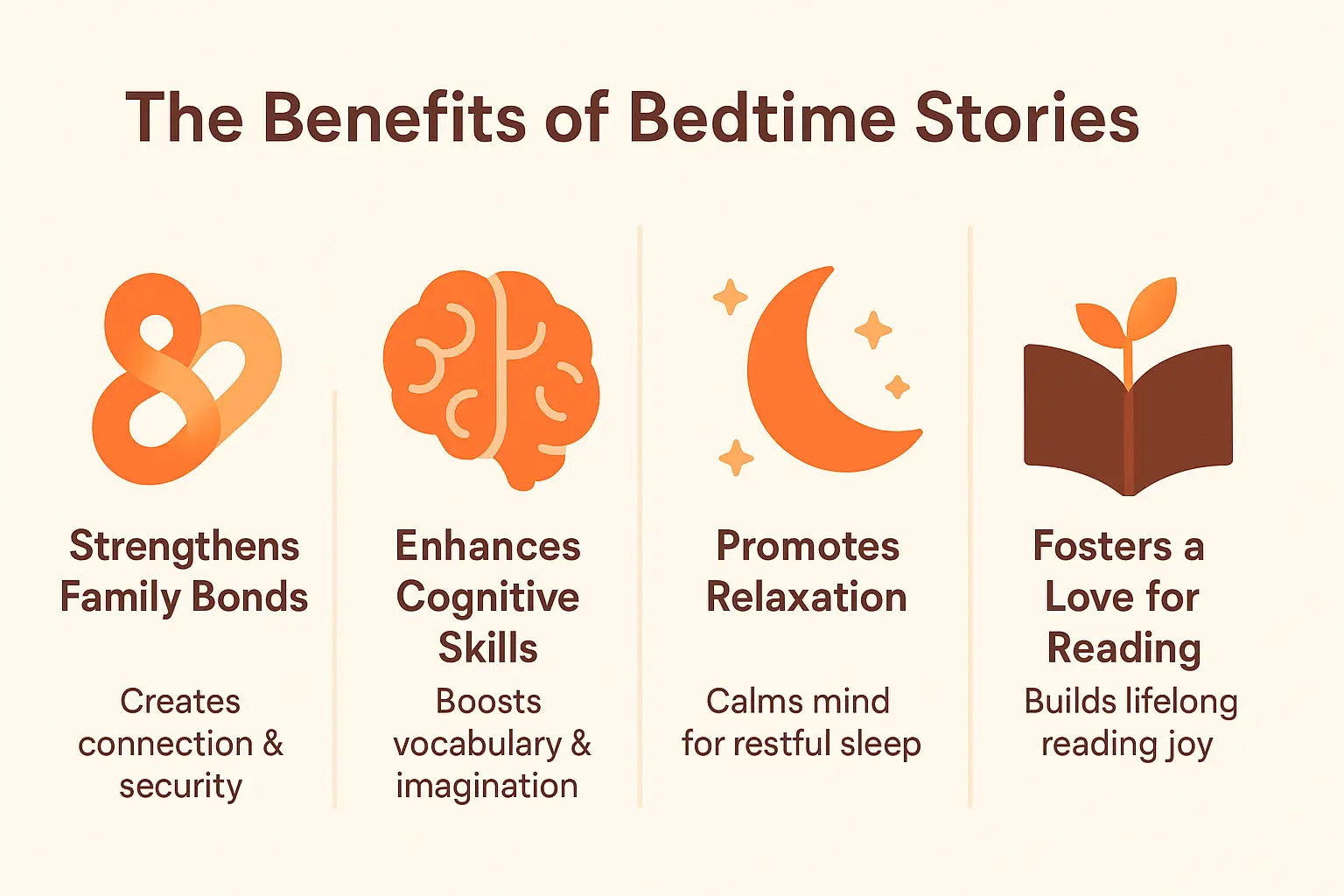
  • Strengthens Family Bonds: Creates a cherished daily ritual of connection and security.
  • Enhances Cognitive Skills: Boosts vocabulary, imagination, and critical thinking.
  • Promotes Relaxation: Helps calm the mind and body, preparing for a restful sleep.
  • Fosters a Love for Reading: Builds a positive association with books that can last a lifetime.

These stories aren’t just about tonight—they’re about shaping habits that endure. Whether it’s through audio narration, interactive PDFs, or physical books, every story sparks joy and growth. 🧠❤️

So, which story will you share tonight? The adventure is just beginning. 🌙✨

Bedtime stories foster connection, language, and imagination, whether classic or personalized. They spark a lifelong love of reading while nurturing emotional bonds and cognitive growth. From timeless fairy tales to tailored adventures, each tale offers a gateway to wonder. Ready to begin? Choose a story tonight—the journey starts now. 🌙✨ (54 words)

FAQ

What makes a bedtime story truly magical?

A bedtime story shines when it combines simple language, relatable characters, and a calming rhythm. 🌙 Think classics like The Three Little Pigs or modern tales with gentle adventures. The best stories spark imagination without overstimulating—perfect for winding down before sleep. Pro tip: Let your child pick the story to boost engagement!

How do bedtime stories boost brainpower?

Oh, in so many ways! 🚀 Reading aloud exposes kids to 30% more unique words than daily chats, says studies. It also trains their brains to visualize scenes, building critical thinking and language skills. Even cooler? MRI scans show that early reading lights up neural pathways linked to literacy. Time to grab that book, right?

What are top tales for sleepyheads?

Stick to short, soothing picks like Goodnight Moon (lullaby vibes) or The Very Hungry Caterpillar (predictable patterns). For curious minds, try Where the Wild Things Are (adventure + resolution). Older kids? Harry Potter chapters—just keep the tone warm and the ending positive. Avoid cliffhangers! 📚✨

Do stories really help kids sleep better?

You bet they do! 🌟 The routine creates a calming signal for their brain—think of it as a “sleep trigger.” Plus, the parent-child bond during storytime reduces anxiety, making bedtime feel safe and cozy. Bonus: No screens involved, so melatonin stays high. 🧠💤

How to craft a perfect bedtime routine?

Keep it consistent and cozy! Try this flow: 1. Dim lights + soft music 🎶 2. 10-min story (no scary stuff!) 3. Gentle chat about the tale 🗣️ 4. Goodnight hugs + affirmations 💖 Pro tip: Let kids ask questions mid-story to keep them engaged without overexcitement.

What are the best classic fairy tales?

Timeless picks include: – Cinderella (hope + resilience) 🏰 – The Ugly Duckling (self-acceptance) 🦆 – Hansel & Gretel (problem-solving) 🍪 – Rapunzel (curiosity + courage) 🏰 Stick to shortened versions for younger kids, and add drama with vocal effects (whispers, accents) to keep it lively!

What’s the ideal bedtime for children?

Ages 3-5? Aim for 7:30–8:30 PM. 🌚 Older kids (6–9) thrive on 8:00–9:00 PM. Consistency > exact time! Studies show regular bedtimes improve focus and mood. Pair it with stories for a sleep-friendly ritual that signals “chill time.”

What questions connect you to your child at bedtime?

Try these conversation starters: – “What made you smile today?” 😊 – “If you could dream anywhere, where?” 🌈 – “What’s one thing you’re proud of?” 💪 Keep it light and positive—no “Why did you misbehave?” vibes! 🤍
How to personalize stories for your little one?

Time to get creative! 🎨 Use apps like Tellmestories.ai to insert your child’s name, favorite toy, or a made-up problem they solve. Example: “Emma and the Lost Unicorn” where their pet dog becomes the hero! 🐶✨ This boosts self-esteem and makes the ritual uniquely theirs.

Written by

Alex Z

Verified Author 94 Articles

Passionate storyteller dedicated to creating engaging and educational content for children and families. Every story is crafted with love and care to inspire young minds.

Unleash growth through play: fun activities for kids

The essential takeaway: Play isn’t just fun—it’s a child’s work! Creative activities like LEGO building boost problem-solving, while scavenger hunts enhance observation. Everyday moments, from cooking to storytelling, develop motor skills, empathy, and social growth. Simple tools like NASA’s STEM resources turn play into lifelong learning. Choose activities that spark curiosity, and watch your child thrive through joyful engagement.

Struggling to turn “I’m bored” into magical learning moments? 🤔 From messy art to wild outdoor adventures, kids activities often feel like a guessing game when you’re juggling time, budget, and energy (hello, crayon chaos and screen-time guilt!). This guide reveals how playtime isn’t just fun—it’s the secret sauce for boosting creativity, motor skills, and resilience. 🌟 Dive into 100+ genius ideas—from DIY crafts to STEM experiments—that make “What’s next?” a thing of the past. Whether you’re battling rainy days or seeking screen-free adventures, we’ve got your treasure map to turning chaos into confidence, laughter into learning, and curiosity into lifelong passions. Ready to unlock the magic? 🚀

Heartwarming image showing Child playing with educational toys demonstrating emotional connection and joy created by kids activities for family bonding and storytelling

Unlocking your child’s potential through play

Why finding the right activity matters more than ever

You know that 20 minutes of peace you desperately need while your toddler plays? 💡 What if those moments could shape their future? 🤔 The secret lies in choosing activities that spark curiosity while developing crucial skills. Unlike passive screen time, interactive play becomes your secret weapon for nurturing growth – think of it as “learning in disguise”! Did you know structured play boosts pre-kindergarten language skills by 40%? 📚

Modern parents face a unique challenge: transforming playtime into powerful developmental opportunities. With 80% of brain development happening before age 5, every moment counts. 📈 The good news? You don’t need fancy gadgets or expensive toys. Imagine household items becoming discovery tools: a cardboard box transforms into a spaceship, laundry baskets into obstacle courses!

More than just fun: a gateway to growth

Kids activities aren’t just about keeping little hands busy – they’re building blocks for life! 🧱 Each playful moment develops:

  • Cognitive skills: Block building boosts spatial awareness; scavenger hunts improve memory retention
  • Motor skills: Squeezing glue bottles strengthens writing-ready hand muscles
  • Social skills: Collaborative art projects teach turn-taking and teamwork
  • Emotional skills: Pretend play helps process complex feelings safely
  • Creative skills: Open-ended craft projects spark original thinking

Imagine combining these benefits with personalized storytelling that adapts to your child’s interests! 🎨 Whether building blanket forts or creating adventures where they become the hero, every activity plants seeds for future success. Studies show regular creative play correlates with 30% better academic performance – a recipe worth trying! 🎓

The amazing developmental benefits of kids activities

Professional infographic displaying Kids engaging in creative and physical activities that boost development with clear visual elements, educational content about kids activities, and research-backed benefits for child development

Kids activities aren’t just about keeping little hands busy. 🤹 They’re powerful tools for growth! From building brainpower to mastering emotions, the right playtime choices shape young minds and bodies. Let’s explore how fun becomes fundamental learning. Ready to unlock secrets of intentional play?

Boosting brain power: cognitive and creative skills

Building towers with blocks or solving puzzles isn’t child’s play—it’s brain training! 🧠 These activities forge neural connections through:

  • Problem-solving practice (what fits where?)
  • Pattern recognition (noticing shapes and sequences)
  • Abstract thinking (transforming clay into imaginary creatures)

Ever watched a child struggling to fold origami? That’s their brain flexing spatial reasoning and perseverance. Even slime-making becomes science lab when they experiment with textures and reactions.

In creative play, the real magic isn’t the final product, but the wonderful journey of imagination, trial, and error that gets them there.

These moments build the foundation for future math skills, reading comprehension, and innovative thinking. The secret? Letting kids direct their own experiments!

Getting moving: motor skills development

Wiggles and giggles aren’t just adorable—they’re essential! 🤸 Here’s the movement breakdown:

  • Fine motor magic: Pinching beads for necklaces (pincer grasp), cutting with safety scissors (hand strength), or molding playdoh (finger dexterity)
  • Gross motor glory: Indoor obstacle courses (core strength), trampoline bouncing (balance), and relay races (whole-body coordination)

Each scribble, jump, or ball toss strengthens neural pathways controlling movement. Think of it as creating their personal “body operating manual” through trial and error.

Learning to connect: social and emotional growth

Passing a toy isn’t just polite—it’s emotional intelligence in action! 🤝 Through play, kids master:

  • Turn-taking (board games teach patience)
  • Emotional vocabulary (dramatic play with puppets)
  • Conflict resolution (sharing the last cookie)

When your 4-year-old creates a “mad monster” from clay (then calms it with deep breaths), they’re learning emotional regulation. For advanced techniques, Save the Children offers brilliant mindfulness activities disguised as playtime.

Every game of “store” or “hospital” builds empathy and social scripts. It’s how they learn: “Oops, sharing IS easier than tantrums!”

Your ultimate guide to indoor kids activities

Heartwarming image showing Kids crafting with household items demonstrating emotional connection and joy created by kids activities for family bonding and storytelling

Unleash creativity with arts and crafts

Turn ordinary household items into extraordinary creations! Cardboard boxes become castles, toilet paper rolls transform into rocket ships, and egg cartons morph into colorful caterpillars. This approach sparks imagination while teaching resourcefulness.

  • Recycled creations: Turn cardboard boxes into forts or cars.
  • DIY paintbrushes: Use clothespins to hold leaves, cotton balls, or sponges.
  • Homemade playdough: A simple, non-toxic recipe for hours of fun.
  • No-sew felt flowers: Brighten up the room with colorful, easy-to-make bouquets.

Try this homemade playdough recipe: Mix 2 cups flour, 1 cup salt, and 1 cup water, then add food coloring. Store in an airtight container to extend playtime. This tactile activity strengthens finger muscles while encouraging open-ended play. Playdough molds teach texture exploration – press coins for stamped designs or press leaves for nature patterns.

Quiet time, quality time: educational and calm play

Build cognitive skills with puzzles that challenge spatial awareness. Magna-Tiles and LEGO sets teach geometry concepts through tactile play. Calm activities like reading Elephant & Piggie books by Mo Willems boost language development through engaging stories.

Explore endless hours of kids fun with interactive stories. These resources feature age-appropriate vocabulary while maintaining entertainment value. Storytime builds concentration and listening comprehension skills. Try shadow puppet theater using socks and cardboard boxes for narrative experimentation.

Board games like First Orchard teach color matching and cooperative play. Don’t Break the Ice combines hand-eye coordination with strategic thinking. Quiet playtime balances stimulation with relaxation for developing minds. Memory card games improve recall while teaching turn-taking etiquette.

Everyday learning in the kitchen and home

Transform chores into learning opportunities. Let kids stir batter to understand volume measurements. Practice counting by sorting silverware or matching socks. These moments teach responsibility through meaningful participation.

Turn bath time into creative play with DIY washable paint. Mix kid-friendly soap, cornstarch, and food coloring in muffin tins. Use sponges or fingers to paint bathroom walls – no scrubbing needed! This sensory activity teaches color mixing while keeping bathrooms mess-free. Try sponge painting to explore absorbency science.

Kitchen science happens when mixing ingredients teaches chemical reactions. Decorating cookies builds fine motor control. Pouring water into measuring cups demonstrates volume concepts. Food prep becomes math class in disguise! Chores teach responsibility through mini-tasks: Sorting laundry becomes pattern recognition practice. Vacuuming reinforces cause-effect understanding. Every action builds confidence while making learning feel like playtime.

Awesome Outdoor Adventures for Energetic Kids

Heartwarming image showing Kids playing outdoors with chalk games and scavenger hunt items demonstrating emotional connection and joy created by kids activities for family bonding and storytelling

Exploring the Backyard and Beyond

Transform your garden into an adventure zone! 🌿 A nature scavenger hunt sparks curiosity by challenging kids to find textures, colors, or shapes. Try these ideas:

  • Collect 5 smooth stones and 3 pinecones
  • Spot 2 types of spiderwebs
  • Find leaves shaped like hearts or triangles
  • Track animal signs (footprints, feathers) for a “detective mission”

The great outdoors is the ultimate playground, offering endless free materials for imagination, exploration, and unforgettable adventures for the whole family.

Build a “fairy house” using sticks, moss, and pebbles – this boosts spatial awareness and storytelling. Add whimsy by searching for “dragon scales” (shiny leaves) or “witches’ potions” (flower petals in jars). Use sidewalk chalk to draw magical doors on tree trunks for extra creativity.

Get Moving With Active Games

Turn exercise into fun! Boost motor skills with these ideas:

  • Nature scavenger hunt: Find a smooth rock, yellow leaf, or feather
  • Sidewalk chalk games: Draw hopscotch, mazes, or giant board games
  • Bubble chasing: Run, jump, and pop floating bubbles
  • Bike or scooter parade: Decorate handlebars with streamers for a neighborhood ride

Try “color-themed walks” – spot 10 red things, then 10 blue. For older kids, add challenges like “balance on one foot while naming the next color.” Level up with sidewalk chalk “Twister”: draw colored circles and call out “left hand on green!” to improve balance.

Learning Through Nature Art

Outdoor playtime isn’t just fun – it’s brain-boosting magic! 🧠 Try these art-infused activities:

  • Alphabet hopscotch: Draw 26 lettered squares to teach letter recognition through movement
  • Emotion circles: Draw colored circles and ask kids to create faces showing “happy” or “surprised” inside them
  • Shadow tracing: Use sidewalk chalk to trace shadows of natural items (leaves, sticks) for shape recognition

These activities build problem-solving skills and emotional intelligence while keeping kids active. Ready to turn your yard into a learning playground?

Choosing the right activity: an easy guide for parents

The activity idea generator

Activity Idea Generator
Activity Type Best for Ages Key Development Skill
Creative (e.g., Painting, Playdough) 2-5 years Fine Motor Skills, Creativity
Building (e.g., LEGOs, Forts) 4-8 years Problem-Solving, Spatial Awareness
Outdoor (e.g., Scavenger Hunt) 3-7 years Gross Motor Skills, Observation
STEM (e.g., Simple Experiments) 5-10 years Logic, Curiosity
Social (e.g., Board Games) 4+ years Turn-Taking, Social Skills
Storytelling (e.g., Puppet Show) 3-8 years Language, Emotional Expression

Struggling to pick the perfect activity for your child? 🤔 Our table simplifies decision-making by aligning activities with developmental benefits. Let’s break it down:

Creative activities like painting boost fine motor skills through grip control while sparking imagination. Pro tip: Use washable paints to keep stress levels low! ✨

Building activities with blocks develop spatial reasoning. Did you know? Kids who build structures show 23% better problem-solving skills in early elementary school! 🏗️ Start with larger Duplo blocks for younger kids before moving to standard LEGO sets.

Outdoor adventures aren’t just about burning energy. A simple scavenger hunt improves observational skills and gross motor development through running/crawling. 🚀 Nature-based activities also improve focus for school tasks!

STEM experiments for older kids combine learning with fun. Try making a mini volcano – it teaches chemical reactions while developing scientific curiosity. Early exposure boosts STEM interest for future learning! 🔬

Social games like “Guess Who?” teach turn-taking naturally. 78% of teachers report improved classroom behavior in kids who regularly play board games.

Storytelling moments matter most! Turn bedtime into skill-building time with personalized stories from Tellmestories. Our WhatsApp-powered service creates tales where your child becomes the hero – perfect for emotional expression and language development! 📚

Professional infographic displaying Activity idea generator infographic showing <strong>child development benefits</strong>: painting for motor skills, block building for spatial awareness, outdoor scavenger hunts for observation, science experiments for curiosity, board games for social skills, and storytelling for emotional expression with clear visual elements, educational content about kids activities, and research-backed benefits for child development

This smart approach ensures activities match developmental stages while making learning irresistible. Why spend hours researching when you can combine fun with targeted skill-building? 🎯

Professional infographic displaying Curiosity and Storytelling Infographic with clear visual elements, educational content about kids activities, and research-backed benefits for child development

From simple fun to lifelong passions

Sparking curiosity with STEM and invention

Simple activities can ignite a lifelong fascination with science. After reading “Jack and the Beanstalk,” try growing beans in a jar to watch nature in action. This hands-on experiment introduces basic biology while nurturing observation skills. For engineering fun, build structures from spaghetti and marshmallows – this tactile activity teaches balance and structural integrity through trial and error.

Even a simple baking soda and vinegar volcano teaches chemical reactions through play. These activities adapt to different ages: 2-year-olds explore textures while 6-year-olds document growth patterns in plants. Organizations like NASA offer free space-themed experiments that transform abstract concepts into tangible experiences. The USPTO encourages young inventors to submit their creations, showing kids their ideas matter. These activities prove scientific discovery doesn’t require fancy equipment – just curiosity and everyday materials.

The magic of storytelling for winding down

After action-packed days of learning through play, personalized storytelling becomes the perfect wind-down ritual. Tellmestories brings this magic to WhatsApp, letting parents create custom tales where children become the hero of their own adventures. Just send a voice note describing your child’s interests, and watch as AI crafts a unique bedtime story in minutes.

These stories do more than entertain – they reinforce important life lessons about potty training, starting school, and friendship. The service remembers character preferences across stories, creating continuity that builds emotional connections. Parents can choose text, audio narration by professional voice actors, or even order printed books for tactile experiences. No app downloads required, no passwords to remember. Just open WhatsApp, share your vision, and transform ordinary nights into magical moments where your child’s imagination takes center stage.

Ready to make storytelling special? Discover wonderful family activities that turn everyday moments into memorable adventures. Whether through kitchen-table science or personalized bedtime tales, every interaction becomes an opportunity to nurture curiosity, build life skills, and create lasting memories that evolve as your child grows.

Heartwarming image showing Kids engaging in creative play with colorful materials demonstrating emotional connection and joy created by kids activities for family bonding and storytelling

Your journey to fun-filled learning starts now

Embrace the power of play

Play isn’t just about laughter and joy – it’s how kids build essential life skills. Through kids activities, children develop cognitive abilities by solving problems during puzzles or inventing stories with toys. Physical play strengthens motor skills, while group games teach social interaction and emotional intelligence. Even simple moments like storytelling on WhatsApp become opportunities for personalized learning when using services like Tellmestories.

Remember, every scribble on paper, puddle jump, or block tower teaches resilience and creativity. Parents don’t need perfect plans – just genuine connection. When kids shape their own adventures, they boost autonomy while parents create lasting memories.

Ready to explore more ideas?

Start your adventure with these simple steps:

  • Start small: Pick one new activity from this list to try this week.
  • Involve your child: Ask them what they’d like to try to boost their engagement.
  • Have fun: Remember, the most important part is the time you spend together.

Ready to discover more? Explore our full range of activities that blend learning with laughter. Our WhatsApp-powered platform makes it effortless to create personalized stories that grow with your child’s interests. Time to turn everyday moments into magical learning adventures! 🌟

Playtime is more than fun—it’s the foundation for lifelong learning and growth. Embrace creativity, connect with your child, and turn simple moments into magical memories. Start small, stay curious, and explore our full range of activities to keep the adventure going! 🌟 [Discover more here](https://tellmestories.ai/activities/).

Written by

Alex Z

Verified Author 94 Articles

Passionate storyteller dedicated to creating engaging and educational content for children and families. Every story is crafted with love and care to inspire young minds.

Why kids stories are a powerful asset for parents

Pour aller à l’essentiel : Les histoires pour enfants renforcent langage, empathie et esprit critique. Une étude (Frontiers in Young Minds, 2017) souligne que la répétition facilite l’apprentissage du vocabulaire. Adapter les récits aux tranches d’âge (0-3, 4-6, 7-10 ans) maximise ces bénéfices éducatifs, transformant chaque lecture en outil de développement.

Struggling to find kids stories that keep your little one engaged and spark learning? 🤔 You’re not alone! This article reveals how the right tales boost literacy skills, empathy, and critical thinking while turning bedtime into magic. Imagine stories that teach resilience through talking animals, spark curiosity about nature with tales like How Firefly Got His Light, or build vocabulary through rhymes like When Do Hippos Play? 🦛✨ From choosing age-perfect picks to unlocking your child’s inner storyteller, we’ve packed proven strategies, expert-backed insights (yes, even studies show repetition builds memory!), and interactive secrets that transform stories into lifelong adventures. Ready to turn pages into priceless moments? 📚✨

Heartwarming image showing A parent reading a story to a child under a cozy blanket demonstrating emotional connection and joy created by kids stories for family bonding and storytelling

Why Kids Stories Are The Most Powerful Tool In Your Parenting Toolkit

Ever wondered why bedtime stories feel like magic? 🌟 It’s not just about escaping to fairy tales—it’s about building the foundation for your child’s future. Stories do more than entertain; they shape how kids see the world.

Kids’ stories are communication powerhouses. They boost language skills by introducing new words naturally. They teach empathy by letting children walk in a character’s shoes. They spark critical thinking when little minds guess “what happens next?” Most importantly, they pass down cultural values without lectures.

But here’s the hidden superpower: personalized stories (think WhatsApp-based creations!) make this even stronger. When kids become the heroes of their adventures, they absorb lessons faster. Imagine your 5-year-old solving a forest mystery while learning kindness—that’s how stories turn abstract ideas into real-life skills.

This article explores how choosing the right tales transforms parenting: from picking stories that match your child’s age to crafting narratives that teach resilience or curiosity. Spoiler alert: we’ll also show how to make storytelling a daily habit—even on busy days.

Heartwarming image showing The Power of Stories for Children demonstrating emotional connection and joy created by kids stories for family bonding and storytelling

How stories build brilliant young minds and kind hearts

Boosting brainpower and language skills

Stories act like mental gyms for young brains. As kids listen to narratives or follow along with illustrations, they exercise memory by recalling characters and plot twists. 🧠 The rhythm of repeated phrases in classic tales like “The Very Hungry Caterpillar” teaches sequencing while building vocabulary through engaging repetition.

Language development gets a rocket boost too! Children encounter vocabulary in context—like “dragon” while seeing a fiery creature in a picture book. This dual exposure (visual + verbal) cements understanding faster than flashcards ever could. Even grammar rules sneak in subconsciously through properly structured sentences in stories.

Studies show children retain 20% more vocabulary when hearing stories repeatedly. Why? Familiar plots free up mental space for absorbing new words without feeling overwhelmed. They also encounter richer sentence structures that aren’t part of casual conversations, creating neural pathways for complex thinking.

  • Expands vocabulary: Introducing new words in a memorable context that sticks through repetition
  • Improves listening skills: Teaching children to follow narratives and notice subtle plot details
  • Builds memory and concentration: Remembering characters and sequences while predicting events improves focus
  • Fosters imagination: Creating vivid mental images that fuel creative thinking and problem-solving

Nurturing empathy and emotional intelligence

Ever seen a child mimic a story character’s excitement? That’s empathy in action! When kids connect with a brave mouse or a lonely robot, they’re learning emotional navigation skills for real-life relationships. This practice becomes a superpower—like how “The Invisible Boy” teaches inclusion through a story about a child finding friendship.

“Stories are a passport to other worlds and other minds. They allow us to walk in someone else’s shoes and see the world through their eyes, building the foundations of empathy.”

Older stories with problematic stereotypes become teaching moments. Experts suggest using them as conversation starters about diversity rather than avoiding them. This builds critical thinking alongside empathy. For example, discussing gender roles in classic tales opens doors to modern values like equality and fairness.

Shaping values and understanding the world

Remember Aesop’s fable about the ant and grasshopper? Moral: preparing for the future matters. Stories transmit cultural values across generations through engaging metaphors and relatable plots that stick better than lectures.

When a child follows a story about a family moving to a new country, they’re not just entertained—they’re learning adaptability. Through narratives, kids absorb cultural norms about kindness and resilience, making abstract concepts feel personal. Stories become safe spaces for exploring tough emotions—like using “The Gruffalo” to teach courage or “The Rainbow Fish” to demonstrate sharing.

Even tricky topics become approachable through stories. A book showing how a baby brother changes family dynamics helps older kids process complex emotions while gaining gentle guidance for life’s challenges. These narratives validate feelings while modeling healthy emotional responses through relatable characters’ journeys.

Educational visual about Choosing the perfect story related to kids stories with professional design and engaging content for parents

A parent’s guide to choosing the perfect story

Matching stories to their age and stage

Choosing age-appropriate stories isn’t just about keeping kids engaged—it’s about unlocking developmental superpowers. 🎯 Those board books with peekaboo flaps for toddlers? They’re secretly teaching object permanence while you giggle together. 🌟 Sensory books with crinkly pages or bumpy textures? They’re developing tactile awareness and fine motor skills during your cozy reading sessions.

Age Group Recommended Story Types Key Developmental Benefits
0-3 Years Board books, sensory books, simple rhymes Sensory exploration, basic vocabulary, parent-child bonding
4-6 Years Picture books, classic fairy tales, fables Imagination, emotional understanding, moral reasoning
7-10 Years Chapter books, adventure series, non-fiction stories Independent reading, critical thinking, complex plot comprehension

That’s why Tellmestories’ AI remembers your child’s preferences—it’s like having a librarian who grows with your little one. 🌟 Picture this: Your 4-year-old’s love for pirate tales becomes the foundation for 7-year-old adventure stories with maps and problem-solving—this natural progression mirrors real cognitive development thanks to smart memory features.

A universe of tales to explore

Kids stories are portals to whole new worlds. 🌍 Let’s explore:

  • Fairy tales: Timeless adventures teaching life lessons. “The Ugly Duckling” teaches self-acceptance while introducing seasonal changes through the duckling’s journey.
  • Bedtime stories: Calming narratives like “The Robot Bedtime Book” for friendship lessons. Its predictable rhythms make reading time the highlight of your child’s day.
  • Educational stories: “How Firefly Got His Light” explains bioluminescence through storytelling while sneaking in vocabulary like “bioluminescence” and “nocturnal” naturally.
  • Modern stories: Tales about kids solving climate challenges or navigating tech help children process today’s world. Imagine a story where characters create an app to save sea turtles!

Check Tellmestories’ kids stories collection for stories that grow with your child. 📚 Their “GNARBLE’S WORLD” series turns reading into a submarine adventure where kids solve mysteries using clues from the text.

The secret to an unforgettable story time

Here’s the formula: great story + active participation = unforgettable moments. ✨

“The most powerful stories are not just read to a child, but shared with them.”

  • Use funny accents—pirate villains, robot heroes! 🎭 This makes vocabulary stick better than flashcards ever could.
  • Ask “What happens next?” to build critical thinking. This activates prediction skills while keeping engagement high.
  • Connect stories to real life. Did your child conquer a fear of the dark? Compare it to a character overcoming nighttime monsters.
  • Explore diversity—check these narratives for representation’s importance. Stories featuring kids with multiple homes or non-traditional families normalize diversity organically.

Remember, you’re building connections. 💡 The Washington Post confirms diverse stories help children understand different perspectives. 🌈 Try acting out “The Guardians of Lore” with household items—your couch becomes a dragon’s cave! And here’s a bonus: non-fiction stories like “Why the Cricket Chirps” teach biology and math in one magical package. 🧪

From listener to storyteller: unleashing your child’s creativity

Why your child should create their own stories

Transforming your child from a passive listener to a story creator isn’t just fun—it’s foundational. Research shows storytelling boosts creativity, problem-solving, and confidence. Kids learn to express emotions, explore “what if” scenarios, and build resilience. Even improvised bedtime tales help: improvising stories strengthens bonds and cognitive skills, like a child crafting a shy dragon’s journey to overcome fears—a playful way to practice empathy and emotional growth. For instance, when kids invent a story about a lost puppy, they’re not just playing—they’re learning to navigate friendships, solve problems, and express compassion.

Story creation also sharpens critical thinking. Studies reveal storytelling activates the prefrontal cortex more than passive activities, engaging kids in visualizing scenes and predicting outcomes. This builds neural pathways for complex thinking, making it a secret weapon for early learning. Unlike static picture books, oral storytelling demands active imagination, keeping young minds alert and curious—a key reason why interactive tools like Tellmestories amplify this process.

The modern way to craft personalized adventures

For busy parents, Tellmestories offers a solution. This WhatsApp-based service turns ideas into magical tales in seconds. No apps—just send a voice note, and AI generates a story starring your child, their friends, and passions. It’s designed by parents who understand the daily grind, blending simplicity with educational value. Think of it as a creative shortcut that adapts to your child’s evolving personality.

Here’s the process:

  • Totally personalized: Your child becomes the hero. Imagine a space adventure with their pet dinosaur or a mystery solved with a talking unicorn. AI adapts to their evolving interests.
  • Incredibly simple: Just send a voice note like “Tell me a story about a dancing cat.” No tech hurdles—pure creativity.
  • Multi-format: Get stories as text, audio, or printable PDFs. The physical book option becomes a family keepsake.
  • Educational focus: Seamlessly integrate life lessons, like a penguin learning to use the potty or a fox discovering kindness.

It’s a quick way to craft a custom tale, turning ideas into cherished stories. With photo-to-character customization, your child’s doodles become storybook heroes, while the AI remembers details like favorite animals or hobbies. Over time, stories evolve with their personality—no two adventures ever feel the same. 🎙️✨

Heartwarming image showing Child-led storytelling with Tellmestories demonstrating emotional connection and joy created by kids stories for family bonding and storytelling

Start Your Family’s Next Chapter In Storytelling

Children’s stories aren’t just bedtime rituals—they’re tools that shape how kids see the world. 🌍 From boosting literacy to nurturing empathy, these tales are the building blocks of growth. With personalized adventures, kids don’t just read—they live the story.

From decoding letters to understanding emotions, stories do the heavy lifting. 📚 They teach kids to connect dots, question norms, and absorb cultural values. Ever noticed how a child’s eyes light up when their name appears in a tale? That’s the magic of making them the hero.

Ready to turn pages into memories? WhatsApp-powered storytelling lets you craft custom stories in seconds. No apps, no hassle—just voice notes and instant adventures. Imagine bedtime stories that evolve with your child’s interests. 🚀

Don’t just tell stories—create them. Explore story themes that spark curiosity. Because the best memories start with “Once upon a time…”

Educational visual about Family storytelling journey cycle related to kids stories with professional design and engaging content for parents
Stories are more than bedtime rituals—they’re tools to nurture empathy, spark creativity, and build vital skills. By choosing age-appropriate tales and encouraging kids to craft their own adventures, you turn reading into a lifelong journey of connection and growth. Ready to ignite their imagination? Explore personalized stories today at [story themes](https://tellmestories.ai/story-themes/) and let the magic begin!

FAQ

What makes a story a classic for kids? 🌟

Classics like The Very Hungry Caterpillar or The Gruffalo mix timeless themes (friendship, curiosity) with vibrant illustrations and simple language. They’re ideal for sparking imagination while teaching life lessons. These stories often become generational favorites because they’re easy to follow and full of relatable characters!

Where to download free kids’ books legally? 📚

Check platforms like Storyline Online (video read-alouds), Open Library, or Project Gutenberg for classic tales. Libraries also offer free access via apps like Libby! Pro tip: Look for “public domain” books for unlimited downloads. Amazon Prime members can try Kids+ Prime for curated free reads 🎉.

What defines a good short story for children? 📖

Short stories are 10-20 minute reads with clear plots and lovable characters (think Peter Rabbit). They focus on simple morals or humor, using repetition to boost learning. Perfect for busy parents or bedtime routines, these stories balance engagement and brevity to keep young minds hooked!

What’s a top pick for 7-year-olds? 🎯

For this age, chapter books like “Magic Tree House” or “Diary of a Wimpy Kid” work wonders. They blend humor, adventure, and age-appropriate vocabulary. If they love fantasy, try “The Guardians of Lore”—a tale where kids team up with a frog to save fairy tales from a dragon! 🐉

Which book tops the all-time kids’ charts? 📊

“The Little Prince” (over 200 million copies sold) and “Where the Wild Things Are” are global icons. They tackle universal themes—loneliness, curiosity—with poetic simplicity. For younger crowds, “The Very Hungry Caterpillar” reigns supreme, blending education and charm 🌍.

Need creative story ideas for kids? 💡

Try: – A talking robot who learns kindness by helping woodland friends. – A time-traveling backpack that teaches history through funny mishaps. – A shy cloud who gains confidence by creating rainbows. Use Tellmestories AI to turn these ideas into personalized adventures—your child stars in the tale! 🚀

What books suit 7-year-olds? 📚

Look for chapter books like: – “Charlotte’s Web” (empathy & friendship). – “The BFG” (imagination & humor). – “Gemma” (adventure & problem-solving). For reluctant readers, graphic novels like “Dog Man” are a hit—they’re visual and action-packed!

How to access full books without paying? 📖

Use library apps (Libby, Libro.fm) or visit Project Gutenberg for classics. Some sites like Storynory offer free audiobooks too! Quick tip: Join Kindle Unlimited trials for temporary access, but always check if your local library offers free digital copies first. 📚

Does Amazon Kids+ include free stories? 📱

Yes! Amazon Kids+ subscribers get unlimited access to 15,000+ books, including New York Times bestsellers. Non-subscribers can sample free titles in the Kindle Store. Pro tip: Pair it with a Whispercast-enabled device for read-aloud features—great for emerging readers! 🎧

Written by

Alex Z

Verified Author 94 Articles

Passionate storyteller dedicated to creating engaging and educational content for children and families. Every story is crafted with love and care to inspire young minds.

Your child magic adventure starts with personalized books

The key takeaway: Personalized children’s books transform kids into story heroes, boosting confidence and sparking a love for reading. These customizable tales—now enhanced by AI and photo integration—turn bedtime into a magical, educational ritual. A 2014 study even showed they improve word acquisition in preschoolers. With over 10 million sold since 2013, they’re more than books: they’re lasting family keepsakes. ✨

Tired of bedtime stories that don’t spark your child’s imagination? 🧸 Personalized children’s books flip the script: what if your little one became the hero of their own adventure, not just a reader? These aren’t just books—they’re magical keepsakes tailored to your child’s name, face, and favorite themes, turning “just okay” reading time into a confidence-boosting, memory-making superpower. 🌟 Dive in to discover how AI and photo-tech create stories as unique as your kid, and why parents are calling this the ultimate gift for birthdays, holidays, or any “just because” moment. 📚✨

What are personalized children’s books? a magical reading experience

Infographic showing three key benefits of personalized children's books: child as story hero, unique lasting keepsake, and emotional connection through customized storytelling

Imagine your child’s eyes lighting up as they recognize their name in a story. Tellmestories turns bedtime into a magical adventure where kids don’t just read—they live the journey 🌟

Your child, the hero of the story

What if your child could star in their own bedtime story? With personalized children’s books, they become the main hero. These stories build adventures around their traits, interests, and family. Whether solving mysteries with a dragon or racing rockets to space, the narrative adapts to make them the protagonist. From passive reader to active hero—every page feels like magic ✨

More than just a book, a unique keepsake

“A personalized book turns reading time into a magical moment of connection, where your child doesn’t just read a story—they live it as the hero.”

These stories are treasures families cherish. They capture your child’s personality and milestones, creating a time capsule that lasts years. Printed editions sit proudly on shelves, ready to relive adventures anytime. You can even add photos to create characters or choose audio narration for a multisensory experience. It’s not just a book—it’s a legacy of love and imagination 📚

Educational infographic displaying scientific benefits of personalized children's books including confidence building, literacy improvement, family bonding, and research-backed word acquisition enhancement for preschoolers

The amazing benefits of personalized stories for kids

Boosting confidence and encouraging a love for reading

Imagine a child’s face lighting up when they realize they’re the hero of their own adventure 🤯. Personalized stories transform reading from a routine into a magical self-discovery. By placing kids at the center of narratives, these tales create immediate emotional investment. A 2014 study even showed that personalized content significantly improves word acquisition in preschoolers – making learning feel like play, not work.

Kids who see their names and traits in stories develop stronger reading habits. Why? Because suddenly, stories aren’t just about strangers – they’re personal. This connection makes children 3x more likely to ask for “just one more chapter” at bedtime. Over time, this builds a lifelong love for books while boosting literacy skills naturally. The brain processes personalized content differently – creating stronger neural pathways for memory and comprehension.

Strengthening bonds and creating lasting memories

These stories become family heirlooms. Think about it: how many adults still treasure childhood storybooks? When parents create bedtime traditions around personalized tales, they’re building generational treasures. Some families even make it an annual ritual – capturing growth through evolving story arcs and character designs.

  • Sparks excitement for reading: Makes children eager to find out what happens to “them” in the story
  • Builds self-esteem: Seeing themselves as the hero validates their importance and capabilities
  • Improves literacy skills: The personal connection can enhance focus and word recognition
  • Creates a unique family bond: Turns story time into a deeply personal and shared experience

Modern platforms now make this easier than ever – just send a voice note through WhatsApp and receive a professionally narrated story within minutes. No app downloads required. Parents love how these stories grow with their children, automatically remembering favorite characters and life milestones. It’s not just bedtime reading – it’s family history in the making 📚✨.

How to create a personalized book: exploring the options

Infographic showing four personalization methods for children's books: name insertion, character customization, photo integration, and AI-generated storytelling with benefits for each approach

From basic details to a fully customized character

Creating a personalized book starts with simple yet meaningful touches. Begin by adding your child’s name, gender, hair color, or skin tone. These details instantly make them feel like the hero of the story. 🌟

Customization extends to loved ones too. Include siblings, parents, or grandparents—imagine your child’s joy when their brother becomes a pirate or their grandparent a wise wizard! These stories become cherished family keepsakes. 💫

Don’t forget a heartfelt personal dedication on the first page. A message like “To my brave explorer, may your dreams be as wild as your imagination!” adds emotional depth. For milestones like birthdays or first days at school, tailor the note to celebrate their growth. 📝

The technology behind the magic: photo-to-character and AI

Modern tools blend creativity with tech to make personalization seamless. Here’s how it works:

Type of Personalization How it Works Best For
Name Insertion Replaces a generic name with your child’s name. A simple, classic touch.
Character Customization Choose avatar features like hair, skin tone, and outfits. Creating a character that looks like your child.
Photo Integration Upload a photo to be included or used to create the character. The most realistic and unique personalization.
AI-Generated Story An AI creates a unique story based on themes and keywords you provide. Endless replayability and stories tailored to specific interests.

Services like Tellmestories use cutting-edge tech. Send a voice note via WhatsApp, and their AI crafts a story in seconds. No app downloads needed! 🚀

Want a character that looks just like your child? Upload their photo! The photo-to-character feature transforms real-life images into storybook heroes. Perfect for birthdays or milestones. 📸

AI doesn’t just stop at visuals. It remembers your child’s preferences (like favorite animals or hobbies) and weaves them into new tales automatically. Think of it as a “smart story assistant” that grows with them. 🧠

Why settle for generic stories when you can create a magical world where your child is the star? Start your journey here—no coding, no stress, just pure imagination. ✨

For example, if your child loves space adventures, the AI can generate a story where they’re commander of a rocket ship! Or if they’re into dinosaurs, perhaps a tale where they discover a hidden prehistoric world. The possibilities are endless. 🌌

These books aren’t just for children. They’re perfect for parents seeking quality time or grandparents creating lasting memories. Even educators use them to make learning fun—imagine a story that teaches counting with your child as the main character! 🎓

Professional illustration demonstrating personalized children's book crafting process with quality materials, character development, and storytelling elements designed for engaging young readers

Finding the perfect personalized story for every child

Choosing a story based on age

For newborns to 2-year-olds, prioritize stories with vibrant illustrations and simple narratives. Think animal adventures or sensory books featuring shapes and colors. These early years are all about visual engagement and short attention spans. 🌈 Services like Tellmestories use AI to transform parent-submitted photos into characters.

Parents of 3-6-year-olds hit the sweet spot of storytelling magic! Especially for children aged 3-4 years, look for themes like potty adventures or first-day-of-school jitters. Balance fantasy (unicorns! dinosaurs!) with real-life learning moments. This age craves being the hero of their own tale while building emotional skills through sharing or courage tales.

Older kids (7+ years) thrive on complexity. They’ll love space operas where they command starships or mystery stories where they crack codes. Match the story’s complexity to their expanding worldview – a junior detective game or superhero origin story works wonders. Some platforms offer interactive choices for personalized plot development.

Popular themes that spark imagination

  • Magical adventures: Let them gallop with unicorns or outsmart dragons in fairy-tale kingdoms – with photo upload for custom characters
  • Action-packed journeys: Become space explorers navigating asteroid fields, dinosaur trainers taming T-Rexes, or superhero sidekicks with powers tied to favorite hobbies
  • Real-life lessons: Sneak in learning with bedtime stories about first friendships or overcoming fears, featuring gentle guidance for life milestones
  • Family stories: Create tales where they team up with siblings or grandparents for backyard expeditions, with voice messages from family for audio narration

The ideal gift for any occasion

Birthdays become unforgettable when they fight pirates as the birthday captain. Baby showers? Turn into magical reveals about “the day you arrived.” 🎉 For milestone moments like learning to ride a bike, create stories that celebrate milestones with interactive features.

Christmas morning gets extra sparkle when they find their name on the North Pole guest list. Even ordinary days shine brighter with “just-because” stories for bedtime. Some platforms offer seasonal themes like Easter hunts or summer adventures, with multilingual options.

Here’s the secret sauce: personalized books become family heirlooms. Years later, they’ll still treasure stories where they were the brave knight or clever inventor – proof that the best gifts tell your story. Features like WhatsApp creation and voice acting blend convenience with emotional value.

Visual guide showcasing elements of exceptional personalized children's book experience including quality materials, engaging design, and family-centered storytelling approach

What makes a great personalized book experience?

Quality you can feel: from cover to cover

Couvertures résistantes et pages épaisses garantissent une résistance aux manipulations quotidiennes. Avec des illustrations colorées et professionnelles, ces livres captivent l’attention des enfants tout en durant dans le temps. 🌈

Disponibilité en plusieurs formats: livre physique, PDF téléchargeable ou même narrations audio avec des voix professionnelles. Cette flexibilité permet aux parents de choisir l’expérience idéale selon les besoins de l’enfant. Making your child the hero devient tangible grâce à ces options. Les versions imprimées utilisent du papier 300g/m² pour les couvertures et 170g/m² pour les pages intérieures, pour une durée de vie prolongée. Des thèmes variés (aventures spatiales, contes de fées, histoires éducatives) s’adaptent à tous les goûts.

A creation process as easy as sending a message

“The best personalized book services are designed for busy parents, turning a complex idea into a simple, joyful experience that takes only a few minutes from start to finish.”

Créés par des parents pour des parents, ces services éliminent les étapes compliquées. Tout se passe via WhatsApp: envoyez un simple message vocal décrivant l’histoire souhaitée, et recevez votre livre personnalisé en quelques minutes. ✨

L’IA retient les préférences de l’enfant pour des créations futures. Pas d’applications à télécharger, juste un échange naturel dans l’appli qu’on utilise déjà quotidiennement. Idéal pour les parents débordés! Le système propose même des recommandations basées sur l’âge et les centres d’intérêt, pour une expérience 100% adaptée.

Your child’s privacy matters

Approche axée sur la confidentialité caractérise les meilleurs services. Quand vous partagez des photos ou des détails personnels, vos données restent protégées: pas de partage tiers et un chiffrement renforcé. 🔒

Ces plateformes comprennent l’importance de protéger l’identité de votre enfant. Des mesures strictes encadrent le stockage temporaire des informations, avec suppression automatique après traitement. Conformes RGPD avec chiffrement AES-256 pour les données sensibles. Les photos uploadées sont systématiquement supprimées 24h après la génération du livre pour garantir la sécurité.

Ready to start the adventure? your child’s story awaits

The future of storytelling is personal

Imagine bedtime routines where your child isn’t just listening to stories – they’re living them. 🌟 Personalized children’s books aren’t just a trend; they’re redefining how kids engage with stories. Founded by Alex and Julien (parents of Anja and Ellie), Tellmestories proves you don’t need complex apps or tech skills to make this magic happen. Just WhatsApp voice notes transform into adventures where your child becomes the hero, learning about potty training or first-day nerves through relatable tales. The real magic? AI remembers preferences, growing with your child’s evolving interests.

Your turn to be the storyteller

Creating magical moments takes just four steps:

  1. Choose a theme that your child loves (like space, animals, or magic)
  2. Add personal details like their name, appearance, and maybe a family member
  3. Generate your story instantly and review it
  4. Enjoy story time with a tale that is truly one-of-a-kind!

<img src="https://tellmestories.ai/wp-content/uploads/2025/08/create-a-personalized-childs-story-4-simple-steps.webp" alt="Illustration showing four steps to create a personalized children’s story” width=”600″ height=”400″>

Time to start! The greatest adventures are the ones we star in. ✨ Let your child’s imagination run wild with bedtime stories that grow alongside them – no app downloads required, just the WhatsApp you already use.
Personalized children’s books transform your child into the hero, blending imagination with personal connection. They boost confidence, foster family bonds, and create lasting memories. With easy creation through AI and photo integration, these stories are more than books—they’re cherished keepsakes. Ready to craft a unique adventure? Your child’s story awaits. ✨

FAQ

What exactly makes a personalized children’s book special? 🎨

A personalized children’s book transforms your little one into the main character of their own adventure! It’s not just about adding a name – it’s about creating a magical experience where kids see themselves as the hero. These books go beyond ordinary stories by letting you customize details like appearance, family members, and even special messages. The result? A totally unique reading experience that sparks excitement and makes storytime unforgettable! 🌟

Why should I choose personalized stories for my child? 🧠

These books aren’t just fun – they’re powerful! They boost confidence by making kids feel like the star of the show, turning reading from “meh” to “WOW!” 🚀 A 2014 study even showed personalized content helps preschoolers learn new words faster! Plus, they create amazing family memories that last forever. It’s like creating a time capsule of imagination and love! 💖

How easy is it to create a personalized book with AI? 💡

Super easy! We’re talking “start with a voice note, finish with a storybook” easy! 📲 Our smart AI tech lets you create magical tales through simple WhatsApp chats. Just share some details about your child’s interests, and watch the magic happen! Want to make it even more special? Upload a photo and let our AI create a character that looks just like them. No tech skills needed – just pure imagination! 🎩✨

Can I customize the story for different ages? 📅

Absolutely! We’ve got perfect stories for every age:- 0-2 years: Simple, colorful picture books that’ll keep them giggling- 3-6 years: Epic adventures with dinosaurs, princesses, or even potty training heroes! 🦖👸- 7+ years: Complex tales with mystery solving, superhero powers, or space explorations!Just pick your child’s age and watch the magic unfold! 📚 The best part? You can create a new adventure every year to match their growing personality. 🎂

Are these books safe and private? 🛡️

Totally! We take privacy seriously – your child’s info stays with us and us only! 🔐 No sharing, no selling, just secure story magic. When you upload a photo, it’s protected with the same tech banks use! And guess what? You control it all – you can ask us to delete anything anytime. It’s your child’s story, your way! 👨‍👩‍👧‍👦

How do I start creating my child’s magical book? ✨

Time to start your adventure! Here’s how:1. Pick a theme they’ll love – space, princesses, or even their first day at school2. Add special details – name, hair color, maybe even include their favorite pet3. Watch the magic happen as our AI creates a story that’s 100% them4. Choose format – hold a real book or read on tablets together (audio version coming soon!)Time to start! The greatest adventures are the ones we star in!

Written by

Alex Z

Verified Author 94 Articles

Passionate storyteller dedicated to creating engaging and educational content for children and families. Every story is crafted with love and care to inspire young minds.