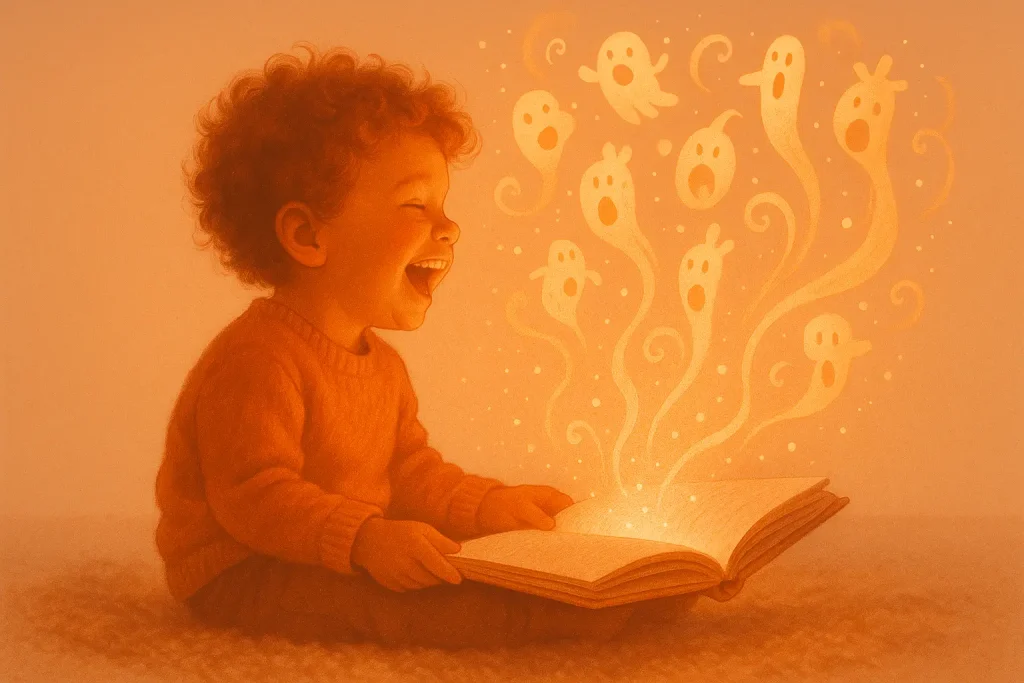
No time to read everything? Funny stories for kids aren’t just entertainment—they boost language skills, emotional intelligence, and parent-child bonding through humor. Humor engages children’s minds, making learning feel effortless while creating lasting joyful memories. A lemon joke: “Do lemons have paws? Nope—it’s a chick I just squashed!”
Ever noticed how kids zone out during the same old bedtime stories? 😅 It’s time to spice things up with funny stories for kids that blend giggles and growth! 🌟 This guide dives into hilarious tales that secretly boost language skills, emotional intelligence, and parent-child bonds. Picture storytime where every joke sparks curiosity, every punchline creates lasting memories, and every snort is a win. Imagine a confused lemon mixing up paws and chicks—teaching observation through giggles! 📚✨ You’ll discover how humor turns learning into an adventure, making tricky topics stick—no snores, just snorts! Ready to make reading roars of laughter? 💡
Why funny stories are more than just a good laugh
Hooking them with humor
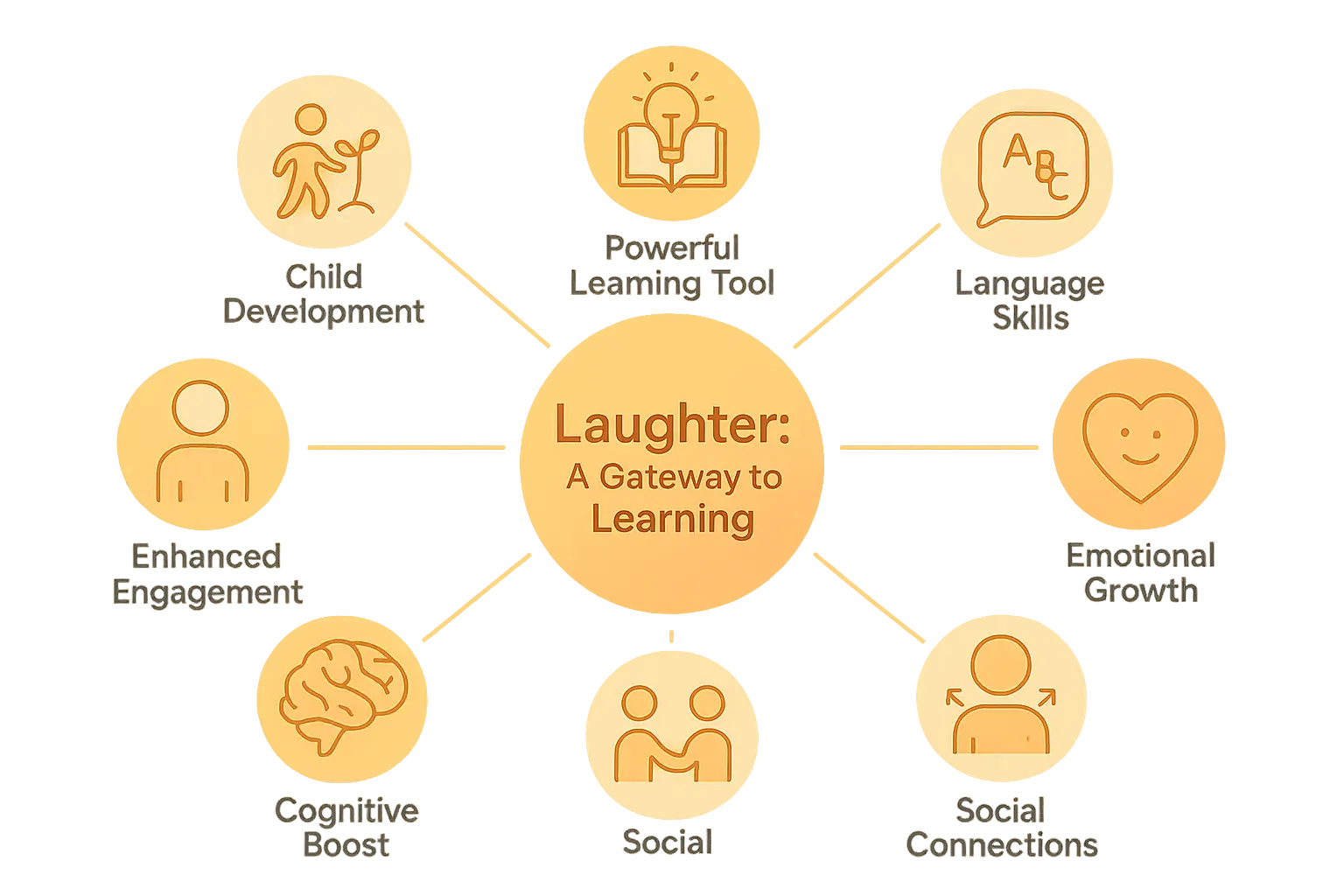
Imagine a child’s laughter echoing through a room. It’s not just joyful—it’s a superpower. Laughter activates their brain, reduces stress, and builds emotional bonds. Sharing funny stories teaches kids social skills and resilience while sparking joy.
Laughter is a fantastic gateway to learning. When children are laughing, they are more engaged, their minds are more open, and they absorb information without even realizing it.
Take the joke: “Why don’t cats like water? Because in water, minet râle!” (Translation: “Meow grumbles” → “minet râle”). This wordplay boosts language awareness, turning complex ideas into memorable moments.
More than just jokes
Funny stories are secret teachers. Behind every punchline lies a lesson in empathy or critical thinking. A joke about an amnesiac (“Toto, do you know the amnesiac’s joke?” “Oops, I forgot…”) subtly teaches perspective-taking—a key social skill.
Laughter releases endorphins, improving mood and memory. When kids giggle at a story where a character squishes a lemon thinking it’s a chick, they learn about consequences and problem-solving. Even fake laughter boosts serotonin, sharpening focus.
Humor must be age-appropriate. A 3-year-old laughs at spilled milk; a 6-year-old deciphers wordplay. Tailoring tales to their stage ensures they grasp the joke and the lesson—like understanding sharing’s value through sibling rivalry stories.
Next time you share a silly tale, remember: you’re building resilience, language, and emotional intelligence—all through laughter’s magic.
The hidden benefits of a giggle: what kids learn from humor
Boosting language and vocabulary
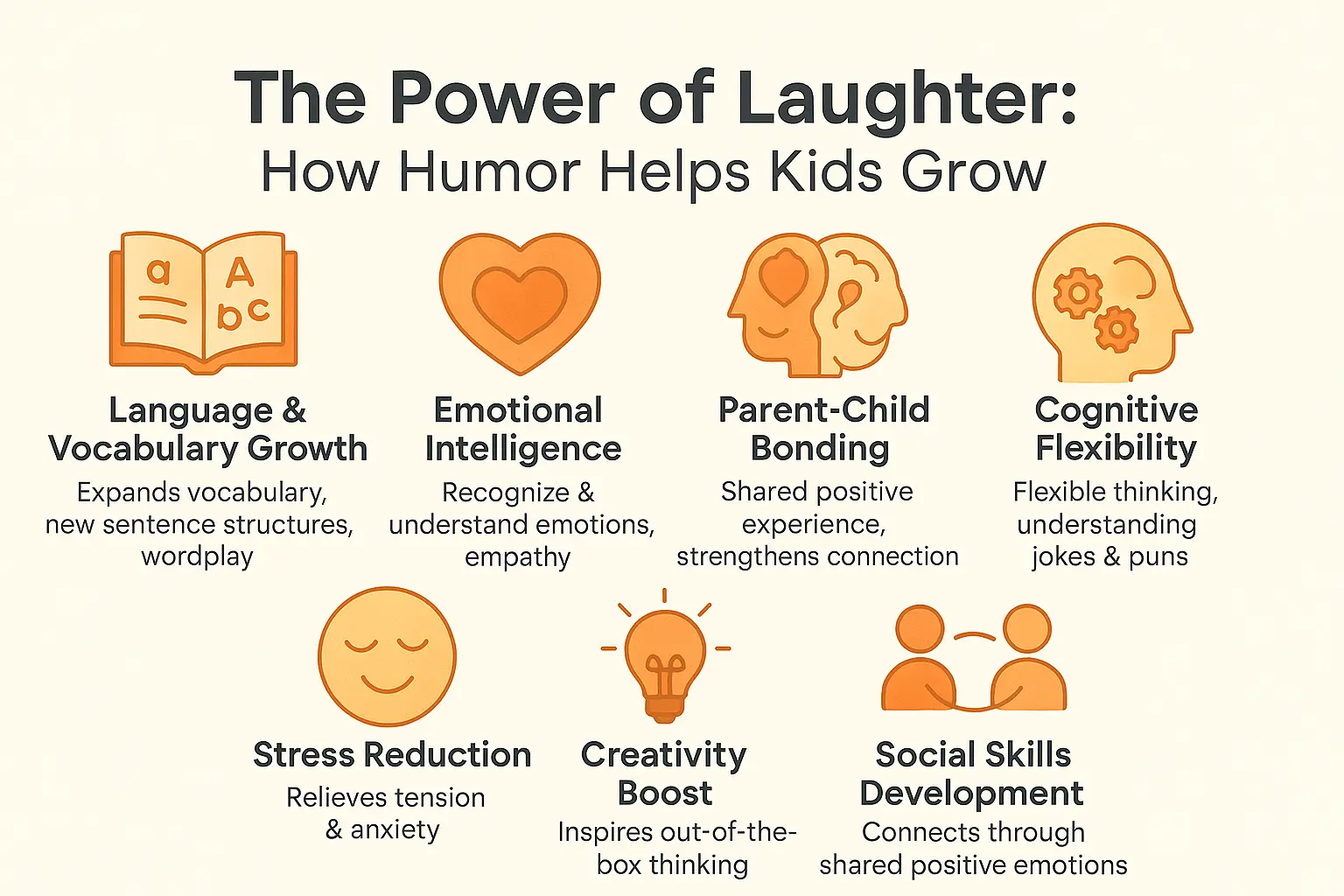
Ever wondered why kids laugh at silly wordplay? Funny stories expose children to new vocabulary and sentence structures. Take this joke from Milan Jeunesse: “Why don’t cats like water? Because in water, minet râle!” The play on words (minet/râle) teaches kids language can be playful. As they grasp these twists, they build vocabulary and understand multiple word meanings through laughter. For example, hearing “the dentist becomes dinner” makes them analyze word context, strengthening their ability to decode linguistic patterns while giggling.
Developing emotional intelligence
Understanding why something is funny requires perspective-taking. When a child laughs at Toto’s joke (“What do cannibals eat after a cavity? The dentist!”), they recognize unexpected connections. This builds emotional awareness—spotting surprise in characters, sharing joy, and developing empathy. Research shows early humor comprehension forms the foundation for recognizing complex emotions in social situations later. The “aha!” moment when realizing a punchline isn’t literal creates neural pathways for interpreting non-literal communication, like sarcasm or metaphors.
Strengthening the parent-child bond
Sharing laughs creates magic moments. Whether reading about lemons with legs or creating tales on WhatsApp, these interactions build trust. Tellmestories’ voice-to-story feature turns bedtime into collaborative adventures where parents and kids co-create goofy scenarios. This shared experience isn’t just fun—it’s bonding. For busy parents, personalized storytelling becomes effortless while nurturing connection. Sending a voice note saying “Tell me a story about a dancing banana” instantly generates a narrative adapted to the child’s age and interests, blending learning with lighthearted traditions.
- Cognitive Flexibility: Jokes and puns train flexible thinking
- Stress Reduction: Laughter naturally relieves tension
- Creativity Boost: Humorous situations inspire out-of-the-box ideas
- Social Skills: Shared laughter teaches connection through joy
Studies in creative storytelling show these moments become lifelong communication building blocks. When parents use interactive tools like WhatsApp-based tales, they blend learning with laughter, teaching kids that language, emotions, and relationships grow together through shared giggles. These stories don’t just entertain—they quietly shape how children navigate the world, one punchline at a time.