Not enough time to read the whole article? Animal stories boost empathy, teach moral lessons, and connect kids to nature through relatable characters. They help children navigate complex emotions while sparking curiosity about wildlife and values like kindness. Over 90% of kids crave a pet—proof of their innate bond with animals. Dive into tales where lions teach courage and squirrels inspire curiosity. 🐾
Tired of the nightly bedtime battle? 🐾 Animal stories for kids are more than just tales—they’re magical tools to ignite creativity, weave in values, and transform chaos into cozy connection. 🦁 Whether it’s a brave squirrel’s quest or a timid turtle finding courage, these stories hook little minds while subtly teaching moral lessons like kindness or resilience. Did you know they also sneak in science? Kids learn about habitats, ecosystems, and even animal behaviors without realizing it! 🌱 From emotional intelligence to curiosity about nature, we’ll dive into how these tales shape young hearts and minds. Let’s turn storytime into a supercharged moment of growth! 🌟
Why Do Kids Love Animal Stories So Much? 🐾
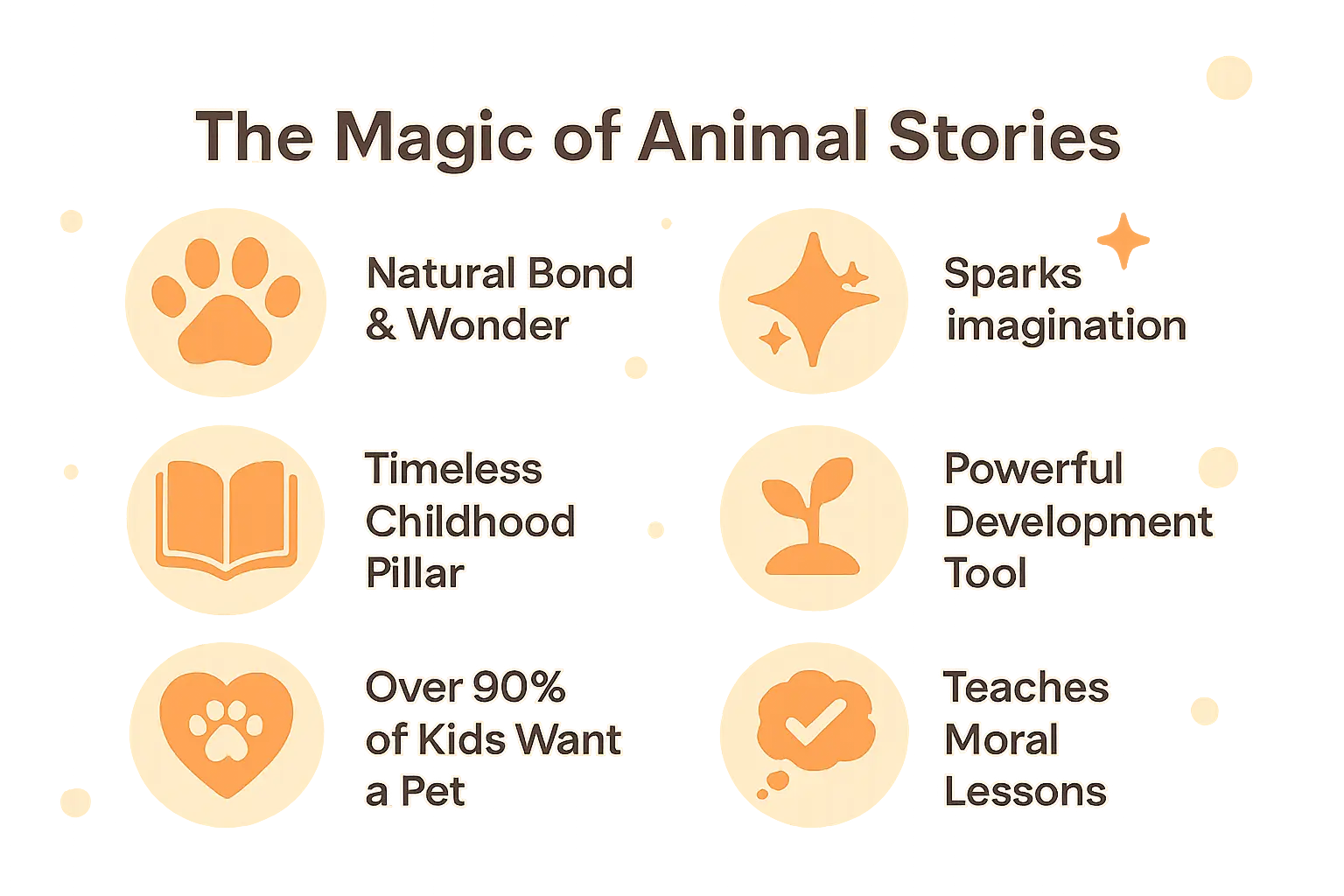
What makes a talking squirrel or a brave lion so captivating for kids? 🤔 Animal stories for kids have been a childhood staple for generations, from Aesop’s fables to Peter Rabbit. Over 90% of children dream of having a pet, and these tales tap into that universal connection. Whether it’s jungle creatures, farm friends, or cuddly companions, animals spark a child’s imagination like nothing else. They blend reality and fantasy, letting kids explore worlds where a mouse can be a hero.
But here’s the kicker: these stories aren’t just fun. They’re powerful tools for learning moral lessons and social skills. Research shows kids exposed to animal tales develop empathy and critical thinking, even grasping complex emotions through furry heroes. 🌟 For example, The Lion and the Mouse teaches teamwork, while Peter Rabbit highlights consequences of curiosity. Though human characters may boost pro-social behavior more, animal stories let young minds explore values without feeling lectured. They’re a safe space to discuss fears or responsibility—like how a timid turtle learns courage.
Think about it: animals in stories can be mischievous, brave, or kind—traits kids recognize and relate to. This blend of magic and life lessons explains why these tales endure. Ready to dive deeper into how stories shape young hearts and minds? Let’s unpack the science and soul behind the pages. 📚✨
The incredible benefits of animal stories for child development
Animal stories have been a cornerstone of children’s literature for centuries. Beyond entertainment, these tales shape young minds by blending anthropomorphism with educational value. Let’s explore how these stories uniquely impact development while respecting research on human characters’ social influence.
Fostering empathy and emotional intelligence
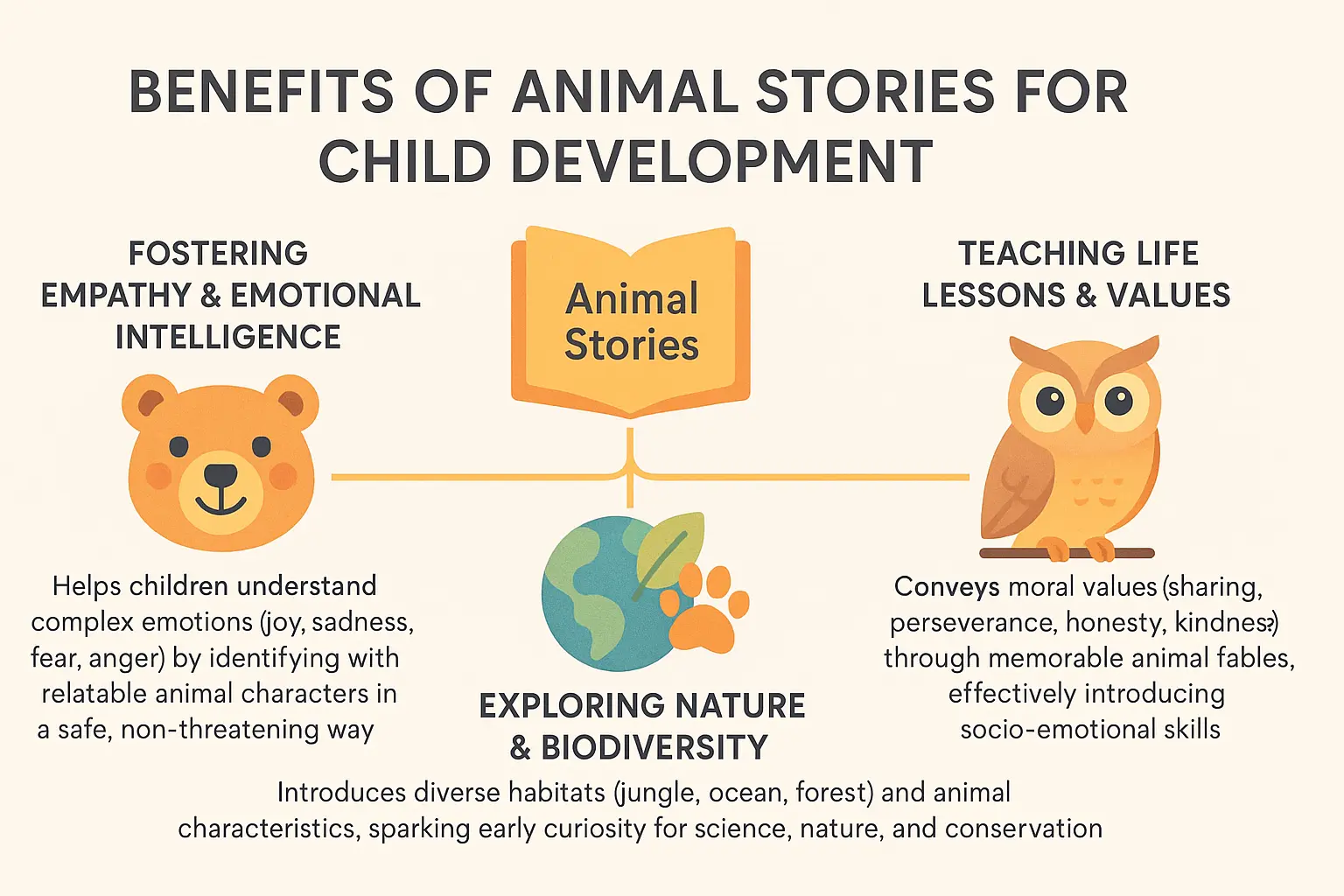
Why do children connect so deeply with a timid rabbit or a brave squirrel? 🐰 By projecting emotions onto animal characters, kids safely explore complex feelings like fear or joy. A timid rabbit’s journey helps them grasp shyness without personal fear. This empathy bridges their world with fictional struggles, building emotional intelligence.
When children see a fox overcoming loneliness, they learn understanding emotions isn’t limited to humans. This safe distance makes abstract feelings relatable, turning stories into emotional playgrounds. Studies show this method reduces anxiety while nurturing kindness.
Discovering the natural world and its creatures
Animal stories create a safe space for children to explore complex emotions. By relating to a furry friend’s challenges, they learn about kindness, courage, and understanding in a gentle, accessible way.
Animal tales act as gateways to biodiversity. A jungle adventure introduces monkeys and tigers, while ocean stories reveal dolphins and coral reefs. This sparks curiosity about ecosystems, subtly highlighting conservation needs. Children start asking: “What happens to the penguins if ice melts?”
These narratives also normalize ecological balance. A lion’s role in the savanna or a bee’s pollination mission becomes a lesson in interdependence. Early exposure to such concepts lays the groundwork for future science interest and environmental stewardship.
Learning timeless life lessons and values
Anthropomorphism isn’t just fun – it’s educational. Fables like The Tortoise and the Hare teach perseverance through a race. When a fox shares food, values like generosity become memorable. These stories simplify complex morals, making them stick.
Research from The Animal Tales Collection shows animal narratives effectively introduce socio-emotional skills. While human characters may directly model behavior, animal protagonists make abstract concepts like fairness or courage feel less intimidating. A wolf’s betrayal feels like a game, but the lesson about trust lasts.
These stories also balance anthropomorphism with reality. A talking bear teaching sharing stays grounded in recognizable traits, letting kids transfer lessons to human interactions. This dual perspective strengthens their ability to apply kindness universally – a skill backed by child development experts.
The Magic Of Talking Animals: A Closer Look At Anthropomorphism
What Is Anthropomorphism And Why Does It Work?
Ever wondered why a talking fox or a dancing bear feels so relatable in kids’ stories? 🐾
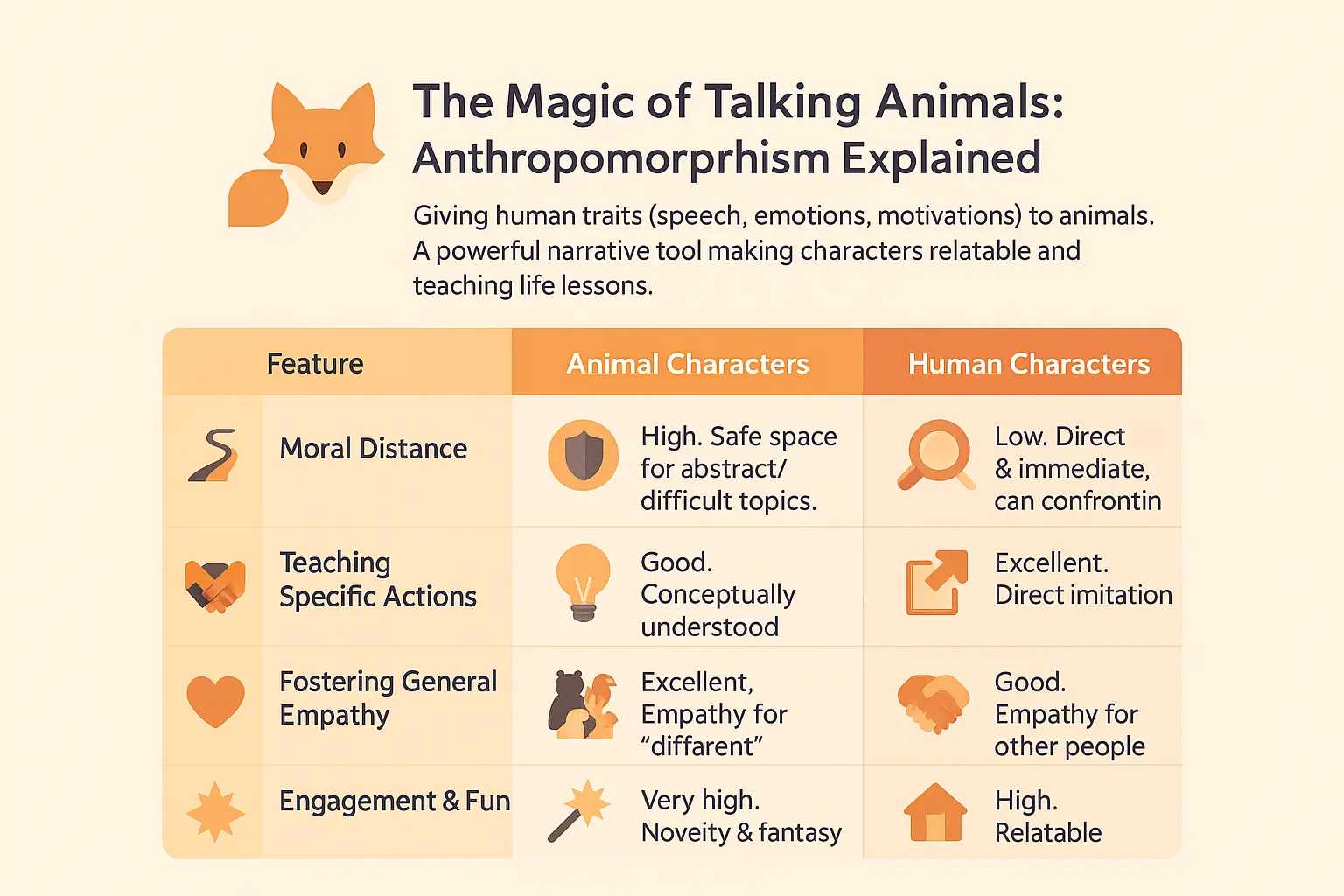
Anthropomorphism gives human traits—like speech or emotions—to animals or objects. It makes stories feel magical yet familiar. Think of it as a bridge: kids connect with characters who “feel” like them, even if they have fur or feathers.
Research links this to a “cultural conflation between childhood and animality.” Kids naturally bond with animals, making these characters perfect for teaching life lessons without feeling preachy.
Take Winnie the Pooh or The Tale of Peter Rabbit. Their adventures feel real, yet safe. This distance helps kids process tough topics like fear or sharing—without the pressure of direct instruction.
The Debate: Animal Vs. Human Characters For Teaching Values
Here’s the twist: studies suggest human characters might be better at teaching specific actions, like sharing a toy. Why? Kids can mimic human behavior more directly.
But animal characters shine for abstract lessons. A rabbit learning patience in Charlotte’s Web isn’t just a story—it’s a mirror for emotions kids might struggle to name. This psychological distance makes heavy topics digestible.
| Feature | Animal Characters | Human Characters |
|---|---|---|
| Moral Distance | High. Creates a safe space for abstract or difficult topics. | Low. More direct and immediate, can be confronting. |
| Teaching Specific Actions (e.g., sharing a toy) | Good. The lesson is understood conceptually. | Excellent. Children can directly imitate the behavior. |
| Fostering General Empathy | Excellent. Encourages empathy for those who are ‘different’. | Good. Fosters empathy for other people. |
| Engagement & Fun | Very high. The novelty and fantasy are highly engaging. | High. Relatable situations from a child’s own life. |
So, which wins? Neither. 🤝 Animal characters spark imagination and tackle big ideas, while human characters model concrete actions. Together, they cover all bases—from teaching sharing to nurturing kindness.
Got it? Now imagine creating stories that blend both—like a brave human kid and their clever raccoon friend. Ready to craft tales that really stick? 📖✨
A whole world of animals to discover in stories
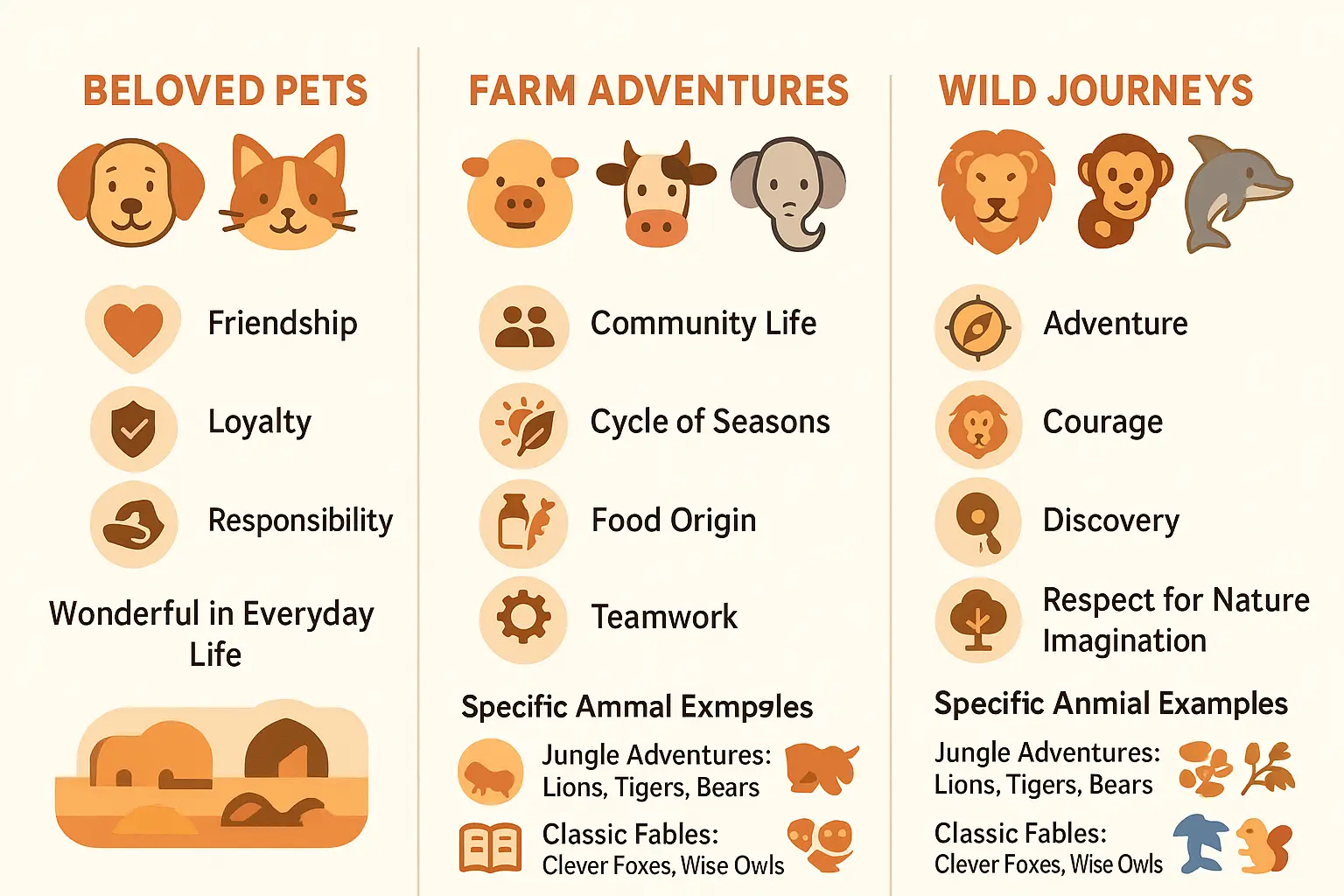
Heartwarming tales about beloved pets
Stories about dogs, cats, and other household companions teach kids friendship and responsibility. These narratives often show how pets offer comfort and unconditional love, helping children understand care routines. By following a puppy’s daily life or a cat’s playful mischief, young readers learn empathy through relatable challenges like feeding schedules or vet visits.
These stories anchor magic in everyday moments. For example, a tale about a kitten learning to use a litter box subtly introduces routines while highlighting loyalty. Explore more stories about pets to find tales that turn caretaking into playful learning adventures.
Charming adventures on the farm
Farm animals like cows, pigs, and chickens bring lessons about teamwork and natural cycles. Through a pig’s harvest time hustle or a hen’s egg-hunting quest, kids grasp how each creature contributes to the farm’s harmony. Seasonal changes become tangible when a lamb experiences its first snowfall or a rooster greets spring with a chorus.
These stories simplify complex ideas through routines. A cow explaining where milk comes from becomes a gateway to food origins. Discover tales from the farm that make cooperation and seasonal awareness feel like exciting discoveries rather than lectures.
Exciting journeys into the wild
Savanna lions and ocean dolphins transform into brave explorers in wild tales. A tiger cub’s first hunt becomes a lesson in courage, while a whale’s migration teaches resilience. These adventures spark curiosity about ecosystems while embedding values like environmental stewardship through characters protecting their habitats.
Each story makes nature feel accessible. A squirrel’s acorn stash teaches planning, and a dolphin’s underwater rescue highlights quick thinking. Dive into adventures with wildlife featuring:
- Lions, tigers, and bears for thrilling jungle adventures.
- Clever foxes and wise owls for classic fables full of wit.
- Friendly dolphins and giant whales to explore the mysteries of the ocean.
- Busy bees and curious squirrels to learn about the nature in our own backyards.
How to make the most of animal stories: a practical guide for parents 👨👩👧👦
Animal stories captivate children while teaching values through anthropomorphism. Let’s explore how to maximize their impact using research-backed strategies and modern tools like Tellmestories.
Choosing the right story for your child
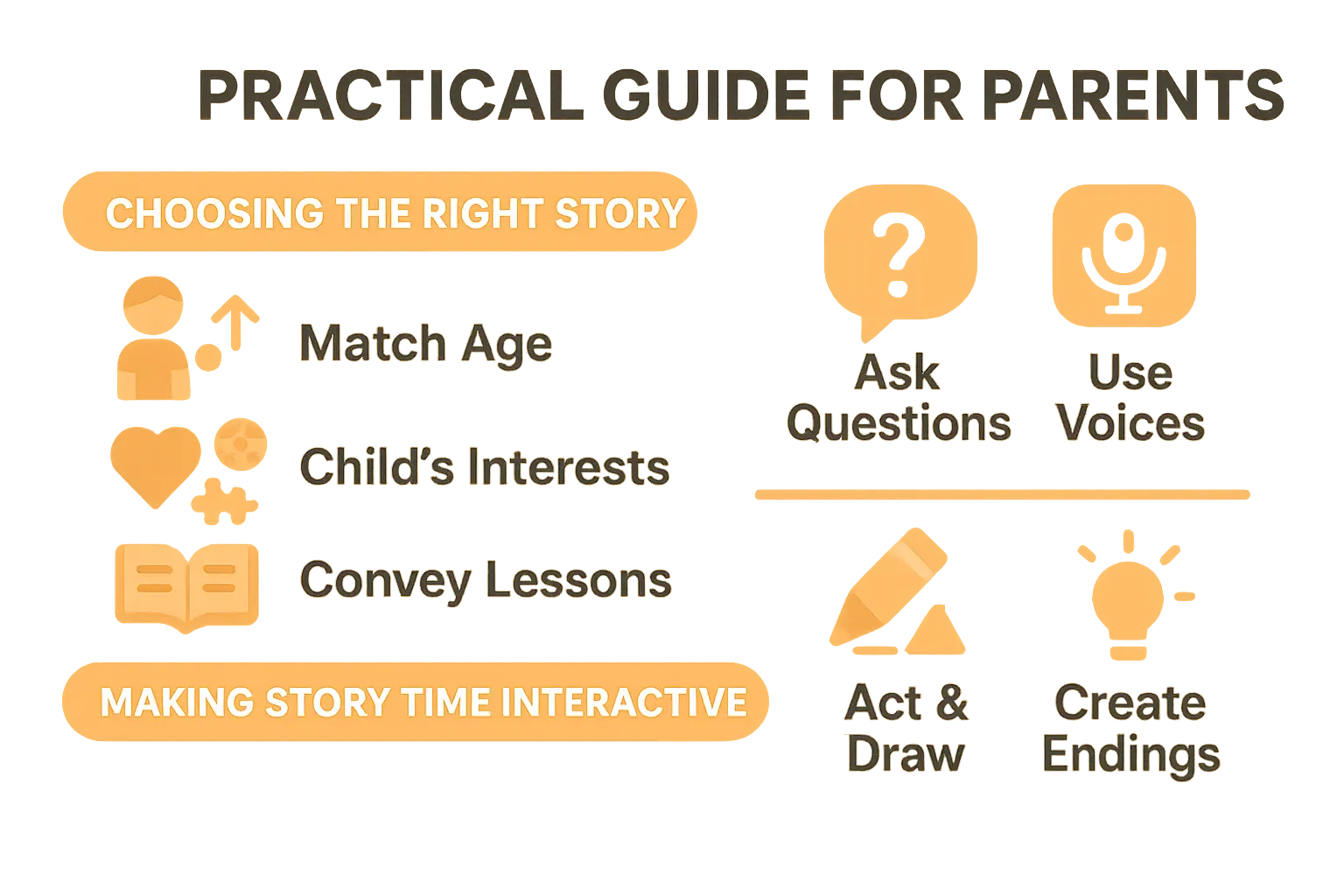
Match stories to your child’s age, interests, and developmental needs. For preschoolers (ages 2-4), opt for simple tales with vivid illustrations. Older kids (5-9) enjoy complex plots where animals face challenges. 🐻
Align stories with their passions—dinosaurs, forest creatures, or mythical beasts. This boosts engagement. For example, use The Lion and the Mouse to teach kindness or The Ugly Duckling to discuss self-acceptance. 🦆
Seek narratives that subtly embed lessons like courage or empathy. Tellmestories’ AI-powered platform personalizes stories via WhatsApp, letting you specify themes like “kindness” or “adventure” through voice notes. 📲
Making story time interactive and fun
Story time is more than just reading words on a page. It’s a moment of connection, a spark for imagination, and a powerful tool for teaching life’s most important lessons.
Transform passive listening into active learning with these strategies:
- Ask open-ended questions: “What do you think the little bear will do next?” or “How do you think the fox felt when he lost his friend?”
- Use different voices for each character to bring the story to life. It’s okay to be silly!
- Encourage your child to act out parts of the story or draw their favorite character afterward.
- Create your own ending together. What if the wolf decided to be friends with the pigs?
For extra engagement, use Tellmestories’ audio narration feature. Letting professionals narrate stories adds drama, while the “smart learning memory” ensures future tales reflect your child’s evolving preferences. 🎤
The future of storytelling is personal and instant
Once upon a time, bedtime stories were simple. Today, they’re magical journeys where your child becomes the hero. 🌟
Research shows stories with human characters can boost pro-social behavior in kids. But what if those characters were tailored to your little one’s name, age, and curiosity? That’s where Tellmestories shines. By blending personalized narratives with subtle moral lessons, it bridges tradition and innovation—proving that a child’s own world can be the most powerful teaching tool. 🧠
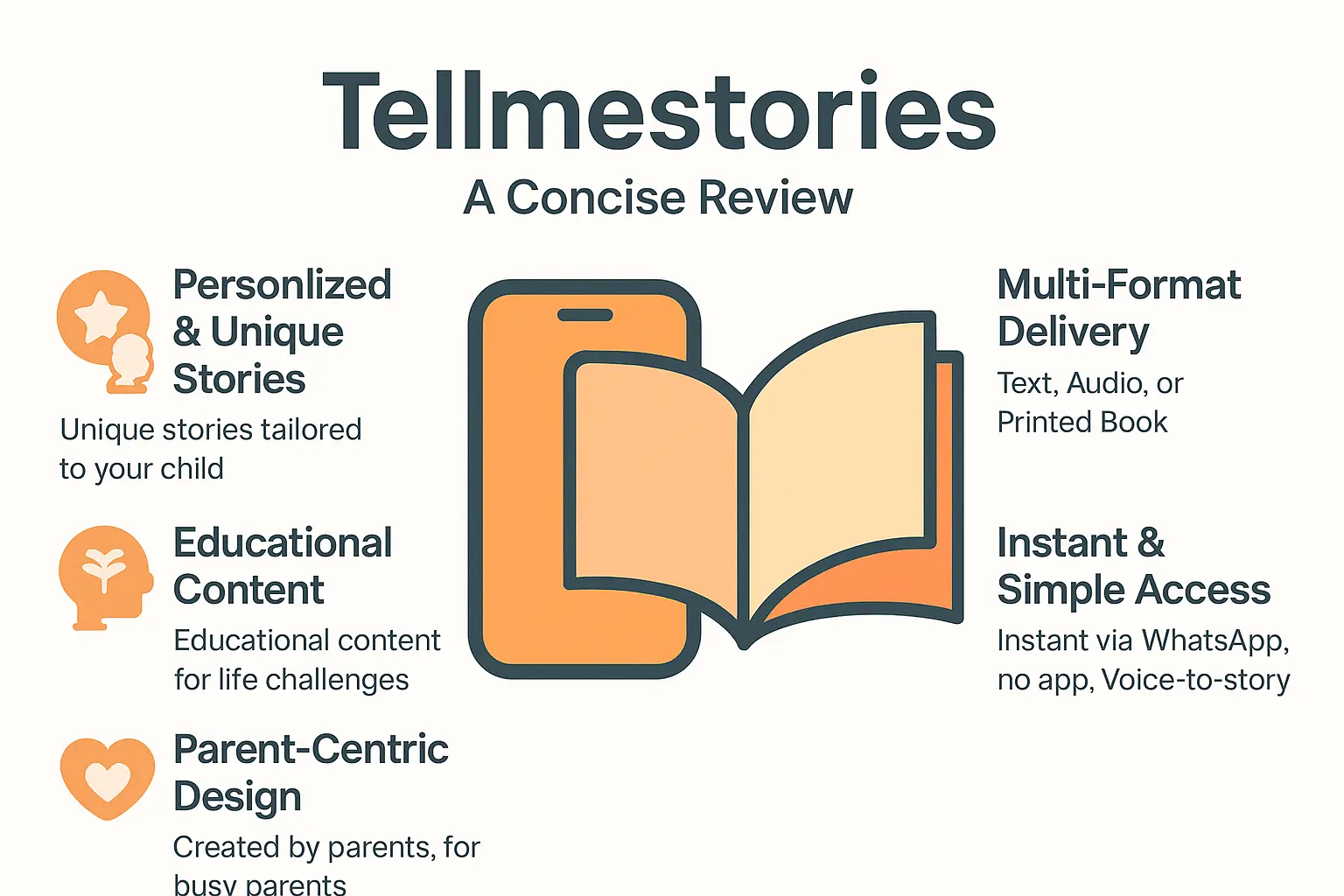
Born from a dad’s quest to help his daughter Anja sleep, this WhatsApp-based service crafts instant tales starring your child. No app downloads—just send a voice note, and AI whips up a story in minutes. 🎙️✨ Narrate a simple idea like “a space adventure where Luna saves the galaxy using kindness,” and get a fully illustrated story delivered to your phone before bedtime.
- Unique stories every time, tailored to your child’s name, age, and interests.
- Educational content tackling potty training, school prep, and lessons about friendship or resilience.
- Multi-format delivery: text, audio (great for car rides), or printed books for their shelf. 📚
- Simple to use via WhatsApp—no tech skills needed, just a voice memo and a spark of imagination.
Think of it as a digital campfire—where ancient storytelling meets cutting-edge tech. The AI remembers your child’s favorite details (yes, even their pet’s name!), and stories come packed with gentle lessons about kindness or courage. 🐾
Busy parents love the 2-minute setup. Grandparents cherish the printed editions. Kids? They just know magic happens when they hear their name in a tale. 📖
Ready to turn “Once upon a time” into “Once upon your time”? Tap WhatsApp. Whisper a wish. Let the adventure begin. 🚀
Animal stories for kids aren’t just whimsical tales—they’re powerful tools for empathy, curiosity, and moral growth. From pets to wild adventures, they spark imagination and shape values. Ready to transform bedtime? Discover personalized, instant stories tailored to your child at Tellmestories. 🌟 Start the magic—your child’s story is a message away!
FAQ
What’s a short story with a moral using animals? 🦊
These are called animal fables – think “The Tortoise and the Hare” or “The Boy Who Cried Wolf”! 🐢🐺 They’re packed with timeless lessons (like patience or honesty) delivered through relatable, talking critters. Perfect for sparking chats about values, right? 💬
What’s the shortest moral story ever? ✨
Ever heard of “For sale: baby shoes, never worn”? Yep, this 6-word classic sparks big feels! 💔 While not animal-themed, it proves powerful lessons can live in tiny tales. Want to adapt this? Try: “Lazy squirrel hoarded nuts, starved in snow.” Short, sweet, and full of life hacks! 🐿️❄️
What’s the most iconic story for kids? 🌟
“The Very Hungry Caterpillar” (a counting+life-cycle smash hit) and “Winnie the Pooh” (friendship goals!) top the charts! 🐝🐻 These classics stick around because they’re simple but deep – teaching basics while making you go “awww.”
What’s a 7-year-old’s dream story? 🎯
Kids this age love action + heart! Check out “Charlotte’s Web” (spider-saving drama!) or “The Gruffalo” (mouse genius vs. forest bullies). 🕷️🐭 Look for “giggle moments” and strong heroes – keeps them hooked while sneaking in courage lessons!
What’s an animal story that teaches life hacks? 📚
Fables are your BFF here! 🐾 Stories like “The Lion and the Mouse” (even tiny friends help!) or “The Crow and the Pitcher” (think outside the beak!) show moral lessons through animal drama. 🐦🧠 Pro tip: Ask “What would YOU do?” to make it interactive!
What’s an animal fable, exactly? 📖
It’s a story where animals = humans with fur! 🐺👗 They walk, talk, and mess up just like us, but their mistakes teach clear consequences. Ever heard “Monkey see, monkey do” from “The Three Monkeys”? That’s fable logic – fun + focus! 🐒
What makes a short story for kids pop? 🎨
Look for snappy plots, repeating phrases, and bold pics! Think “Don’t Let the Pigeon Drive the Bus” – silly but smart. 🚍✨ Bonus: Stories that let kids shout/sound effects = instant engagement! 🗣️
What’s Lazy John’s story about? 🧍
Lazy John = modern fable warning about procrastination! 🐌 Imagine: John skips chores, misses harvest, nearly starves. Sound familiar? 🌾😱 It’s like “The Ant and the Grasshopper” – moral = work today, eat tomorrow. Pair it with real-life rewards (e.g., “Clean room = park time!”) for extra oomph.
What’s the 6-word story legend? 📝
“For sale: baby shoes, never worn” is the OG! 👶👞 But here’s a kid-friendly twist: “Wolf lied, lost friends. Learned honesty.” 💬 Keep it snappy, use emojis, and BAM – you’ve got miniature storytelling magic! 🌟