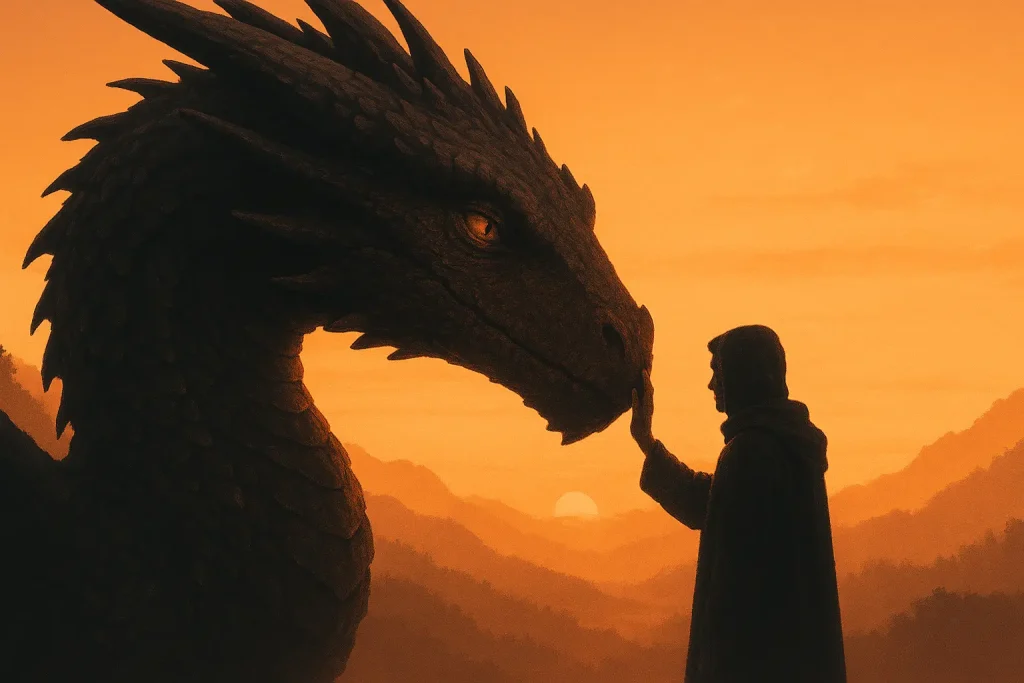
The key takeaway: Modern dragon stories have evolved from ancient villains to complex beings, bridging fantasy and real-world themes like empathy and unity. This shift isn’t just about epic battles—it’s about forging emotional bonds, challenging prejudices, and celebrating imagination. Dragons now symbolize not just power, but the magic of connection, making them timeless icons for both thrilling adventures and profound life lessons.
Ever wondered why dragon stories still ignite our imaginations centuries after their myths first took flight? 🐉 From the treasure-hoarding beasts of The Hobbit to the wise, serpentine guardians of Chinese lore, dragons straddle the line between terror and wonder, chaos and wisdom. These tales aren’t just about scales and fire—they mirror humanity’s fascination with power, transformation, and the unknown. Dive into how these legends shifted from medieval nightmares to modern companions (think Toothless or Saphira), blending ancient symbolism with fresh, heart-pounding twists. Spoiler: You’ll discover why dragons remain the ultimate canvas for stories about friendship, heroism, and magic that transcends worlds. Ready to unleash your inner storyteller? 🌟
Why Are We So Obsessed With Dragon Stories? 🐉
What is it about dragons that still captures our imagination, centuries after their legends were born? These creatures appear in myths worldwide — from Chinese water-controlling long to Europe’s fire-breathing beasts.
“From ancient myths to modern blockbusters, dragons are the ultimate symbol of fantasy, power, and the magic that lies just beyond our world.”
Today’s dragon stories go beyond hoarding gold or terrorizing villages. They explore emotional depth, unexpected friendships, and heroism. 🌟
Take Toothless from How to Train Your Dragon or Game of Thrones’ dragons — their survival hinges on alliances, not brute force. These tales emphasize complexity: dragons as protectors, philosophers, or outcasts.
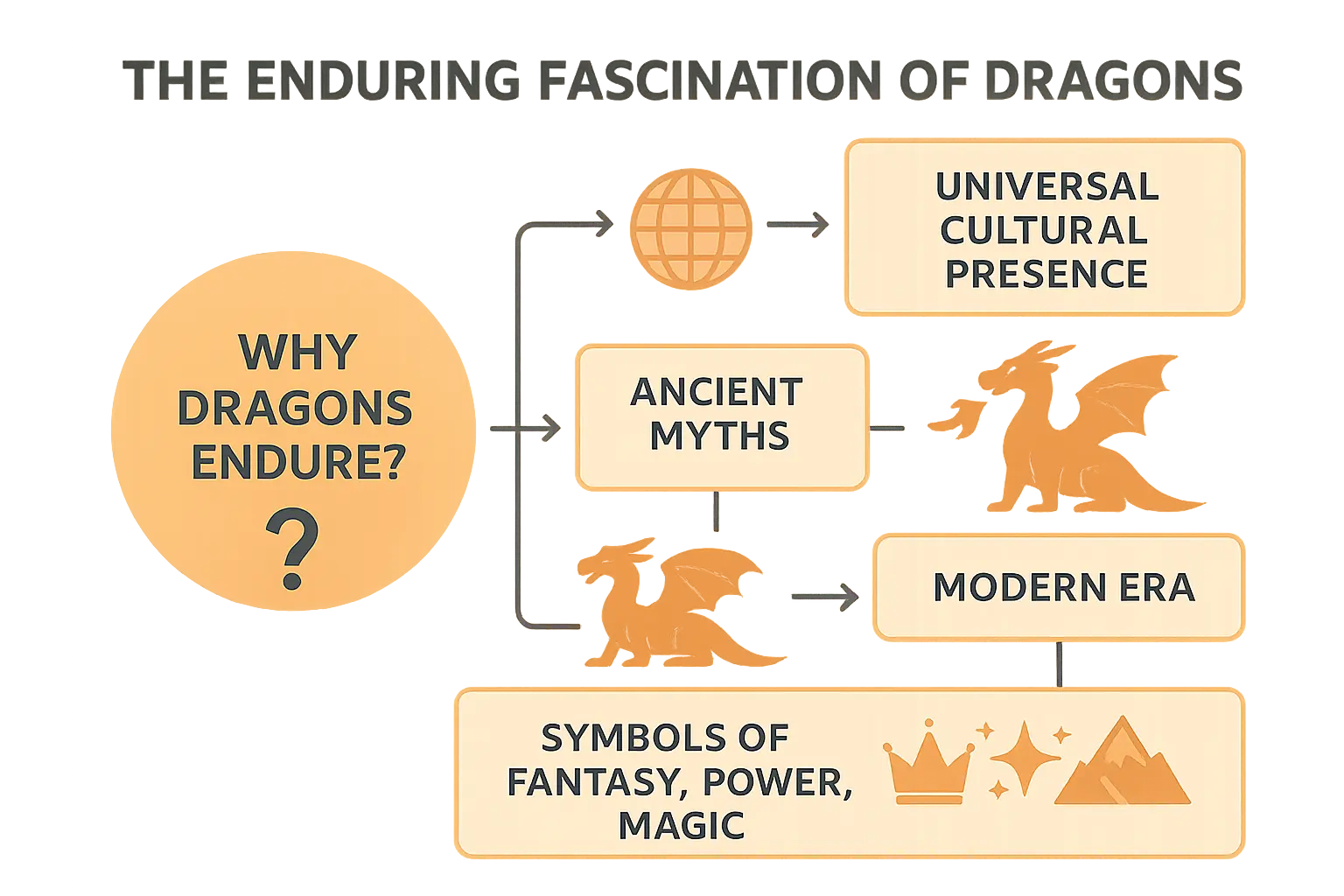
Ready to explore how these ancient symbols became relatable allies? Let’s dive into their journey from villains to multidimensional characters. 🔥
From fearsome foes to cultural icons: the two faces of the dragon
The classic western dragon: a beast of fire and fury
Western dragons? Think wings, four legs, and fire-breathing chaos. 🐉 These beasts guard treasure, challenge heroes like Smaug (The Hobbit), and embody greed. Their six-limbed design (four legs + wings) shaped myths from medieval tales to Dungeons & Dragons. Smaug’s gold obsession isn’t random—these dragons mirror humanity’s fear of unchecked power. In Game of Thrones, dragons like Drogon blur the villain role, showing loyalty and emotional bonds with Daenerys. Their design even influenced dinosaur reconstructions, blending myth with paleontology.
- A monstrous, reptilian appearance with vast wings
- The ability to breathe fire, smoke, or poison
- A lair filled with gold and stolen artifacts
- An antagonistic role, representing chaos and greed
Why care? They’re the starting point for modern dragons evolving into complex characters. Ready for the East-West contrast?
The eastern dragon: a symbol of power and good fortune
| Feature | Western Dragon | Eastern Dragon |
|---|---|---|
| Appearance | Thick, scaly, winged reptile | Long, serpentine, wingless creature |
| Element | Fire | Water & Air |
| Symbolism | Greed, destruction, chaos | Power, luck, prosperity |
| Role in Stories | Antagonist to be slain | Wise protector or deity |
Eastern dragons? 🌊✨ No wings, all wisdom. They control rain, symbolize emperors, and hide in rivers. No villainy here—they’re mentors. In Chinese lore, they inspire art and celestial symbolism, like the Azure Dragon guarding the East. The Nine Sons of the Dragon appear in architecture, from temple rooftops to bell engravings. Modern stories like Raya and the Last Dragon blend East-West traits, creating guardians with emotional depth.
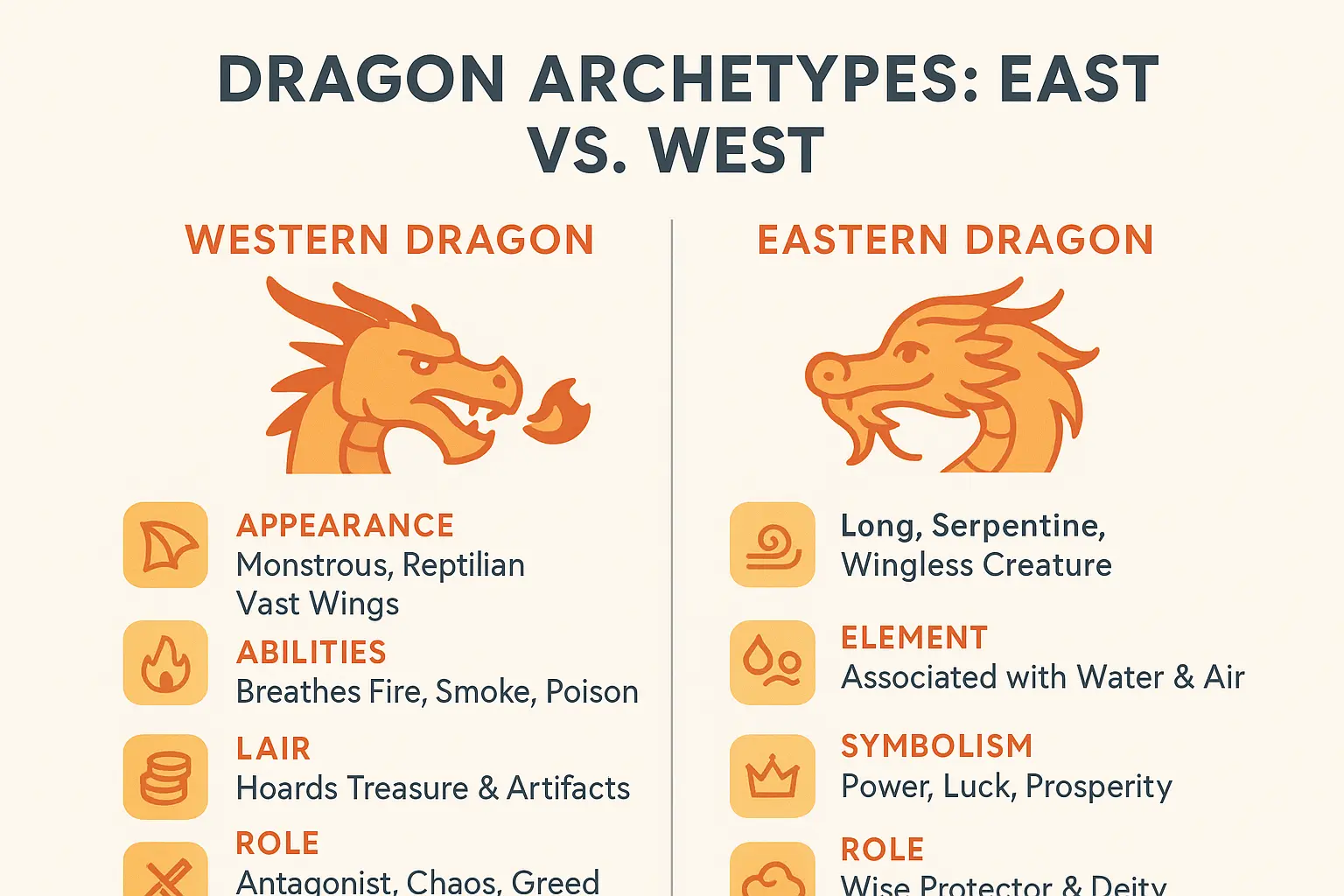
Western dragons hoard gold; Eastern dragons hoard meaning. Both reveal how stories evolve—from villains to icons, blending chaos and complexity. Whether flying or swimming, dragons now bridge cultures, teaching lessons about power, identity, and connection.
The modern dragon: more than just a monster
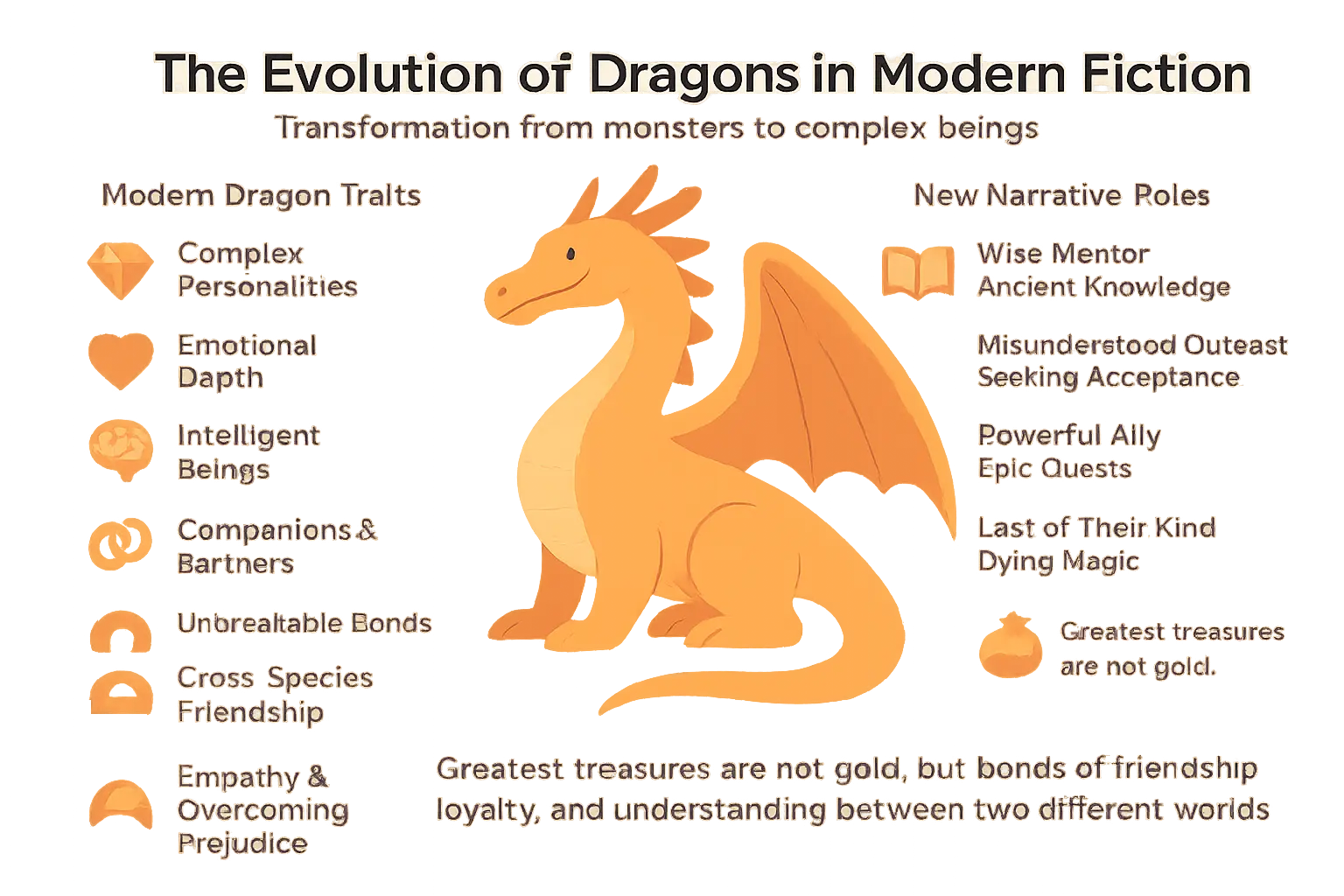
Dragons in today’s stories aren’t just fire-breathing beasts anymore. They’ve evolved into complex personalities with emotional depth, mirroring human struggles. This shift explains the resurgence of dragon tales in modern fantasy, where they’re no longer villains but relatable characters. Their new roles challenge old myths, turning them into symbols of connection, not chaos. From misunderstood outsiders to loyal companions, dragons now reflect our own fears, hopes, and need for belonging. Even in children’s stories, they teach empathy—like Harold learning to embrace differences in How to Train Your Dragon.
“Modern dragon stories have taught us that the greatest treasures are not hoards of gold, but the bonds of friendship, loyalty, and understanding between two different worlds.”
Dragons as companions and partners
Take Hiccup and Toothless from How to Train Your Dragon. Their unbreakable bond redefines dragons as partners, not pets. Harold teaches Krokmou, and Krokmou teaches Harold—proving cross-species friendship breaks ancient prejudices. Their mutual growth, like Krokmou’s sacrifice to save Harold, shows loyalty beyond species. These stories resonate because they mirror real-life bonds between humans and animals, making dragons feel almost… human.
Eragon and Saphira’s relationship in Eragon blends mentorship and teamwork. Saphira’s wisdom guides Eragon, while Smaug in The Hobbit uses verbal manipulation to outwit Bilbo. Even Falkor in The NeverEnding Story—with his playful spirit—helps Atreyu rediscover hope. These examples prove dragons are no longer one-dimensional threats. They’re allies, mentors, and reflections of our struggles, pushing heroes to grow.
New narratives for a new kind of dragon
Modern tales reshape dragons into roles that push fantasy and adventure genres forward:
- The wise mentor—like Saphira, guiding heroes through moral dilemmas with ancient wisdom. These dragons often serve as living libraries, passing down knowledge to shape the next generation.
- The misunderstood outcast—like Krokmou in Dragons, seeking acceptance to turn enemies into family. This role taps into universal themes of belonging, showing how empathy can bridge divides.
- The powerful ally—like Smaug in adventure epics, where their strength shapes personal and world-altering stakes. Even in traditional fights, dragons often have emotional investments, making their involvement deeply personal.
- The last of their kind—symbolizing dying magic, as seen in Time of Dragons, where rarity adds urgency to their stories. This role turns them into living symbols of lost worlds, urging us to protect what’s fading.
These roles make dragons mentors, rebels, and bridges between worlds. They challenge us to rethink “monstrous” versus “human.” In The Reluctant Dragon, a poetry-loving dragon avoids battle entirely, defying the “strength equals violence” trope. Even in Game of Thrones, Daenerys’ dragons mirror her duality—beauty and destruction coexisting. By evolving beyond villains, dragons now carry themes of identity, acceptance, and blurred lines between friend and foe.
Dragons In Myth And Religion: A Surprising History
Think dragons only exist in fantasy novels? 🐉 Surprise! They’ve slithered through religious texts too. Let’s explore these ancient stories.
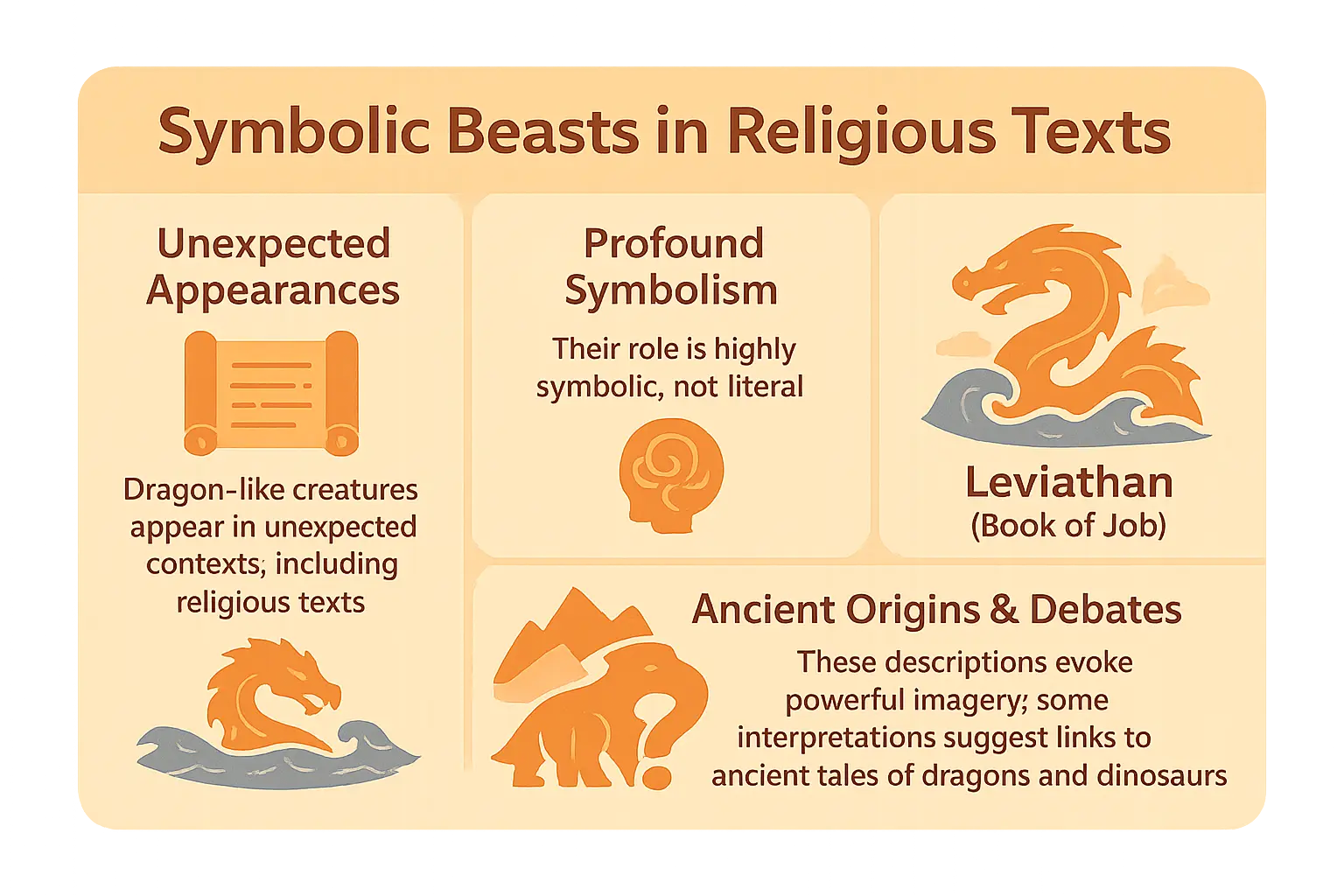
The Leviathan and Behemoth from the Book of Job aren’t your usual fire-breathing dragons. Instead, they’re symbolic beasts highlighting divine power. Job 40-41 describes them as creatures humans can’t control – only God can.
The Behemoth, with a tail “like a cedar” (Job 40:17), might remind you of a hippo… or even a sauropod dinosaur! 🦕 Some interpretations suggest it symbolizes untamable natural forces. Think of it as God’s way of saying, “Check this out – even this giant can’t escape my control.”
Then there’s the Leviathan, a sea monster with fire-breathing flair (Job 41:18-21). While some link it to crocodiles, others argue it’s pure symbolism. This beast embodies chaos – the kind only divine power can tame. This has led some to question the origins of these myths, exploring potential links between ancient tales of dragons and dinosaurs.
Here’s the twist: these aren’t literal dragons. They’re metaphors. In Job, they represent forces beyond human mastery – a reminder that even “dragons” of suffering or chaos bow to higher powers. This symbolic meaning resonates across cultures. From Job’s theological lessons to mythical guardians of wisdom, dragons evolve from monsters to complex symbols.
 Symbolic beasts in religious texts” />
Why does this matter? Because it shows how stories adapt. Ancient texts used dragon-like creatures to explain the inexplicable – just like modern tales use them to explore emotional depth and cross-species bonds. Old myths? New narratives? Both prove dragons never stop evolving. 🌍✨
Create your own dragon story today!
Feeling inspired? It’s time to create your own dragon story! With modern storytelling tools, your child becomes the hero of their unique adventure. Craft a dragon with a personality they’ll adore – maybe a shy sky guardian with glowing scales or a mischievous treasure hunter who loves puzzles. The best part? You can seamlessly weave in life lessons about friendship or courage while creating a tale they’ll request nightly.
Imagine bedtime stories where your little one chooses the dragon’s quirks, picks the quest’s direction, and discovers magical twists. Whether they want a dragon sidekick for their first day at school or a sky-high journey to protect enchanted crystals, the possibilities are endless. These personalized tales become cherished keepsakes – The Dragon Whisperer shows how powerful these narratives can be when tailored to your child’s personality and growth.
The secret ingredients for a perfect dragon tale
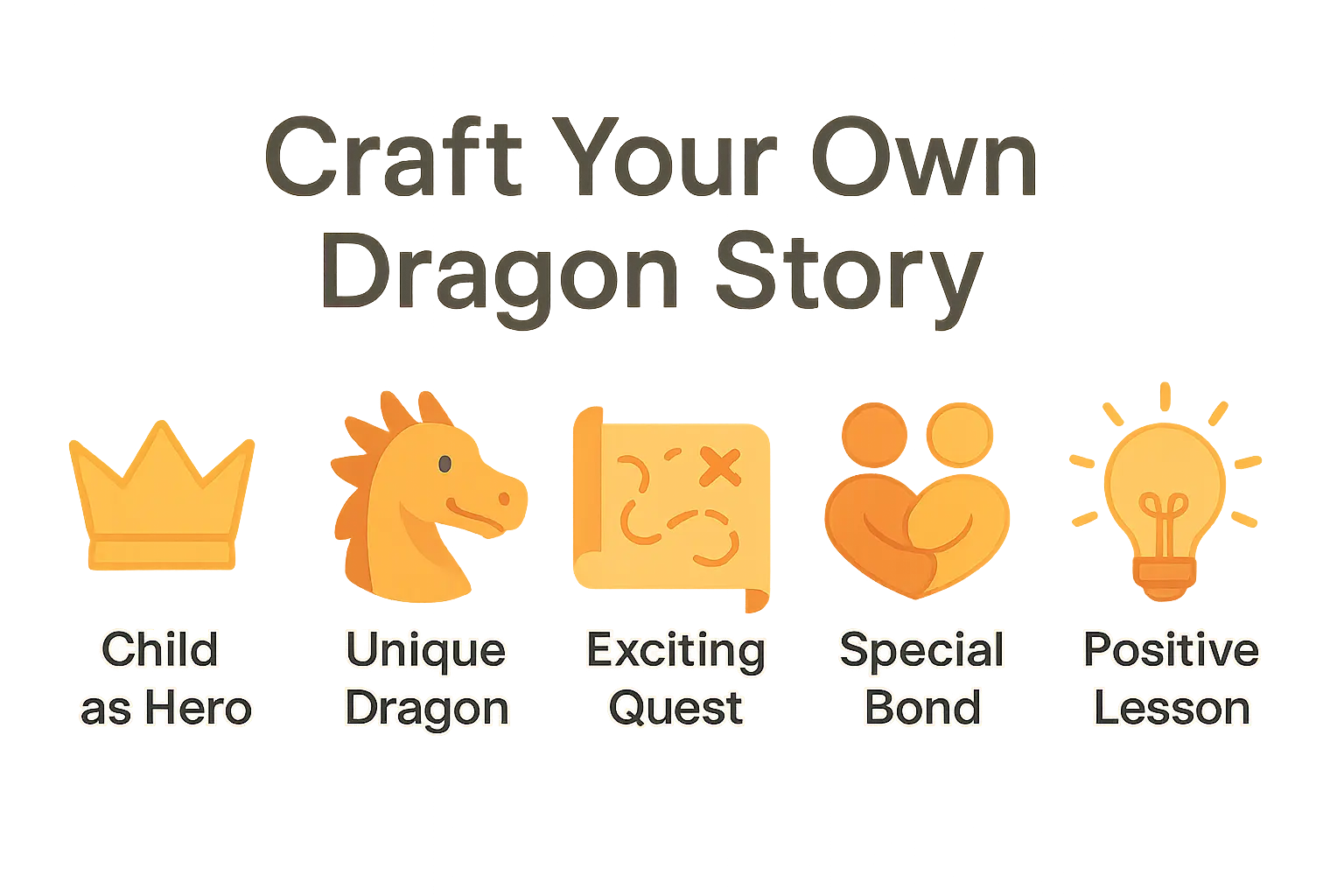
Ready to craft a story that’ll make their eyes sparkle? Try these simple ingredients:
- A unique dragon character: Is it friendly, shy, or brave? Imagine a dragon with rainbow wings or one who collects lost dreams
- An exciting quest or a problem to solve together: Will you rescue a magical creature or recover stolen starlight?
- A special bond between your child and their dragon: Maybe their dragon remembers their favorite colors or helps them overcome bedtime fears
- A positive message or a fun lesson learned at the end: Show how kindness helps make friends or how bravery can grow through small steps
Whether you create a grand adventure through enchanted forests, a classic fantasy tale, or a story filled with magic, the only limit is your imagination. You can even find inspiration in modern interactive stories like The Dragon Whisperer to see how a personal dragon story comes to life.
 Craft Your Own Dragon Story” />
Your next chapter in the world of dragons
Once symbols of terror, dragons now soar as partners in quests and loyal friends. 🐉✨ From Smaug’s greed to Toothless’s camaraderie in How to Train Your Dragon, these creatures have shed their villainous past.
Modern tales weave dragons into complex roles: mentors, secret-keepers, or allies challenging prejudices. Temeraire’s diplomacy shows their depth—dragons now reflect human nuance. 🌍
What’s next? Will your child’s story paint a dragon as a guardian or trickster? With personalized tales, imagination takes flight. So, what will your dragon story be? 📖✨
From ancient terrors guarding treasure hoards to loyal allies in modern tales, dragons symbolize magic and connection. Their evolution from monstrous adversaries to complex beings mirrors humanity’s journey from fear to fascination. Whether sharing wisdom or battling heroes, these majestic creatures spark imaginations across generations. Ready to craft your own dragon legend? ✨🐉
FAQ
What are some famous dragon stories that shaped our imagination?
From ancient myths to modern blockbusters, dragons have always fascinated us! 🐉 Think of Smaug from The Hobbit, the fire-breathing menace in Saint George’s legend, or Toothless from How to Train Your Dragon. These tales show dragons as both villains and loyal friends. Ancient myths like the Chinese tales of celestial water dragons or the fiery Leviathan in biblical stories also add depth. Each culture brings its own flavor—making dragons a universal symbol of power and mystery!
What does the Bible say about dragons and their symbolism?
While the Bible doesn’t mention “dragons” as we imagine them today, it does reference creatures like Leviathan and Behemoth, which some interpret as dragon-like. Leviathan (Job 41) is a sea monster symbolizing chaos, while Behemoth (Job 40) embodies divine power. 🌊 Some Christian traditions link these beings to Satan, but others see them as metaphors for nature’s untamable force. In Revelation, a “great red dragon” represents evil—but in Eastern traditions, dragons often symbolize protection and wisdom. Context matters!
Where did dragon myths originate?
Dragon myths date back thousands of years! 🦕 Some believe ancient humans found dinosaur bones and imagined giant serpents—Adrienne Mayor’s theory on fossil hunters. Others, like David E. Jones, suggest our primal fear of snakes and predators shaped the myth. The earliest known dragon-like creature? The Mušḫuššu from Mesopotamia (2100 BCE), a lion-eagle-serpent hybrid. From there, dragons spread globally—Tiamat in Babylon, Apep in Egypt, and the serpentine dragons of China. They’re **everywhere… because they’re timeless**.
What’s the oldest dragon legend?
Head to Mesopotamia! 🏺 The Mušḫuššu, a lion-pawed, eagle-clawed serpent from 2100 BCE, might be the first “dragon” in recorded history. It guarded the god Marduk and symbolized protection. Meanwhile, the Leviathan in the Book of Job (500–600 BCE) describes a fire-breathing sea monster—arguably a dragon by another name. These ancient tales set the stage for dragons as we know them: fierce, majestic, and deeply symbolic.
Which dragon story is the most iconic?
Depends who you ask! 🏆 For Western lore, Smaug from Tolkien’s The Hobbit reigns supreme—hoarding treasure and melting armor with fiery breath. In Eastern traditions, the Chinese dragon Loong stands out as a bringer of rain and imperial power. Disney’s Mulan features Mushu, a comedic but loyal dragon guardian. Modern hits like How to Train Your Dragon redefine dragons as friends. But if we’re talking global impact? Smaug and Toothless are neck-and-tail for the win.
What Disney movie stars a dragon?
Disney’s Mulan (1998) features Mushu, a small, sassy dragon voiced by Eddie Murphy. 🐲 He’s no fierce warrior but a comedic underdog turned guardian. Mushu’s mission? Help Mulan prove herself by impersonating a powerful spirit. His personality—cheeky, loyal, and full of one-liners—breaks the “terrifying dragon” mold. While not the main focus, Mushu’s charm makes him a fan favorite. Fun fact: Originally, Mushu was a phoenix—but Disney switched to a dragon for cultural relevance!
What do dragons symbolize across cultures?
Dragons wear many hats! 🔥 In the West, they’re greedy destroyers (Smaug) or evil to conquer (Saint George’s foe). In the East, they’re wise, water-bringing symbols of luck and power (Chinese Loong). In the Bible, Leviathan = chaos; Behemoth = divine strength. Modern stories? Dragons like Toothless symbolize friendship and breaking stereotypes. TL;DR:
- Western: Fire, greed, danger.
- Eastern: Water, wisdom, prosperity.
- Biblical: Chaos (Leviathan) and divine might (Behemoth).
- Modern: Growth, empathy, and epic aerial battles. 🛸
Who defeated a dragon in the Bible?
Short answer: No one explicitly kills a “dragon” in the Bible, but check out Leviathan (Job 41) and Behemoth (Job 40). 📖 Some interpretations say God defeats Leviathan, a chaos serpent, to restore order. Others link these creatures to natural forces. In Apocryphal texts, Daniel slays a dragon-like idol in Bel and the Dragon—but that’s not in all Bibles. The real biblical “dragon” symbolism? It’s about God’s power over chaos, not knights with lances.
Are dragons seen as demons in Christian texts?
Sometimes—but not always! 🐍 In Revelation 12:9, the “great dragon” = Satan, cast out of heaven. That’s the demon connection. But other biblical dragons, like Leviathan, are just mighty creatures God created. Early Christians used dragon-slaying saints (St. George) as metaphors for defeating evil. TL;DR:
- Revelation: Dragon = Satan. 🚫
- Job/Psalms: Dragon = natural power. 🌊
- Medieval art: Dragon = evil to conquer. ⚔️
So, it’s symbolic, not literal. Dragons = flexible metaphors!