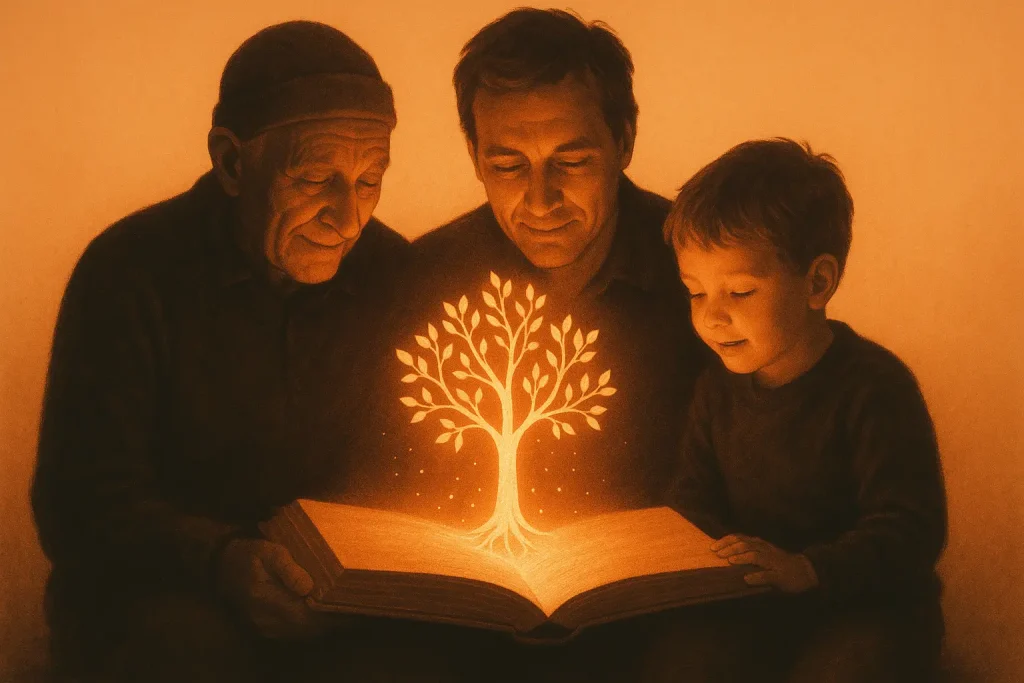
The key takeaway: Family stories aren’t just “cute tales”—they’re identity-building superpowers! 🚀 Studies show teens who know their family history cope better with stress, while shared stories boost resilience and belonging. Turn inside jokes, traditions, and even “Oops!” moments into lasting legacies. Pro tip: Start with one question today. Your family’s unique folklore could shape your kids’ confidence tomorrow! 💡
Ever felt like your family stories are fading into forgotten photo albums? 📉 You’re not alone—it’s easy to let those moments slip away. But here’s the kicker: these tales aren’t just “cute anecdotes”; they’re the secret sauce to building unshakeable bonds, passing down wisdom, and creating a legacy your grandkids will actually care about. Stick around to discover how these stories hold the power to turn ordinary moments into heirlooms, heal old wounds, and connect generations in ways you never imagined. 🌟 They’re the roadmap to who you are and the compass guiding where you’re going—no GPS needed. 🌍
What exactly are family stories? (It’s more than you think!)
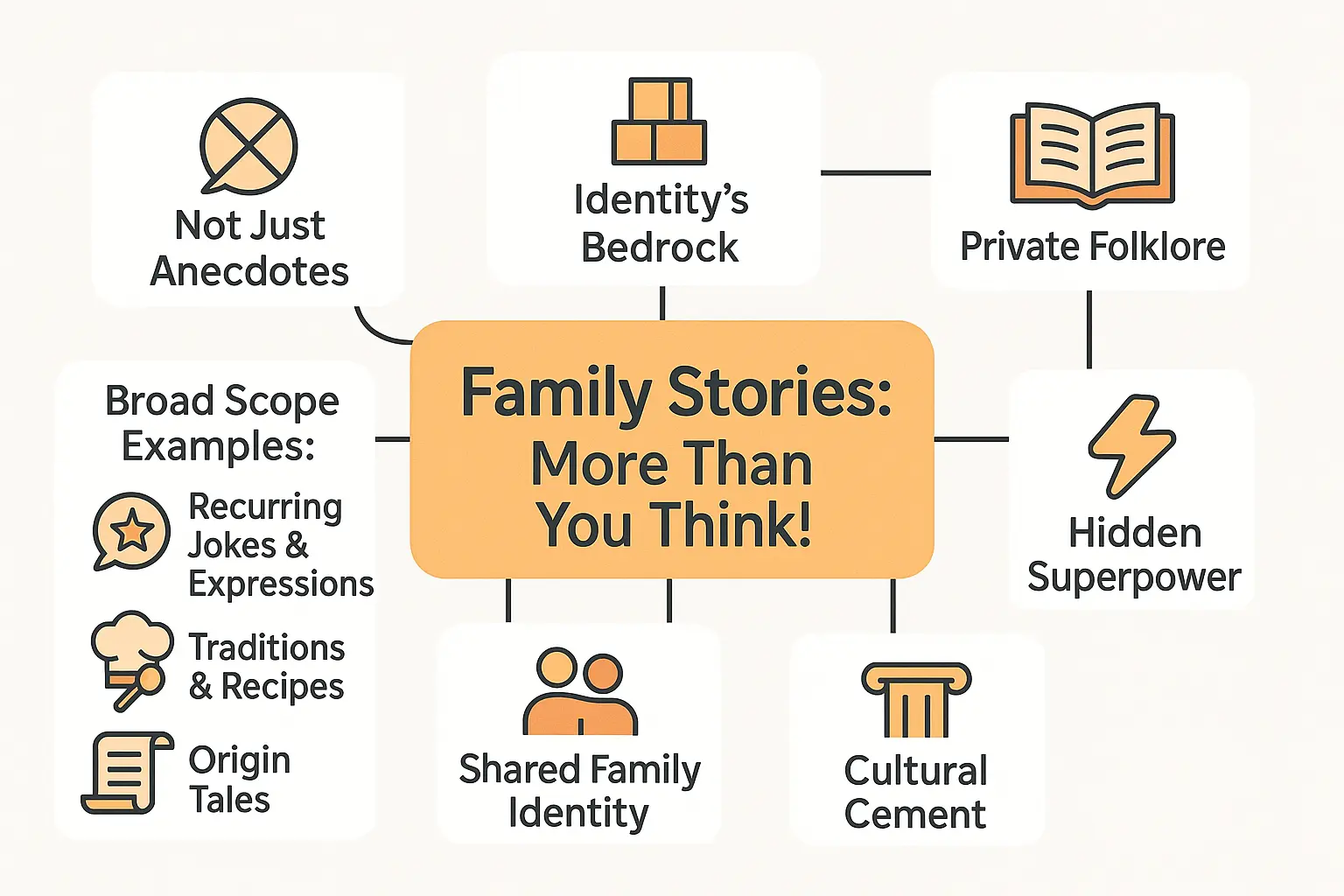
When you hear “family stories,” what comes to mind? Maybe your grandpa’s hilarious dinner tale? 😄 But here’s the thing—they’re way more than that. Think of them as the glue shaping your identity and your family’s legacy.
These stories aren’t just “remember-when” moments. They’re the inside jokes, secret lasagna recipes, and traditions like hiding Halloween bears in cereal boxes. Even your family’s quirky catchphrases count! They’re the bedrock of your family’s culture, explaining who you are and where you come from.
Here’s the kicker: family stories aren’t just for laughs. They’re the private folklore that teaches values, like how your parents prioritized family over individual needs during that road trip. They help you understand others’ perspectives—like why Dad got emotional at the Grand Canyon view. And guess what? They’re your secret weapon for building identity. Studies show 78% of family tales help create meaning, linking you to your roots and guiding your future.
Ever wondered why cultures worldwide treasure these stories? In collectivist societies like Maori or Chinese families, they’re transmission belts for morals and heritage. Plus, women often act as “kin keepers,” passing down narratives that shape generations. So next time you roll your eyes at Aunt Sue’s 100th wedding story—pause. It’s not just nostalgia. It’s your family’s identity blueprint.
Now that we’ve redefined family stories, you’re probably wondering: how do these tales actually shape us? Spoiler: the hidden power goes deeper than you’d guess…
The Superpower Of Sharing: Why Family Stories Matter So Much
You know what’s cool about family stories? They’re not just bedtime fluff or holiday dinner chatter. They’re like emotional superchargers! Let me break this down for you.
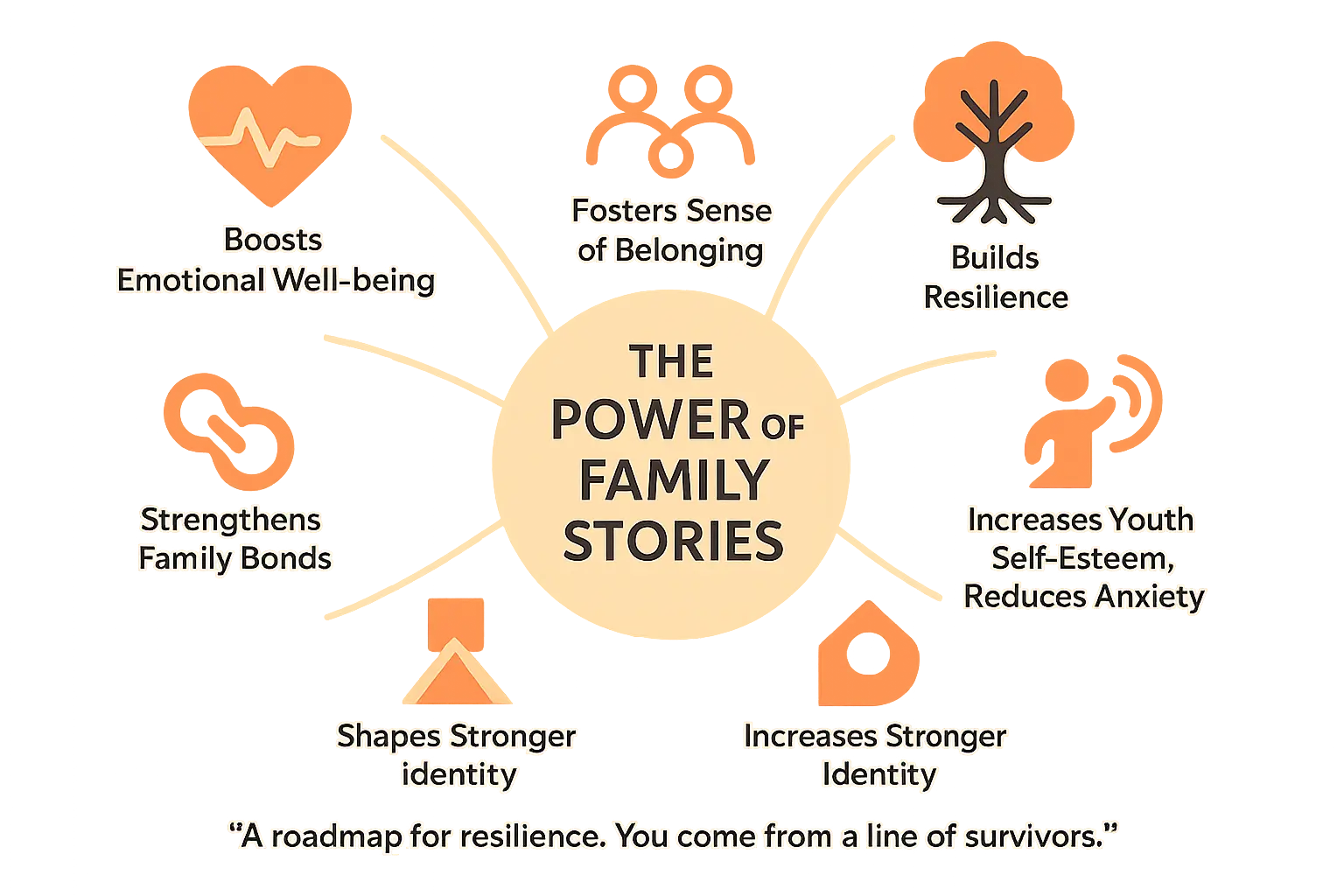
Here’s the deal: sharing family tales builds this awesome thing called “intergenerational self”. It’s the feeling that you’re part of something bigger than yourself. Imagine being the main character in a story that stretches back generations! 🤯
Want your kids to handle life’s curveballs better? Check this out: research has shown that adolescents with a better knowledge of their family history tend to have lower anxiety. But wait, there’s more! They also show higher self-esteem and better social skills. Pretty neat, right?
“Knowing your family’s journey—the triumphs and the struggles—is like having a roadmap for resilience. It shows you that you come from a line of survivors.”
Let’s talk about the real magic. When kids hear about how Grandma handled her first day of school or how Dad conquered his fear of the dark, they’re getting secret life hacks! These aren’t just tales – they’re blueprints for overcoming challenges.
And here’s the kicker: families who share both good times AND tough times create stronger bonds. It’s like creating a family highlight reel with bonus episodes! This helps everyone see that life’s a mix of wins and lessons, not just perfect moments.
Here’s what you’re missing if you’re not sharing these stories: you’re letting go of powerful tools for building identity, teaching resilience, and creating those “aha!” moments that bring families closer.
In short, family stories aren’t just stories. They’re a toolkit for building a stronger identity, fostering resilience, and tightening family bonds. Think of them as your family’s secret weapon for raising confident, well-adjusted humans. 💥
The good, the funny, and the… complicated: types of family stories
Okay, so not all family stories are created equal. Let’s take a little tour of the family story zoo! 🦒 Some make you laugh until you cry. Others teach lessons that stick forever. And a few… well, let’s just say they keep family dinners interesting.
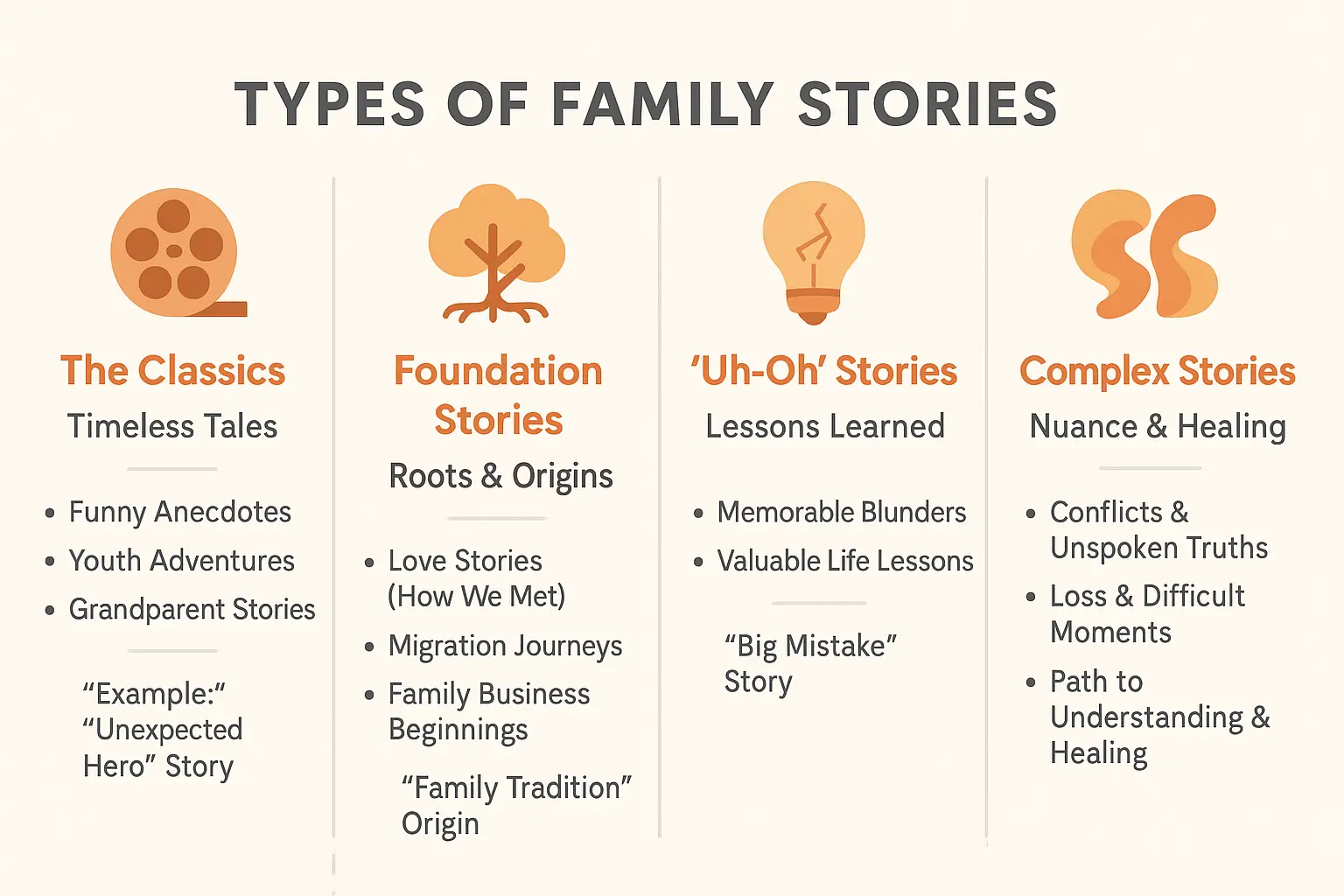
The Classics
These are the tales that get retold every holiday. The time Uncle Joe tried to grill a turkey and accidentally smoked out the backyard. Or how your grandma won the pie contest at the county fair in 1982. These stories are the blockbusters of family lore—always crowd-pleasers, always memorable.
The Foundation Stories
We’re talking origin myths here! How your parents met at a coffee shop during a power outage. Or why your family moved across the world for a fresh start. Need a romantic twist? Check out these love stories—they’re the glue that holds the family tree together.
The “Uh-Oh” Stories
You know these ones. The stories that start with “Remember when…?” and end with everyone groaning. They’re the life lessons wrapped in chaos. To give you some ideas, here are a few types of stories you probably have in your own family:
- The “How We Met” Story: The legendary tale of how your parents or grandparents got together.
- The “Big Mistake” Story: A funny (or serious) story about a past failure that taught a valuable lesson.
- The “Unexpected Hero” Story: A time when a quiet family member did something amazing.
- The “Family Tradition” Origin: The real story behind why you eat that specific dish on holidays.
The “Complex” Stories
Let’s be real—some stories aren’t all sunshine and rainbows. Maybe there’s a rift that’s never been resolved. Or a secret that’s been whispered about but never confirmed. These narratives shape us, too. They’re the stuff of late-night therapy sessions (if you ever go that route). The key? Acknowledge them without diving into drama. They’re part of your family’s truth, and that’s okay.
Why does this diversity matter? Because it’s what makes your family’s story… yours. The mix of humor, heart, and a few “wait, really?” moments creates a tapestry richer than any Netflix docuseries. 🚀
How to become your family’s storyteller: easy ways to collect memories
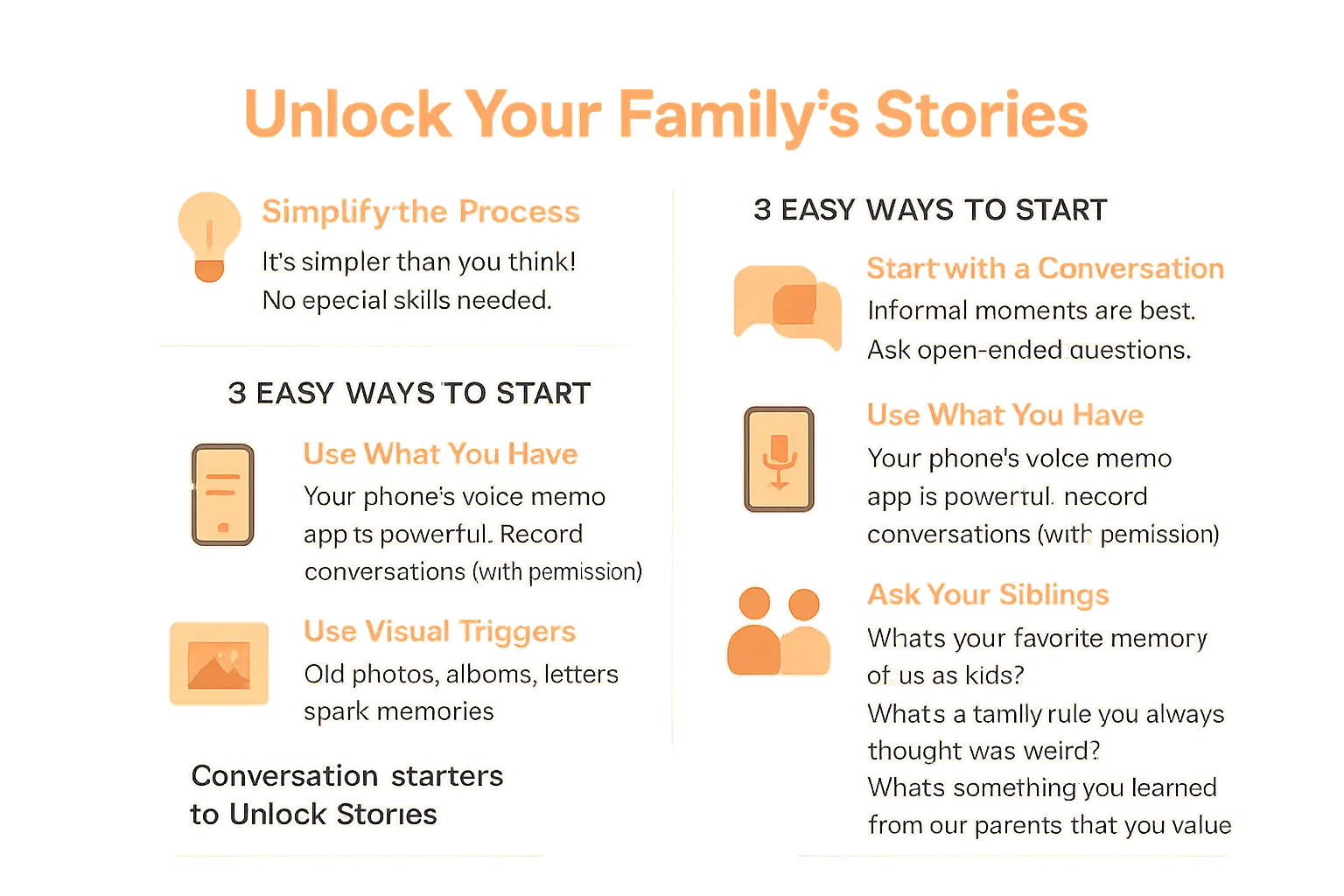
Start with conversations that flow naturally
Ready to become your family’s memory keeper? No need for fancy gear or perfect timing. Just grab your phone and listen. The best stories come from casual chats—like when you’re cooking together or driving somewhere. Ask open-ended questions like “What was your first job like?” or “Tell me about your wedding day.” You’ll be surprised how much they’ll share when they feel comfortable.
Your smartphone: The ultimate memory tool
Use what you’ve got—your smartphone! Voice memo apps let you save stories instantly. Just hit record. Check your settings for high-quality audio and back up files to Google Drive or Dropbox. No one wants to lose Grandma’s hilarious stories.
Unlock memories with old photos
Found a dusty photo album? Pull it out! A snapshot of your dad’s graduation or a messy birthday cake can spark amazing stories. Ask “What’s happening in this photo?” or “What did this place mean to you?” Those details you’ve never heard? They’ll come pouring out.
Conversation starters to unlock family stories
| Ask Your Grandparents | Ask Your Parents | Ask Your Siblings |
|---|---|---|
| What’s the biggest trouble you got into as a kid? | What were you most proud of when you were my age? | What’s your favorite memory of us as kids? |
| What was your first job like? | Tell me about your wedding day. | What’s a family rule you always thought was weird? |
| What do you remember about the day my parent was born? | What’s a family tradition you loved as a child? | What’s something you learned from our parents that you value? |
Make it part of your routine
Need hours to collect stories? Nope! Try this: Ask one question at family dinners or car rides. Even 5-minute chats add up. Got little ones? Turn it into a game—“Guess what Grandpa did at 8!” They’ll beg for “one more story” without realizing they’re learning family history.
Save stories the smart way
Don’t let recordings disappear! Create a “memory folder” in Google Drive or print the best stories into a photo book. The key is keeping them safe. Imagine your grandkids hearing Great-Grandma’s voice decades from now.
Why it’s worth the effort
Here’s the secret: These stories become your family’s glue. When your teen’s frustrated, share how Uncle Tim once flooded the garage fixing a car. Laughter guaranteed! Kids who know their history feel more connected. The best part? You’re creating that legacy by just listening. No PhD needed—just love.
From spoken words to lasting treasures: preserving your family’s legacy
Collecting stories is the first step. But how do you make sure they aren’t lost to time? Let’s talk about turning those memories into lasting treasures. Think of them as tomorrow’s heirlooms – not just tales, but connections between generations. These stories shape identity, teaching kids where they come from while giving adults a chance to reflect.
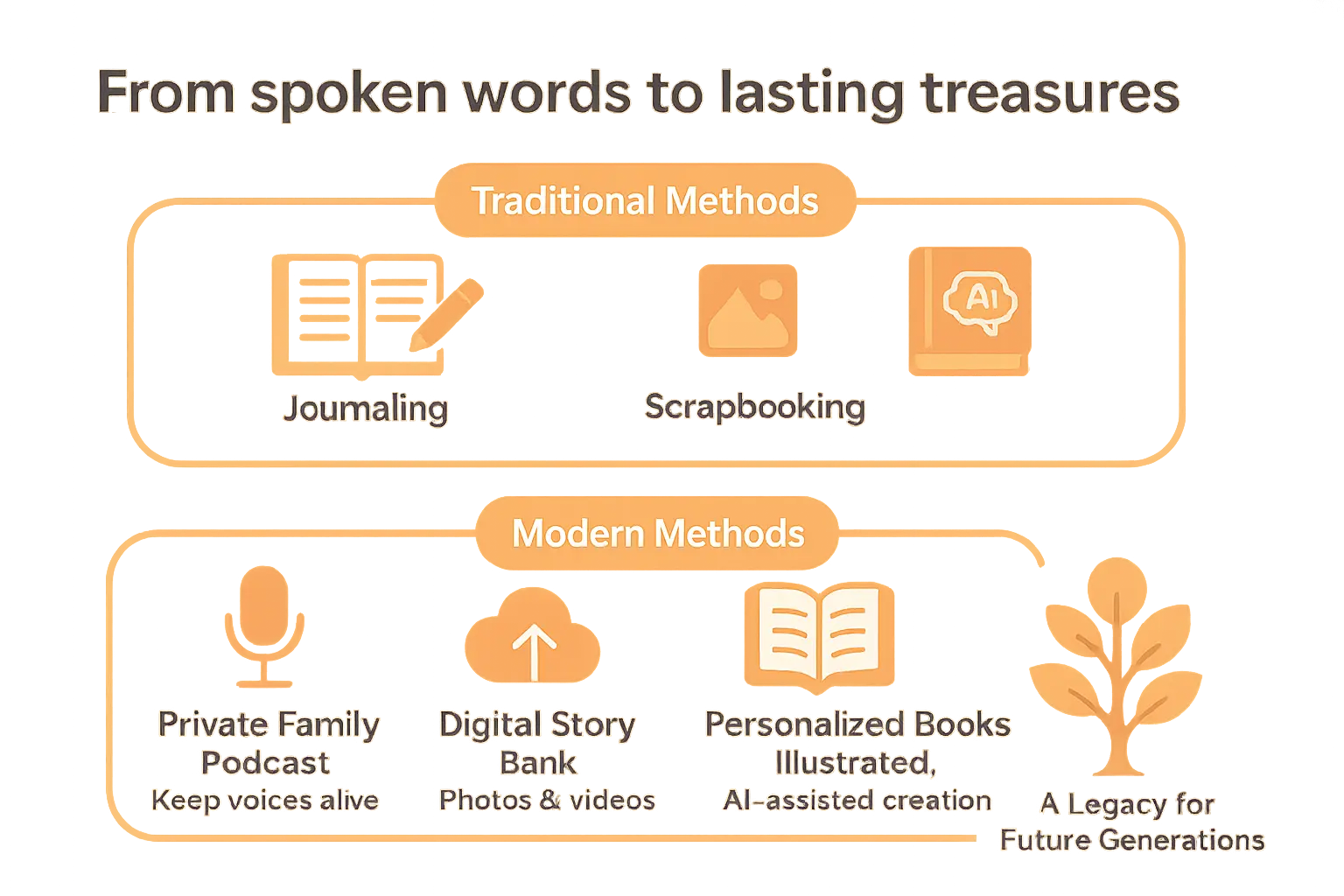
Traditional methods like journals or scrapbooks work, but modern tech makes it easier. Life’s busy – why not turn old letters into a digital archive or bedtime stories into a family podcast? These tools don’t replace memories – they make them shine brighter. Plus, they’re perfect for families spread across the globe who want to stay connected.
- Create a private family podcast: Turn voice recordings into short episodes using simple apps. Share them with the family – it’s a great way to keep loved ones’ voices alive. You can even add background music or sound effects to make stories more engaging for kids. Think of it as a modern-day campfire chat.
- Start a digital story bank: Use cloud storage or private blogs to organize stories with photos and videos. Sort them by theme or era – “Great-Grandma’s War Years” or “Cousin Tim’s Adventures.” No more lost photo albums. Platforms like Notion or Dropbox let you invite relatives to add their own memories, creating a living, collaborative archive.
- Turn them into personalized books: Turn voice notes or letters into illustrated books. Some AI tools remember details like your child’s favorite character, weaving them into new tales. It’s magic, but real. These books become physical keepsakes – imagine your toddler giggling as their name appears in a story featuring their favorite superhero. Certain services even let you add audio versions so kids can hear a grandparent’s voice reading the tale.
A story shared is a memory that lives on. A story preserved is a legacy that builds the future. Don’t let your family’s heritage fade away.
Preserving stories isn’t just nostalgia. It’s giving future generations their roots. Whether you use scrapbooks or AI, every method keeps your family’s essence alive. When your grandkid reads about Great-Aunt Lucy’s pie recipe, they’re not just learning to bake – they’re learning to cherish where they come from. And that’s priceless.
The next generation: how family stories shape our kids
Ever wondered why kids who hear family tales sleep better and grow stronger? Let me tell you: family stories aren’t just bedtime fluff. They’re identity builders that help kids feel rooted. When a child hears, “Your great-grandpa built his first treehouse at 5,” they instantly see themselves as part of something bigger. Cool, right? 🌟
These stories teach values like courage or kindness without boring lectures. Imagine your toddler learning patience because you shared how Auntie Jess waited years to adopt her rescue dog. No app needed—just your voice. And here’s the kicker: studies show kids who know their family history handle stress better. They’re like little warriors with emotional armor.
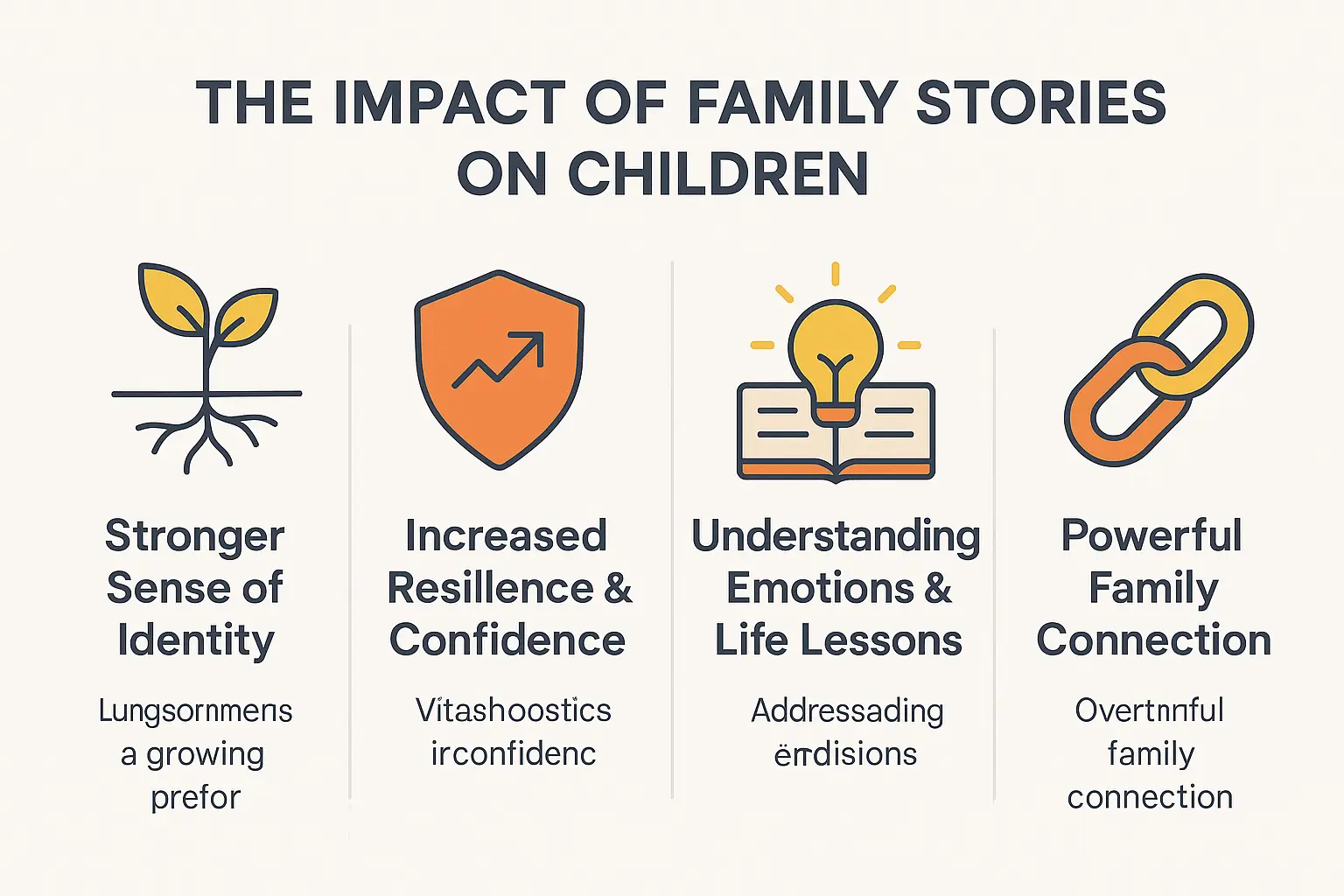
Here’s the short version of why family stories rock:
- A stronger sense of who they are and where they come from.
- An increased feeling of resilience and self-confidence.
- A better understanding of complex emotions and life lessons.
- A powerful feeling of connection to their relatives, both past and present.
But wait—there’s more! How you tell these stories matters. Ever notice how your kid’s eyes light up when you add drama to Grandpa’s fishing fail? That’s called “elaborative reminiscing.” Experts at Taylor & Francis found families who share emotions during stories boost kids’ social skills. It’s not about perfect storytelling—it’s about making memories stick.
Rituals? They’re your secret weapon. Turn storytime into a habit: whisper tales during car rides, laugh over dinner anecdotes, or even record voice notes (shoutout to apps that make this easy). This isn’t just nostalgia—it’s brain food. Kids who hear “We all messed up, but we laughed anyway” stories develop grit. They’ll face school drama or sibling fights with a “we’ve got this” mindset.
Bottom line? Every time you say, “Let me tell you about the time…” you’re weaving a safety net for their future. These stories become their inner GPS, guiding choices when you’re not around. And isn’t that the dream? To give them roots and wings? 🪶️
Your family story is a gift waiting to be shared
Family stories shape identities, build resilience, and create unbreakable bonds. They’re not just for holidays or dusty photo albums – they’re meant to live, breathe, and grow right here, right now.
You don’t need Hollywood scripts. A simple “Remember when…” during dinner? That’s magic. Laughing until you cry, sharing how you handled heartbreak? That’s legacy stuff. Your kids are soaking it in like sponges.
Life’s busy, but everyday stories are the secret sauce. Bedtime tales about Grandma’s college days or why we never trust Uncle Joe with GPS? They’re building blocks of your family’s DNA.
Here’s your challenge: start today. Ask Dad about his first job or let kids guess when you learned to swim. Turn screen time into story time with Tellmestories – just a voice note on WhatsApp. Those stories won’t share themselves.
 Family storytelling moment” />
What’s one story you’ll share tonight? Maybe how you conquered your fear of the dark. Start talking – your family’s next chapter is waiting. These aren’t just memories; they’re the compass guiding future generations. Trust me, 20 years from now, your grandkids won’t Google “how to be better ancestors” – they’ll thank you for giving them roots and wings. Ready to begin? ✨
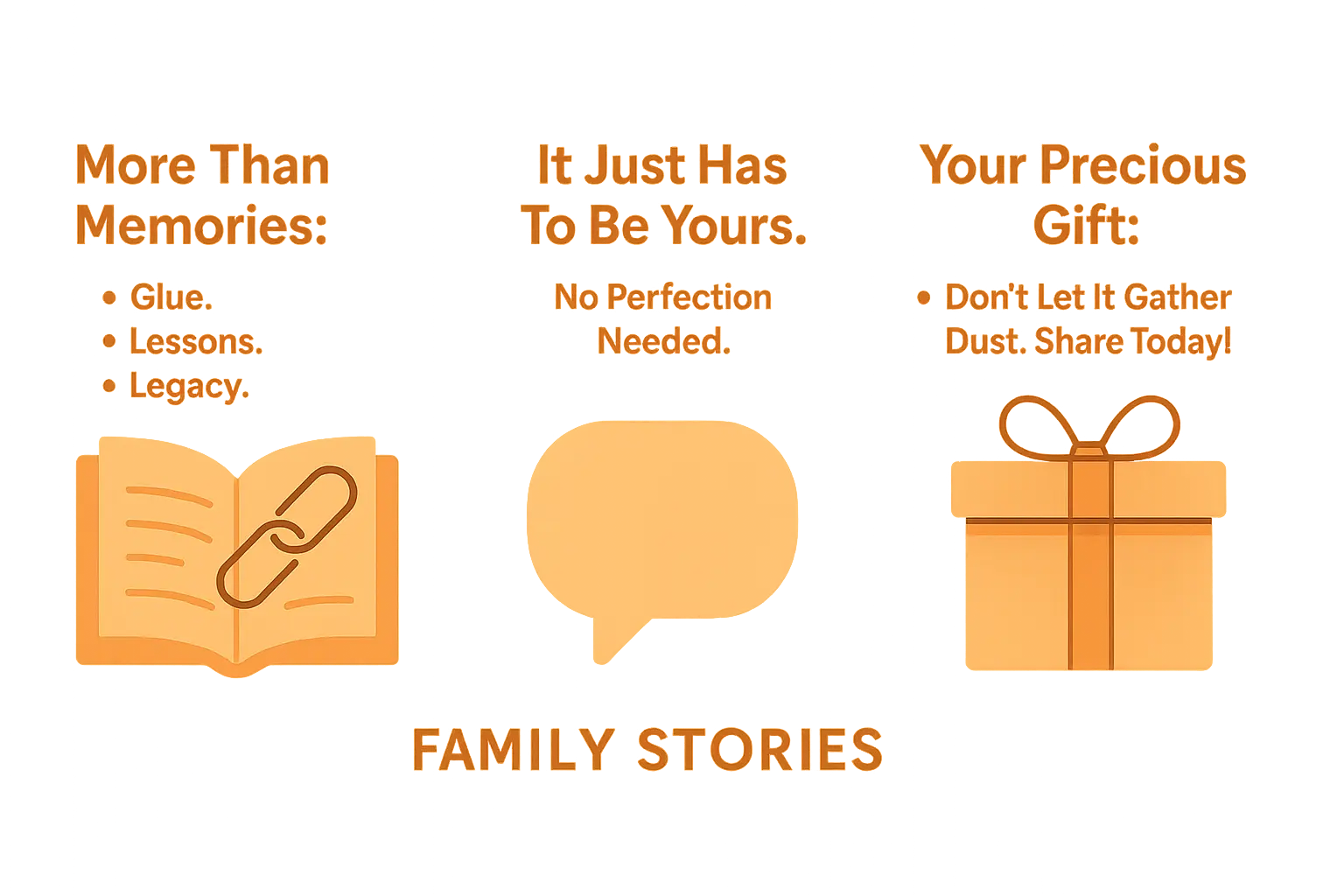
Your family stories are more than memories—they’re the glue that binds, the lessons that guide, and the legacy you leave. They don’t need polish; they just need to be shared. Ready to start? Ask a loved one one story today. You’ll wonder why you waited so long. ✨
FAQ
What Are Family Life Stories and Why Do They Matter?
Family life stories are the tales that glue your family together—like inside jokes, holiday traditions, or that one time your uncle tried to bake a cake and accidentally set off the smoke alarm 😂. They’re more than just memories; they shape your family’s identity and help everyone feel connected. Think of them as your family’s unique folklore!
When Should You Consider Cutting Ties With Family?
Here’s the deal: estrangement is a last resort when relationships feel emotionally unsafe. Signs might include constant drama, toxic patterns, or situations where your mental health takes a hit. It’s not about being “right” but protecting your peace. Every family’s situation is different—trust your gut.
Got Examples of Family Experiences That Count as Stories?
Totally! Examples range from the hilarious (your grandma’s “I accidentally joined a flash mob” saga) to the heartfelt (how your parents met). Even mundane stuff counts—like your brother’s legendary pancake-burning attempts or the time you all got lost on a road trip. These moments become your family’s “greatest hits.”
What’s the Official Name for Family Stories?
They’re often called “family lore” or “oral history.” But honestly? Most people just say “family stories” because it’s catchy and relatable. Think of it as your family’s version of a blockbuster movie series 🎬.
What’s a Family Story, Anyway?
Simple answer: It’s any tale that gets passed down or shared within your crew. Whether it’s a legend about your great-grandpa’s fishing adventures or the origin of your weird family handshake, it’s all part of your shared history.
What Makes a “Simple Story” Work?
Simple stories focus on one clear moment—like the day you got your first dog or how your parents survived their first date. They’re short, sweet, and packed with emotion. No need for plot twists; just keep it real!
When Is It Time to Let Go of a Family Relationship?
Let’s be real: this is tough. If a relationship feels draining, abusive, or stuck in a cycle of hurt, it might be time to step back. Prioritize your well-being. Sometimes letting go isn’t about anger—it’s about self-care.
What’s the Average Age for Family Estrangement?
Studies show it often starts in late teens to early 30s, usually when folks set boundaries or deal with unresolved issues. But there’s no “one-size-fits-all” here—every family’s timeline is different.
What Should You Avoid Saying to an Estranged Child?
Steer clear of blame (“You did this to yourself!”) or guilt trips (“I raised you better!”). Also, skip the comparisons (“Your sibling would never do this!”). Focus on empathy, not drama. Words matter—choose kind ones.