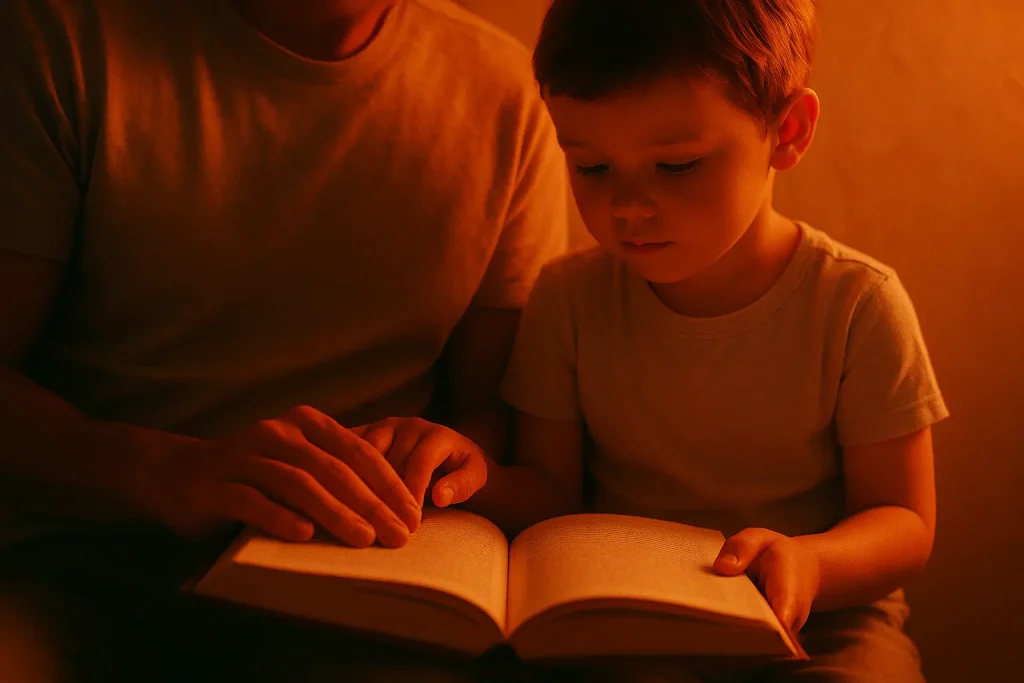
The key takeaway: Respect stories teach empathy and social skills through relatable actions, not just politeness. By valuing others’ experiences, celebrating uniqueness (like Maya’s mismatched socks), and acknowledging unseen efforts, these tales foster kindness and understanding. A simple “thank you” or active listening becomes a tool for connection, proving respect is learned daily—through stories that turn lessons into lasting habits.
Ever wondered how to make respect stick? 😤 Respect stories aren’t just tales—they’re blueprints for empathy, kindness, and real-life connection. Inside, discover how stories like The Gardener’s Secret (teaching respect for wisdom) and The Mismatched Socks Club (celebrating differences) turn abstract values into actions kids (and adults!) can’t help but remember 🌟 Even The Invisible Janitor shows how small acts—like thanking a bus driver or valuing someone’s work—create big impacts. These aren’t just stories; they’re tools to build social skills, empathy, and even self-respect. Ready to transform lessons into lasting habits? Let’s dive in! 💡
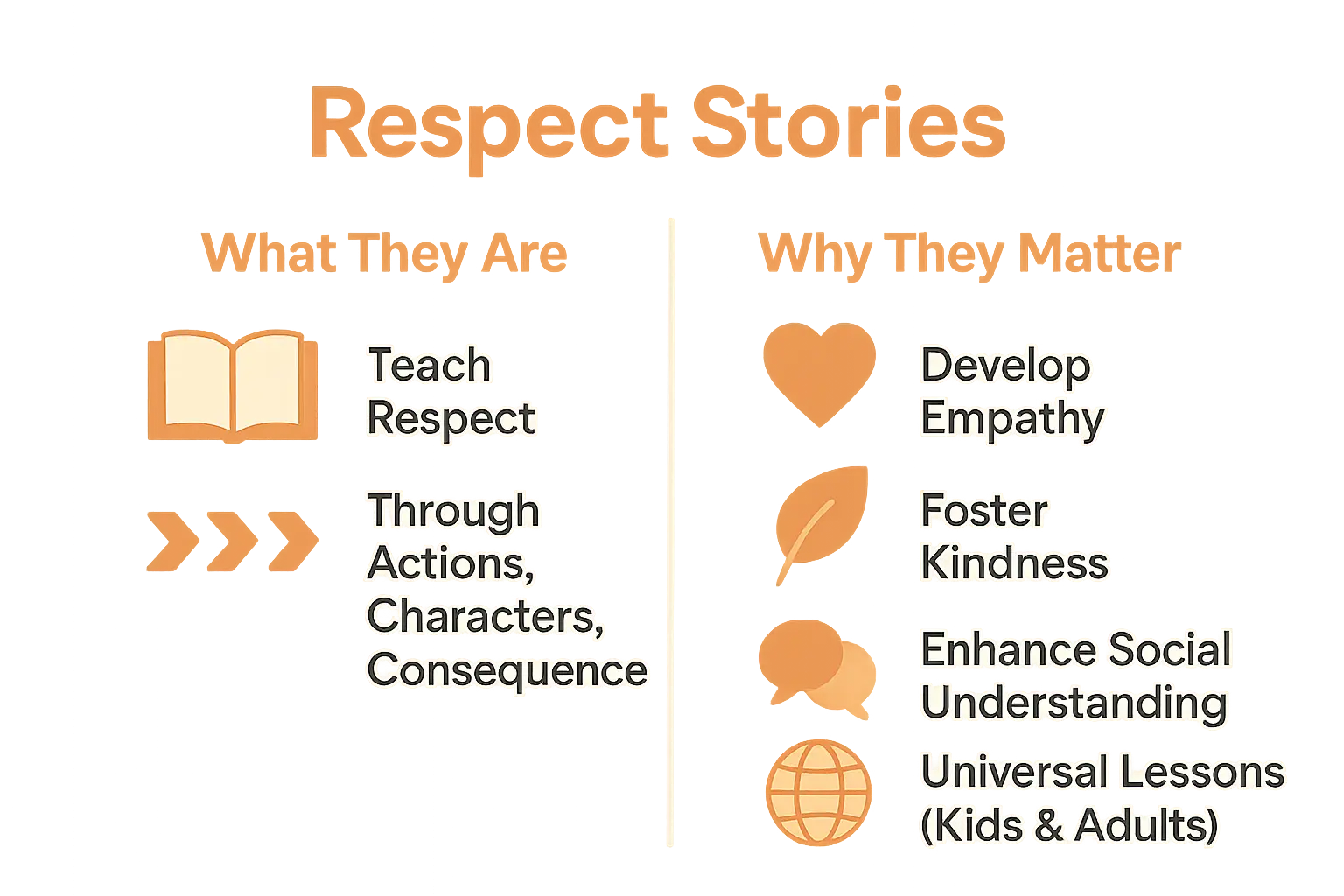
What are respect stories and why do they matter? 🤔
Ever wondered how to teach life’s biggest lessons in a way that sticks? 🌟 Respect stories aren’t just tales about respect—they’re tools that teach it through relatable characters and consequences. Think of them as life lessons in bite-sized adventures.
Why do they matter? Because respect is a skill built through practice. In “A Man With a Lamp,” a blind man carries a lamp to help others see him—proving respect means understanding perspectives. In “Think Before You Judge,” a doctor saves a child despite personal grief, showing how assumptions hurt.
These stories turn abstract ideas into real actions. In “Rainbow of Friendship,” friends celebrate diversity by including someone in a wheelchair. Each story plants seeds for empathy, less judgment, and valuing differences.
Here’s the kicker: respect stories work 🚀. Whether a bedtime tale or a WhatsApp chat with Tellmestories, they make respect stick. Ready to see how small actions spark big changes? Let’s dive in! 🌱
The building blocks of respect: more than just good manners
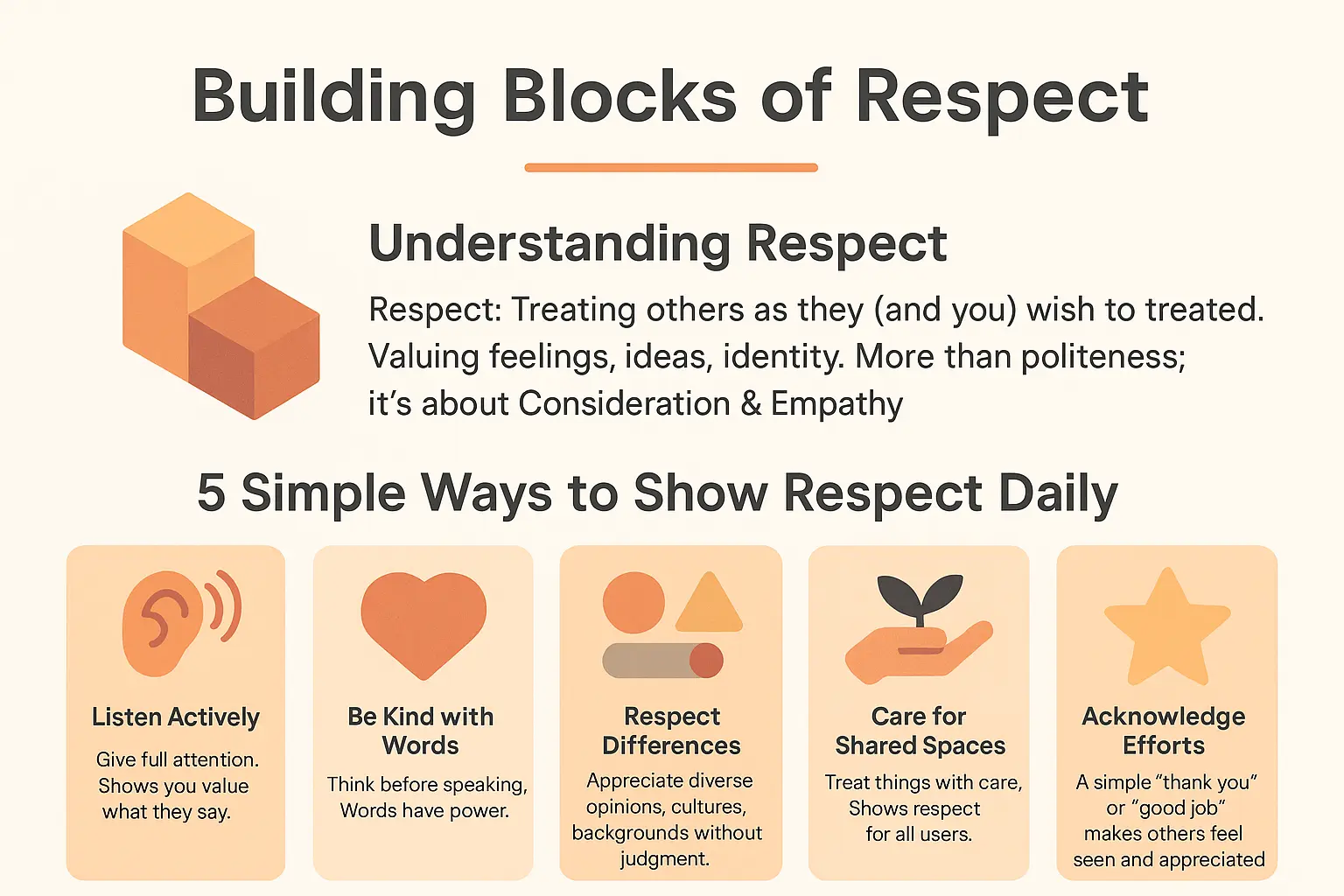
What is respect, really?
Respect isn’t about perfect manners or forced politeness. It’s recognizing others’ feelings, ideas, and unique identities as valuable. Think of it as treating people how you’d want to be treated – not just with words, but through actions that show you care about their experiences.
While saying “please” matters, real respect goes deeper. It means paying attention to what makes people feel comfortable, honoring their boundaries, and showing kindness even when nobody’s watching. This mindset shapes how we interact with everyone from family members to strangers. True respect means valuing someone’s perspective – like noticing when a friend feels quiet and asking if they’re okay.
5 simple ways to show respect every day
- Listen actively: Put away distractions when someone speaks – your full attention says “you matter”
- Be kind with words: Choose language that builds people up, not tears them down
- Respect differences: Celebrate varying cultures, opinions, and backgrounds without judgment
- Take care of shared spaces: From playgrounds to planet Earth, treat shared resources with care
- Acknowledge efforts: A simple “thank you” makes someone feel seen and valued
These actions create ripple effects. When kids learn respect through daily examples, they develop lifelong social skills that help them thrive in school, friendships, and future workplaces. Practicing respect builds empathy muscles that help us understand how our actions affect others’ emotions. Whether it’s honoring personal space on crowded sidewalks or thanking service workers, these tiny choices shape better communities one interaction at a time.
Story 1: The Gardener’s Secret
Leo’s Blooming Adventure
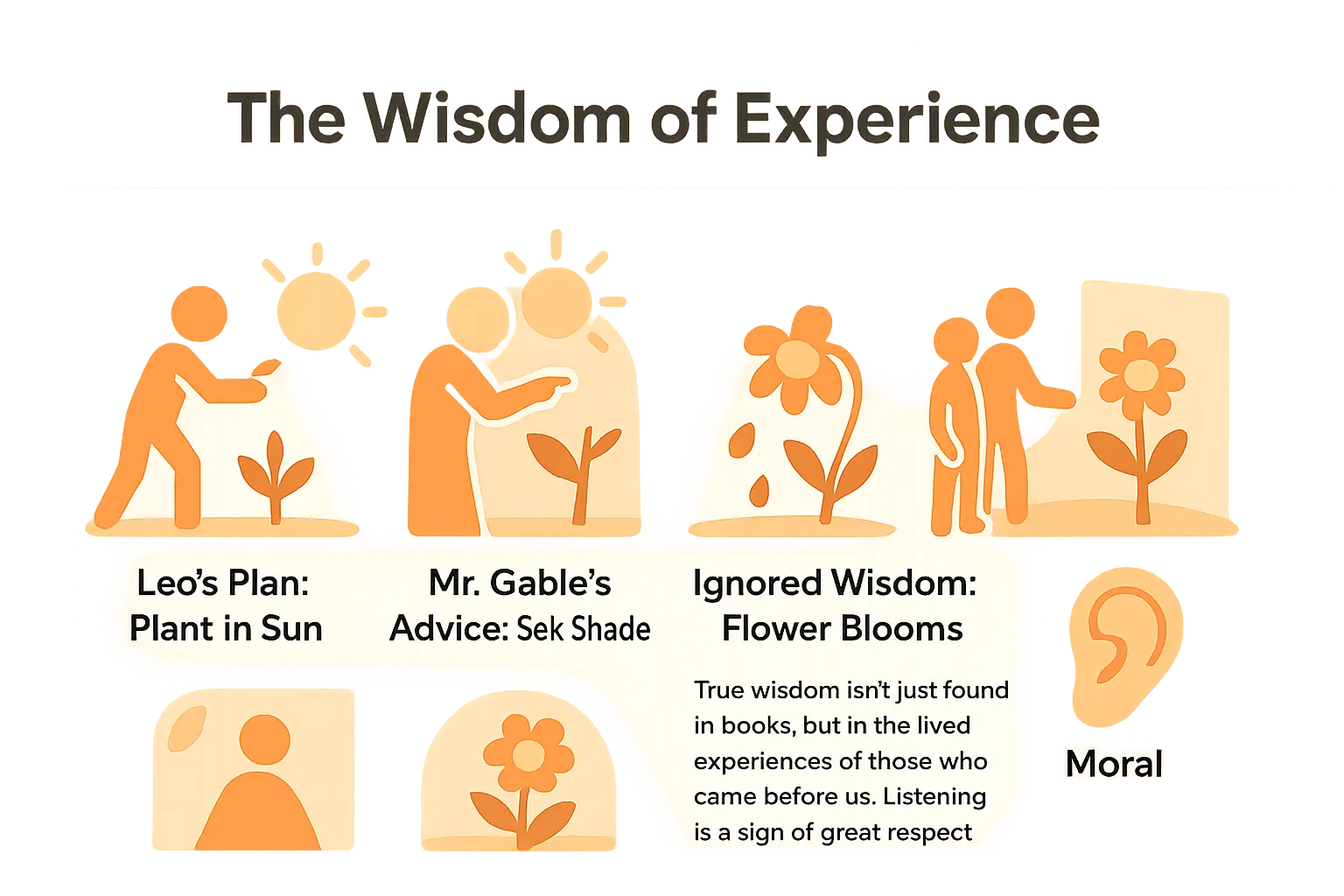
Leo, an 8-year-old with a big smile, discovered a seed labeled “Moonflower Marvel” in his grandfather’s attic. 🌱 Excited, he planted it in the lawn’s sunniest spot. 🌞
Next door, Mr. Gable – a gardener with decades of experience – advised: “Try the east-facing wall. This plant needs morning sun only.” 🧓
Leo waved him off. “I read online moonflowers love sunshine!” 🌞 He imagined glowing blossoms and planted the seed in the hottest spot.
The Sun’s Lesson
Weeks later, sprouts emerged. 😊 By week’s end, the plant withered under harsh afternoon rays. Defeated, Leo approached Mr. Gable. “I think I messed up,” he mumbled.
“Let’s try again,” the gardener smiled. 🌱 They amended soil with compost, chose a shaded spot, and watered deeply but infrequently. Soon, vibrant leaves unfurled, followed by glowing white blossoms. 🌙
The Moral Of The Story
Admiring the thriving plant, Mr. Gable shared:
True wisdom isn’t just found in books, but in the lived experiences of those who came before us. Listening is a sign of great respect.
This teaches that respect means valuing experience – like Leo learning from Mr. Gable. 🤝 Studies show intergenerational wisdom sharing strengthens relationships and prevents avoidable mistakes.
Think like gardening: partial shade plants grow best under experienced care, just as life lessons do. 🌸
- Leo learned to value experience
- Mr. Gable passed down practical wisdom
- Together, they achieved success through teamwork
This mirrors real-life: from family traditions to workplace mentorship. Small acts of listening create understanding ripples – like water spreading from a stone. 🌊 When we value others’ perspectives, we plant seeds for stronger connections and shared success.
Story 2: The mismatched socks club
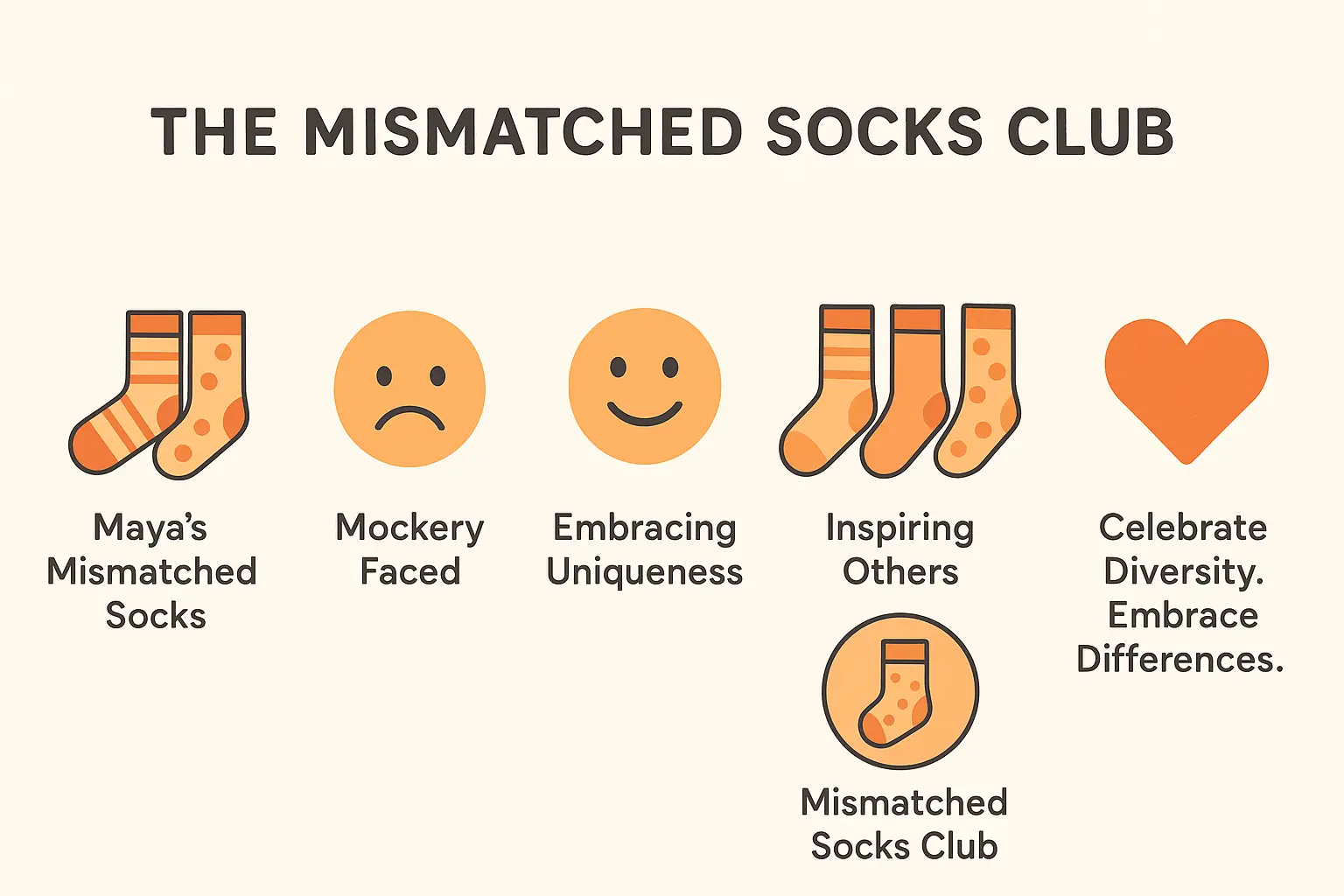
Maya’s two different socks
Maya loved her rainbow sneakers, but today she chose something bold: one polka-dot sock and one striped one. 🎨 As she walked into class, a classmate laughed, “Your socks don’t match!”
Maya smiled. “Why should they?” she replied. “The world’s more fun when things aren’t exactly the same. Imagine if all the clouds looked alike—wouldn’t that be boring?”
The boy paused. “But… they’re different,” he said.
“Different is cool,” Maya winked. “Think of snowflakes, galaxies—you’re different, and that’s why I like hanging out with you!” She paused, then added, “Tomorrow, try your superhero sock with the one that has ice cream cones?”
By lunchtime, a curious girl asked, “Can I mix my flower socks with dinosaur ones tomorrow?” The next morning? Half the class proudly showed off mismatched pairs. Even the boy who’d laughed wore socks—one plain blue, one dotted with stars. Their teacher noticed and asked why. “Because Maya said it’s like a secret code for being proud of what makes us special,” a student explained. 🌟
The moral of the story
Respect isn’t just about being polite. It’s about embracing diversity—celebrating what makes each person special. Maya didn’t argue or feel sad; she turned teasing into a lesson about joy in uniqueness. 🌈
Small actions matter: a smile, a bold fashion choice, or playing with someone “different.” Like the Mismatched Socks Club showed, these moments create ripples. When we respect quirks, we inspire confidence and kindness in everyone around us.
Imagine if every child learned this early. 🌱 By valuing what makes us unique, we build classrooms—and futures—where inclusion isn’t just encouraged. It’s celebrated. This kind of positive experience at school can shape how children view differences for years to come. 🌟
So next time you see mismatched socks—or someone who seems “unusual”—ask yourself: What can I learn from their story? 🧐
Story 3: The Invisible Janitor
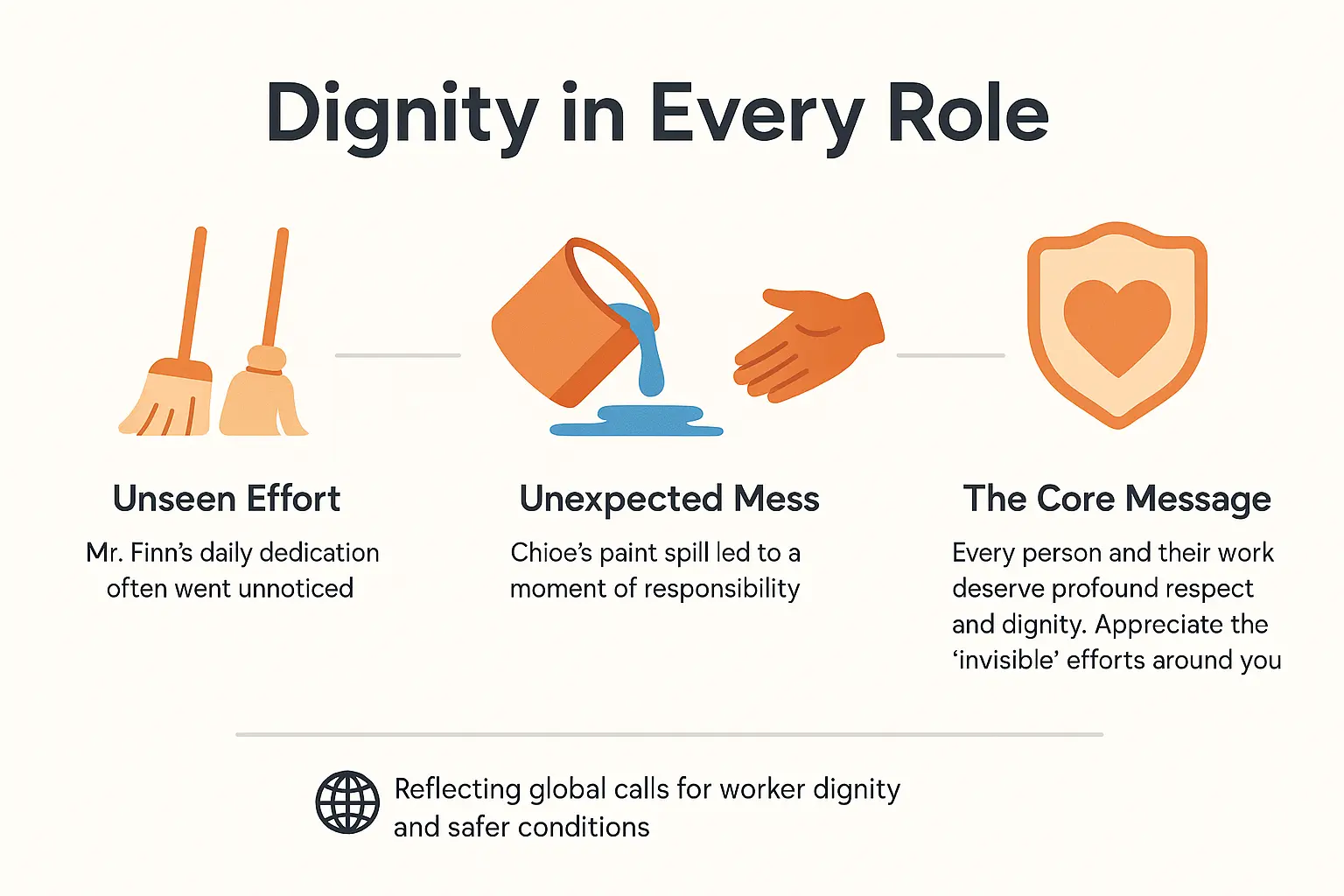
The mess no one saw
Every morning at Oakwood School, the halls sparkled. No one noticed Mr. Finn, the janitor, who mopped floors long after classes ended. He wore faded boots and a quiet smile, cleaning quietly like a shadow. While students rushed to class, he wiped fingerprints and fixed cracks—tasks invisible until they vanished.
Chloe, a curious 9-year-old, often stayed late for art club. One afternoon, she tripped, spilling blue paint across tiles. She grabbed paper towels, scrubbing. “I should’ve been more careful,” she whispered, her cheeks burning. She glanced at Mr. Finn’s cart—brooms, rags, a thermos of coffee—and imagined him alone each night, fixing messes no one saw.
When Mr. Finn appeared, Chloe froze. Instead of scolding, he handed her a fresh rag. “You stayed to fix it,” he said softly. “Most just walk away.” His eyes crinkled. “Thanks for respecting my work.” Chloe’s throat tightened. She’d never heard thanks for trying.
The moral of the story
That night, Chloe replayed his words. By dawn, she’d scribbled a plan: “Week of Thank You Notes.” She convinced classmates to leave sticky notes for the janitor, cafeteria staff, and bus drivers. Soon, “You brighten my day!” and “We see you!” decorated Mr. Finn’s cart.
Chloe realized small acts speak volumes. A “thank you” or staying to help matters. Every job, whether mopping floors or teaching math, shapes lives. Dismissing roles overlooks their impact. As Kenya’s sewer workers know, dignity isn’t about glamour—it’s about recognizing humanity in every uniform.
This mirrors real-life struggles of unseen workers—farmhands, delivery drivers, nursing aides—whose labor sustains society. Yet, they’re often underpaid, overworked, and invisible in headlines. Chloe’s campaign sparked a school-wide shift: students started “Gratitude Week” with shoutouts for support staff.
Next time you see someone working hard, smile or say “thank you.” Tiny gestures build a world where everyone feels seen. 🌟
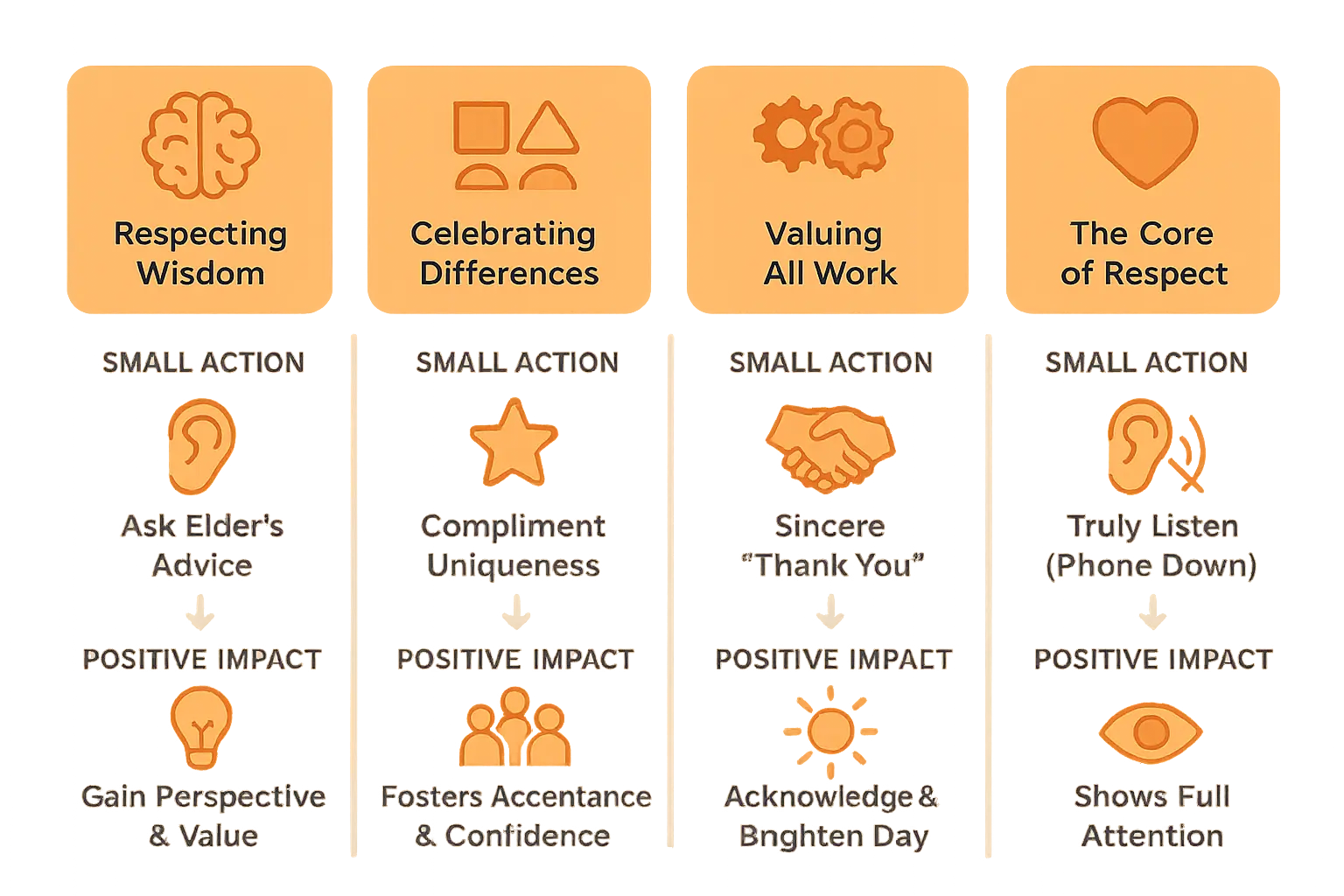
From Story to Reality: Putting Respect Into Action
Stories teach us powerful lessons about respect, but their true value shines when we apply these ideas daily. Small actions create meaningful changes in how we connect with others. Think of it as planting a seed—your small gesture today grows into positive connections tomorrow 🌱.
| Story Lesson | A Small, Respectful Action | The Positive Impact 😊 |
|---|---|---|
| Respecting Wisdom (from “The Gardener’s Secret”) | Ask an older relative for their story or advice on something. | They feel valued and heard, and you gain a new perspective. |
| Celebrating Differences (from “The Mismatched Socks Club”) | Give a genuine compliment to someone about what makes them unique. | You make them feel accepted and confident, creating a friendlier vibe. |
| Valuing All Work (from “The Invisible Janitor”) | Make eye contact and say a sincere “thank you” to a bus driver, cleaner, or server. | You acknowledge their contribution and brighten their day. |
| The Core of Respect | Put your phone down and truly listen when someone is talking to you. | It shows they have your full attention, which is one of the biggest signs of respect. |
Respect isn’t just a feeling—it’s a habit we build through consistent choices. Every time we choose to listen or appreciate others, we strengthen this “muscle.” These actions shape how we connect with the world around us.
At the end of the day, building better relationships often comes down to one simple idea: respect people’s life stories. When we honor experiences, we create mutual understanding—one conversation at a time.
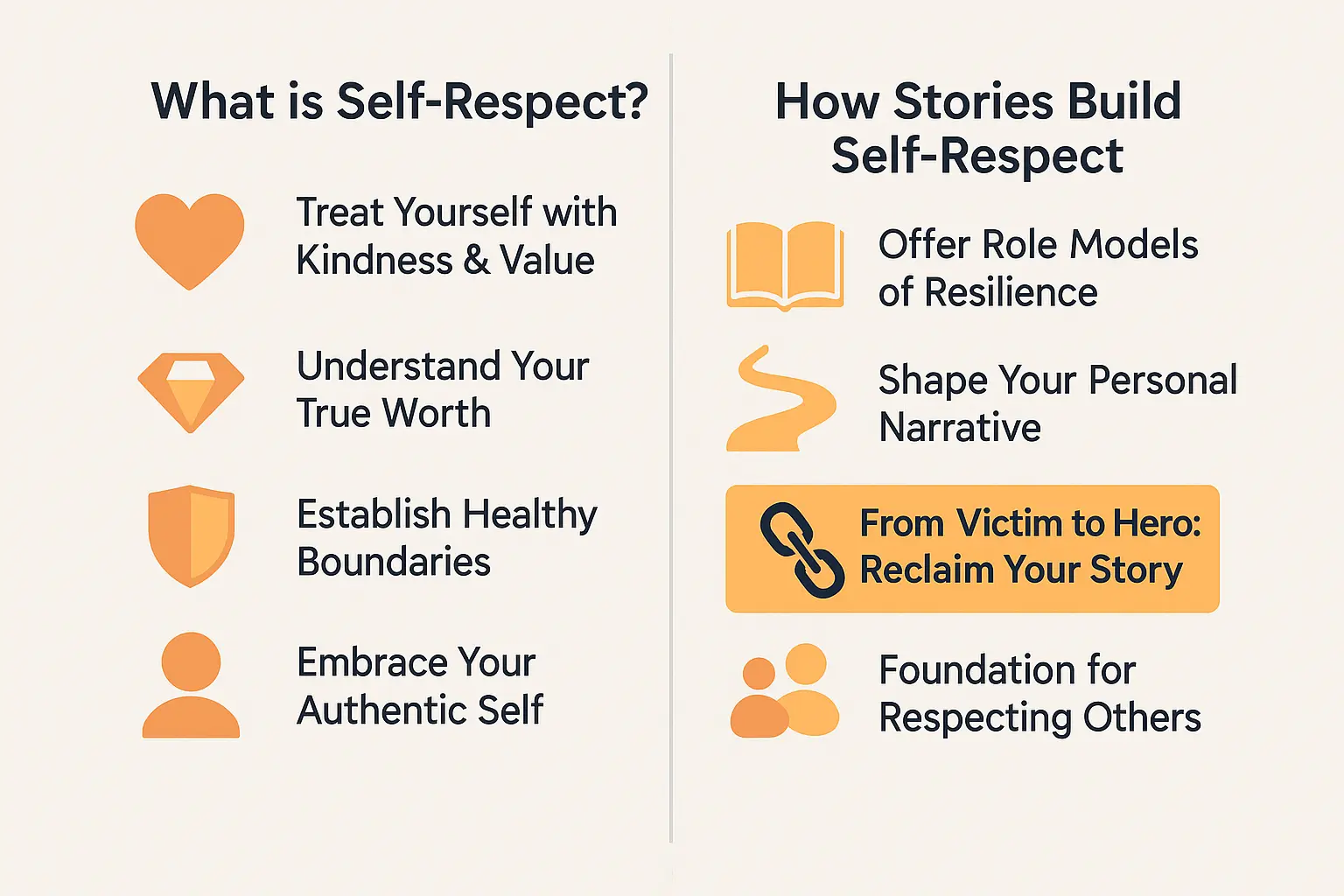
Don’t Forget The Most Important Person To Respect: Yourself!
Ever watched your child struggle with bedtime routines or social interactions? Self-respect starts with recognizing your own needs. Like Tellmestories’ voice-to-story feature that helps parents create personalized tales, nurturing self-respect means giving yourself permission to prioritize your well-being first. 💡
What Is Self-Respect?
Self-respect isn’t about being perfect. It’s treating yourself with the same care you’d offer a friend. Think of it as:
- Setting boundaries that protect your energy
- Accepting your flaws while celebrating strengths
- Choosing actions that align with your values
It’s the foundation for healthy relationships. When you respect yourself, you model this behavior for your children – creating a ripple effect of consideration in their interactions. 🌊
How Stories Help Build Self-Respect
Tellmestories’ personalized adventures aren’t just entertainment – they’re powerful tools. When children see themselves as heroes overcoming challenges, they internalize these messages. Consider:
- Characters learning to say “no” to unreasonable requests
- Young protagonists solving problems through creativity
- Stories integrating life lessons about kindness and boundaries
Rebuilding our own dignity often starts by changing our personal narrative, seeing ourselves not as victims but as the heroes of our own story.
By creating stories where your child stars as the courageous problem-solver, you’re not just telling tales – you’re building a framework for self-respect. This shapes how they’ll treat both themselves and others. 📖✨
Ready to create your own respect stories? 🚀
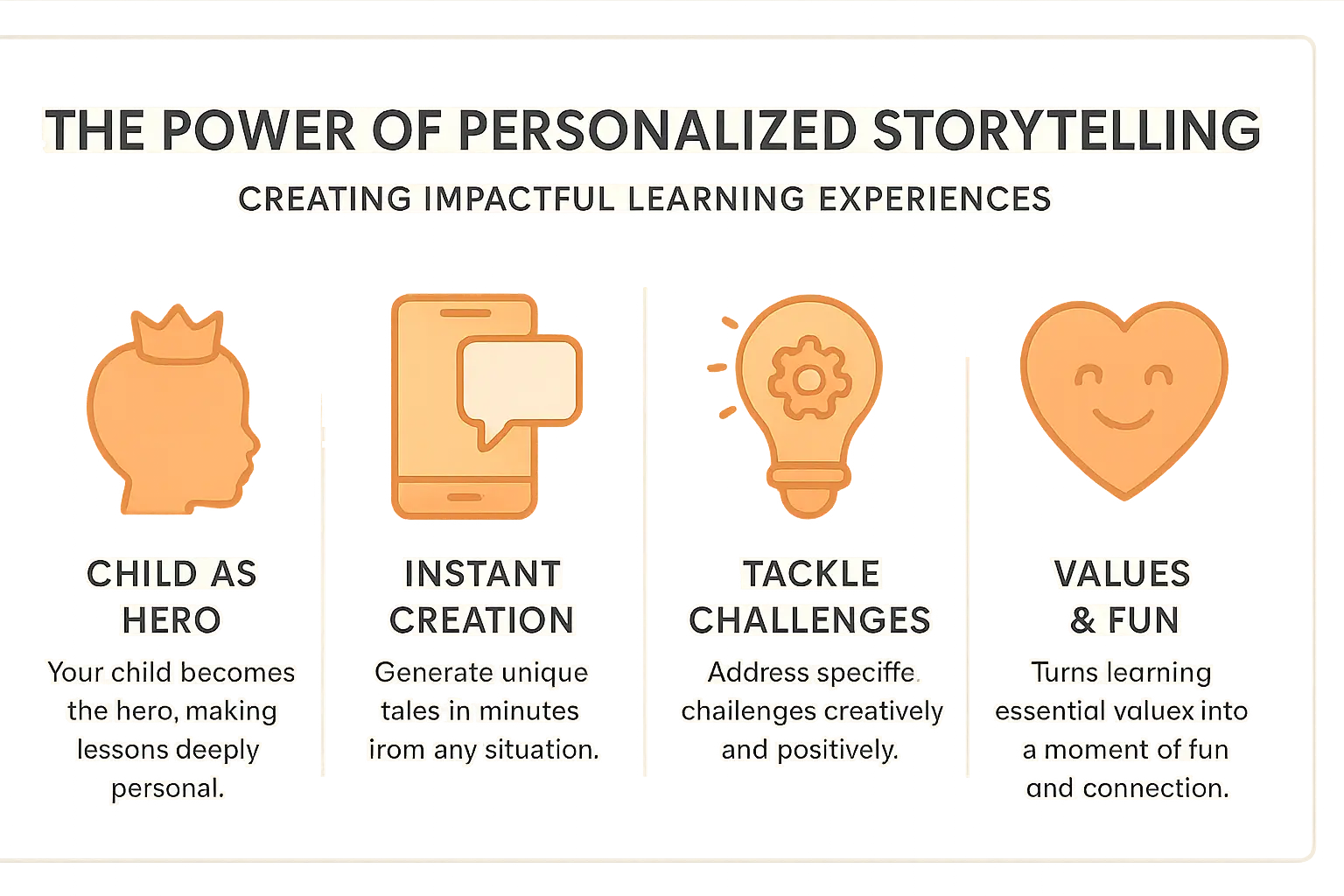
The Power of Personalized Tales
When a child hears a story where they are the hero choosing kindness over selfishness, the lesson sticks. 🌟 Personalized tales don’t just entertain—they shape identity. Imagine your child solving conflicts, sharing toys, or comforting a friend—all while recognizing their own strengths in the narrative. This isn’t just storytelling; it’s a mirror reflecting their potential to make a difference.
Bringing Values to Life
What if you could turn everyday challenges into adventures? A simple voice note sent via WhatsApp becomes a story where your child learns respect by standing up for a classmate or protecting nature. 🌍 No app downloads, no tech hurdles—just AI crafting tales in minutes. These stories aren’t random; they’re built around your child’s name, photo, and experiences, making lessons feel real and urgent.
Think of it as a secret weapon for teaching empathy. 🤫 Whether tackling potty training jitters or first-day-of-school nerves, these stories embed life skills into thrilling quests. Need proof? Families globally use this tool to transform parenting moments into lasting values. It’s a fantastic way to teach core values that will guide them through life.
- Your child becomes the hero, making the lesson deeply personal.
- You can tackle specific challenges in a creative and positive way.
- It turns learning essential values into a moment of fun and connection.
Why settle for generic books when you can create stories that grow with your child? 💡 Every tale adapts to their evolving personality, ensuring respect isn’t just taught—it’s experienced.
Respect stories aren’t just tales—they’re blueprints for empathy! 🌟 By learning to listen to wisdom, celebrate uniqueness, and honor every role, we shape a kinder world. Pair these lessons with self-respect, then bring them to life through personalized adventures (no fancy tools needed—just a chat and a dash of creativity!). Ready to turn values into everyday heroics? 💬✨
FAQ
What’s a quick yet powerful story that teaches respect? 🌱
Meet Leo, a curious kid who ignores his elderly neighbor Mr. Gable’s advice about planting a seed in the shade. When his flower wilts under the harsh sun, Leo learns that respect isn’t just polite words—it’s valuing others’ wisdom. Mr. Gable’s patience and Leo’s humble return to ask for help show how respect grows from listening. 🌟
What are the 7 essential rules for showing respect daily? 📜
Think of respect as a recipe! Here’s the breakdown: 1️⃣ Listen fully (no interrupting!). 2️⃣ Choose kindness with words and actions. 3️⃣ Cherish differences (unique = awesome). 4️⃣ Care for shared spaces (parks, toys, Earth!). 5️⃣ Appreciate effort (a “thank you” goes far). 6️⃣ Set healthy boundaries (you > people-pleasing). 7️⃣ Lead with empathy (walk in their shoes). These rules work like a team—they’re stronger together! 💥
What are 5 simple daily ways to show respect? ✨
Here’s your cheat sheet: • Give undivided attention (phones down! 📵). • Use kind words (swap sarcasm for smiles). • Embrace quirks (love the mismatched socks! 🧦). • Keep shared stuff tidy (don’t leave a mess). • Notice others’ wins (“great job” > silence). Bonus: These tiny acts build BIG trust! 🌈
What are real-life examples of respect in action? 🌍
Think of Maya’s “Mismatched Socks Club”: kids rock their unique styles, proving celebrating differences > judgment. Or Chloe from “The Invisible Janitor” who cleaned her own mess, showing respect for Mr. Finn’s work. Even small acts—like thanking a bus driver or praising a friend’s creativity—turn everyday moments into respect lessons. 🙌
What’s a social story about respect? 📖
A social story is like a mini-guide for real-life situations! For example, imagine a tale where a kid learns to share toys at school. It breaks down why respect matters (happy friends = fun playtime!) and how to act (take turns, use kind words). These stories make abstract ideas like “fairness” feel relatable. 🧒
What’s the shortest moral story anyone should know? 📏
Here’s one: A man plants a seed in harsh sunlight, ignoring advice. It dies. He apologizes, replants it in the shade, and it flourishes. Moral? Respect starts with listening—even when you think you’re right. 🌼
What are the 5 R’s of respect everyone should live by? 🎯
Think of these as your respect roadmap: 1️⃣ Recognize others’ feelings (ask, “How are you?”). 2️⃣ Respond calmly, not angrily. 3️⃣ Refrain from gossip or teasing. 4️⃣ Resist the urge to judge quick. 5️⃣ Repay kindness with kindness. Simple, right? These R’s keep respect strong! 💪
What are the 3 pillars of respect? 🏛️
Picture a stable table: 1️⃣ Empathy (care about others’ feelings). 2️⃣ Equality (no one’s “better”—we’re all human). 3️⃣ Consistency (be respectful every day, not just when it’s easy). Without these, respect wobbles like a one-legged table! 🪑
What’s the number one rule of respect? 🥇
Easy: “Do unto others…” Yep, the Golden Rule! Treat people how you want to be treated. It’s the ultimate respect shortcut—no guesswork needed! 🎯