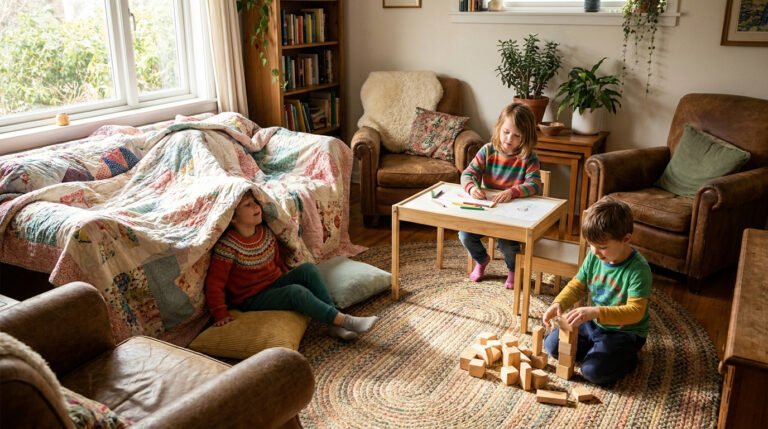
Did you know that children who engage in regular self-directed play develop significantly higher levels of cognitive flexibility and long-term independence? Finding engaging screen free activities for kids at home is not just about filling time, it is about unlocking their natural creative potential.
We often find ourselves reaching for a tablet when the house gets loud or boredom strikes. We will explore how simple household items and structured energy outlets can transform your daily routine into a series of rewarding developmental milestones.
- Screen Free Activities For Kids At Home: A Practical Guide
- 5 Creative DIY Hacks And Sensory Play Ideas
- How Can Boredom Spark Child Creativity?
- Integrating Learning Into Daily Household Chores
- Strategies For A Smooth Transition Away From Digital Devices
Screen Free Activities For Kids At Home: A Practical Guide
Indoor obstacle courses, nature journaling, and sensory bins using rice or beans effectively replace digital screens. These low-cost, high-engagement methods foster cognitive flexibility and independent play through structured high-energy movement.
High-Energy Indoor Play For Active Toddlers
Build complex obstacle courses using pillows and painter’s tape. These paths encourage gross motor skills. Kids love jumping over soft cushions safely.
- Clear floor space.
- Use painter’s tape to mark paths.
- Place pillows as soft jumping hurdles.
- Set up ‘balance beams’ using tape lines.
Organize themed dance parties to burn energy during rainy days. Turn up the music loud. Let children lead the choreography. Indoor scavenger hunts also keep them moving across every room.
Use household items to create physical challenges. Tape lines on the floor for balance beams. This keeps toddlers active without needing expensive gym equipment or outdoor access.
Outdoor Nature Exploration And Neighborhood Discovery
Lead local wildlife observation walks nearby. Identify common birds and insects in your area. Look closely at different plant species growing in the cracks of the sidewalk.
Create simple nature journals for seasonal changes. Document collected artifacts like colorful leaves or smooth stones. Drawing these items helps children notice small details in their natural environment.
We believe these outdoor moments spark curiosity. You can even read animal stories for kids together under a tree to blend literacy with fresh air.
- Magnifying glass
- Small notebook
- Pencil
- Collection bag
5 Creative DIY Hacks And Sensory Play Ideas
While physical movement burns energy, shifting focus to creative construction allows children to engage their fine motor skills and imagination using simple home supplies.
Artistic Projects Using Common Household Recyclables
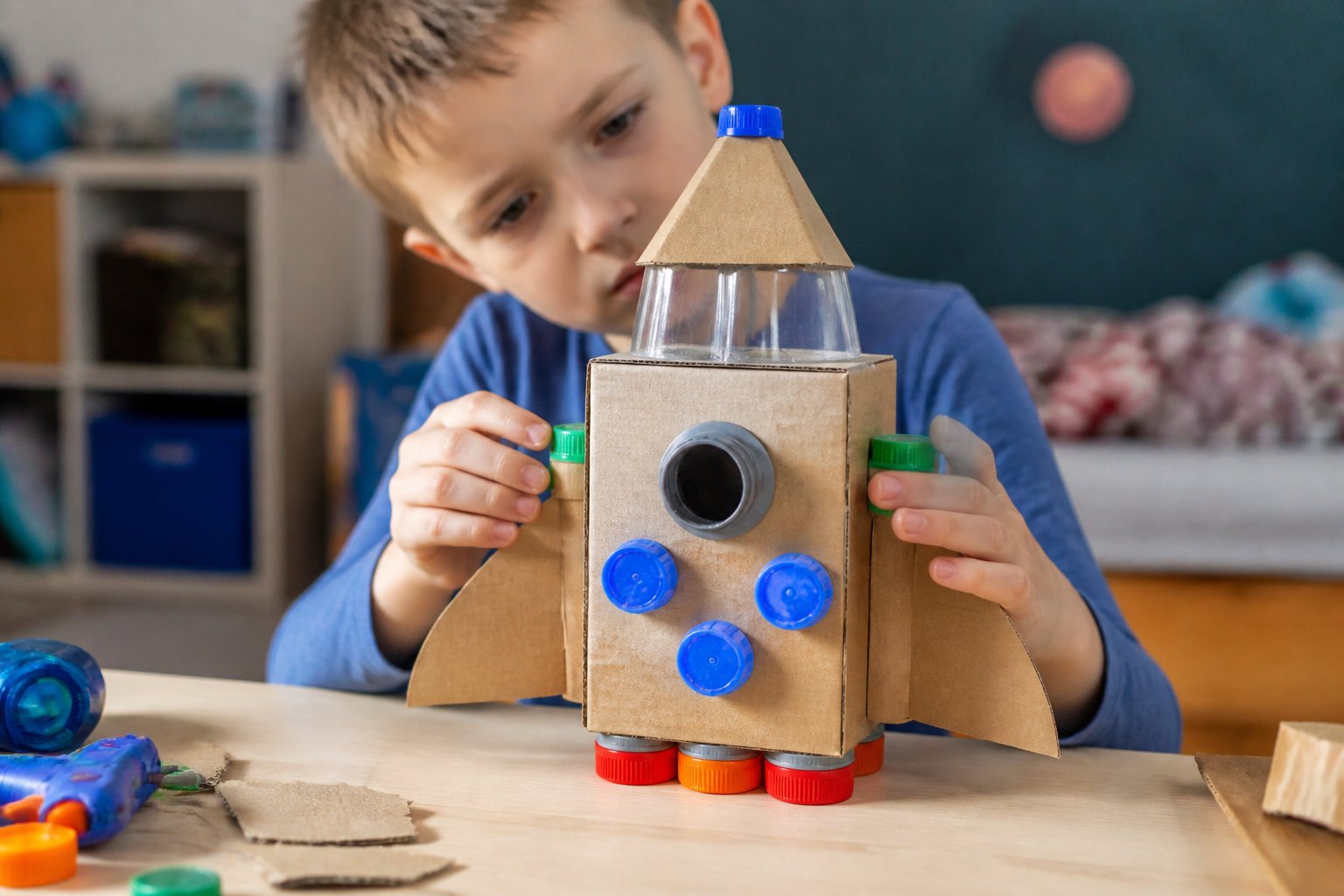
Transform cardboard boxes into elaborate spaceships or miniature city models. Use plastic containers for wheels or towers. These DIY projects cost nothing but provide hours of play. Kids feel proud of their large-scale creations made from trash.
Design custom costumes and masks using paper bags. Add scrap fabric for capes. Basic craft supplies like glue and markers turn a simple box into a hero’s armor.
Recycling bins are a treasure trove for a child’s imagination, turning a simple egg carton into a dragon or a spaceship with just a bit of glue.
Sensory Bins And Tactile Exploration For Early Development
Construct sensory stations using pantry staples like dried beans or rice. These materials stimulate fine motor skills. Pouring and scooping helps toddlers develop hand-eye coordination and focus.
Experiment with homemade playdough recipes for varied textures. Add essential oils for scent. Tactile learning is essential for early childhood development and keeps little hands busy for long periods.
| Base Material | Sensory Goal | Mess Level | Recommended Age |
|---|---|---|---|
| Dried Rice | Tactile | Low | 2-5 years |
| Shaving Cream | Tactile/Visual | High | 2-5 years |
| Water Beads | Visual | Low | 2-5 years |
| Kinetic Sand | Tactile | Low | 2-5 years |
How Can Boredom Spark Child Creativity?
Beyond guided activities, we must value the quiet moments where nothing is planned, as these gaps in the schedule are where true innovation begins.
The Psychological Benefits Of Unstructured Downtime
Periods of inactivity force children to rely on internal resources. They start imaginative problem-solving. Boredom is not a problem to be solved but a catalyst for deep creative thinking.
Self-directed play develops long-term cognitive flexibility. Children learn to entertain themselves without external stimuli. This skill is vital for future independence. Unstructured time allows the brain to rest and then innovate in surprising ways.
Free play offers vital emotional support stories through self-discovery. It builds resilience and mental stability. Kids learn to manage uncertainty naturally without constant adult direction.
Building Dedicated Spaces For Independent Quiet Play
Set up cozy reading nooks with soft pillows. Include puzzle stations for low-energy activities. These spots allow children to engage in quiet play without needing constant adult supervision.
Curate a rotating selection of books and logic games. Change them weekly to maintain interest. Too many toys at once can be overwhelming. A minimalist environment helps kids focus on one task at a time.

Stocking these areas with educational gifts encourages deep focus. Use soft lighting and calming colors. This setup empowers children to manage their own need for introspection.
Integrating Learning Into Daily Household Chores
While independent play is crucial, involving children in the rhythm of the home turns mundane tasks into powerful lessons in cooperation and practical skill.
Cooking And Baking As Collaborative Development Tools
Involve children in measuring ingredients for recipes. This practices basic math and literacy skills. Reading a cookbook together makes learning functional and tasty for the whole family.
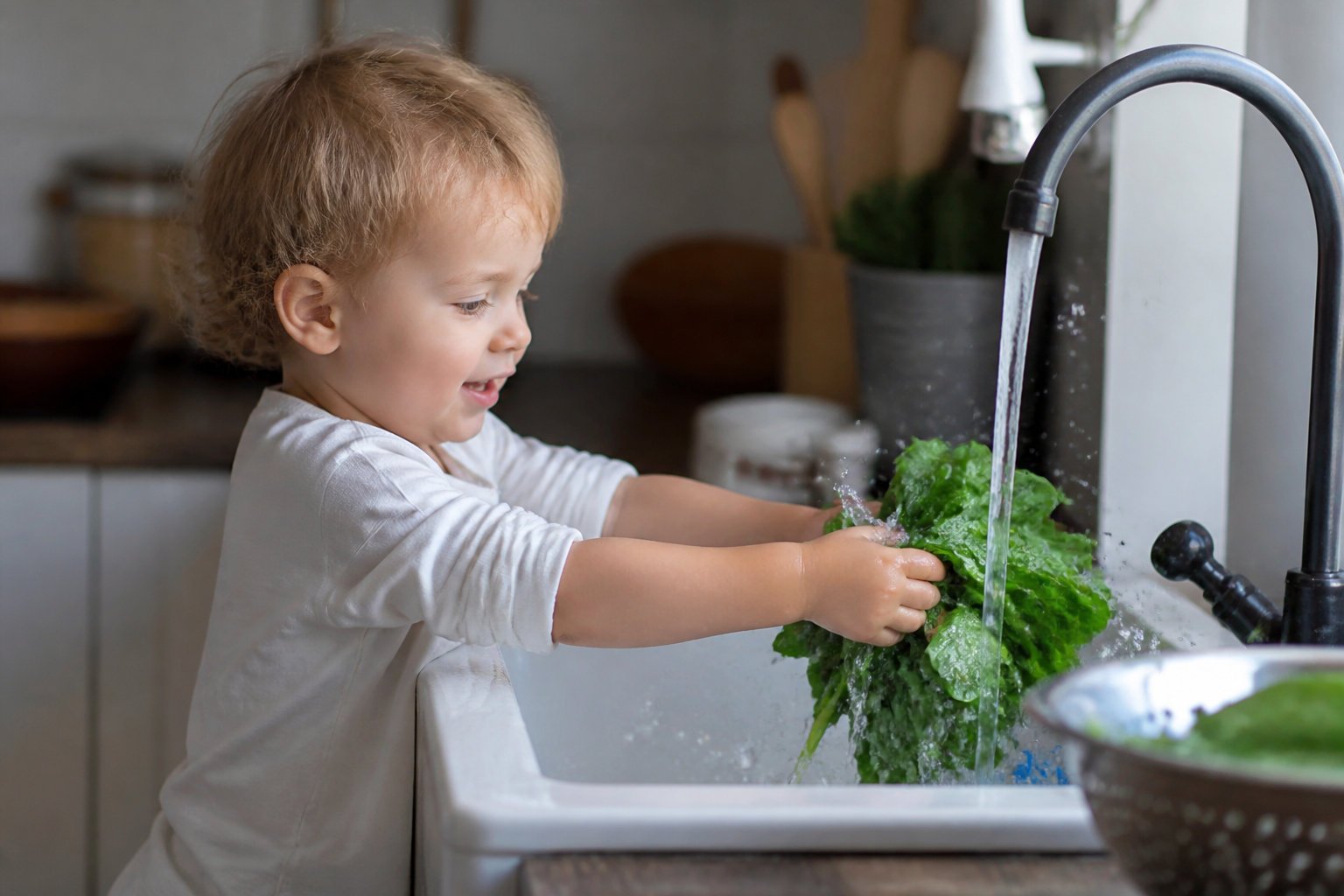
Teach food safety through hands-on preparation of family meals. Explain why we wash vegetables. Show how to handle tools safely. These moments build confidence and teach kids about nutrition and healthy eating habits.
Explain the ‘why’ behind chores, like washing vegetables to remove dirt or measuring flour to learn fractions, to increase child engagement.
“The kitchen is a laboratory where math becomes edible and science is something you can taste, turning chores into a daily adventure.”
Teaching Life Skills Through Shared Home Maintenance
Assign age-appropriate tasks like sorting laundry or watering plants. Organizing toy bins builds a sense of responsibility. Children feel like valuable members of the household when they contribute.
Demonstrate basic gardening techniques to connect children with nature. Show them how to pull weeds gently. This physical upkeep of the home teaches patience and respect for their living space.
For more inspiration on creative screen free activities for kids at home, explore personalized stories for kids to spark their imagination.
Focus on these simple starts:
- Toddler chores: matching socks
- Picking up toys
- Wiping tables
- Putting books away
Strategies For A Smooth Transition Away From Digital Devices
Even with the best activities, the hardest part is often putting the tablet down, which requires a deliberate strategy to avoid tantrums.
Involving children in setting screen-time rules fosters buy-in. Clarity in these boundaries helps them accept restrictions without the typical friction.
Setting Boundaries And Managing Screen-Time Routines
Establish clear verbal cues to prepare children for the end of digital sessions. We suggest giving a five-minute warning. This simple heads-up prevents the shock of an immediate shutdown.
Consistency is your best ally here. Stick to the same schedule every single day. When kids know exactly what to expect, their resistance naturally fades away over time.
Transitioning is easier when you offer a specific alternative immediately. Suggest a quick puzzle or a drawing session. Having a “next step” ready minimizes the urge to stay online.
Creating An Inviting Home Environment For Spontaneous Play
Arrange toys at eye level to encourage self-selection. This reduces the need for adult intervention. When kids can see their options, they are more likely to start playing independently.

Use clear bins and labels to make cleanup intuitive. Maintain an inviting space for new activities. An organized room invites creativity rather than causing stress for the child.
You can find more inspiration for family growth on our parenting tips blog. We share practical tips to help you navigate these daily parenting hurdles.
- Low shelves for easy access
- Labeled baskets with pictures
- Rotating toy bins to maintain interest
- Open floor space for movement
Embracing indoor obstacle courses, nature journaling, and sensory bins fosters essential cognitive growth and independence. By integrating these screen free activities for kids at home today, you reclaim family time and spark lasting creativity. Start small, stay consistent, and watch your child’s imagination transform your living room into a world of endless wonder.
FAQ
What are some fun things for kids to do at home without using a screen?
You can transform your living room into a high-energy playground by building indoor obstacle courses using pillows, cushions, and painter’s tape. These paths encourage gross motor skills and keep toddlers active. For a more creative pace, try artistic projects like turning cardboard boxes into spaceships or crafting sock puppets for a family theater show.
If you prefer quiet time, setting up sensory bins with pantry staples like dried rice or beans provides hours of tactile exploration. You might also involve them in daily life by cooking together or organizing a nature scavenger hunt in the backyard to observe local birds and insects.
How can I keep my child entertained at home without a tablet?
The secret lies in collaborative development tools like baking or gardening. Let your little ones help measure ingredients for cookies or sort laundry; these tasks build confidence and teach functional math. You can also curate a reading nook with a rotating selection of books to maintain their interest in independent play.
For active moments, host a themed dance party or create “nature journals” where they can draw leaves and stones found outside. By providing simple household items, like paper bags for masks or old magazines for collages, you empower them to lead their own adventures without needing digital stimuli.
What can a 7-year-old do when they are bored at home?
At this age, children thrive on DIY projects and logic challenges. Encourage them to write their own stories, poems, or letters to grandparents, which fosters literacy and emotional connection. They can also tackle more complex tasks like building a birdhouse, learning a magic trick, or completing a large jigsaw puzzle.
Boredom is actually a catalyst for imaginative problem-solving. Given a few recyclables and some glue, a 7-year-old can design a miniature city or a custom board game. Outdoor activities like riding a bike, flying a kite, or identifying constellations with binoculars are also fantastic ways to engage their growing curiosity.
How do you entertain a toddler without a TV?
Toddlers love tactile learning and movement. Use sensory stations filled with water, kinetic sand, or shaving cream to stimulate their fine motor skills. Simple structures like wooden climbing triangles or play tunnels are perfect for burning energy safely indoors when you can’t get to the park.
You can also introduce shared home maintenance by giving them age-appropriate chores, such as matching socks or watering plants. These activities make them feel like valuable members of the family. Remember to use clear bins and labels in their play area to encourage them to choose and put away their toys independently.
How can I help my child transition away from digital devices?
We recommend using clear verbal cues and visual timers to prepare them for the end of a screen session. This consistency reduces power struggles and creates a sense of safety. Moving immediately from a screen to a physical activity, like a quick game of tag or a dance break, helps the brain shift from passive consumption to active engagement.
Organizing your home for spontaneous play is also vital. Keep toys at eye level so they are easy to reach, and rotate your collection weekly to keep the environment fresh. By establishing a predictable routine that prioritizes active play after school, you make the transition away from the tablet a natural part of their day.