Pour aller à l’essentiel : Les histoires pour enfants renforcent langage, empathie et esprit critique. Une étude (Frontiers in Young Minds, 2017) souligne que la répétition facilite l’apprentissage du vocabulaire. Adapter les récits aux tranches d’âge (0-3, 4-6, 7-10 ans) maximise ces bénéfices éducatifs, transformant chaque lecture en outil de développement.
Struggling to find kids stories that keep your little one engaged and spark learning? 🤔 You’re not alone! This article reveals how the right tales boost literacy skills, empathy, and critical thinking while turning bedtime into magic. Imagine stories that teach resilience through talking animals, spark curiosity about nature with tales like How Firefly Got His Light, or build vocabulary through rhymes like When Do Hippos Play? 🦛✨ From choosing age-perfect picks to unlocking your child’s inner storyteller, we’ve packed proven strategies, expert-backed insights (yes, even studies show repetition builds memory!), and interactive secrets that transform stories into lifelong adventures. Ready to turn pages into priceless moments? 📚✨
Why Kids Stories Are The Most Powerful Tool In Your Parenting Toolkit
Ever wondered why bedtime stories feel like magic? 🌟 It’s not just about escaping to fairy tales—it’s about building the foundation for your child’s future. Stories do more than entertain; they shape how kids see the world.
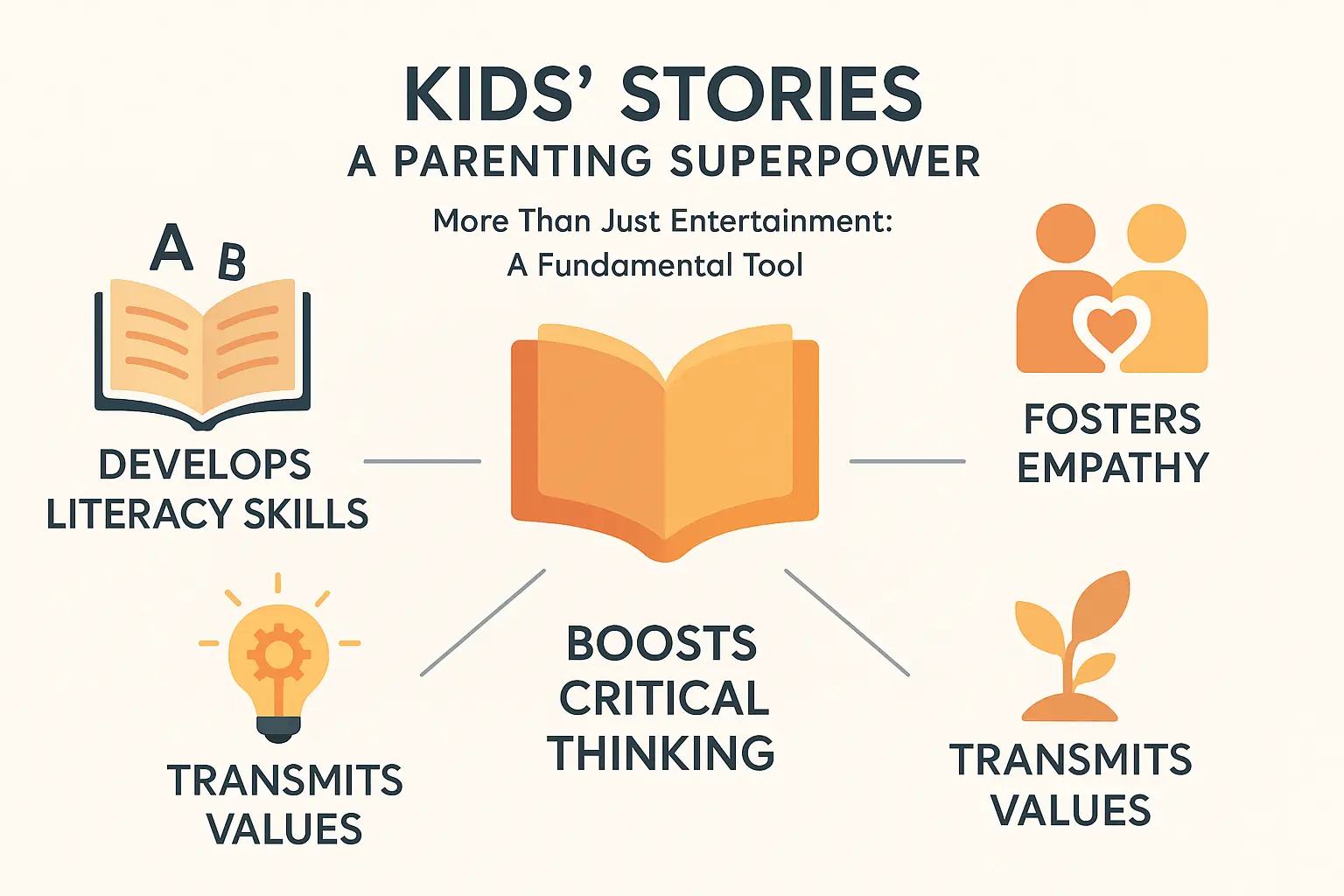
Kids’ stories are communication powerhouses. They boost language skills by introducing new words naturally. They teach empathy by letting children walk in a character’s shoes. They spark critical thinking when little minds guess “what happens next?” Most importantly, they pass down cultural values without lectures.
But here’s the hidden superpower: personalized stories (think WhatsApp-based creations!) make this even stronger. When kids become the heroes of their adventures, they absorb lessons faster. Imagine your 5-year-old solving a forest mystery while learning kindness—that’s how stories turn abstract ideas into real-life skills.
This article explores how choosing the right tales transforms parenting: from picking stories that match your child’s age to crafting narratives that teach resilience or curiosity. Spoiler alert: we’ll also show how to make storytelling a daily habit—even on busy days.
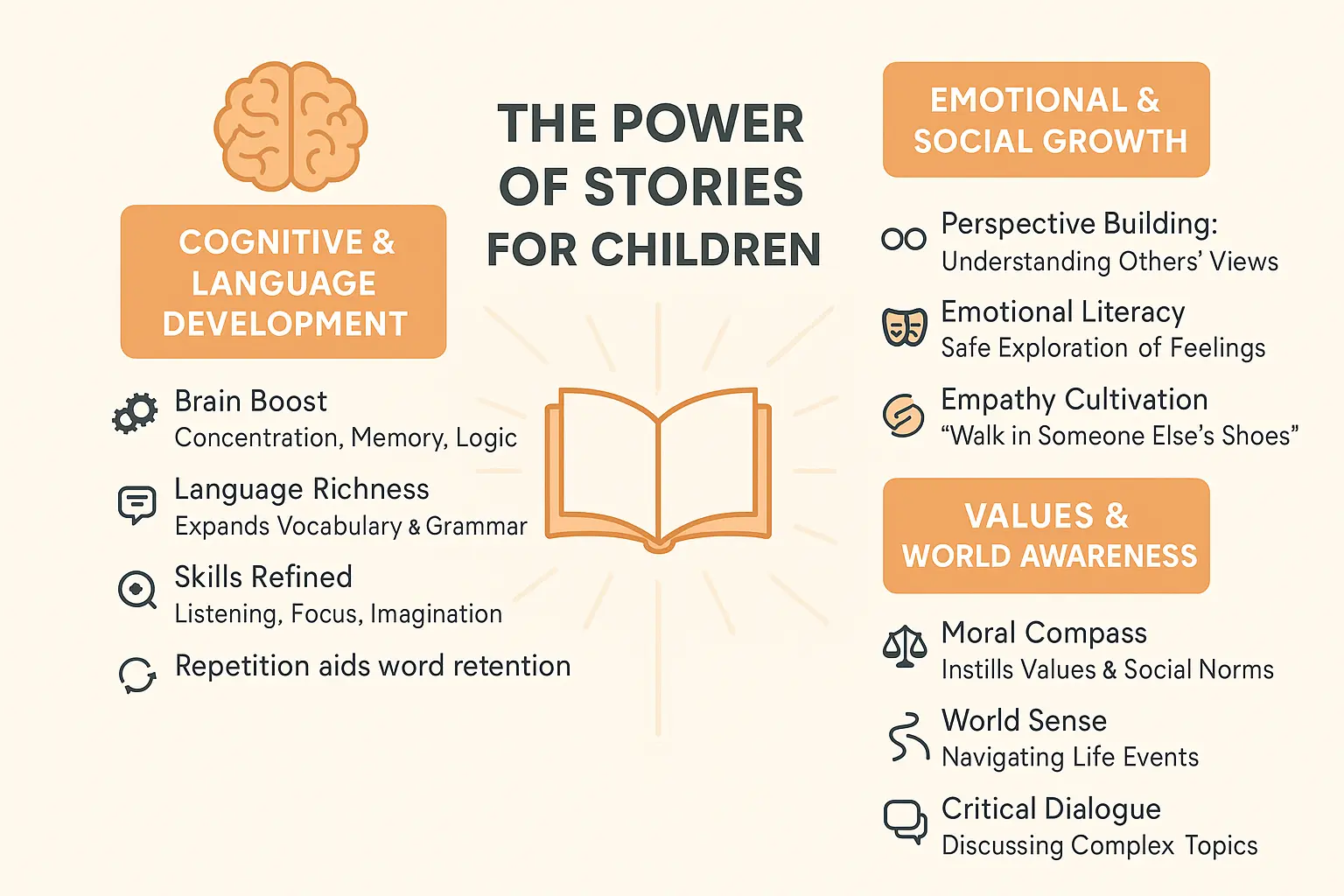
How stories build brilliant young minds and kind hearts
Boosting brainpower and language skills
Stories act like mental gyms for young brains. As kids listen to narratives or follow along with illustrations, they exercise memory by recalling characters and plot twists. 🧠 The rhythm of repeated phrases in classic tales like “The Very Hungry Caterpillar” teaches sequencing while building vocabulary through engaging repetition.
Language development gets a rocket boost too! Children encounter vocabulary in context—like “dragon” while seeing a fiery creature in a picture book. This dual exposure (visual + verbal) cements understanding faster than flashcards ever could. Even grammar rules sneak in subconsciously through properly structured sentences in stories.
Studies show children retain 20% more vocabulary when hearing stories repeatedly. Why? Familiar plots free up mental space for absorbing new words without feeling overwhelmed. They also encounter richer sentence structures that aren’t part of casual conversations, creating neural pathways for complex thinking.
- Expands vocabulary: Introducing new words in a memorable context that sticks through repetition
- Improves listening skills: Teaching children to follow narratives and notice subtle plot details
- Builds memory and concentration: Remembering characters and sequences while predicting events improves focus
- Fosters imagination: Creating vivid mental images that fuel creative thinking and problem-solving
Nurturing empathy and emotional intelligence
Ever seen a child mimic a story character’s excitement? That’s empathy in action! When kids connect with a brave mouse or a lonely robot, they’re learning emotional navigation skills for real-life relationships. This practice becomes a superpower—like how “The Invisible Boy” teaches inclusion through a story about a child finding friendship.
“Stories are a passport to other worlds and other minds. They allow us to walk in someone else’s shoes and see the world through their eyes, building the foundations of empathy.”
Older stories with problematic stereotypes become teaching moments. Experts suggest using them as conversation starters about diversity rather than avoiding them. This builds critical thinking alongside empathy. For example, discussing gender roles in classic tales opens doors to modern values like equality and fairness.
Shaping values and understanding the world
Remember Aesop’s fable about the ant and grasshopper? Moral: preparing for the future matters. Stories transmit cultural values across generations through engaging metaphors and relatable plots that stick better than lectures.
When a child follows a story about a family moving to a new country, they’re not just entertained—they’re learning adaptability. Through narratives, kids absorb cultural norms about kindness and resilience, making abstract concepts feel personal. Stories become safe spaces for exploring tough emotions—like using “The Gruffalo” to teach courage or “The Rainbow Fish” to demonstrate sharing.
Even tricky topics become approachable through stories. A book showing how a baby brother changes family dynamics helps older kids process complex emotions while gaining gentle guidance for life’s challenges. These narratives validate feelings while modeling healthy emotional responses through relatable characters’ journeys.
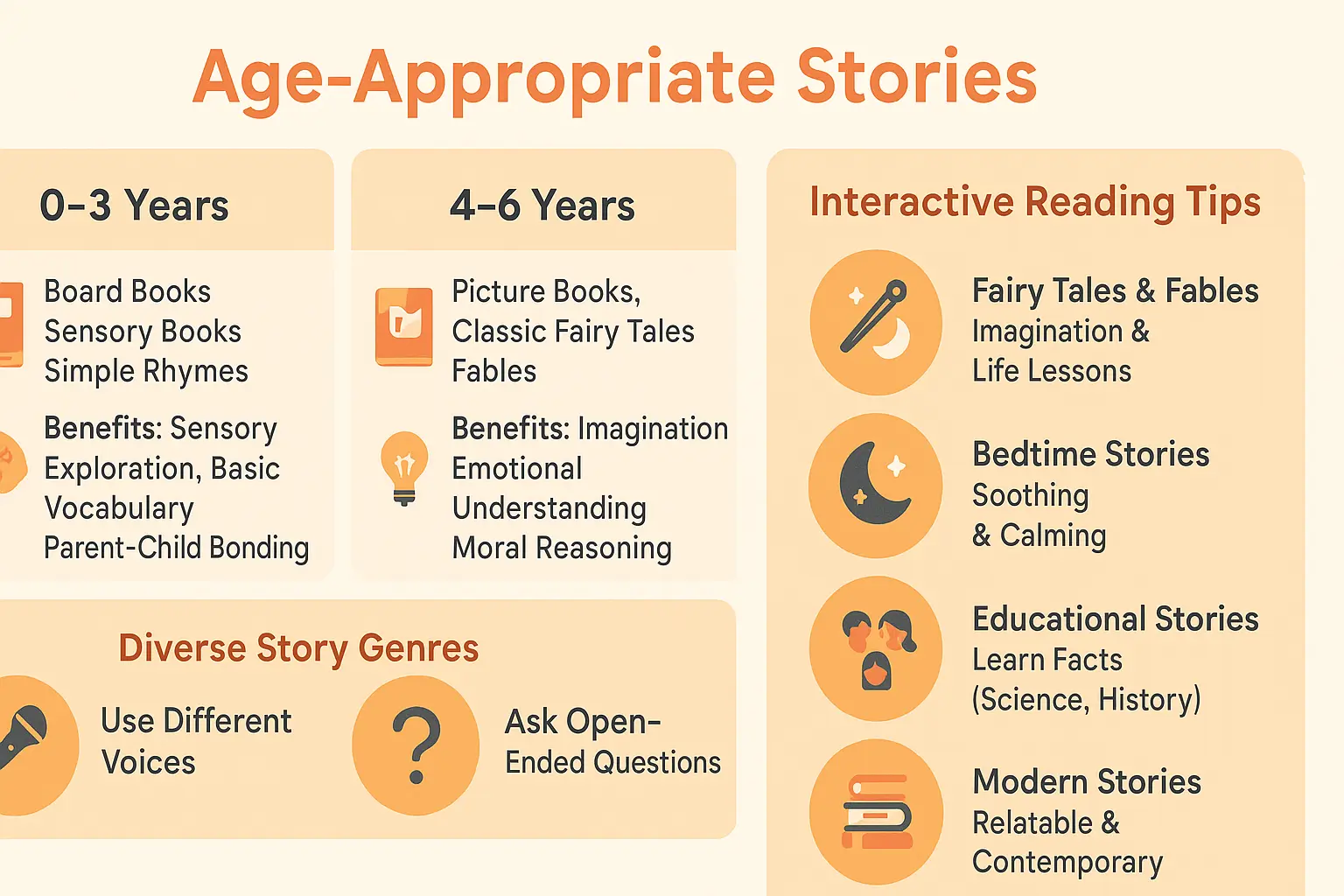
A parent’s guide to choosing the perfect story
Matching stories to their age and stage
Choosing age-appropriate stories isn’t just about keeping kids engaged—it’s about unlocking developmental superpowers. 🎯 Those board books with peekaboo flaps for toddlers? They’re secretly teaching object permanence while you giggle together. 🌟 Sensory books with crinkly pages or bumpy textures? They’re developing tactile awareness and fine motor skills during your cozy reading sessions.
| Age Group | Recommended Story Types | Key Developmental Benefits |
|---|---|---|
| 0-3 Years | Board books, sensory books, simple rhymes | Sensory exploration, basic vocabulary, parent-child bonding |
| 4-6 Years | Picture books, classic fairy tales, fables | Imagination, emotional understanding, moral reasoning |
| 7-10 Years | Chapter books, adventure series, non-fiction stories | Independent reading, critical thinking, complex plot comprehension |
That’s why Tellmestories’ AI remembers your child’s preferences—it’s like having a librarian who grows with your little one. 🌟 Picture this: Your 4-year-old’s love for pirate tales becomes the foundation for 7-year-old adventure stories with maps and problem-solving—this natural progression mirrors real cognitive development thanks to smart memory features.
A universe of tales to explore
Kids stories are portals to whole new worlds. 🌍 Let’s explore:
- Fairy tales: Timeless adventures teaching life lessons. “The Ugly Duckling” teaches self-acceptance while introducing seasonal changes through the duckling’s journey.
- Bedtime stories: Calming narratives like “The Robot Bedtime Book” for friendship lessons. Its predictable rhythms make reading time the highlight of your child’s day.
- Educational stories: “How Firefly Got His Light” explains bioluminescence through storytelling while sneaking in vocabulary like “bioluminescence” and “nocturnal” naturally.
- Modern stories: Tales about kids solving climate challenges or navigating tech help children process today’s world. Imagine a story where characters create an app to save sea turtles!
Check Tellmestories’ kids stories collection for stories that grow with your child. 📚 Their “GNARBLE’S WORLD” series turns reading into a submarine adventure where kids solve mysteries using clues from the text.
The secret to an unforgettable story time
Here’s the formula: great story + active participation = unforgettable moments. ✨
“The most powerful stories are not just read to a child, but shared with them.”
- Use funny accents—pirate villains, robot heroes! 🎭 This makes vocabulary stick better than flashcards ever could.
- Ask “What happens next?” to build critical thinking. This activates prediction skills while keeping engagement high.
- Connect stories to real life. Did your child conquer a fear of the dark? Compare it to a character overcoming nighttime monsters.
- Explore diversity—check these narratives for representation’s importance. Stories featuring kids with multiple homes or non-traditional families normalize diversity organically.
Remember, you’re building connections. 💡 The Washington Post confirms diverse stories help children understand different perspectives. 🌈 Try acting out “The Guardians of Lore” with household items—your couch becomes a dragon’s cave! And here’s a bonus: non-fiction stories like “Why the Cricket Chirps” teach biology and math in one magical package. 🧪
From listener to storyteller: unleashing your child’s creativity
Why your child should create their own stories
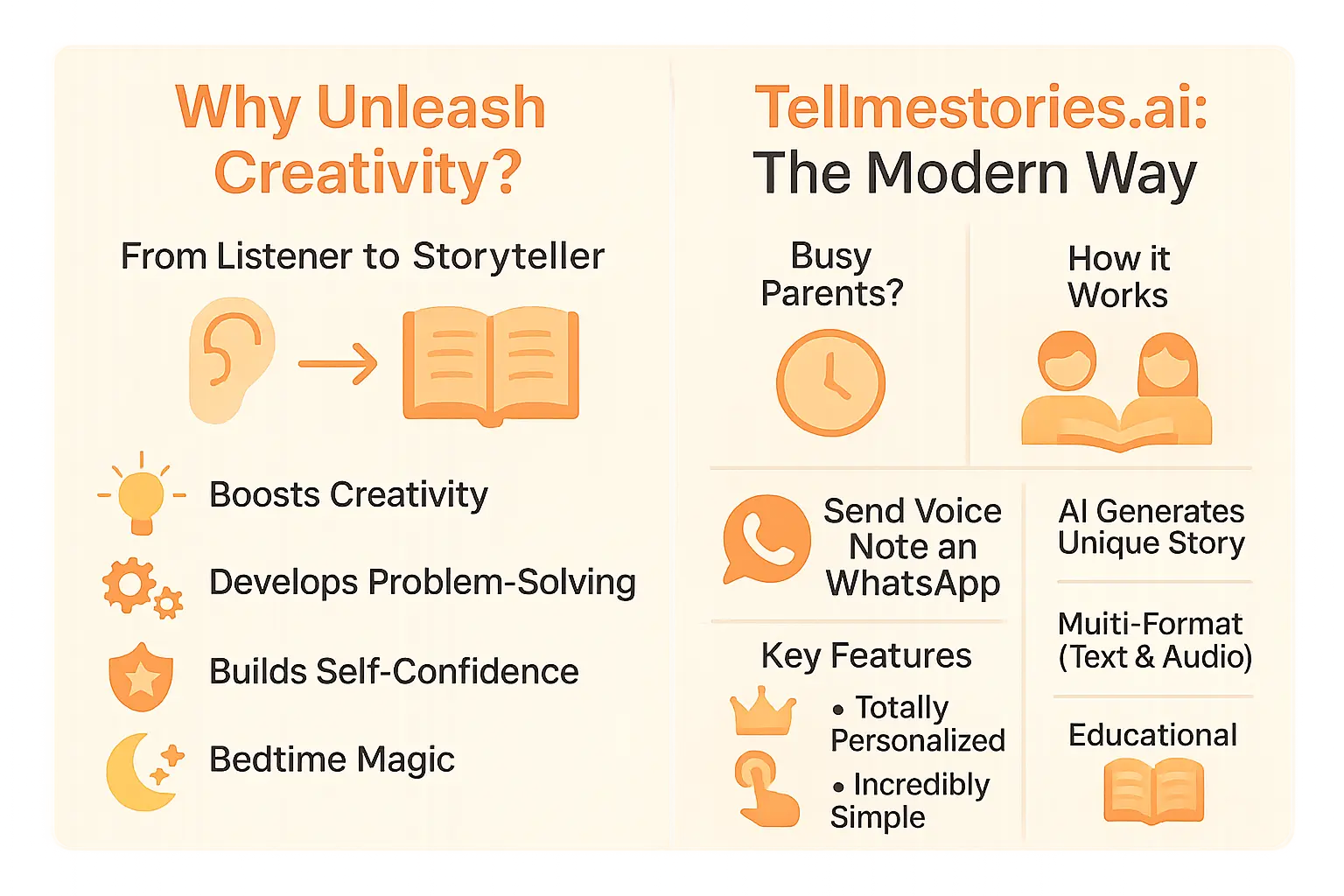
Transforming your child from a passive listener to a story creator isn’t just fun—it’s foundational. Research shows storytelling boosts creativity, problem-solving, and confidence. Kids learn to express emotions, explore “what if” scenarios, and build resilience. Even improvised bedtime tales help: improvising stories strengthens bonds and cognitive skills, like a child crafting a shy dragon’s journey to overcome fears—a playful way to practice empathy and emotional growth. For instance, when kids invent a story about a lost puppy, they’re not just playing—they’re learning to navigate friendships, solve problems, and express compassion.
Story creation also sharpens critical thinking. Studies reveal storytelling activates the prefrontal cortex more than passive activities, engaging kids in visualizing scenes and predicting outcomes. This builds neural pathways for complex thinking, making it a secret weapon for early learning. Unlike static picture books, oral storytelling demands active imagination, keeping young minds alert and curious—a key reason why interactive tools like Tellmestories amplify this process.
The modern way to craft personalized adventures
For busy parents, Tellmestories offers a solution. This WhatsApp-based service turns ideas into magical tales in seconds. No apps—just send a voice note, and AI generates a story starring your child, their friends, and passions. It’s designed by parents who understand the daily grind, blending simplicity with educational value. Think of it as a creative shortcut that adapts to your child’s evolving personality.
Here’s the process:
- Totally personalized: Your child becomes the hero. Imagine a space adventure with their pet dinosaur or a mystery solved with a talking unicorn. AI adapts to their evolving interests.
- Incredibly simple: Just send a voice note like “Tell me a story about a dancing cat.” No tech hurdles—pure creativity.
- Multi-format: Get stories as text, audio, or printable PDFs. The physical book option becomes a family keepsake.
- Educational focus: Seamlessly integrate life lessons, like a penguin learning to use the potty or a fox discovering kindness.
It’s a quick way to craft a custom tale, turning ideas into cherished stories. With photo-to-character customization, your child’s doodles become storybook heroes, while the AI remembers details like favorite animals or hobbies. Over time, stories evolve with their personality—no two adventures ever feel the same. 🎙️✨
Start Your Family’s Next Chapter In Storytelling
Children’s stories aren’t just bedtime rituals—they’re tools that shape how kids see the world. 🌍 From boosting literacy to nurturing empathy, these tales are the building blocks of growth. With personalized adventures, kids don’t just read—they live the story.
From decoding letters to understanding emotions, stories do the heavy lifting. 📚 They teach kids to connect dots, question norms, and absorb cultural values. Ever noticed how a child’s eyes light up when their name appears in a tale? That’s the magic of making them the hero.
Ready to turn pages into memories? WhatsApp-powered storytelling lets you craft custom stories in seconds. No apps, no hassle—just voice notes and instant adventures. Imagine bedtime stories that evolve with your child’s interests. 🚀
Don’t just tell stories—create them. Explore story themes that spark curiosity. Because the best memories start with “Once upon a time…”
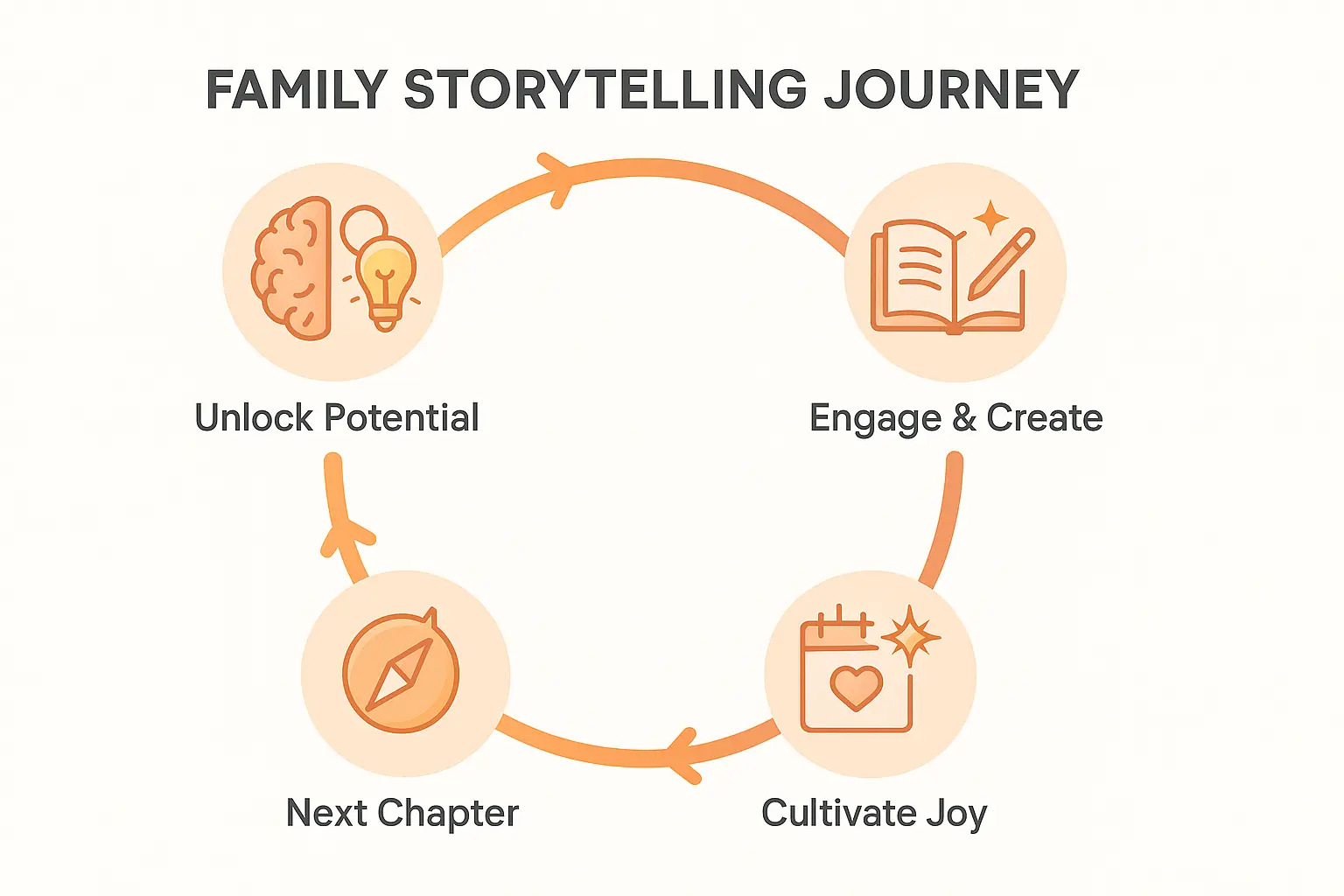
Stories are more than bedtime rituals—they’re tools to nurture empathy, spark creativity, and build vital skills. By choosing age-appropriate tales and encouraging kids to craft their own adventures, you turn reading into a lifelong journey of connection and growth. Ready to ignite their imagination? Explore personalized stories today at story themes and let the magic begin!
FAQ
What makes a story a classic for kids? 🌟
Classics like The Very Hungry Caterpillar or The Gruffalo mix timeless themes (friendship, curiosity) with vibrant illustrations and simple language. They’re ideal for sparking imagination while teaching life lessons. These stories often become generational favorites because they’re easy to follow and full of relatable characters!
Where to download free kids’ books legally? 📚
Check platforms like Storyline Online (video read-alouds), Open Library, or Project Gutenberg for classic tales. Libraries also offer free access via apps like Libby! Pro tip: Look for “public domain” books for unlimited downloads. Amazon Prime members can try Kids+ Prime for curated free reads 🎉.
What defines a good short story for children? 📖
Short stories are 10-20 minute reads with clear plots and lovable characters (think Peter Rabbit). They focus on simple morals or humor, using repetition to boost learning. Perfect for busy parents or bedtime routines, these stories balance engagement and brevity to keep young minds hooked!
What’s a top pick for 7-year-olds? 🎯
For this age, chapter books like “Magic Tree House” or “Diary of a Wimpy Kid” work wonders. They blend humor, adventure, and age-appropriate vocabulary. If they love fantasy, try “The Guardians of Lore”—a tale where kids team up with a frog to save fairy tales from a dragon! 🐉
Which book tops the all-time kids’ charts? 📊
“The Little Prince” (over 200 million copies sold) and “Where the Wild Things Are” are global icons. They tackle universal themes—loneliness, curiosity—with poetic simplicity. For younger crowds, “The Very Hungry Caterpillar” reigns supreme, blending education and charm 🌍.
Need creative story ideas for kids? 💡
Try: – A talking robot who learns kindness by helping woodland friends. – A time-traveling backpack that teaches history through funny mishaps. – A shy cloud who gains confidence by creating rainbows. Use Tellmestories AI to turn these ideas into personalized adventures—your child stars in the tale! 🚀
What books suit 7-year-olds? 📚
Look for chapter books like: – “Charlotte’s Web” (empathy & friendship). – “The BFG” (imagination & humor). – “Gemma” (adventure & problem-solving). For reluctant readers, graphic novels like “Dog Man” are a hit—they’re visual and action-packed!
How to access full books without paying? 📖
Use library apps (Libby, Libro.fm) or visit Project Gutenberg for classics. Some sites like Storynory offer free audiobooks too! Quick tip: Join Kindle Unlimited trials for temporary access, but always check if your local library offers free digital copies first. 📚
Does Amazon Kids+ include free stories? 📱
Yes! Amazon Kids+ subscribers get unlimited access to 15,000+ books, including New York Times bestsellers. Non-subscribers can sample free titles in the Kindle Store. Pro tip: Pair it with a Whispercast-enabled device for read-aloud features—great for emerging readers! 🎧