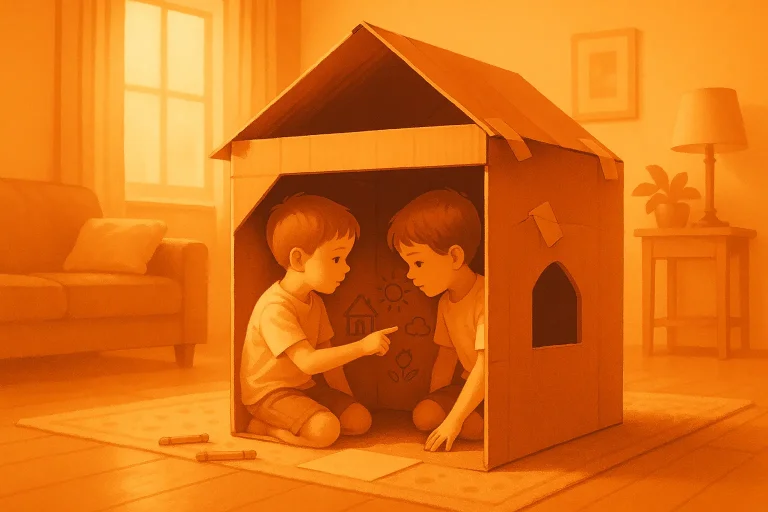
The essential takeaway: Everyday household items spark endless creativity in kids—think cardboard tubes, egg cartons, and old magazines. Ditch screens and structured toys: these low-cost, zero-prep activities boost independence and problem-solving skills. Harvard research confirms a simple cardboard box can engage kids for hours, proving boredom fuels imagination. Turn clutter into treasure and watch their minds shine.
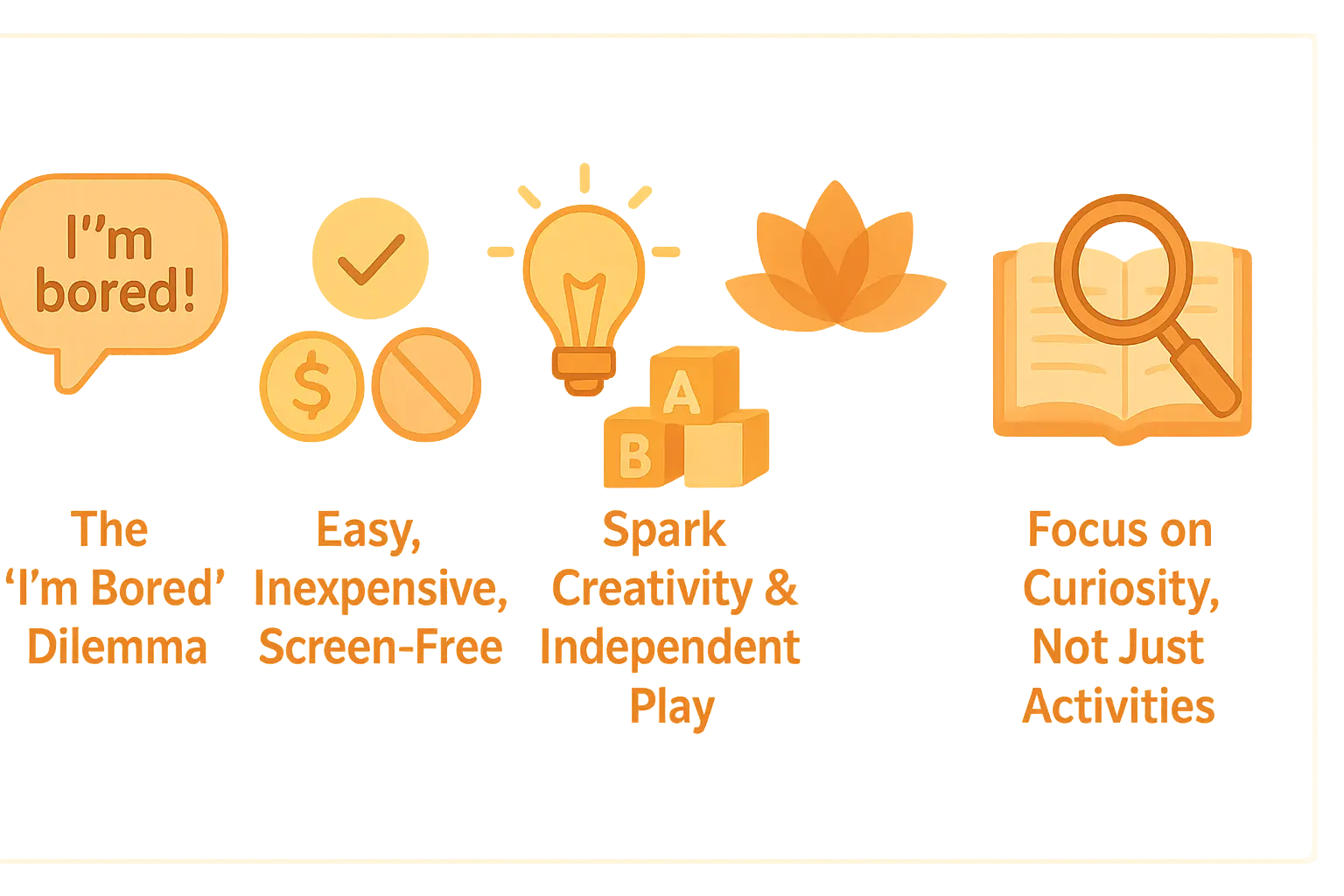
What’s the most dreaded phrase for parents everywhere? 🎯 "I’m bored!" Whether you’re juggling work, meal prep, or just craving a moment of peace, how to occupy kids without screens or endless crafts is a game-changer. This guide spills the secrets: think cardboard box adventures (hello, homemade forts!), rainy-day dance-offs, and quiet-time puzzles that double as brain boosters for problem-solving skills. Spoiler alert: you’ll uncover why independent play isn’t just a sanity saver—it’s the secret sauce for raising curious, confident little humans without breaking the bank. Plus, every idea here is super simple to set up. Ready to transform “bored” into “brilliant”? 💡
Tired of hearing ‘I’m bored’? your ultimate guide is here
What’s the one phrase that can send a shiver down any parent’s spine? 🎯 The dreaded “I’m bored!” strikes when you’re juggling work or dinner prep, craving five minutes of peace. Picture this: your little one sprawled on the couch while you Google “screen-free ideas” — again. Sound familiar?
Here’s the fix: skip fancy gadgets or Pinterest overload. 🌟 This guide transforms “bored” into “let’s do this!” using stuff you own, zero tech, and creativity.
Think sensory play with kitchen staples, DIY adventures that won’t break the bank, or science magic in your recycling bin. No apps, no eye-rolling — just pure fun. 🎨
Ready to turn chaos into calm? Your child’s next masterpiece might be made from spaghetti, socks, or that cereal box they’re eyeing. Let’s dive in — your sanity starts here! 🚀
Keeping kids happily occupied isn’t about filling every minute with structured activities, but about sparking their curiosity and allowing them to explore their own world.
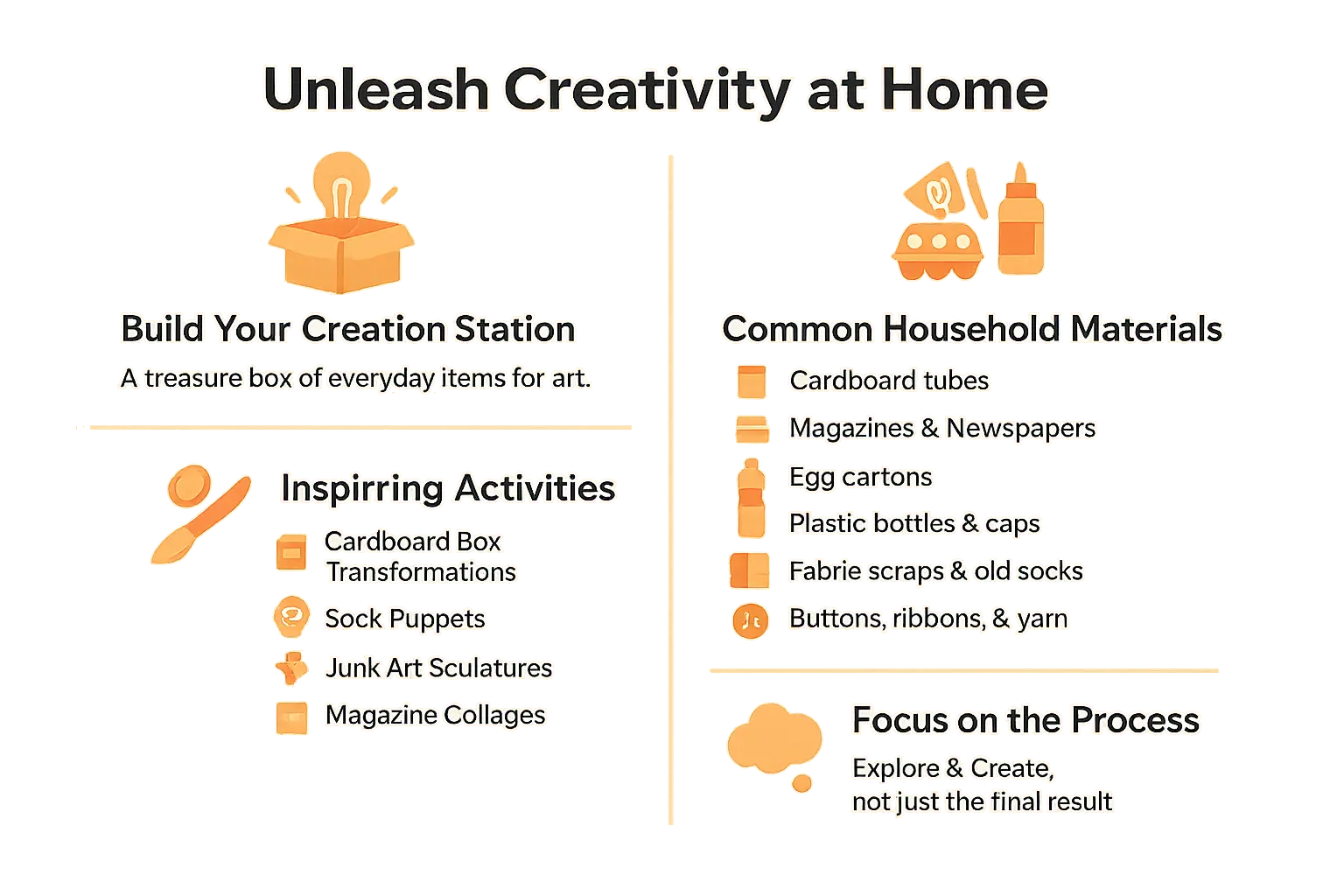
Unleash Their Inner Artist With Simple Household Items
Forget fancy art supplies 🎨. Your kitchen drawer and recycling bin hold endless possibilities for creative play. Transform everyday objects into tools for imagination, all while minimizing costs and clutter! These activities naturally encourage the same storytelling magic found in personalized adventures.
Build A Creation Station
Create a “tinker box” with these readily available materials:
- Cardboard tubes (from paper towels or toilet paper)
- Old magazines and newspapers
- Egg cartons
- Plastic bottles and caps
- Fabric scraps or old socks
- Buttons, ribbons, and yarn
Store these items in a designated box or basket. Add storage jars for small items like buttons or ribbons. Rotate materials weekly to maintain excitement – swap ribbons for leaves in autumn or seashells in summer. This collection keeps creativity fresh while teaching kids to repurpose everyday objects.
Cardboard Transformations
A humble cardboard box becomes anything your child imagines! As experts from Harvard suggest, a simple cardboard box can provide hours of engagement. Turn it into:
- Castle with a drawbridge
- Race car with painted wheels
- Dollhouse with multiple rooms
Use non-toxic markers for decoration and fabric scraps for “windows.” For safety, pre-cut sharp edges with adult help. Let kids lead the way – they might surprise you with rocket ships or robot armor!
Sock Puppets And Recycled Creations
Grab mismatched socks for quick puppet making. Add buttons for eyes and yarn for hair. Try these ideas:
- Animal characters
- Storybook heroes
- Imaginary creatures
Create “junk art” sculptures using bottle caps, egg cartons, and plastic containers. Make a robot from milk bottle caps or a flower garden from egg carton petals. For quieter play, make collages from magazine scraps – perfect for exploring textures and colors while developing fine motor skills.
Process Over Perfection
Focus on the journey, not the destination 🌟. Messy creations build fine motor skills and creative confidence. Let kids experiment with different materials – tape, glue, and scissors under supervision. This open-ended play sparks storytelling and problem-solving naturally, nurturing the same creativity that powers personalized stories.
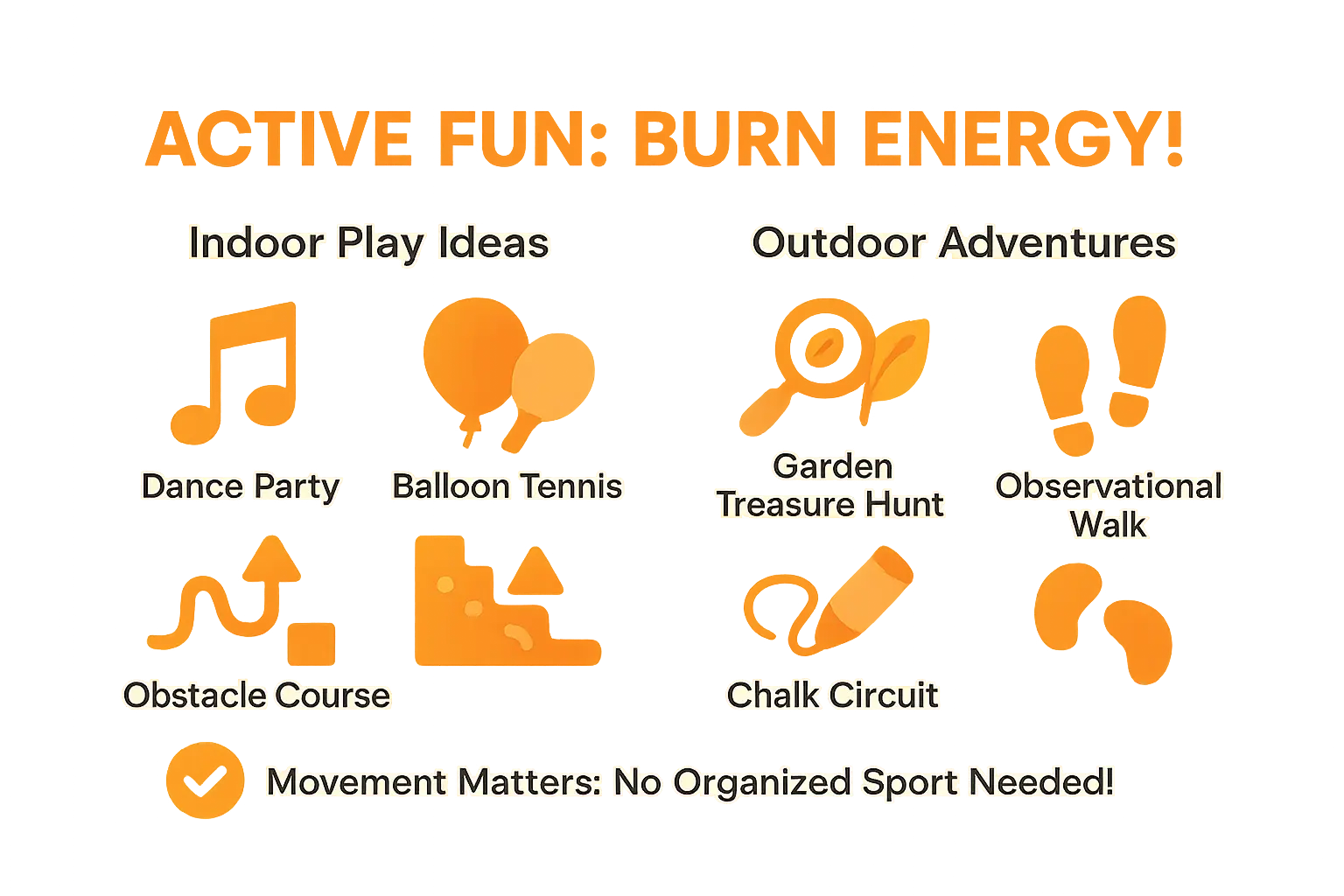
Get The Wiggles Out: Fun Ways To Burn Off Energy
Ever wondered how to keep kids moving without expensive gear or screen time? Physical play boosts motor skills, creativity, and mood. Let’s dive into simple, joyful activities for indoor and outdoor fun!
Indoor Energy Burners
When rain keeps kids inside, turn your home into an adventure zone:
- Dance Party 🎶: Blast favorite tunes and let kids mimic your moves. Switch roles for bonus giggles.
- Obstacle Course 🧱: Use couch cushions (jump!), chairs (duck under!), and blankets (crawling caves).
- Balloon Tennis 🎾: Craft racquets from paper plates and volley a balloon. Aim for targets like a laundry basket.
Outdoor Adventures Nearby
Grab a snack and explore these no-trip-required ideas:
- Chalk City 🟢: Draw hopscotch grids or mazes on sidewalks. Add numbers for math practice.
- Nature Scavenger Hunt 🌿: Hunt for pinecones, colors, or textures in your yard.
- Animal Walks 🐶: Try bear crawls, frog jumps, or crab walks. Roleplay as zookeepers for fun!
Why Physical Play Matters
Experts agree: 60+ minutes of daily activity strengthens muscles, focus, and confidence. Benefits include:
- Coordination (obstacle courses improve spatial awareness)
- Social bonds (team games teach cooperation)
- Brain power (active play boosts memory through sensory experiences)
Even small moments count! Walk to the mailbox, plant seeds in containers, or chase bubbles. Keep it playful—not serious!
Pro Tip: After active play, unwind with a personalized bedtime story via WhatsApp. Tellmestories crafts tales where kids become the hero—no app downloads required. 📖✨
Your secret weapon: activities for calm and independent play
Parenting is a 24/7 job, but quiet moments benefit both you and your child. 🤫 Independent play isn’t just “time alone” – it’s a supercharged opportunity for creativity, problem-solving, and self-confidence. Think of it as mental gym time where kids build essential skills while you catch your breath.
“Independent play is a vital skill. It teaches children to entertain themselves, trust their own ideas, and delve deep into their imagination without constant direction.”
Classic favorites like building with Legos, coloring, or molding playdough work wonders. But what if we told you simple logic puzzles could be hiding in your printer? 🧩 Try printable “grid logic” puzzles – studies show they boost critical thinking while keeping kids engaged. Simple logic problems, like the ‘four fours’ puzzle, turn math into adventure. A quick 10-minute session trains spatial reasoning and perseverance. 🧠
Now picture this: your child snuggled with a picture book, or listening to an audio story. 💤 This isn’t just quiet time – it’s focus in action. And here’s the twist – those audio stories don’t need apps or screens. Imagine transforming bedtime routines with personalized tales where your child is the hero, delivered straight to your WhatsApp. No downloads needed – just send a voice note about their favorite character and hear their name in the story! 📲
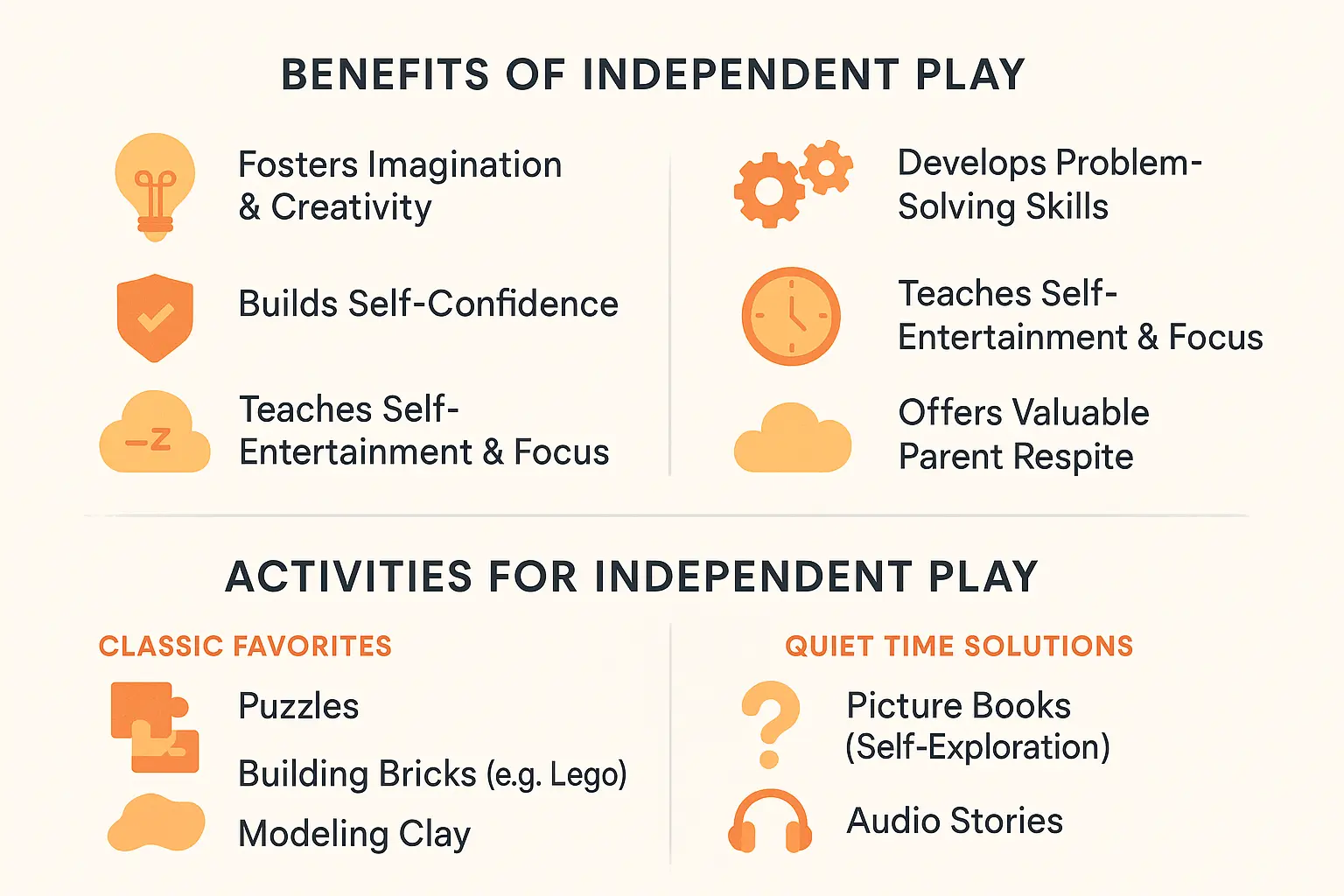
Why does this matter? Because when kids solve story problems or build imaginary worlds, they’re secretly developing problem-solving skills. They learn sequencing through storytelling, patience through puzzles, and emotional intelligence through character choices. The best part? You’re not just buying time – you’re creating thinkers. Ready to turn chaos into calm? 🌟
Remember: those “I’m bored” moments are goldmines! Try this – next time they ask for help, ask “How would you solve this?” instead. You’ll be amazed at their creativity when they know you trust their ideas. And when you need that extra boost? A personalized story can transform “meltdowns” into success stories. 🎉
How To Occupy Kids On The Go: The Ultimate Survival Guide
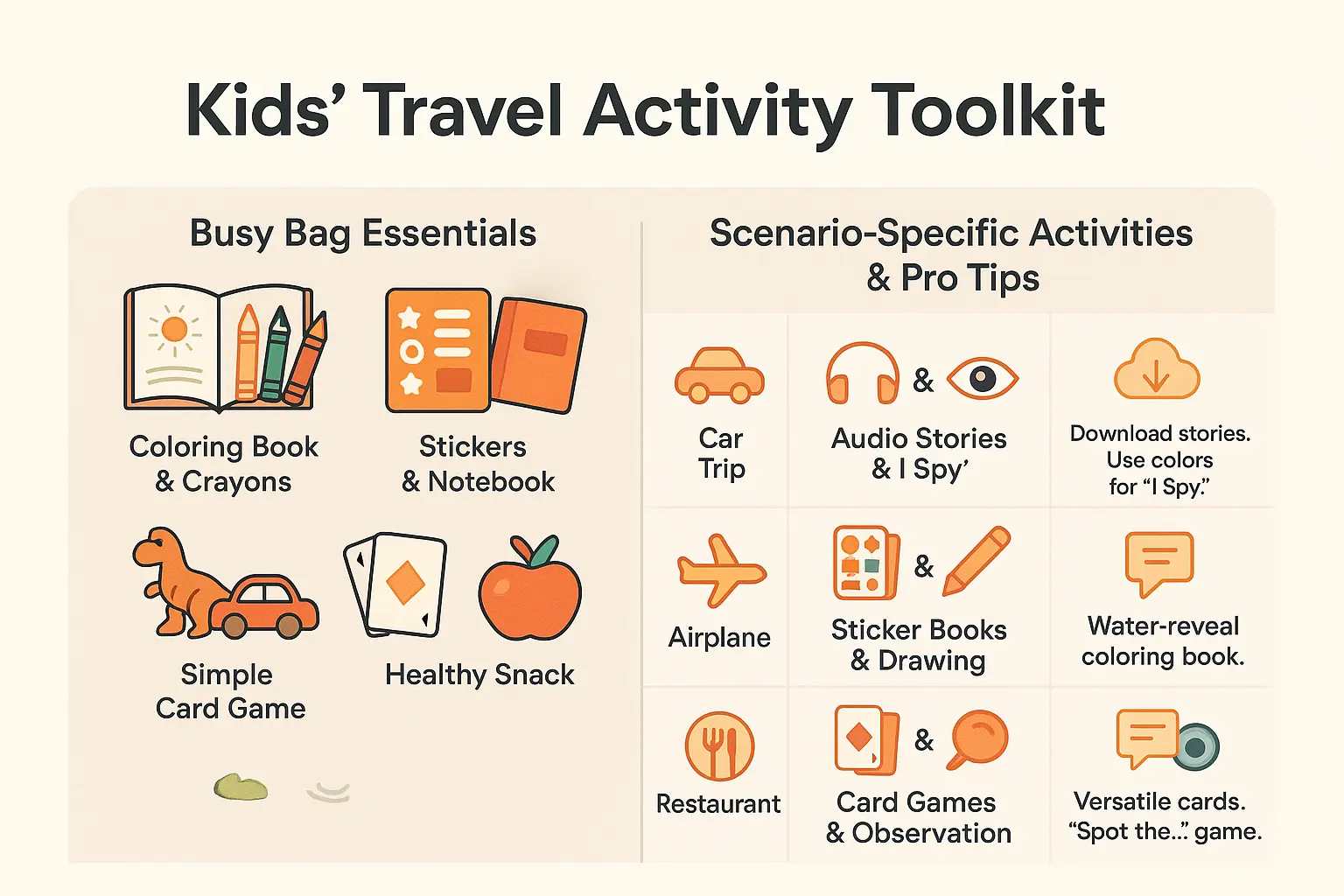
Ever felt like a magician trying to keep kids entertained during car trips or restaurant waits? Let’s unlock the secret weapon: the “travel busy bag” 🎒. This genius hack needs zero screens and minimal effort – and you probably have half the stuff at home! Think of it as your emergency kit for those “are we there yet?” moments.
- Washable coloring book & chunky crayons 📖 (no broken tips here!)
- Repositionable stickers & mini notebook 📝 (perfect for “draw your dream adventure”)
- Mini figurines + weekly “mystery” character 🐾 (shh… surprise a new dino every Saturday!)
- Card game that grows with them (start with Memory at 3, upgrade to Uno at 6) ♠️
- Apple slices & whole grain crackers 🍎 (no sticky fingers on your tablet!)
| Scenario | Best Activity Type | Pro Tip |
|---|---|---|
| Car Trip | Audio stories & “I Spy” | Create a custom story with Tellmestories where they’re the hero. Turn “I Spy” into a points game – 1 point per correct guess! |
| Airplane | Sticker books & drawing | Water-reveal coloring books = magic! No pens needed – just dip in water. Bonus: pages dry clear for redoing. |
| Restaurant | Mini puzzles & storytelling | Try “Once upon a time… we ordered pizza!” and let kids invent the ending. Add drama with hand gestures! |
| Waiting Room | Card games & quiet observation | Play “spot the…” with learning: “I see something starting with ‘sh’ – shoes!” Make it a math moment by counting found objects. |
Here’s the magic: personalize with WhatsApp! 📲 Need a quick story about your kid fighting dragons? Just send a voice note to Tellmestories and get instant audio tales where they’re the hero. No app needed – just tap and play! Imagine their face when the story reveals their name as the brave knight saving the day 🐉.
Smart hack: Add weekly surprises. Swap stickers or rotate figurines to keep things fresh. Repurpose household items – that cereal box becomes a puppet stage 🎭 (just add chopsticks!). Pro tip: Let kids help pack their bag – teaches planning skills AND cuts backseat whining.
Time to test these hacks! Which challenge first? The never-ending car trip? Restaurant waits? Share your favorite trick below 👇 Remember – it’s about happy, engaged kids with minimal stress 💡. And hey, these same tricks work for grandparents too! Who knew?
The power of interactive and educational fun
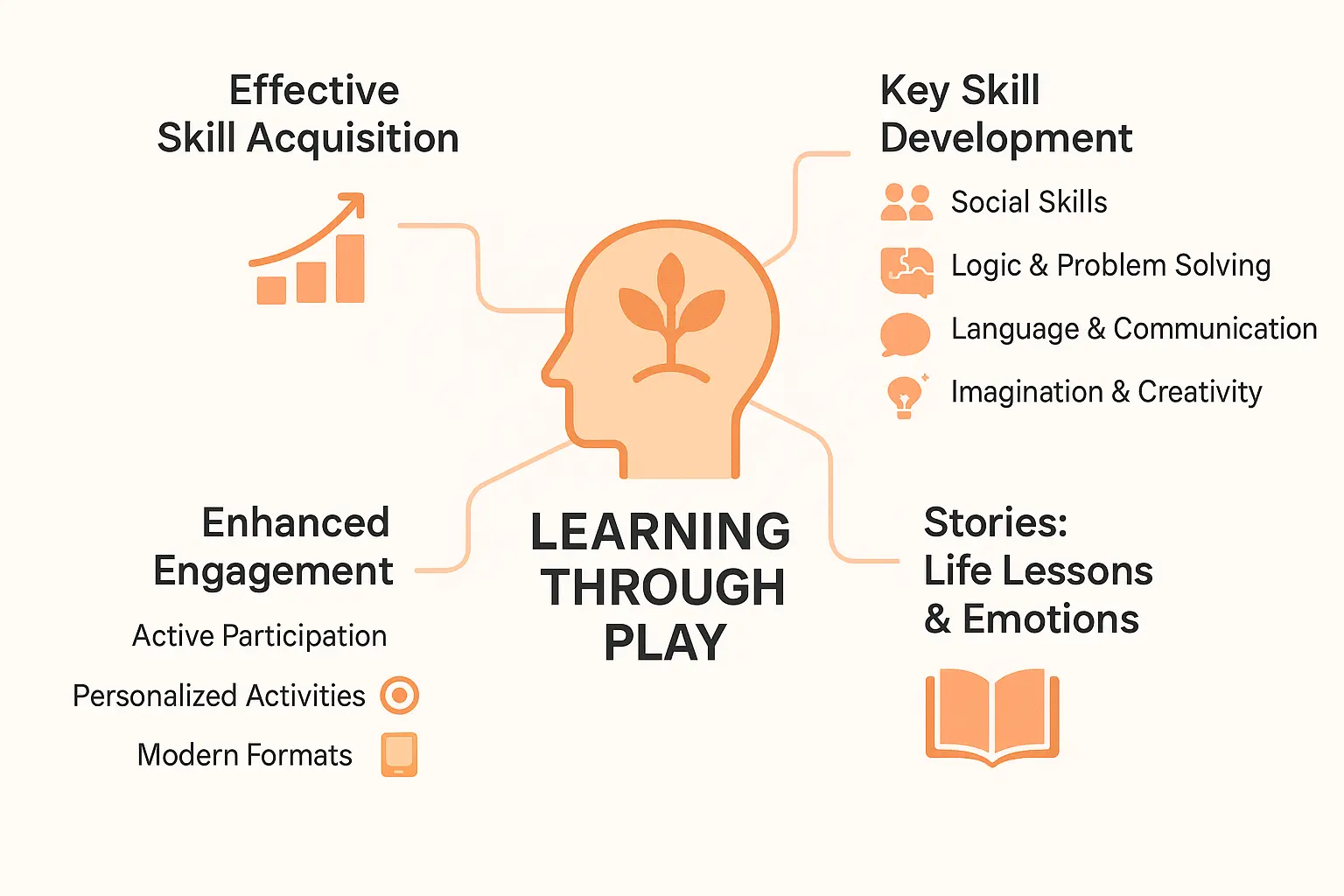
Ever wondered why kids thrive when they play? 🤔 Learning through play isn’t just fun—it’s a supercharged way for little ones to grow. Think of it as a secret sauce mixing social skills, logic, and language development without breaking the bank.
Activities like role-play or building blocks don’t just keep kids busy—they teach teamwork, problem-solving, and how to string a sentence together. But let’s be real: coming up with fresh ideas can feel like solving a Rubik’s Cube. That’s where platforms like Tellmestories come in, offering a treasure trove of activities tailored to your child’s quirks. No screens? No problem. Just WhatsApp and a dash of creativity.
Ever tried turning bedtime stories into daytime adventures? 📚 Stories aren’t just for sleepyheads—they’re magic portals to teach courage, kindness, or why sharing a cookie matters. And when kids step into those tales as the hero? Boom. Instant imagination boost. Check out kids activities that let them star in stories narrated by pro voice artists—because who doesn’t want to be the main character?
Why settle for passive fun? Interactive formats like audio adventures let kids steer the plot. One tap, and they’re choosing if the dragon shares its treasure or if the spaceship lands on Mars. It’s personalized learning that lives in your pocket. (Thanks, WhatsApp!)
Pro tip: The best playdates are the ones where kids don’t realize they’re learning. Whether it’s a DIY obstacle course or a story where they pick the ending, engagement skyrockets when they’re in control. Curious how? Dive into interactive formats designed to turn “I’m bored” into “Can we do it again?”
Your new motto: creativity over complexity
Why spend hours planning elaborate activities when magic hides in ordinary moments? 🌟 The secret to nurturing curious minds isn’t in expensive kits—it’s in your kitchen drawers and backyard dirt. Simple playdates with household items spark imagination better than battery-powered toys ever could.
Remember: A cardboard box becomes a spaceship, a blanket fort transforms into a medieval castle, and a rainy afternoon offers endless puddle-jump possibilities. 🌧️ These moments aren’t just fun—they’re brain-building sessions for your child’s future resilience and creativity.
Feeling unsure about managing boredom? Don’t! What adults call “boredom,” kids experience as creative fuel. 🧠 When they complain “There’s nothing to do,” you’re actually witnessing their brain’s innovation engine revving up.
- Use what you have – your home is full of treasures
- Embrace independent play – it’s a gift for you and them
- Connect through simplicity – a shared story or a silly game is priceless
Ready to see ordinary moments shine? 🚀 The best toy you can give your child isn’t in a store—it’s your enthusiastic “Let’s try it!” when they propose turning cereal boxes into racing tracks or sock drawers into puppet theaters.
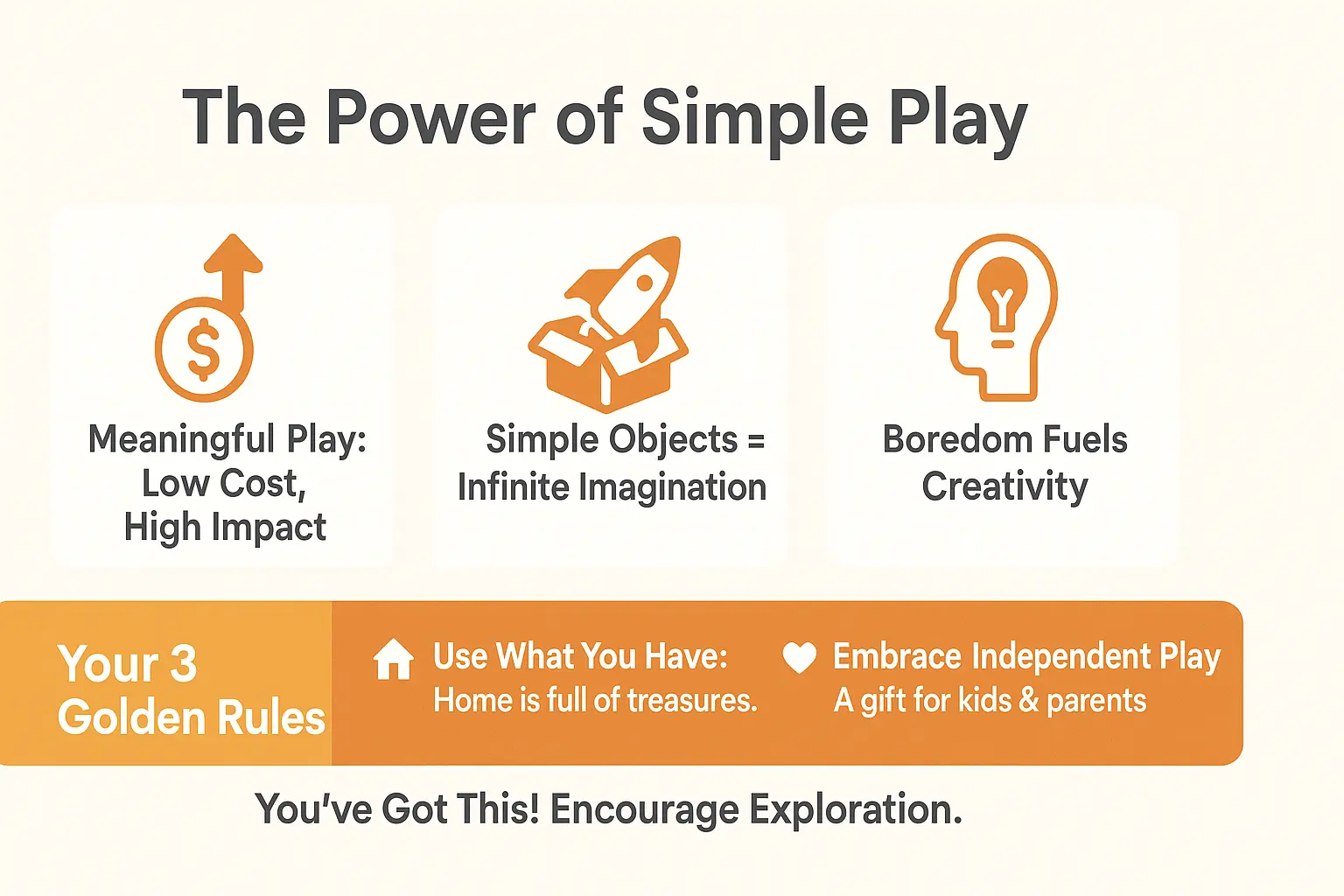
“Embrace creativity over complexity! Everyday items spark imagination. Boredom fuels innovation—transform ‘I’m bored’ into discovery. Quiet moments build independence, fostering problem-solving. Remember: use what you have, embrace play, connect through simplicity. A shared story or DIY project sparks joy. You’re nurturing curiosity and resilience. You’ve got this! 🌟”
FAQ
Which Age is the Tricky Parenting Milestone?
The “terrible twos” and early teens often top the charts for tough parenting phases. Toddlers test boundaries with every “no,” while teens navigate independence and identity. Pro tip: Stay consistent with rules, use positive reinforcement, and remember – this too shall pass!
Discipline Dilemma: What if My Kid Just Won’t Listen?
Focus on clear communication and natural consequences. For younger kids, redirect their energy (e.g., “Let’s scribble on paper, not walls!”). With older kids, collaborate on solutions (“What’s a better way to show you’re angry?”). The 5 C’s of Discipline help:
- Consistency
- Clarity
- Connection
- Collaboration
- Consequences
Boredom Busters: How to Keep Kids Engaged All Day?
Mix creative play (DIY cardboard castles!), physical activities (dance parties or obstacle courses), and quiet time (puzzles or audio stories). Let them explore open-ended projects – a rainy afternoon is perfect for building blanket forts or crafting with toilet rolls!
75% of Parenting Time: What’s the Big Focus?
Most time goes into unstructured moments – meals, routines, and everyday interactions. Think bedtime routines, grocery shopping, or sibling squabbles at the park. These “boring” hours shape habits and bonds more than you’d guess!
Which Parenting Stage Zaps Energy the Most?
Newborns (sleep deprivation!) and toddlers (non-stop supervision) often drain parents first. But don’t sleep on the teen years – emotional rollercoasters and tech battles sneak up fast. Pro tip: Prioritize self-care and lean on support networks!
When Are Kids Most Shaped by Parents’ Influence?
The first 7 years, especially 3-5, are critical. Toddlers absorb language, values, and emotional cues like sponges. This is when they learn to share, manage tantrums, and ask “why?” 100x a day. Golden rule: Model calm and curiosity!
Discipline Decoded: What Are the 5 C’s?
The 5 C’s = Consistency (rules stay the same), Clarity (no vague threats), Connection (empathy > yelling), Collaboration (solve problems together), and Consequences (logical, not punitive). Think “Your toys stay in the playroom, or they’ll take a time-out” vs. “You’re grounded forever!”
Helicopter Parenting: What’s the Big Deal?
It’s when parents hover all the time – rescuing kids from every struggle. While it comes from love, it can backfire. Kids need to fail, solve problems, and make choices (e.g., letting them forget a school project teaches responsibility). Balance = be a guide, not a puppeteer!
Rude Behavior Alert: Why Does My Child Act Like This?
Kids test limits, copy what they see, or struggle to express big feelings. A “rude” toddler might just need help saying “I’m mad!” instead of throwing toys. Teens might mirror stress or seek attention. Fix: Stay calm, model respect, and validate their emotions (“I get it – you’re upset! Let’s talk”). Time to hit “pause” and reconnect 🧘♀️.