
Helping your toddler adjust to a new sibling
Is your toddler suddenly demanding nappies or waking at night just as you settle down to feed the new baby? This shift usually hits in week three, once the visitors leave and the quiet reality of sharing your attention sets in. Your child isn’t being unkind; they are simply navigating the grief of losing their exclusive front seat in your life.
This article explains how to manage these normal regressions and why a personalized story featuring your toddler as a hero can heal the bond with their new sibling. We will help you replace guilt with concrete strategies to restore peace at home.
- Understanding the New Sibling Adjustment and the Front Seat Shift
- 4 Common Toddler Regressions That Worry Parents
- How to Balance Attention Without Neglecting Your Toddler?
- Personalized Storytelling as a Tool for Family Bonding
Understanding the New Sibling Adjustment and the Front Seat Shift
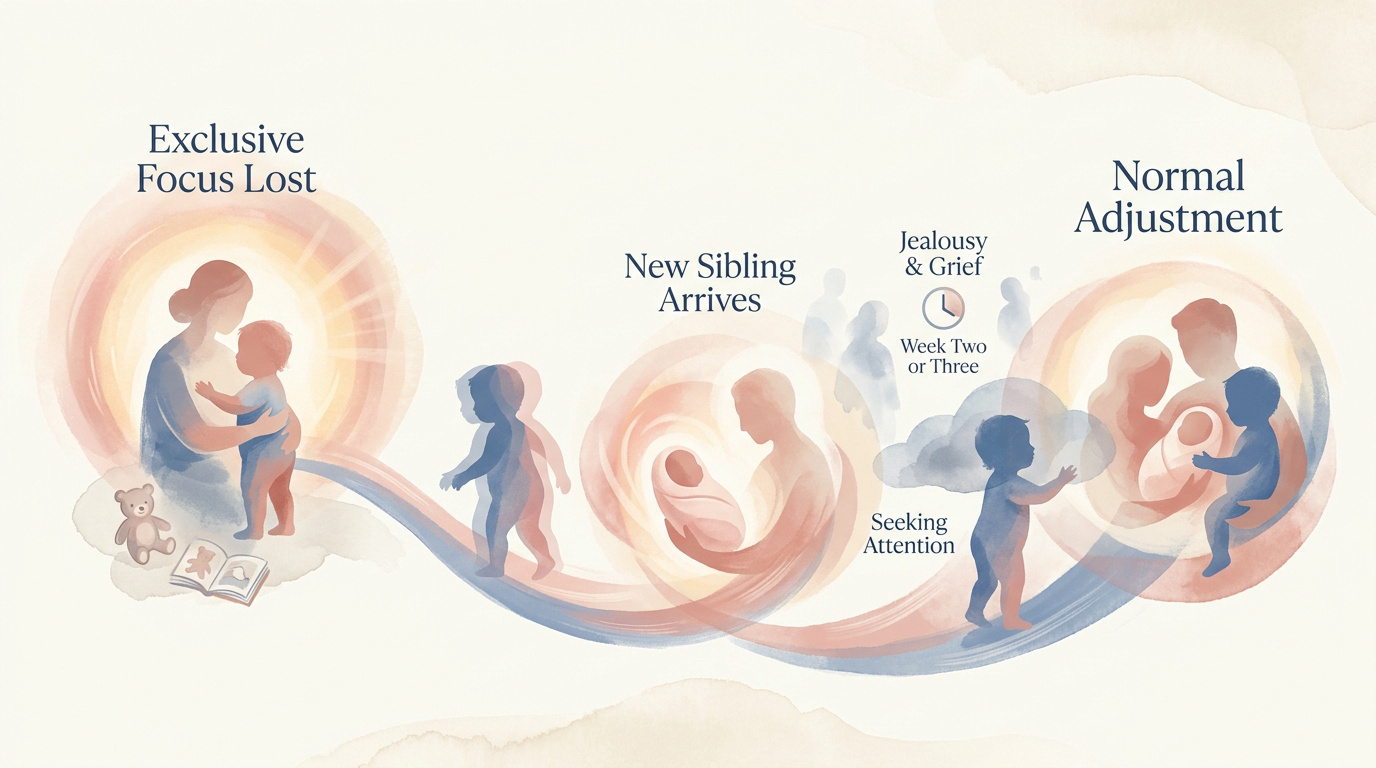
Toddler jealousy typically peaks during weeks two and three as visitors vanish and routine returns. Regressions in sleep and potty training are normal grief responses to losing the exclusive front seat parental focus. This shift marks the moment the new sibling becomes a permanent reality rather than a temporary guest.
The transition usually intensifies around week two or three. As the initial excitement of visitors fades and the house grows quiet, the toddler realizes the infant is a permanent addition to the family.
Why the Reality Hits in Week Two or Three
The initial excitement of the new baby often masks the reality. Once visitors stop coming and the house grows quiet, the novelty fades away completely. The toddler finally understands this infant is staying forever; it is no longer a temporary visit from a stranger. It is a profound shift in their daily existence.
Attention drops as parents focus on basic survival and chores, triggering sharp increases in difficult behaviors. External stimulation disappears, leaving a void for the older child. They feel the sudden lack of novelty deeply, marking the true beginning of their emotional adjustment period. This phase is often the most challenging for the family unit.
The Psychology of Losing the Front Seat
Jealousy is a healthy, normal reaction to a major life change. Your child is not becoming aggressive or unkind; they are simply mourning their status as the only child. The “front seat” represents exclusive access to your energy, and losing it feels like a profound personal loss. This developmental grief requires immense empathy and consistent reassurance.
Validate their feelings without labeling them as “bad.” Understanding this perspective changes how you respond to daily struggles. We wrote a book where your child is the hero to help. Explicitly invite the reader to try that example on this page to see how a personalized story can reclaim their identity and provide a nightly moment that belongs to them alone.
4 Common Toddler Regressions That Worry Parents
While understanding the psychology is vital, parents often face immediate, confusing behavioral changes that require a calm, steady response.
Decoding Requests for Nappies and Baby Talk
A fully potty-trained child might suddenly demand diapers again. This is not a failure of their learning process. They see the baby getting attention for these very things.
Baby talk is another common strategy for reclaiming the spotlight. By mimicking the newborn, the toddler hopes to receive the same nurturing care. It is a subconscious attempt to bridge the gap. Do not mock or punish this behavior at home.
These regressions are temporary coping mechanisms for stress. They usually vanish once the child feels secure again. Patience remains your most effective tool during these messy weeks.
Handling Night Waking and Physical Dependency
Sleep disturbances often return with a vengeance after a sibling arrives. The toddler may fear missing out on nighttime bonding. They need your presence to feel safe again.
You might notice a sudden need to be carried everywhere. Even independent walkers may start acting physically helpless. They want to be held just like the newborn baby.
Meet these needs with affection rather than strict discipline. Providing extra cuddles now prevents deeper resentment later. You can set gentle boundaries without withdrawing your love. Focus on short, intense bursts of physical connection to satisfy their hunger for closeness.
When to Consult a Health Visitor or Doctor
Most adjustments are normal, but some signs require professional eyes. Watch for repeated, intentional physical harm toward the infant. This goes beyond simple curiosity or accidental roughness.
Persistent withdrawal is another significant red flag to monitor closely. If the toddler stops eating or playing for weeks, seek advice. Deep regressions that worsen after six months are also concerning. Early intervention helps the whole family heal faster.
- Persistent aggression toward the newborn.
- Total social withdrawal or refusal to play.
- Significant weight loss or refusal to eat.
- Extreme sleep deprivation affecting parental safety.
In fact, providing a nightly anchor can shift this dynamic. We wrote a book where your child is the hero, specifically to give them a moment that belongs to them alone. It is a personalized story where they become the hero the baby needs, using their own name and house. A real, complete example is embedded on this page; you can toggle between the girl and boy variants or download the PDF. I explicitly invite you to try that example to see how it protects their rituals long after the newborn weeks end.
How to Balance Attention Without Neglecting Your Toddler?
Beyond managing regressions, the most effective way to stabilize the home is through intentional, structured connection time that honors the toddler’s unique place.
Protecting Existing Rituals and One-to-One Time
Short, predictable bursts of attention are better than long, vague windows. Ten minutes of focused play counts for a lot. Keep these appointments strictly to build trust.
Maintain pre-baby routines like bedtime stories or Saturday morning walks. These rituals provide a sense of continuity in a changing world. They anchor the child to their identity. The toddler needs to know their world hasn’t totally collapsed.
| Routine | Why it matters | Quick Tip |
|---|---|---|
| Bedtime stories | Provides emotional security before sleep. | Keep it strictly newborn-free. |
| Bath time | Sensory play and undivided attention. | Focus on their favorite toys. |
| Morning cuddles | Starts the day with physical connection. | Leave the baby in the crib briefly. |
| Mealtime chats | Reinforces their voice in the family. | Talk about their specific interests. |
Assigning Specific and Safe Baby-Related Jobs
Give your toddler concrete tasks to help with the baby. Fetching a clean nappy or choosing an outfit works well. These small jobs foster a sense of belonging.
Being a “helper” makes them feel like a necessary team member. It shifts their role from displaced baby to active participant. Praise their specific contributions to the family. Avoid forcing them to perform affection for visitors or strangers.
Focus on safety and inclusion at all times. If a task feels like a chore, let it go. The goal is connection, not actual domestic labor or stress.
Naming Emotions Instead of Using Big Boy Narratives
Telling a child they are a “big boy” often backfires. It feels like a dismissal of their needs and feelings. They might actually want to be small again.
Validate their frustration or sadness directly and honestly. Say, “It is hard when I am busy with the baby.” This naming of emotions reduces their power. It helps the child feel seen and understood by you.
Frame limits around family safety rather than the baby’s fragility. “We use gentle hands” is better than “Don’t hurt the baby.” This keeps the focus on shared family values.
We wrote this book specifically for this transition: it is OUR product, the book where your child is the hero. A real, complete example of the story is embedded in this page. You can toggle between the girl and boy variants or download the PDF. We explicitly invite you to try that example to see how a personalized story, where your toddler is the hero the baby needs, creates a nightly moment that belongs to them alone.
Personalized Storytelling as a Tool for Family Bonding
One of the most powerful ways to bridge this gap is through the magic of stories where the toddler remains the undisputed star.
The story helps the child process changes by placing them in a position of strength and importance as a ‘protector’ rather than just a displaced sibling.
The Hero Narrative in Our Personalized Book
We wrote this book to make your child the hero. It places the older sibling in a position of strength and importance. They become the protector the baby needs.
Seeing their own name and house in the story is powerful. It creates a nightly moment that belongs exclusively to them. The narrative centers their experience in the new family dynamic. Our story helps them process these big changes safely.
Storytelling provides a bridge between their old life and this new one. It reinforces their value without requiring them to grow up too fast. This is their special time.
Inviting Your Child Into the Story Today
You can explore a real example of the story right here. Toggle between the girl and boy versions of the hero easily. See how the child becomes the star.
We invite you to download the PDF to see the full narrative. It is a practical tool for bonding during those tough early weeks. Experience how the personalized elements change the entire feeling of the book. It is truly unique.
- Try the toggle feature for gender variants
- Download the full PDF example
- View the personalized illustrations
- Check the hero-centered narrative
Jealousy is a natural transition, not a character flaw. By protecting rituals, naming emotions, and using a personalized story to celebrate their unique role, you help your toddler navigate this new sibling adjustment. Stay patient; these regressions fade as your hero discovers that love only grows, never divides.
FAQ
Is it normal for my toddler to be so jealous of the new baby?
Yes, it is completely normal and healthy. At two or three years old, your child is experiencing a profound sense of loss as they move from the “front seat” of your exclusive attention to a shared space. This isn’t a sign that they are unkind; they are simply mourning their old life and navigating a complex developmental transition without adult coping tools.
Why did the jealousy start a few weeks after we came home rather than right away?
The first fortnight is often filled with visitors and a sense of novelty that masks the reality of the change. Once the house grows quiet and the routine returns to “normal,” the toddler realizes the infant is a permanent resident, not a temporary guest. This realization usually triggers emotional outbursts and difficult behaviors around week two or three.
Should I be worried that my toddler is asking for nappies and acting like a baby again?
These regressions, like baby talk, night waking, or wanting to be carried, are very common and often frighten parents more than the jealousy itself. Your child sees the baby receiving care for these needs and subconsciously mimics them to reclaim the spotlight and feel secure. These are temporary coping mechanisms that usually vanish once your child feels their place in the family is safe again.
How long will this difficult phase of sibling adjustment last?
The loudest and most intense phase typically spans the first few months. It tends to soften as the baby becomes a playmate rather than just a rival for your time. However, be prepared for minor flare-ups around new milestones, such as when the baby starts crawling or walking, as these events shift the family dynamic once again.
What is the best way to explain the new baby to my older child?
Use concrete, age-appropriate language and avoid promising an instant playmate, as a newborn cannot actually play yet. Before and after the birth, involve them in small, real decisions like choosing an outfit or a toy. This helps them feel like an active participant in the change rather than a displaced bystander.
How can I balance my attention between the toddler and the newborn?
Focus on short, promised bursts of one-to-one time, even ten minutes of undivided attention is more effective than long, vague windows. Protect your older child’s existing rituals, like bedtime stories, so they feel their world is still stable. Giving them a specific “job,” such as fetching a nappy, also fosters a sense of belonging and importance.
What should I avoid doing when my toddler is struggling?
Avoid forcing your child to perform delight for visitors or framing every rule around the baby’s needs (e.g., “We can’t go out because the baby is sleeping”). Also, telling them they are a “big boy” or “big girl” can backfire, as it may feel like a dismissal of their very real feelings. Instead, name their emotions directly: “It’s hard when I’m busy with the baby, isn’t it?”
When is it time to speak with a doctor or health visitor?
You should seek professional advice if your child is repeatedly and intentionally trying to hurt the baby, or if you notice a lasting social withdrawal where they stop playing or eating. Deep regressions that continue to worsen after several months are also a sign that your family might need extra support to navigate the transition.
How can a personalized story help my child adjust?
A personalized book where your toddler is the hero creates a nightly ritual that belongs exclusively to them. By seeing their own name and house in the story, they feel seen and valued as the protector the baby needs. Our story provides a safe bridge between their old life and the new one, staying on their shelf as a reminder of their importance long after the newborn weeks have passed.
jalousie-fratrie
Milo sait tout de la grande maison.
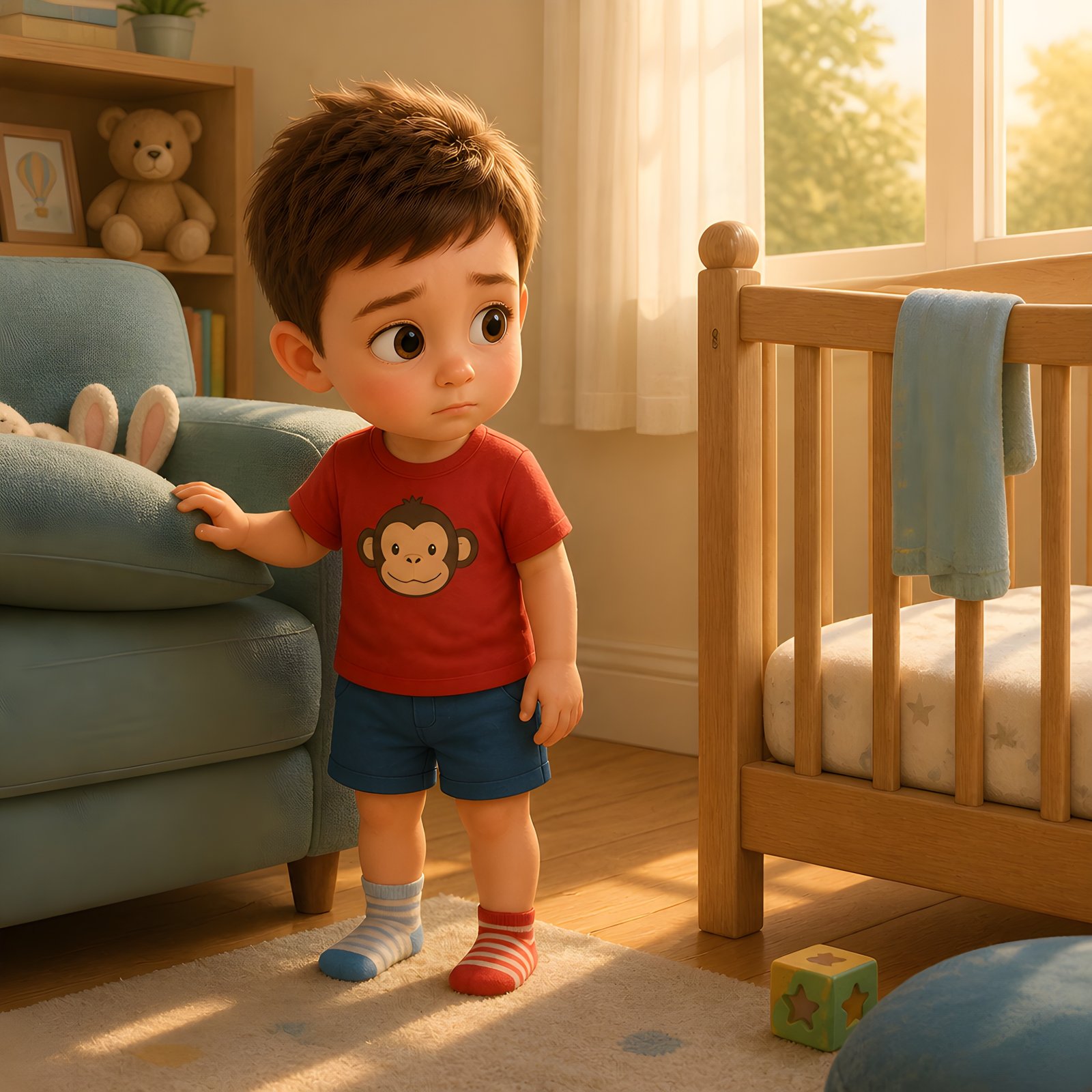
Mais ce jour-là, dans le salon, il regardait le petit berceau et se sentait tout petit, tout transparent. Il murmura : « Je veux redevenir un bébé, moi aussi… »
Soudain, le bébé se mit à pleurer. Wouaaah !
Les parents s’agitèrent dans tous les sens pour la consoler. Sur son tapis, Milo fut oublié. Personne ne le regardait.

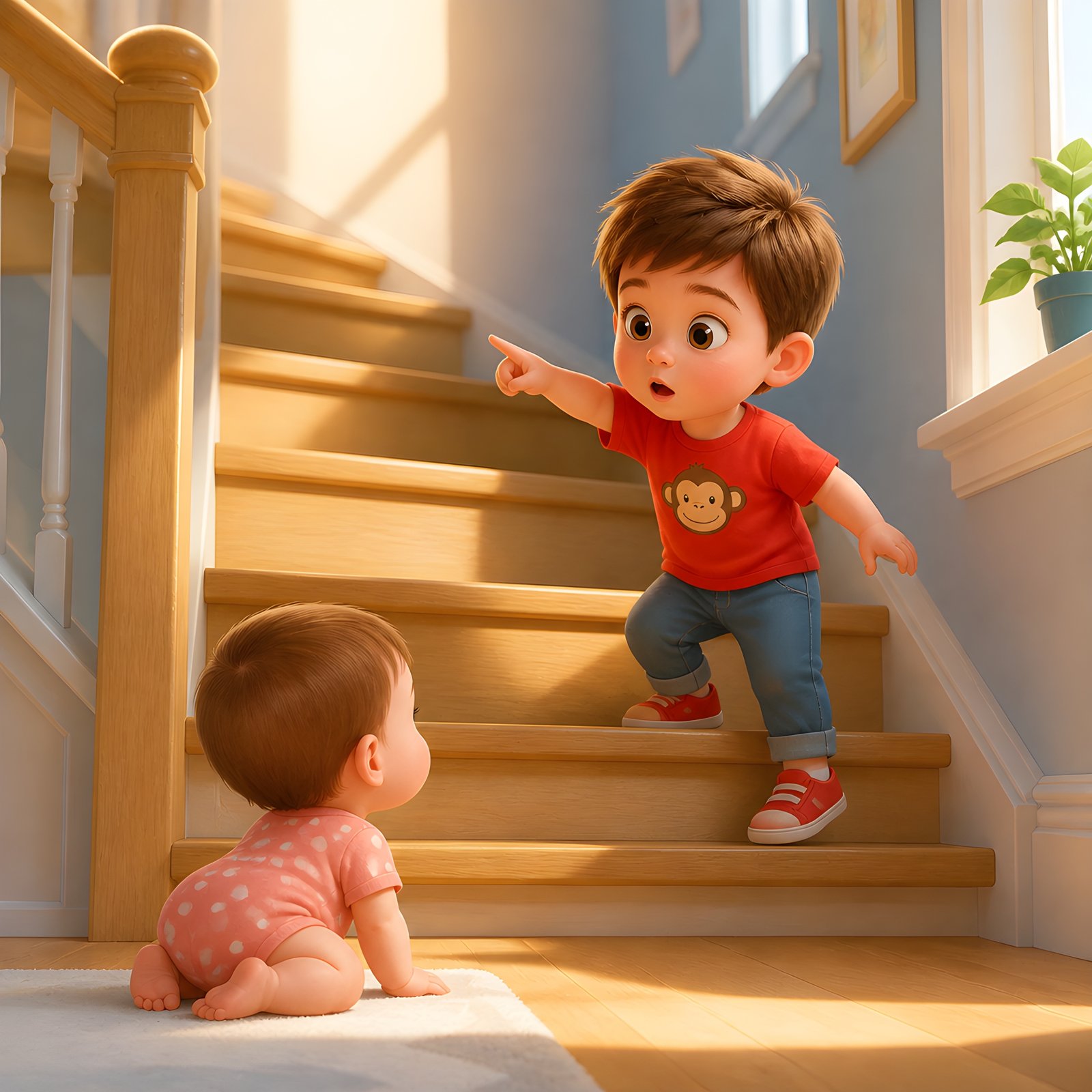
Milo s’approcha doucement. Il vit que sa petite sœur regardait fixement la troisième marche de l’escalier.
Ses yeux s’illuminèrent. Un secret venait de se révéler : il était le seul à vraiment savoir comment fonctionnait cette maison.
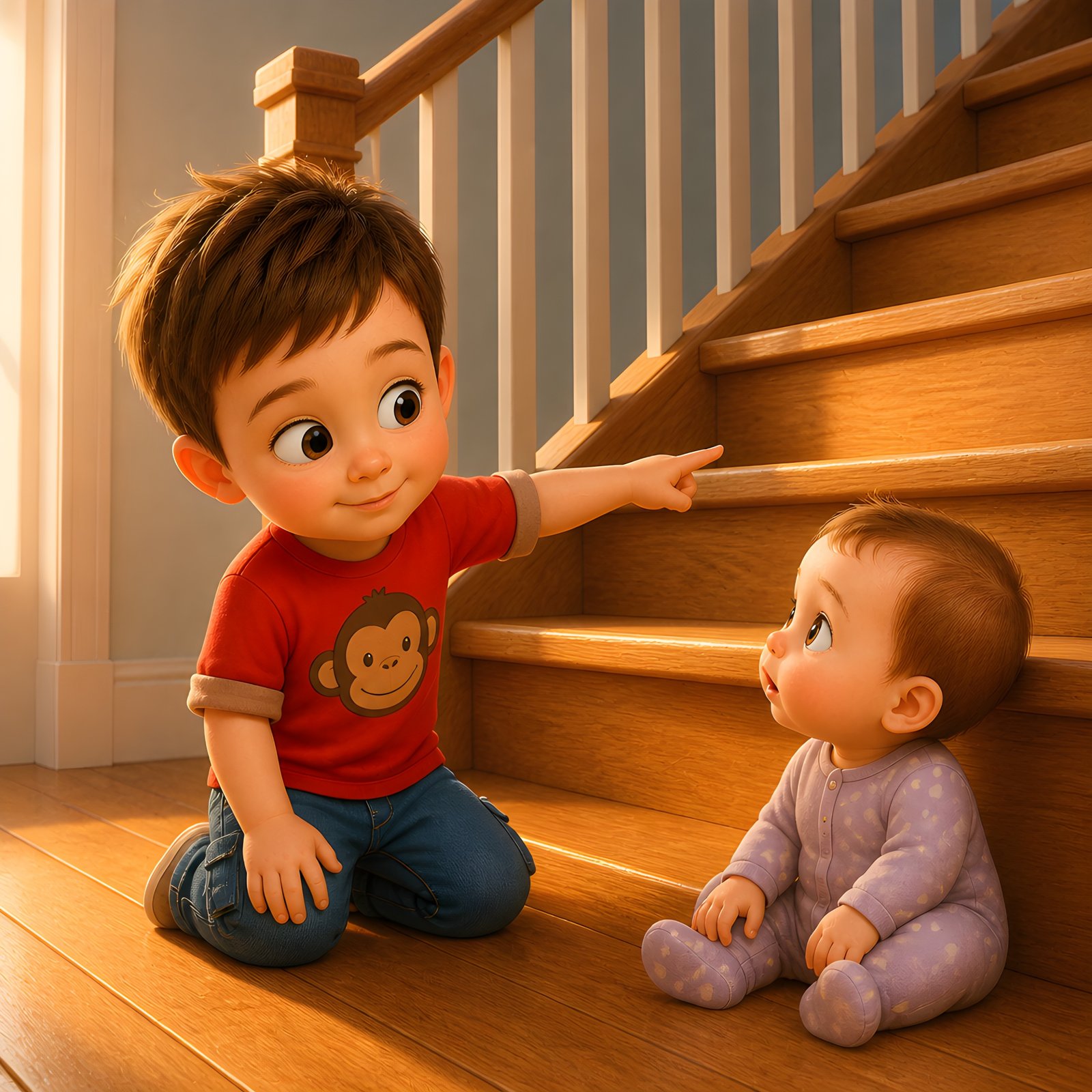
Milo s’agenouilla et prit sa sœur par la main. Il chuchota : « Viens, regarde. »
Il posa le pied au bon endroit. Cric ! fit la marche. Le bébé ouvrit la bouche de surprise et arrêta de pleurer.
Plus loin, le couloir était tout sombre, et le bébé se remit à gémir. Milo ne paniqua pas.
« Regarde, il suffit de lever la main ici… » Il tendit le bras vers l’interrupteur caché derrière la porte.
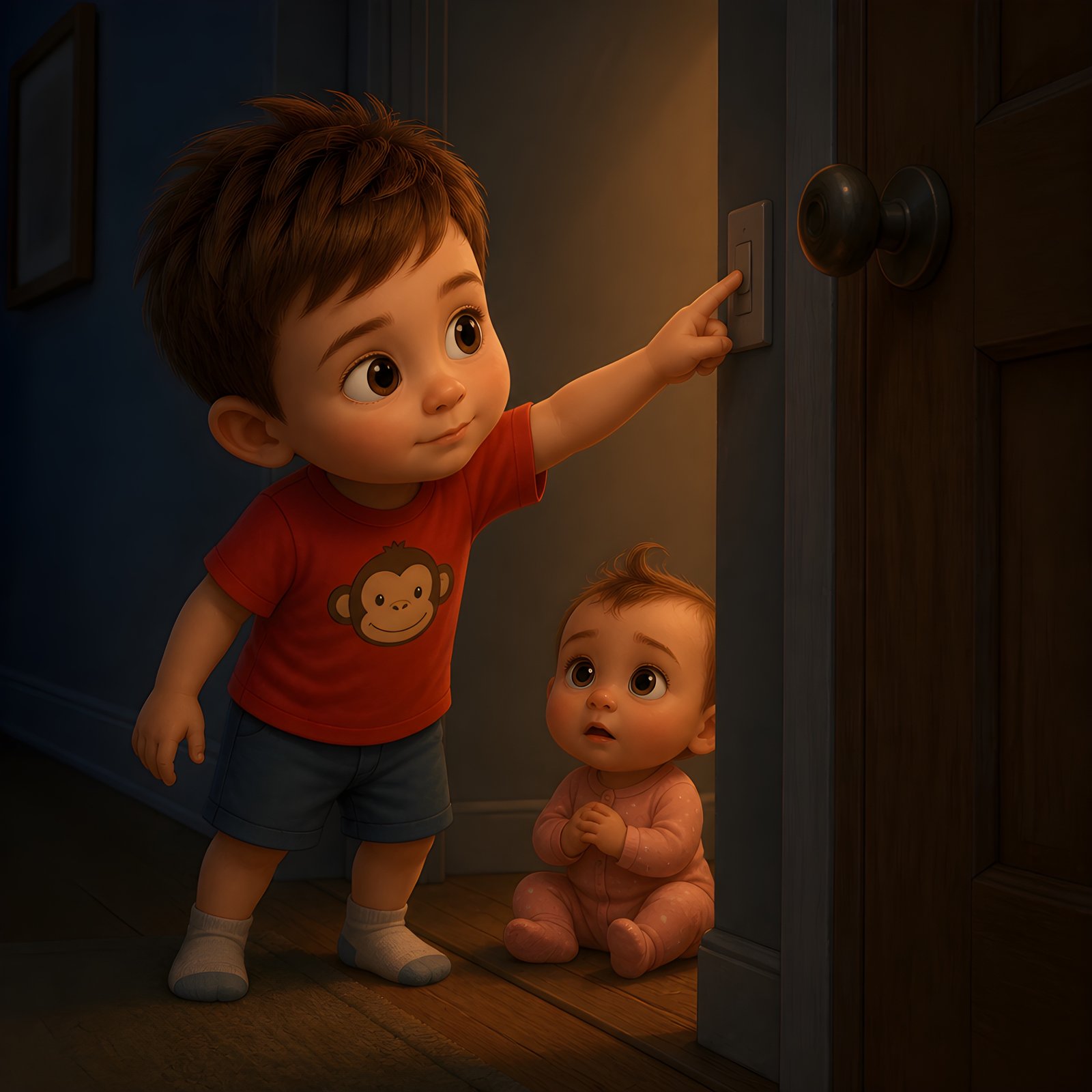
La lumière s’alluma d’un coup, mais le sommeil ne venait toujours pas. Le bébé s’agitait encore dans son lit.
Milo sentit ses épaules tomber. Son cœur battait un peu plus lentement. Est-ce que je n’y arriverai pas ? pensa-t-il.

Puis, Milo se rappela ce qu’il faisait lui-même quand la nuit devenait trop grande.
Il souffla doucement, s’imaginant un grand dragon bienveillant capable de balayer toutes les ombres de la pièce.

Milo souffla une première fois. Fffouuu…
Sa petite sœur le regardait avec des yeux tout ronds, essayant d’imiter la forme de sa bouche ouverte.
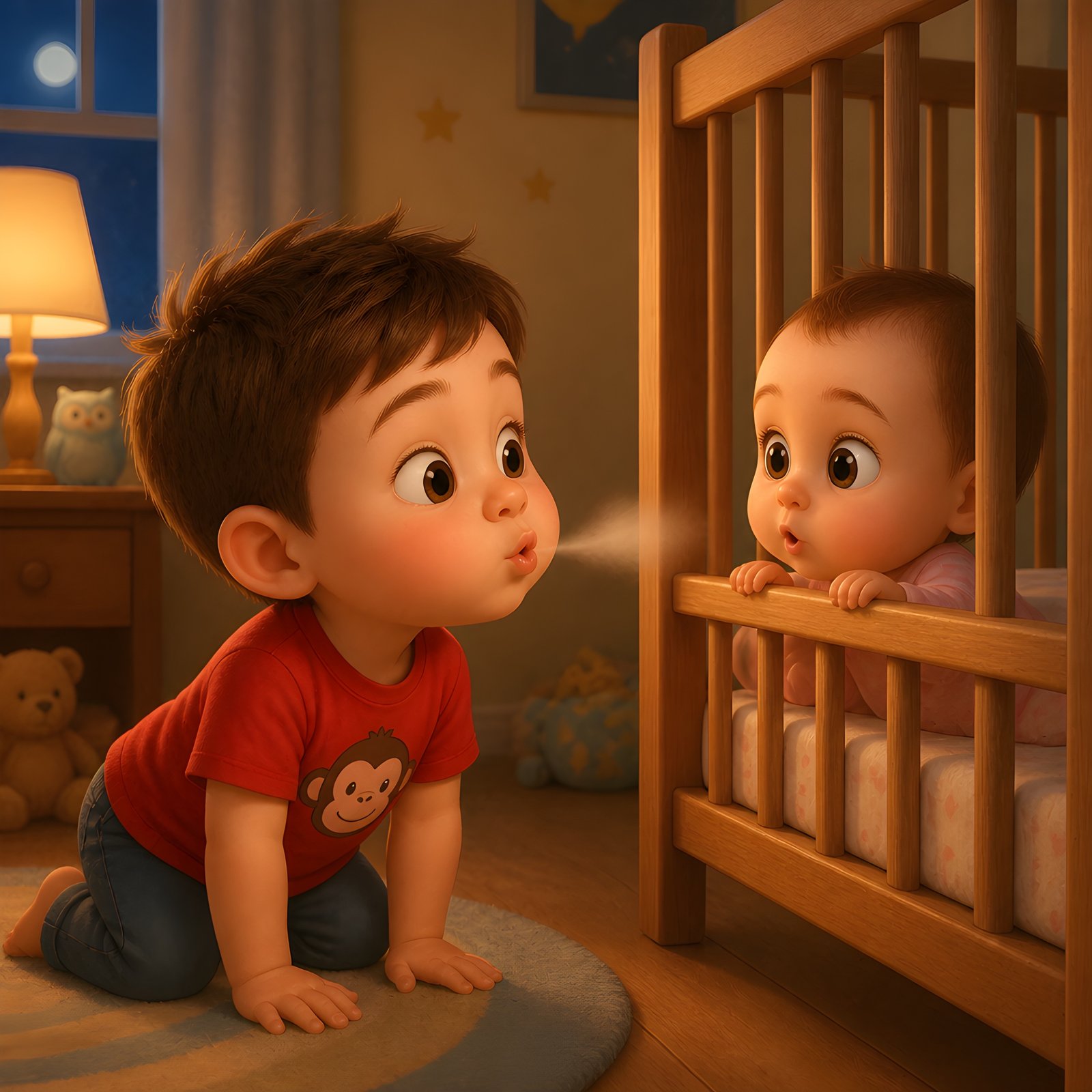
Milo sait tout de la grande maison.
Le bébé cligna des yeux, enveloppé par le rythme régulier de ce souffle partagé. La chambre devint un havre de paix.

Le bébé dormait enfin, tout contre son doudou. Les parents entrèrent sur la pointe des pieds.
Ils regardèrent Milo avec des yeux pleins d’amour et d’admiration. Chut… tout allait bien.

Milo redressa ses petites épaules. Non, il ne voulait plus être un bébé.
Il avait compris que sa place de grand lui permettait de guider, de protéger et de partager les plus beaux secrets du monde.

Dans la pénombre du soir, la petite sœur tendit pour la toute première fois sa minuscule main pour attraper le doigt de Milo.
Milo s’endormit en sachant que le grand est celui qui montre le chemin.
Et toi, quel secret de ta maison aimerais-tu montrer ce soir ?

jalousie-fratrie
Everyone in the living room was looking at the baby in his cradle. Nobody was looking at Nina.
Nina sighed and wondered if she should start wearing diapers too, just to get a cuddle.
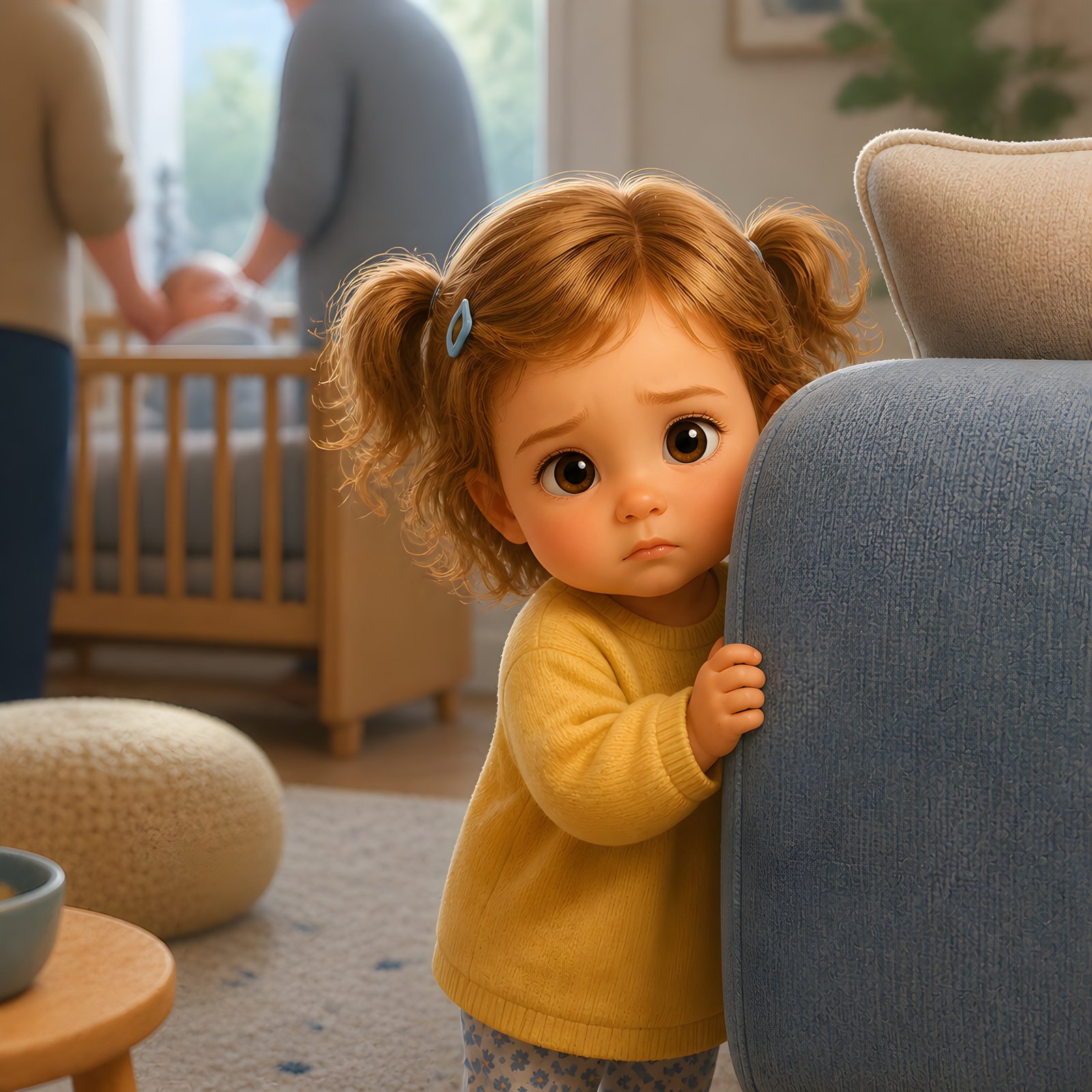
Nina walked down the dark hallway. The baby didn’t even know where he was.
“Moi, je sais,” whispered Nina.
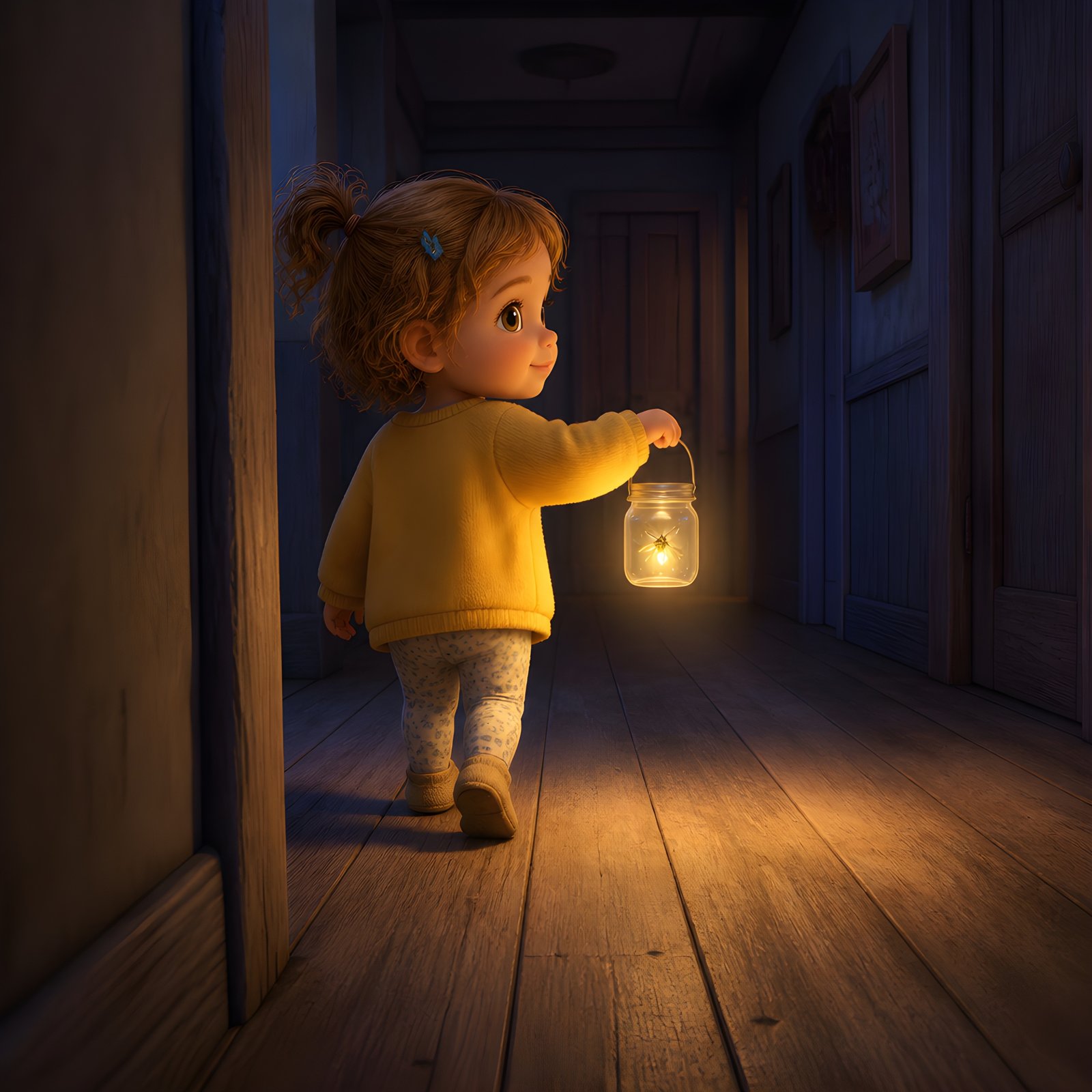
She went to show her baby brother the big wooden staircase.
Crrr… went the third step. Nina taught him the secret noise so he would never be startled.
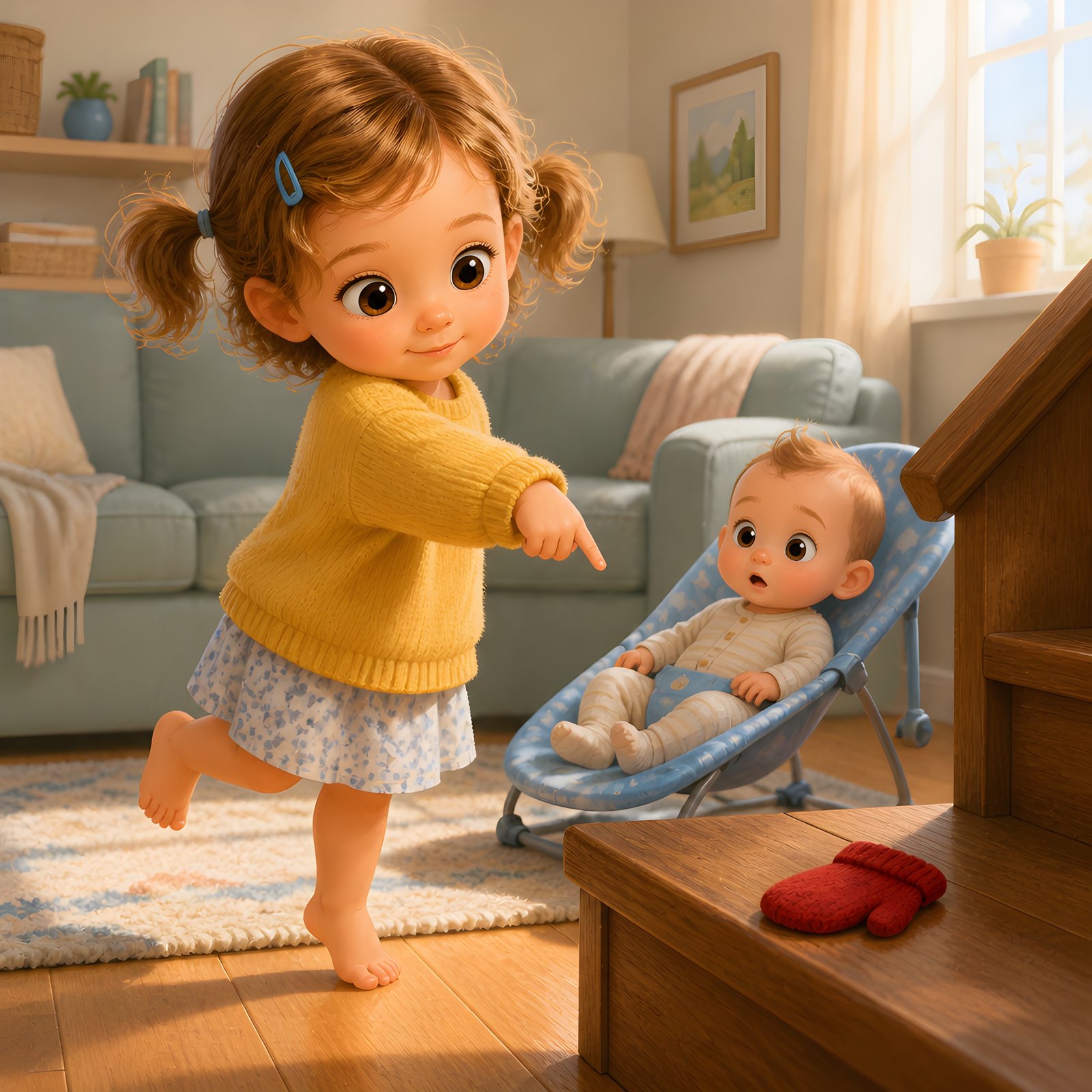
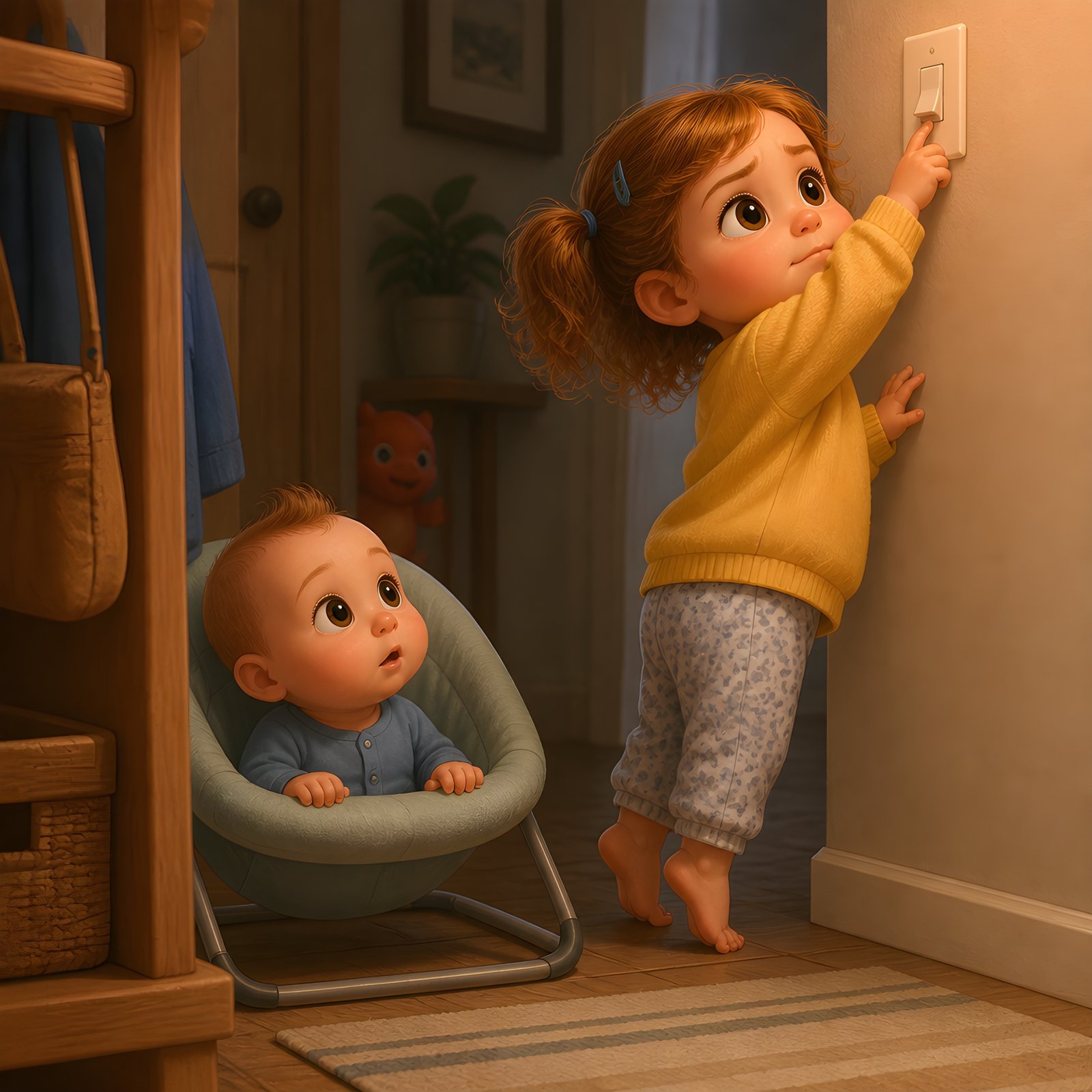
Next, she led him to the hallway light switch, which was much too high for a baby, but just right for a big sister.
“Moi, je sais,” she said again, turning on the friendly glow.
Nighttime came, and the bedroom grew very dark. The baby started to cry and cry because he was scared of the shadows.
Nina’s heart beat a little faster. How could she help him?
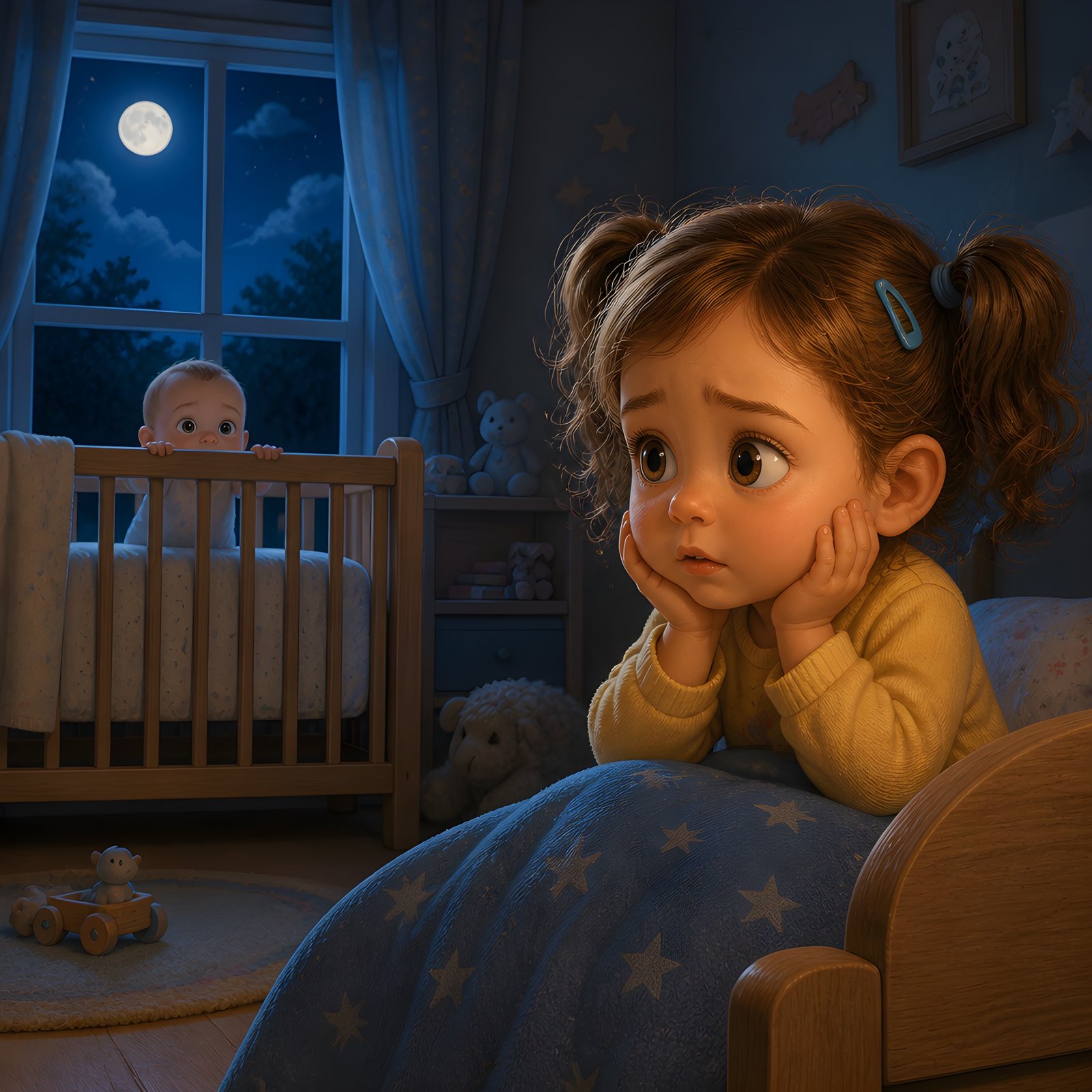
Nina tried to pat him, but the baby cried even louder. Her shoulders dropped.
Maybe being big was just too hard after all.

Then, Nina remembered what she did when the dark felt too big. She looked at her little star-shaped nightlight.
She didn’t need magic. She just needed a breath.

Nina leaned over the bars of the crib. “Look at me,” she whispered.
She took a deep breath and blew gently. Fffouuu…
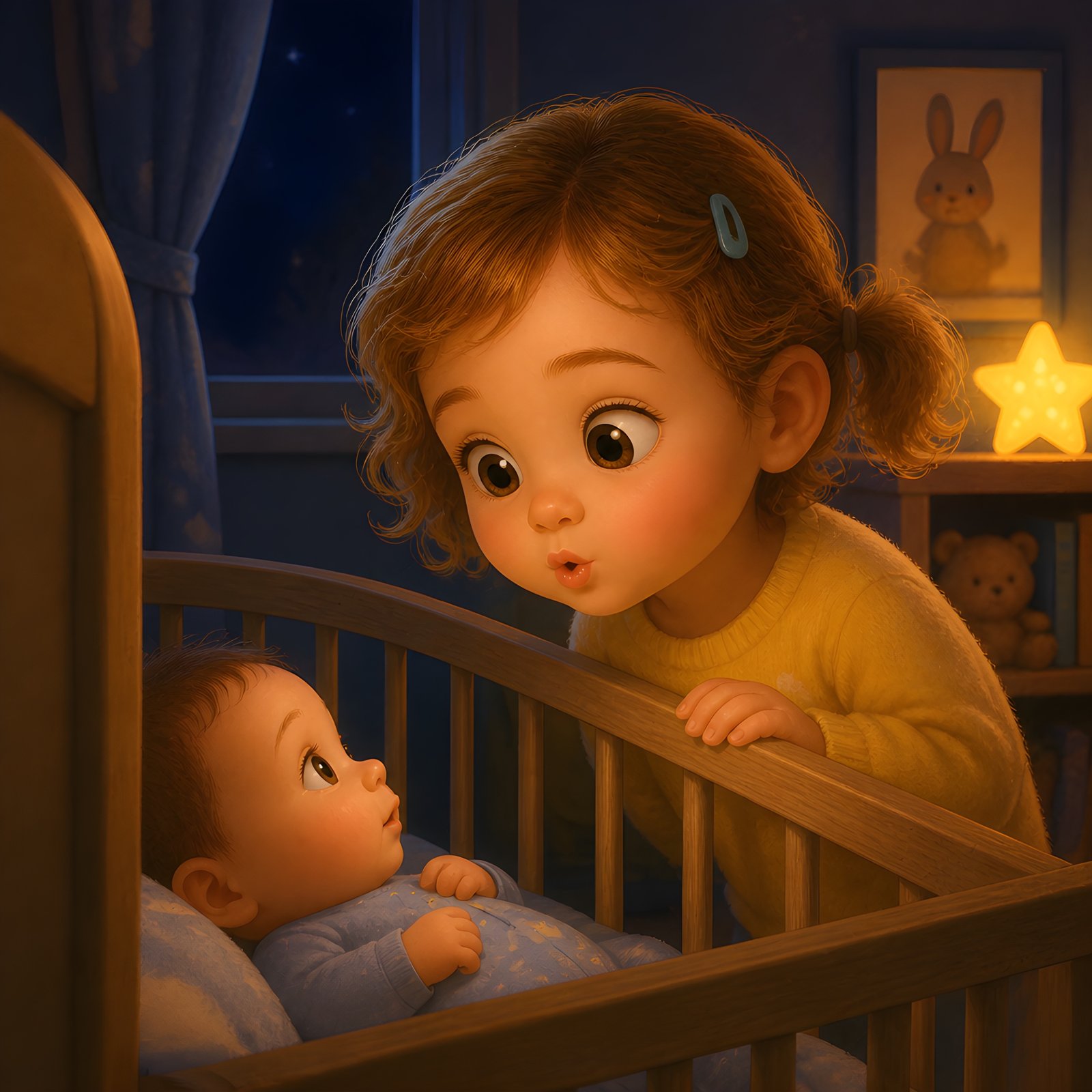
The baby copied her little breath. His eyelids grew heavy, and soon he fell fast asleep next to her.
“Moi, je sais, et maintenant tu sais aussi,” whispered Nina.
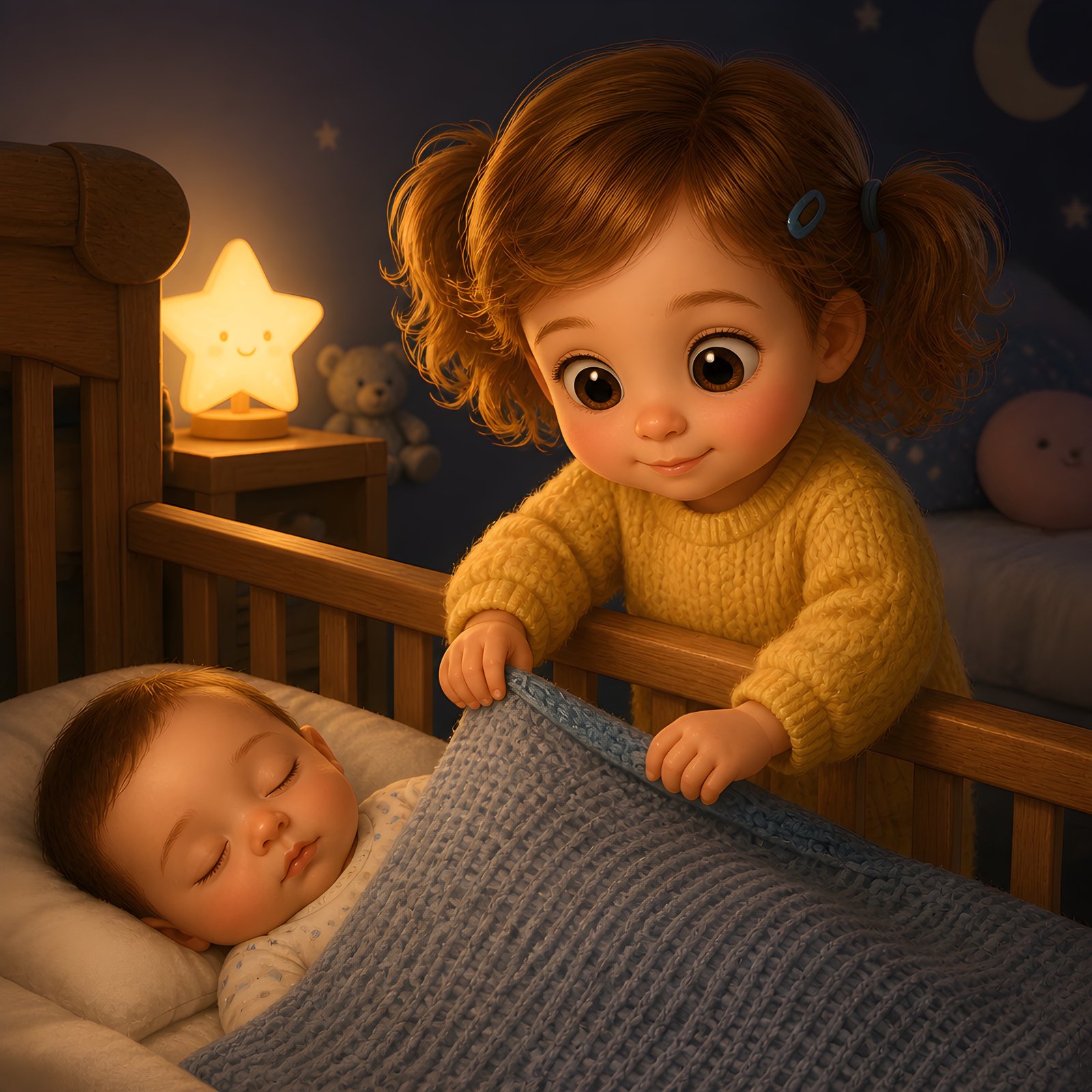
The next morning, the baby woke up early. He sat straight up in his crib, looked right at Nina, and held out his favorite rattle just for her.
Plip ! He dropped it right into her hands.
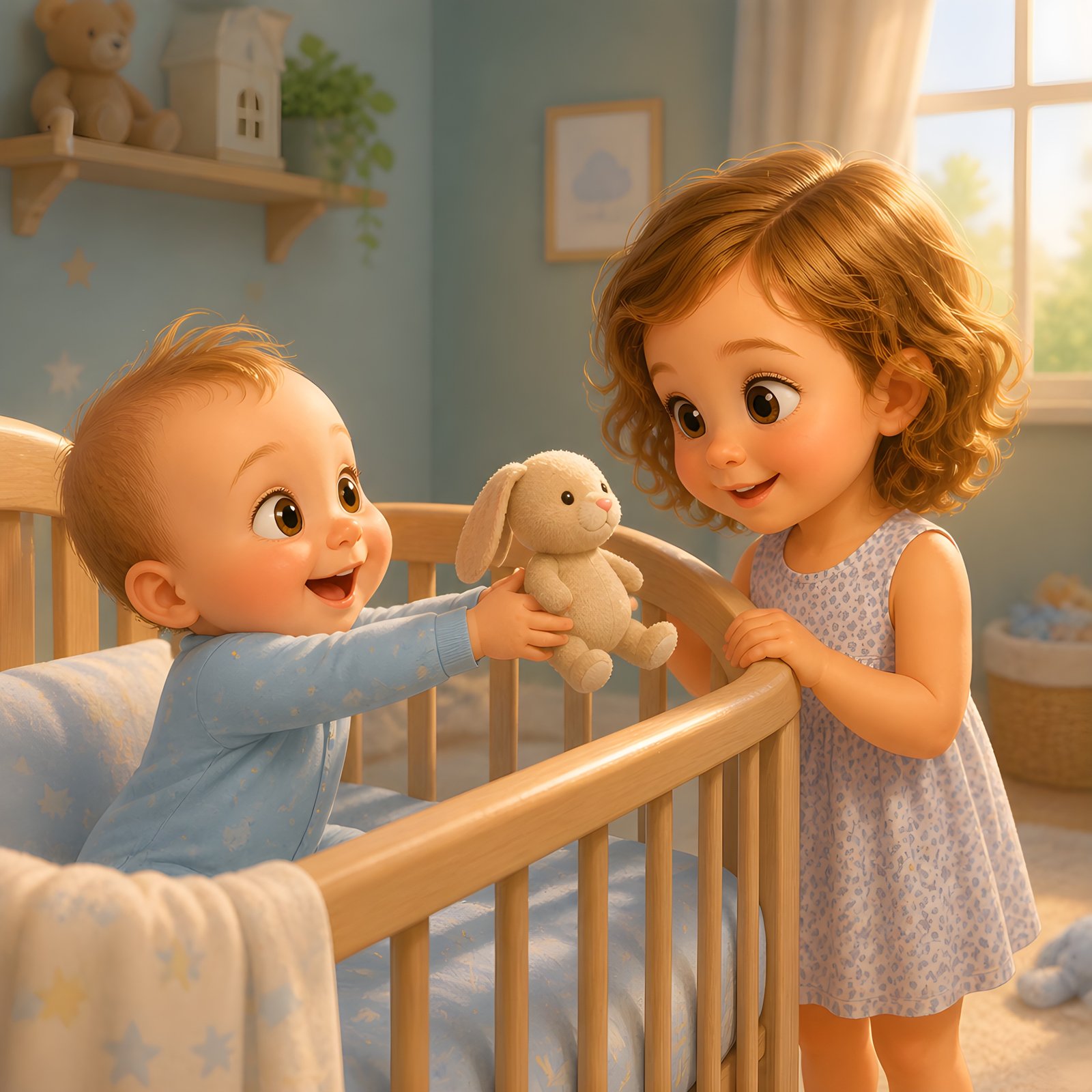
Nina held the rattle close. The baby hadn’t stolen her place at all.
She had her very own special place right here, as the one who knew the way.
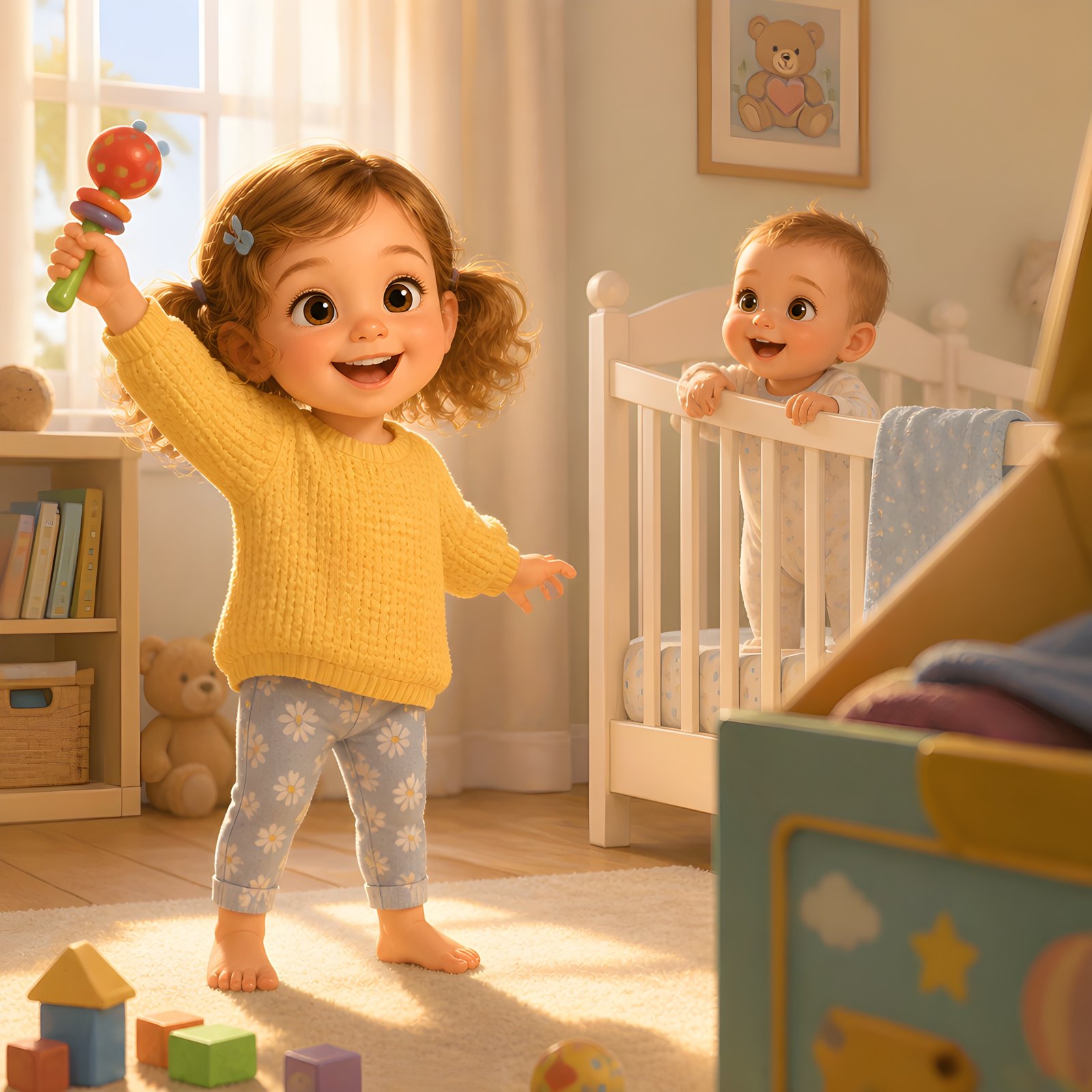
Night fell again, soft and quiet. Nina closed her eyes, knowing that being the big one meant opening the path for others.
And as she drifted off to sleep, she knew she was ready for tomorrow.