
How to handle toddler tantrums without losing your cool
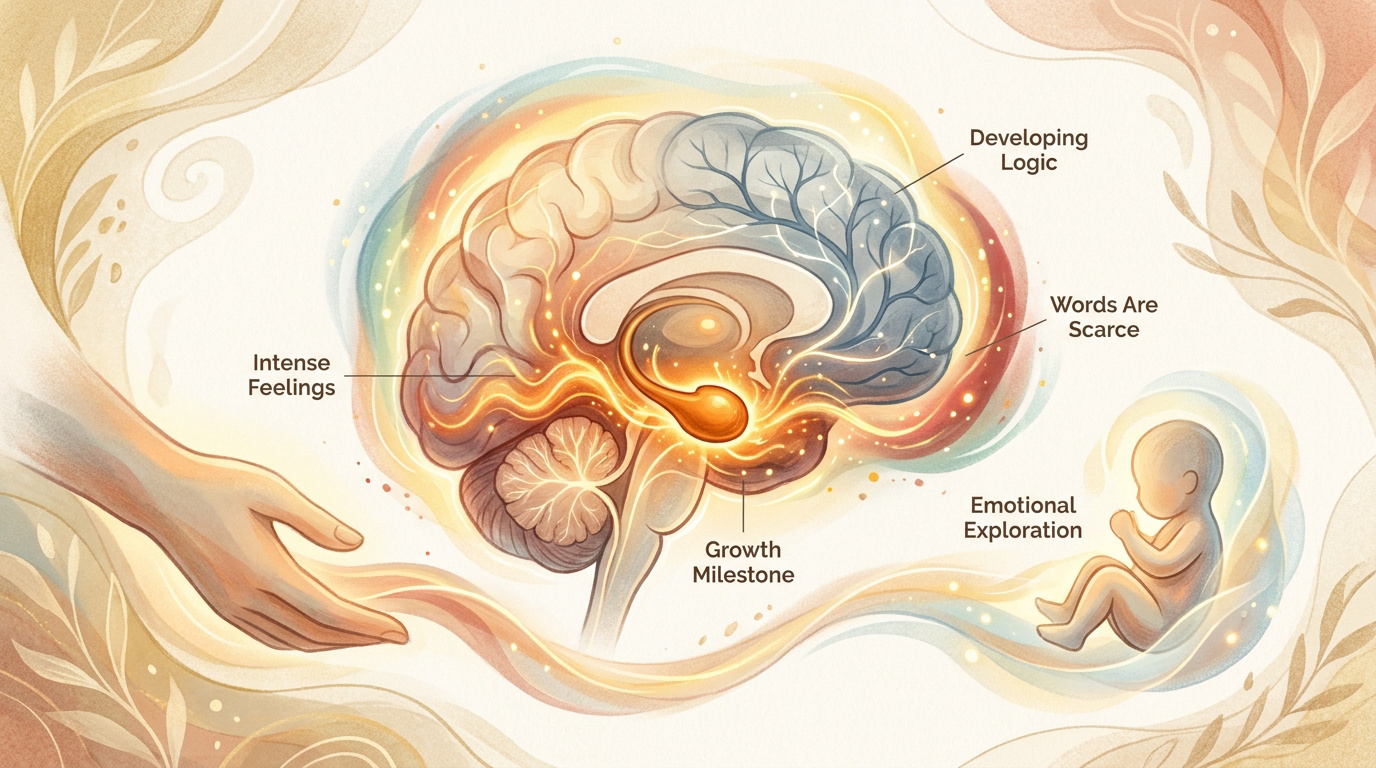
Neurological research shows that between ages two and four, the emotional amygdala triggers intense feelings long before the prefrontal cortex develops the language to process them. This developmental gap means your child is not choosing to escalate; they are simply holding a chemical storm they have no way to put down yet.
It is exhausting to face toddler tantrums every single day, and it often feels like a personal failure or a sign of being too soft. We will look at how to manage these outbursts by naming feelings, staying quiet during the storm, and using personalized stories to build lasting emotional resilience.
- Understanding Why Toddler Tantrums Happen Every Day
- 3 Tactics to Manage a Meltdown in the Moment
- How to Deal with Public Outbursts vs Home Storms
- Building a Shared Family Language Through Stories
Understanding Why Toddler Tantrums Happen Every Day
Toddler tantrums peak between ages 2 and 4 because the amygdala triggers intense emotions before the prefrontal cortex develops verbal reasoning. These outbursts are neurological milestones, not behavioral failures, signaling a transition from pure feeling to complex thinking.
Amygdala: The brain’s emotional alarm. Prefrontal Cortex: The logic center, still under construction in young children.
The Gap Between Big Feelings and Missing Words
Your toddler’s amygdala fires rapidly while their prefrontal cortex remains under construction. This creates a massive internal surge. The feeling arrives complete, but the logic is absent.
Logic evaporates when the emotional center dominates the brain. Your child isn’t being difficult on purpose. They are trapped inside a chemical storm they cannot yet name.
Words disappear during high stress. The brain prioritizes survival over grammar. Calm explanations cannot be processed mid-storm.
Why Frequent Meltdowns Are a Developmental Milestone
Daily explosions are standard developmental markers for ages 2-4. They prove your child is testing boundaries and growing. This is the normal shape of this age.
You are not failing because your child screams. It is a sign of healthy emotional exploration. It does not mean you have been too soft.
See these moments as heavy lifting for their mind. It is a phase of growth, not a permanent trait. You are doing fine.
We wrote this book to help families navigate big feelings. It exists in girl and boy versions, letting your child lead the story. Try the PDF example on this page to see how shared phrases help.
3 Tactics to Manage a Meltdown in the Moment
Understanding the “why” helps us stay grounded, but we still need a concrete plan for when the screaming starts in the kitchen.
Staying Close and Quiet While the Storm Passes
Your physical presence is everything right now. Stay nearby as a steady anchor for your child. Do not try to explain why they can’t have the cookie yet.
Logic fails here because a dysregulated brain cannot process “if-then” statements. Wait for the peak to pass before opening your mouth to teach or correct.
Keep your response identical every time. Predictability lowers the child’s cortisol levels. It signals that you are safe.
Naming the Emotion Before They Can
Provide scripts for validation. Say “You are really mad about that toy.” You aren’t giving in, but simply acknowledging the internal reality.
Labeling helps the child feel understood. It bridges the gap between the feeling and the word. This act can de-escalate a rising storm within seconds.
- Observe body language
- Name the feeling
- Hold the boundary
- Offer a hug or space
Returning Small Choices to Reduce Power Struggles
Toddlers feel powerless in a world of adult rules. This “no” loop is often a desperate grab for some control. They need autonomy.
Offer safe decisions back to them. Ask if they want the blue cup or the red one. Let them choose which shoe to put on first.
Regaining control lowers the defensive response. It turns a battle of wills into a collaborative moment. The tension usually breaks immediately.
We wrote this book to turn big feelings into a shared story. Your child becomes the hero of their own emotions. Try the example on this page, toggle between girl and boy variants, and download the PDF.
How to Deal with Public Outbursts vs Home Storms
While home is a safe laboratory for feelings, the grocery store aisle requires a completely different set of tactical maneuvers.
Prioritizing the Exit over Winning the Argument
Public management differs from home discipline. Your only goal is a swift exit. Forget teaching lessons mid-aisle. Pick them up and move to the car or a quiet corner immediately.
Ignore the judgment of strangers. Your child’s safety is more important than social discomfort. Focus on a calm exit.
Focus on your breathing. If you stay calm, the exit remains controlled and safe.
Handling the Post-Tantrum Reconnection at Home
Outline the repair steps. Once they are calm, offer physical connection. A hug restores the bond after the chaos and provides reassurance.
Use this time for teaching. Discuss what happened now that their brain is back online. Explain better ways to ask for help next time.
In our book, where your child is the hero, they watch themselves navigate these feelings. Explicitly try the girl or boy example embedded here.
| Phase | Parent’s Action | Goal |
|---|---|---|
| During storm | Presence/Safety | Co-regulation |
| After storm | Reconnection | Restoring Trust |
| Later | Storytelling | Skill Building |
Building a Shared Family Language Through Stories
Beyond immediate tactics, we can use storytelling to prep the brain for the next wave of big emotions.
Using Personalized Narratives to Build Emotional Resilience
The hero-narrative changes everything. When a child hears a story about themselves, they listen differently. They see themselves navigating big feelings and winning.
Internalizing coping skills happens through repetition. Hearing their name linked to “taking a deep breath” makes it a part of their identity. It builds real resilience.
Create a family phrase. Use it during stories and real tantrums to signal a safe return.
Trying Our Interactive Story Example for Your Child
Try the interactive example on this page. You can toggle between the girl and boy versions. It shows exactly how the child becomes the hero.
Download the full PDF example to read together. See how the narrative helps them process “big feelings” without the stress of a real meltdown.
This tool turns a daily struggle into a shared family experience. It makes learning fun.
Managing toddler tantrums requires calm consistency, naming big feelings, and offering small choices to restore autonomy. By using personalized stories and staying present during the storm, you build emotional resilience for the future. Start these simple steps today to transform daily outbursts into moments of shared family growth.
FAQ
Why are my toddler’s tantrums so intense and frequent right now?
Between the ages of two and four, a child’s emotional development moves much faster than their ability to speak. They experience massive surges of frustration or anxiety that arrive complete, while the words to explain them are still months or years away. Your toddler isn’t choosing to escalate; they are simply holding an emotional weight they have no way to put down yet.
Please know that daily meltdowns over seemingly nothing are a normal developmental milestone, not a sign of “soft” parenting or a discipline failure. This phase is the biological shape of this age as their brain works on the heavy lifting of growing up. You aren’t doing anything wrong; your child is just navigating a chemical storm they cannot yet name.
How should I react when a meltdown starts in the middle of the kitchen?
The most effective tool you have is staying close and quiet. Because a dysregulated brain cannot process logic or “if-then” statements, trying to reason mid-storm will only prolong the struggle. Instead, act as a steady anchor by keeping your physical response identical every time, which helps the child feel safe and eventually lowers their cortisol levels.
You can help by naming the feeling before they can, saying something like, “I see you are really mad about that toy.” This validates their internal reality without giving in to the demand. Remember, a tantrum is something that has to finish rather than be stopped; your job is to be the calm presence waiting on the other side.
What is the best way to handle a public tantrum at the store?
In public, your priority shifts: the goal is to get out of the audience, not to win the argument or teach a lesson in the cereal aisle. Pick your child up and move to the car or a quiet corner immediately. This removes the pressure of the “social stage” and allows you both to breathe without the weight of strangers’ judgments.
Ignore the fear of looking like you’ve lost control. Your child’s emotional safety is more important than a stranger’s temporary discomfort. Once you are away from the crowd, you can return to the basic tactics of staying close and letting the storm pass in a more private, controlled environment.
What should I do once the tantrum is finally over?
This is the part most people skip, but it is where the next tantrum gets shorter. Once the brain is back “online” and calm, offer a physical connection like a hug to restore the bond. Use this quiet window to talk about what happened, naming the emotion and suggesting better ways to ask for help next time, like saying “I’m frustrated.”
It also helps to give back the small decisions that were taken away by accident during the day. Ask if they want the blue cup or the red one, or which shoe to put on first. Regaining a sense of autonomy lowers their defensive response and turns a battle of wills into a collaborative moment for the family.
How can storytelling help us manage these big feelings?
Creating a personalized story where your child is the hero of their own “big feeling” turns a struggle into a shared family language. When a child hears their own name in a story about navigating a “grey cloud” of anger and coming out the other side, they internalize those coping skills without the stress of a real-time meltdown.
By repeating these stories, you develop a shared phrase or signal to reach for when the next tantrum starts. It builds real resilience and makes the child feel seen and understood, transforming a daily exhaustion into a predictable path you walk together as a family.
grosses-emotions
In the kitchen, the noise was already loud, and Milo was sitting in his high chair.
Before he could say anything, a big feeling came running down the corridor. It always arrived too early!
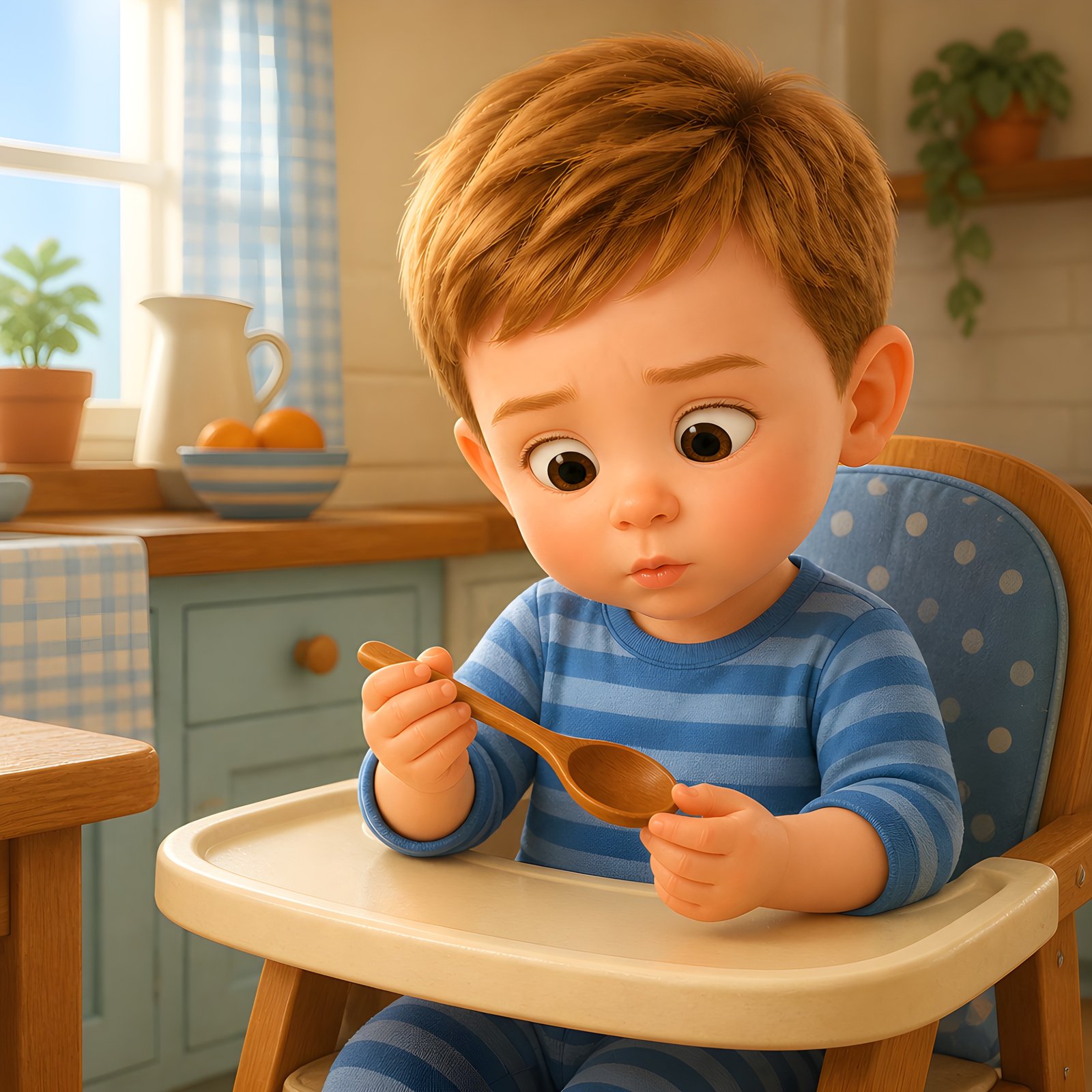
Snap ! Someone had already peeled open Milo’s yoghurt lid.
The feeling grew bigger inside his chest. Someone asked him what was wrong, but the wrong thing was that Milo did not know yet.
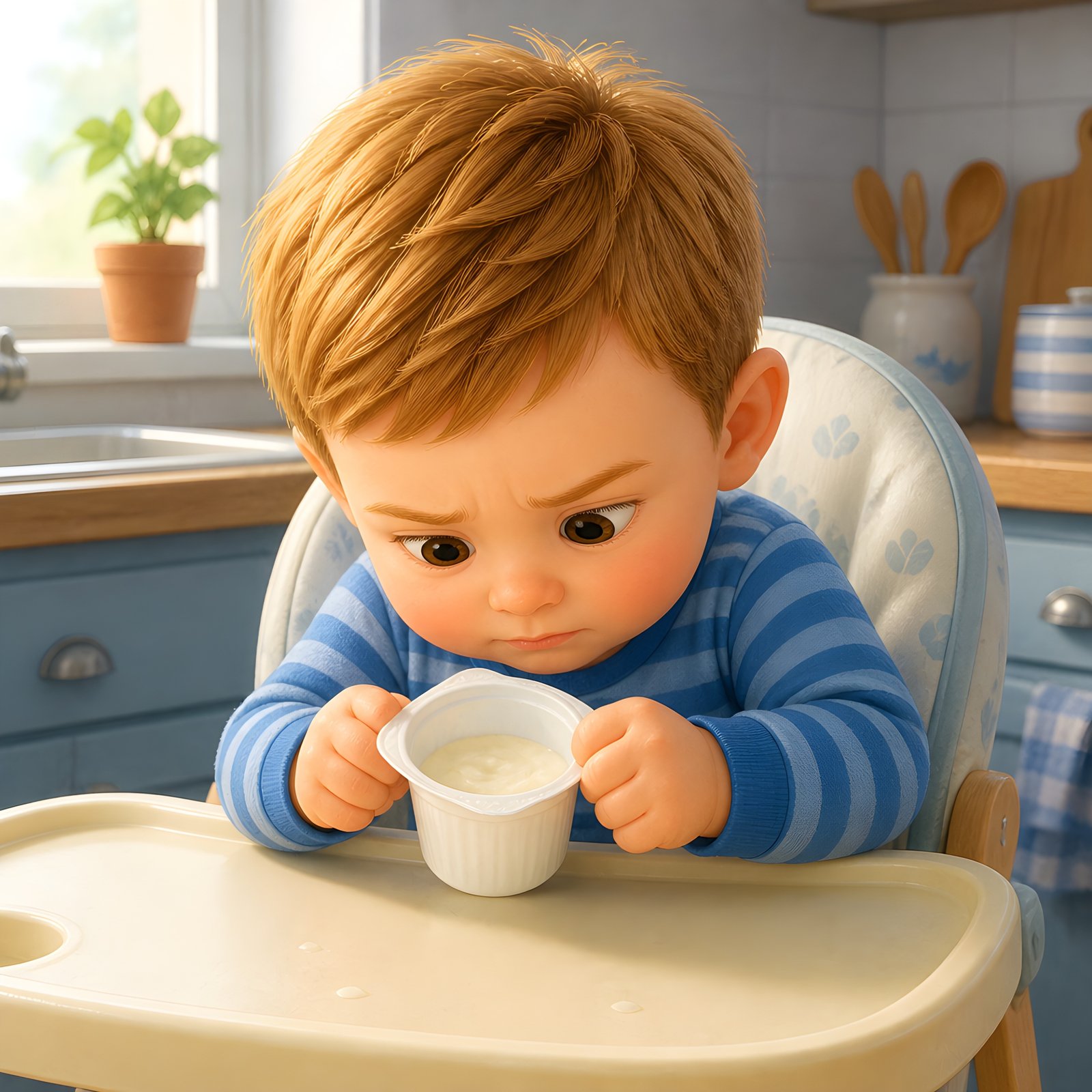
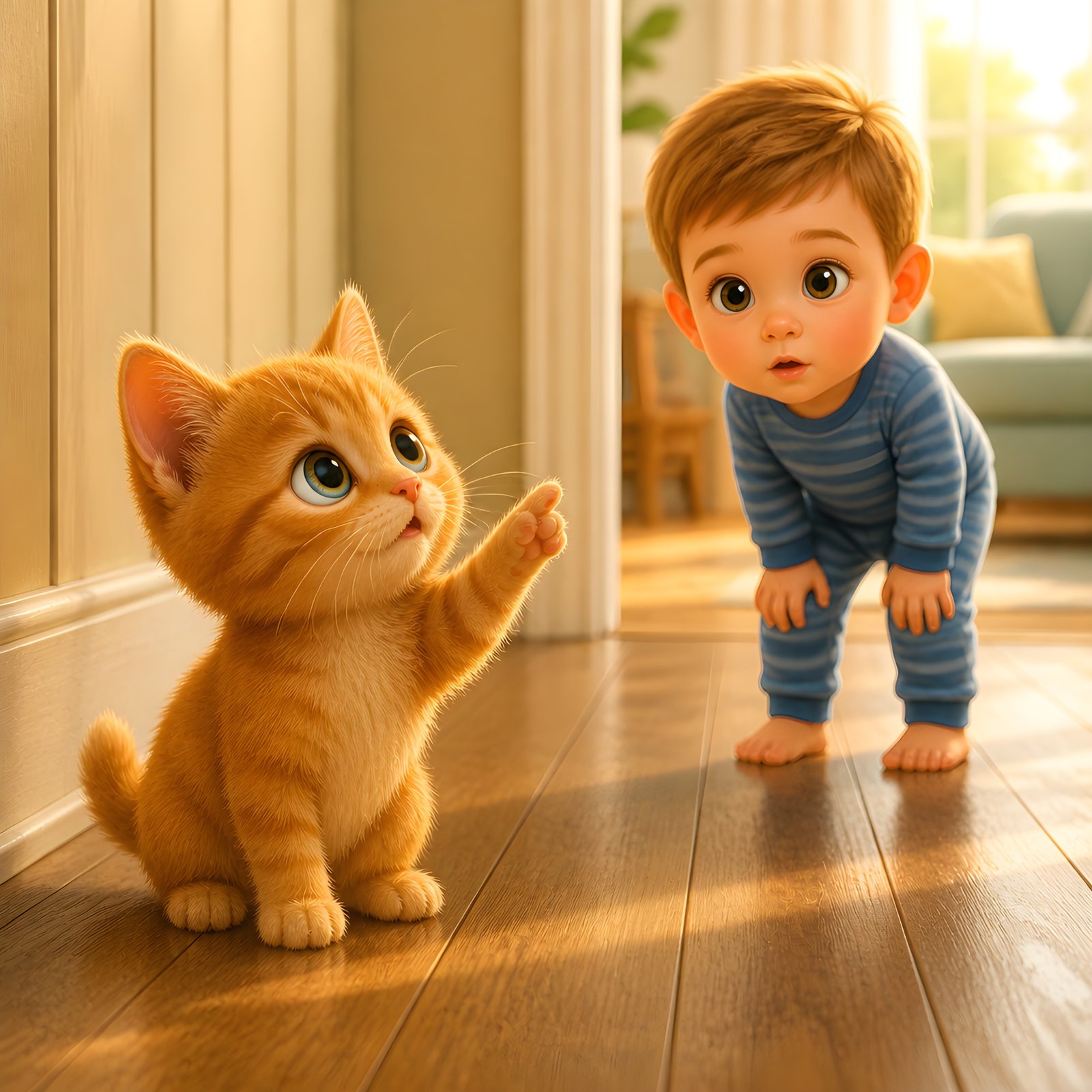
Milo slipped away into the quiet corridor. That was where he met a little ginger kitten with big ears.
The kitten pressed its tiny paw to the floorboards and listened to the house.

Tap-tap-tap. The kitten showed Milo how to listen.
The feeling always sent footsteps ahead, like an eager visitor coming down the hall.
Back in the kitchen, the toast was cut into triangles instead of squares.
The feeling rushed toward the door, but Milo remembered the kitten’s trick. Milo lifts his hand.

The noise was too big and the feeling washed right over him before he could catch it.
Milo squeezed his fists very tightly. His shoulders dropped.
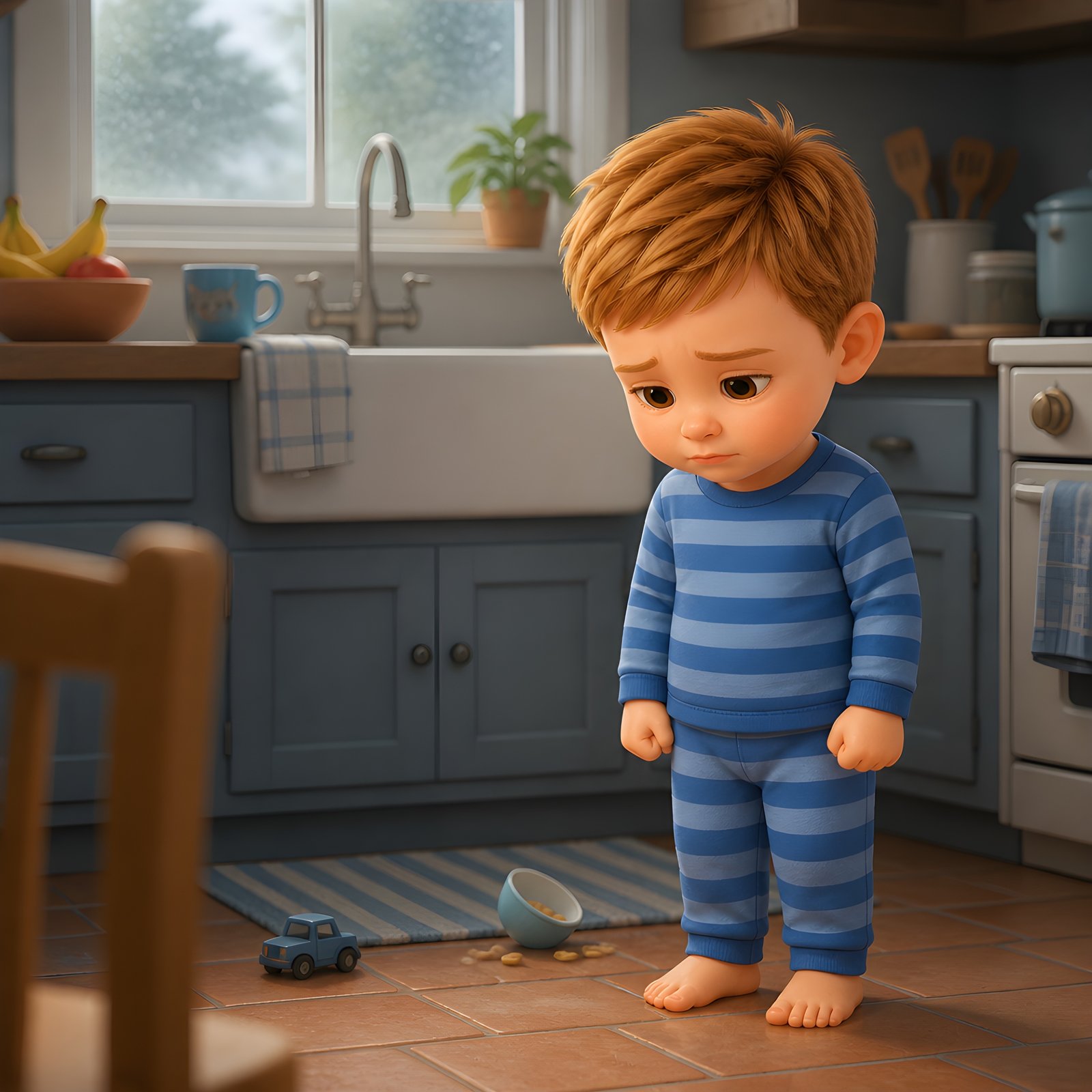
The kitten trotted over and nudged his shoe.
You do not push it away, you just make it wait gently on the mat.
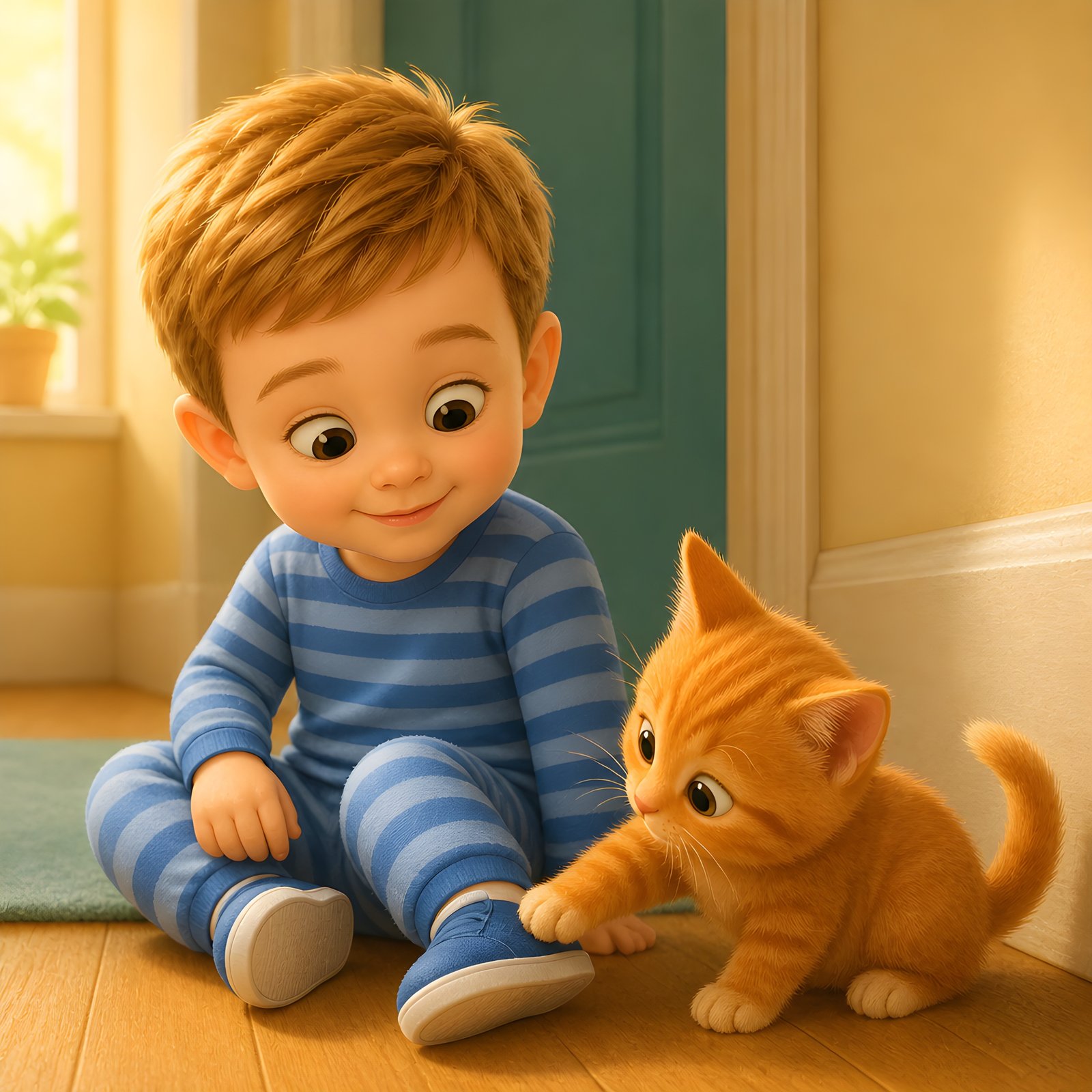
Somebody closed the front door before Milo could turn the knob.
The feeling came running down the hall again, but this time Milo took a deep, steady breath.
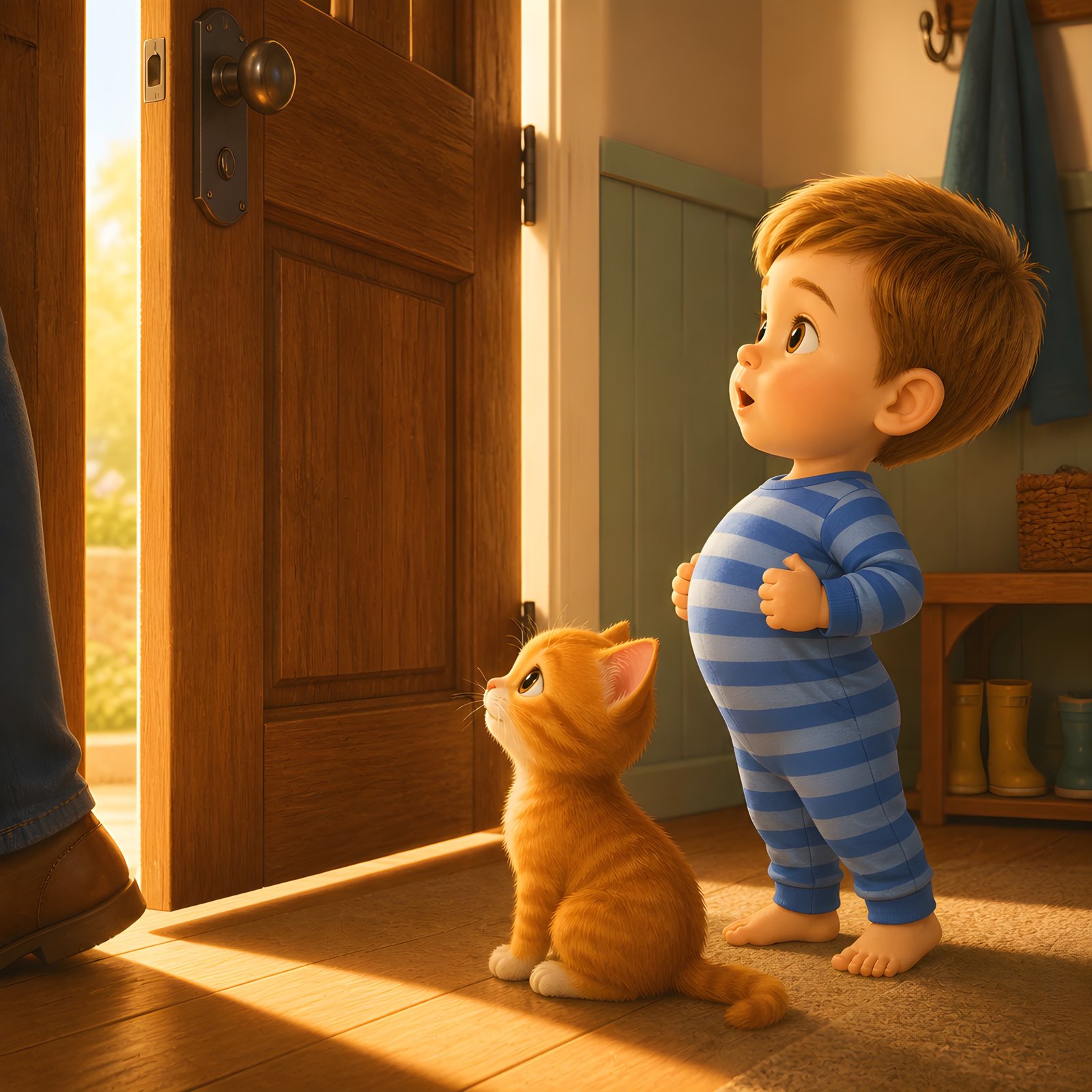
Stop ! Milo caught the feeling right in the doorway.
He held up his hand and said his words before anyone else could make a sound. Milo got to the door first !

The grown-ups turned around and looked at him.
For the first time, nobody rushed. They all waited quietly while Milo found his own words.

Milo smiled down at his little friend in the hallway.
The feeling still arrived early every single time, and Milo was already right there waiting.
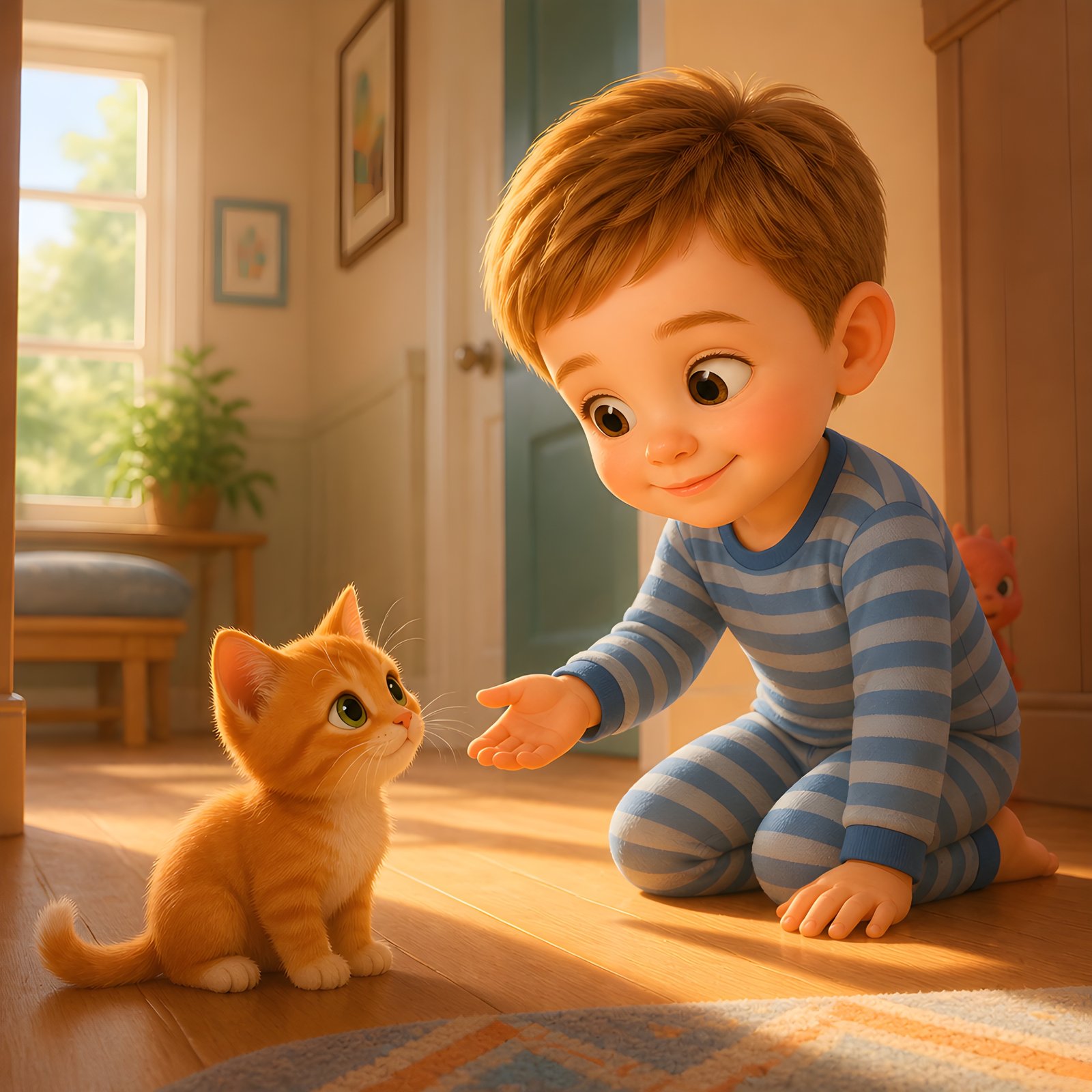
Nighttime came, and the house grew as soft as a whisper.
Milo opened his hand and blew one slow, quiet breath into the dark.
And you, if you lift your hand tonight, what shall we wait for together ?

grosses-emotions
It was a very normal morning in the kitchen. Vite! Everything was moving fast.
Child felt a big feeling rushing up the hallway. But the words were still putting on their shoes.
Can you spot the little plush cat hiding under the chair?
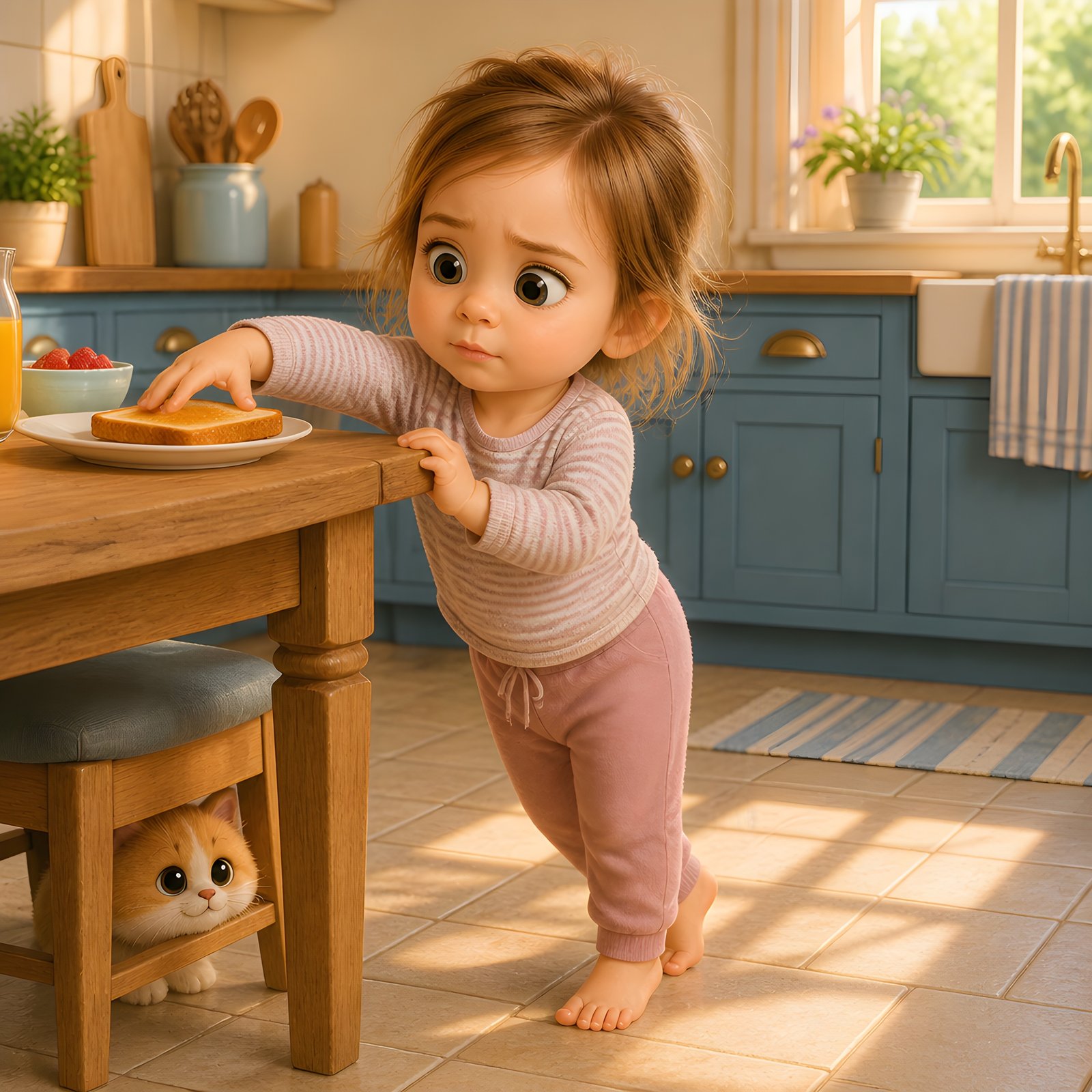
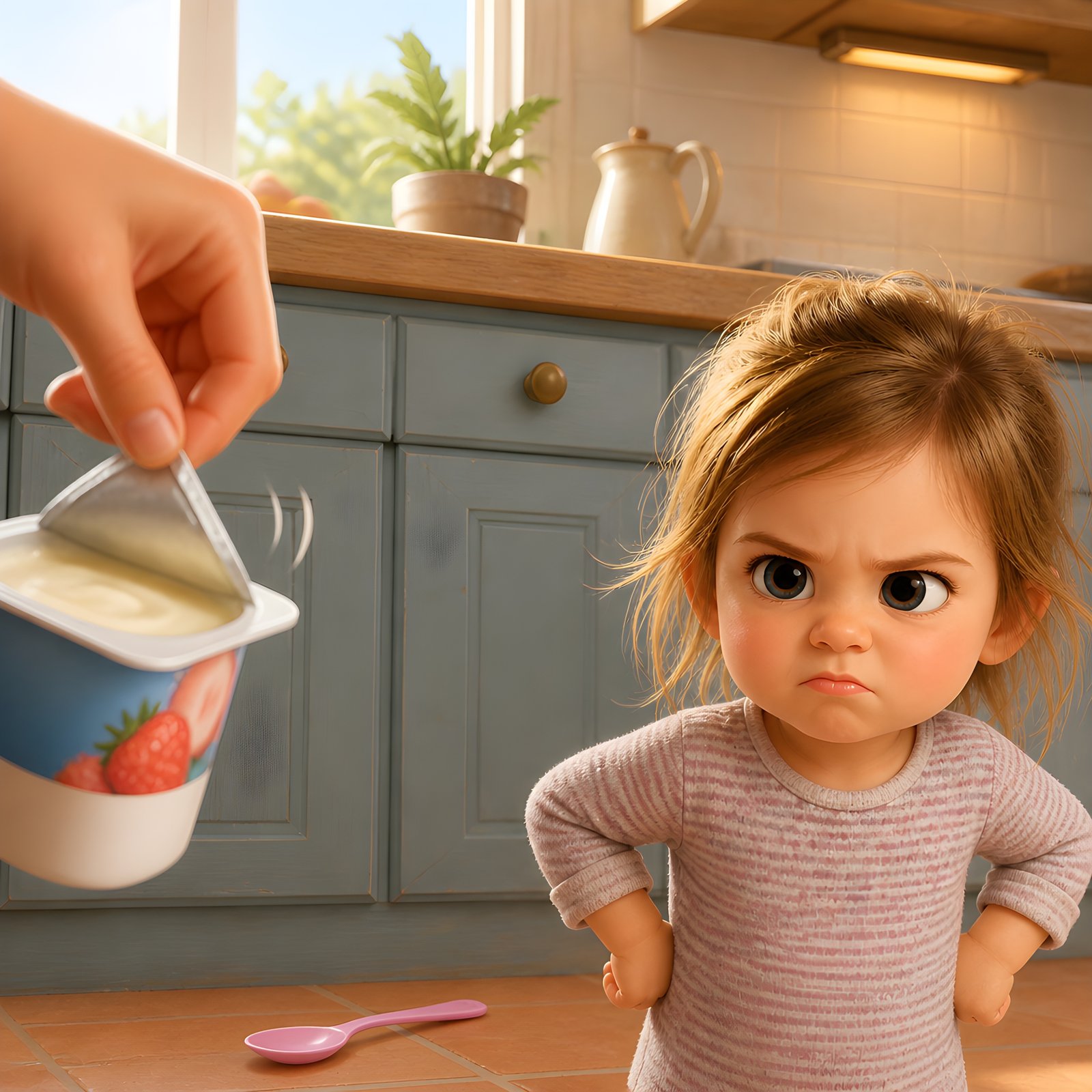
A grown-up peeled open Child’s yoghurt lid. But opening it was Child’s job!
Child’s face crumpled. Before any words could come out, a loud cry popped right out of her mouth.
Oh no…
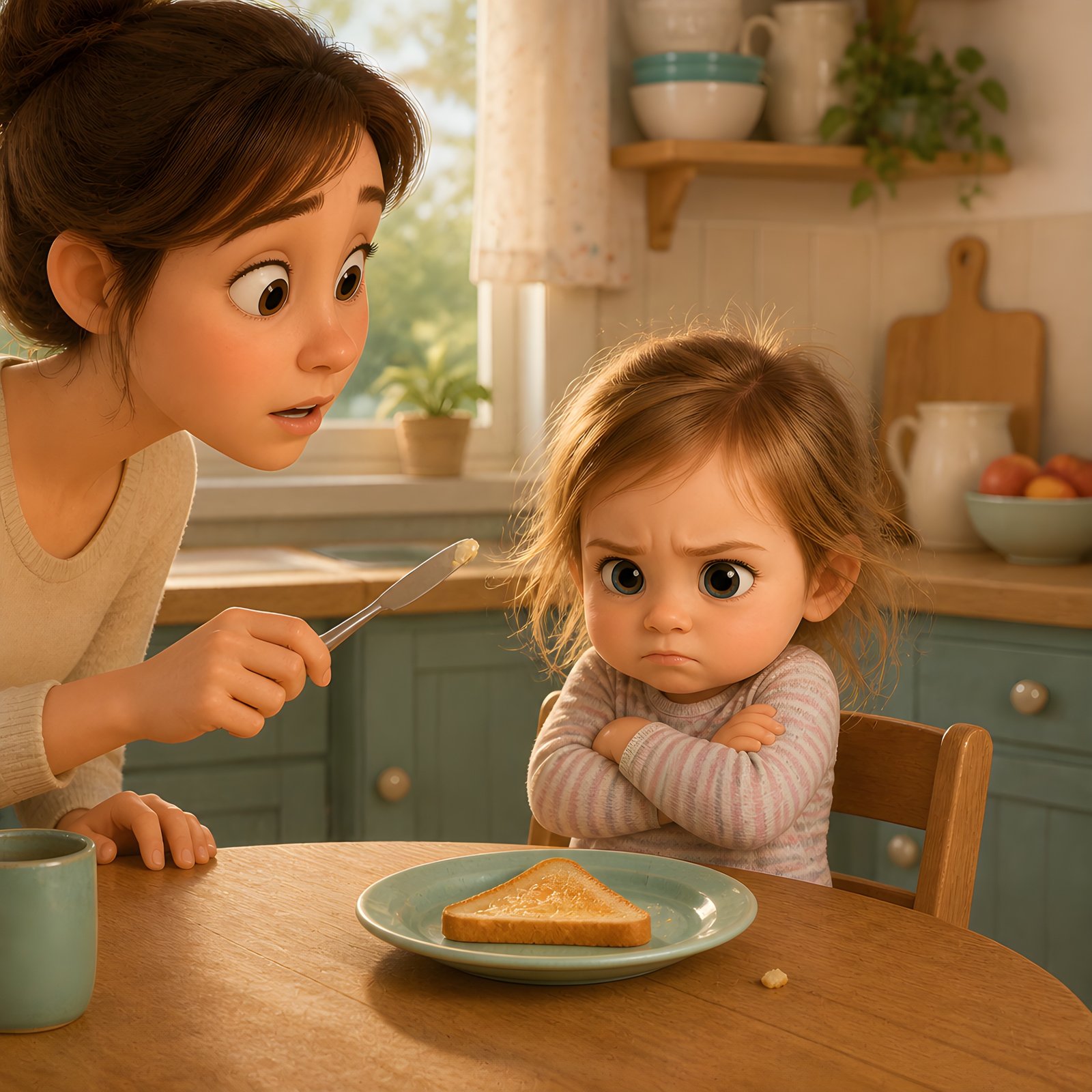
The next morning at breakfast, a grown-up cut Child’s toast into the wrong shape.
The big feeling rushed in again, too fast for any voice.
Attends, le mot arrive !
Child shouted before explaining. The house felt too loud and much too fast.
Child turned away and wandered off down the hallway all alone to escape the noise.

In the quiet hallway, Child knelt down by the skirting board and met Pip.
Pip made a tiny, friendly sound.
Tictic went the little mouse. Can you make that sound too?
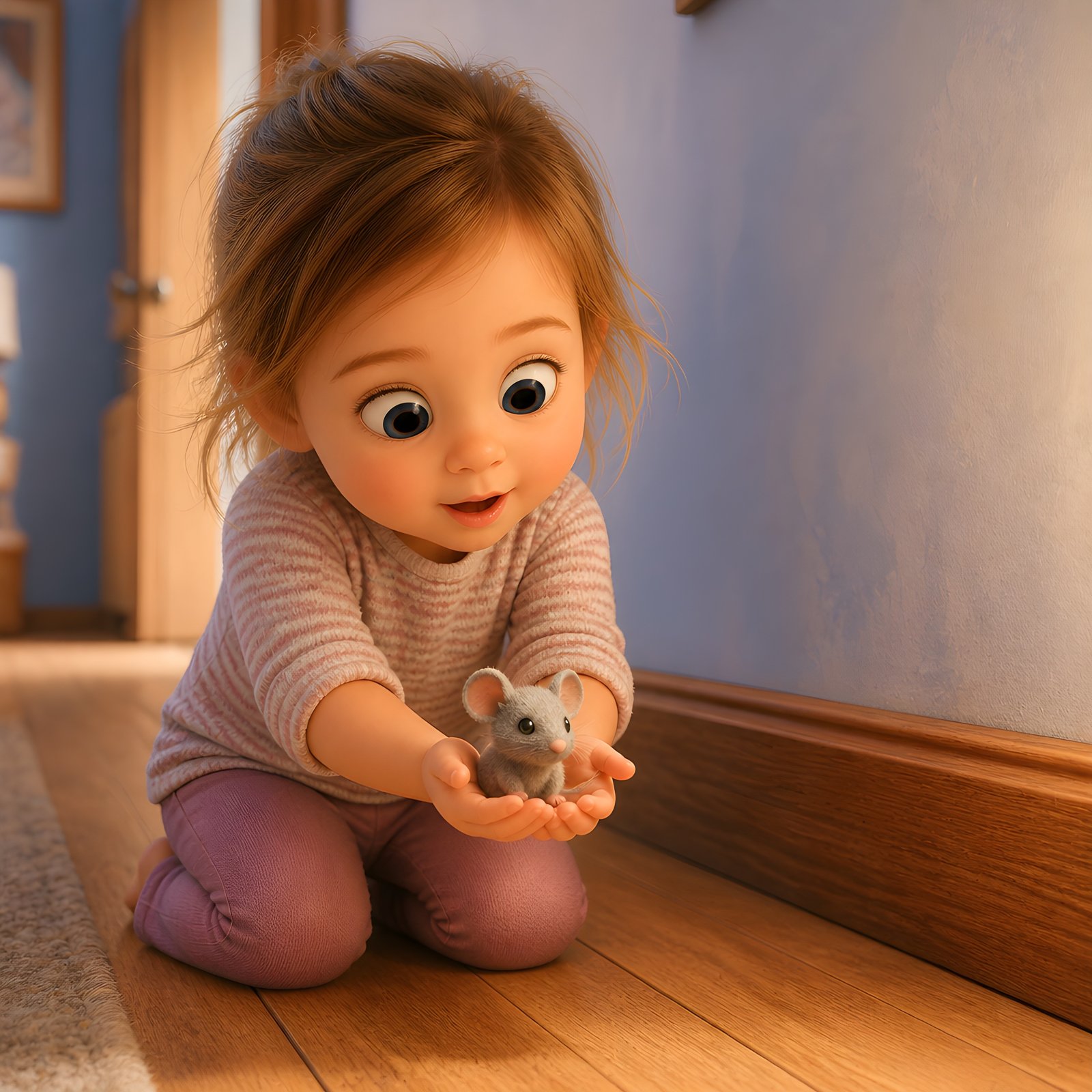
Pip heard the big feeling coming along the corridor from far away.
Child looked down at her own small hands. They were shaking just a little bit.
Hark…
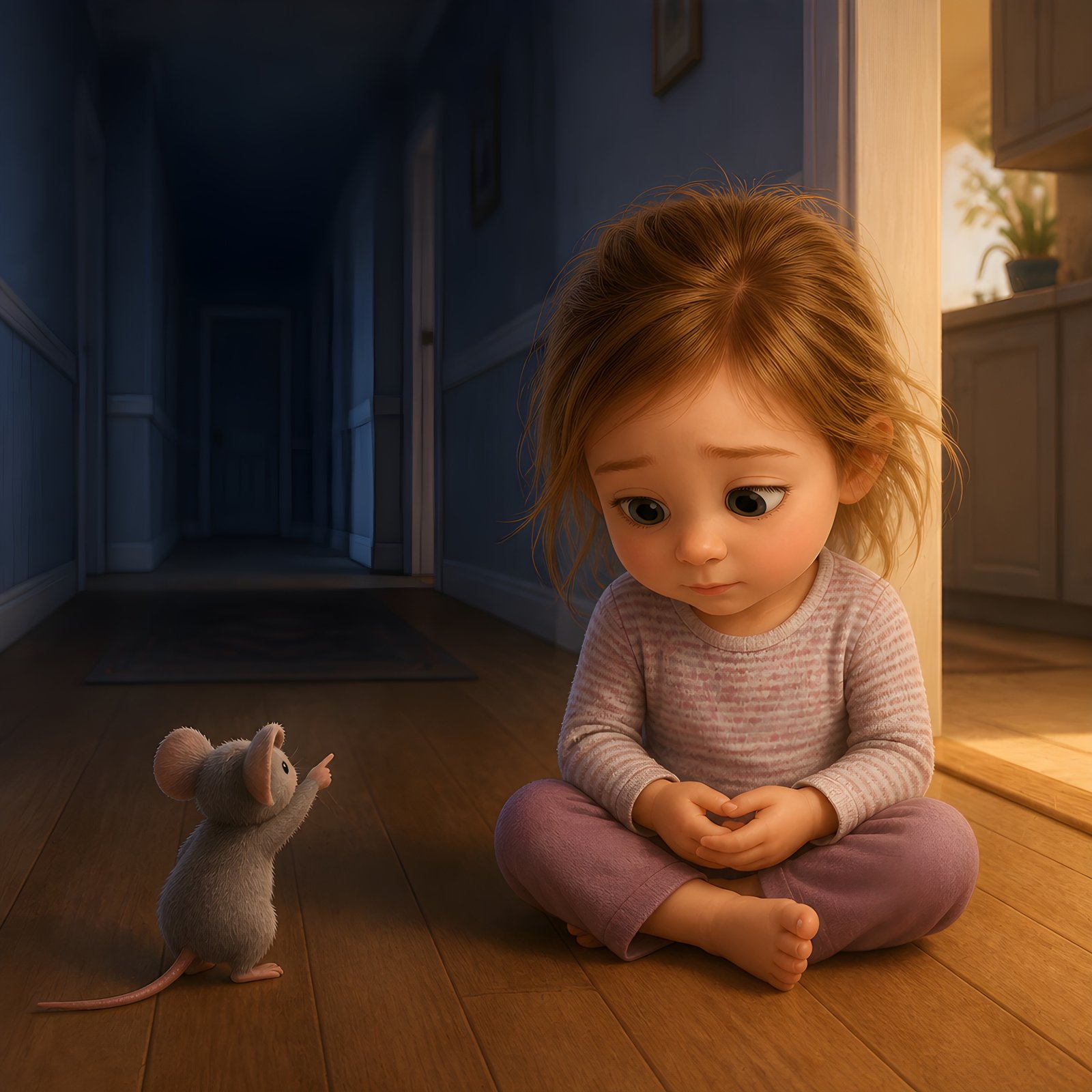
Pip taught Child the trick. You do not push the feeling back out.
You make it wait right in the doorway.
Doucement, whispered Pip.

The next afternoon at the front door, someone closed it for Child.
Closing it was her job! The big feeling rushed up to the door in a hurry.
What would happen next?
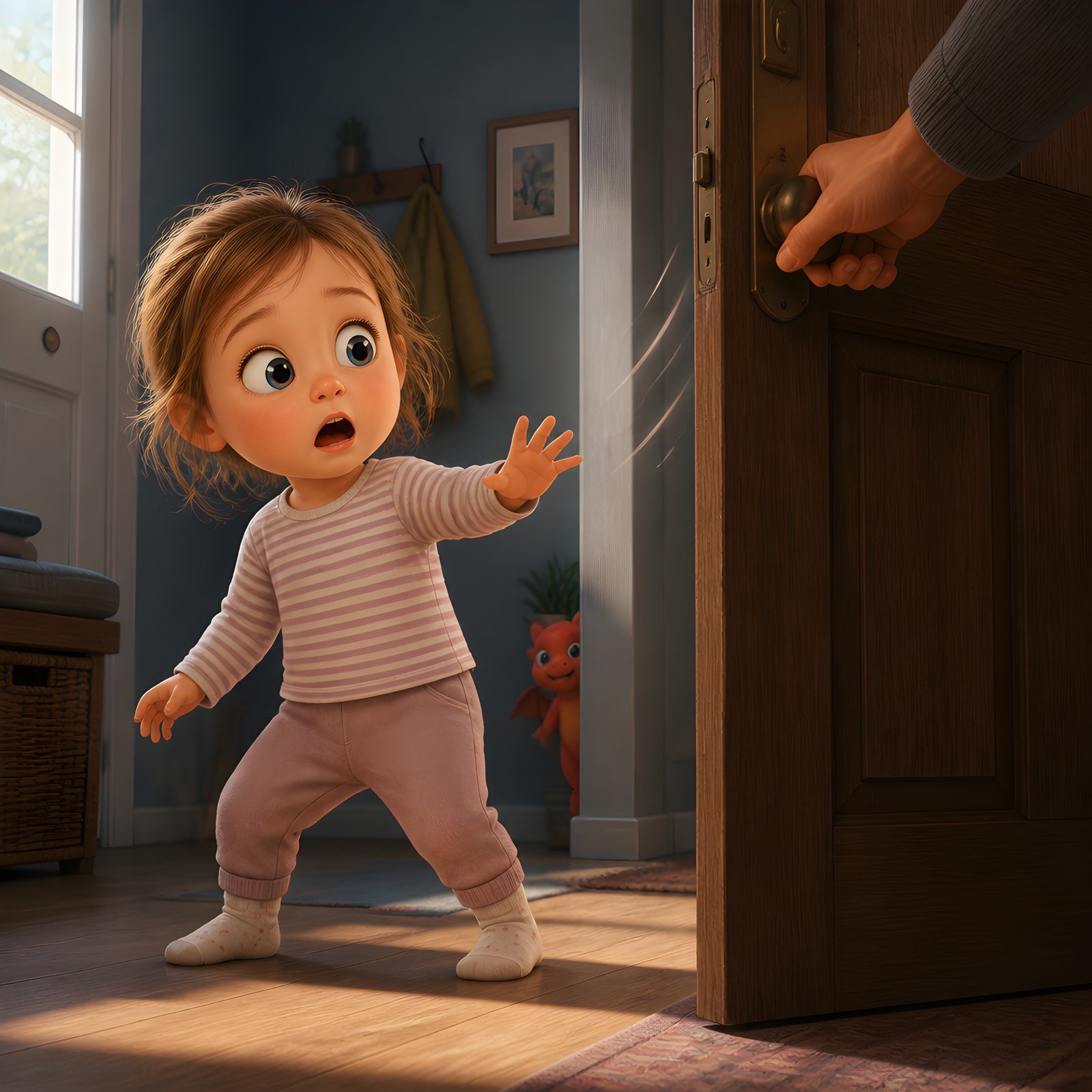
Instead of shouting, Child held up one small hand just like Pip showed her.
She made the feeling wait. One, two, three.
Would the grown-ups notice?

Child took a deep breath and let her words catch up.
She quietly told the grown-up what she wanted to do.
Attends, le mot est arrivé !

The house was no longer too loud and rushed.
The grown-up smiled and stepped back, letting Child open the front door all by herself.
Success!
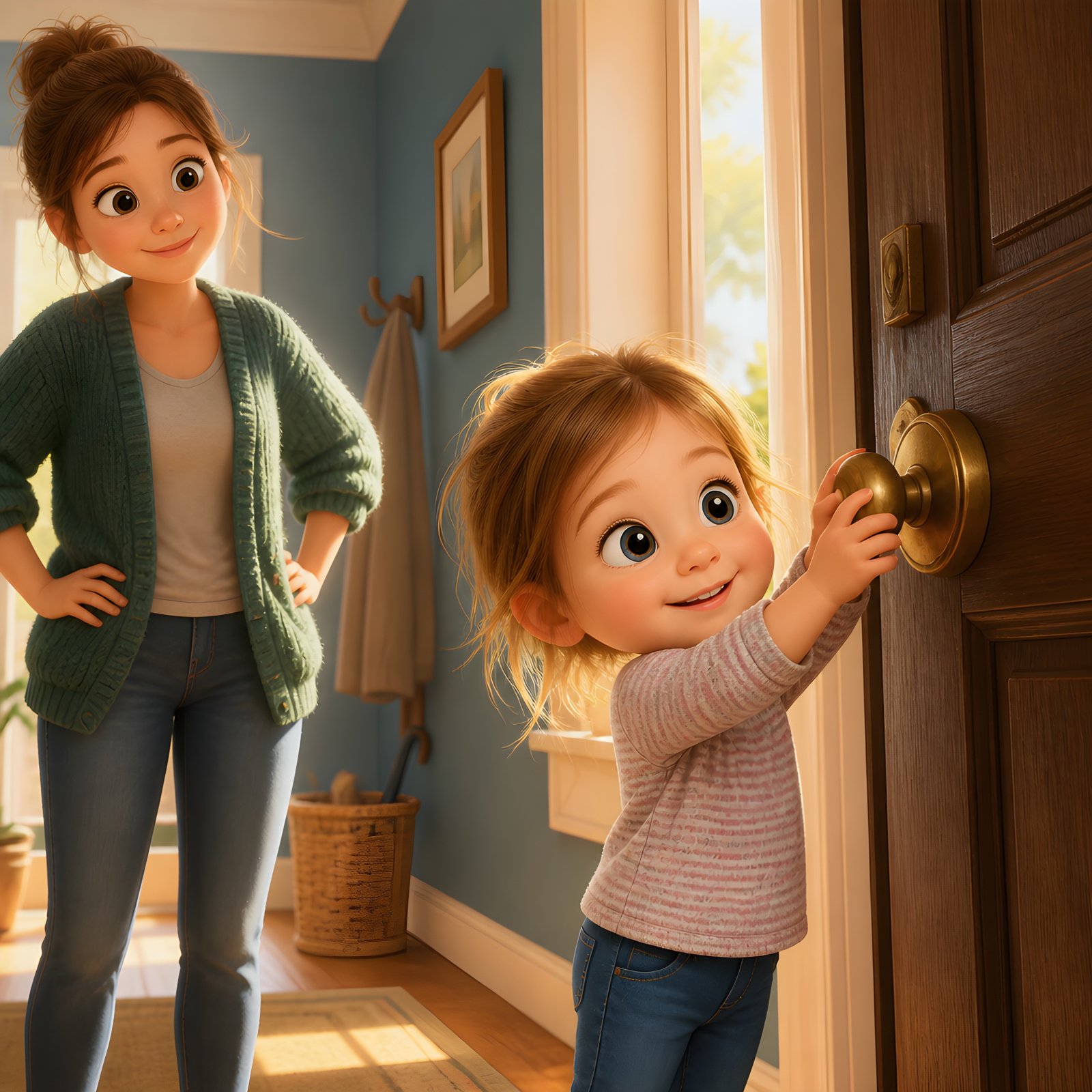
The feeling still turns up early, every single time.
Only now, Child is simply the one who gets to the door first.
And you, when your words come too fast, where do you put your hand?
Sleep well, little heart.