Understanding toddler hitting as a nervous system reflex
The living room was quiet until a sudden thud and a sharp cry broke the silence, leaving you standing over your toddler with a racing heart and a sinking feeling of failure. It is a lonely moment, occurring an hour after the incident, when you find yourself searching for answers and wondering if this impulsive flash of toddler hitting defines your child or your parenting.
This physical outburst is actually a nervous system reaching its limit before language can bridge the gap, representing a biological distress signal rather than a sign of aggression or future violence. We will explore how to calmly intercept these moments, track hidden triggers like fatigue, and use personalized stories to give your family a shared language for emotional regulation before the next storm arrives.
- Why Toddler Hitting Is a Nervous System Reflex Rather Than Aggression
- 3 Techniques to Stop the Hit While Protecting the Bond
- How to Handle the Playground and Other Parents Without Shame?
- Transforming Your Child Into a Hero With a Personalized Story
Why Toddler Hitting Is a Nervous System Reflex Rather Than Aggression
Toddler hitting stems from an immature prefrontal cortex and a flooded nervous system, not malice. Physical intervention must be calm, avoiding punitive lectures that trigger further emotional dysregulation and communication breakdowns.
This neurological reality explains the persistent gap between what a child feels and the words they can actually use.
In toddlers, hitting is an impulse originating in the immature brain before the prefrontal cortex can process logic. It is a biological survival response, distinct from intentional aggression.
The Gap Between Big Feelings and Small Words
Toddlers face a massive developmental lag. The emotional brain develops much faster than language centers. They experience intense sensations without having the vocabulary to name them.
A hit is a non-verbal distress signal. It is the brain’s shortcut when words fail.
This lag creates immense frustration. The child wants to express a need, but the mouth cannot find sounds. Hands take over to release pressure. This is a biological necessity, not a choice.
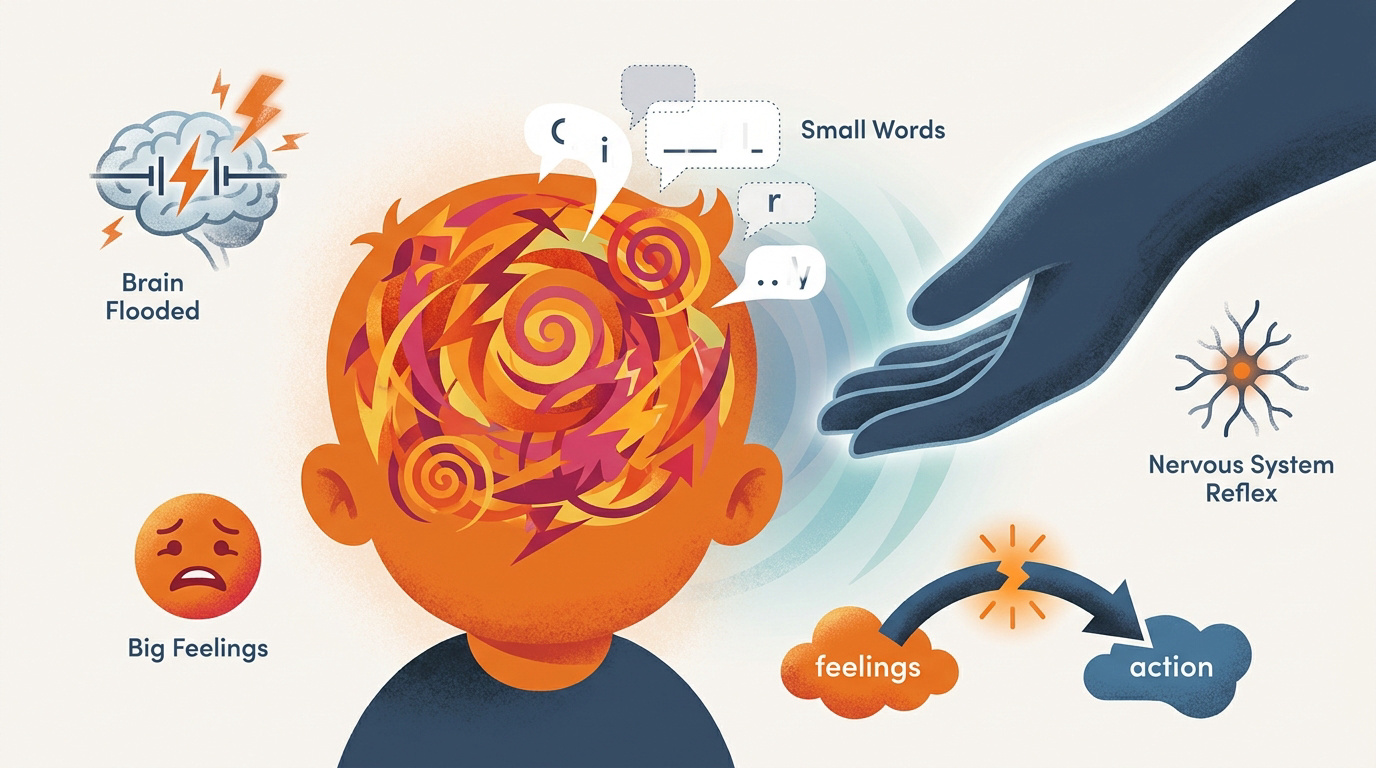
When the Brain Gets Flooded and Loses the Thread
When overwhelmed, the nervous system enters “fight” mode. Rational thought shuts down during high-stress peaks. The child operates purely on instinct for safety.
Delayed consequences fail because toddlers live in the absolute present. A time-out later makes no sense to them.
Children are unable to hear logic during a storm. The body reacts to an internal alarm. Safety must come before any teaching.
Logic cannot reach a flooded brain. Connection must happen first.
We wrote a book where your child is the hero to help navigate these moments. It exists in girl and boy versions; try the example on this page to see how it provides a shared phrase for calm evenings.
3 Techniques to Stop the Hit While Protecting the Bond
Understanding the biology is the first step, but we also need immediate, physical tools to handle the strike when it happens.
Stopping the Hand Without Adding Shame to the Moment
Intercept the strike physically. Use a calm, firm hand to catch their wrist. Keep your face neutral and your voice quiet to lower the tension.
Name the emotion early. Say “I see you are angry.” Catch the feeling before it explodes.
- Hold the hand gently but firmly
- Maintain eye level
- Use a low and steady voice tone
Focus on safety. Be the calm anchor. Stop the movement, keep the love.
Why Punitive Measures and Long Lectures Backfire
Hitting back increases the alarm. It validates force as a solution. The child becomes more scared and reactive.
Labels create confusion. Calling a child “mean” creates a fixed identity. They start to believe they are bad.
Avoid hitting back to “teach a lesson.” Never use labels like “mean” which become self-fulfilling prophecies.
Avoid long lectures. Too many words confuse a stressed toddler. They stop listening after three seconds. Keep boundaries short and simple.
Moving from Forced Apologies to Genuine Repair
Contrast hollow sorrys with repair. Forced apologies teach performance, not empathy. Real repair involves checking on the other person together.
Reconnect once calm. Offer a hug or shared activity to restore safety. Use a “shared phrase” to signal the end of the storm.
Teach these instead: pressing hands together, stomping feet, or coming to find a parent.
Focus on the bond. Repairing hurt is a skill. It takes practice and time.
We wrote this book to give your family a shared language. Toggle between the girl and boy versions here. Try this example to see your child become the hero who chooses a new gesture.
How to Handle the Playground and Other Parents Without Shame?
While managing the child is one thing, managing the judgmental eyes of other parents at the park is a whole different challenge.
Identifying Hunger, Fatigue, and Transition Triggers
Environmental factors dictate toddler behavior. Hunger and exhaustion erode fragile impulse control. Public spaces often provide too much sensory input for small brains.
Notice if hitting happens right before lunch. Watch for signs of transitions causing stress.
| Trigger | Warning Sign | Immediate Action |
|---|---|---|
| Hunger | Whining | Offer a snack |
| Fatigue | Rubbing eyes | Leave now |
| Overstimulation | Covering ears | Quiet space |
| Transitions | Clinging | Use a timer |
Scripts for Nursery and Interactions With Other Parents
Use direct phrases in public. Say, “I am sorry, we are working on keeping hands safe.” This acknowledges the incident without shaming your child.
Share your non-punitive strategy with caregivers. Ask for consistency in stopping the hand calmly. You are a team helping a learner, so do not over-apologize for a developmental stage.
Stay confident. You are not a failure. Your child is just learning.
Our personalized book helps families rehearse alternatives. You can toggle between the girl and boy variants on this page. Try the example now and download the PDF.
Transforming Your Child Into a Hero With a Personalized Story
Beyond the heat of the moment, the best way to teach new habits is through the power of storytelling during calm times.
Making Your Child the Hero of Their Own Regulation
We created this personalized book so your child can see themselves as the hero. It shows them exactly how to handle big emotions safely. It is our way of helping.
Reading together in the evening builds a shared vocabulary. It makes calm gestures feel familiar and achievable for everyone. This practice creates a safe space for growth and understanding at home.
Use the story as a tool. It turns a struggle into a triumph for your family.
Trying Our Interactive Story Example for Boys and Girls
We invite you to try the example embedded on this page. We have provided a full version for you to explore. You can toggle between the girl and boy variants easily.
Take the story with you by downloading the PDF. Use it to start building your family’s regulation toolkit. It is a practical resource for real life.
- Toggle between boy and girl versions
- Download the full PDF example
- Practice the “safe hands” gesture from the book
Understanding that toddler hitting is a biological reflex rather than aggression allows you to replace shame with calm boundaries. By identifying triggers and practicing physical alternatives through personalized stories, you guide their developing nervous system toward safety. Start transforming these outbursts into shared learning moments today for a more peaceful, connected tomorrow.
FAQ
Is my toddler’s hitting a sign of future aggression or violent behavior?
Not at all. At this developmental stage, hitting is a physiological response rather than a moral choice. It represents a nervous system that has reached its limit before the child’s language skills have caught up. It is an impulse that arrives ahead of the words, not a reflection of your child’s character or a verdict on your parenting.
The prefrontal cortex, which handles impulse control, is still under construction. When a toddler feels overwhelmed, their “emotional brain” takes over, triggering a fight-or-flight reflex. Your child isn’t being “bad”; they are simply experiencing a biological shortcut where the hands take over to release internal pressure.
Why does my child seem so upset immediately after they hit someone?
It is very common for the child who hits to be more distressed than the person they struck. The act of hitting is often a non-verbal distress signal. Once the “storm” passes, the child frequently feels frightened by their own loss of control and the big emotions that triggered the event.
Because toddlers live entirely in the present, a consequence delivered even an hour later lands on a brain that has already lost the thread of what happened. They are no longer in the same emotional state, making delayed punishments confusing rather than educational. Focus on immediate, calm intervention instead.
How should I react in the moment to stop the hitting effectively?
The most helpful response is to calmly and physically stop the hand. Use a firm but gentle touch to catch their wrist, keeping your face neutral and your voice quiet. This provides safety without adding shame. Try to name the feeling out loud, “I see you are very angry”, before the emotion peaks rather than after.
Instead of long lectures during the meltdown, teach one simple physical alternative they can actually perform, such as pressing their hands together or stamping their feet. The key is to rehearse these “safe hands” gestures when everyone is calm, turning them into a repeatable habit before the next surge of frustration occurs.
What should I say to other parents at the playground if an incident happens?
When navigating public spaces, transparency without shame is your best tool. You can say, “I’m sorry, we are working on keeping hands safe right now.” This acknowledges the situation and shows you are proactive without labeling your child as “mean” or “violent” in front of others.
Avoid over-apologizing or forcing your child to say a hollow “sorry” while they are still dysregulated. Genuine repair happens later, once the nervous system has settled. At home, track reliable triggers like hunger, fatigue, or difficult transitions to help anticipate and prevent these outbursts before they turn physical.
How can a personalized story help my child stop hitting?
A personalized story where your child is the hero gives your family a shared language and a repeatable gesture. By reading about themselves feeling a “big emotion” coming and choosing a small, safe action instead, the child builds a mental map for success. It transforms a moment of struggle into a triumph of self-regulation.
These stories work best when read during a calm evening, far away from the heat of a tantrum. This allows the child to internalize positive alternatives and see themselves as capable of staying in control. It moves the focus from “don’t hit” to “here is what I can do,” strengthening your bond through a shared, positive narrative.
enfant-qui-tape
Milo was in the living room, playing quite calmly. He was stacking big wooden blocks.
But suddenly… Milo feels a thunder in his hands! Everything is moving so fast.
Where is the little red truck hidden under the cushion? Can you see it?
Milo wants to grab it right away.
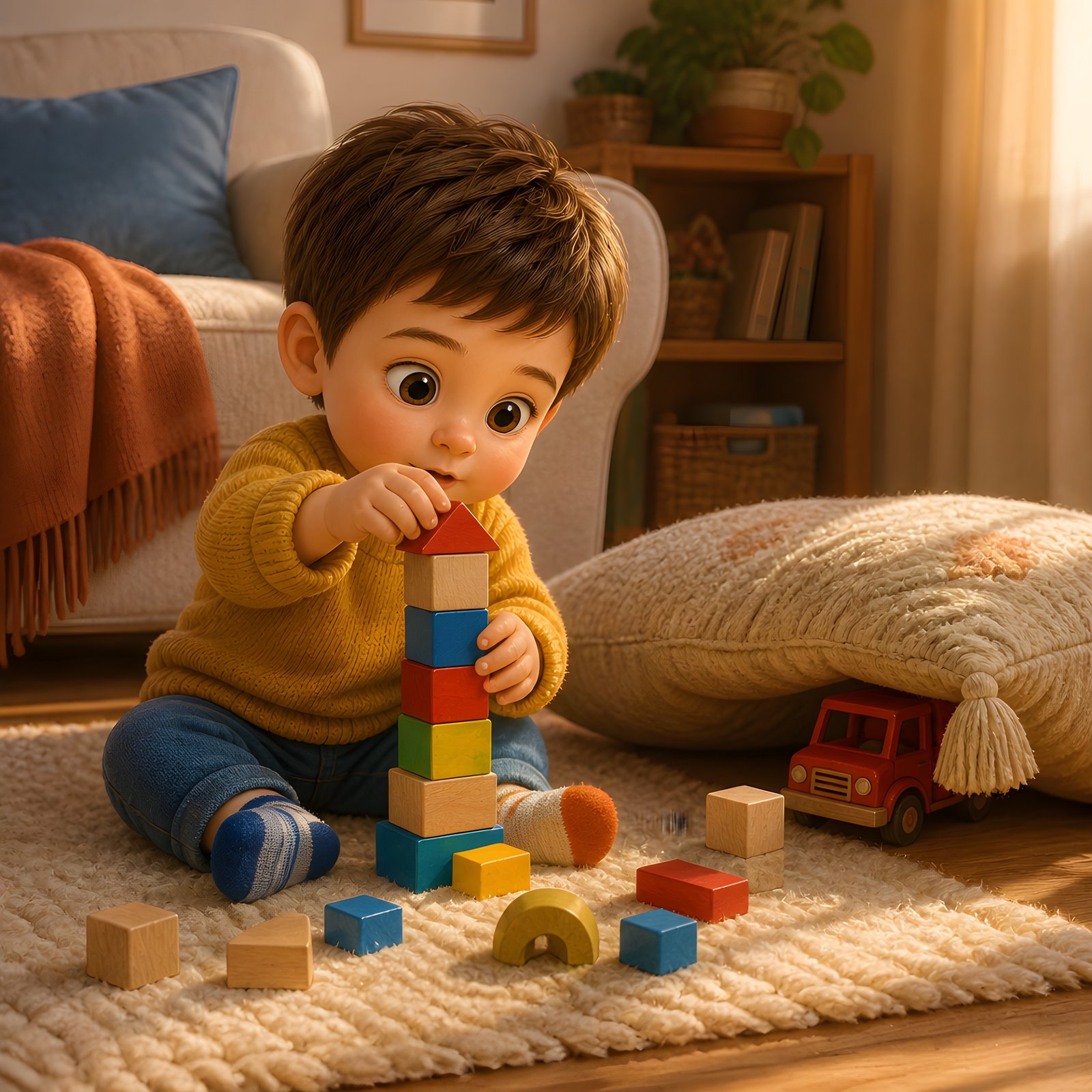
His hands rushed forward right away, much too fast! Zoom!
The tower of blocks crashes down into a thousand pieces. Crash!
Milo looks at his hands, wondering: « Why did they do that? »
Under the table, a little scratching sound is heard: Scratch… scratch…
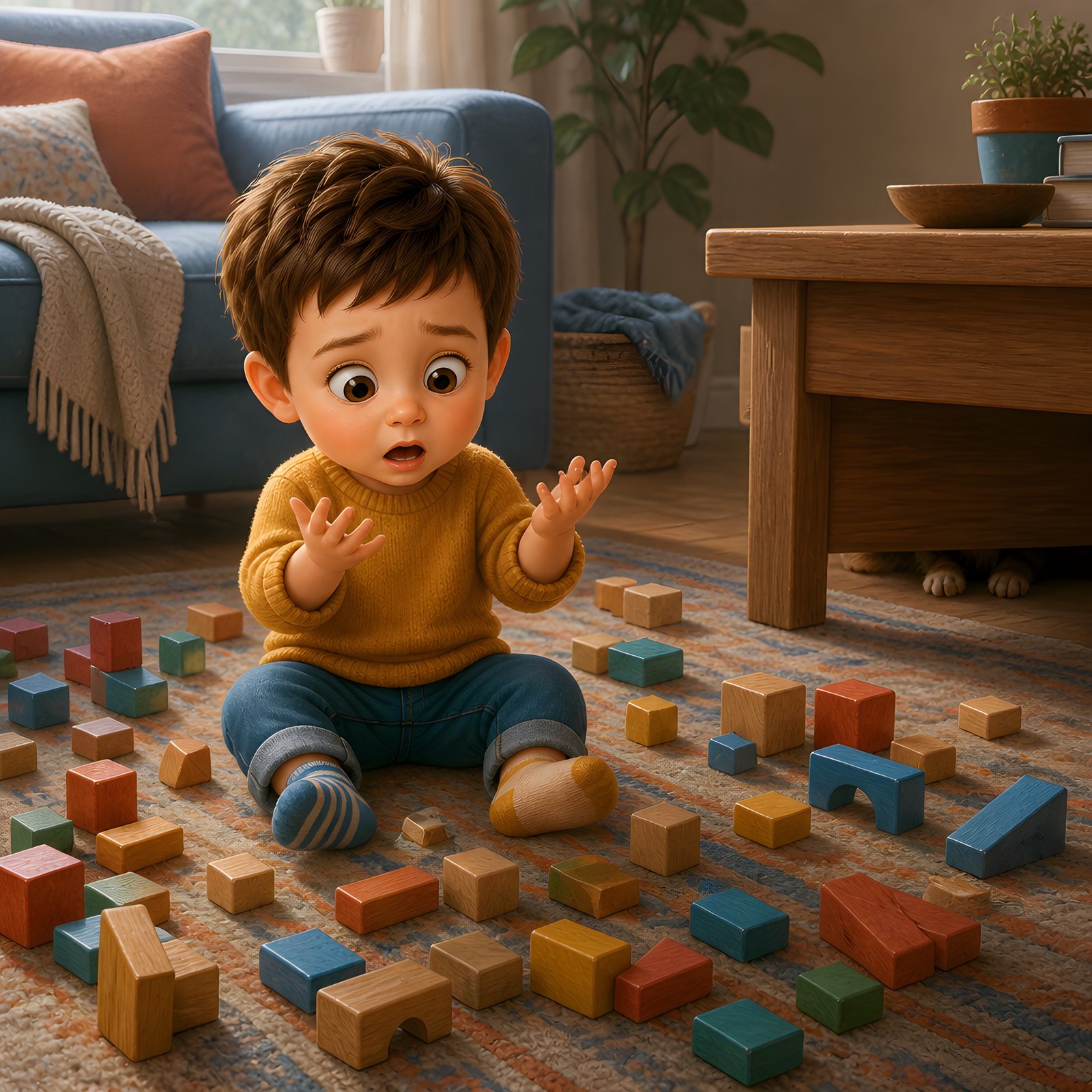
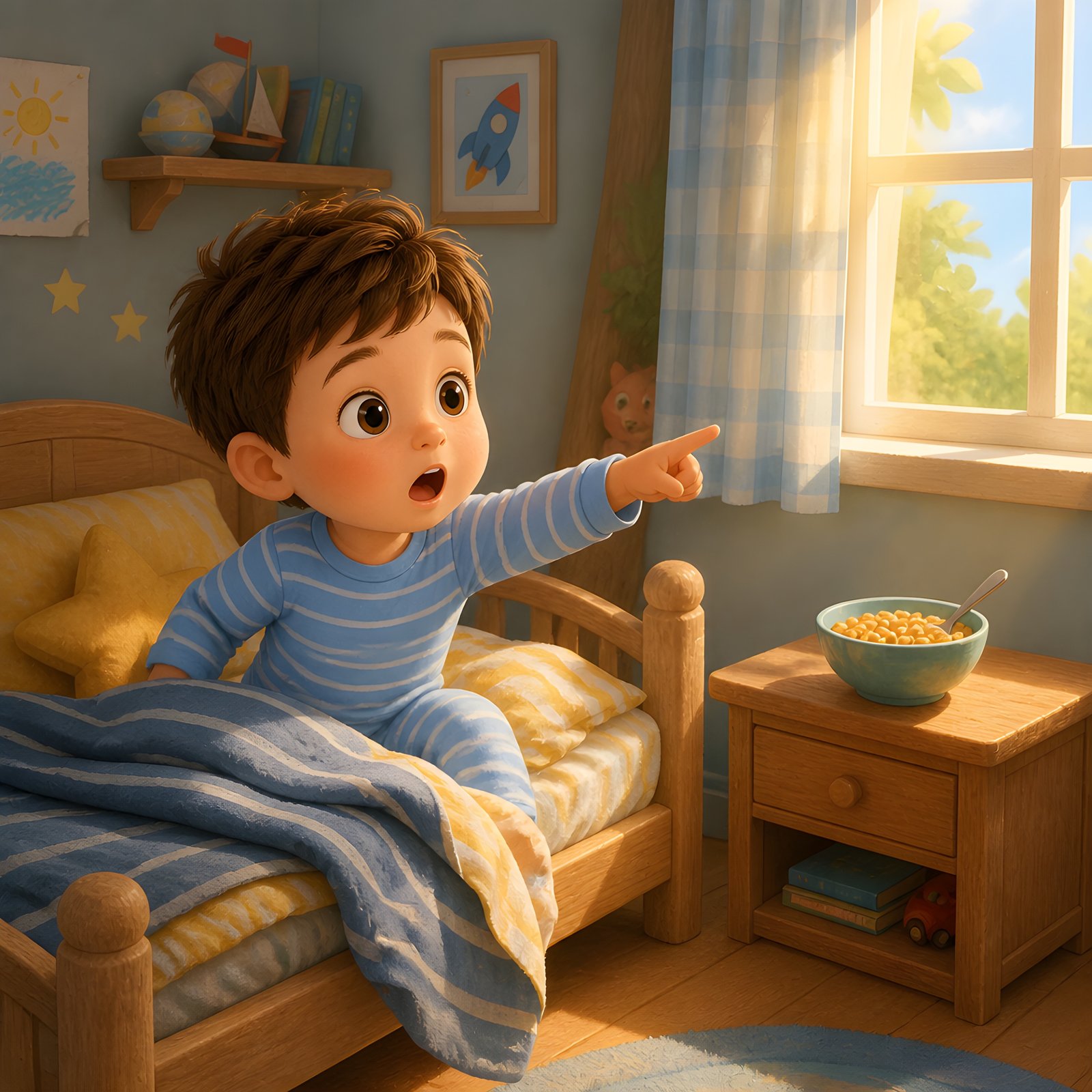
The next morning, waking up in his little bed… Milo feels like it is happening all over again.
At breakfast, that same urge to grab the spoon comes on suddenly.
Milo feels a thunder in his hands!
Oh no, here it goes again.
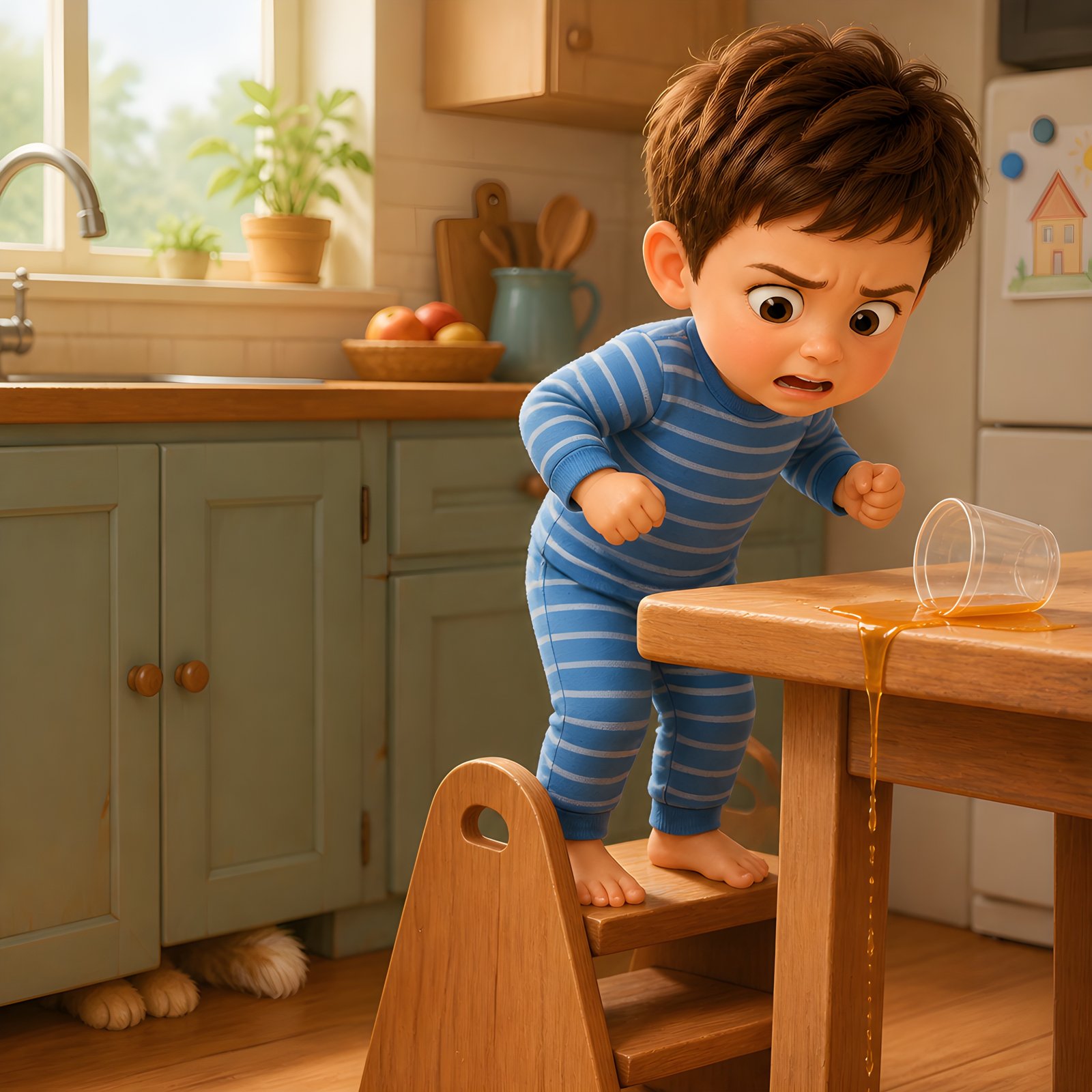
His hands reach out too quickly toward the table. Boom!
The cup of apple juice tips over. The juice spills everywhere in a bright puddle.
Milo lets out a big, annoyed breath.
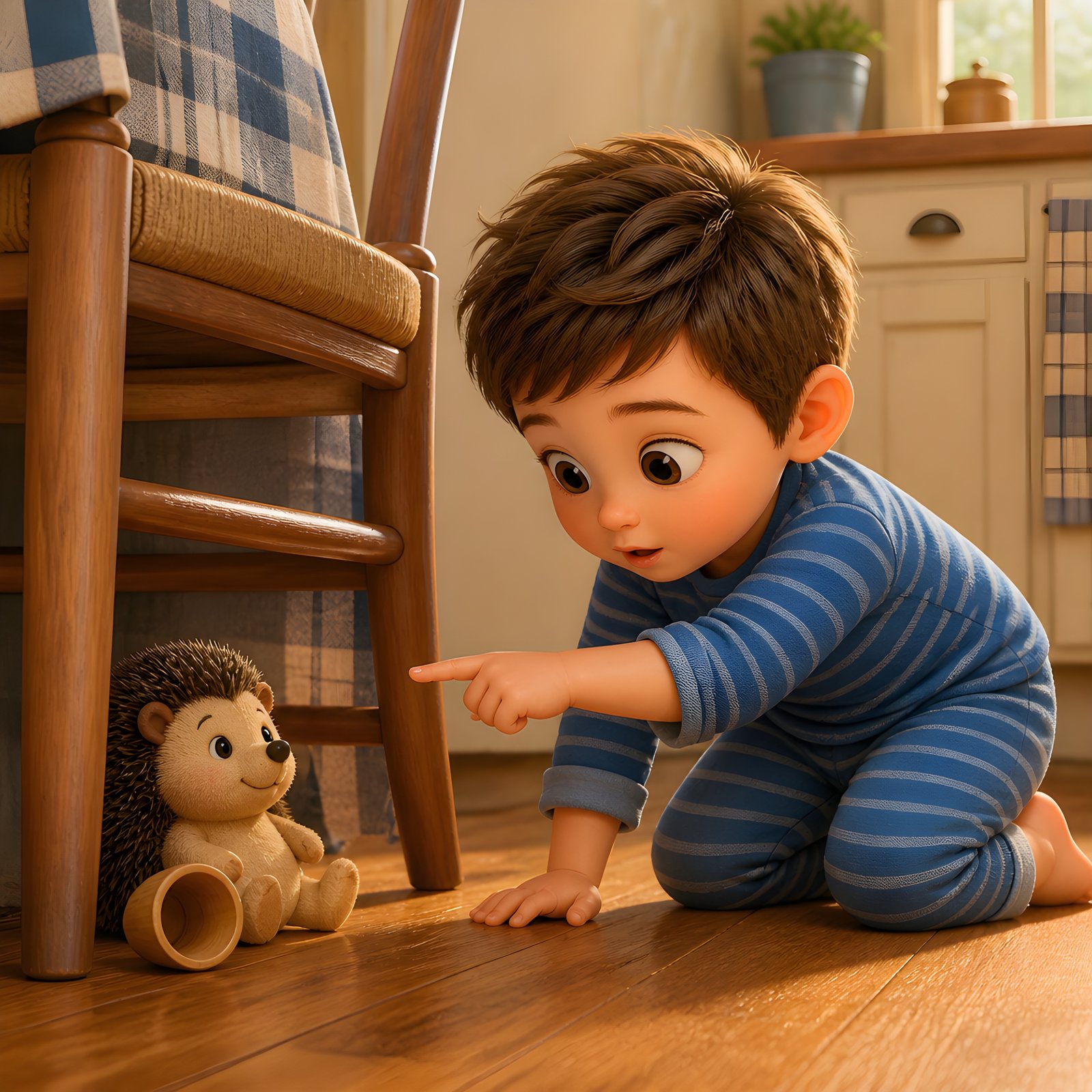
But who is hiding right over there, next to his chair?
Under the chair, a tiny hedgehog with big eyes is looking at his own spilled cup on the floor.
Oh! He did the exact same thing.
The little companion shakes his head with a sorry look.
Milo looks at him, feeling very curious.
The little companion tries to grab his toy in a hurry, but his tiny paws get all tangled up.
Hop! He misses everything too.
His little heart beats fast, and his shoulders drop.
He stops completely, and whispers: Whoosh…
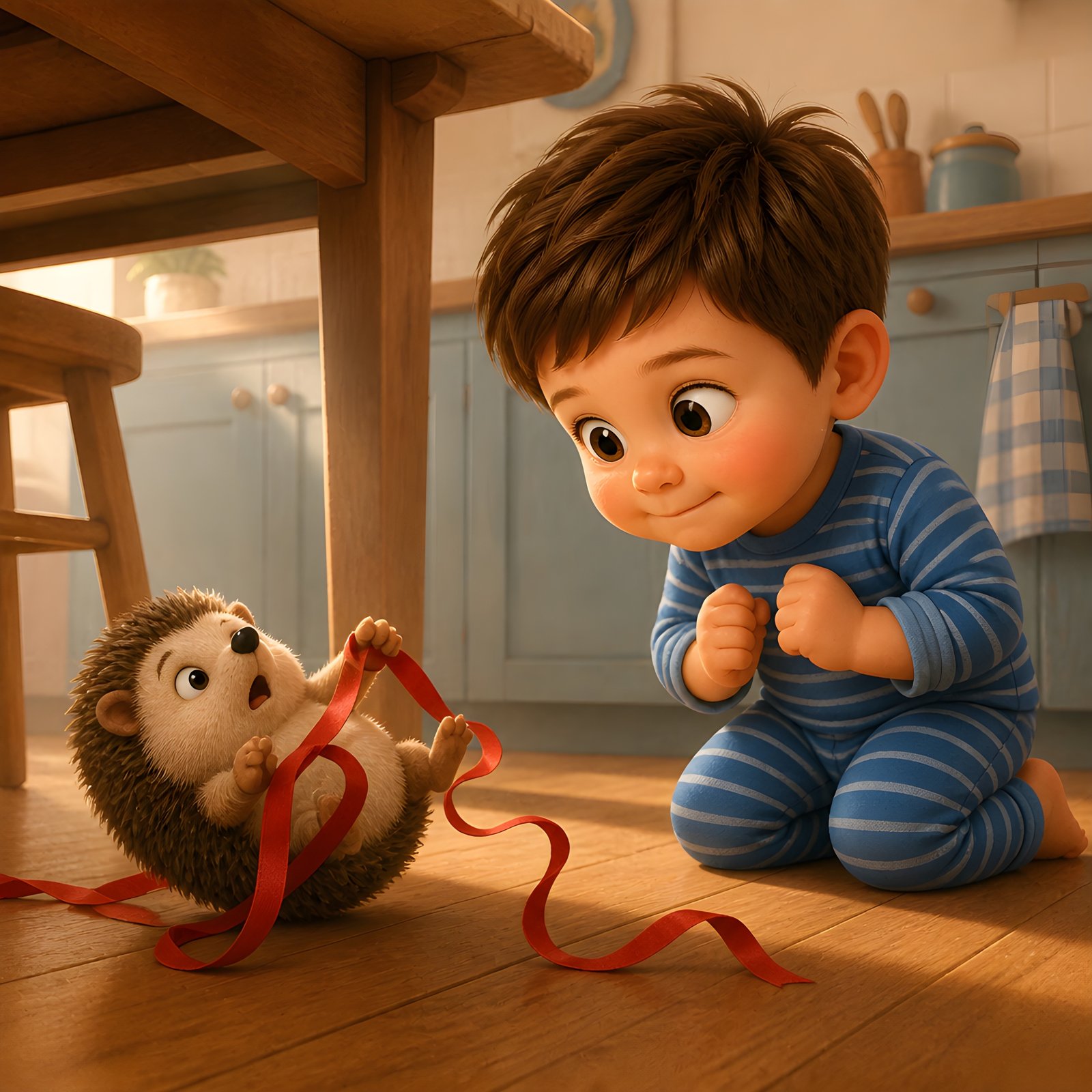
The little companion whispers a secret word to Milo: « The pause. »
Right before the thunder comes, you have to stop.
Milo places his hands flat on his knees.
Can you do like Milo: put your hands on your knees and count to one?
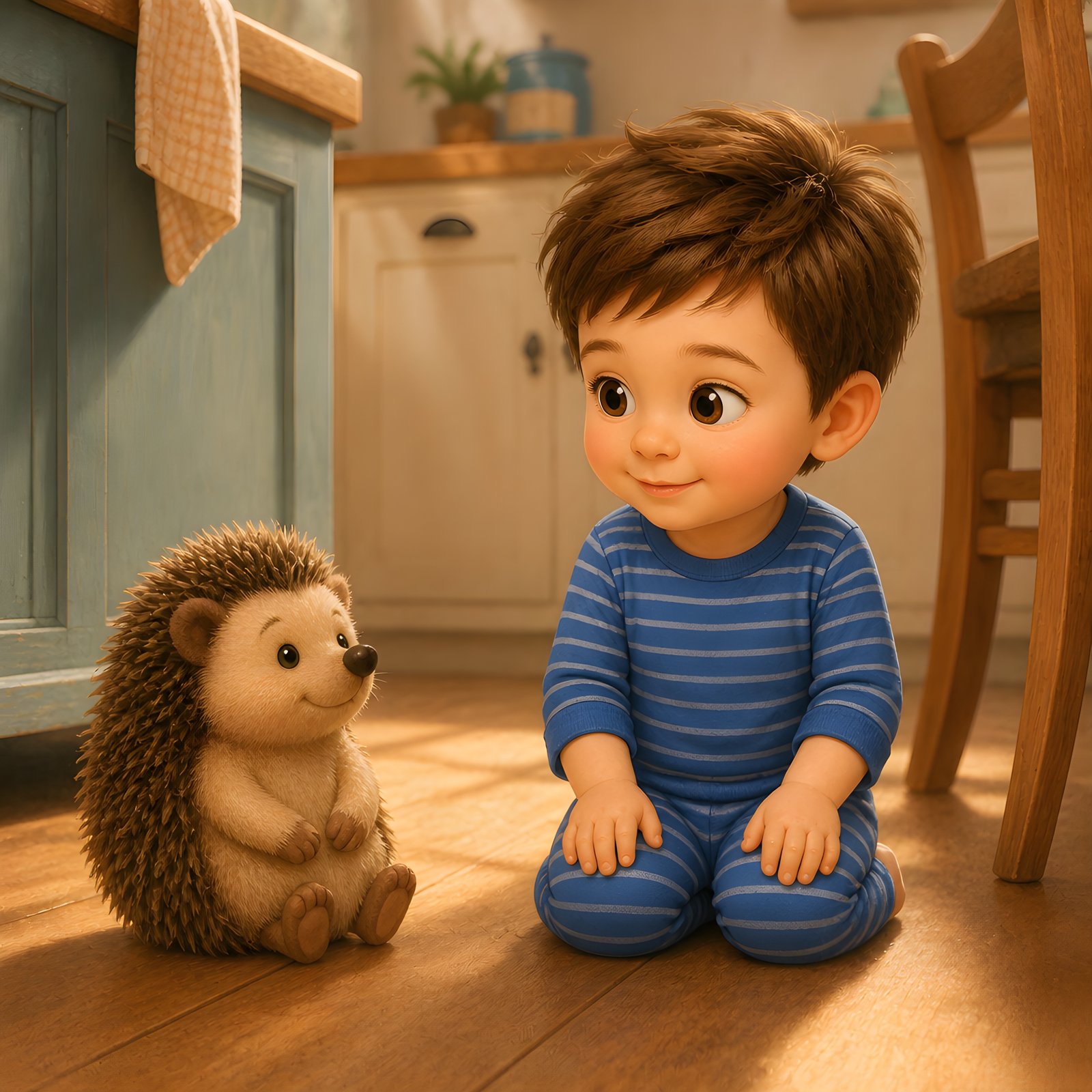
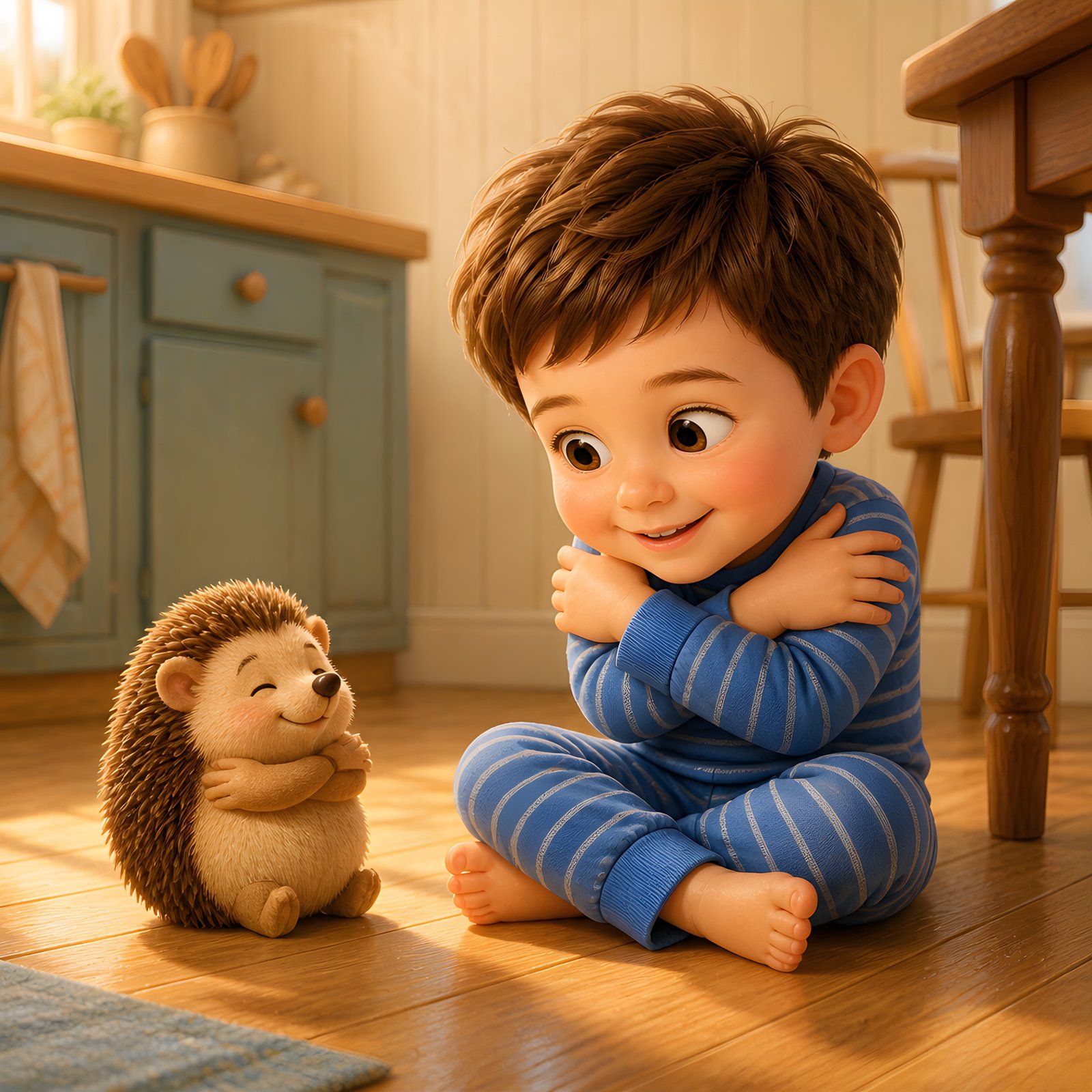
Instead of rushing, the companion shows another magic trick.
He gives himself a big, gentle hug by crossing his arms over his heart.
Milo looks at his hands, wide-eyed and amazed.
What a wonderful secret to calm his arms down!
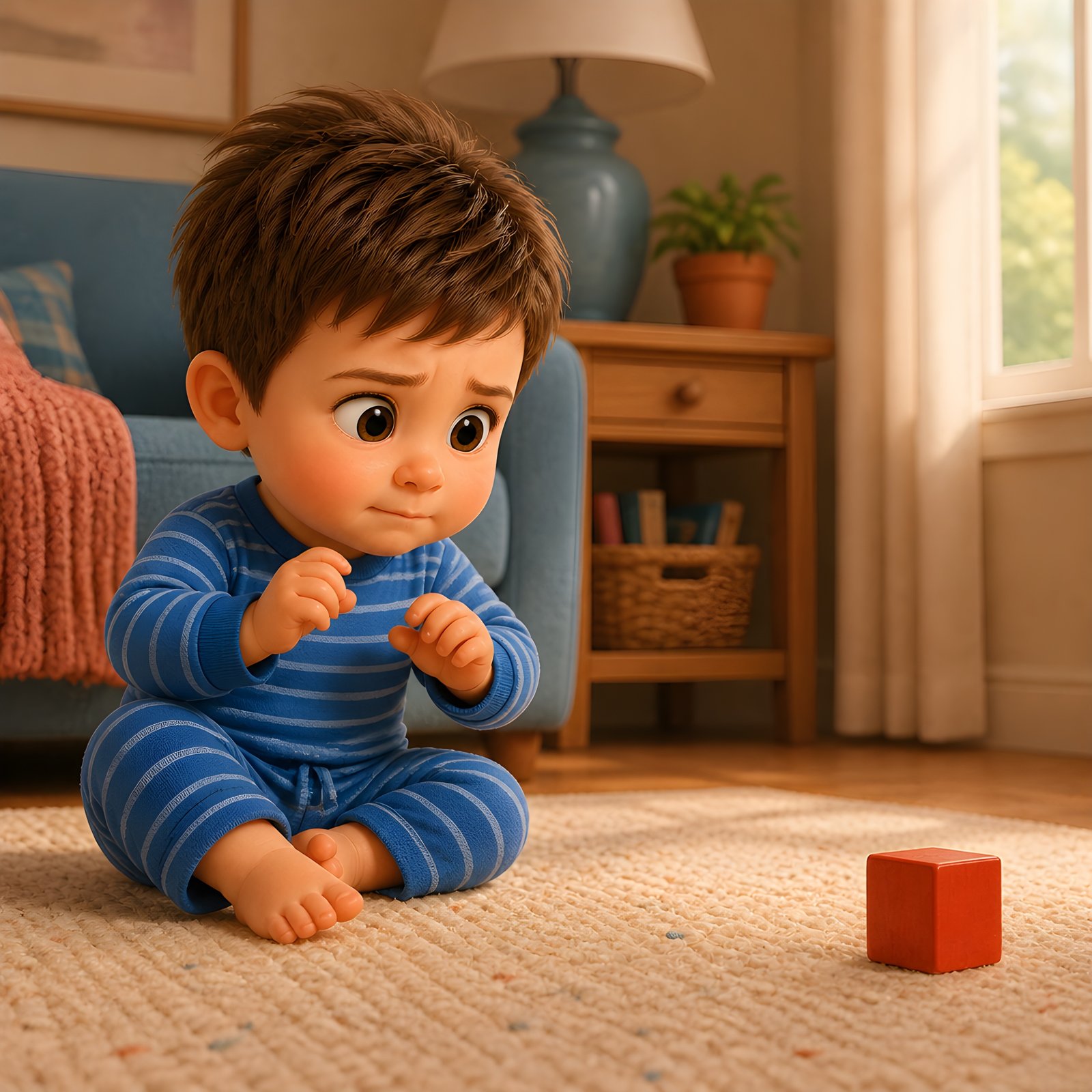
A little later, in the living room, another coveted toy is right there.
Milo feels a thunder in his hands, so he takes a pause!
His arms remember the secret.
He does not rush right away.
Milo places his hands on his knees and takes a long breath in through his nose.
He gives himself a gentle hug on his shoulders.
The thunder in his hands drifts away softly, like a little grey cloud floating off.
Milo smiles: he did it all by himself!
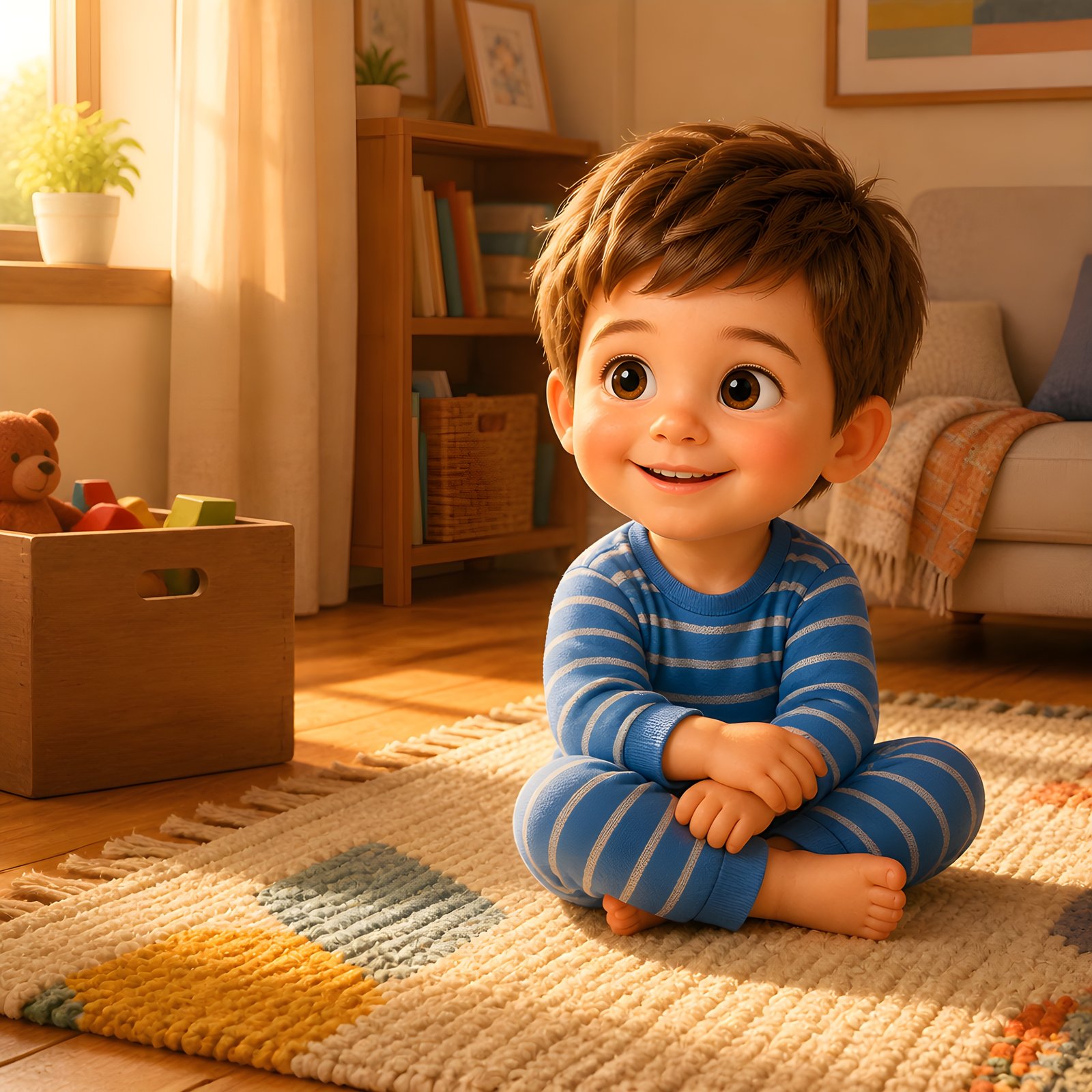
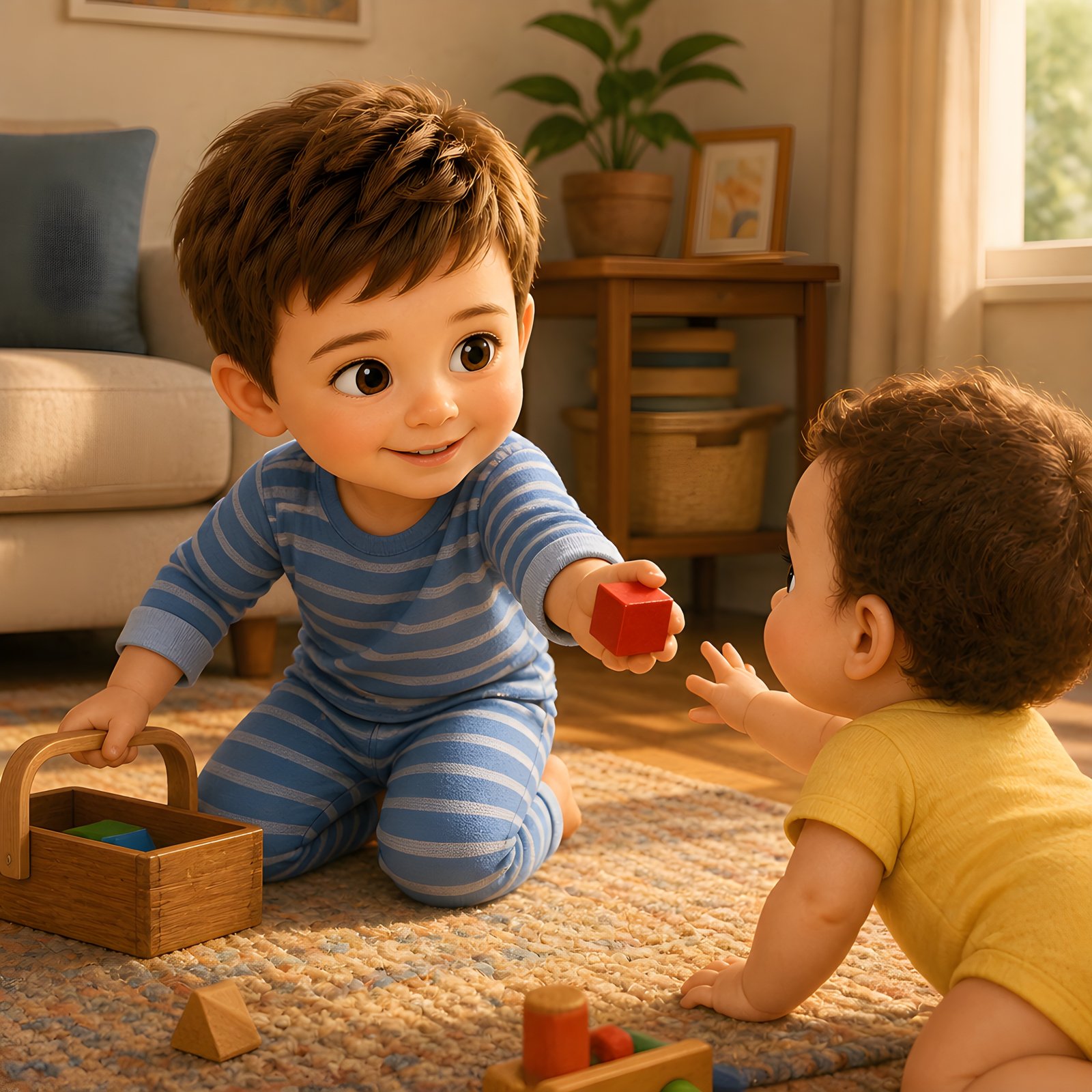
Now that his hands are calm, Milo knows just what to do.
He steps over gently and holds out the pretty red cube.
« Here, do you want to play together? »
He even helps pick up what fell down at the very beginning. The loop is broken!
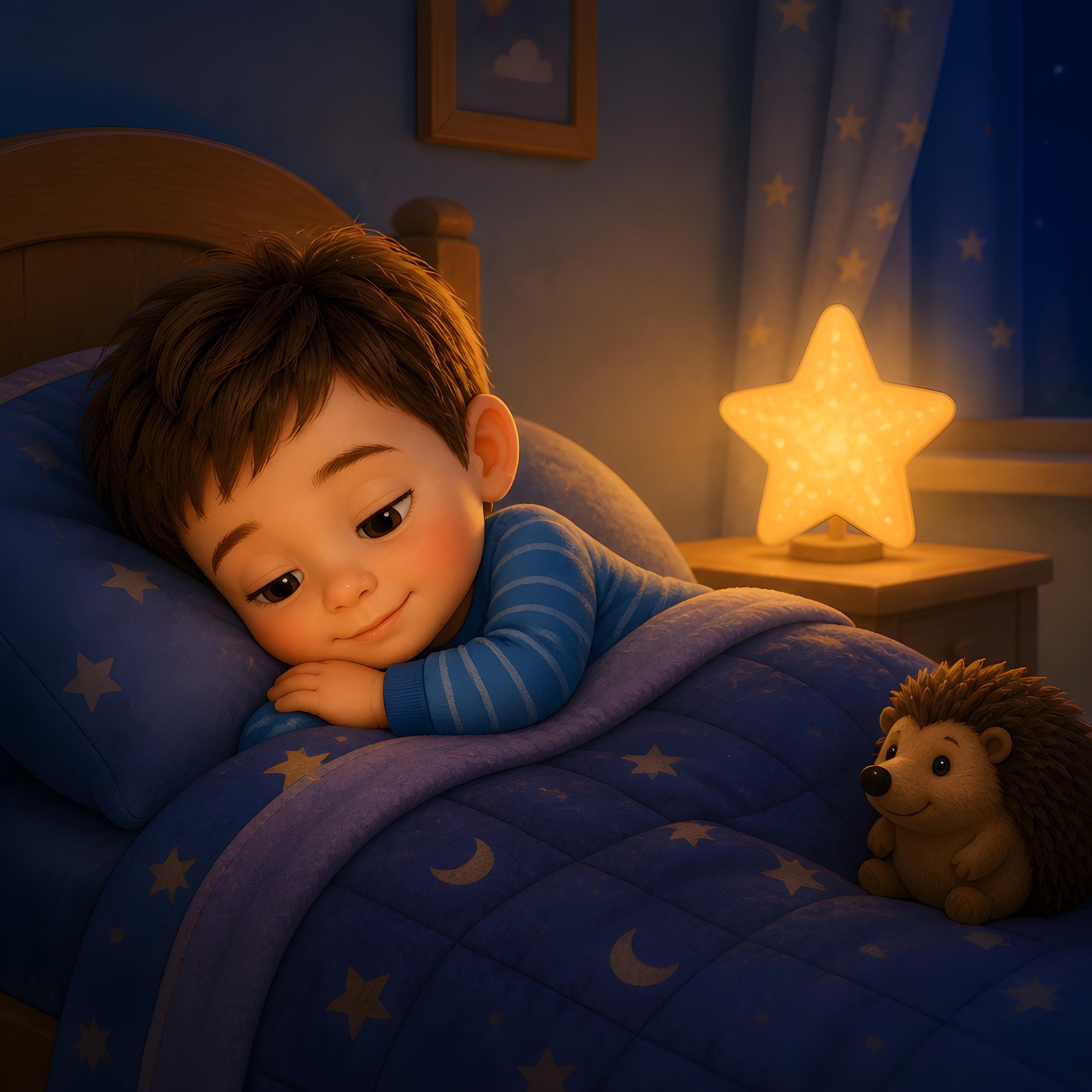
Evening has come. The house is completely quiet.
Milo is in his bed under his warm blanket, looking down at his hands.
They are so calm now.
And what about your hands, what are they doing to rest tonight?
Close your eyes. Gently… it is time to sleep.
enfant-qui-tape
Nina played in the living room with her wooden blocks.
She wanted to grab them all at once! Vite !
Can you spot the little stuffed bunny hiding on the rug?
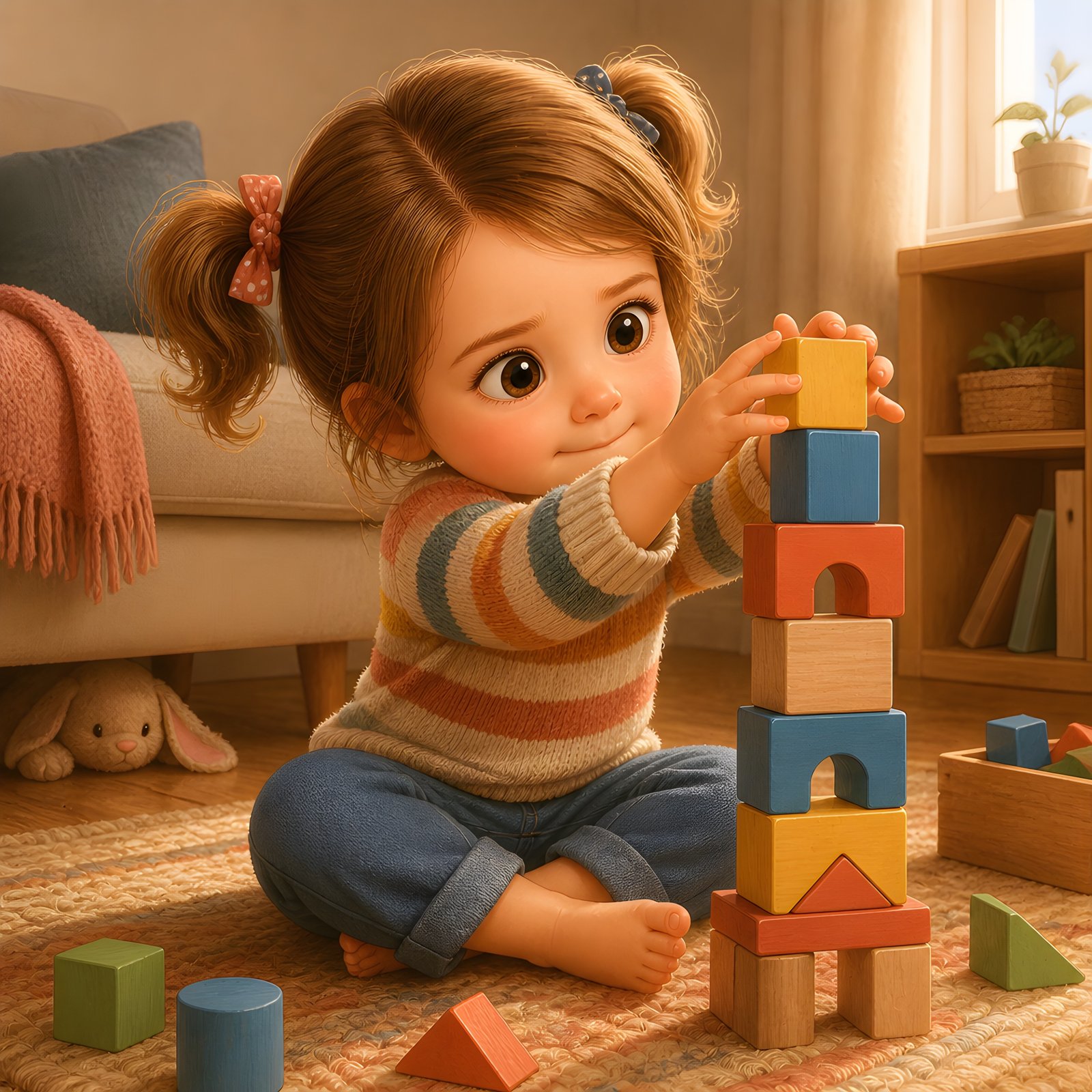
Nina reached out too fast to grab the very last block.
CRASH !
The tower tumbled down. Nina let out an angry cry.
Hands first, words after !
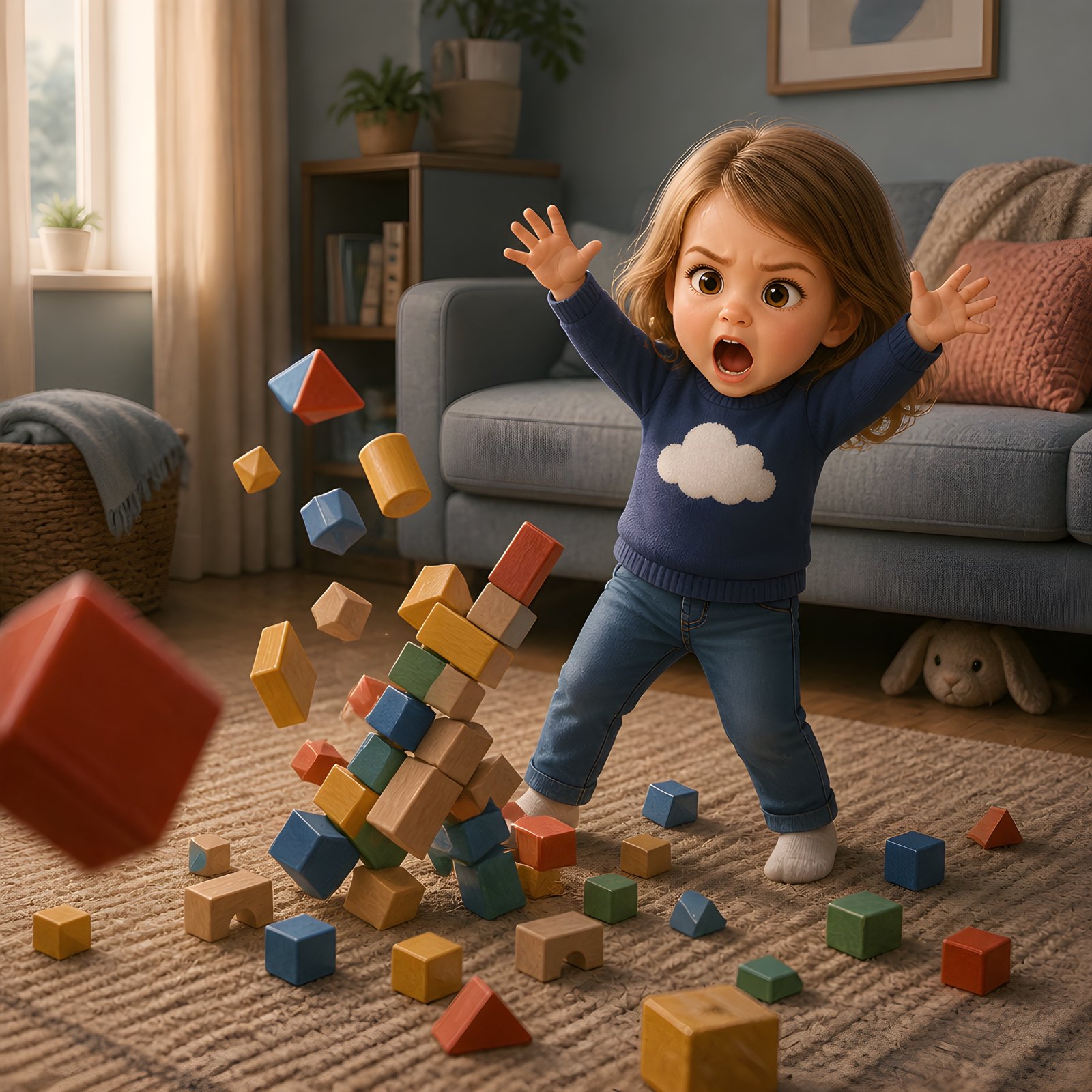
The next day, Nina started building her tower again.
Her fingers began to tap and wiggle just like before.
Will it happen all over again?
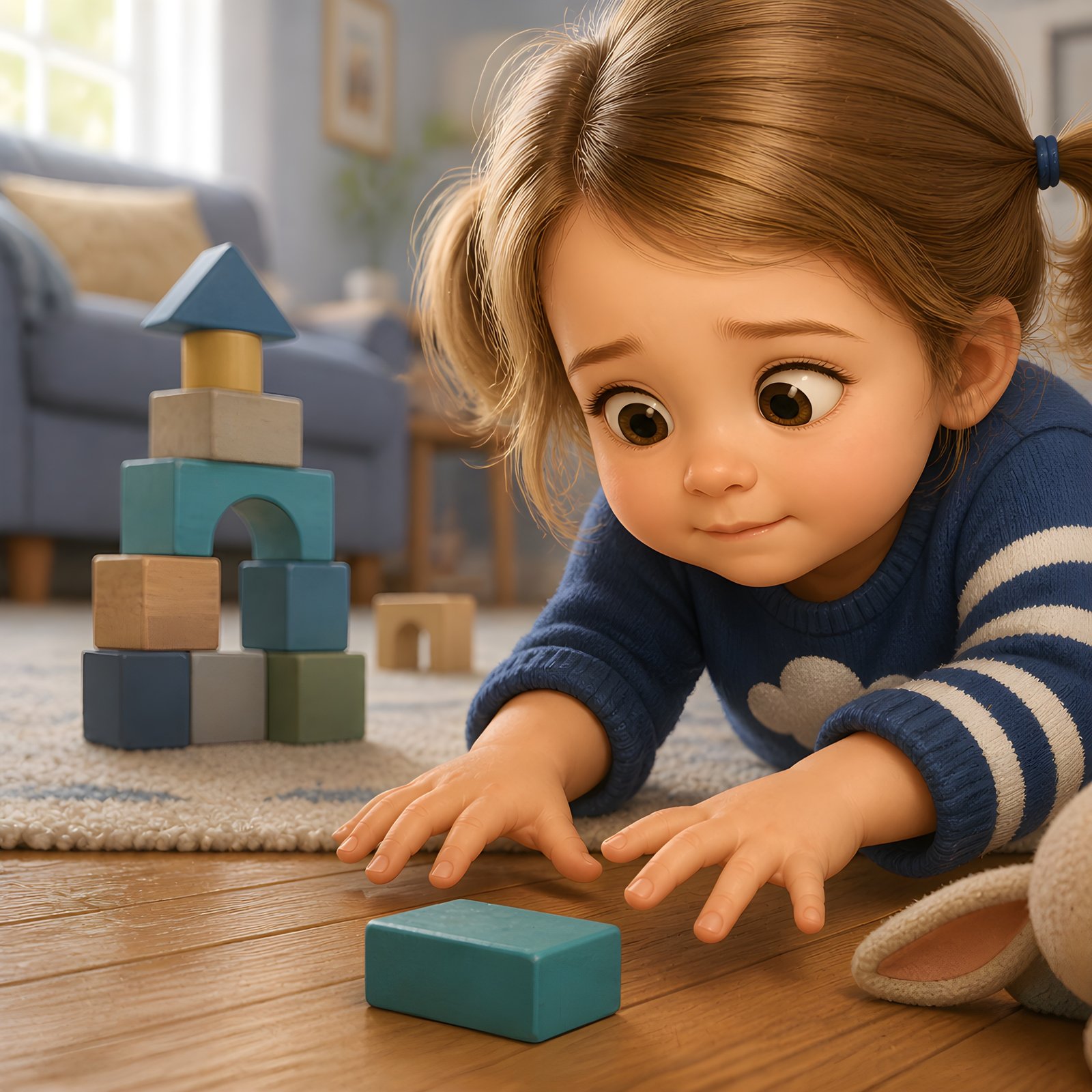
Nina tried to pop the final block on top in a big hurry.
Her hands shook, and down the tower went once more.
Pouf !
Nina knitted her eyebrows and blew out a hard breath.
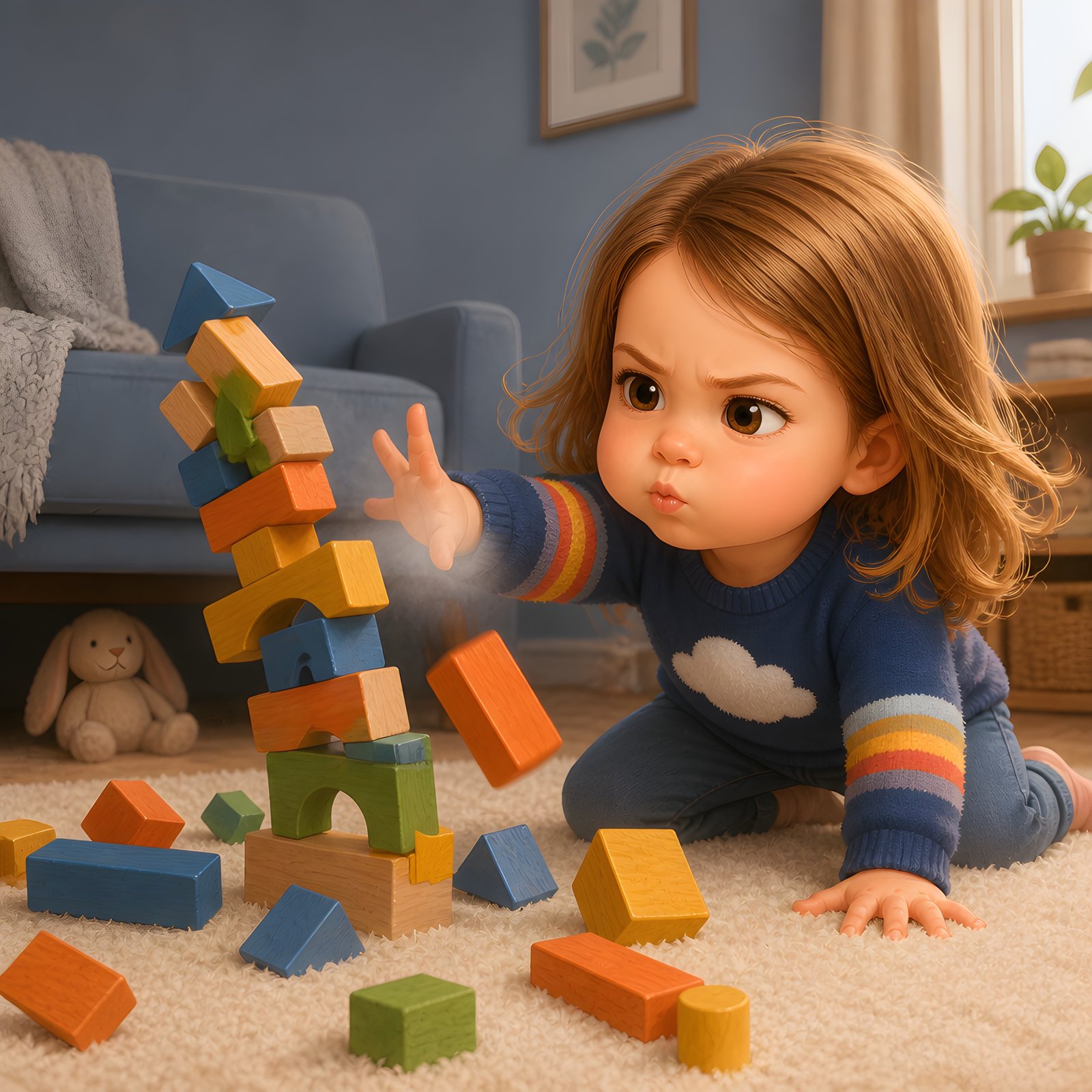
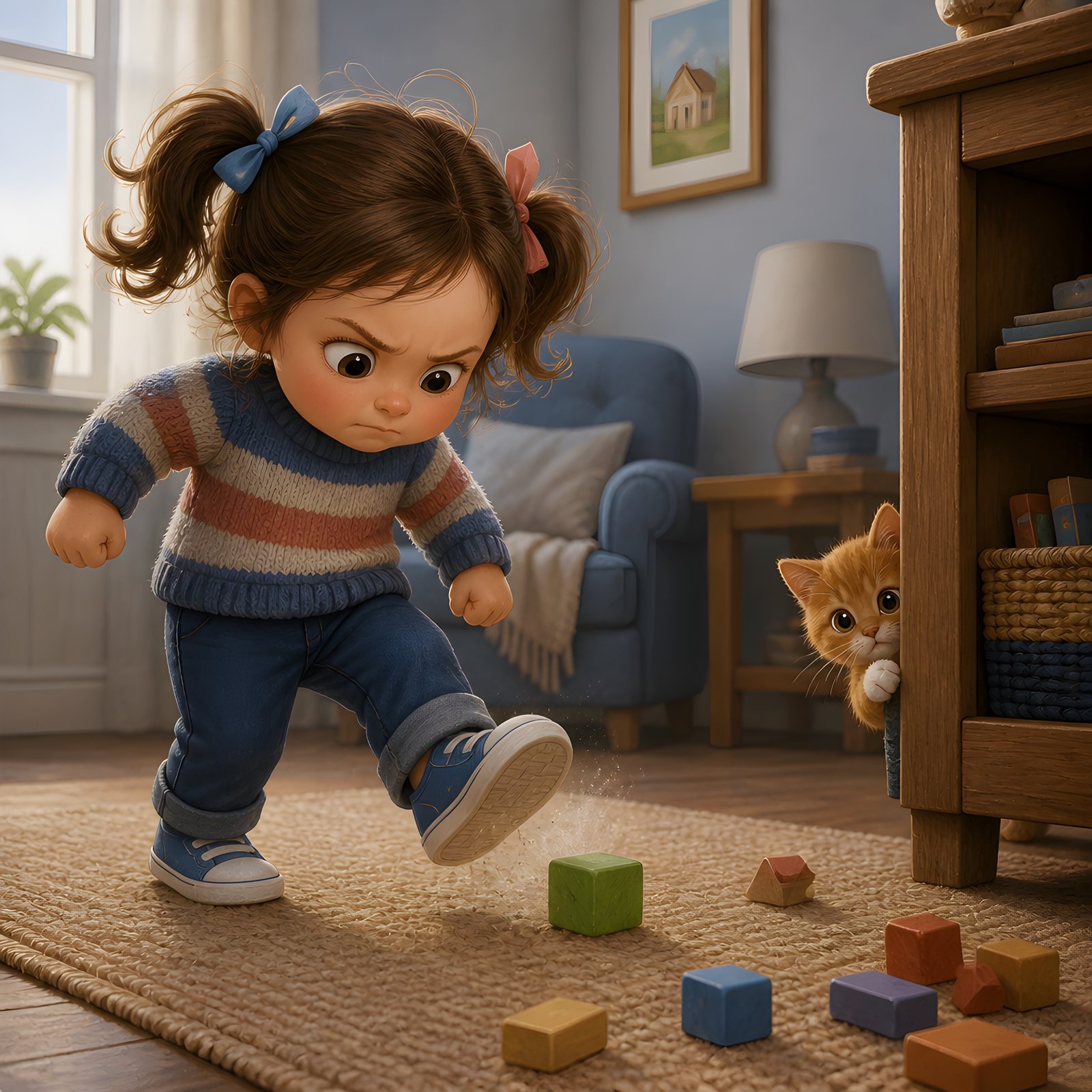
Nina stamped her foot hard on the floor.
By the cabinet, a little ginger cat sat watching her quietly.
Doucement… whispered the quiet room.
Nina tried to build even faster to catch up with time.
The little cat raised one paw and pressed it slowly against the ground.
Hands first, words after? No, doucement !
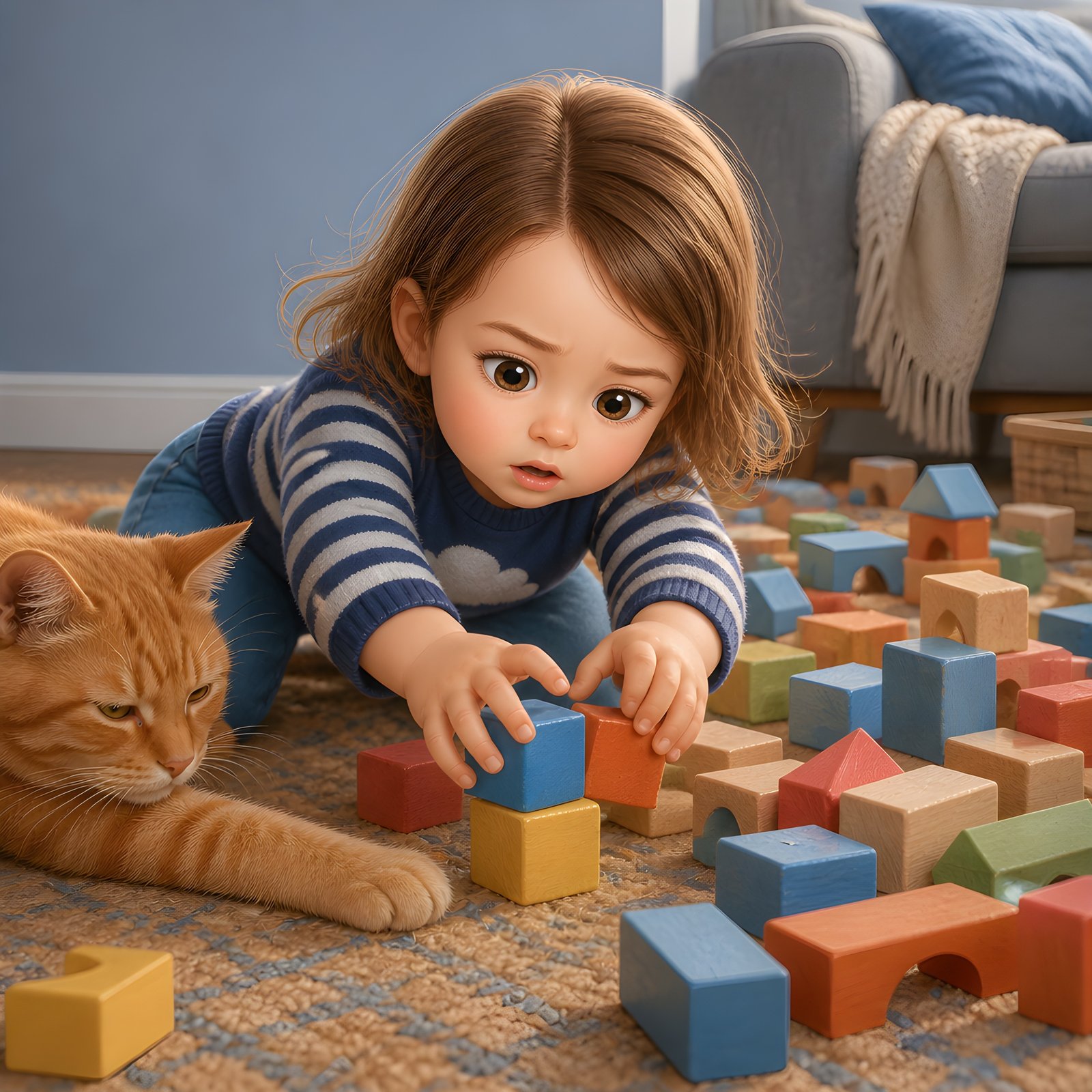
Nina stopped moving and stared at the cat.
The little cat pressed both paws flat on the floor and took a deep, quiet breath.
Can you press your hands flat like the cat?
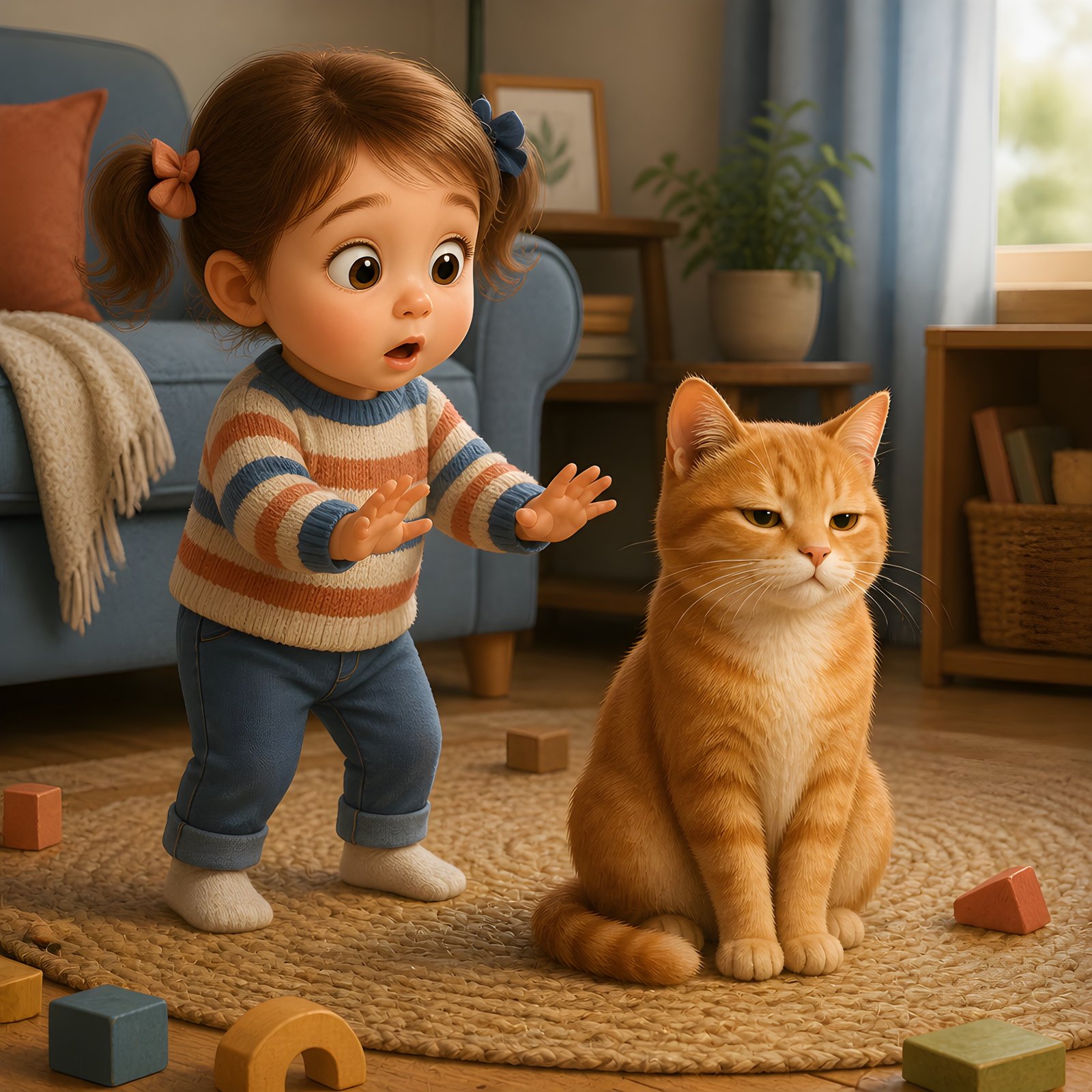
Nina understood the trick.
Before her hands got angry, she could press them right down on her knees.
Her heart stopped beating quite so fast.
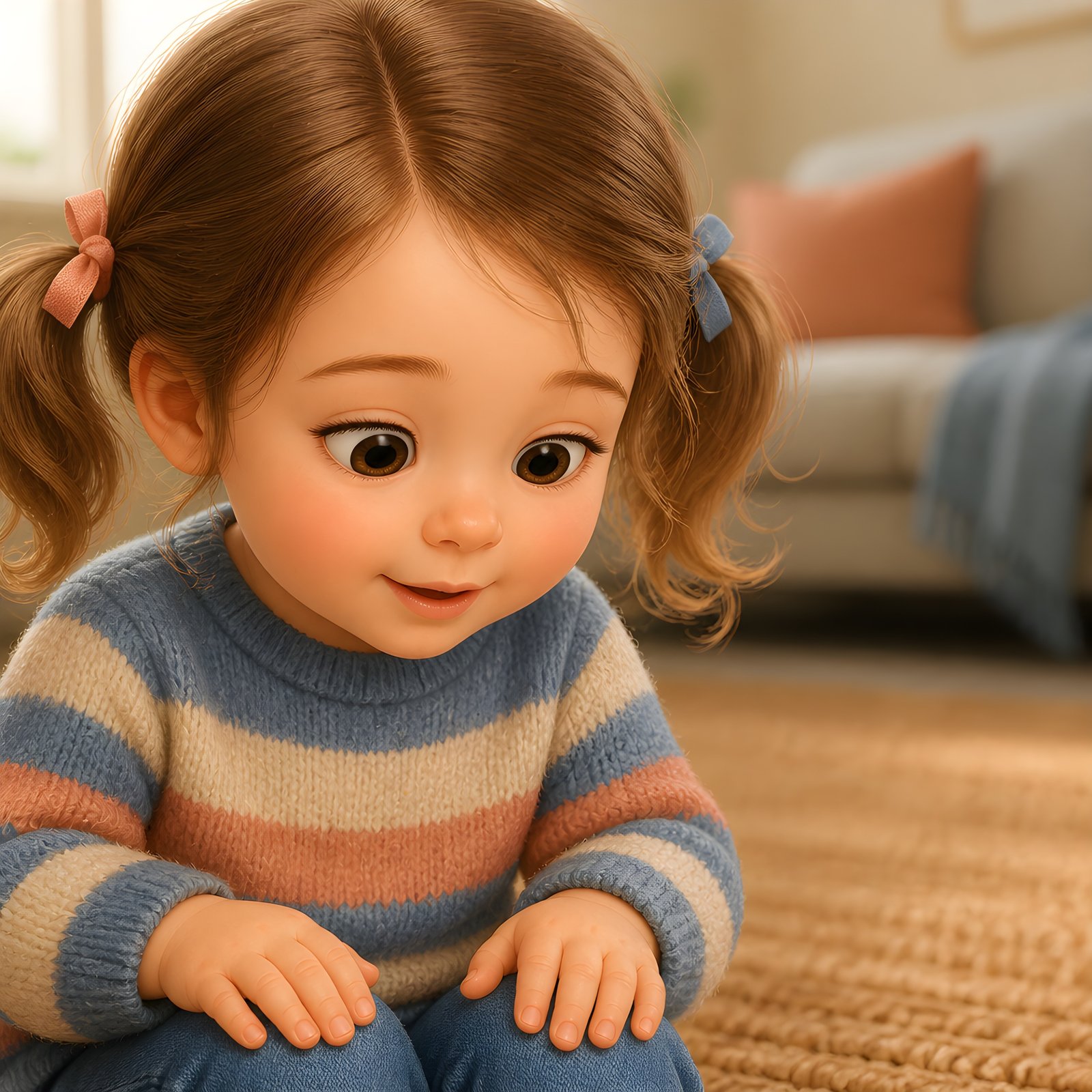
Nina took a breath, kept her hands resting on her knees, and reached for a block.
She placed it gently, piece by piece.
Would it stay balanced this time?
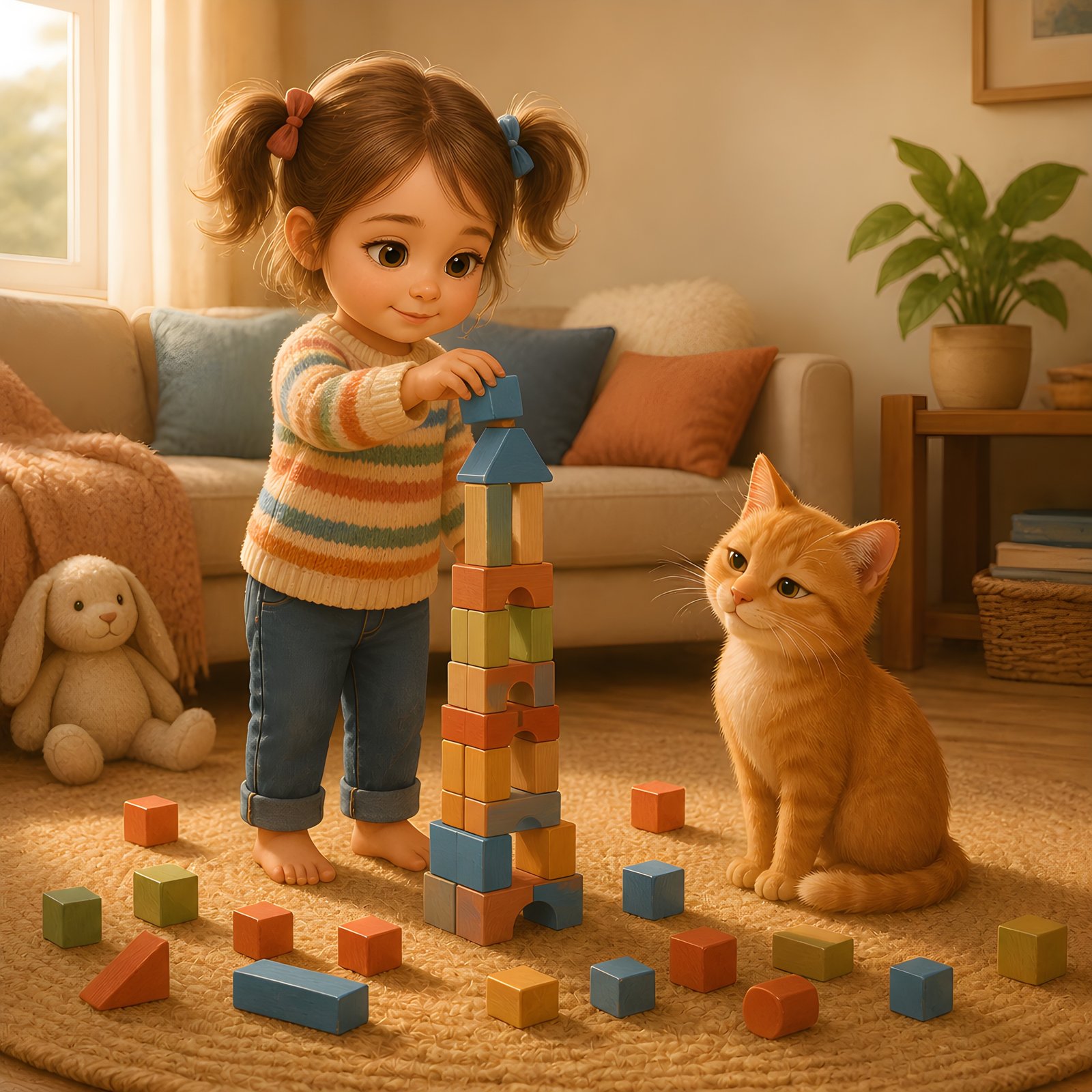
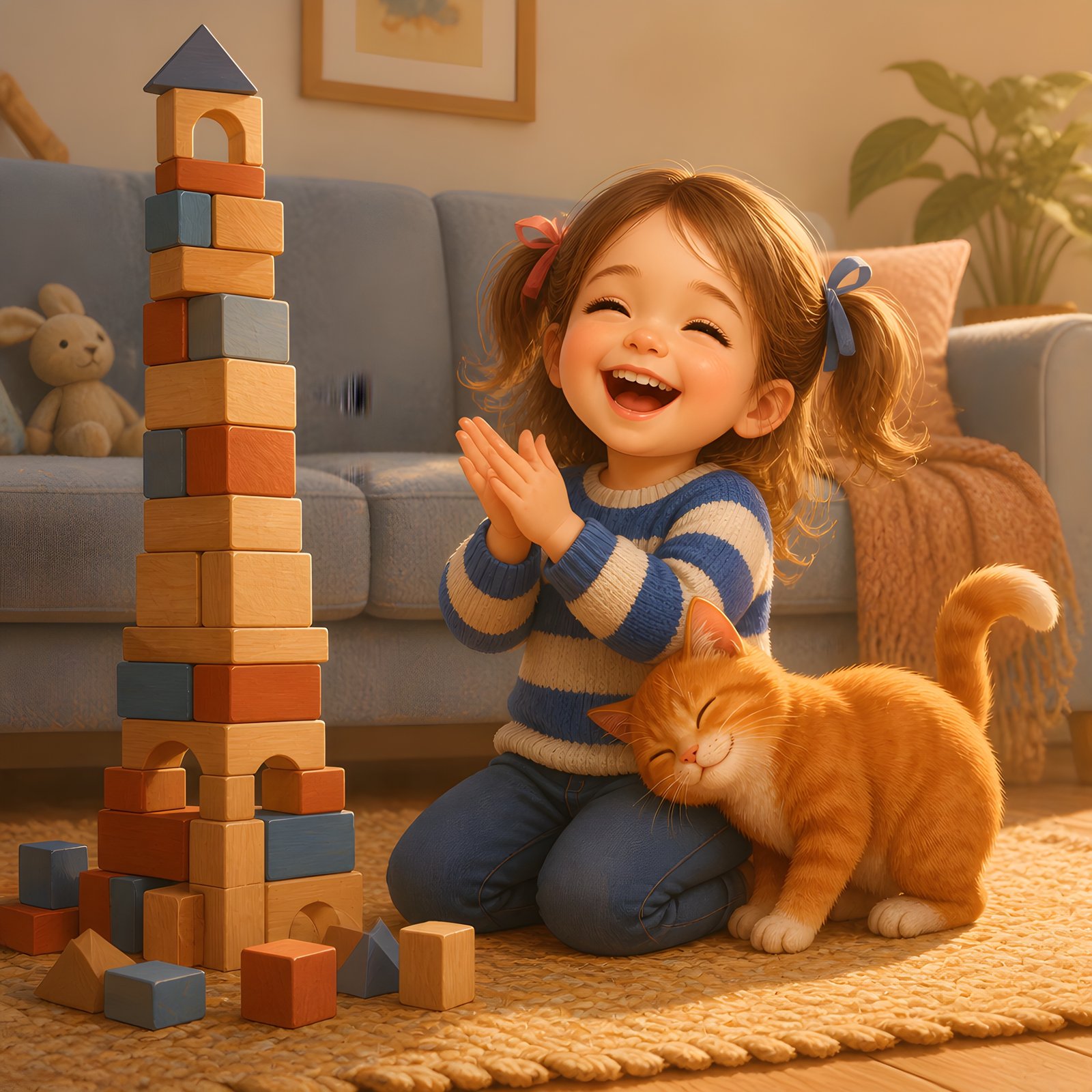
The very last block slid into place.
The tower stood tall and strong!
The little cat purred softly, and Nina smiled from ear to ear.
The hands placed still, the calm is here !
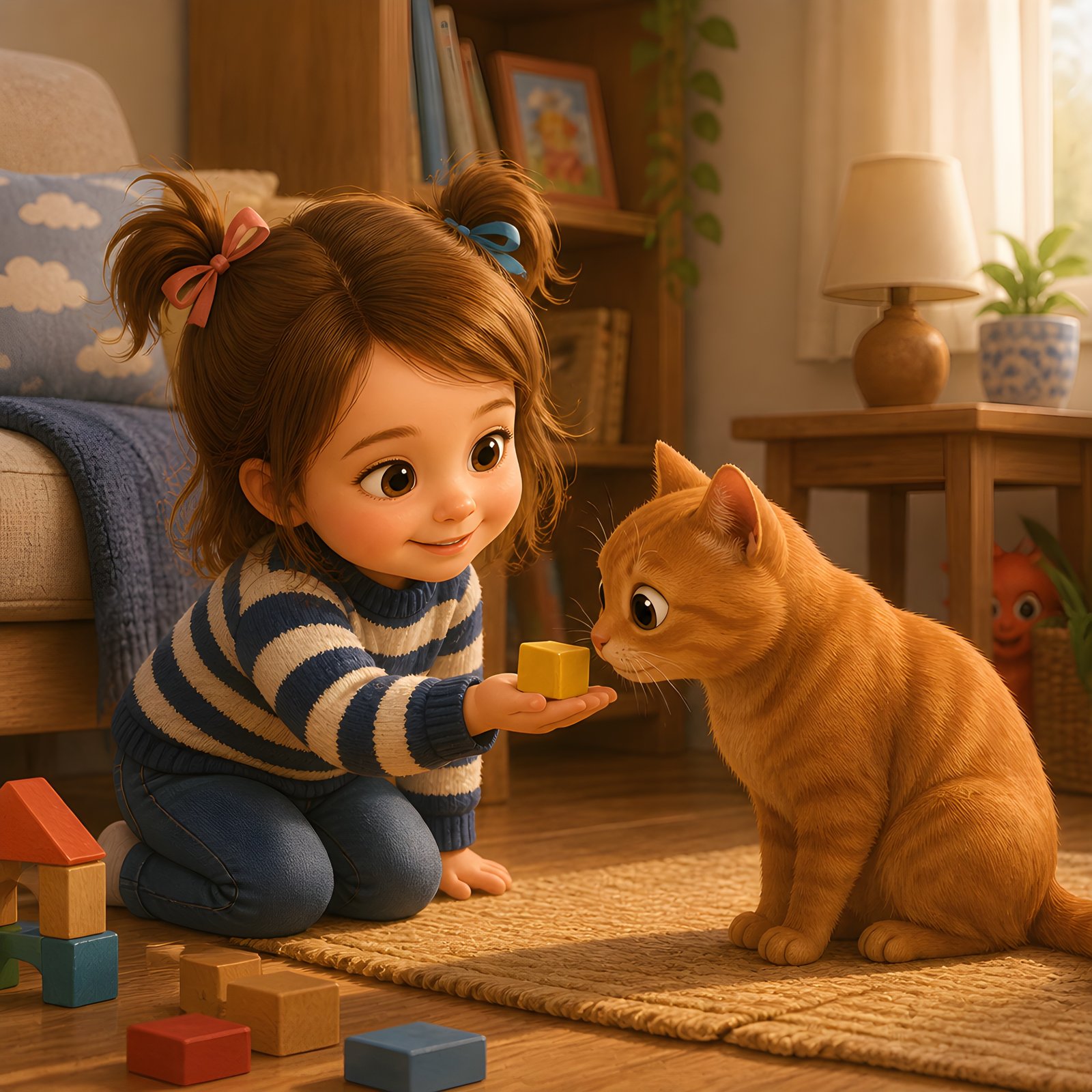
Nina picked up a smooth block and held it out gently toward her new little friend.
She wanted to share the quiet moment.
The rush was gone, and the heavy feeling had melted away.
Nina knew that whenever her hands felt too busy, she could always slow them down.
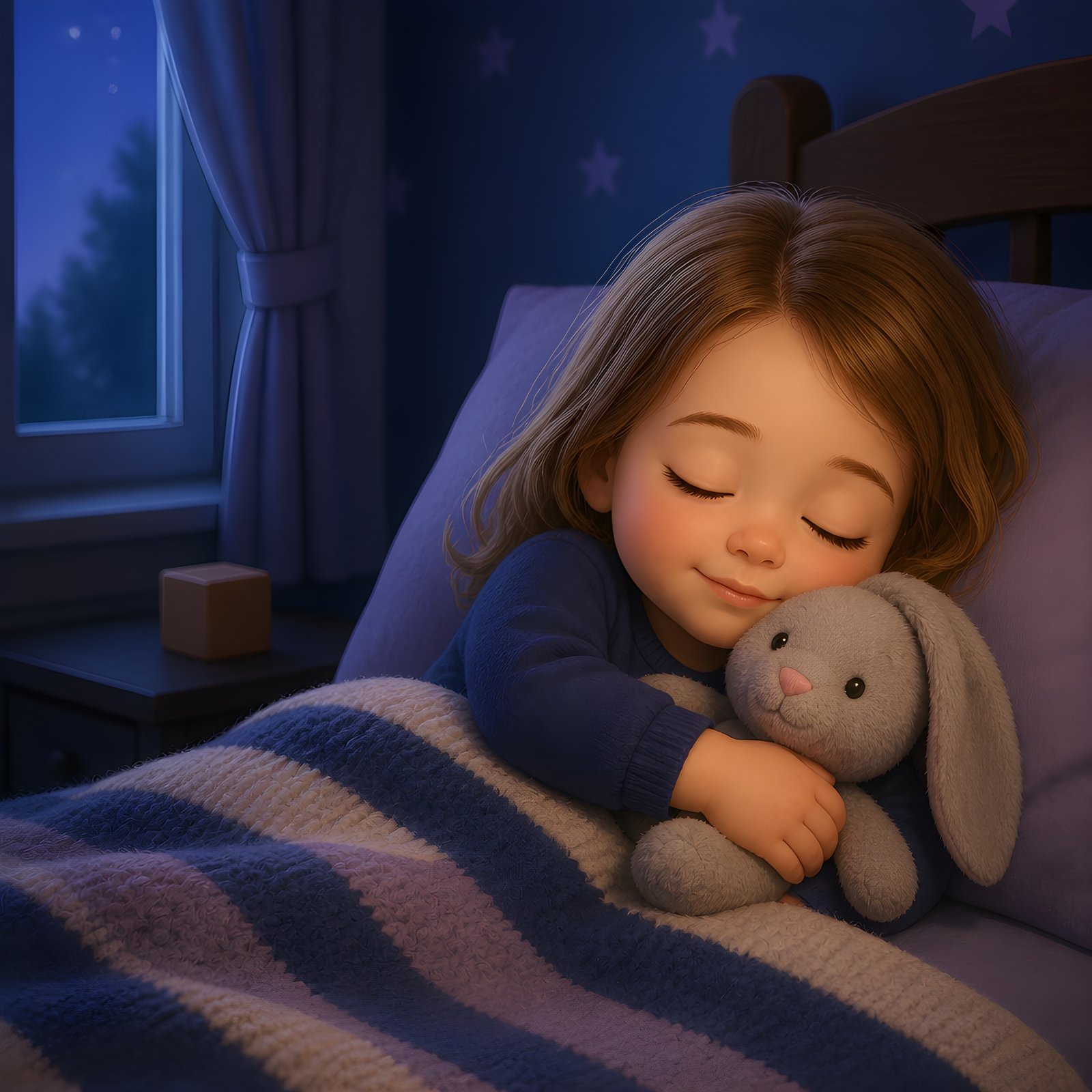
She snuggled her soft bunny and closed her eyes.
Time to rest now. Sleep tight, little one.