Sommaire
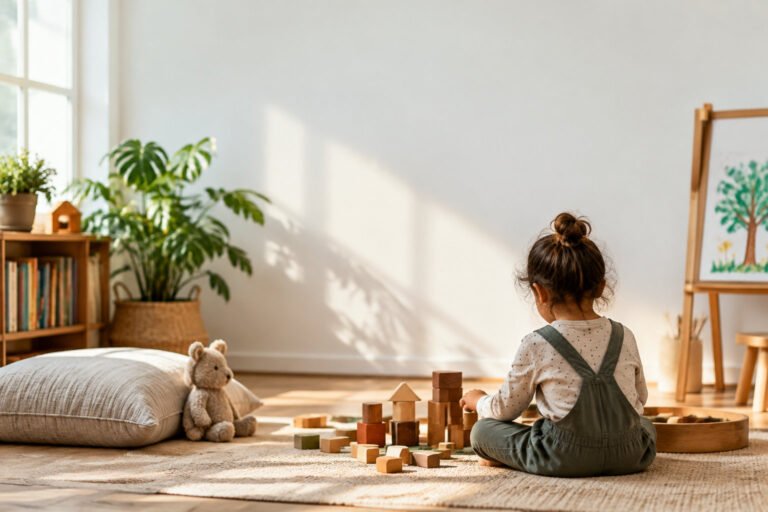
A child’s natural focus grows through predictable daily rhythms, gentle movement, and simple shared play. When restless evenings feel scattered, small shifts bring calm. You can untangle normal developmental restlessness from deeper attention needs, soften screen habits, and nurture quiet focus at your child’s pace.
Why your child struggles to sustain calm focus
You watch your child move from one toy to the next. You sense your own frustration rise. You might wonder why they cannot just sit and finish that simple puzzle.
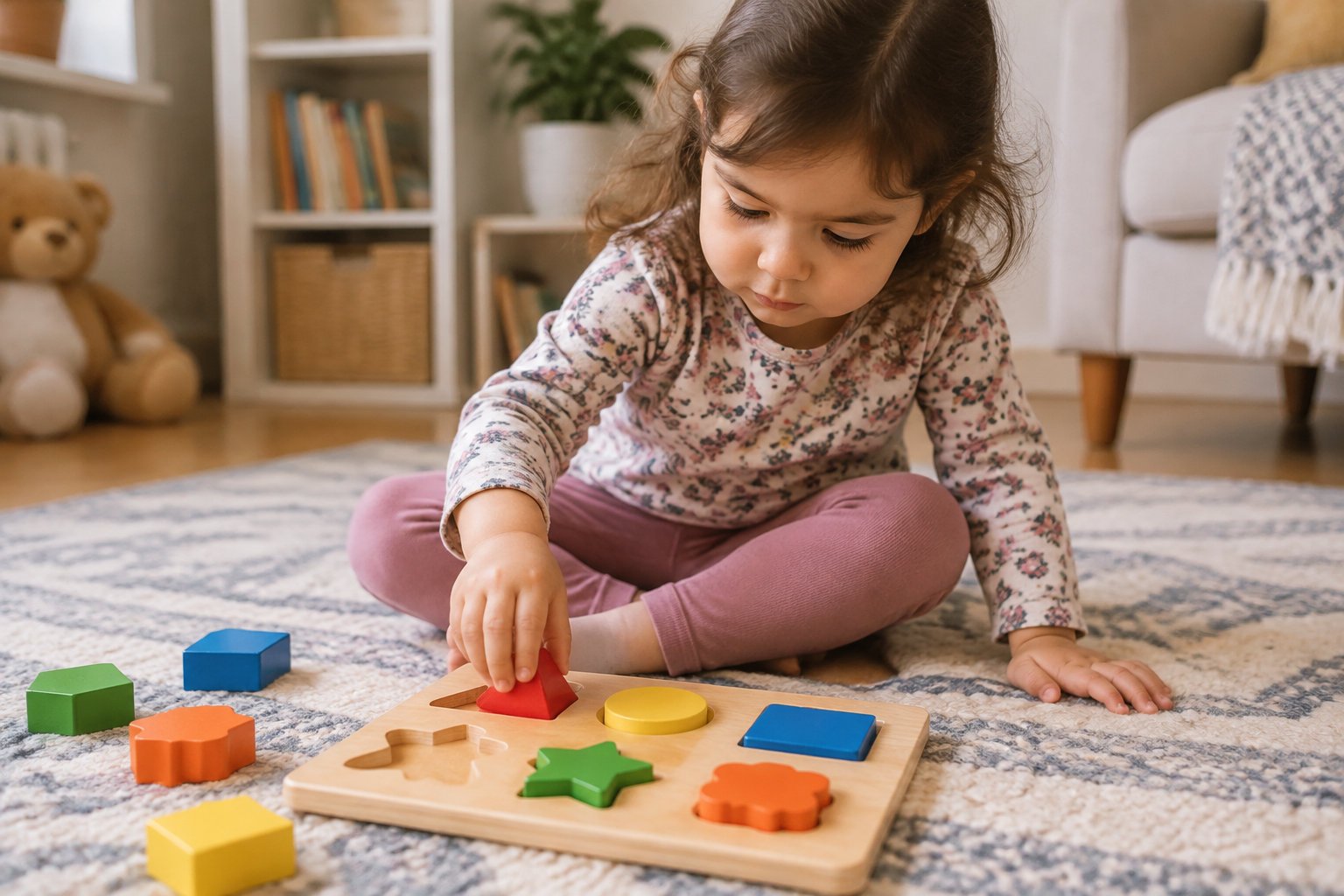
It is easy to feel as though they are choosing to drift away. Yet, their struggle is not a sign of defiance.
At this age, your child’s brain is learning to hold focus. True attention starts to structure itself firmly around the age of five. Before then, their focus stays tied to what feels interesting right now.
When a task feels too quiet, they naturally look for more stimulation. Cluttered spaces make this harder, as each toy becomes a new distraction. Simplifying their environment helps them stay with one thing.
How attention spans naturally develop between two and ten years
You may have heard that a child’s attention span should match two or three minutes for every year of age. This rule is widely shared.
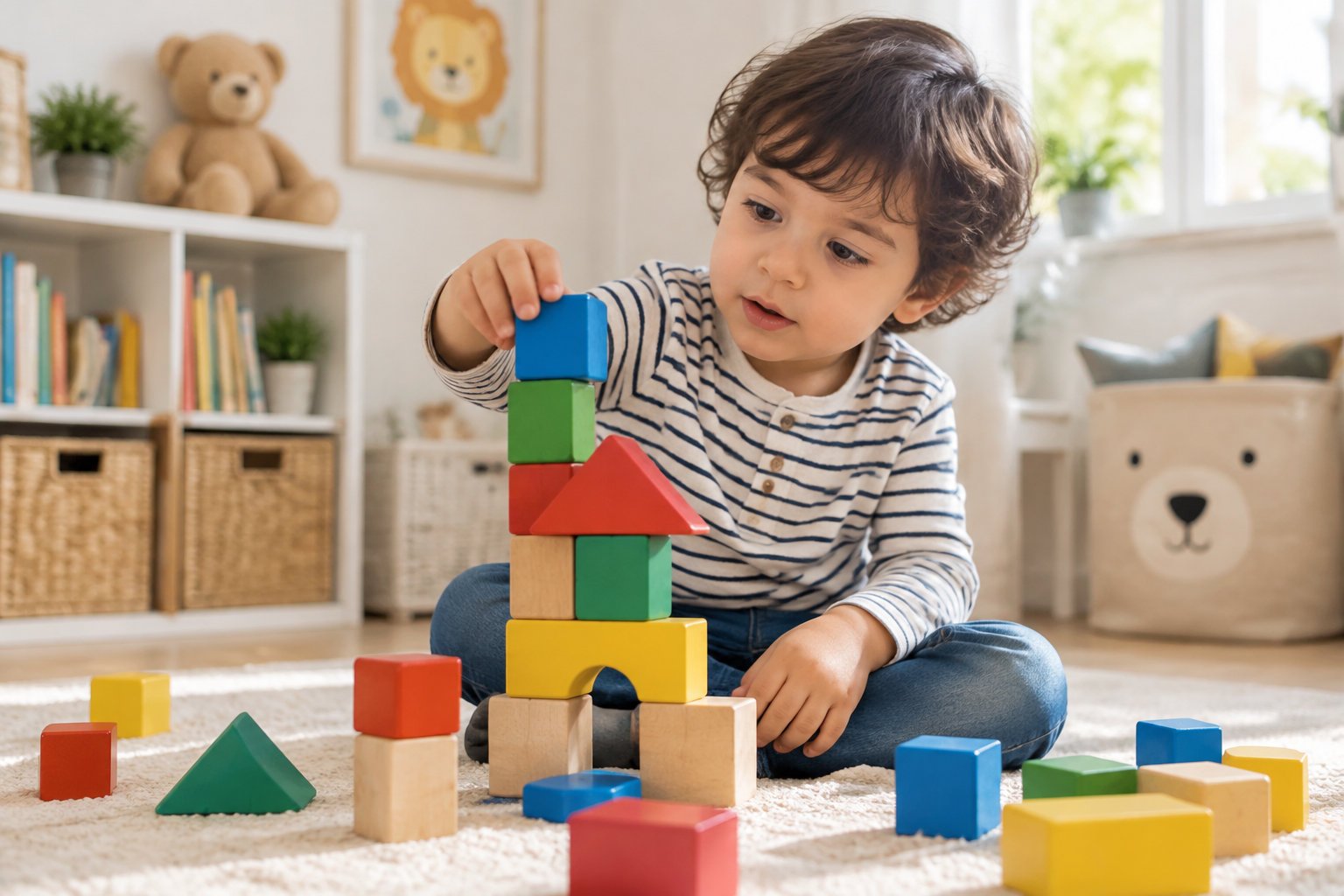
This is not a medical rule. Relying on it can cause worry if your child does not sit still for that exact amount of time.
Do not view focus as a fixed goal. See it as a soft skill that grows. It thrives with your patience and a calm place to play.
Use these age ranges as a rough guide. They show how your child might grow.
| Age | Practical expectation |
|---|---|
| 2 years | 4 to 6 minutes |
| 5 years | 10 to 15 minutes |
| 8 years | 16 to 24 minutes |
| 10 years | 20 to 30 minutes |
If your child stops a task early, they may need fewer distractions. Younger children learn best with short steps and your warm, steady support.
By age five, focus becomes more flexible. Yet, it still grows slowly. Do not treat this as a test. Look for steady steps forward instead.
Start with a duration that feels easy, not impressive.
Does a puzzle keep them busy for six minutes ? Start there. Only add one minute when they finish with ease.
What a child experiences during screen-free quiet tasks
When screens stop, the world feels very still. Your child is used to fast, digital rewards. Without them, they must plan their own play.

This sudden silence creates a feeling of emptiness. It can feel like a heavy weight, leaving them restless as they adjust from constant digital stimulation to independent play.
You do not need to fill this void at once. Your child is not failing when they seem bored. They are simply learning to handle the silence.
Offer your quiet presence as an anchor. Stay nearby while they start their play. This helps them turn that empty feeling into a calm, creative time.
How to guide calm concentration in the moment
You feel the urge to ask your child to sit. You want them to be still. Yet, telling a child to just sit down often creates a battle.
Their little body is full of restless energy. It needs a way to come out first.
Instead of forcing them to stop, invite them to move. Let them run or jump for five to ten minutes. This simple pause helps their focus bloom.

The effect is real. Research shows a positive boost to their attention, with an effect size of g = 0.43. A short, active break is a powerful tool for your child.
Try these simple ways to help them settle:
- Animal walks or crawling through a makeshift tunnel.
- Pushing a laundry basket filled with blankets.
- Carrying a stack of books to a new shelf.
- Pulling against a resistance band or a firm cushion.
Once the movement is done, end with one minute of calm silence. This short pause allows their heart rate to slow down naturally.
When they are ready to sit, use task chunking to keep them engaged. Break a large goal into one tiny piece, like drawing one picture or placing three puzzle blocks to ensure they succeed.
-
Warn
Give a clear five minute warning before the activity ends.
-
Close
Put toys in their home and name what comes next.
-
Begin
Move to the quiet spot and start with one tiny task.
Guide them with a simple phrase. Try saying, First we finish these few pieces, then we choose a book. Keeping the goal tiny helps them feel that nice sense of success.
You do not need to fill every minute. Offer a choice like blocks or drawing. Then, stay close by.
You are giving them space to grow their own focus, one quiet moment at a time.
Calming phrases that replace daily homework friction
Repeated demands to focus leave a child feeling lost. Offer a clear path instead. Use a simple, calm structure. Say : first we finish these three pieces, then we choose a story. This defines the goal without adding any pressure.

-
Warn
Announce the shift five minutes before it happens, saying, five more minutes, then quiet time.
-
Close
Show a timer or picture, help your child place their toys in a defined spot, and name the next activity.
-
Begin
Move to your quiet spot and offer the first tiny task immediately to keep the momentum gentle.
If your child feels restless, try a soft 3-3-3 game. Ask them to name three things they see, three things they hear, and to notice three parts of their body moving. This grounding game helps them return to the present moment.
Try these prompts to encourage deeper engagement:
- What do you notice first in this picture?
- What do you think will happen next?
- How is this character feeling right now?
- Can you tell the story back to me in three parts?
Everyday household routines that protect quiet focus
A calm home is a gift you give to your child. When you clear away visual clutter, you help their brain find a place to rest.
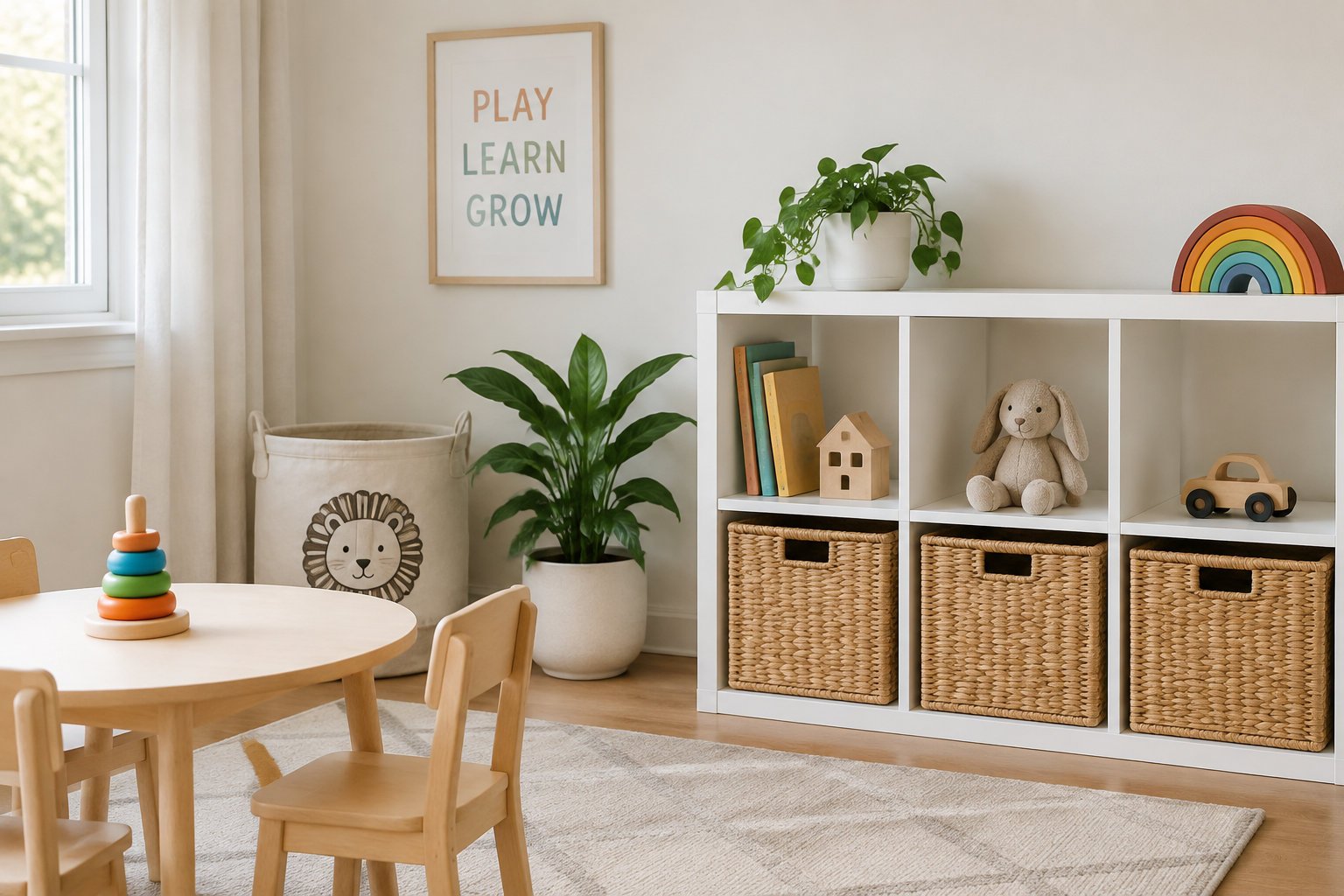
You do not need to hide all toys. Rotate them instead. Keep four to six options visible for your child at once.
When you need a quiet moment, prepare a dedicated quiet-time toolkit. This basket of simple items supports independent play without screens, keeping toys tidy and accessible.
It gives them a steady place to start. This way, they have a clear choice and do not feel lost.
When your child has a quiet basket ready, they can choose what to do on their own. This toolkit keeps toys tidy and accessible. Consider including items that invite gentle, focused exploration:
- Drawing materials or crayons.
- A selection of favorite picture books.
- A small box for sorting loose objects.
- Simple wooden blocks or puzzles.
- Modeling clay or sensory fabric.
When to seek gentle professional guidance
You might worry that your child’s struggle to focus is a sign of a deeper challenge. Please breathe deeply. It is often a matter of temporary overwhelm rather than a lasting condition. Distinguishing between screen fatigue and developmental needs is a gentle process.

Sorting screen fatigue from other needs takes care. There is no simple list of five signs that separates digital issues from ADHD. Only a professional assessment can provide clarity.
| Feature | Screen-related difficulty | ADHD concern |
|---|---|---|
| Timing | Linked to screens | Persistent |
| Settings | Mostly home | Two settings |
| Duration | Recent change | Over six months |
| Tasks | Good when rested | Hard always |
| Impact | Routine conflict | Daily struggles |
If you notice patterns that worry you, a doctor helps clarify things. They look for specific clinical evidence beyond what you see at home.
-
Consult
Start with your primary doctor or pediatrician to discuss your observations.
-
Refer
They may refer you to a CAMSP, a CMP, or a private specialist for a formal assessment.
-
Assess
Under six, specialists move with caution, prioritizing parent-training and non-drug measures first.
HAS criteria are specific. A suspicion of ADHD requires symptoms to have lasted over six months. They must have appeared before age twelve. They must also be seen in two places, like home and school. Diagnosis before age six is possible but needs a specialist’s caution.
Foire aux questions
What is the 3-3-3 rule for kids ?
The 3-3-3 rule is a gentle grounding game where children name three things they see, three things they hear, and notice three parts of their body. It helps them settle when they feel overstimulated.
How to detox kids from screen time ?
Focus on gradual, predictable reductions instead of sudden restrictions. Begin by removing background screens, then protect mealtimes and bedtimes, while always having a physical activity ready to replace the digital habit before you make the switch.
How much screen time is okay for a 3 year old ?
Official French guidance states that children under three should have no screen exposure at all. Between ages three and six, screen use should remain exceptional, educational, and always supervised by an adult to ensure quality.
At what age does ADHD peak ?
ADHD is a developmental condition, not a temporary peak. Symptoms must appear before age twelve and be observed across multiple settings. Diagnosis before age six requires a specialist assessment, caution, and consideration of alternative, non-clinical explanations.
What are 5 signs a child may have ADHD ?
There is no official five-sign checklist for ADHD. Symptoms are complex and must persist for over six months in two different settings, requiring a full clinical evaluation by a specialist rather than simple home observation.
Tonight, turn off the screens an hour before bedtime and clear the table. Place just three puzzle pieces or a single drawing page before your child. Sit together, take a slow breath, and let them begin at their own quiet pace.