
Sommaire
Protecting your child around artificial intelligence begins with quiet companionship, clear privacy settings, and reminding them that digital companions can make mistakes. Gentle family boundaries protect their emotional world and personal data, offering you a calm, practical path to nurture their digital curiosity safely.
Understanding companion AI : software that feels like a friend
You might watch your child hug a talking toy or whisper a secret to a screen. It feels sweet and natural to them.
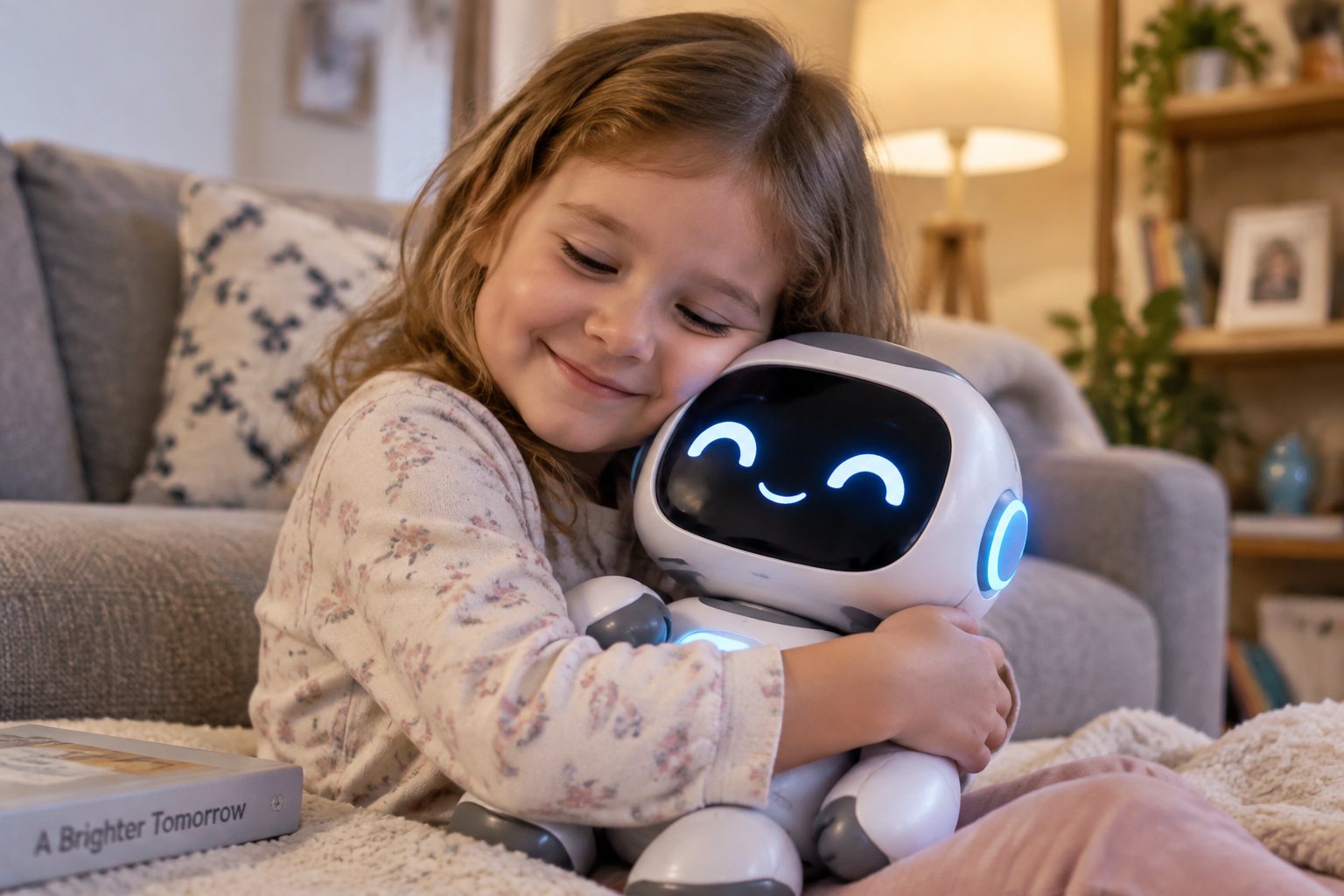
For your little one, the line between clever software and a real playmate is thin. They treat the device like a dear friend.
Yet, this bond is fragile. Studies show kids feel angry when a toy ignores them or misreads how they feel.
A child might share their fears with a machine, not you. This misses the emotional support that only a parent provides. You help keep their trust by playing together.
Why conversational tools sound certain even when they are wrong
The software delivers information with soft confidence. The voice output sounds warm and convincing. But do not be fooled. A clear, kind voice is not proof of truth. Smart software can sound certain while being quite wrong.

Treat the app as a tool that generates stories. It shares many tales, but it is not always accurate. It struggles with make-believe play. It can also misread your child’s emotions. It is a useful tool, but one that sometimes gets the facts wrong.
-
Choose
Pick one interesting claim from the screen.
-
Verify
Open a trusted encyclopedia together to find the truth.
Connected plush toys and chat apps : comparing everyday safety
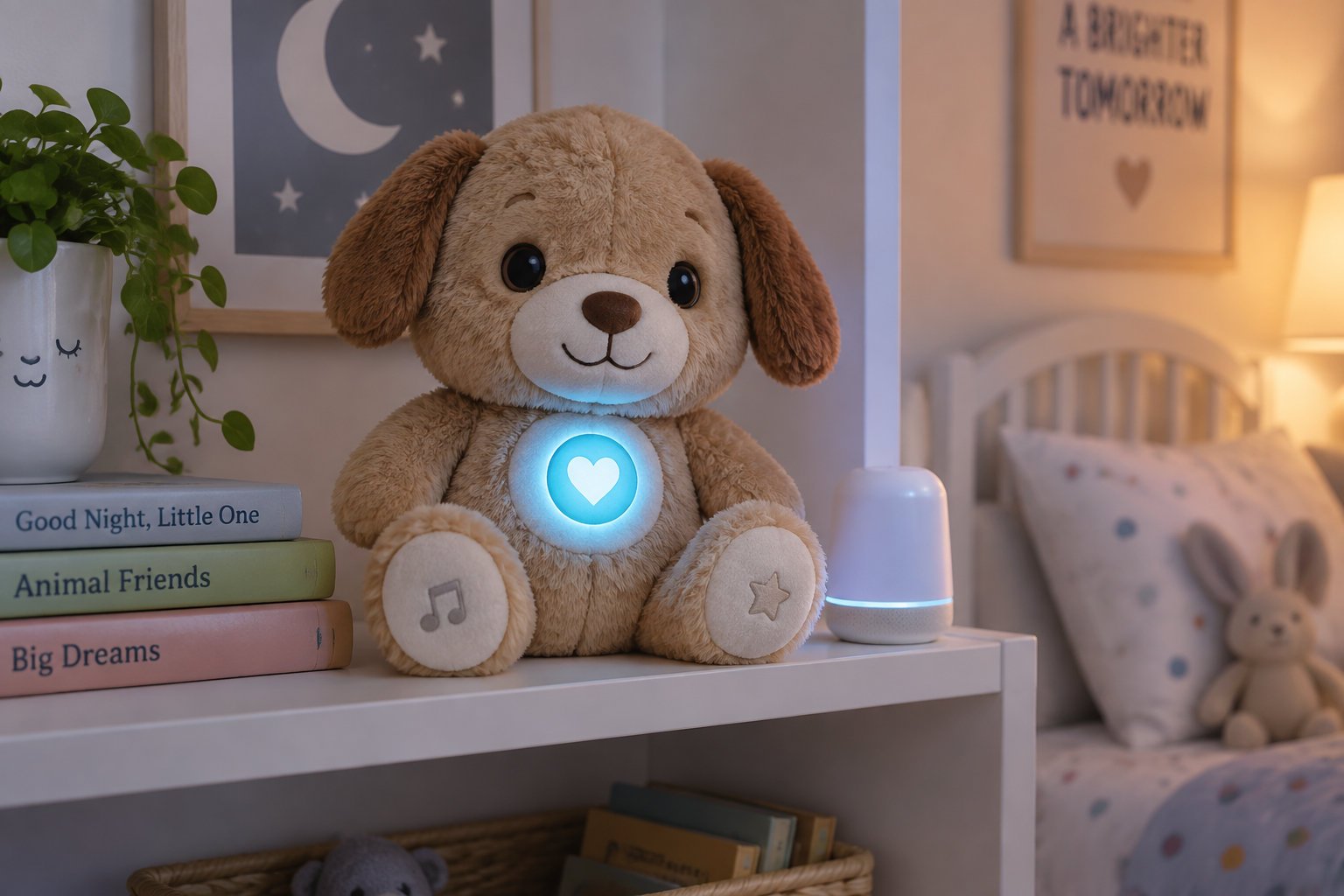
You might view a soft, plush toy as a simple, harmless friend for your little one. But your home holds secrets. Some connected toys record voices or habits right inside your child’s private bedroom, a finding that worries many parents. This poses real privacy risks. Choosing the right educational gifts for kids means knowing where they live. It differs greatly from using an app in a shared living area.
| Criteria | Connected Plush | Web Chatbot |
|---|---|---|
| Best usage spot | Shared living area | Shared family room |
| Data capture | Room audio and habits | Transcripts and user history |
| Age limit | Check specific label | 13+ years (with consent) |
| Control level | Physical room placement | Digital account settings |
Keep these devices in shared rooms. Put them where you can see them. A shared space changes things. It turns hidden digital tracking into warm, open discovery. You stay close. You listen to the play. You remain your child’s primary source of comfort and trust. You share the journey together.
Simple steps to configure family boundaries and privacy toggles
You want a safe, cozy space for your little one to grow. Linking your account is your first step. It lets you set quiet hours, a gentle way to protect their precious sleep and keep you involved as their steady guide.
Next, gently adjust the privacy switches. It is wise to turn off voice and memory functions for now. This keeps their little thoughts private and safely tucked away in your home.
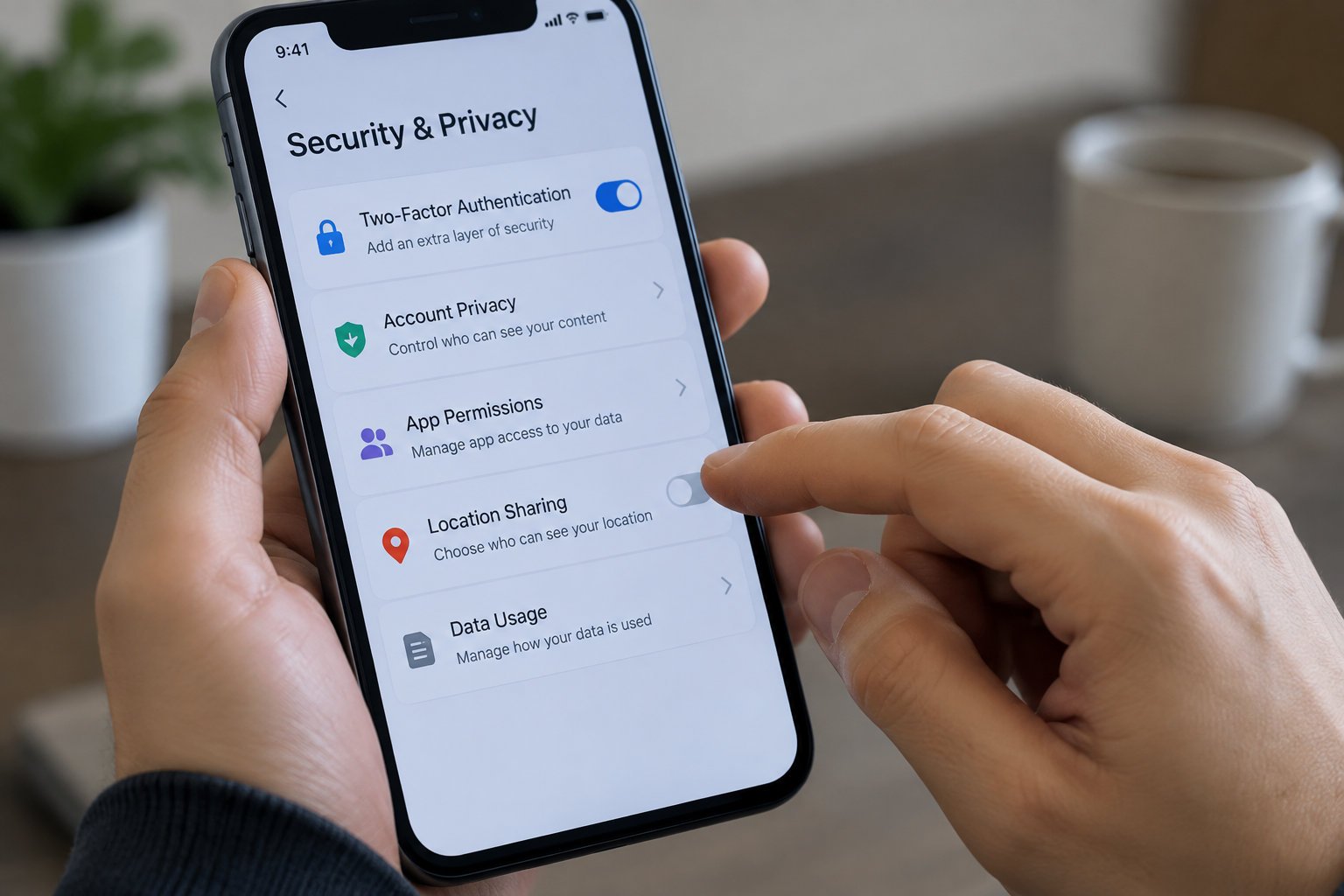
You might enjoy creating “personalized bedtime stories” (https://tellmestories.ai/). Still, disabling image generation and model training is best. This stops the app from saving personal data, so your child plays without a worry.
-
Link accounts
Link your parent account to oversee all settings easily.
-
Fix quiet hours
Set designated rest times to protect your child’s sleep patterns.
-
Cut the voice commands
Shut off voice interaction to keep conversations simple and text-based.
-
Disable long-term memory
Deactivate memory settings so no past interactions remain stored.
-
Refuse model training
Check the privacy menu to stop your child’s data from training models.
Essential safety checkpoints to inspect before choosing an app
Selecting an application for your child requires careful attention. You want to be sure it is appropriate and safe.
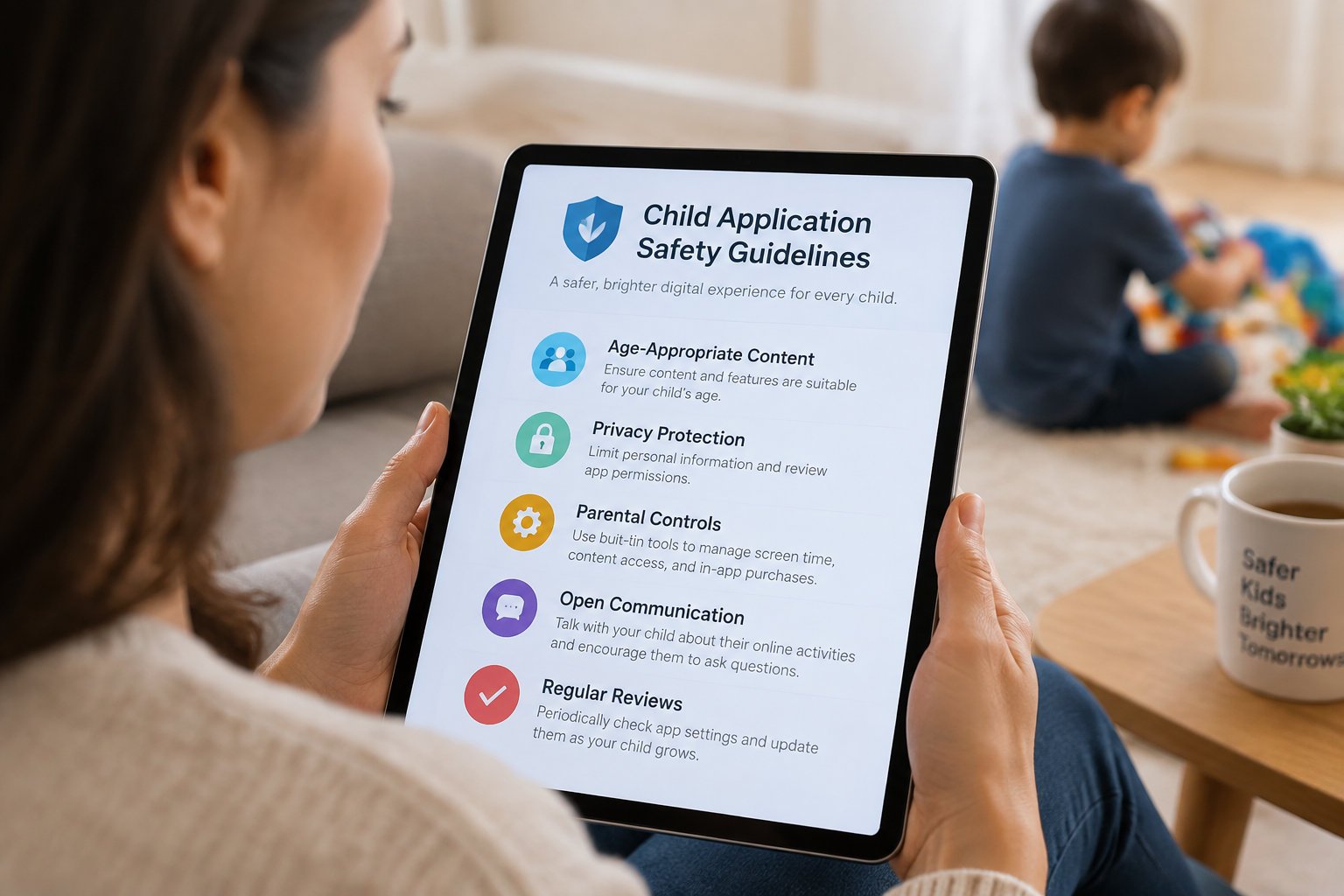
Pause before you start. Check these markers first.
Look for these essential safety markers:
- Clear age rating: It matches your child’s developmental stage.
- Plain data policy: The maker must clearly list what they record, store, or share with third parties.
- No fake friends: The app should avoid prompting a child to treat the software as a real, human friend.
- Verified design: Prioritize apps tested by child-protection specialists and children themselves as a mark of safety.
You deserve to know your child uses a safe digital tool.
French and European safeguards designed to support young minds
In France, the law is clear. Children under 15 need your help to agree to data terms. From age 15, they can decide for themselves.

European rules add safety. New AI laws start in August 2026. Specific safety rules for smart toys follow in August 2028.
If a service ignores your rights for one month, you can report it to the CNIL.
Foire aux questions
What is the legal age for digital consent in France ?
In France, a child must be at least 15 years old to consent alone to the processing of their personal data. Below this age, the consent of both the child and a parent or guardian is required.
Who can I contact for help with a digital-safety issue ?
You can reach out to 3018, a free support service available seven days a week from 9 a.m. to 11 p.m. It assists with concerns like cyberviolence and requests for content takedowns on digital platforms.

Are AI toys considered high-risk systems under the EU AI Act ?
The EU AI Act specifies that rules for AI systems integrated into products like toys will apply from August 2028. Not every chatbot or AI tool is automatically classified as a high-risk system by default.
Can children form emotional bonds with talking toys ?
Yes, children often blur the line between software and friendship. They may treat a toy as a real companion, potentially sharing feelings with it instead of a trusted adult, which highlights the need for family supervision.
Does the CNIL monitor individual conversations of minors in real-time ?
No, the available information does not establish a CNIL program that monitors minors’ voice biometrics or private chat histories in real-time. The CNIL focuses on enforcing legal standards and providing support services for digital safety.
Place the screen or toy in your living room tonight, where gentle voices can always be heard. Adjust the quiet hours together, turn off the recording settings, and sit beside your child to listen, explore, and share the wonder safely.