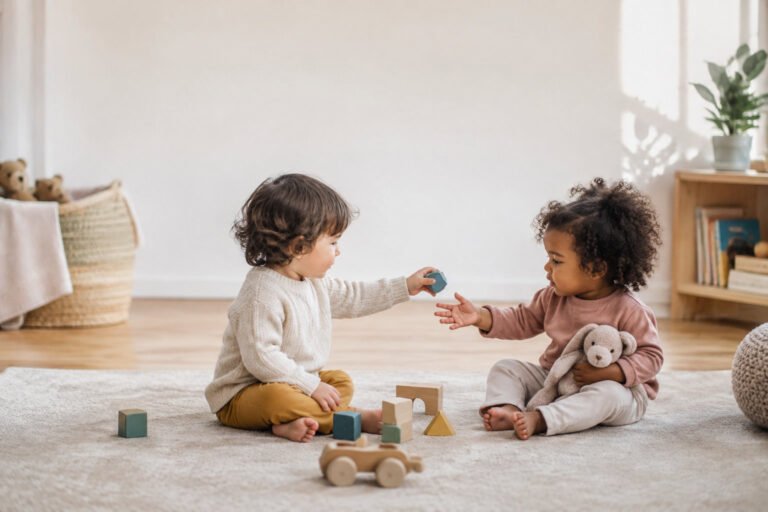
A spoon snatched from a friend, and every eye turns to you. Teaching kindness to toddlers can feel like guessing in the dark, especially when you’re tired.
Here are simple games you can play together, one small step at a time.
What kindness looks like at this age
Between 18 and 24 months, many toddlers begin to see that other people can think, want, and feel differently. By two, some children will comfort a crying friend or bring a toy to someone who has been hurt. Sharing, waiting, and settling a quarrel usually come later.
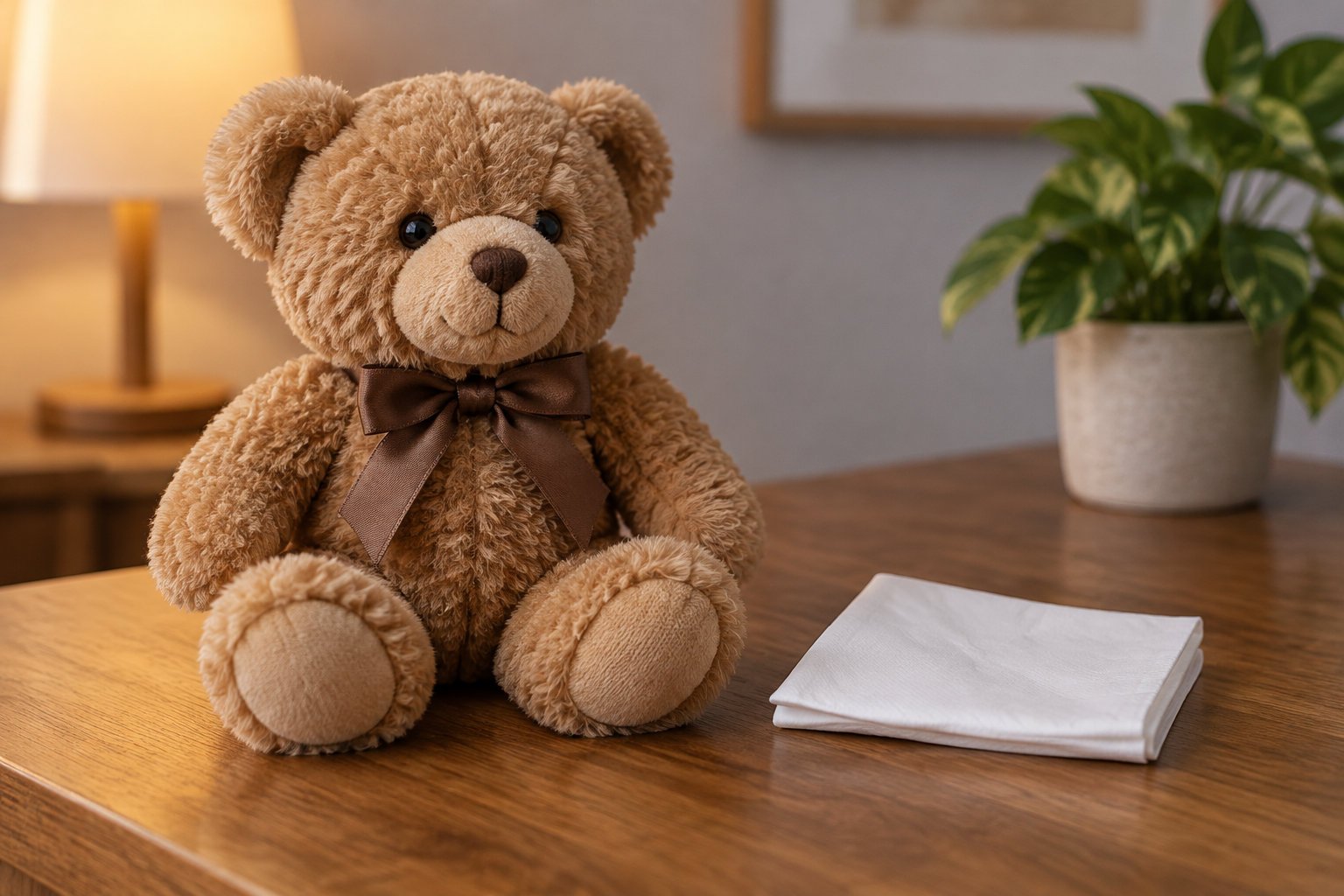
Kindness at this age is small, and easy to miss. Your toddler might hand you a tissue, pat a teddy, help carry a spoon, wait a moment for a turn, or notice that someone needs a hand. These small moments are where kindness begins, and you can build on them through the stories you share together.
Sharing is still hard. Toddlers feel “mine” very strongly. Your child can understand that someone else wants the toy and still not let go of it. Turn-taking gets easier with practice, as they move towards three.
Play ideas that let toddlers practise caring
Let the toys carry the big feelings
Keep to one simple scene at a time:
- A hungry teddy: Ask, “Teddy’s tummy is empty. What could help?” Let your toddler find a cup, a spoon, or a pretend meal.
- A hurt doll: Say, “The doll fell over. She is crying.” Then offer a few choices: a hug, a plaster, a rest, or calling for help.
Make caring part of everyday play
Kindness doesn’t need special equipment. Pass a ball back and forth without keeping score, or take turns adding blocks to one tower. Give each person their own spoon, cup, or shaker, so the game doesn’t depend on one treasured object.
Invite your toddler into one small job around the house. Put napkins on the table, or carry socks to the basket. Keep it short. Then name what they did: “You carried the napkins. Now we can all sit down.”
Pick one job your toddler can finish in under a minute. Shorter tasks feel like wins, and wins make them want to help again.
Read a short picture book together. Pause when a character looks worried, lonely, or pleased: “Her mouth is turned down. She may feel sad.” Then ask, “What could help?” Pointing, gestures, silence, or a single word are all good answers.
Show kindness in ordinary moments
Let your actions speak aloud
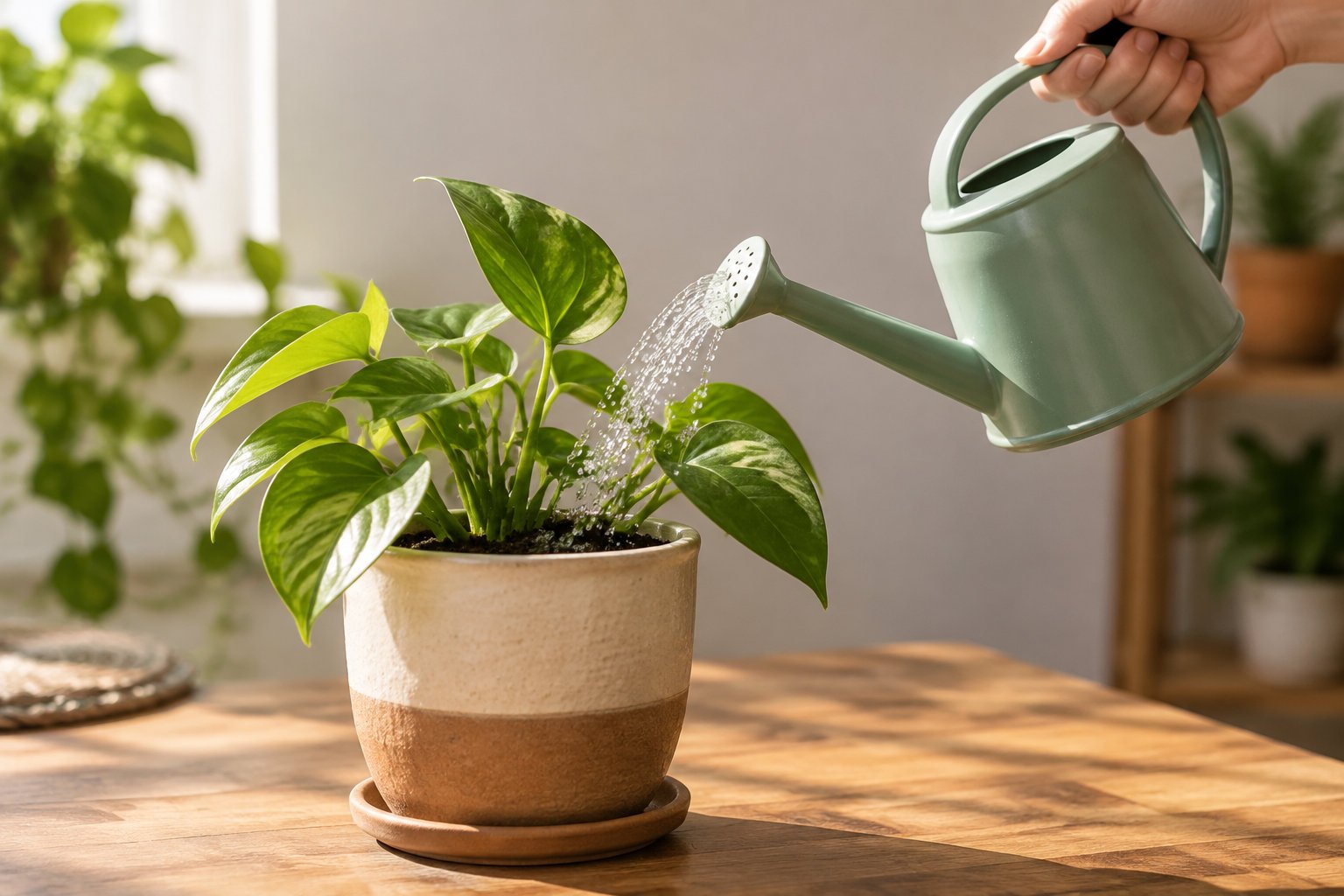
Show care for people, animals, and shared spaces. Water a plant together. Refill the pet’s bowl. Put the rubbish in the bin. Say, “The bird needs water.” Or say, “We’re leaving the path clean for everyone.” Your toddler learns kindness from examples they see again and again.
Encourage without forcing
You want your child to care, not to perform care on cue. Praise the action and what it did. Try: “You brought the blanket. Maya looks calmer now.”
Before you touch someone who is upset, ask first. Try: “Would you like to offer a hug?” Your toddler might hold out a teddy. They might sit nearby. Or they might simply give space.
Talk about feelings in simple, everyday words
Use simple words you already know, like happy, sad, cross, scared, worried, tired, and frustrated. Match the word to what you can see. “Your hands are tight. You’re frustrated.”
Non-verbal clues count too.
A child may:
- turn away
- cry
- freeze
- hide their face
- smile
- bounce
- reach for you
Say what you notice, without claiming to be sure. “Your eyes are wet. You might feel sad.” That leaves room for your child to correct you.
Your child may not have the words yet. Notice the body first, then name it gently.
Ask one simple question. “What might help?“
If your toddler can’t answer, offer two choices. “A cuddle or a drink?” Picture cards showing happy, sad, angry, and tired faces let your child point. No searching for words needed.
Respond gently when kindness doesn’t come easily
When two toddlers reach for the same lorry, follow these steps:
- Stay close and keep your voice low, and stop any hitting or pulling first.
- Describe the problem briefly: “You both want the lorry.”
- Name the effect without shaming either child: “You pulled it. His arm hurt.”
- Repair the moment together, for example by giving the toy back, fetching a cold cloth, or sitting nearby.
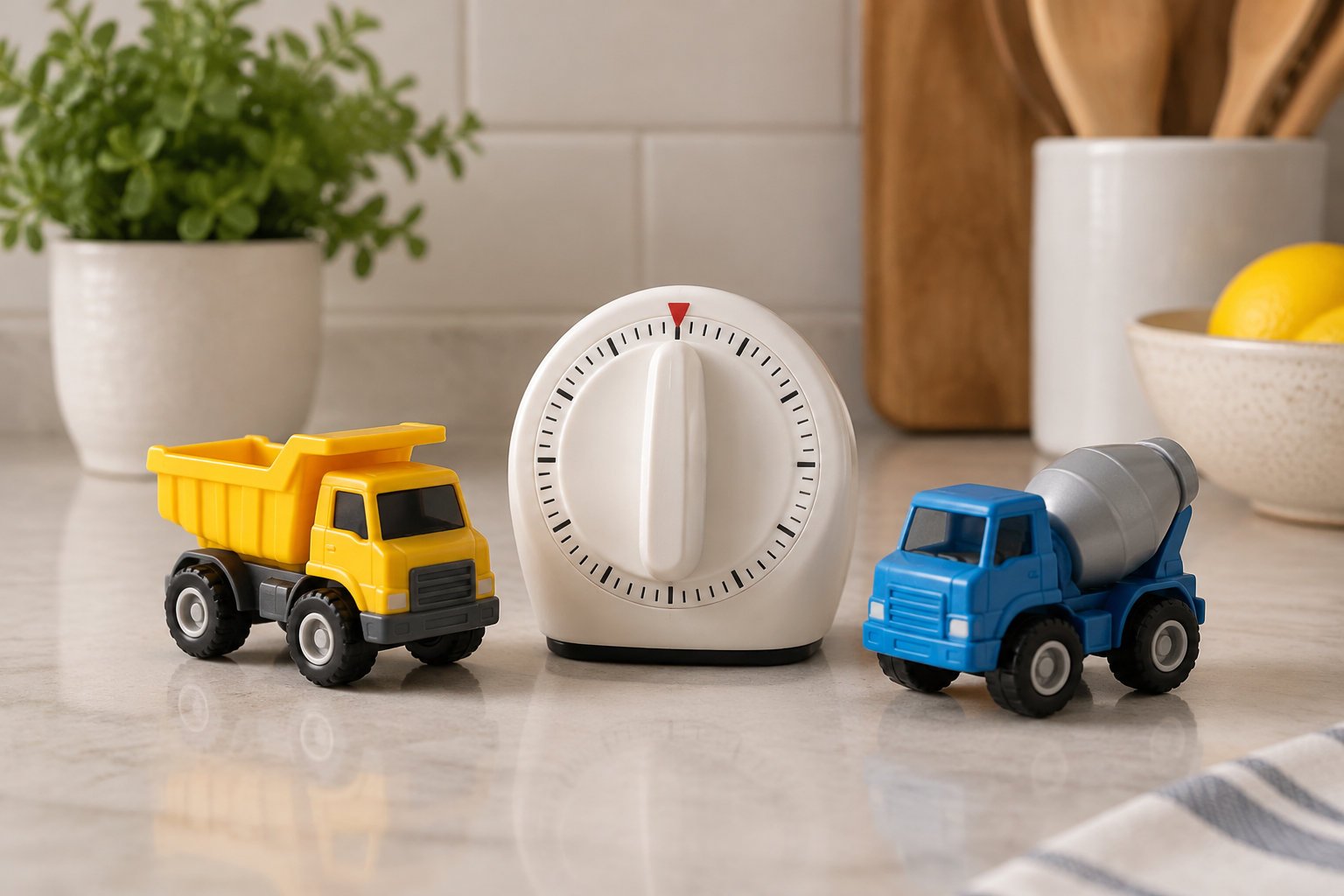
- Give the lorry to one child for a short, visible turn, with a timer if that helps. Tell the waiting child what they can do now, such as choosing another vehicle.
Your toddler hasn’t failed at kindness when they refuse to share. Some things are simply too precious to hand over.
Put special toys away before a playdate, and offer duplicates or less precious toys for shared play.
Children need repeated practice, not forced generosity.
If conflicts are intense, happen in several settings, cause repeated injuries, or make play very hard, talk to a professional. Start with your child’s GP, health visitor, or local early-years professional. They can listen and guide you.
Kindness grows slowly, and that is fine. Choose one small play scene today, a hungry teddy or a hurt doll. A gentle story can be the starting point. Let your toddler find the answer, and keep the game gentle, with no pressure to get it right.
Frequently asked questions
What are some examples of compassion lessons for kids?
Start with a short story, a puppet scene, or a picture of someone who needs help. Ask your child what that person might feel, then let them choose a caring action, such as offering a toy, fetching an adult, or giving space. Keep the scene simple, so your child can focus on the feeling and on the one step that helps.
What are 10 ways to show kindness at school?
Children can greet someone, listen, make room in a game, take turns, help tidy up, return a dropped item, thank an adult, invite someone to join, use a gentle voice, or ask whether a classmate needs help. With a toddler, practise one of these at a time through pretend play first. Only then expect it in a busy setting such as a playground.
What are the four pillars of kindness?
Several lists exist, and none is the standard one. For a young child, four useful building blocks are noticing another person, naming a feeling, choosing a safe and helpful action, and repairing harm when something goes wrong. You can work on one block at a time, starting with noticing.
How to explain kindness for kids?
Kindness means noticing that someone feels bad or needs something, then doing something gentle to help. Keep the words short, such as ‘Maya is sad. Let’s bring her the blanket.’ Show the action first, name it right away, and repeat the same words in everyday moments.