The essential takeaway: Screen-free activities like crafting, cooking, or outdoor adventures spark creativity, strengthen family bonds, and boost mental wellness. They shift focus from devices to real-life connections. Even tech pioneers like Steve Jobs limited his kids’ screen time, proving unplugged moments matter. Start small—try a boredom-buster jar or a nature scavenger hunt today.
Feeling trapped in endless scrolling? Screen free activities offer a lifeline to reclaim your time and ignite real-life magic. This guide reveals smart picks—from outdoor adventures (neighborhood scavenger hunts, cloud-watching) to DIY kitchen projects (homemade pizza nights!) and quiet bonding rituals like family storytime. Backed by experts—including tech visionaries like Steve Jobs who limited screen time—the moments boost creativity, supercharge mental wellness, and foster deeper connections. Picture swapping blue-light fatigue for couch-fort camping, homemade science experiments, or backyard picnics—your next unforgettable memory is just one unplugged hour away. Ready to break free?
What Are Screen-Free Activities And Why Do They Matter?
Tired of the constant buzz of notifications? Let’s talk about screen-free activities—moments where you engage with the world without smartphones, tablets, or TVs. These aren’t about restriction; they’re gateways to creativity, connection, and real-life adventures. Imagine building a pillow fort, painting rocks, or sharing stories around a campfire. Simple, right? Yet these moments spark joy and learning without a single pixel. 🎨 Try a nature scavenger hunt or crafting a fairy house from twigs—everyday spaces become playgrounds.
Why prioritize screen-free time? Three key wins stand out. First, creativity thrives when hands craft, imagine, or experiment—molding clay or designing cardboard castles builds problem-solving skills. Second, relationships deepen through family cooking sessions or neighborhood scavenger hunts. A DIY pizza night or backyard obstacle course creates memories screens can’t replicate. Third, mental wellness gets a boost. Unplugging lowers stress, improves sleep, and helps everyone stay present. Even tech visionaries like Steve Jobs knew the value of limits, famously restricting devices for his kids. 🧠
Engaging in activities away from screens isn’t about restriction; it’s about opening up a world of creativity, connection, and real-life adventure for your family.
Screen-free habits aren’t just for tech skeptics—they’re for anyone craving balance. Whether it’s a nature walk, a board game night, or DIY projects, these moments teach resilience, teamwork, and curiosity. The best part? You don’t need fancy tools. Grab sidewalk chalk for a hopscotch grid or plant a sunflower garden in a recycled bottle. These low-effort ideas prove fun and learning thrive when screens take a backseat. Ready to thrive offline? 🌳
Creative Screen-Free Activities To Spark Imagination
Arts And Crafts Projects
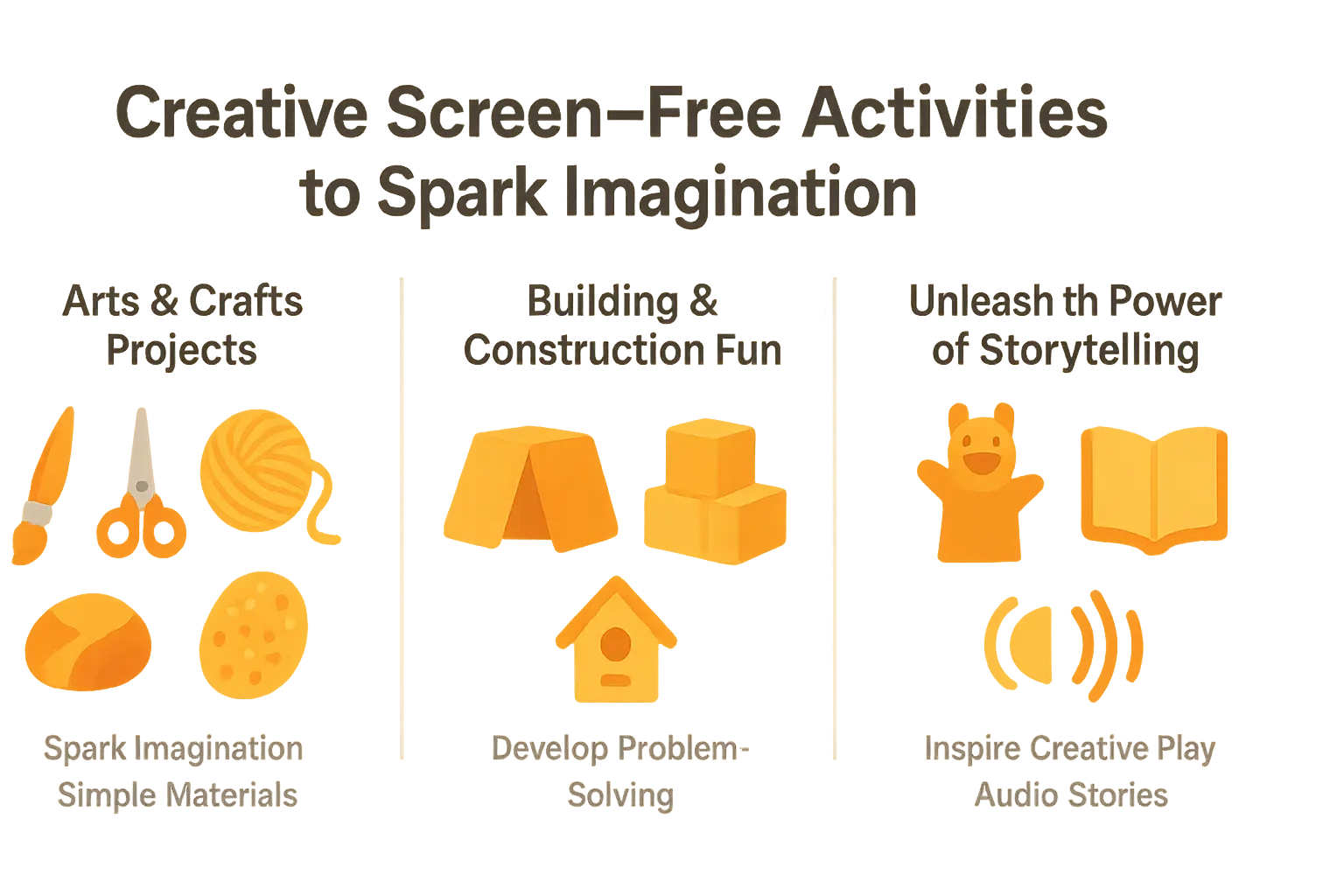
Arts and crafts open endless possibilities for creativity. Try making friendship bracelets with colorful threads or painting rocks with whimsical designs. Sock puppets can turn laundry day into storytelling time, while decorating plain t-shirts with fabric paints lets kids showcase their style. Best part? Most materials are already at home—markers, glue, old magazines, or scrap paper. These projects boost fine motor skills while offering a tactile connection to creativity. ✨ For extra fun, try nature-based crafts like leaf rubbings or creating collages from flower petals and twigs. Even melted crayon resist art on paper plates adds texture and surprise!
Building And Construction Fun
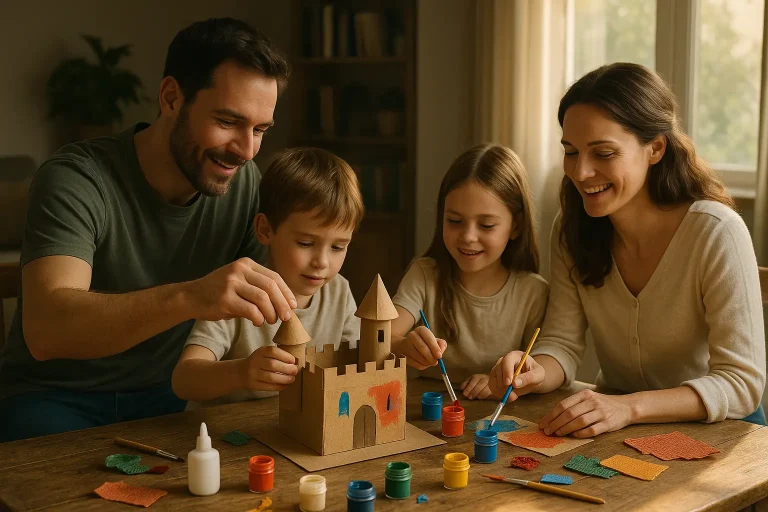
Transform couch cushions into a pillow fort or use cardboard boxes to design a robot costume. Building a simple birdhouse from reclaimed wood teaches problem-solving and spatial thinking. These building projects blend hands-on learning with imaginative play. Kids learn balance, structure, and teamwork when collaborating on a “fort” or cardboard castle. Even stacking cereal boxes into a tower sparks lessons in physics—without them realizing it! 🧱 Add challenges like “build a bridge from spoons” or “design a maze with books” to sharpen strategic thinking. Everyday items like paper towel rolls or shoeboxes become rockets, castles, or secret hideouts with a dash of creativity.
Unleash The Power Of Storytelling
Pair storytelling with crafts for deeper engagement. After creating sock puppets, host a family theater show! Use everyday items to stage scenes from favorite tales. For inspiration, try audio adventures like Tellmestories’ audio stories, where kids become heroes of their own tales. These narratives spark ideas for play and reinforce themes like courage or kindness. Storytelling turns simple crafts into unforgettable adventures. 🎭 Turn storytime into a collaborative game: create story cubes with characters, settings, and plot twists, then roll to invent a new tale. Or design a “story walk” where kids act out scenes while exploring your garden or park. The blend of narrative and hands-on creation boosts language skills and emotional intelligence naturally.
Get moving with outdoor screen free adventures
Backyard and neighborhood fun
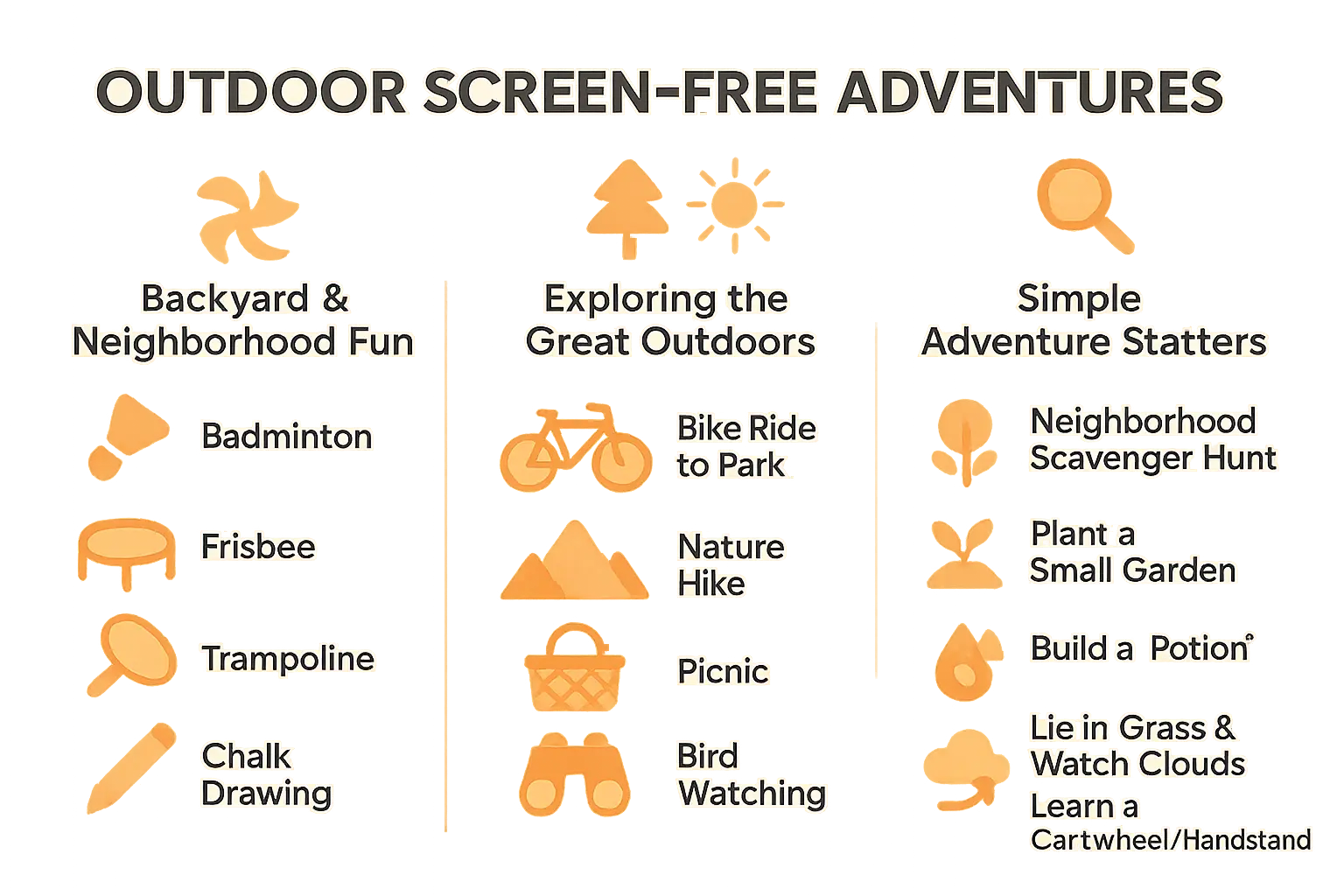
Turn your backyard into a creativity hub with zero-screen activities! Backyard badminton or frisbee throws aren’t just fun – they boost hand-eye coordination and gross motor skills. Sidewalk chalk art lets kids practice letter shapes while trampolines build core strength through bouncing. Classic hopscotch grids teach number recognition as kids hop between squares. These physical activity ideas require minimal setup but deliver maximum joy – think water balloon tosses in summer or snowball target practice in winter 🌳
Explore nature’s playground
Transform ordinary walks into discovery missions! Cloud watching becomes storytelling time when kids spot dinosaur shapes in the sky. Under garden rocks, miniature ecosystems reveal beetles navigating “bug highways.” Bike adventures unlock new territories – create treasure maps with landmarks like “oak tree castle” or “mysterious mushroom circle.” Forest hikes become potion-making labs collecting pine cone ingredients to create “dragon breath” bottles with leaves and petals.
These outdoor adventures contribute to overall family wellness by reducing stress and boosting vitamin D levels. Research shows 30 minutes weekly in green spaces improves children’s focus – perfect preparation for school readiness. Add educational layers: identify tree species during climbs or measure rainfall with homemade gauges.
- Transform sticks into fairy house frames
- Play “sidewalk tightrope” on curb lines
- Build backyard obstacle courses with hula hoops
- Create cloud journals with cotton ball art
- Launch leaf boats in rain puddles
- Make nature rubbings with crayons and paper
- Construct bug hotels from bamboo and pine cones
Weather becomes your ally! Rain boots turn puddles into “mud kitchens” while sunny days mean creating shadow puppets with cardboard cutouts. Even sidewalk chalk gains new life – draw life-sized hopscotch or practice spelling with oversized letters. These moments build resilience through unstructured play: constructing stick forts teaches engineering basics while balancing on logs improves coordination. Remember, the goal isn’t perfection – it’s creating memories while developing motor skills and nature connection. 🌞
Fun in the kitchen: tasty screen free ideas
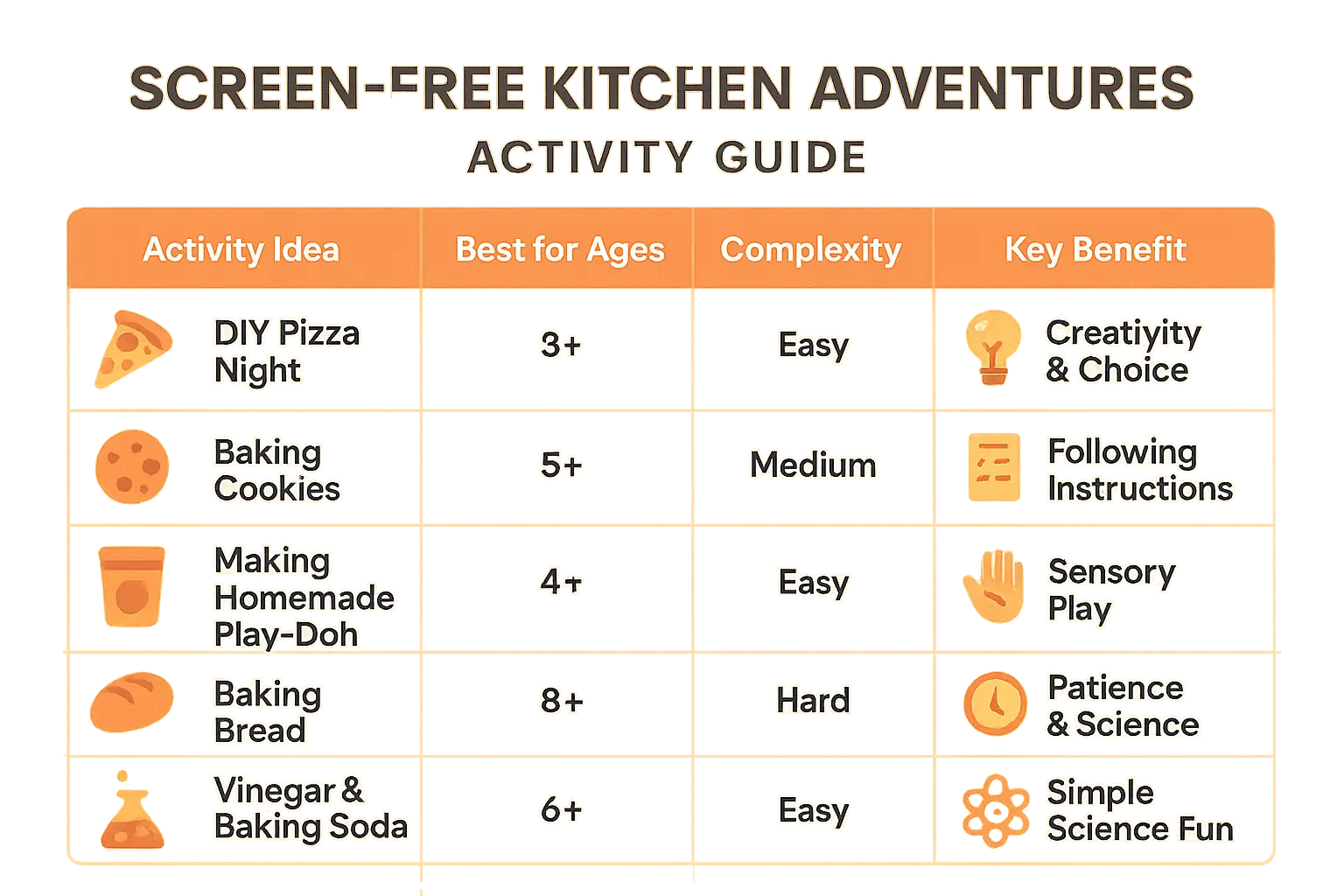
Let’s turn your kitchen into a playground 🍕🍪! cooking together isn’t just about food—it’s a chance to bond while making memories. Try a DIY pizza night where everyone designs their own masterpiece. Toppings like pepperoni, veggies, or pineapple become exciting choices, teaching kids about flavors and personal preferences. No screens needed—just a hot oven and hungry hearts!
Why stop at pizza? Dive into DIY projects that blend learning and laughs. Make play-doh to boost creativity (ideal for little hands 🤚), or try bread baking for older kids who’ll love kneading dough and watching it rise. For a science twist, build a baking soda volcano 🧪—kids will cheer as it erupts with fizzy “lava.” This activity introduces basic chemistry concepts while keeping hands busy and minds curious.
Need inspiration? Here’s a quick guide to pick your next family meal adventure:
| Activity Idea | Best for Ages | Complexity | Key Benefit |
|---|---|---|---|
| DIY Pizza Night | 3+ | Easy | Creativity & Choice |
| Baking Cookies | 5+ | Medium | Following Instructions |
| Making Homemade Play-Doh | 4+ | Easy | Sensory Play |
| Baking Bread | 8+ | Hard | Patience & Science |
| Vinegar & Baking Soda Volcano | 6+ | Easy | Simple Science Fun |
Each activity in the table offers a unique way to engage kids. Baking cookies 🍪 builds math skills through measuring, while bread baking teaches precision. The volcano experiment sparks curiosity about natural phenomena. Best of all? Every task ends with something tangible, highlighting the joy of creating together!
Quiet Time And Family Bonding Activities
Calm Moments For Solo Play
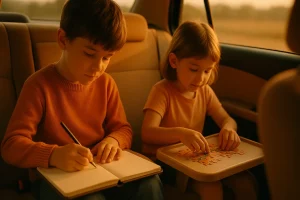
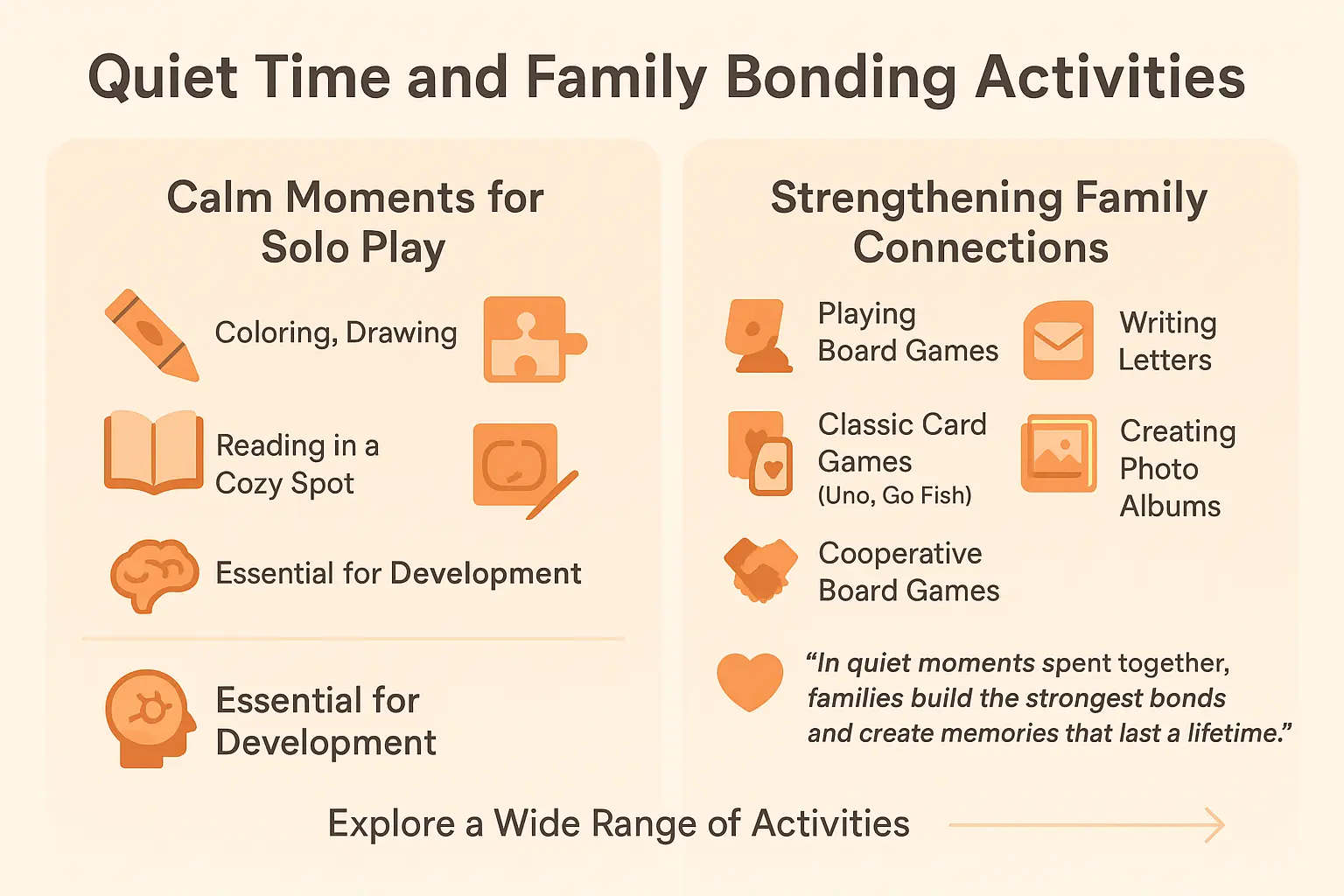
Picture this: Your toddler concentrating on coloring a rainbow, their tiny hands learning fine motor control. This isn’t just play—it’s quiet time magic! Research shows these solo moments boost emotional regulation and cognitive development. Try creating a “calm corner” with sensory bins (filled with dried beans and hidden treasures) or building a cardboard box fort with flashlights for a private reading nook. Even simple activities like sorting buttons by color or creating leaf rubbings with crayons become brain-building adventures. For older kids, introduce “mystery drawing” where they close eyes and draw something random—surprise artworks often spark the best conversations!
Strengthening Family Connections
“In the quiet moments spent together, reading a book or playing a simple card game, families build the strongest bonds and create memories that last a lifetime.”
Turn living rooms into adventure zones with family bonding traditions. Try “Story Cubes” where dice rolls create wild tales, or invent a “Mystery Dinner” where everyone dresses as different characters. Classic favorites like board games still shine bright:
- The Sneaky, Snacky Squirrel (great for little hands)
- Zingo! (bingo with fun challenges)
- Hoot Owl Hoot! (color-matching cooperative game)
- Sequence for Kids (strategic card matching)
- Outfoxed! (whodunit mystery game where everyone works together)
Don’t forget high-tech-free tech alternatives! Try shadow puppet theater using cardboard and flashlights, or backyard stargazing with homemade constellation maps. For deeper bonds, start a “gratitude jar” where everyone writes daily joys to read later—studies show this practice strengthens emotional connections by 37%. Transform walks into treasure hunts with found-object art or create a “kindness chain” by linking paper loops each time someone does something sweet. If you’re craving more inspiration, explore a wide range of activities that turn everyday minutes into magical traditions—no charging cords required.
How to easily incorporate more screen free time
Screen-free time doesn’t mean deprivation – it’s about creating new habits that spark joy and creativity. 🌟 Letting kids experience boredom boosts problem-solving skills and focus. Research highlights the importance of letting kids get bored so they find creative solutions. These moments also strengthen family bonds, reduce stress, and nurture social skills – no Wi-Fi required! Ready to make unplugged moments irresistible? Let’s dive in!
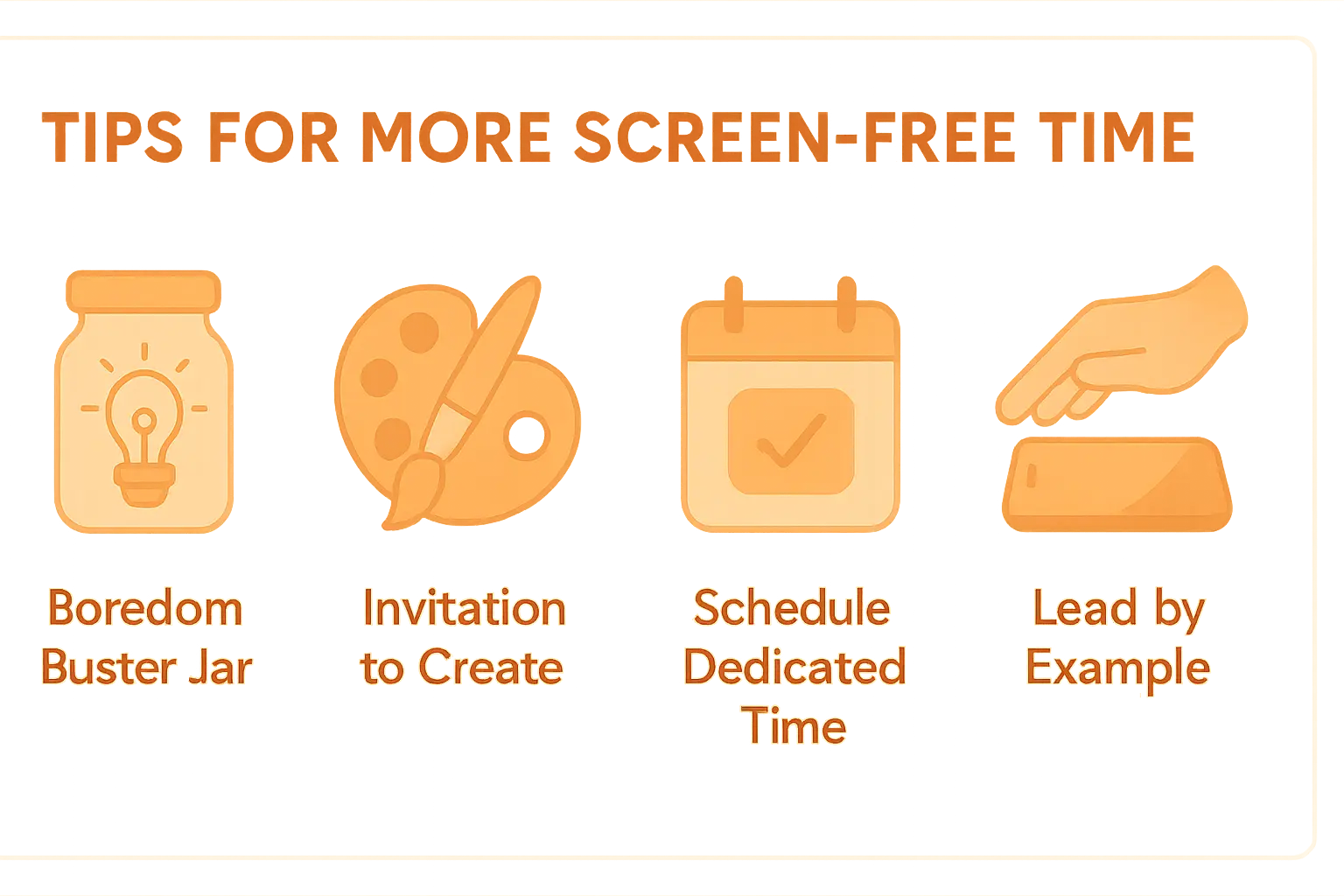
- Create a boredom buster jar: Fill a jar with ideas like “build a pillow fort,” “create a nature scavenger hunt,” or “design your own board game.” Add seasonal variations like “make snowflake cutouts” in winter or “create a bug hotel” in summer. Let kids pick slips when they’re bored – instant inspiration without screens! For example, “build a cardboard castle” encourages engineering skills while “plant a mini herb garden” teaches responsibility.
- Set up “invitations to create”: Leave art supplies or blocks accessible. Rotate materials monthly with cardboard tubes, fabric scraps, or seashells. Spark creativity – natural elements like leaves or pinecones add sensory play! A basket of craft sticks and glue can become a “stick bridge” or “insect hotel” – open-ended materials fuel imagination.
- Carve out dedicated time: Start with weekly “Family Game Night” or “Saturday Morning Walks.” Add “Wednesday Watercolor Wednesdays” or “Friday Stargazing” for variety. Consistency turns these into traditions. Bonus: Let kids plan activities – let them choose monthly picks! Even 20 minutes of “unstructured family time” without devices strengthens connections.
- Lead by example: Put your phone away during family time. Try “no devices at the dinner table” or “phone-free Friday evenings.” When kids see you unplugged, they’ll follow – magic happens when everyone’s fully present! Modeling healthy tech boundaries improves communication and shows kids unplugged moments matter.
Your next adventure is just an idea away
Screen-free moments aren’t just breaks from tech—they’re opportunities to spark connection, creativity, and shared joy. By unplugging, families unlock time for storytelling under blankets, building forts from pillows, or chasing fireflies at dusk. These moments aren’t just fun; they’re building blocks for stronger bonds and resilient minds. 🌟 Imagine transforming a pile of cardboard boxes into a castle or crafting a nature collage with leaves and stones—simple acts that fuel imagination and curiosity.
Starting is simpler than you think. No need for elaborate plans—just a single idea can lead to an adventure. Turn a rainy day into a kitchen science lab (baking soda volcanoes, anyone?), a park visit into a nature scavenger hunt, or bedtime into a space for whispered tales. Even mundane items like socks or newspapers become props for puppet shows or paper airplanes. The magic lies in showing up, unplugged and fully present. Ready to begin? So, what will your family’s next screen-free adventure be? 🚀
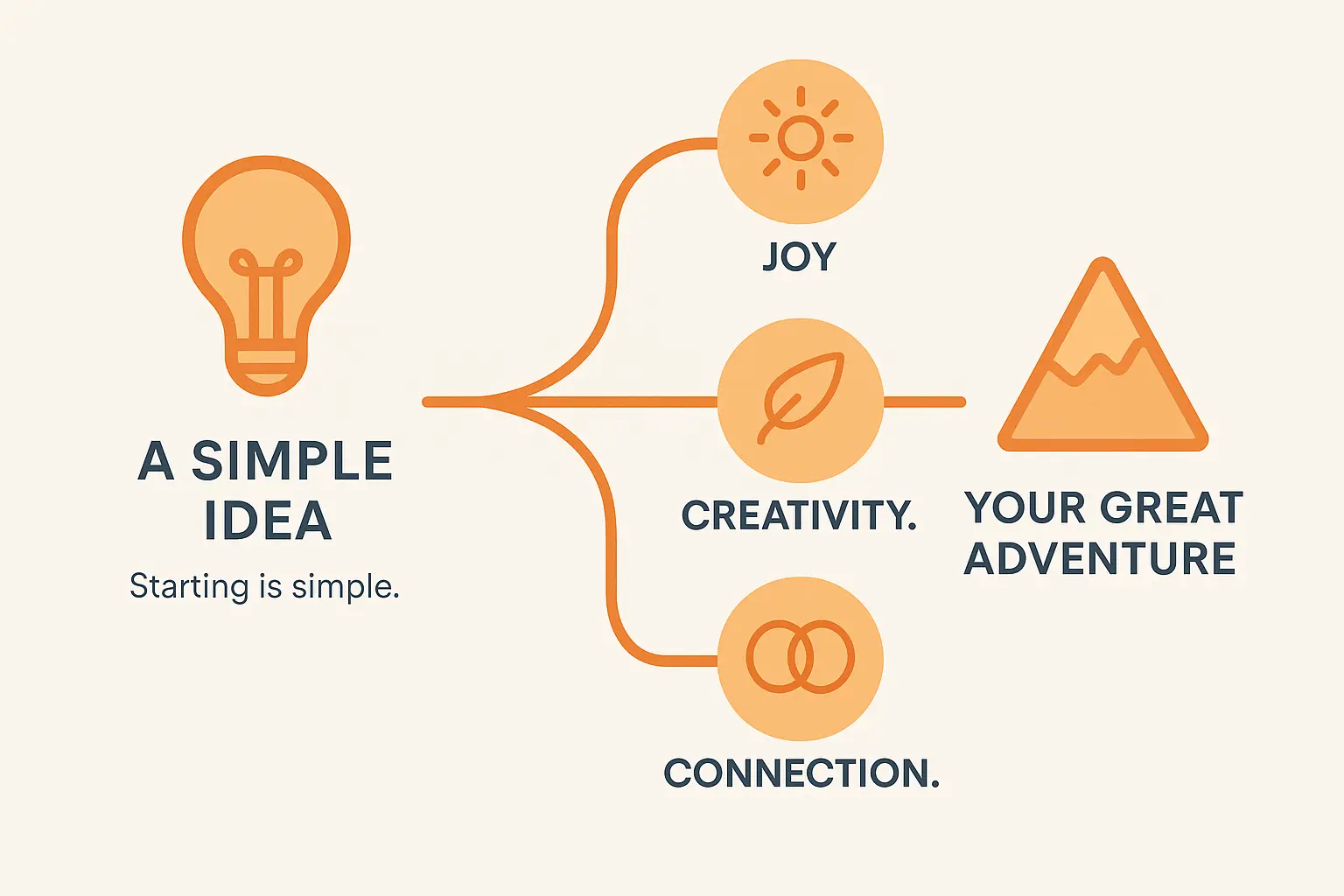
Screen-free activities open a world of connection, creativity, and everyday adventure. By embracing simple moments—whether crafting, exploring nature, or sharing a meal—you nurture meaningful bonds and joyful discovery. The best part? You don’t need grand plans—just one idea can spark lasting memories. So, what will your family’s next screen-free adventure be? 🌟
FAQ
How can I keep busy without screens?
Simple! 🎨 Start with art projects like painting rocks or creating sock puppets. Try building a pillow fort or making a nature scavenger hunt in your backyard 🌳. For quiet moments, color in a book or write letters to friends. Need inspiration? Check out family-friendly ideas that spark joy and creativity!
What should I do during a screen-free week?
Plan fun routines! 🚴♀️ Include outdoor adventures like bike rides or cloud-watching sessions. DIY projects like homemade playdough or cookie baking work well too. Don’t forget board games for family bonding! Need structure? Try a boredom buster jar with activity ideas for spontaneous fun 🎲.
How do I help kids unplug from screens?
Lead by example! 👨👩👧👦 Put your phone away during meals or playtime. Offer quiet time options like reading corners or puzzle stations. For active kids, try physical activity like trampoline jumps or a backyard garden. Remember, consistency beats perfection – start small and boost family wellness together 🌱.
How do I organize a screen-free day?
Easy! 🗓️ Begin with a dedicated time like morning yoga or breakfast prep together. Add creative storytelling with puppet shows after lunch. Afternoon = outdoor exploration (hiking or cloud art!). Wind down with board games and audio stories at night 🎧.
Why do kids get bored without screens?
Normal! 😅 Screen-free time builds creativity and problem-solving skills. Encourage them to try DIY projects like making slime or building a fairy house. Suggest a “boredom jar” with ideas like “create a comic” or “design a new dance” 🕺.
How to swap screen time for hobbies?
Start with kid-led activities! 🎯 Let them choose between building with Legos, planting herbs, or learning card tricks. Use a family activity table with art supplies or science kits. Pro tip: Link hobbies to their interests – Minecraft fans might love cardboard box creations 📦!
What’s the best non-screen activity for kids?
Depends on their vibe! 🌟 Top picks include fort-building (creative + physical), DIY slime (sensory play), and backyard camping (nature + storytelling). For calm moments, try reading together or coloring mandalas 🖍️.
How to start a screen-free morning?
Begin with mindful moments! 🌞 Try morning yoga stretches or a breakfast-making challenge (DIY waffles = instant fun). Add storytelling time with prompts like “Imagine a world where clouds are cotton candy!” Got energy? Head to the park for physical activity 🏃♂️.
What’s the ultimate free-time activity?
“Ultimate” = personal! 🎯 For active kids: obstacle course with pillows and hula hoops. For creative souls: story writing with homemade books. Socialites? Host a family podcast about your favorite adventures! Bonus: All these activities need zero screens 🎙️.