Why my child is scared of the wind and how to help
Is it normal for a toddler to be terrified of a breeze that merely rustles the leaves? Yes, a fear of wind between two and five is a common developmental milestone and not a sign of poor parenting.
When your child is scared of the wind, the invisible nature of the noise and the sight of inanimate objects moving on their own can feel like a genuine threat. This guide explains why this anxiety happens and provides small, practical tools to help your family reclaim a sense of safety tonight.
- My Child Is Scared of the Wind: Is This Phase Normal?
- Why the Wind Feels Like a Threat to Your Toddler
- 3 Gentle Ways to Soothe Wind-Related Fears Tonight
- When to See a Doctor and How Stories Empower
My Child Is Scared of the Wind: Is This Phase Normal?
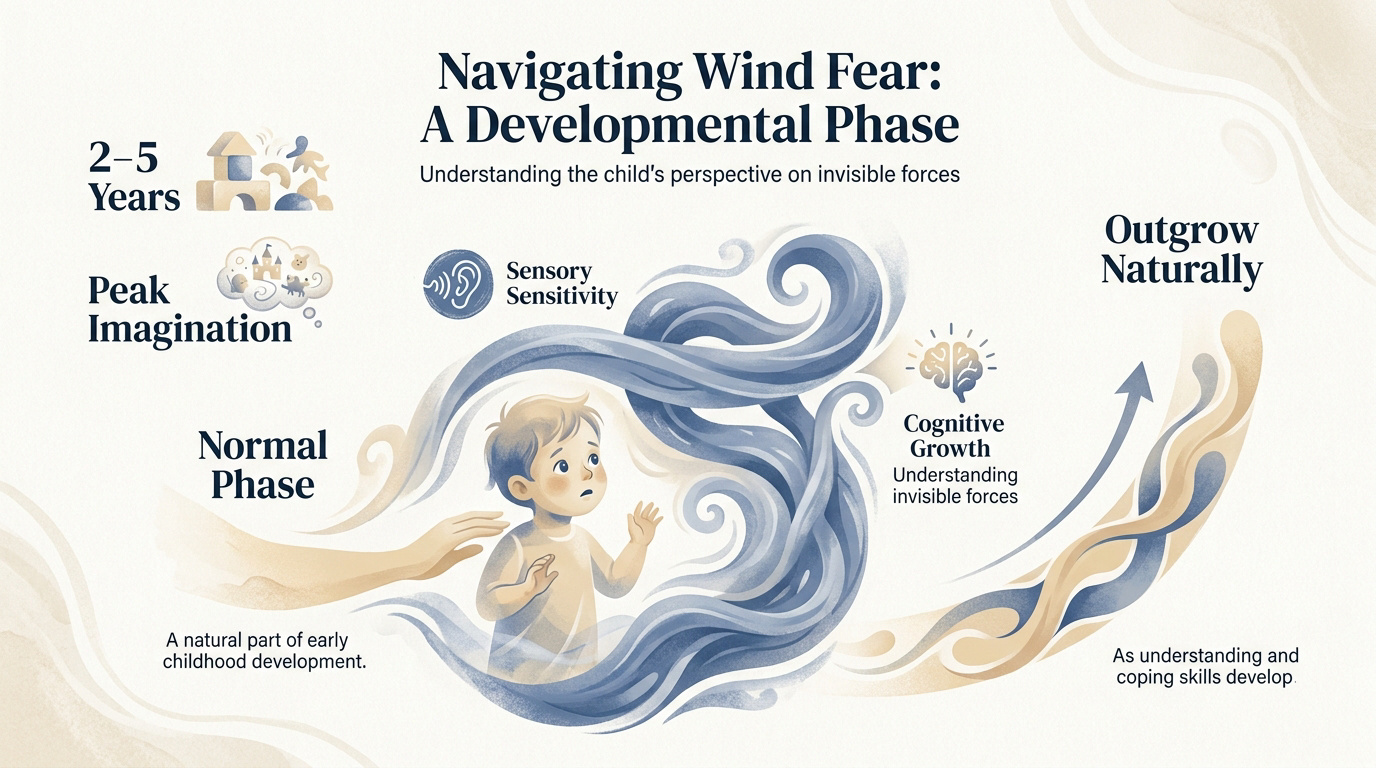
Wind anxiety typically peaks between ages two and five as a standard developmental milestone. It involves sensory sensitivity to howling sounds and moving objects, rather than parenting choices or deep-seated phobias, fitting into a typical growth window.
Fear of the wind is a common milestone between ages 2 and 5. It reflects cognitive growth and active imagination, not trauma or parenting styles.
The Common Developmental Window for Toddlers
Children between two and five often struggle with the invisible. This age range marks a peak for imagination, where the unknown feels incredibly real and daunting.
This phase is entirely normal. It is a sign of cognitive growth, not a reflection of your parenting skills or a past trauma.
Most children outgrow this naturally. Focus on providing stability and comfort during these specific, often loud, developmental years.
Recognizing the Signs of Wind Anxiety
Your child might refuse to leave the house, stopping at the doorstep when gusts occur. Immediate body tension is a clear signal of genuine distress.
They often notice letterbox rattles or chimney hums. These specific sounds can trigger instant crying or a need to hide.
Watch for the relief when the storm ends. The child usually returns to their normal self almost immediately after the wind drops.
We wrote a book where your child is the hero. Try our live example to toggle between versions and download the PDF to start your adventure.
Why the Wind Feels Like a Threat to Your Toddler
Understanding the “why” behind the fear helps us respond with more empathy when the next storm hits.
The Problem With an Invisible Visitor
Toddlers rely on sight to understand their world. An invisible force feels unpredictable and scary. They cannot see what makes the noise.
The wind seems permanent because they cannot see it leave. This creates a sense of constant threat. The danger feels like it stays forever.
Whistles and rattles sound louder in the dark. Silence makes every small gust feel like a major event. Nighttime amplification turns sounds into mysteries.
Yes. Fear between ages two and five is common. It is not a sign of a problem with your child.
When Inanimate Objects Start Moving
Toddlers believe that if something moves, it is alive. A moving bin becomes a monster. This animism makes the ordinary feel threatening.
Heavy objects moving independently suggest a hidden presence. A sliding trampoline shatters their sense of safety. It implies something big is out there.
The wind sounds like a person in pain. Children react to this instinctual sound of danger. A howl is a signal they already recognize.
We wrote this book to help families. Toggle between the girl and boy versions below. Try the example to see your child master the storm.
3 Gentle Ways to Soothe Wind-Related Fears Tonight
While the fear is logical to a child, we can use specific tools to bring back a sense of control.
Dismissing fear as “only wind” ignores their reality. Forcing exposure or hiding behind curtains fails to stop the anxiety-inducing sounds.
Why Common Soothing Techniques Often Fail
Dismissing terror fails immediately. Saying “it is only wind” denies their reality. They feel unheard and anxious.
Hiding wind behind curtains rarely works. The sound still penetrates the room.
Avoid forced exposure. Carrying a terrified child outside creates trauma, not bravery.
Naming Noises With a House Sound Tour
Guide the child through the house. Identify the source of each rattle together.
Give each noise a silly name. Locate the sound physically to reduce mystery.
Never leave them with unnamed noises. Knowledge is the best antidote to fear.
Explaining Wind as Air on the Move
Use the bottle analogy. The house whistles when air blows past. It is just air moving.
- Use kites on calm days
- Play with ribbons or windmills
Maintain a rigid bedtime routine. Consistency provides the safety they crave during storms.
We wrote this book to help. Your child becomes the hero, naming the wind’s voices. Try the example on this page to toggle between girl and boy versions or download the PDF.
When to See a Doctor and How Stories Empower
Sometimes, fear goes beyond a phase and requires a different kind of support or a new perspective.
Identifying Broader Sensory Processing Sensitivities
| Symptom | Developmental Phase | Sensory Sensitivity |
|---|---|---|
| Reaction to wind | Common fear (2-5 years) | Physical distress or pain |
| Reaction to hand dryers | Mild startle or curiosity | Covers ears, intense panic |
| Recovery time | Quickly calmed by parents | Long meltdowns, hard to soothe |
| Sleep impact | Occasional stormy night wakes | Chronic anxiety, hyper-vigilance |
Watch for specific red flags like extreme distress from hoovers or school bells. If these everyday sounds trigger major meltdowns, your toddler might have sensory sensitivities. Speak with a health visitor about these reactions. Do not wait if it impacts daily life.
Distinguish a phase from a phobia. Anemophobia is rare but definitely requires professional medical help.
Using Hero Stories to Reclaim the Night
We wrote a book where your child is the hero. It helps them face the wind directly. Storytelling is a powerful tool for empowerment when things feel scary.
The reader can toggle between girl and boy versions. A real example is embedded on this page. You can even download a free PDF. Please try the example to see the impact.
Placing the child in their own house within the story builds agency. They become the character who tames the noise. This transforms fear into a grand adventure for the whole family.
Understanding that a fear of wind is a normal developmental phase empowers you to support your toddler with empathy. By naming mysterious noises and using hero stories to build agency, you transform scary nights into brave adventures. Start tonight by identifying sounds together to ensure your child is scared of the wind no longer.
FAQ
Is it normal for my toddler to be terrified of the wind?
Yes, a fear of the wind between the ages of two and five is very common and is a standard developmental milestone. It is not a sign that anything is wrong with your child or your parenting; rather, it reflects their growing imagination and a new awareness of the world around them.
At this age, children are still learning to distinguish between what is alive and what is not. This phase is a sign of cognitive growth, and most children will naturally outgrow these anxieties as they gain a better understanding of how nature works.
Why does the wind seem so much scarier to a child than other things?
The wind is unique because it is invisible. A toddler relies heavily on their sight to feel safe, and they cannot see what is making the noise, where it is, or when it has finally left. It often arrives at night when the house is quiet, making every whistle, rattle, and hum sound much louder and more threatening.
Furthermore, the wind moves objects that are supposed to stay still, like bins, gates, or trampolines. To a small child, a thing that moves on its own might be “alive.” The howling sound is also a noise they have already learned to associate with someone or something in distress, triggering an instinctual fear.
What should I avoid doing when my child is scared during a storm?
Dismissing the fear by saying “it’s only the wind” usually fails because it denies the child’s actual sensory experience. Similarly, keeping the curtains tightly shut might hide the movement outside, but it leaves the scary sounds prominent and unexplained.
You should also avoid “forced exposure,” such as carrying a terrified child outside to prove it is safe. This often hands them the exact thing they are afraid of and can create lasting trauma rather than building bravery. It is better to focus on naming the sounds from a place of safety.
How can I help my child feel safe when it’s windy tonight?
One of the most effective tools is a “sound tour.” Walk around the house together and find exactly where each noise comes from, like a rattling letterbox or a whistling vent, so every sound gets a name and a place. Explain that the house is “whistling” like a bottle because the air is moving past it, not trying to get inside.
During the day, let them play with the wind using a kite, ribbons, or watching washing on the line so they see it as something that “does jobs” rather than something that just shouts. Most importantly, keep your bedtime routine exactly the same; consistency ensures the storm doesn’t get to “change the rules” of their safe environment.
When should I talk to a doctor about my child’s fear of noise?
It is worth mentioning to a health visitor or doctor if your child’s fear of the wind is part of a broader sensitivity to sound. If they also cover their ears or show significant distress around hand dryers, vacuum cleaners, or school bells, they may be generally sensitive to sensory input.
In these cases, an early conversation with a professional is better than waiting. They can help determine if it is a standard developmental phase or if your child needs specific strategies to help manage how their brain processes loud or sudden noises.
How can personalized stories help my child overcome their fear?
Creating a story where your child is the hero transforms them from a passive listener into an active explorer. By using their own name and describing their own house, chimney, and gate, the story gives the wind a shape and the noises a specific, non-threatening voice.
In these stories, the child becomes the one who “tames” the noise by working out which voice belongs to which part of the house. This builds agency and confidence, turning a scary, invisible threat into a grand adventure they can control from the safety of their bed.
peur-du-vent
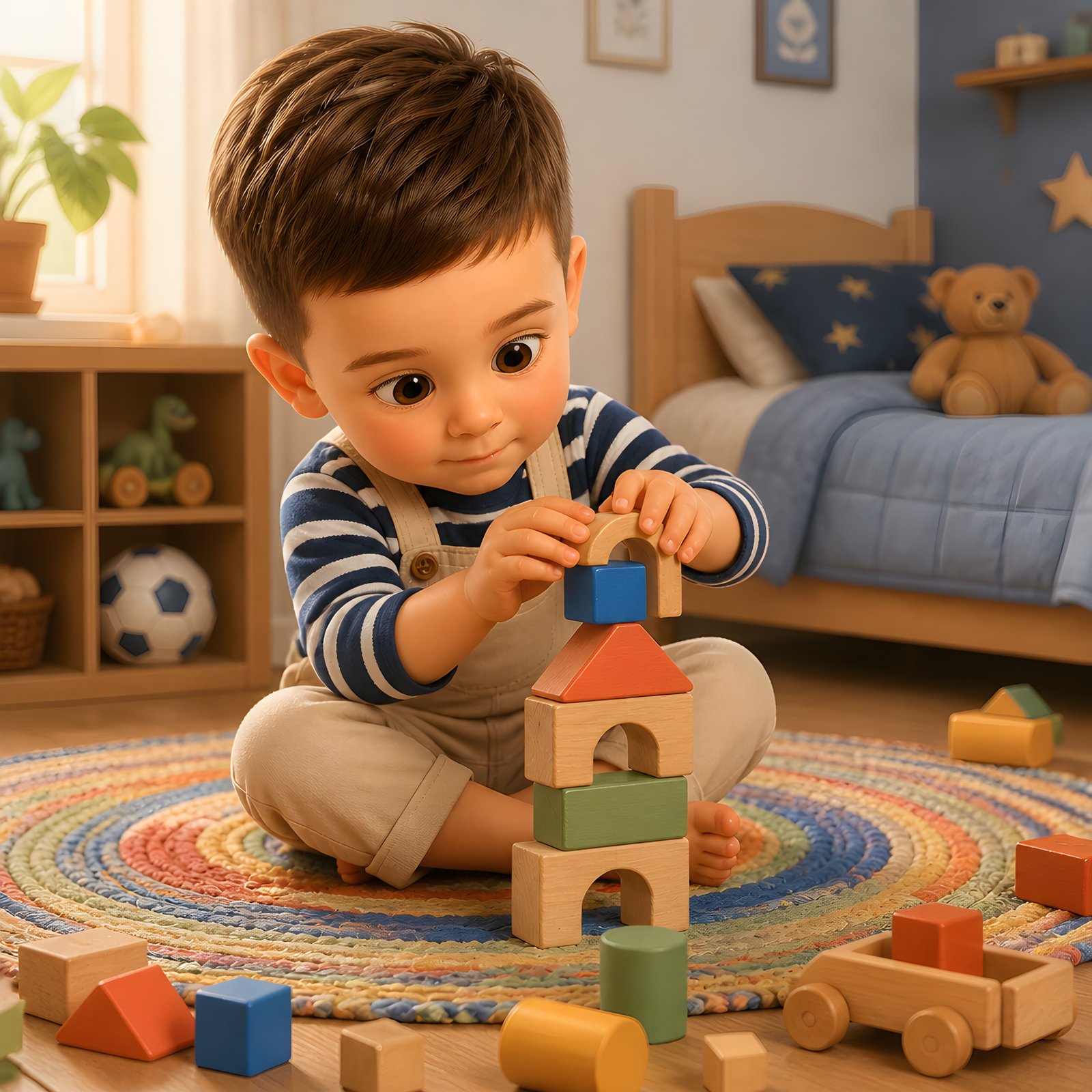
Milo built a tall tower with his wooden blocks. Everything was so quiet in his room.
He smiled and placed one last piece right on top. Can you spot the little red toy train hiding on the rug?
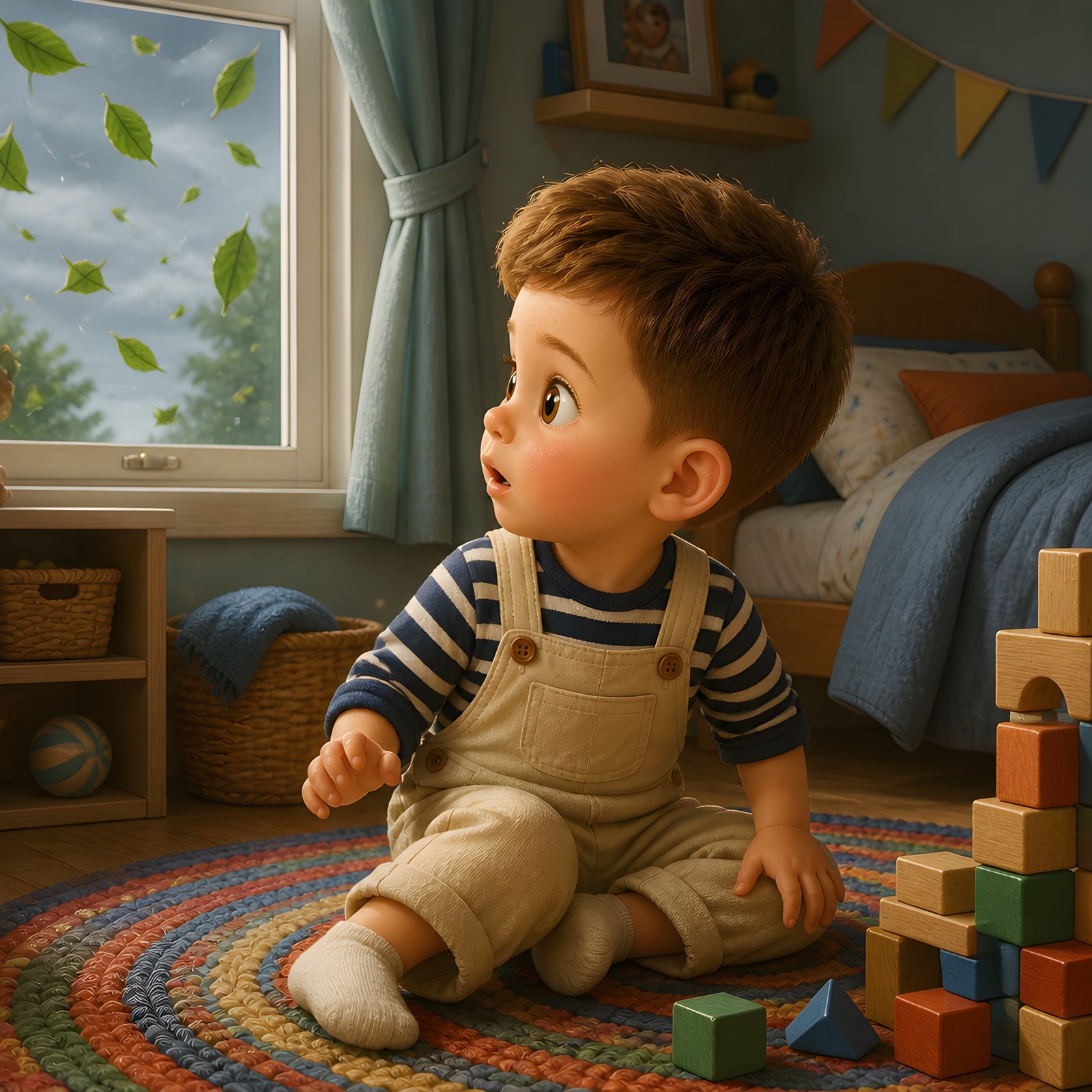
Suddenly, a long whistle slid under the front door, and the garden gate went clack-clack-clack.
Milo’s smile vanished. The wind was waking up outside.
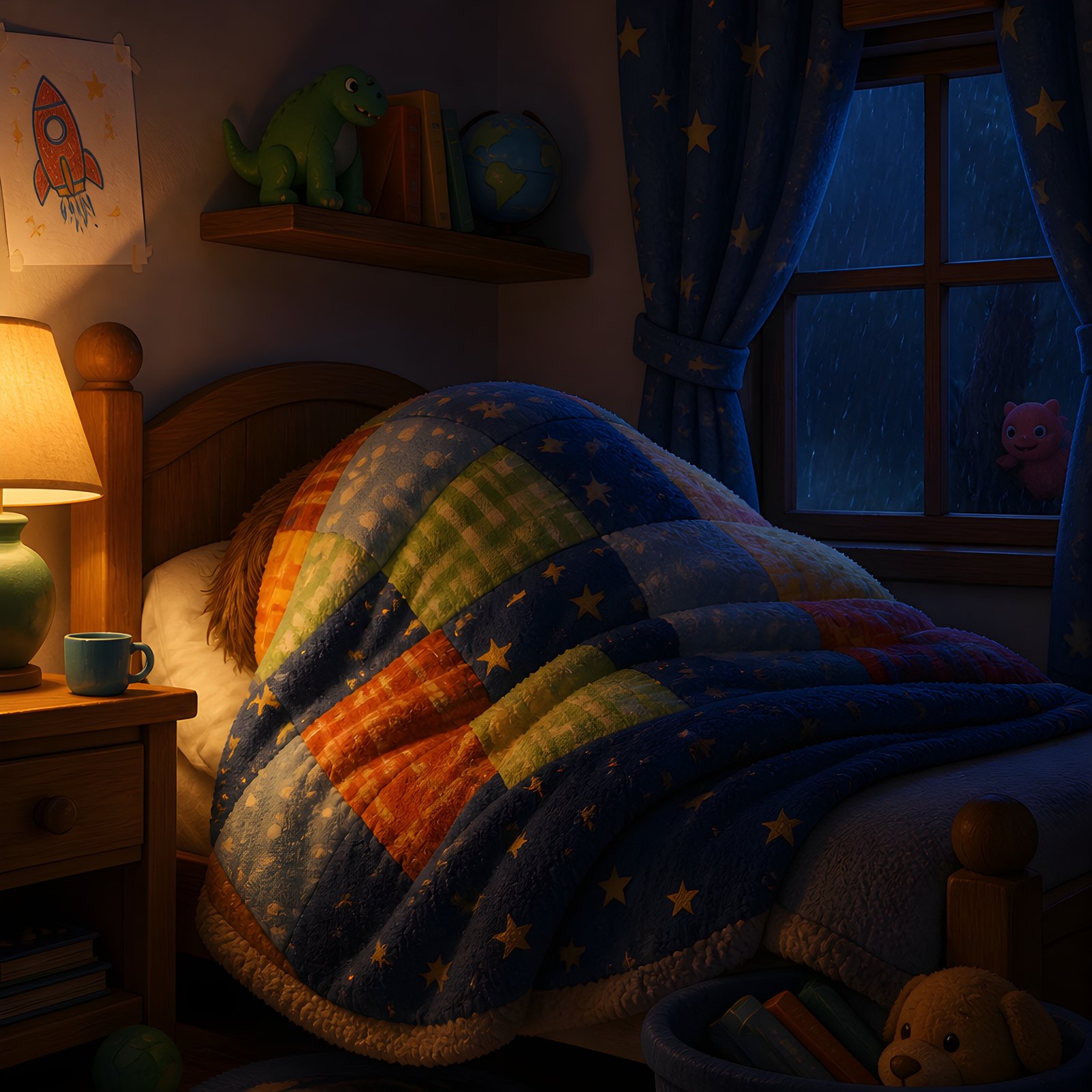
Night fell with heavy, dark rain. A low hum crept down the chimney and sat right over his pillow.
Milo refused to stay uncovered. The wind blows hard, but Milo is stronger.
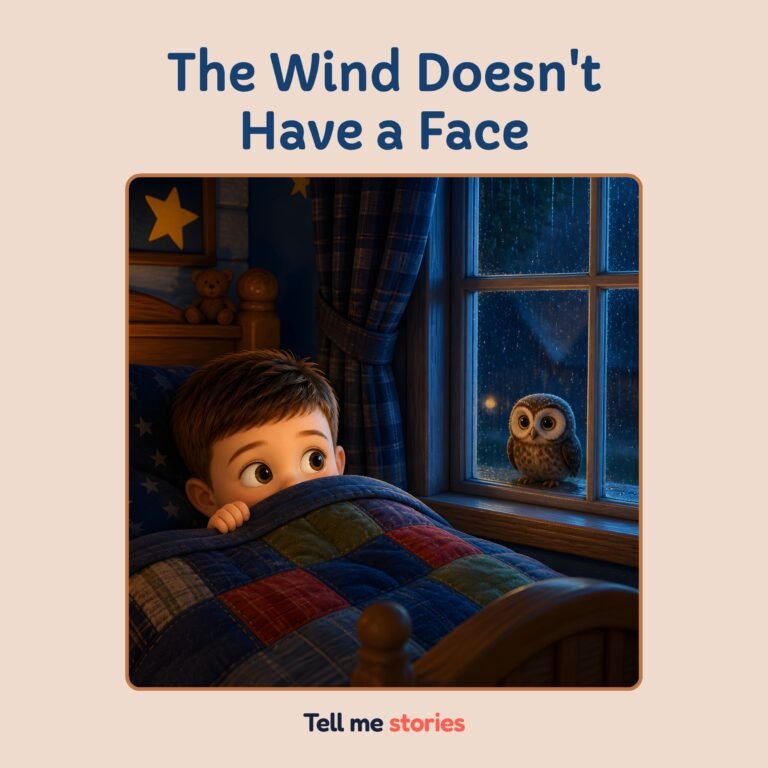
A tiny owl landed softly on his windowsill. She wasn’t frightened at all.
She blinked her big round eyes and made a tiny sound. Can you hoot like the little owl with me?
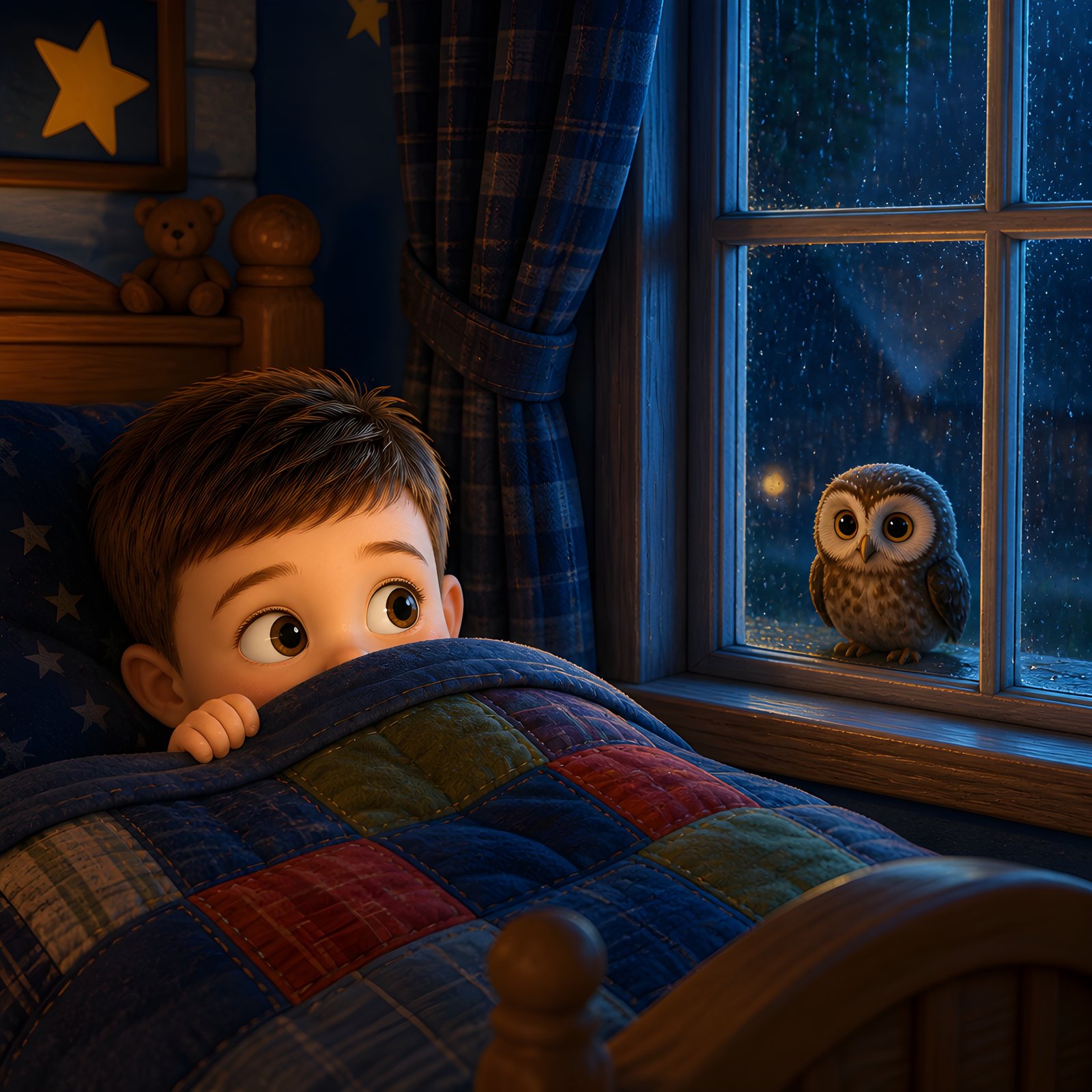
Milo took a deep breath and stepped out of bed. Together, they walked to the front door.
Milo put his finger right on the letterbox. Whoosh! He could feel the air pushing against his skin.
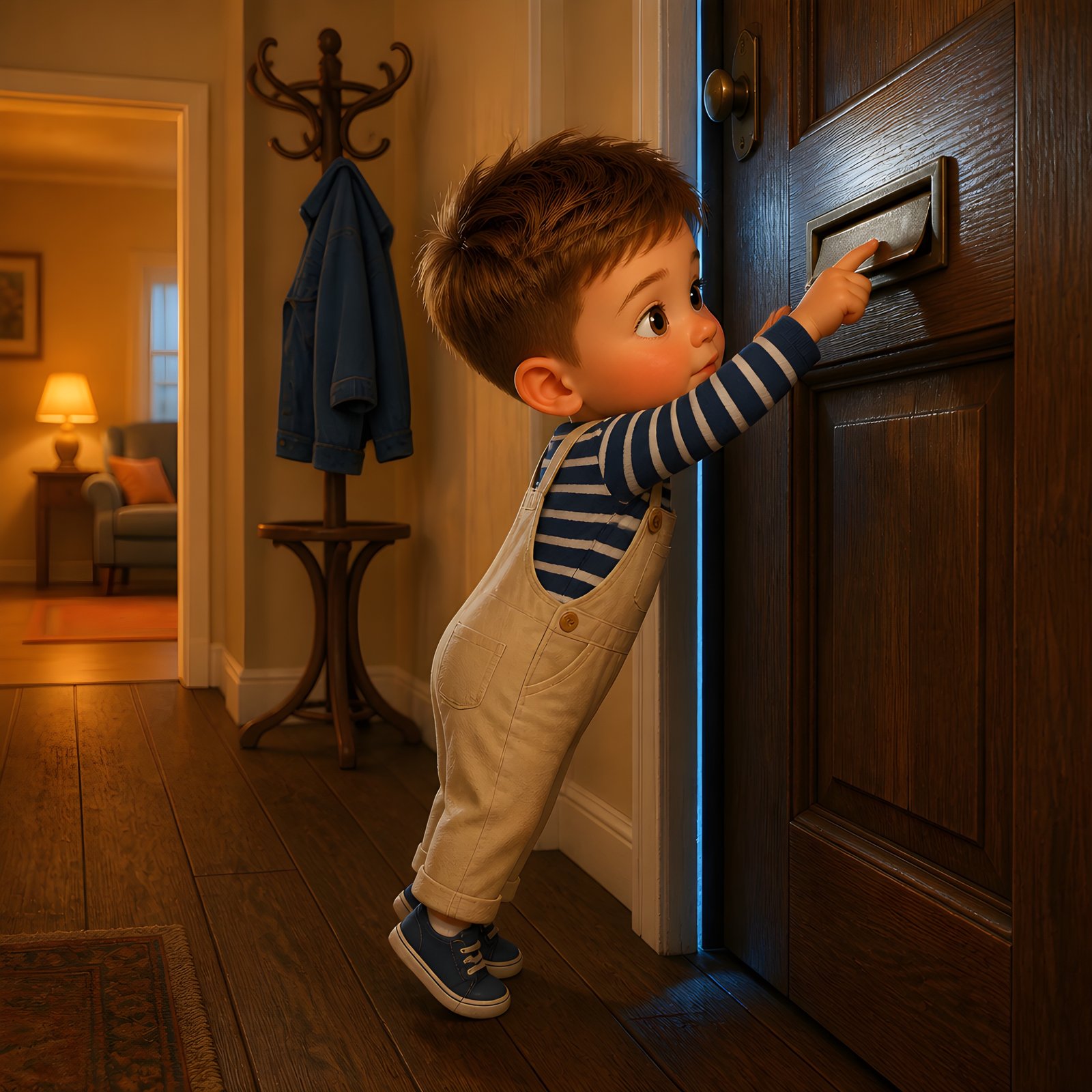
Further down the hall, the chimney made a deep, rumbling noise. Milo’s heart beat very fast.
His shoulders dropped. What if it was too loud?
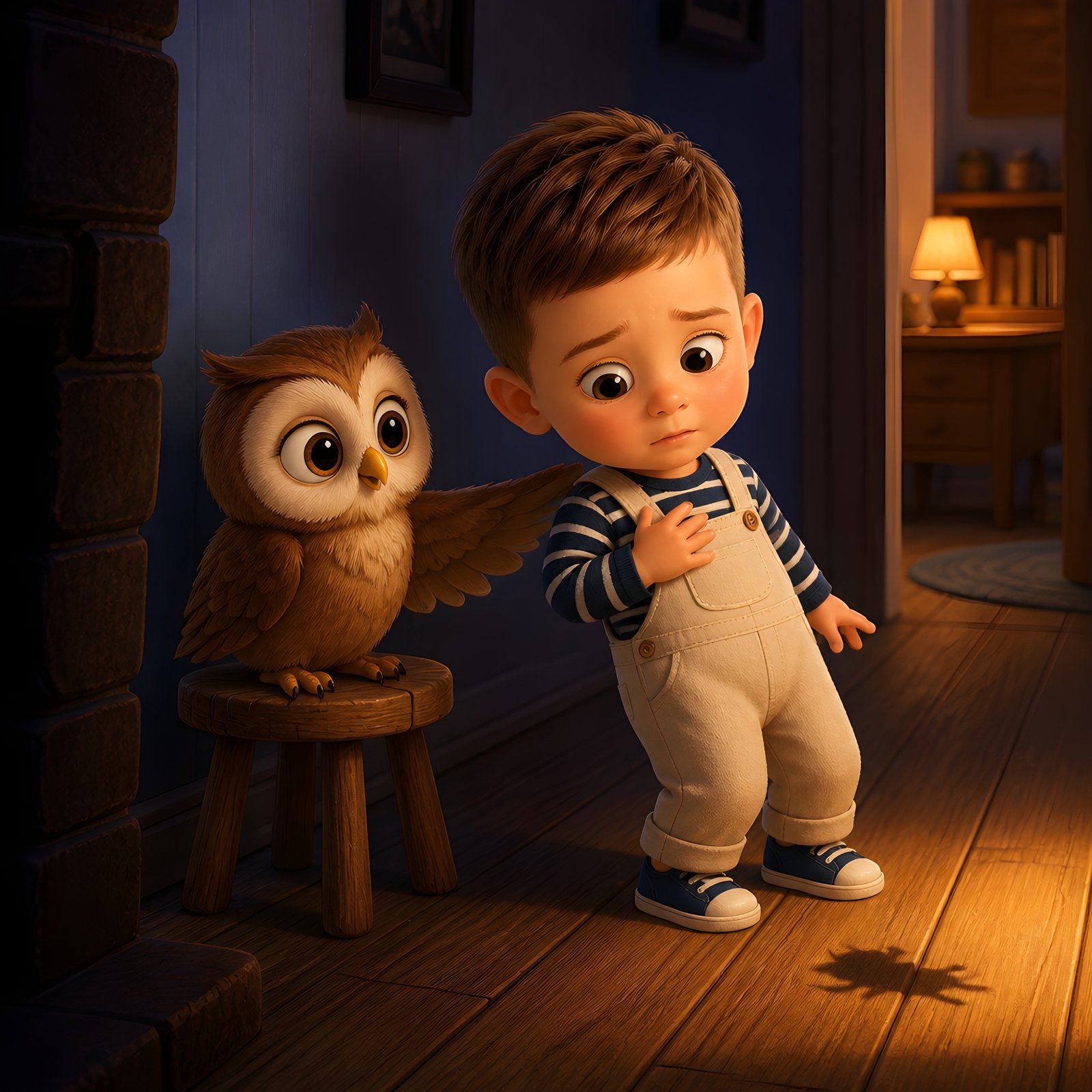
Milo pressed his ear against the warm brick. The owl let out a gentle hum.
It wasn’t a monster at all. The wind blows hard, but Milo is stronger.
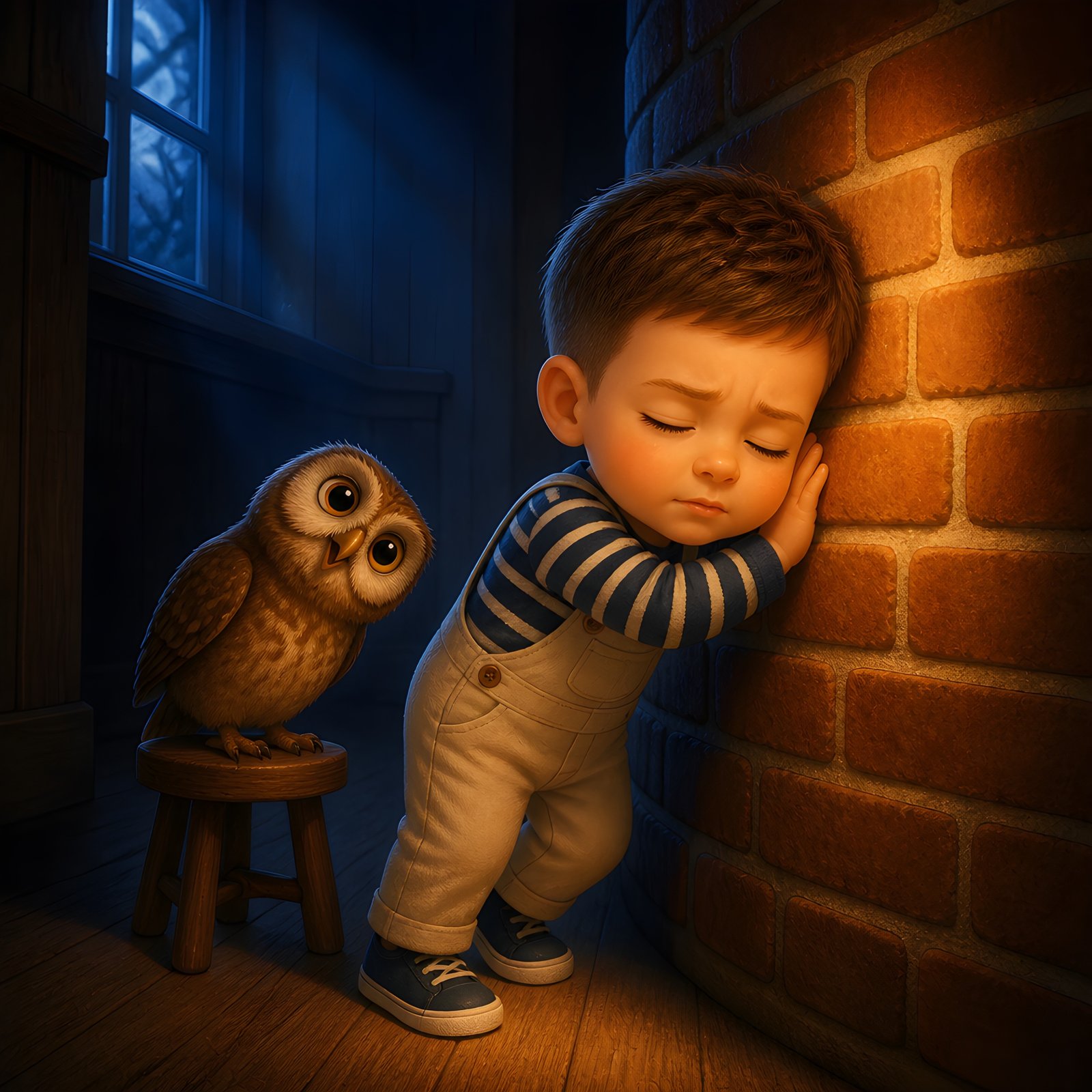
Room by room, they gave every noise a name. The rattle at the gate, the whistle at the door.
A noise with a name isn’t scary anymore. Look closely—can you find the little owl hiding behind the curtain?
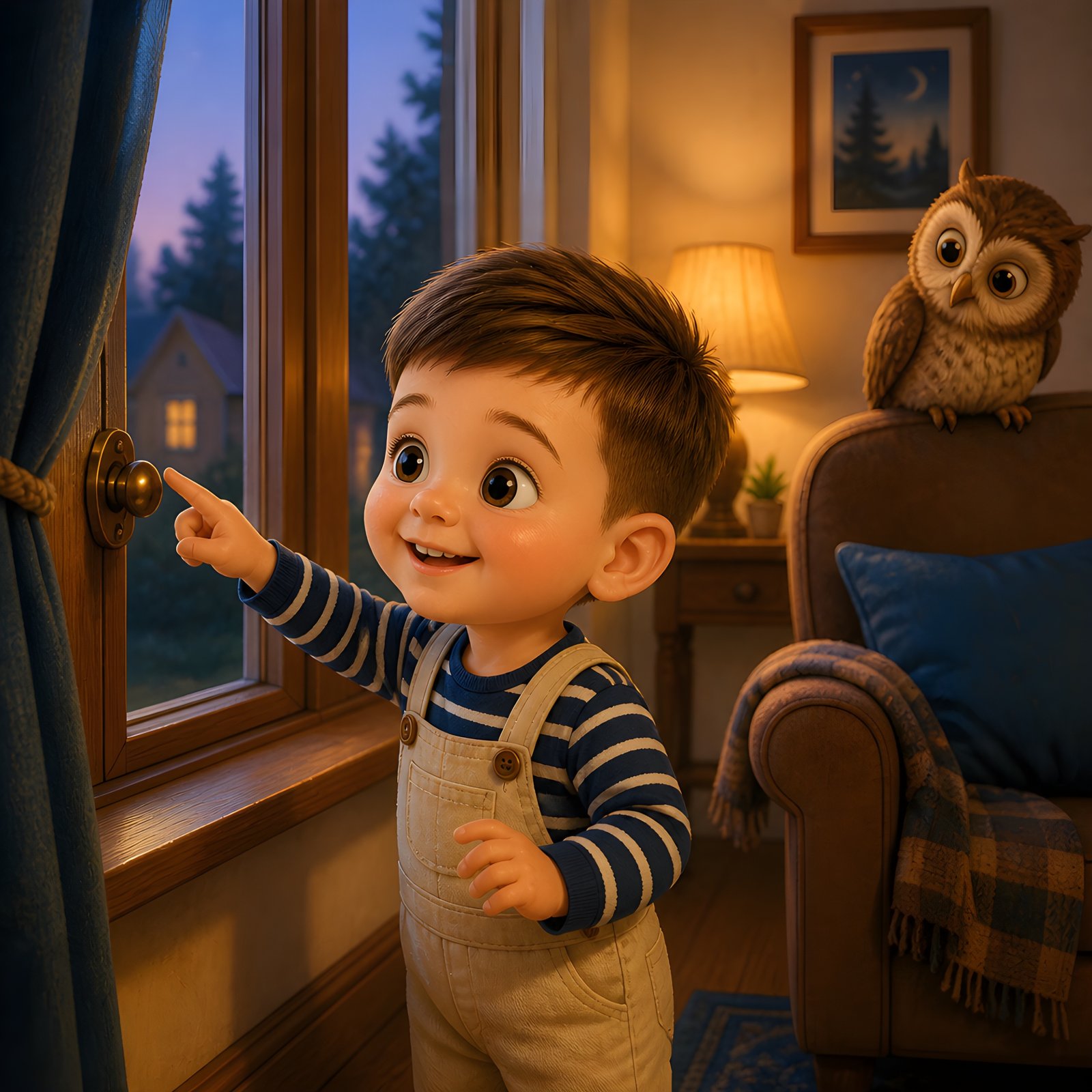
Back in his own room, the storm raged harder than ever against the glass.
Milo just smiled. He whispered to his feathered friend exactly which voice belonged to which corner.
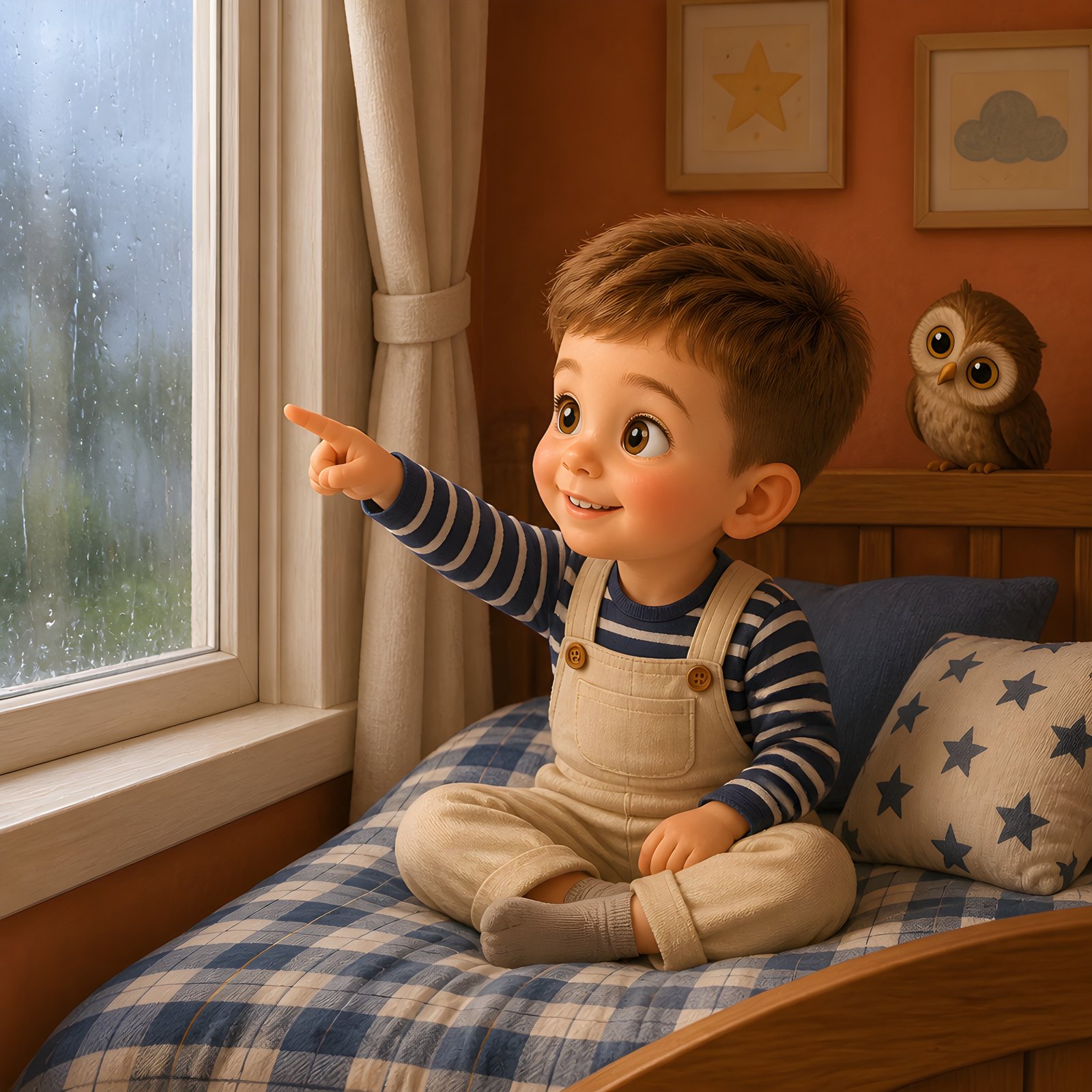
Milo slid back under his cozy blankets. The house was still singing outside, but he felt completely safe.
The wind blows hard, and Milo falls asleep.
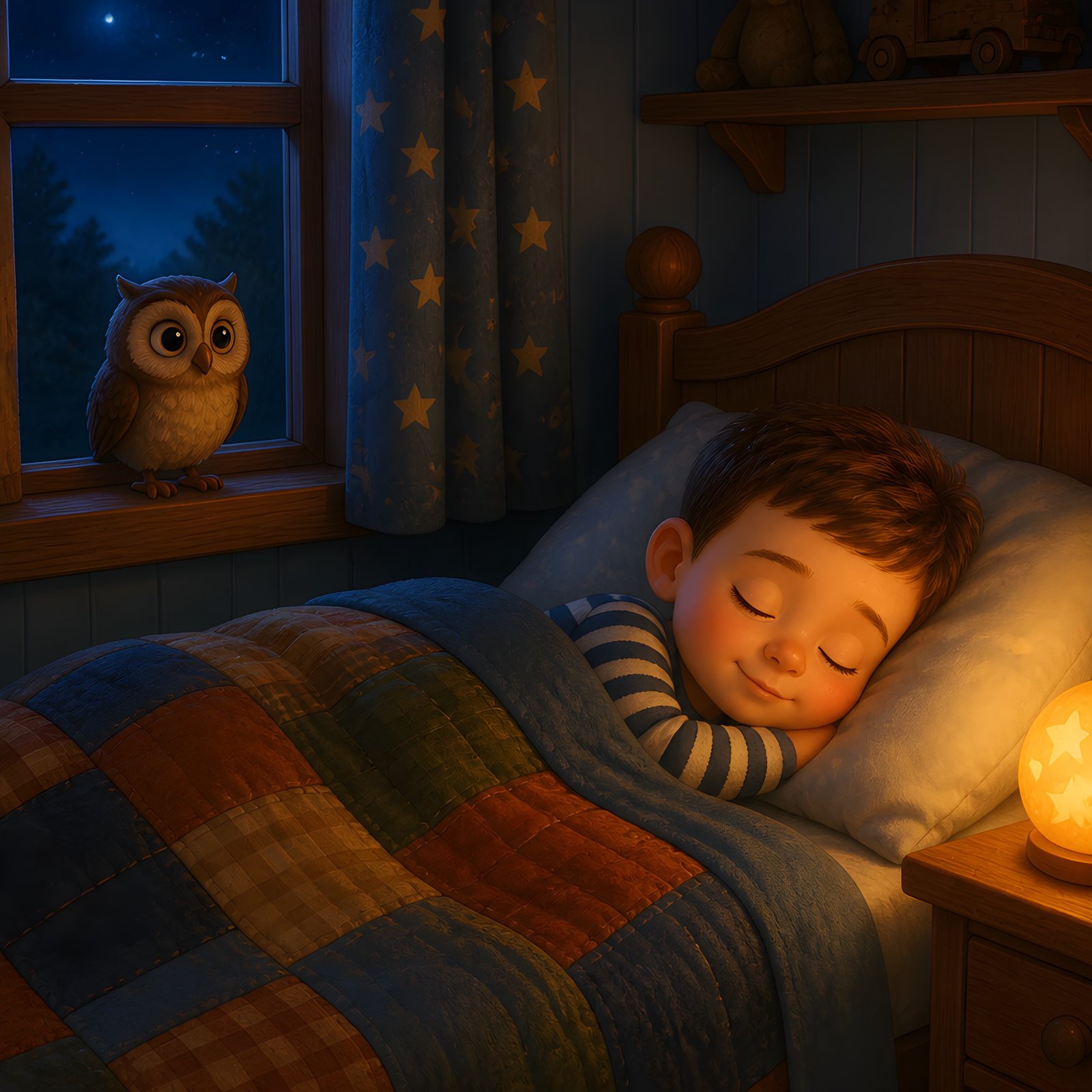
The next morning, the air felt fresh and cheerful. Milo and his friend went outside into the garden.
The wind wasn’t shouting anymore. It pushed the laundry on the line and carried a bright red kite high into the clouds.
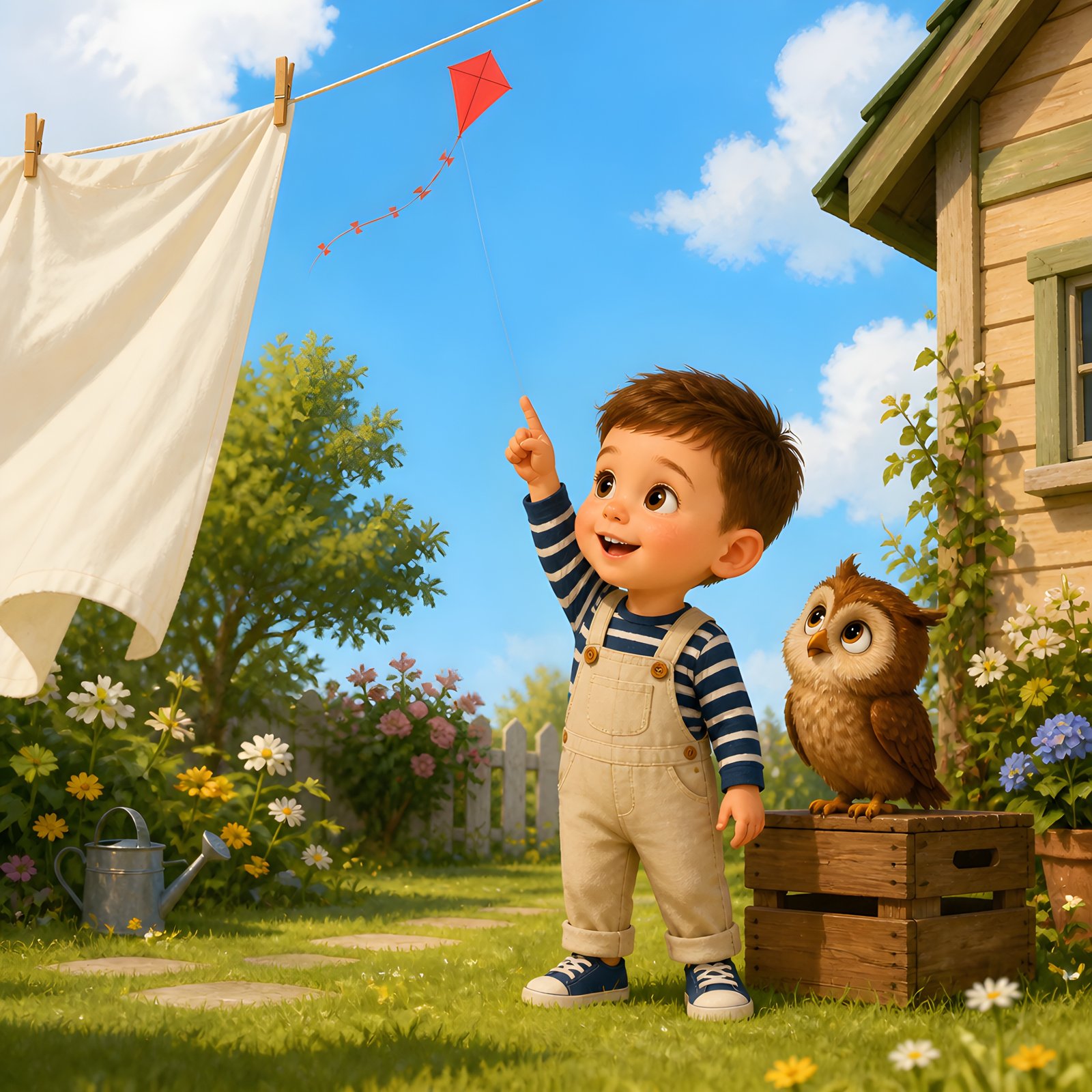
When evening came again, it was Milo who explained the wind to everyone else in the house.
And what about you? What sound does the wind make around our house tonight?
Close your eyes, breathe out slow, and drift away.
peur-du-vent
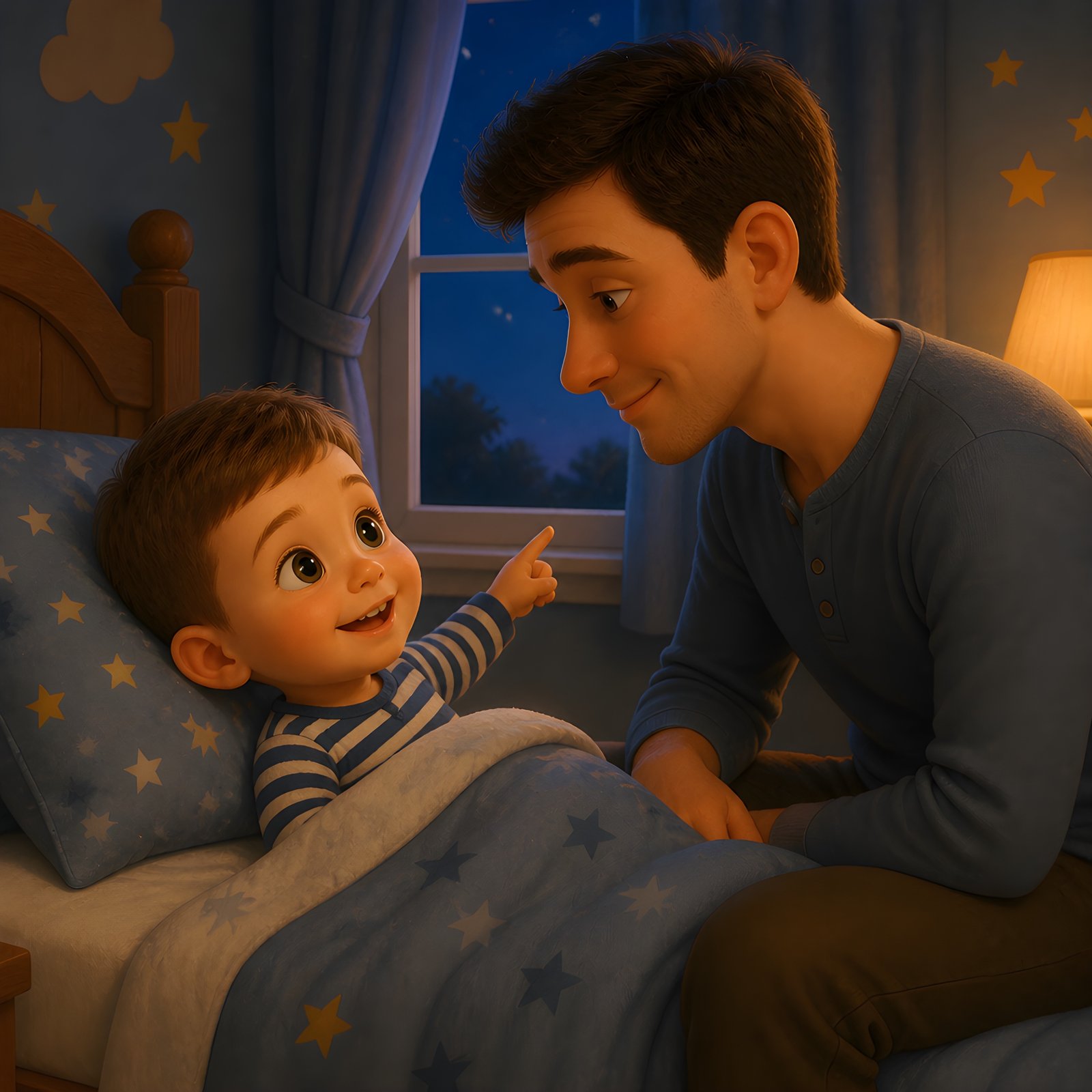
The wind blows, but Child is busy playing.
Outside, the breeze begins to dance. Whoosh! « That is just the air going for a walk, » said Child with a smile.
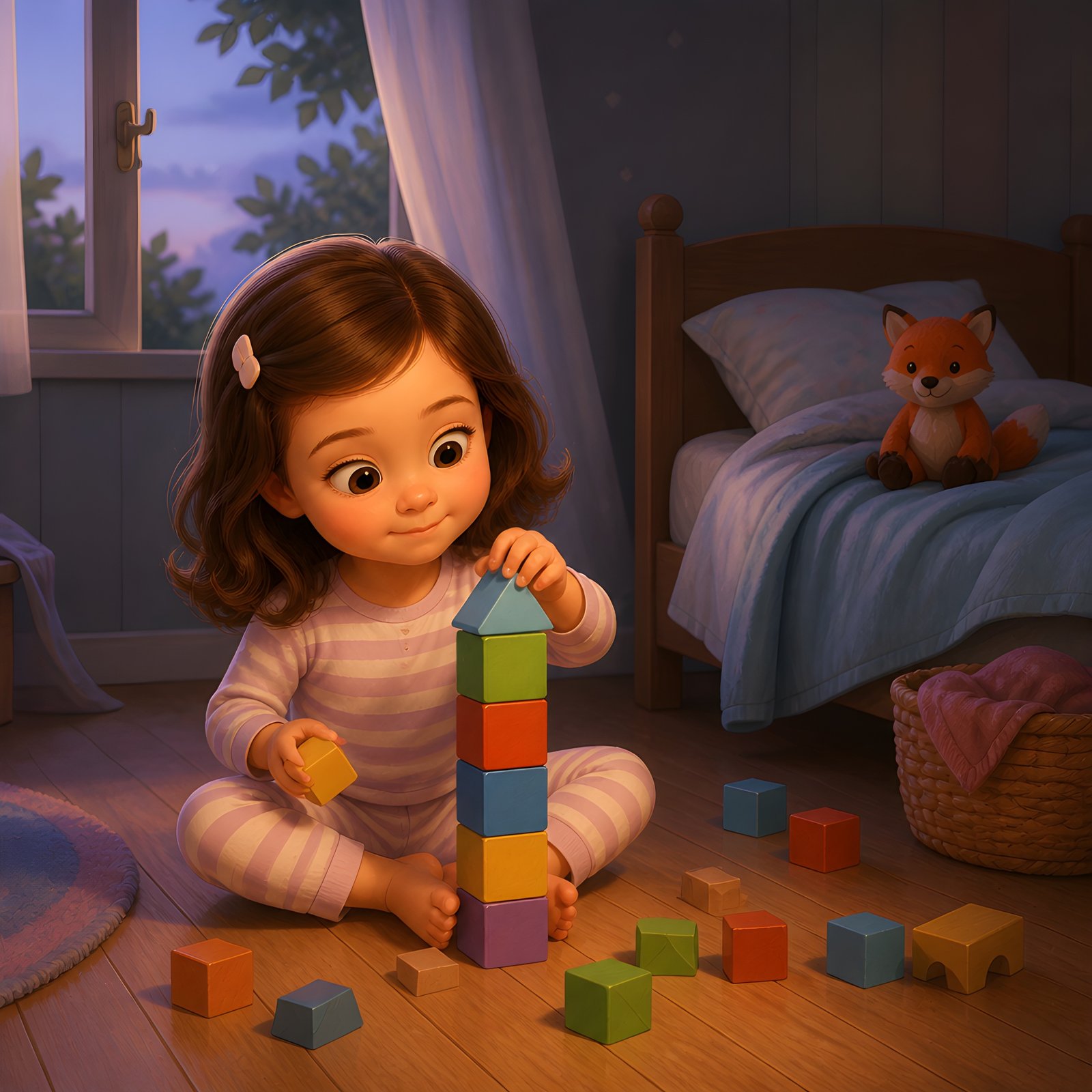
Soon the wind grew stronger and made the house creak.
A long whistle came from the letterbox, and a low hum rolled down the chimney. Huuu… Child stopped and listened.
In bed, the dark room felt too big.
Child pulled the blankets up to her chin and squeezed her eyes shut. Her heart beat fast. What if the invisible noise came into the room?

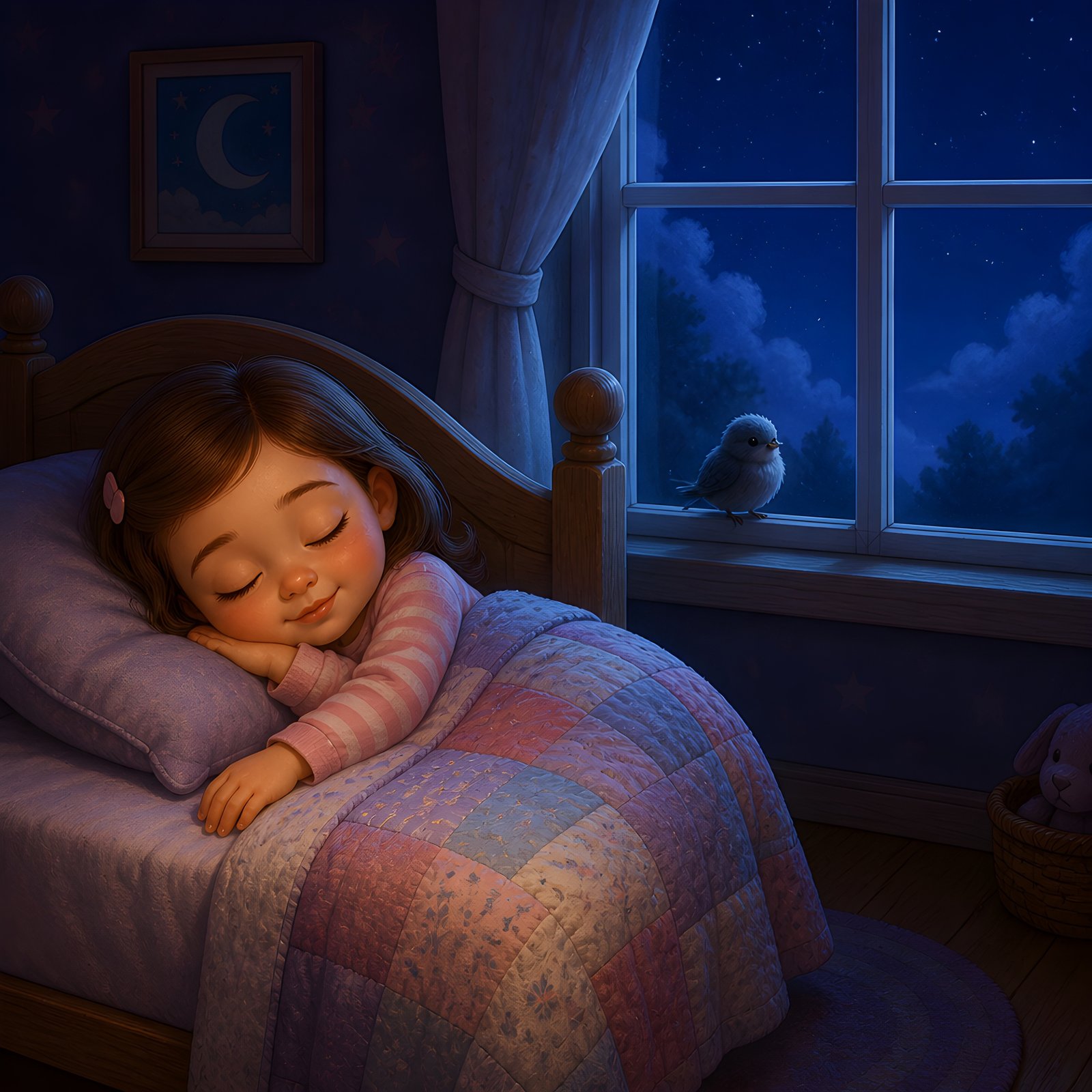
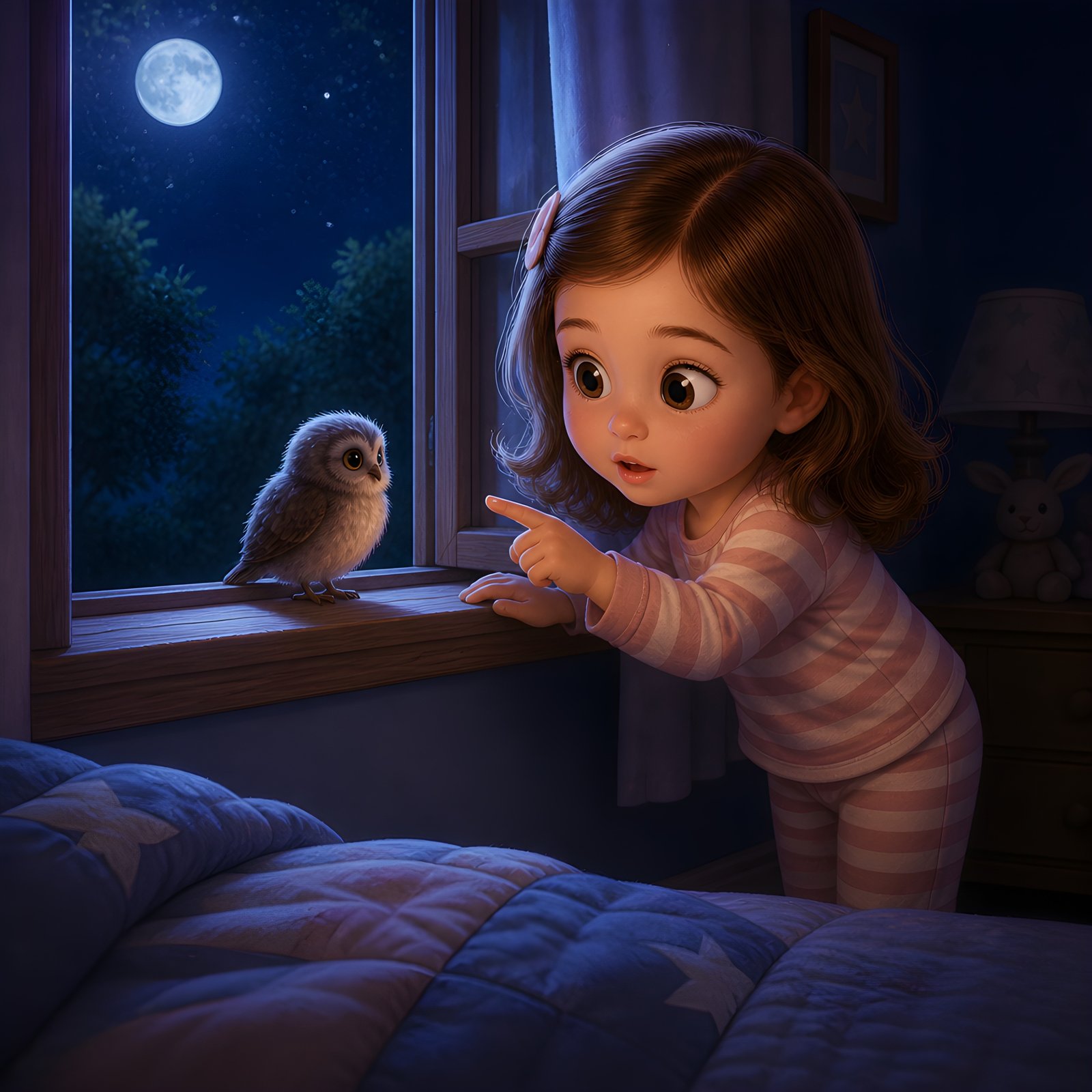
A tiny night bird landed softly on the windowsill, completely unafraid.
It puffed out its chest and gave a gentle breath.
Can you breathe out like the little bird? Fffouuu!
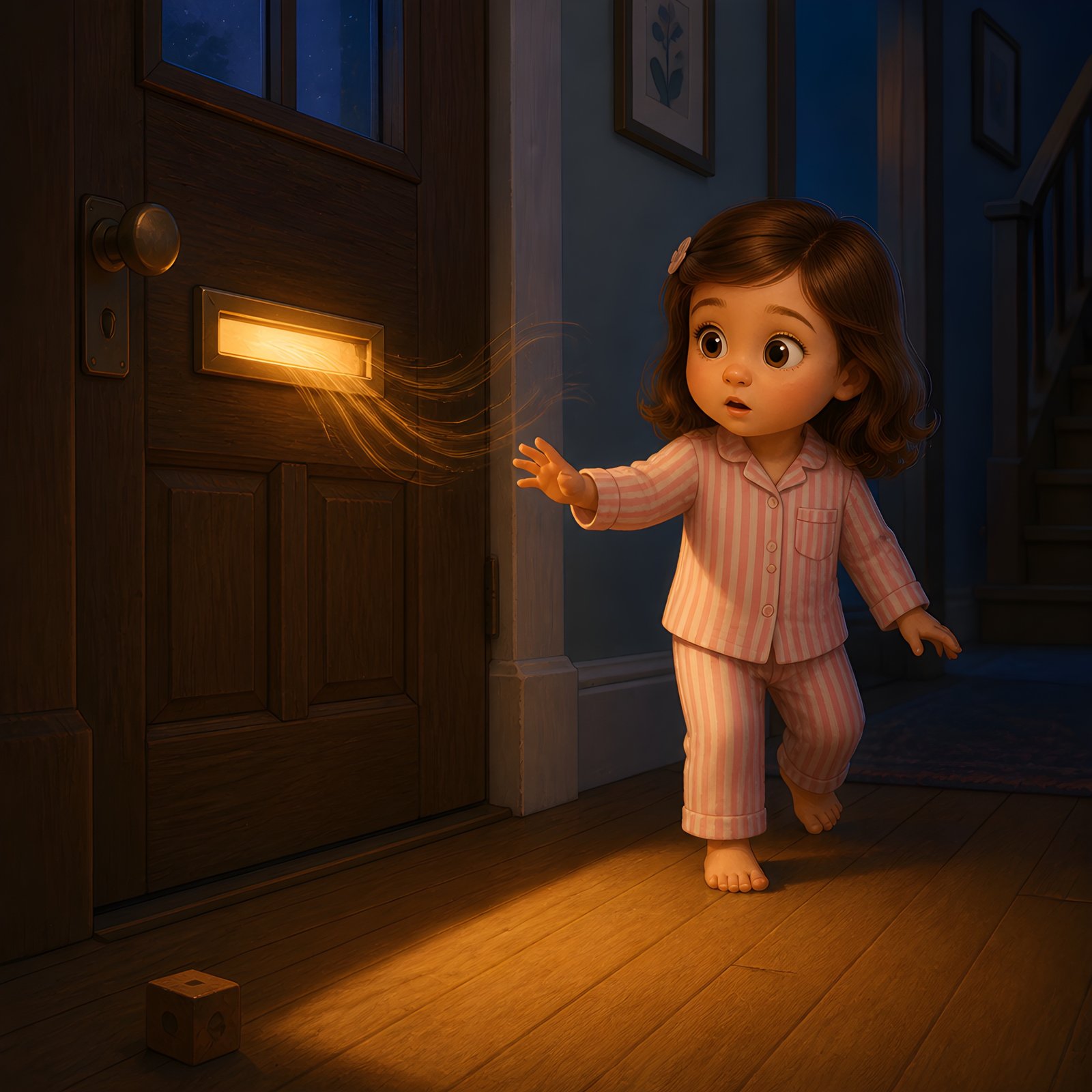
Holding the bird’s tiny wing, Child tiptoes into the dark hallway.
She put her finger right on the letterbox. Crrr… She could feel the air pushing against her skin, trying to squeeze through.

Outside in the garden, the metal gate began to rattle.
Clack, clack, clack! Child pulled her hand back. Her shoulders slumped. Was the noise too big for her?

They crept over to the fireplace. The bird made a low, whistling hum.
The wind blows past the chimney just like blowing across the top of a bottle.
« The wind sings, » whispered Child. « It is not shouting at us. »
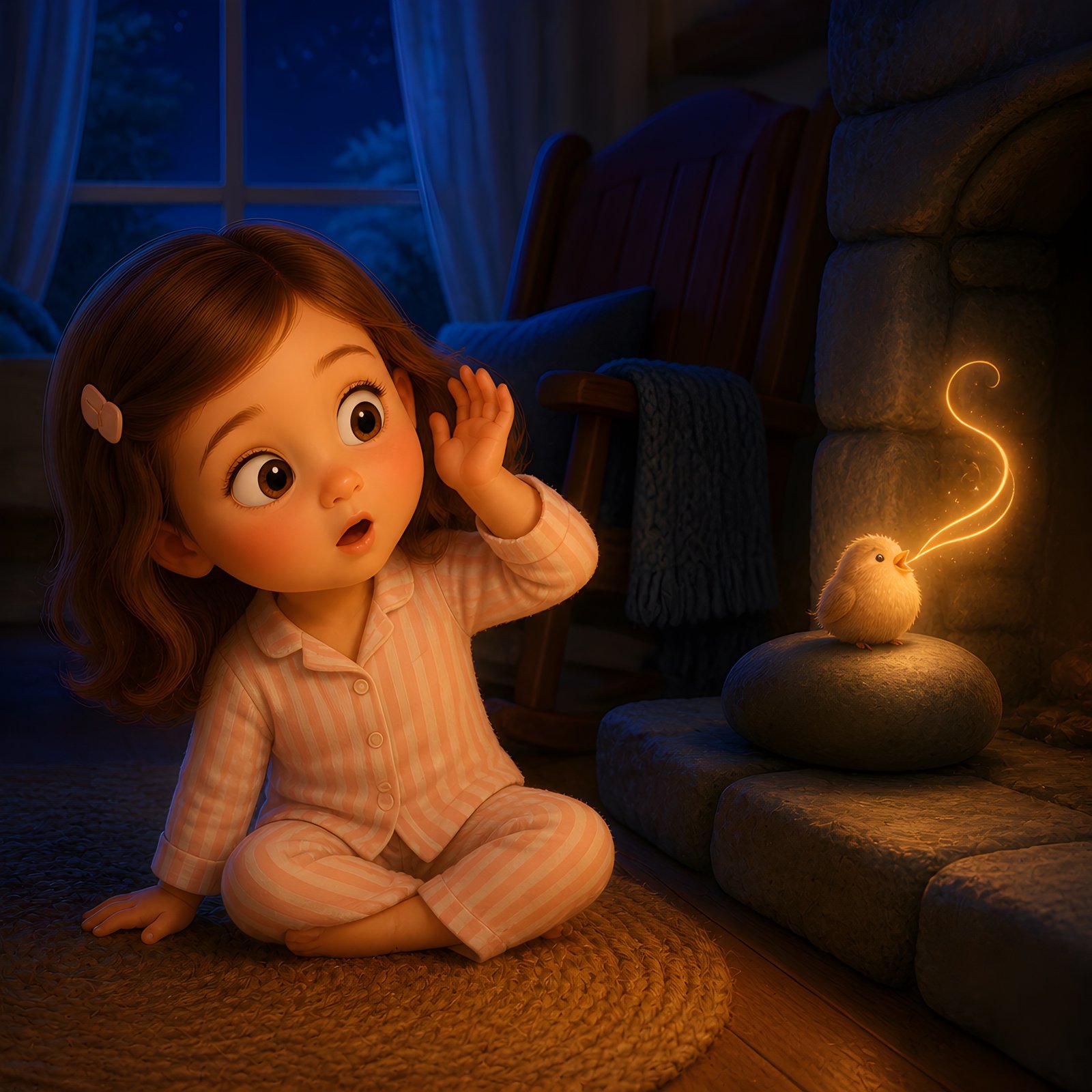
Every room had a voice now.
The rattle at the gate, the whistle at the door, the hum by the bricks. When a noise has a place, it stops being a monster.

Back in her own bed, Child listened to the roof tiles hum.
The wind was just air on the move, going where there was less of it.
« The wind blows, but now I know why, » she smiled.

Next morning, the wind had a daytime job.
It chased laundry on the washing line, carried seeds across the path, and held a bright red kite up all on its own. Whoosh!

Child explained it all to everyone in the kitchen, using her very own words.
« It is just air running around outside, » she said proudly.
The wind blows, and Child smiles.
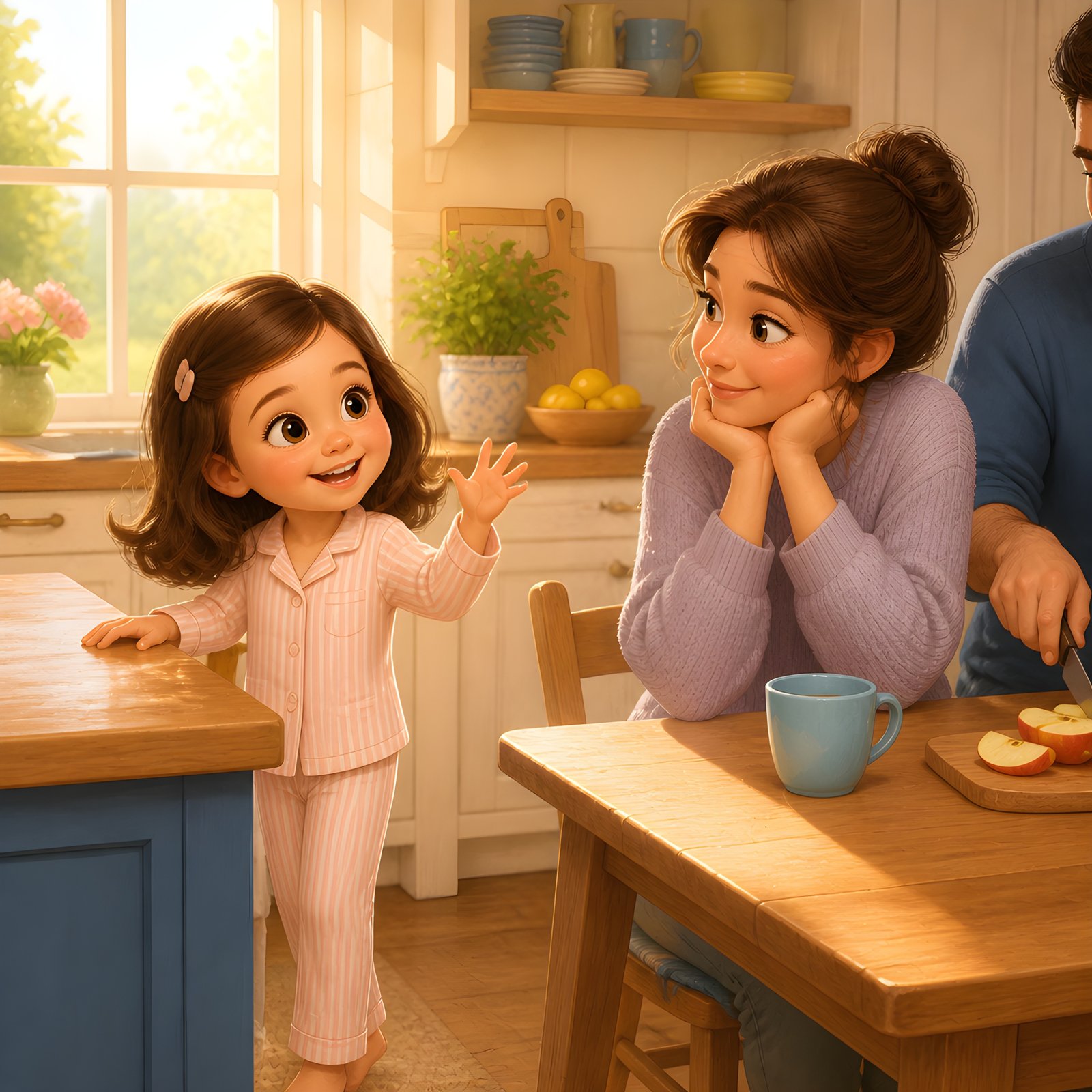
When the next stormy night arrived, the house sang its old tunes again.
Child was already fast asleep, warm and safe under her blankets.
And you, what sound does your wind make tonight before you fall asleep?