
Table of contents
A bedtime routine can make evenings more predictable, but it cannot make your toddler sleepy on cue. Toddler stalling at bedtime can leave you caught in one more request and one more negotiation.
You can make the final moments calmer and more predictable, with simple ways to respond when your toddler asks for more or gets out of bed.
Why bedtime keeps stretching out
What may be behind the delays
A quick check helps you decide what needs attention.
Needs that deserve care
- Pain
- Thirst
- Hunger
- A dirty nappy
- A real need for the toilet
- A frightening shadow
A fourth story, a different cup or a new toy can usually wait until morning once your child has had the choices you agreed on.
Choosing a bedtime that fits
If your child regularly takes more than 30 minutes to fall asleep, an early bedtime may be leaving them with a long stretch of energy. Try beginning the routine closer to the time they naturally get sleepy.
When they start falling asleep easily, bring bedtime earlier by about 15 minutes every three nights.
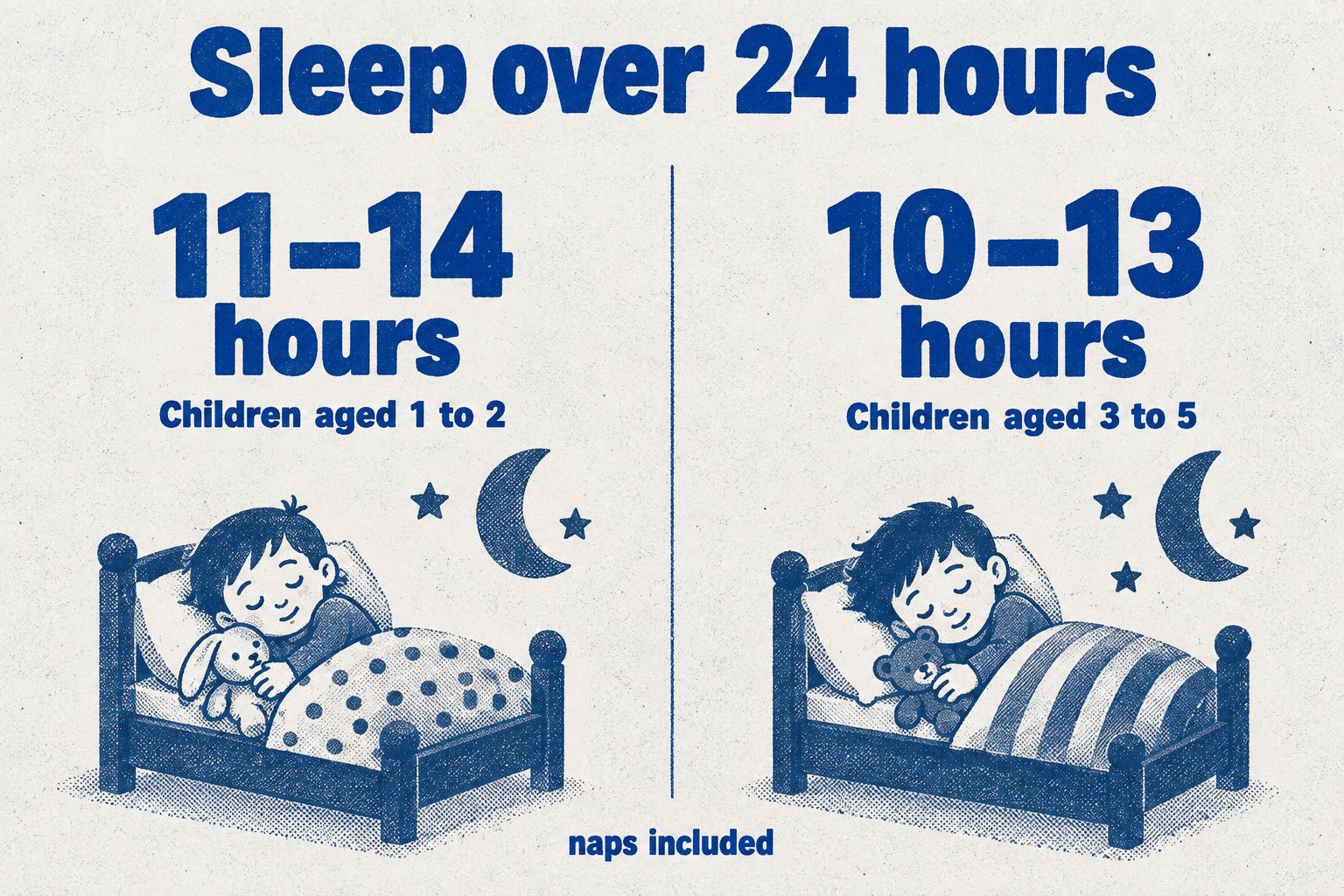
Children aged 1 to 2 generally need 11 to 14 hours of sleep over 24 hours, naps included. For children aged 3 to 5, the usual range is 10 to 13 hours. These ranges are a helpful guide, alongside your child’s mood, energy and natural rhythm.
A short, familiar routine eases the shift to sleep
Think of the bedtime routine as a small bridge from a busy day to rest. Keep the last 30 to 45 minutes in the same order each evening, with quiet activities and a clear finish.
Keep the same order each evening. Cover the key tasks, offer one small choice, then say goodnight the same way.
- Take care of the basics: Use the toilet, wash or bathe, put on pyjamas and brush teeth. These steps handle some common reasons for calling out later.
- Offer a small choice: Let your child pick between two pairs of pyjamas, two books or two songs. They get some say without opening the door to a fresh negotiation.
- Say goodnight: Use the same brief words each evening, such as, “It is time to rest. I love you. See you in the morning.”
Before the final goodnight, handle the usual requests. Offer a drink. Check the toilet. Put the comforter within reach. Answer one last question. Your toddler may still call out, but you have removed several easy reasons.
Kind, steady limits prevent more bargaining
Keeping extra requests from restarting bedtime
Once the routine is over, use one short sentence: “The bedtime routine is finished. It is time to sleep.” Then stick to that limit. Long talks can delay bedtime. They can also make each request feel like a new conversation.
If your child asks for another drink, story or cuddle, show that you heard them without changing the plan. You might say, “You wanted another story. We read our one story. I will see you in the morning.”
A real need is different. Respond if your child is in pain or ill, has trouble breathing, has had a frightening experience or needs to use the toilet. Help quietly, then return to the same sleep limit. Your child should never have to ignore discomfort to follow a rule.
When your child gets out of bed
If your toddler gets out of bed, keep your words simple: “It is time to sleep. Please stay in bed.” Gently walk them back. Do not scold or bargain. Do not start a new cuddle routine each time.
It may take several nights of practice. The first return may feel easy. The tenth may feel tiring. Keep your response calm and steady. If your child is very upset, comfort them until they settle. Remind them of the limit, then leave again.
When bedtime struggles need more support
If fear of the dark or being apart feels strong, talk to your doctor. Do the same if it gets worse or keeps your child from usual activities. A routine and clear limits may not be enough when distress lasts. You can ask for more help.
In France, start with your family doctor or paediatrician. They can check for physical causes and talk through sleep habits with you. If needed, they can arrange more checks. A visit can help if the problem goes on or affects your child during the day.
Tonight, check for a real need, then keep the routine and goodnight calm and predictable. If your toddler regularly takes more than 30 minutes to fall asleep, begin bedtime closer to when they naturally feel sleepy.
Frequently asked questions
Should I let my toddler cry when they stall at bedtime?
There is no single approach that works for every family. You can keep the bedtime limit while offering brief reassurance, but comfort your child if they become very distressed. If the plan repeatedly causes intense upset, pause it and ask a health professional for guidance.
Can a toddler be tired but still refuse sleep?
Yes. Your child may be sleepy but still resist stopping play or being away from you. A missed nap or a late nap can also make settling harder, so look at the whole day before assuming your child needs less sleep.
How long should I try a new bedtime plan?
Keep the plan consistent for several nights before judging whether it helps. Pause if your child is in pain, very distressed or unwell, and make small adjustments rather than changing the whole routine every evening. If the problem continues to affect family life, ask for medical advice in France.