Why your child is suddenly scared of the dark
Between the ages of four and seven, nearly 80% of children experience a sudden, intense fear of the dark as their expanding imagination begins to populate the shadows with real-world dangers they now recognize. This shift is a sign of healthy brain maturation rather than a regression, occurring because the dark is the one environment a child cannot visually verify for themselves.
If your child is suddenly stalling at bedtime with endless requests for water or refusing a room they loved last month, you haven’t done anything wrong. We will explore how naming their feelings and granting them control over their light can transform these nightly arguments into a shared hero adventure that restores peace to your home.
- Sudden Fear of the Dark Signals a Developmental Leap
- Identifying Stalling Tactics and Bedtime Anxiety Signs
- Practical Ways to Restore Confidence at Night
- Turning the Room into a Hero Adventure With Stories
Sudden Fear of the Dark Signals a Developmental Leap
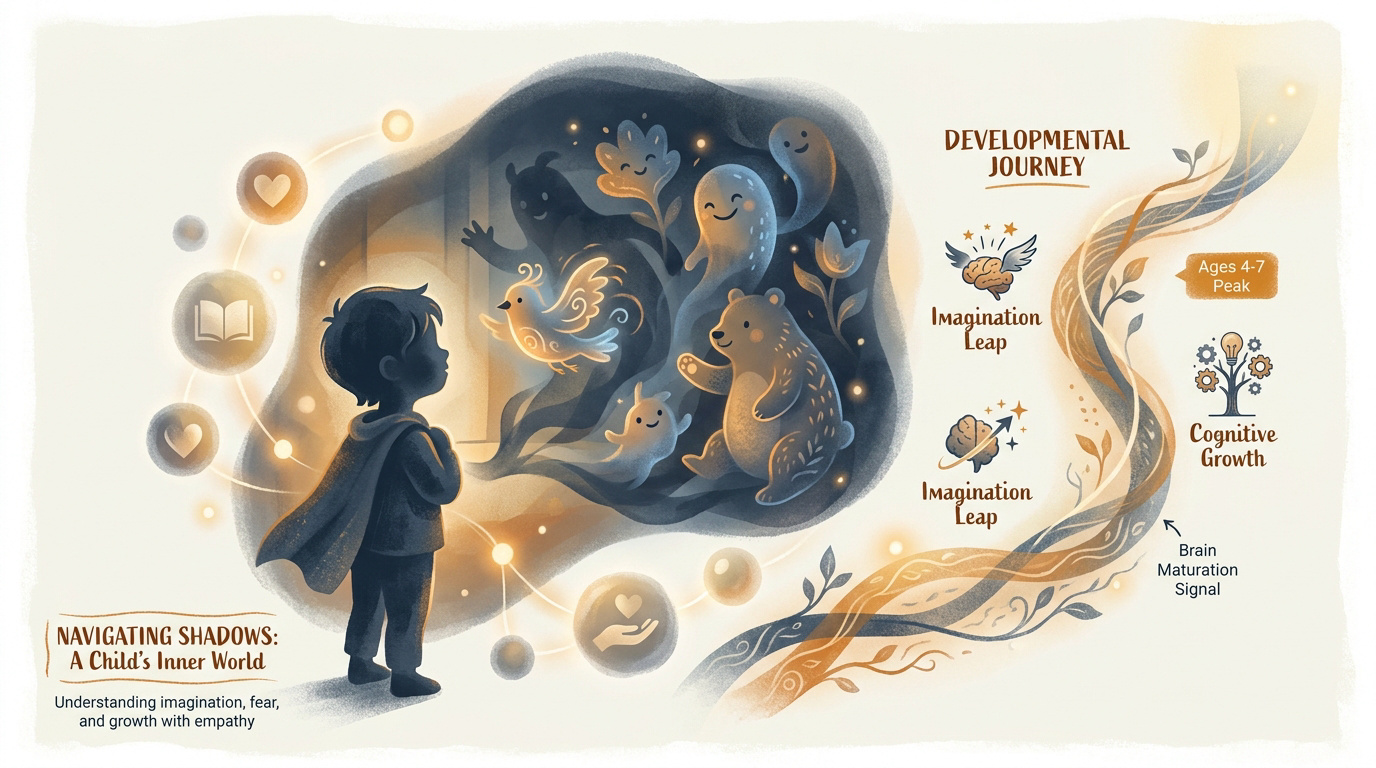
Developmental fears typically peak between ages four and seven due to cognitive shifts. This imagination leap combines with new safety awareness, making visual verification impossible in the dark, signaling healthy brain maturation.
Between ages 4 and 7, the brain learns to project possibilities and anticipate outcomes, signaling maturation rather than regression.
The Psychology Behind the Imagination Leap
Children aged four to seven undergo a massive cognitive shift. They begin processing abstract concepts and recognizing potential dangers. Their world is expanding rapidly.
Real-world awareness merges with a vivid imagination. Shadows become monsters because the brain fills visual gaps. Since light is gone, verification is impossible, fueling anxiety.
The dark is uniquely terrifying for this age group. Kids rely on sight for safety. Its absence triggers a primal survival response.
Why This Phase Is Not a Step Backward
Rest assured, your parenting choices did not cause this. It is a natural evolution of the young mind. Every healthy child eventually experiences this cognitive growth.
This shift signals healthy brain development. The child is learning to project possibilities and anticipate outcomes. These are sophisticated mental skills, despite bedtime stress.
A good sleeper is not failing. They are navigating a complex inner world. We wrote a book where your child is the hero to help; try the example here.
Identifying Stalling Tactics and Bedtime Anxiety Signs
While understanding the “why” helps parents stay calm, recognizing the specific “how” of bedtime resistance is the next step toward a solution.
Recognizing Non-Verbal Cues in Toddlers
Bedtime resistance manifests through repetitive actions. Your child might develop negotiation strategies to keep you near.
- Requests for water or toilet trips
- Needing “one more hug”
- Reporting phantom pains
These are classic stalling methods.
Watch for refusals to enter previously comfortable rooms. The child might freeze at the doorway. They often point at shadows with genuine distress.
Sudden demands for nightlights or parental presence act as safety anchors. Independence feels temporarily threatening during this developmental phase.
When to Consult a Medical Professional
Define the boundary between normal phases and persistent anxiety by observing duration. Normal fears usually respond to simple comfort measures.
Consult a professional if fear impacts daytime behavior. Red flags include school separation anxiety or irritability. Persistent nightmares disrupting the family also require attention.
Consult a pediatrician if fear affects daytime behavior or if sleep loss persists for several consecutive weeks.
A pediatrician can rule out organic issues. Seeking help ensures temporary fears do not evolve into long-term sleep disorders.
We wrote this book to turn bedtime into an adventure where your child is the hero. Try the full example on this page, toggle between versions, and download the PDF.
Practical Ways to Restore Confidence at Night
Once you have identified the signs of anxiety, you can implement concrete strategies to rebuild your child’s sense of security.
Validating the Feeling Without Reinforcing the Danger
Name the fear directly to show you understand. Use scripts like “I see you feel scared of the shadows.”
Walk through the room together so the child verifies safety for themselves. Don’t just say it is empty.
Avoid long ceremonies. Complex rituals suggest there is actually something to fear, which makes the problem grow.
Giving the Child Control Over Their Environment
Let the child decide the light level. Choice provides a sense of agency over the scary environment.
Introduce a “security torch” for patrols. This simple tool shifts the child from victim to protector.
Short, predictable endings provide security. Consistent routines anchor the child’s expectations before sleep.
Behaviors That Often Make the Fear Worse
Avoid teasing or shaming. Calling a child a “baby” increases cortisol and makes sleep harder to achieve.
Do not sit in the room indefinitely. This creates dependency, preventing the child from learning to self-soothe.
Keep routines brief. Longer rituals often build more anticipation and anxiety rather than providing real comfort.
Our personalized book makes your child the hero of their room. Try the real example embedded here; you can toggle girl and boy variants or download the PDF now.
Turning the Room into a Hero Adventure With Stories
Beyond physical tools like lights and torches, the most powerful weapon against fear is the story a child tells themselves about who they are.
How Personalized Stories Build Bedtime Confidence
We created this book where your child is the hero. They face their dark room and win. This narrative shift is powerful for young minds.
| Story Element | Psychological Benefit |
|---|---|
| Personalized Hero | Direct identification builds self-esteem. |
| Familiar Setting | Redefines the bedroom as a safe zone. |
| Brave Actions | Models empowerment against perceived threats. |
| Happy Ending | Provides emotional resolution and calm. |
Storytelling replaces stressful arguments. It becomes a shared family joy. Bedtime becomes a moment of connection, not conflict.
Using Our Interactive Story Example Today
Try the real story example on this page right now. Experience the narrative flow firsthand. See how the child is centered in the action.
Use the toggle feature for boy and girl variants. The story adapts to your specific child. This personalization is key to their bravery.
Download the PDF version to start the new hero routine tonight. Transform their bedroom into a place of adventure immediately.
Sudden fear of the dark is a healthy developmental leap, not a regression. By validating feelings, granting light control, and using personalized hero stories, you empower your child to master their imagination. Tonight, transform bedtime anxiety into a shared adventure where your little hero leads the way toward peaceful, confident sleep.
FAQ
Why has my child suddenly become afraid of the dark for no apparent reason?
It is completely normal to feel confused when a good sleeper suddenly refuses to be alone at night, but rest assured: nothing “happened” to cause this. Between the ages of four and seven, children undergo a major developmental leap where their imagination becomes vivid enough to populate a dark room with real-world dangers they are just beginning to understand. Because the dark is the one thing a child cannot visually verify for themselves, their brain fills the gaps with shadows and monsters.
This phase is not a step backward or a sign of poor parenting; it is actually a marker of healthy brain maturation. Your child has simply worked out that the world contains risks, and they are now learning to navigate a more complex inner world. It is a sophisticated mental skill, even if it results in stressful bedtimes.
What are the signs of nighttime anxiety in a child who can’t explain it yet?
Younger children often lack the words to describe their fear, so it manifests as stalling tactics that only appear at “lights out.” You might notice a sudden demand for “one more drink,” an extra toilet trip, or a desperate need for a hug just as you leave. They may also refuse to enter a bedroom they were perfectly happy in a month ago or show a sudden, intense appetite for a nightlight they never wanted before.
Waking in the night and needing physical company to fall back asleep is another common sign. These behaviors aren’t attempts to be difficult; they are ways for the child to seek a “safety anchor” when independence feels temporarily threatening due to their expanding imagination.
What is the most effective way to help my child feel safe at night?
The most powerful change you can make is giving your child control over the light level. Whether it is a dimmer switch, a landing light left on, or a specific nightlight, letting them decide the brightness ends the negotiation fastest. A nightlight is not a failure or a habit that needs to be broken tonight; it is a tool for visual verification that builds their confidence.
Additionally, always name the feeling instead of denying it. Saying “I see you feel scared of the shadows” teaches your child that you understand the problem, whereas saying “there is nothing there” can make them feel unheard. Try checking the room together rather than doing it for them, and provide a torch with a “job” that the child decides, shifting them from a victim of the dark to a protector of their space.
Are there certain things that make a fear of the dark worse?
Yes, certain reactions can inadvertently increase a child’s anxiety. Teasing, shaming, or calling a child a “baby” for being afraid increases their stress levels and makes sleep even harder to achieve. Similarly, creating long, complex reassurance rituals that grow a step longer each week can backfire by suggesting to the child that there really is something significant to fear.
While it is tempting to sit in the room until they fall asleep every night, doing so without a plan to transition can create a dependency habit. The goal is to keep the ending of the day short, identical, and predictable. A brief, consistent routine provides much more security than a long, drawn-out exit.
When should I talk to a doctor about my child’s fear?
You should consider consulting a professional if the fear reaches beyond bedtime and begins to affect your child’s behavior during the day. Red flags include persistent separation anxiety at school, general irritability, or if the fear is so intense that sleep is lost for several consecutive weeks rather than just a few nights. A pediatrician can help ensure the fear doesn’t develop into a long-term disorder.
How can a personalized story help resolve bedtime conflicts?
A personalized story transforms the dark room from a place of conflict into a setting for an adventure where your child is the hero. By seeing a version of themselves who “goes first” and faces the shadows successfully, the child builds internal confidence. It gives the family something positive to do together at bedtime instead of something to argue about.
These stories allow children to process their fears through a safe narrative lens. When a child sees themselves winning against the dark in a book, they are more likely to carry that sense of bravery into their own bed once the lights go out.
peur-du-noir
Felix had a wonderful bedroom full of toys and bright corners.
Whenever he played, he liked to say his favorite rule out loud. ‘Named things stay where they are.’ Can you spot the blue dinosaur on his shelf?
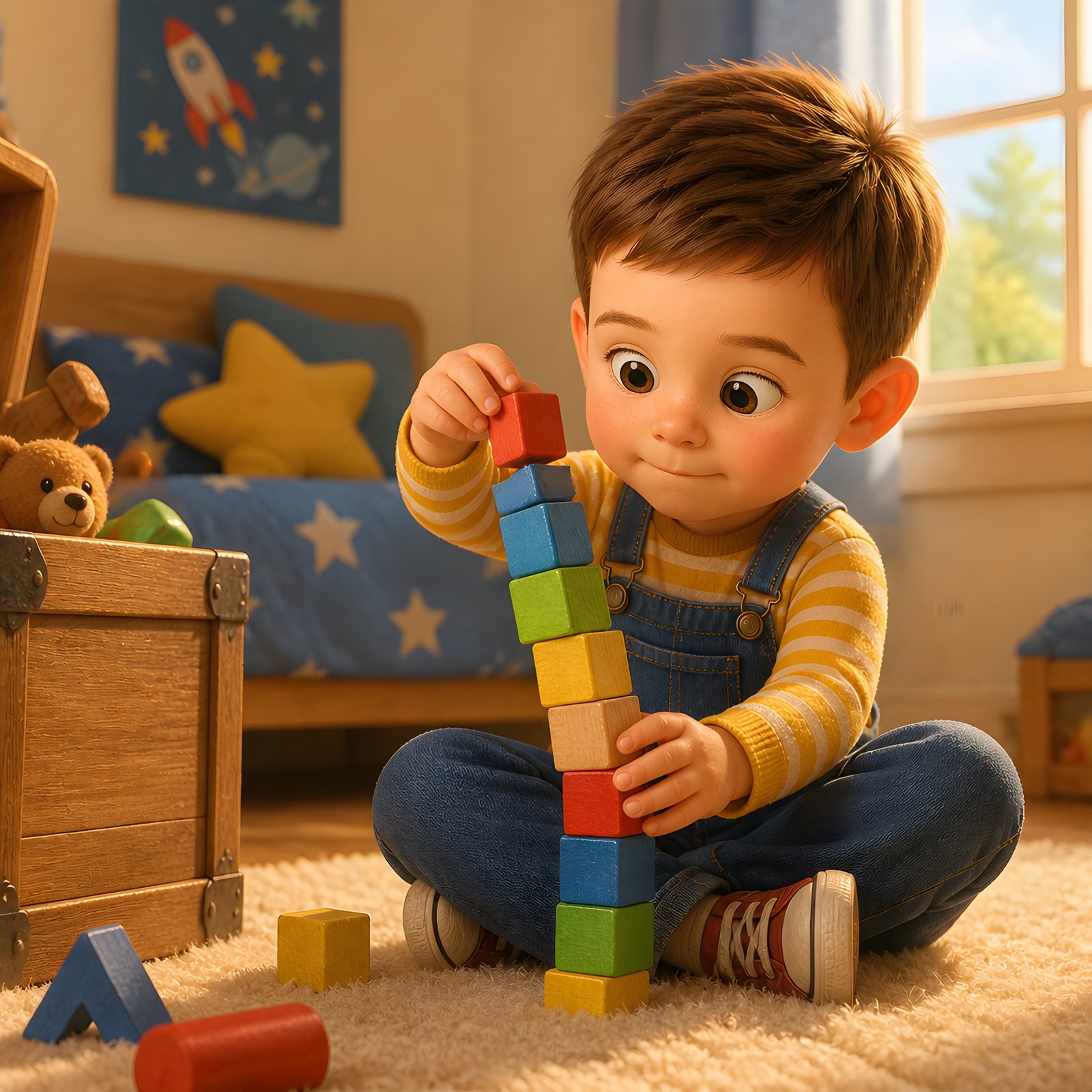
Then evening came, the lamp went click, and the shadows grew long.
The walls seemed to stretch and twist into strange shapes in the dark. Child pulled the blanket up to his chin.
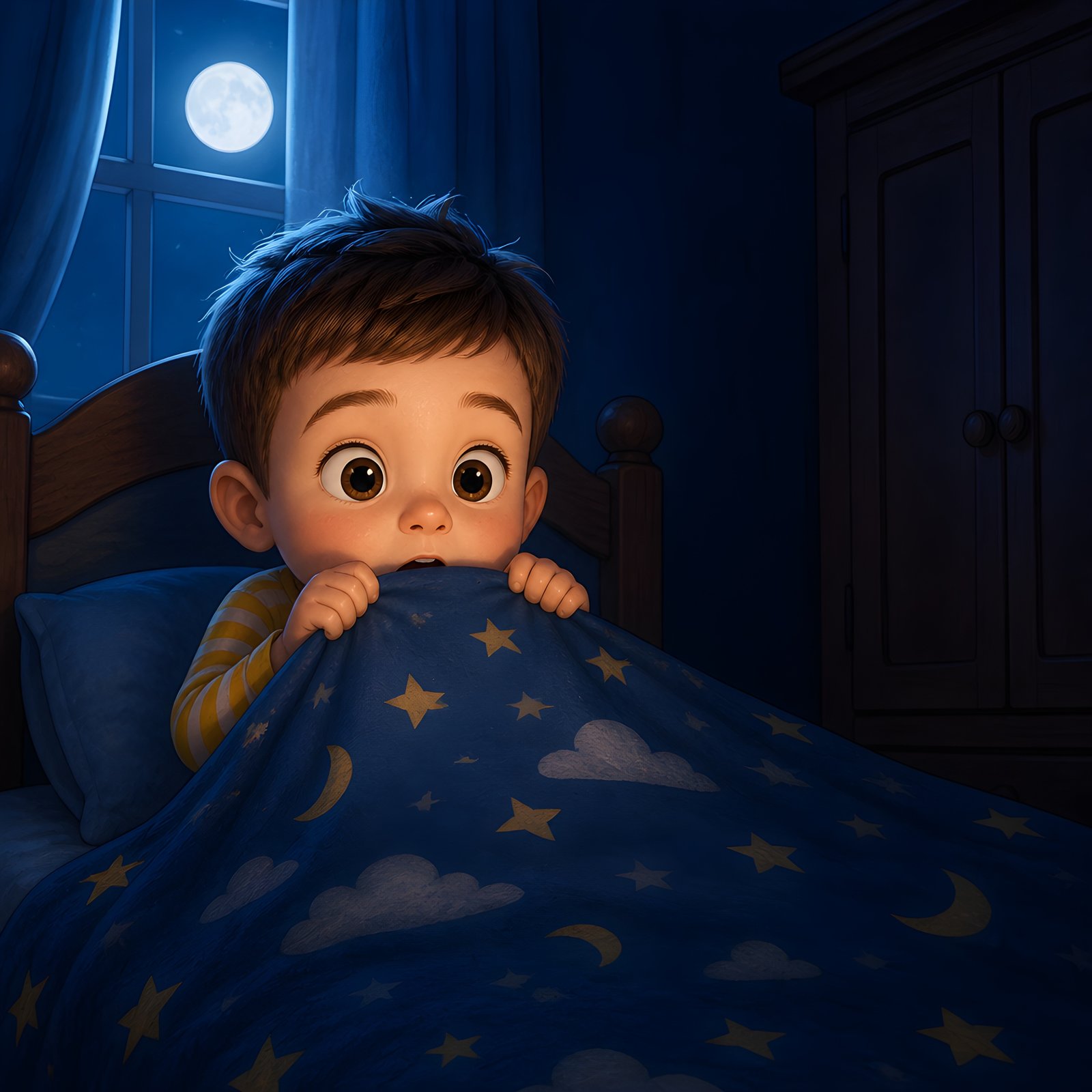
His heart beat fast. Grown-ups told him not to worry, but they could not see the dark like he did.
Child remembered his special job. He whispered the rule again: ‘Named things stay where they are.’
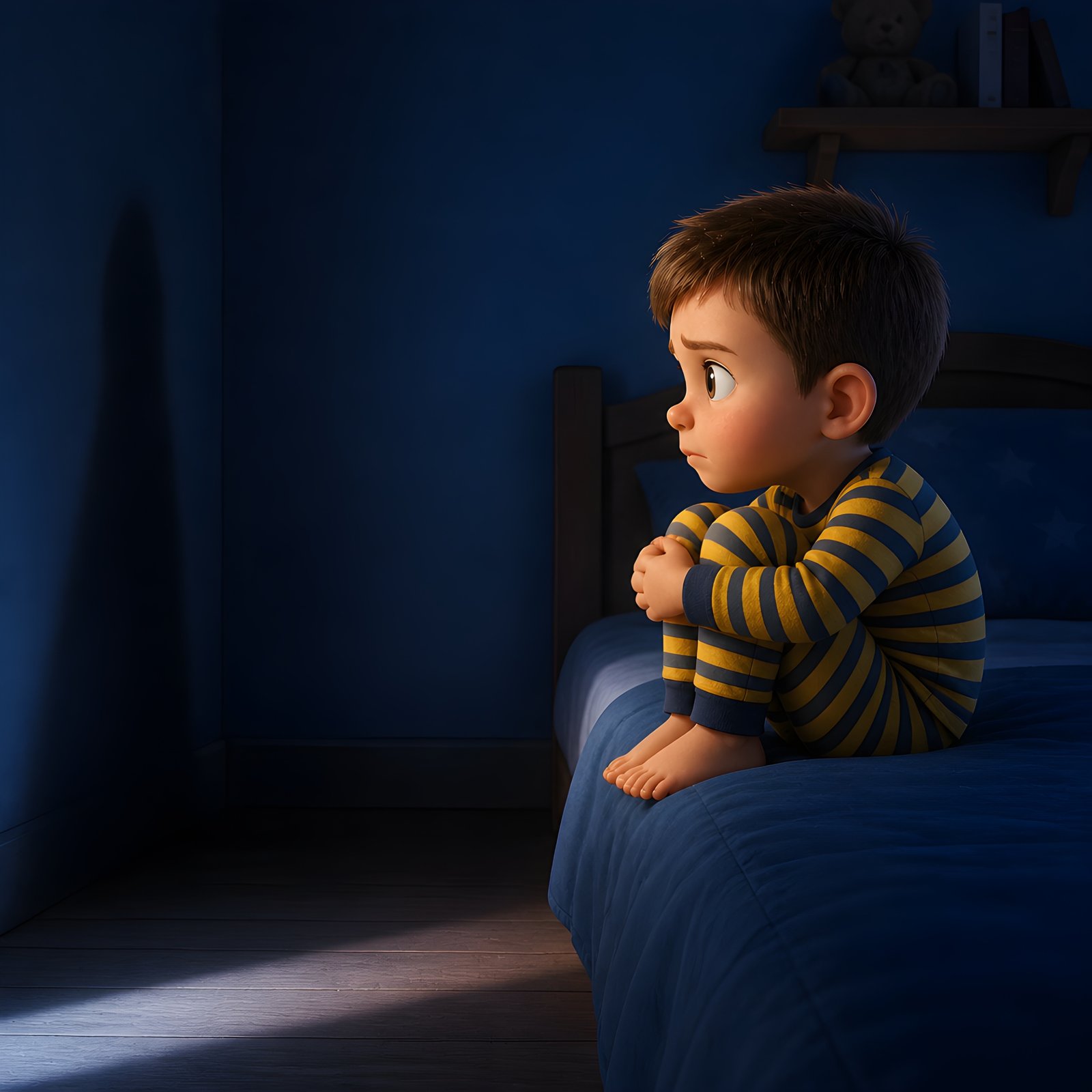
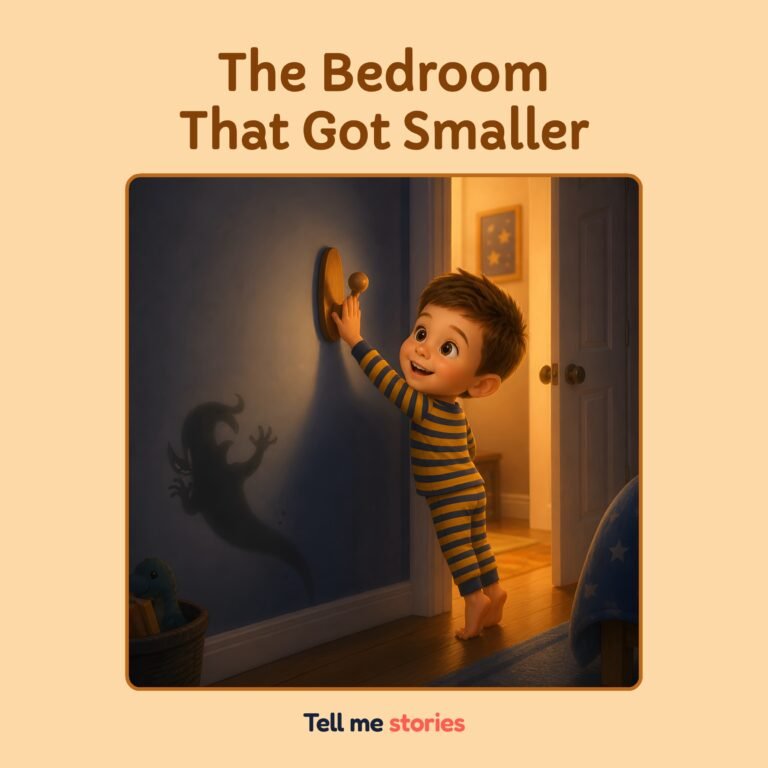
Before the lamp went off, he needed a starting point. He reached out and touched the wooden coat-hook by the door.
‘Coat-hook,’ he said clearly. Touch something made of wood near you right now.
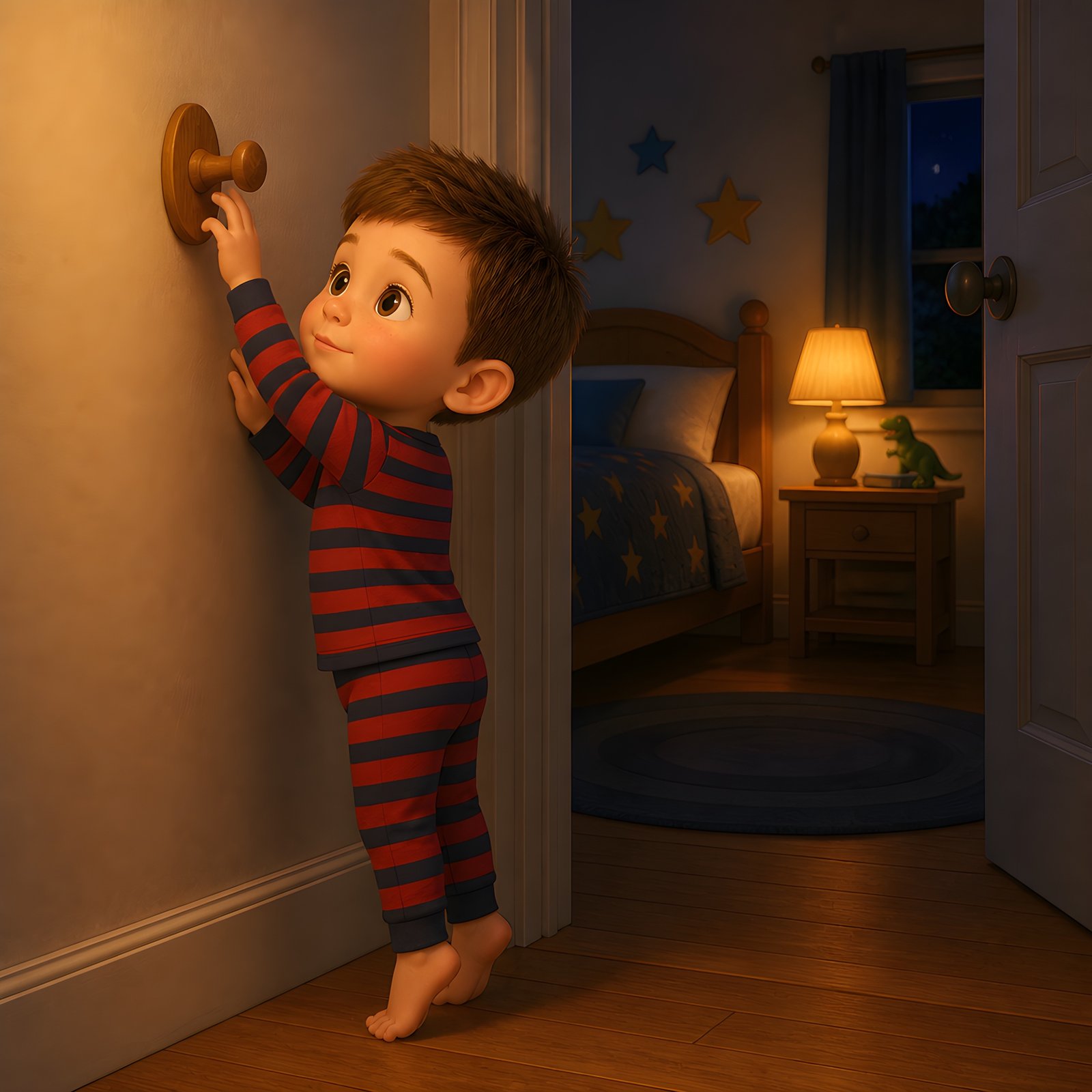
The room went dark, and the shadows pressed in.
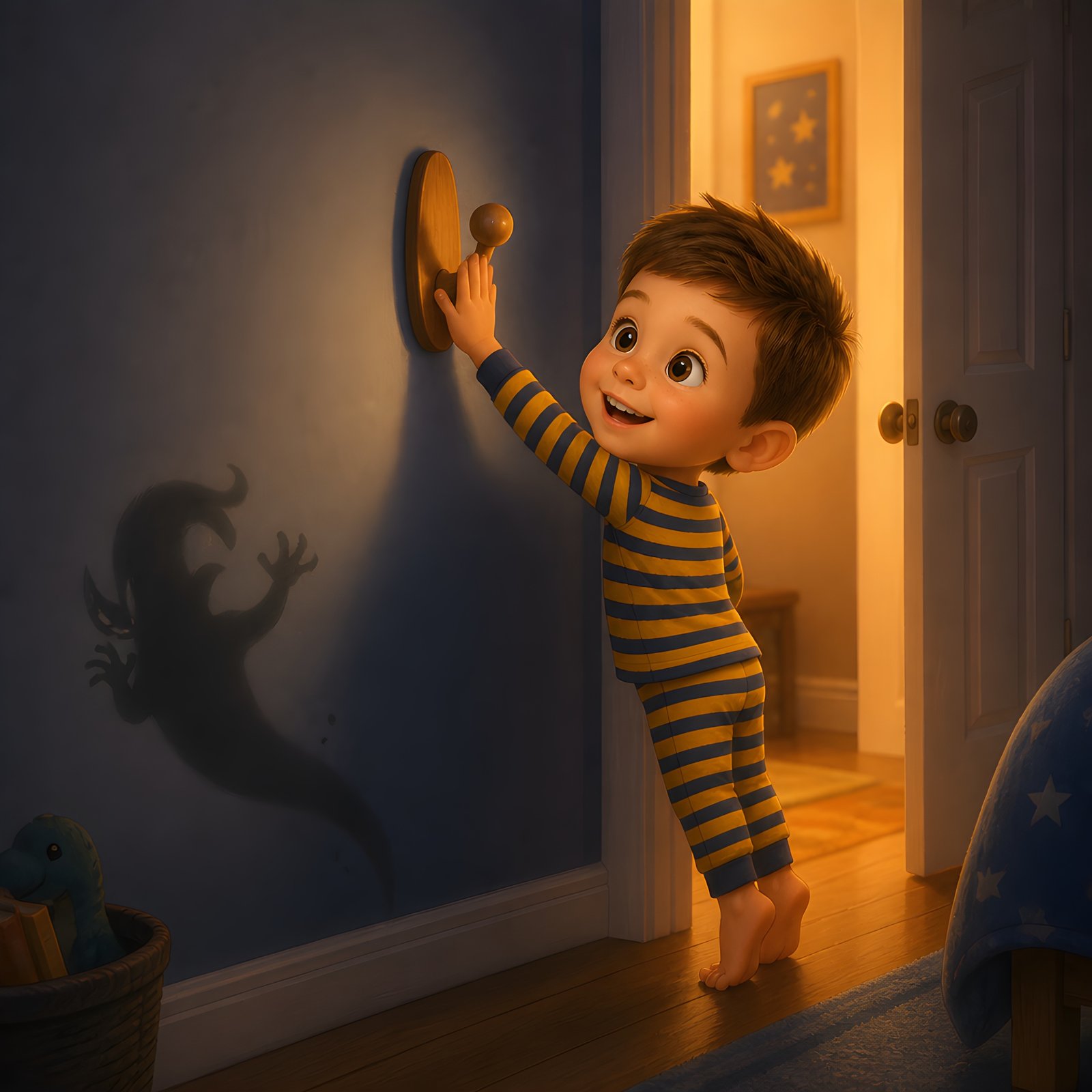
Click! Child reached out blindly in the cold air, and his fingers brushed the coat-hook right where he left it. The strange shadow shrank back a little bit.
The next night, the dark felt heavier and much colder.
Child shivered under his blanket. ‘What if the room is simply too big to tame all by myself…’ His shoulders dropped.
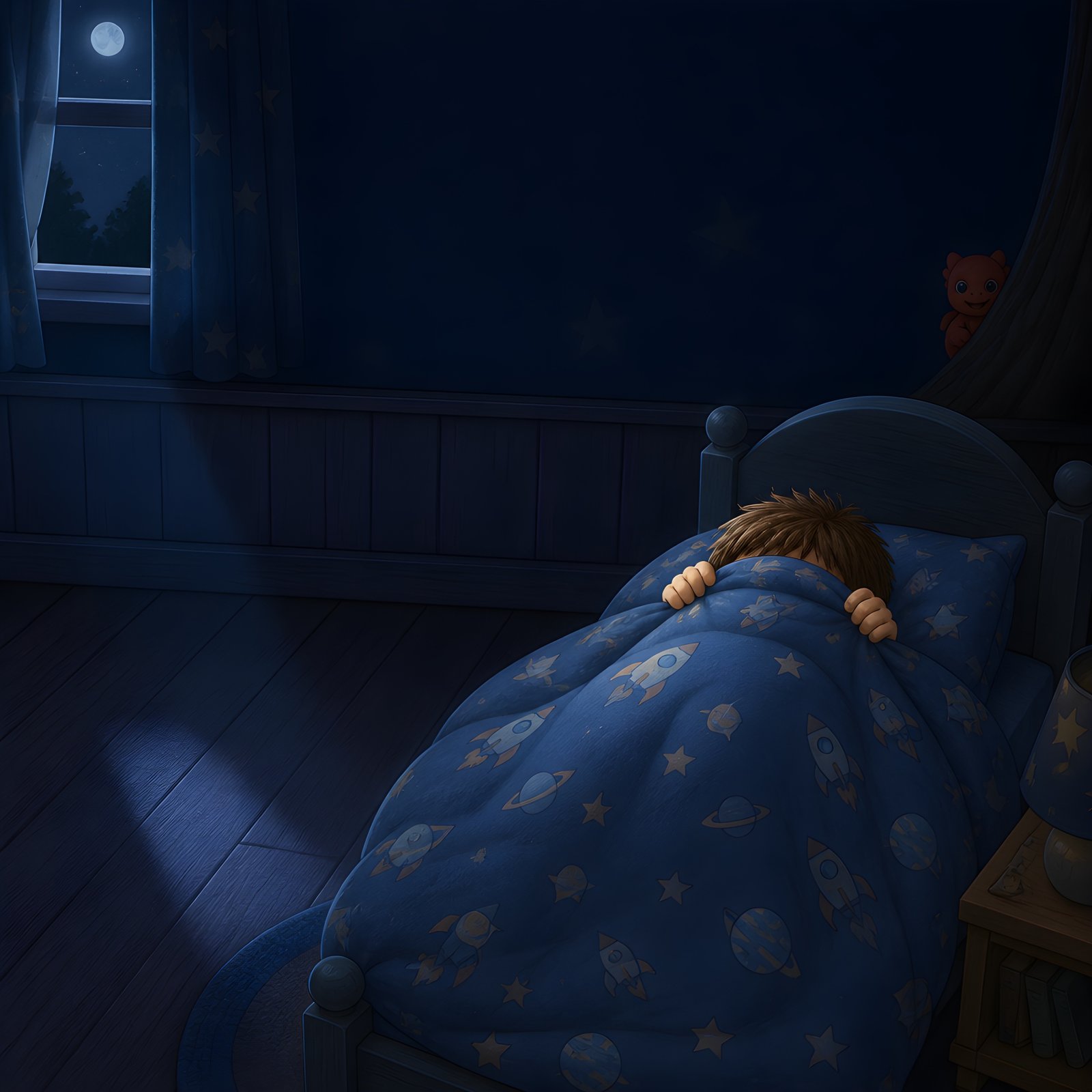
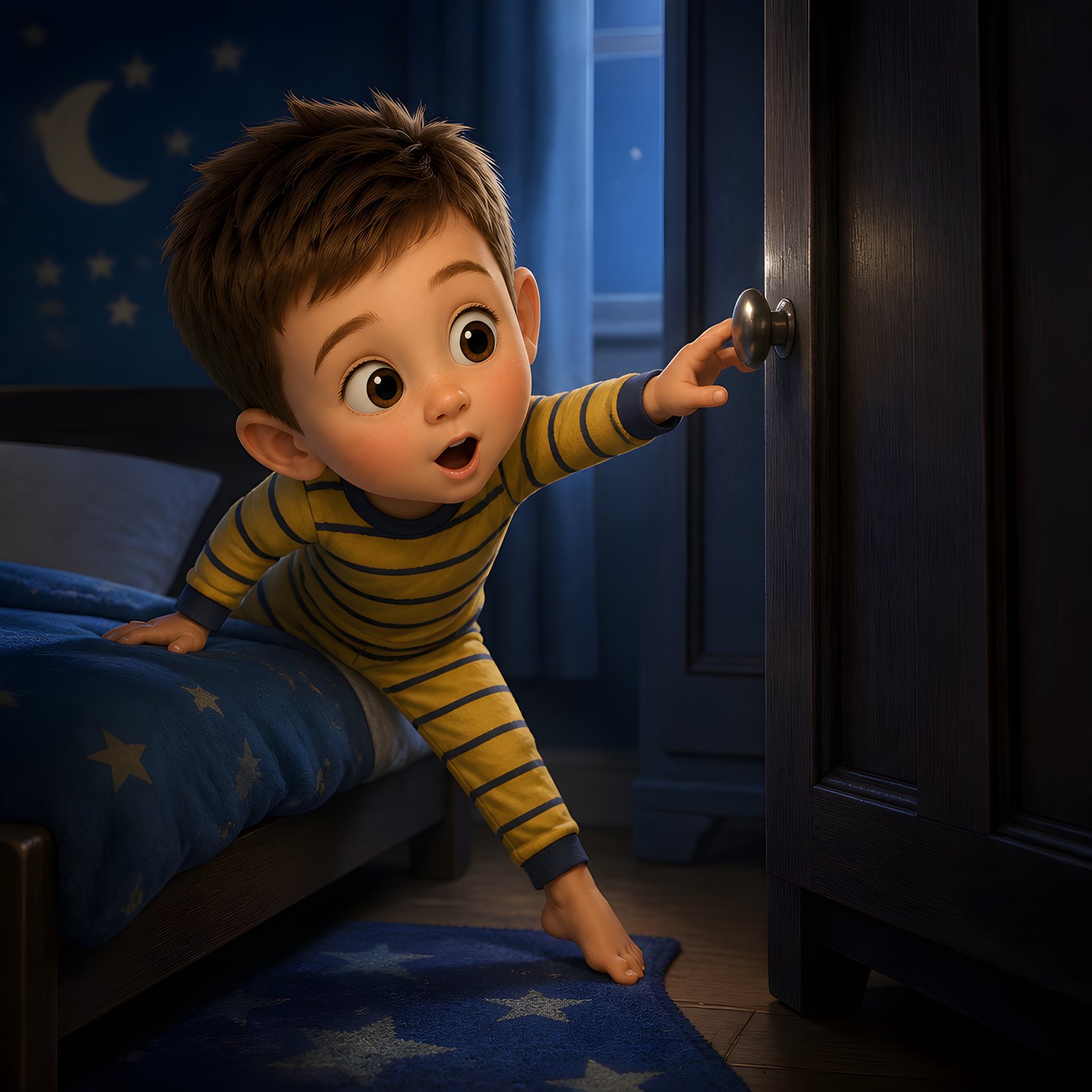
He took a deep breath and thought of his anchors. The cold corner of the rug, and the brass handle of the wardrobe.
He named them softly in the dark. The room began to feel smaller and more familiar.
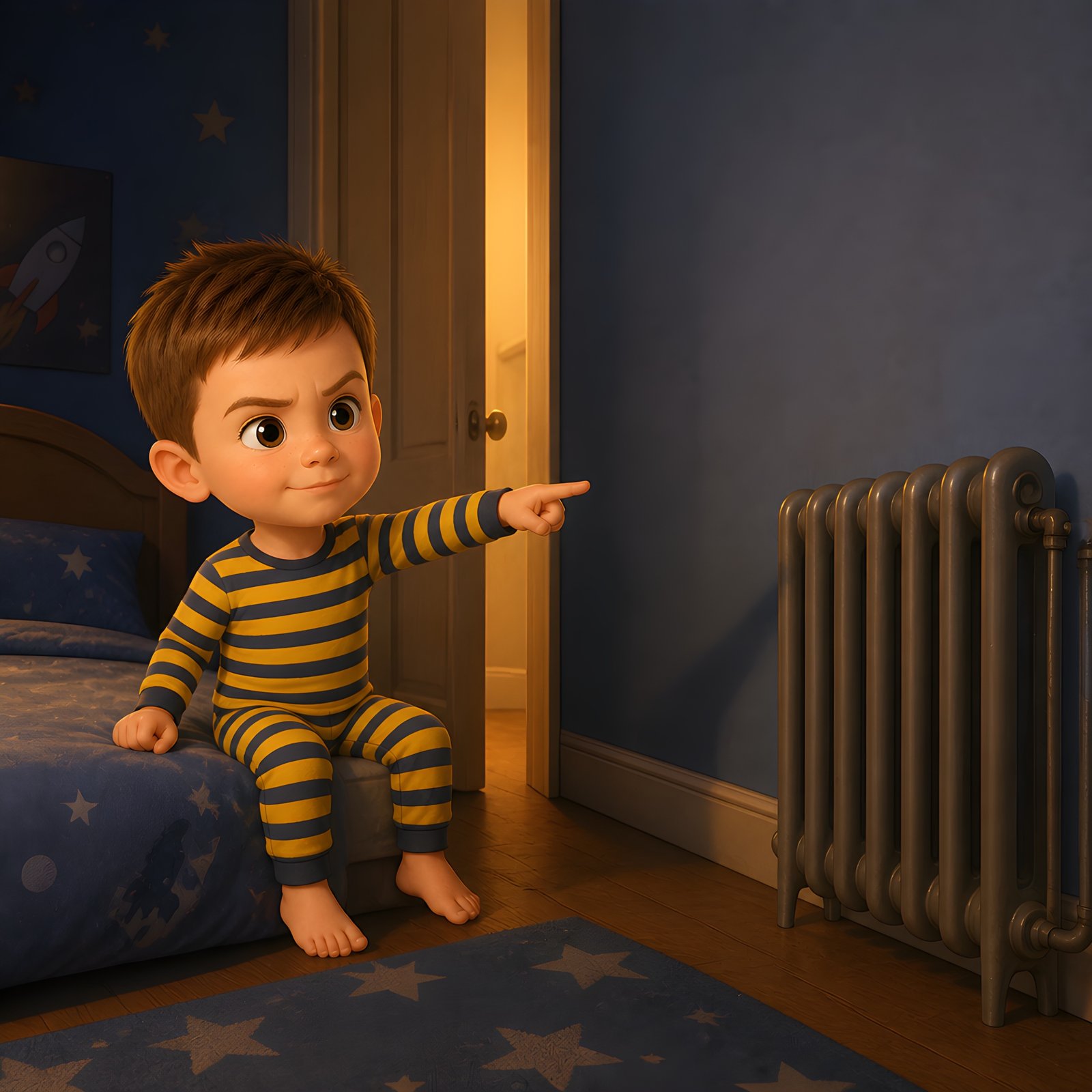
One, two, three. He added the third bar of the radiator to his collection.
He counted them out loud. ‘One, two, three.’ The scary shapes turned back into ordinary furniture right before his eyes.
The lamp went off while Felix was still talking, wrapping a circle of names all around his bed.
‘Named things stay where they are!’ The dark tried to surprise him, but it had nowhere left to hide.
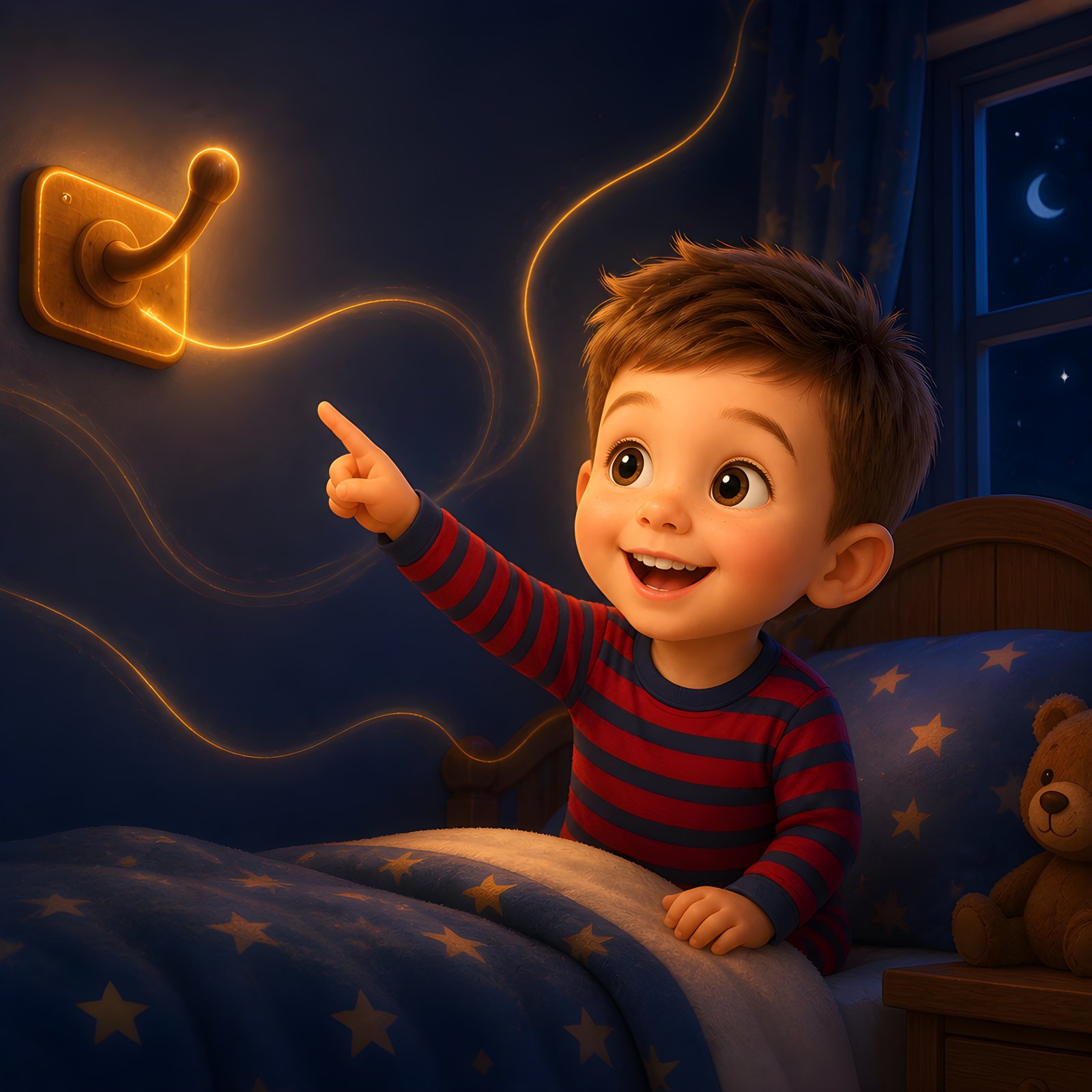
It took Felix a long while to even notice that the light was completely off.
Nothing scary happened at all. The bedroom was just his bedroom again, quiet and safe.
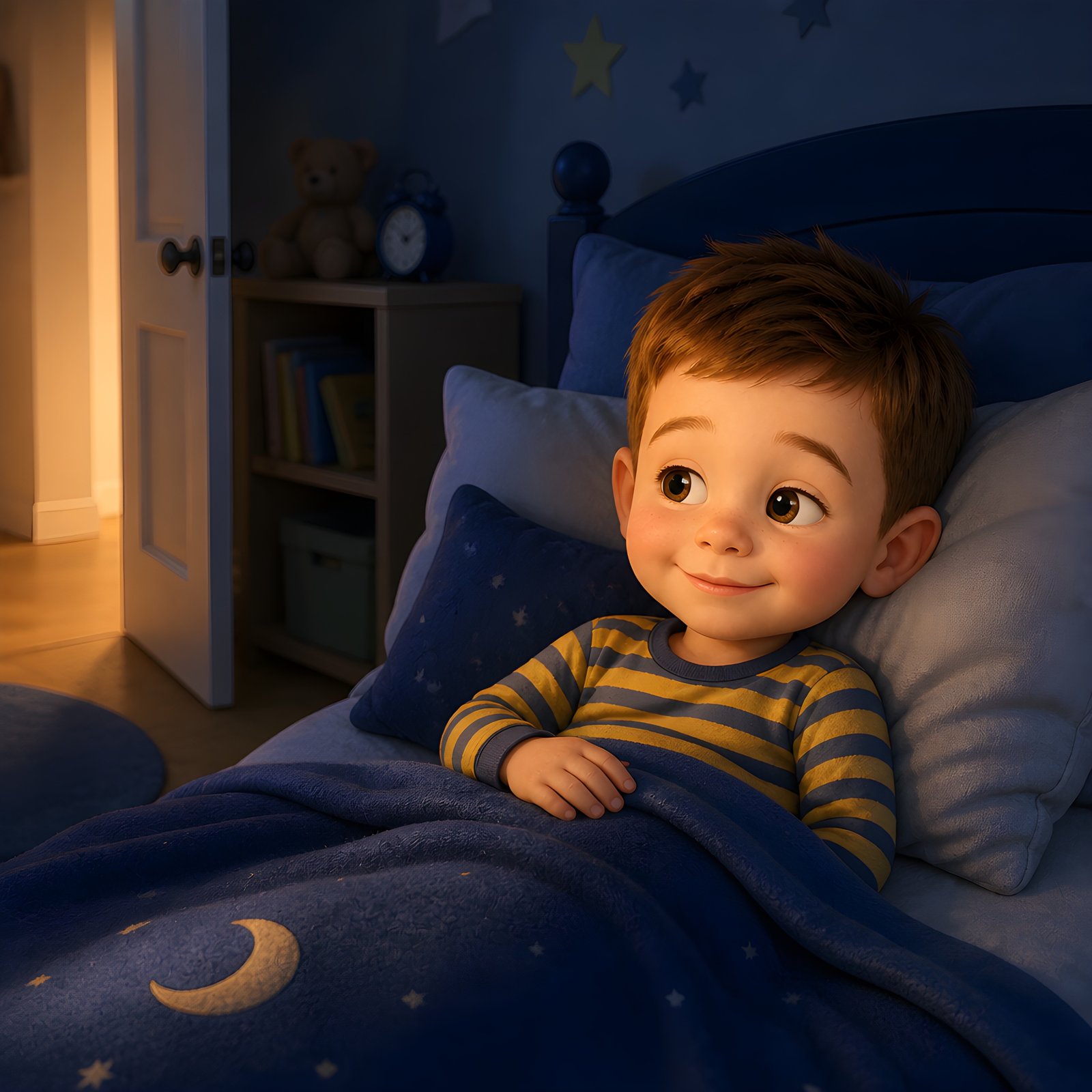
Felix smiled in the dark, feeling wonderfully proud.
He could reach out and touch his safe landmarks whenever he wanted. The room belonged to him again.

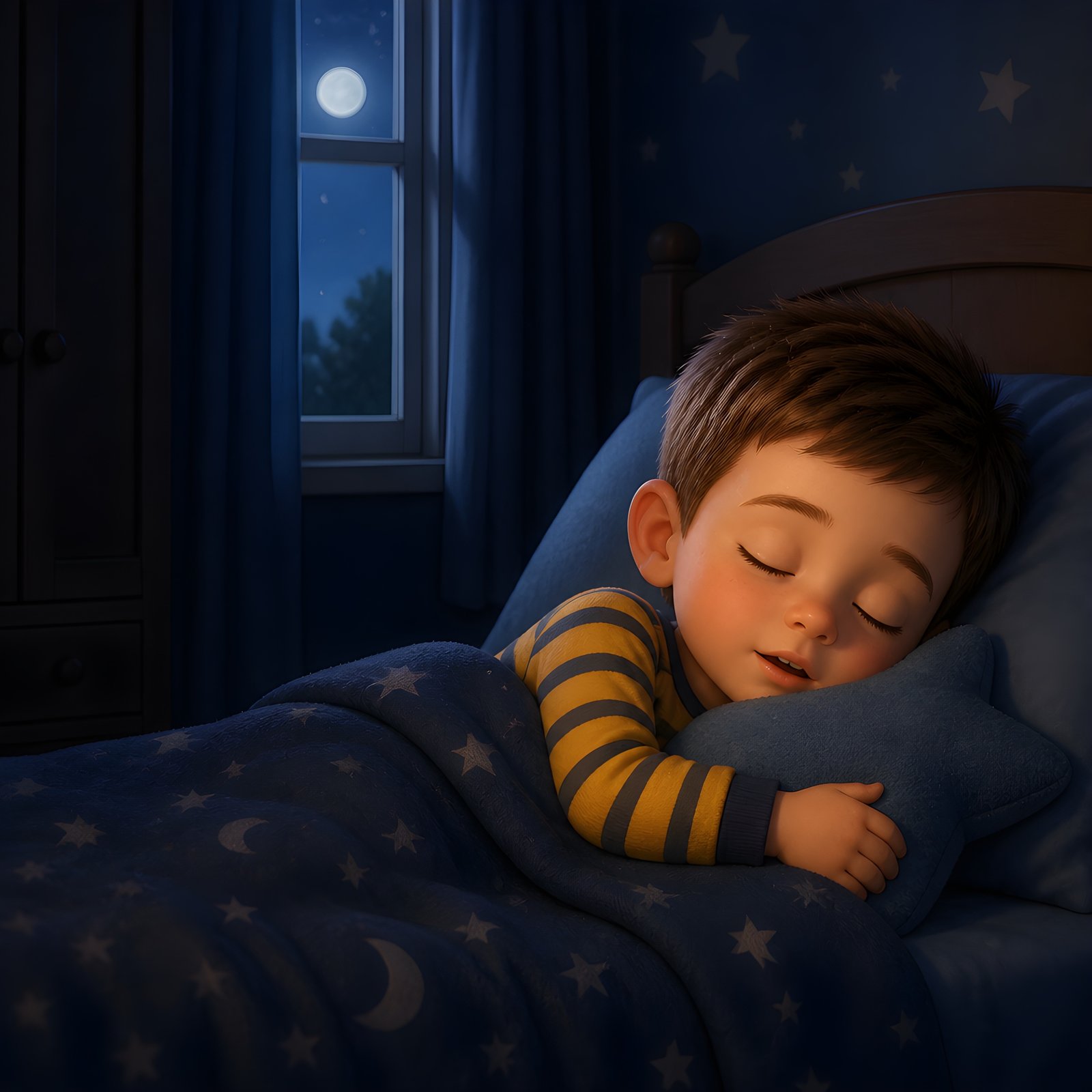
Felix fell fast asleep, surrounded by his named friends.
And what is one thing in your room you want to name tonight? Close your eyes, breathe out slow, and let the night rest.
peur-du-noir
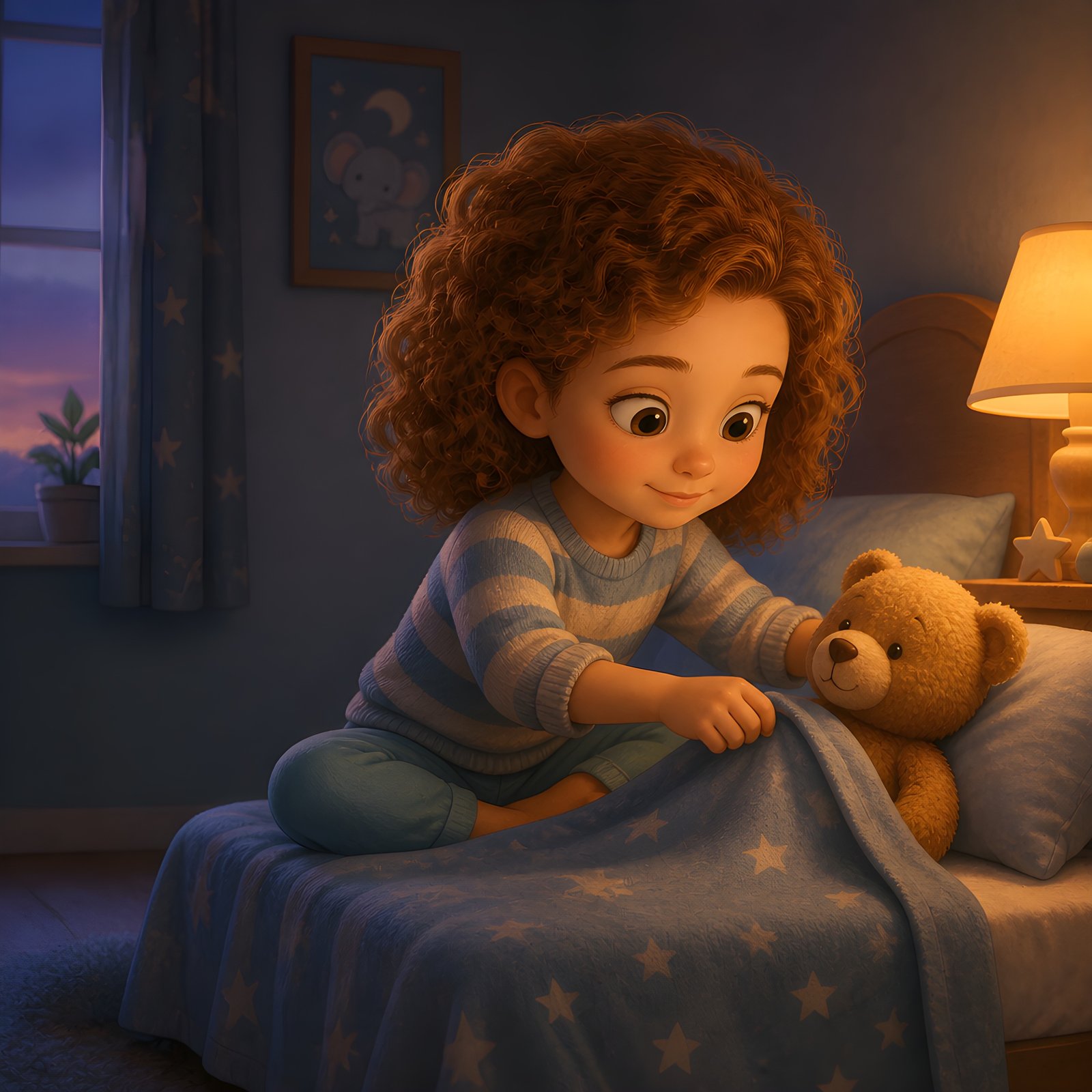
In her cozy bedroom, Ada sat on her bed and hugged her favorite pillow.
Everything was bright, warm, and in its right place. It was time for the light to go off.
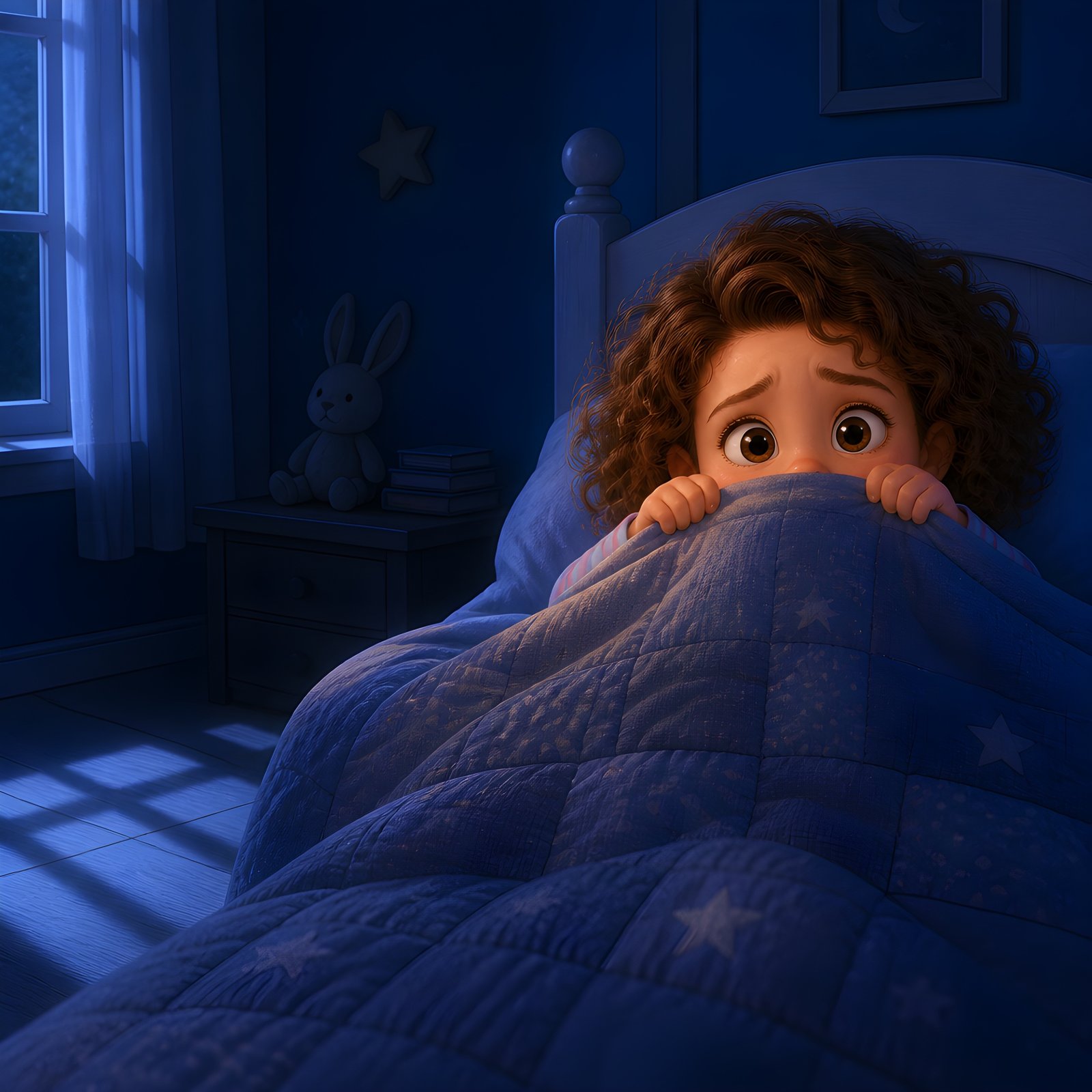
Click. The lamp went off. Instantly, the friendly room vanished into a huge, strange, and scary shadowland.
Ada held her breath in the dark. Thump, thump, thump went her heart.
“Before the light goes out tonight, name just one thing,” whispered a gentle voice. “Name it out loud, and promise to find it again in the dark.”
Ada whispered: “The coat hook.”
What we name cannot hide secrets.
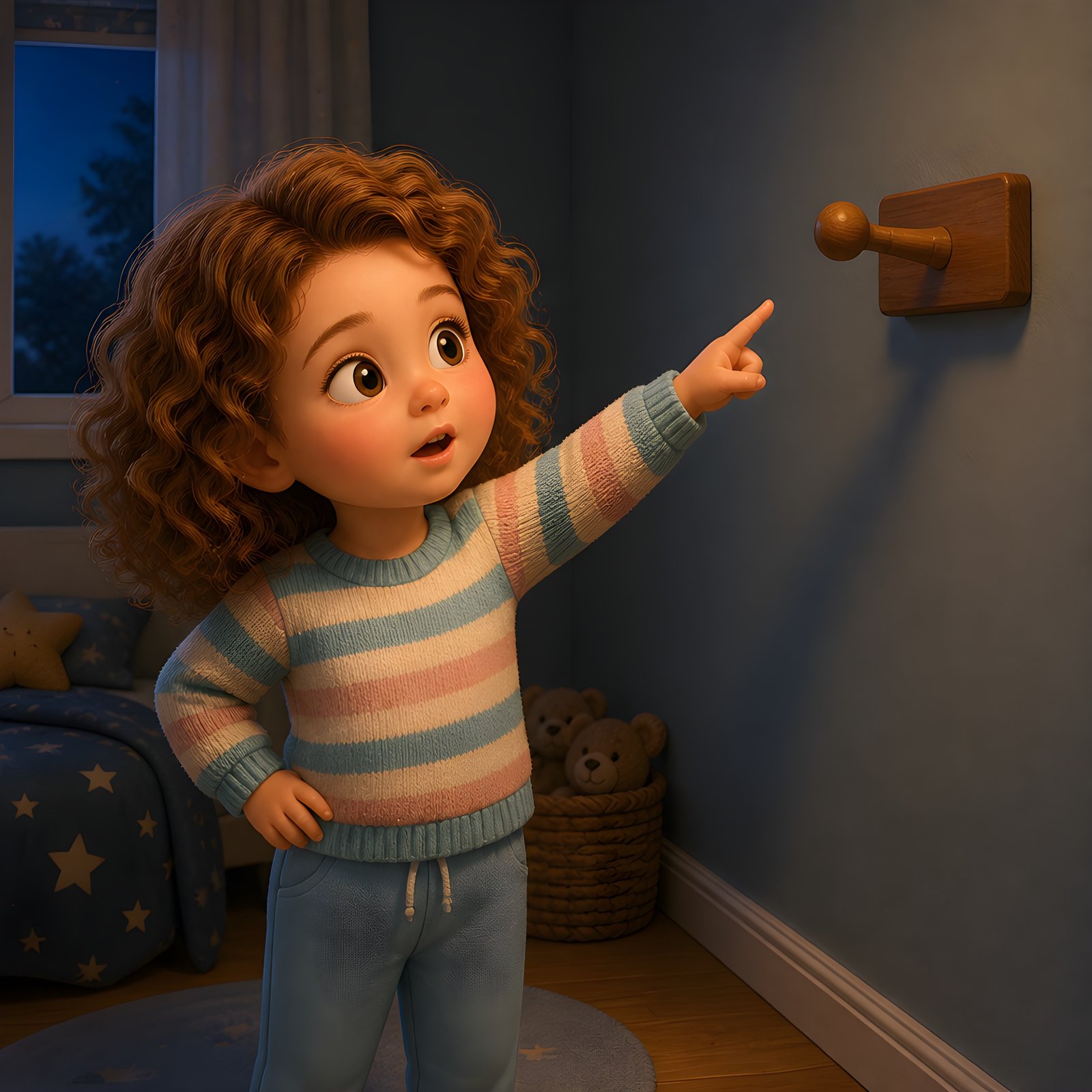
The lamp clicked off again. Ada wondered if the hook had moved away. She reached out her hand in the dark.
Tap. Her fingers found the wood. It was right there!
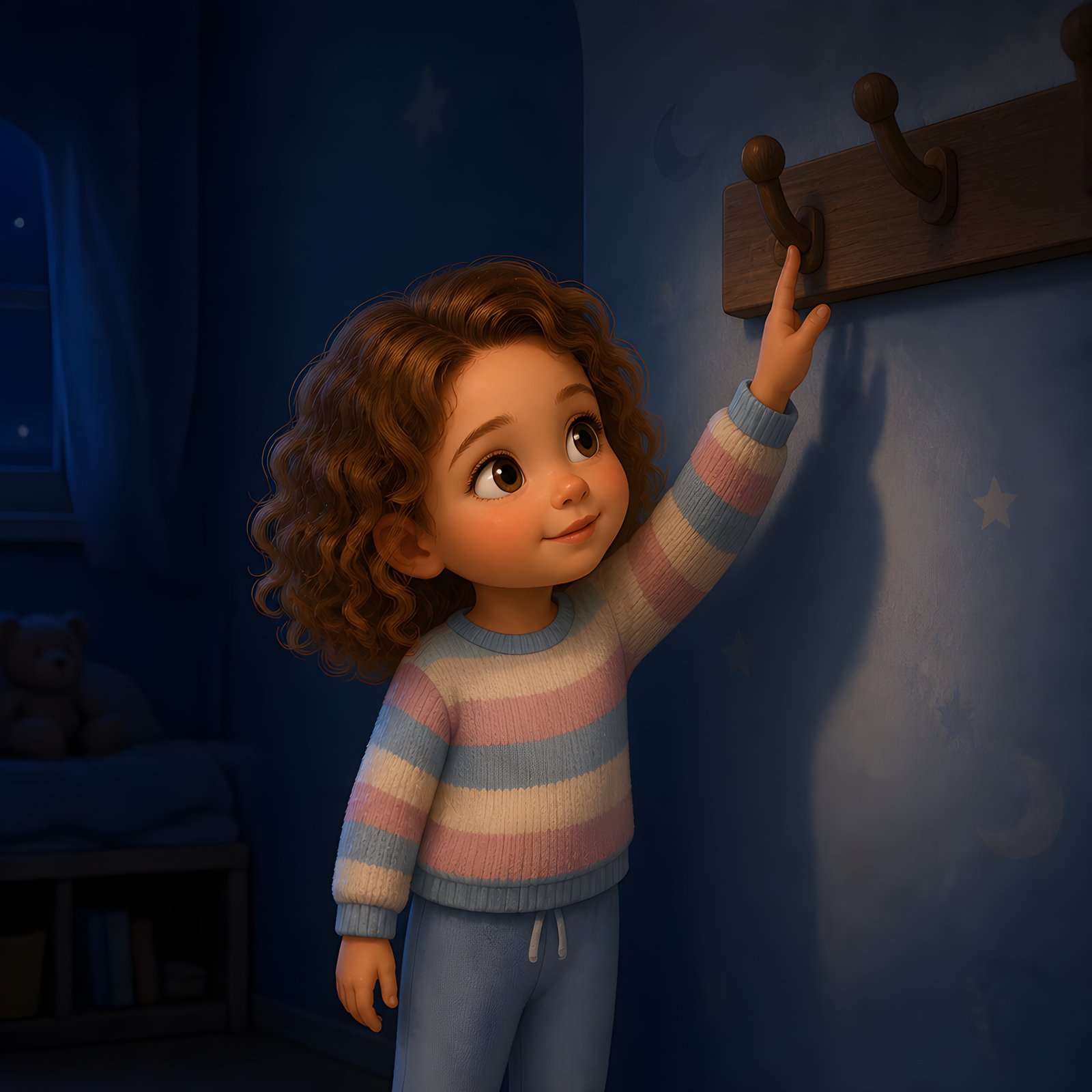
The next night, the dark tried to creep back in. Ada sat up straight and pointed.
“The cold corner of the rug! Can you press your foot down like me? Brrr, it’s chilly!”
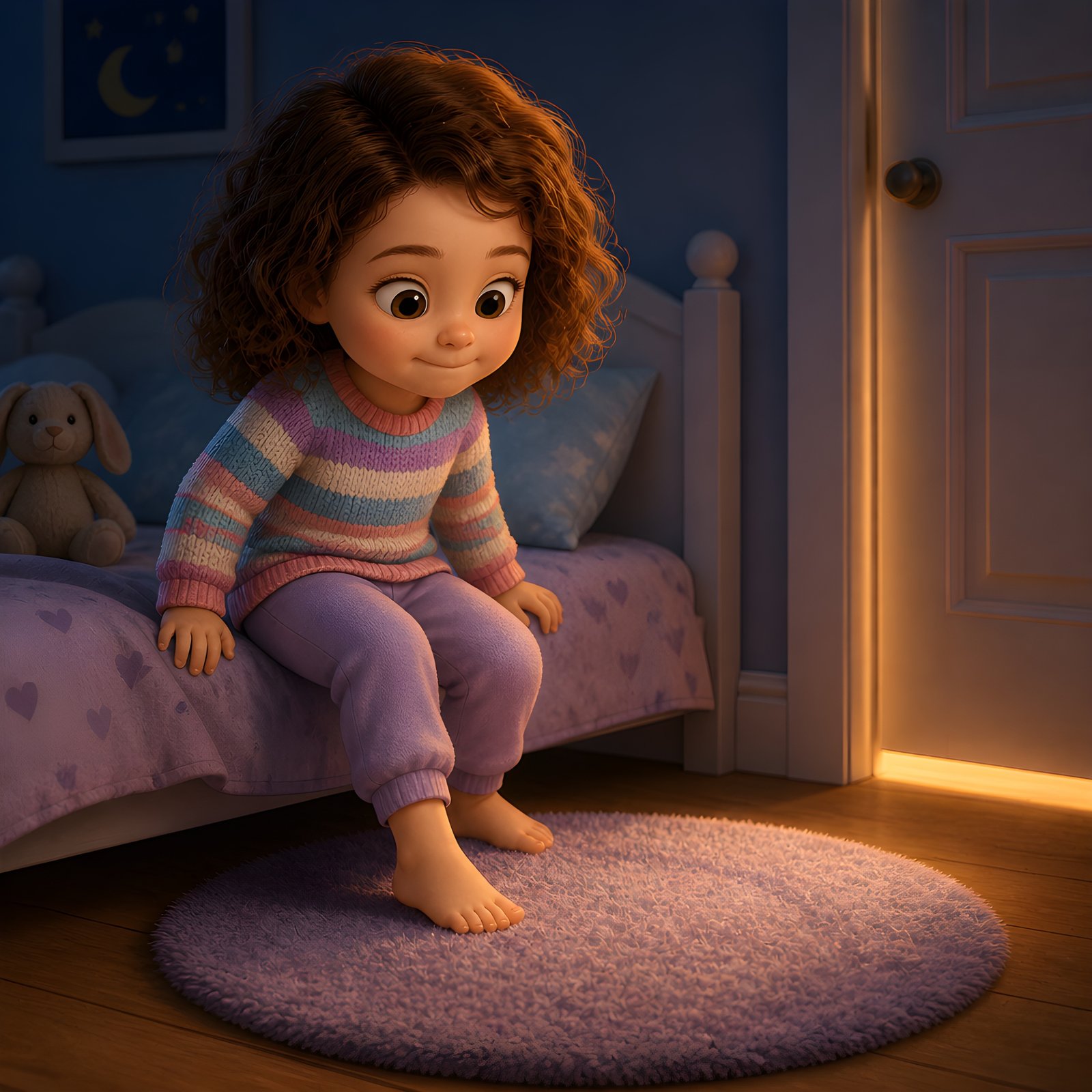
The wind howled outside. A floorboard creaked loudly. Crrr…
Ada’s shoulders dropped. Were a few words really enough against all this blackness?
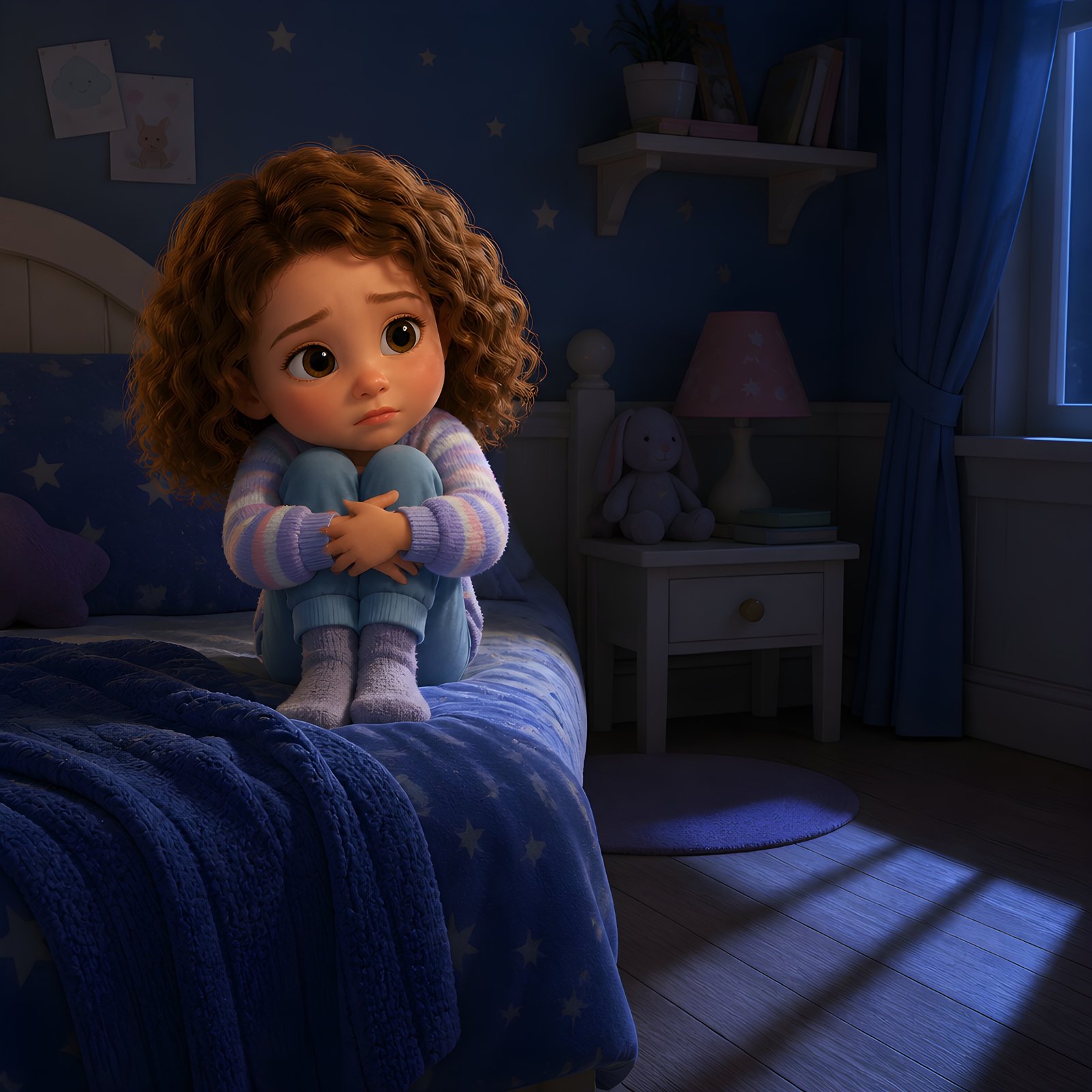
Then she remembered. A thing with a name could not turn into a monster. It was just itself.
Ada smiled in the dark. What we name cannot hide secrets.
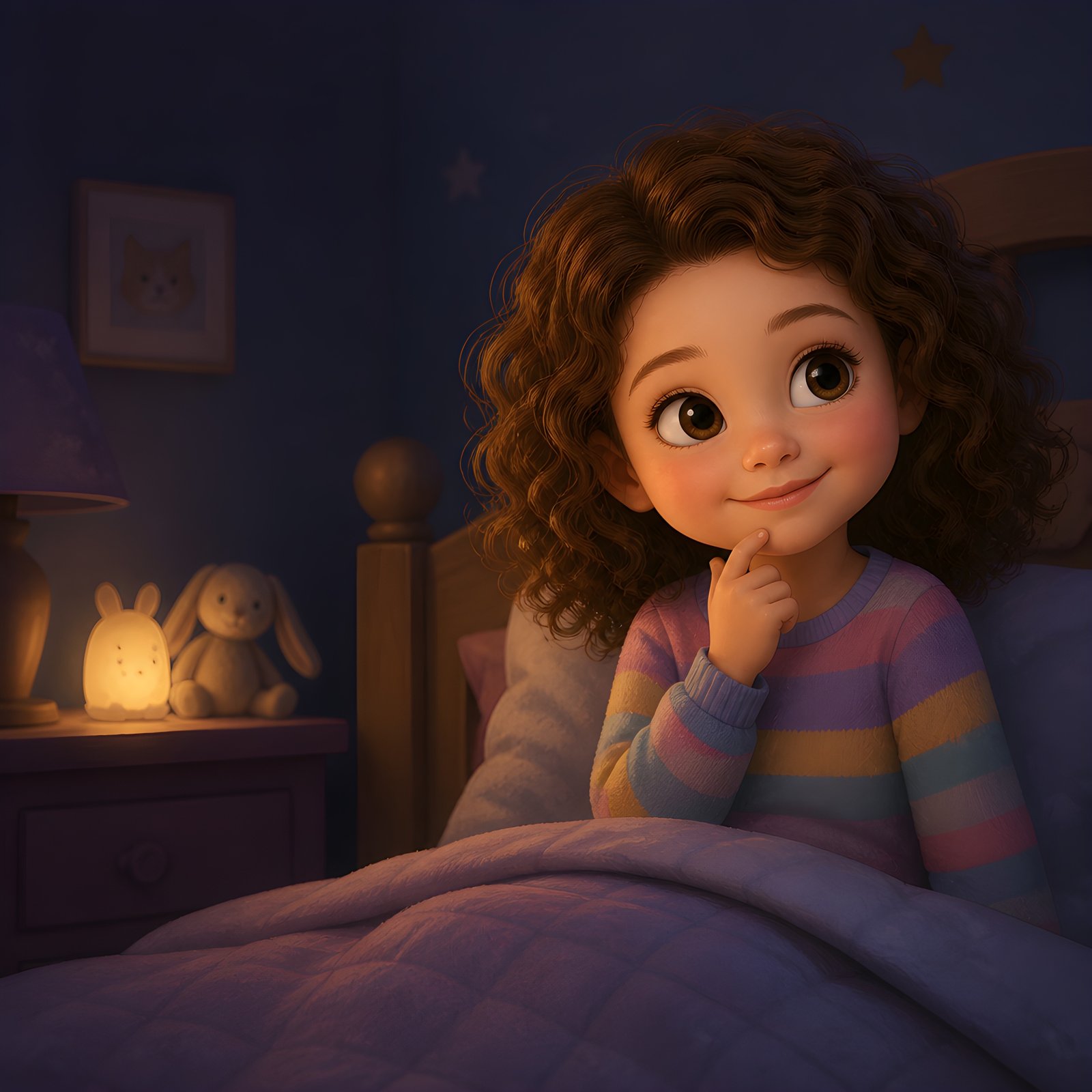
Night after night, Ada collected more pieces of her room.
“The handle of the wardrobe,” she whispered. And then: “The third bar of the radiator.” The big dark was starting to feel smaller.
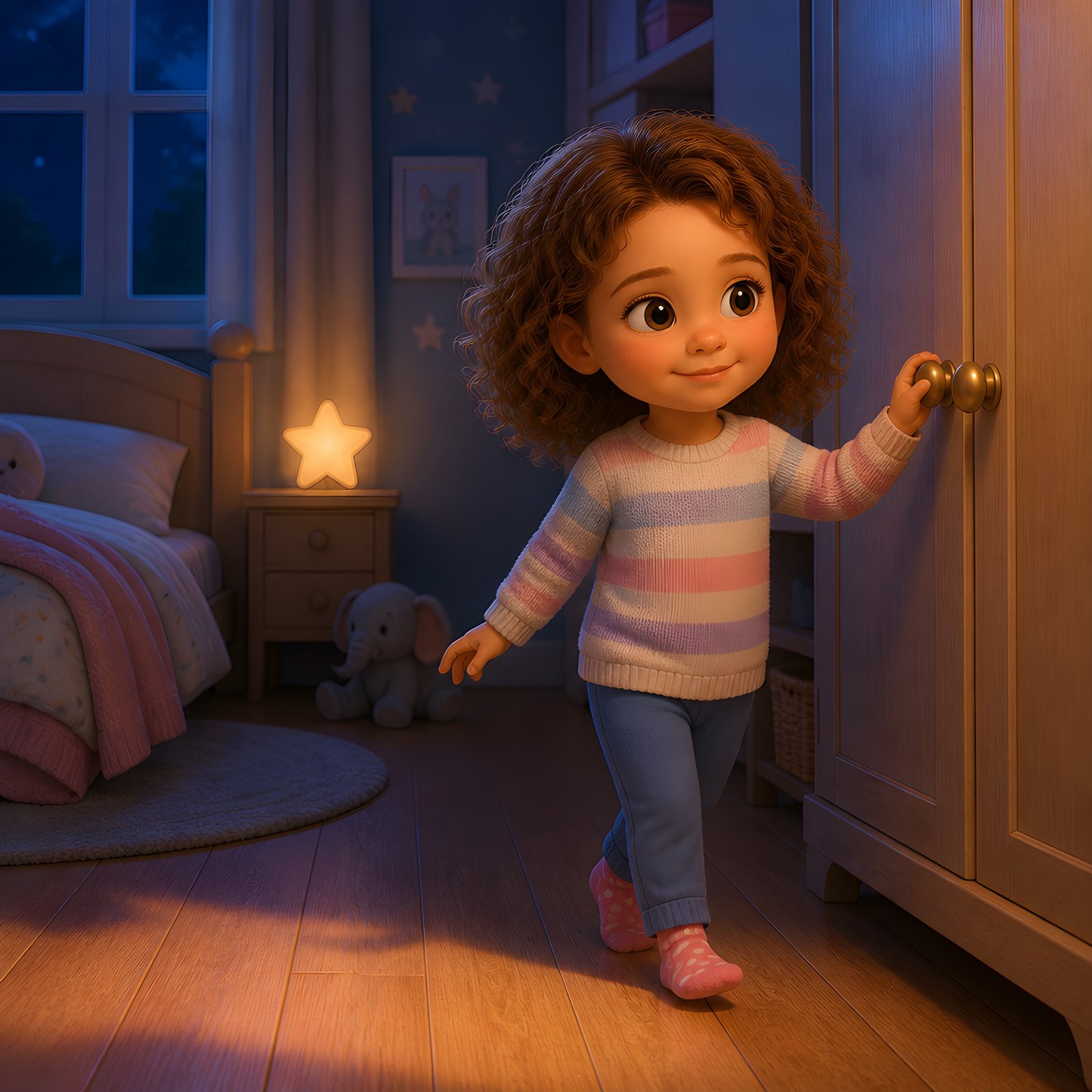
The room was almost completely circled with familiar names now. There was nowhere left for a shadow to hide!
Ada took a deep breath. She was ready for the final test.
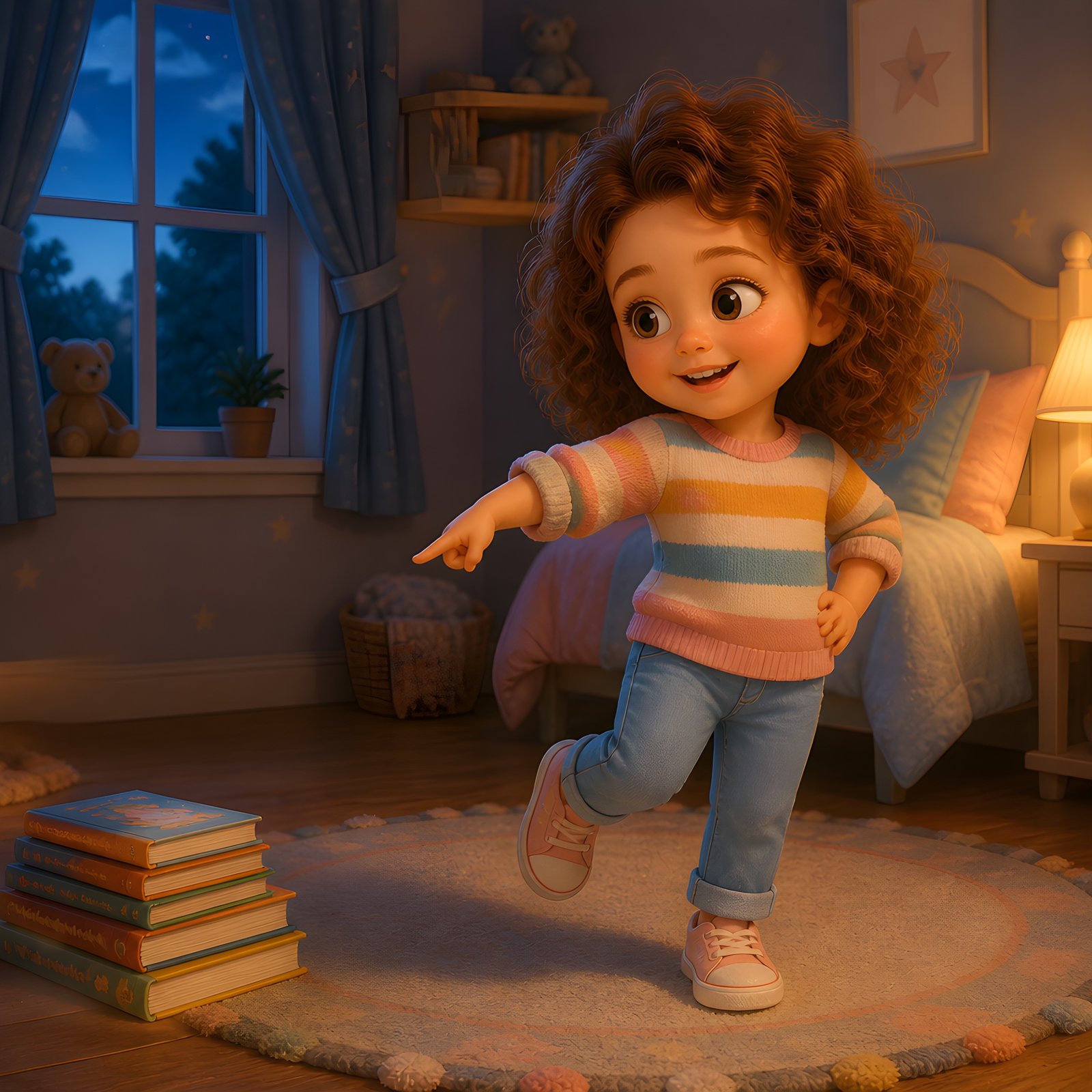
Click. The lamp went dark. But Ada didn’t stop talking.
“Coat hook, rug corner, wardrobe handle, radiator bar!” she called out proudly into the night.
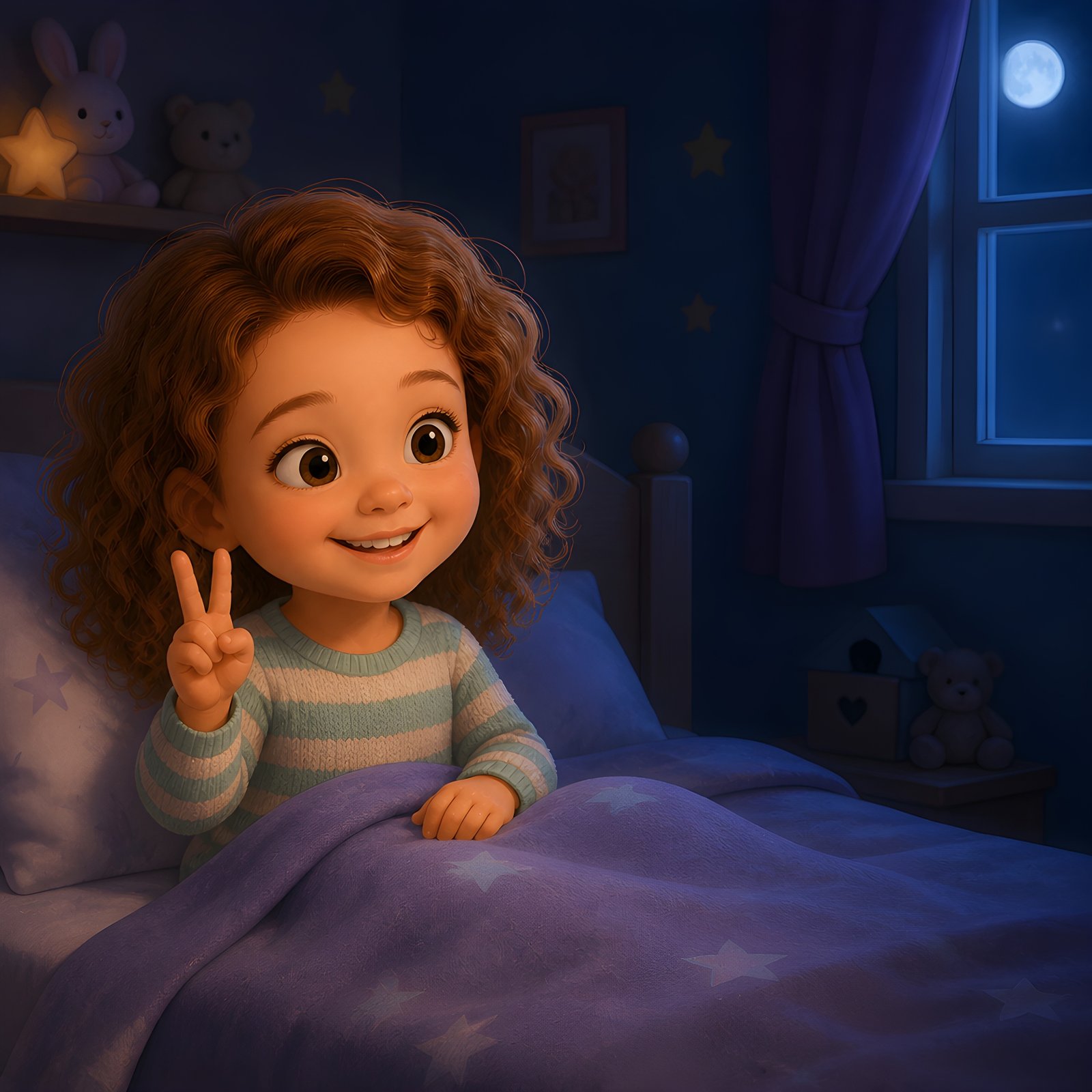
It took her a long, long while to notice that the lamp had been off for ages.
Because a room she could name all the way round was not a room that could surprise her anymore. What we name is finally at home.
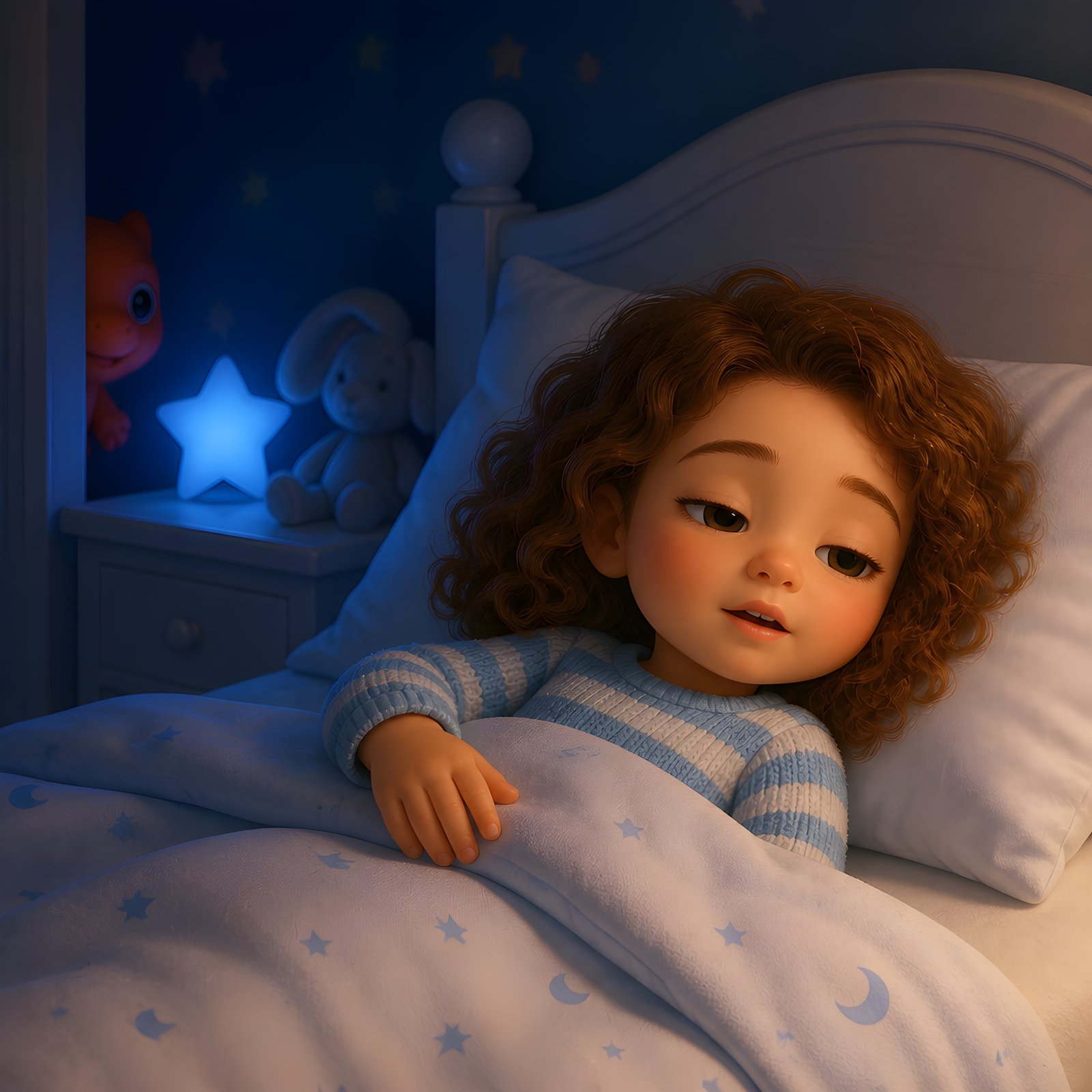
Her bedroom was just a bedroom again. Safe, quiet, and completely hers.
And you, little one… what is the very first thing you want to name in your room tonight?