Understanding nightmares and night terrors in children
Around age four, the brain undergoes a neurological shift where REM sleep intensity peaks alongside a surging imagination. If you are reading this on broken sleep after a difficult week, know that these frequent nightmares are a normal developmental milestone rather than a sign of a fragile child or a troubled home.
Distinguishing these vivid dreams from night terrors is the first step toward restoring peace, so we will look at how to respond effectively at 3 AM. This guide helps you replace midnight negotiations with concrete tools like daytime processing and personalized storytelling to build your child’s sleep confidence.
- Nightmares Are a Normal Peak of Childhood Imagination
- How to Distinguish Nightmares From Night Terrors
- Practical Ways to Handle the Midnight Wake-Up Call
- Why Fever and Routines Impact Dream Intensity
- Building Sleep Confidence With Personalized Storytelling
Nightmares Are a Normal Peak of Childhood Imagination
Nightmares peak between ages 4 and 5 due to REM sleep neurological shifts and abstract thinking development. Distinguishing these from night terrors is vital for applying correct calming techniques and routines, acknowledging the brain’s creative activity during sleep.
Nightmares occur during REM sleep in the second half of the night, linked to the peak of imagination and emotional processing in children aged 4-5.
The Burst of Creativity in the REM Cycle
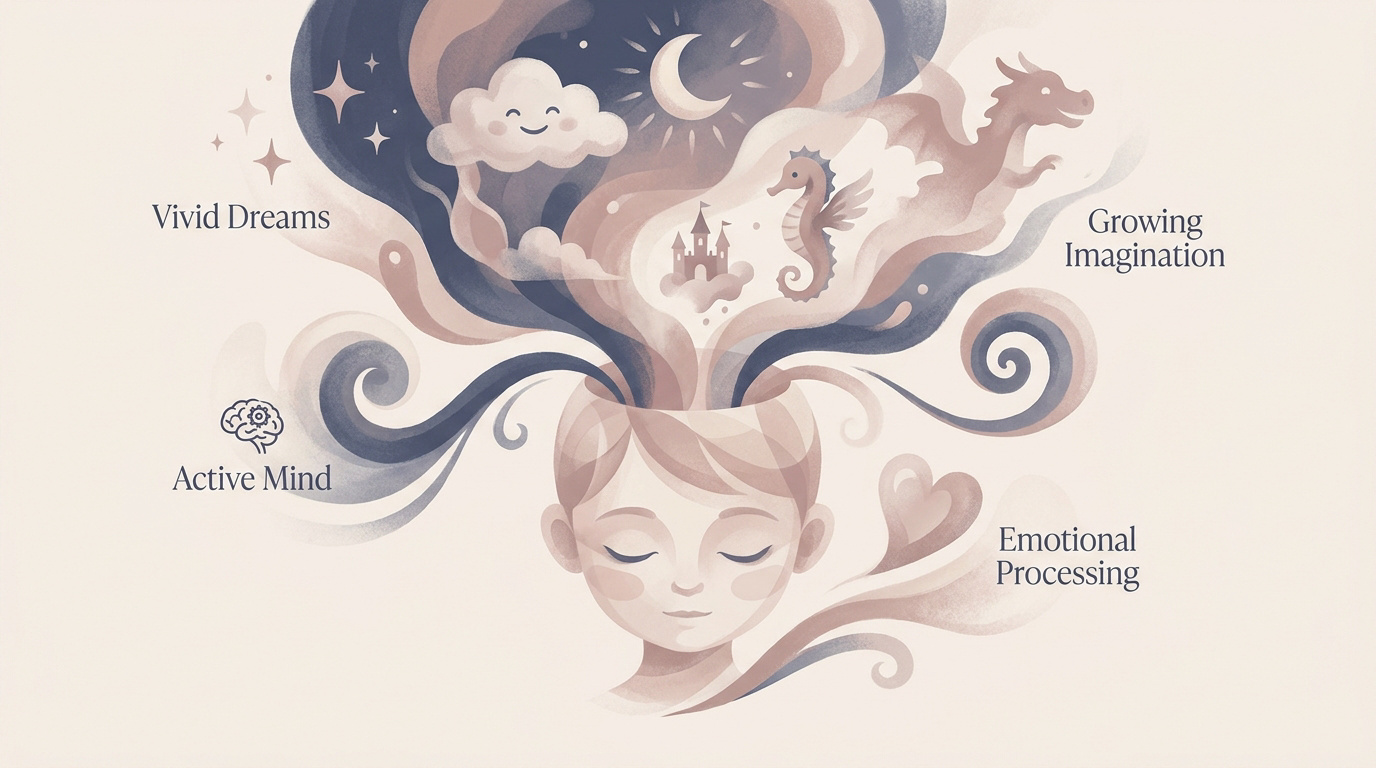
A major neurological shift happens during the second half of the night. The brain becomes intensely active during REM stages. This surge often triggers vivid or scary imagery. It simply proves your child’s mind is working perfectly well.
Increased REM sleep helps with essential emotional processing. The brain uses these dreams to sort through daily events. Emotional regulation happens during these intense sleep cycles every single night, helping your child grow.
Developing abstract thinking leads to more complex dream narratives. As children understand the world, their fears grow more sophisticated. Their expanding imagination naturally creates more detailed stories, even if they feel frightening at 3 AM.
Why Your Child Is Not Fragile or Broken
Frequent bad dreams do not signal a broken home. These episodes are very common in healthy, loving families. They are usually just a normal phase of development for most kids.
This nightmare peak represents healthy cognitive growth. A child with vivid dreams possesses a strong creative engine. It shows they are processing life. This is a positive milestone in their mental maturity.
We must distinguish developmental fears from clinical anxiety. Most nightmares are temporary. They do not indicate deep trauma or a fragile psyche.
Your child is simply growing up fast. Everything is okay.
We wrote a book where your child is the hero who handles the dream in their own room. Explicitly try the example on this page (toggle between boy and girl versions) to give your family a rehearsed ending to hold before sleep.
How to Distinguish Nightmares From Night Terrors
Understanding the biological “why” is helpful, but identifying the specific type of sleep disturbance is what dictates your immediate reaction at 2 AM.
Signs of a Nightmare Wake-Up Call
Watch for full alertness and memory. The child wakes up fully and can often describe the “monster.” They know you are there. They are awake and seeking your specific presence.
Your child will actively search for physical comfort. These occur closer to morning. They want a hug to feel safe again.
Late night. Child is alert, remembers, and needs comfort.
Early night. Child is confused, forgets, and needs safety.
Identifying the Confusion of a Night Terror
Look for a glassy-eyed stare. The child might scream but doesn’t see you. They appear trapped in a trance-like state.
The child remains asleep and won’t remember the event. These occur within two hours of sleep. This is a non-REM event.
Choosing the Right Response for Each State
Nightmares require soothing and touch. Terrors require you to just watch and wait. Safety is the priority here.
Never wake a child during a terror. Let the episode finish on its own without any interference.
To help your hero master their nights, try our personalized book where your child defeats their dreams. Explicitly try the example on this page to see the story.
Practical Ways to Handle the Midnight Wake-Up Call
Once you know you are dealing with a standard nightmare, the goal shifts to providing comfort without creating a new habit of midnight negotiations.
Keeping the Return to Sleep Calm and Boring
At 3 AM, keep interactions minimal. Use a whisper and low light to check on them. Keep the room dark. This signals it is still time for sleep.
Avoid long conversations that teach negotiation. Suggest a quick physical check-in. Exit the room promptly after a brief cuddle.
Processing Fears During the Daylight Hours
Encourage drawing to externalize fear when the sun is up. Let them draw the “scary thing.” Then, add silly hats to the drawing.
Have the child draw the nightmare and add silly elements like funny hats to change the ending and reclaim power.
Teach the child to change the dream ending. Daytime discussion prevents bedtime buildup. We call this Imagery Rehearsal. It gives the child power over their thoughts.
Giving a Specific Job to a Comfort Toy
Assign a protective role to a toy. Tell the child the bear is a guardian. It has a special job tonight.
- The Flashlight Bear to find the way
- The Shield Blanket to keep dreams soft
- The Brave Bunny to watch the door
This builds the child’s confidence. They feel they have a concrete tool for safety.
Our book makes your child the hero who handles the dream. Try the girl or boy example embedded here and download the PDF.
Why Fever and Routines Impact Dream Intensity
While emotional processing is internal, external factors like physical health and evening habits play a massive role in how intense those dreams become.
The Physiological Link Between Illness and Vivid Dreams
Elevated body temperature disrupts sleep architecture significantly. A fever makes the brain restless. It forces more frequent transitions between sleep stages. This often results in very vivid and strange imagery.
These episodes subside quickly with recovery. The brain returns to normal patterns soon. Focus on hydration and rest for now. Everything will stabilize once the fever breaks.
Protecting the Final Hour Before Lights Out
Remove all screens before bed. High-intensity stories increase cortisol levels. Keep the environment quiet and very dim.
Establish a predictable wind-down ritual. Emphasize consistent sleep duration to reduce REM rebound. A tired brain dreams more frantically. Stability is the best medicine for a peaceful night.
Avoiding the Trap of Checking Wardrobes and Negotiations
Do not check for monsters. It validates the child’s fear. It suggests there was actually something to find.
Excessive reassurance signals a threat. Set firm boundaries around nighttime interactions. Keep the focus on sleep, not monsters.
Instead of improvising in the dark, try a personalized story where your child is the hero who handles the dream in their own room. We wrote this book specifically for these moments. It exists in both girl and boy versions, allowing your child to become the hero of the story. You can see a real, complete example of the book embedded on this page. Try the toggle between the girl and boy variants and download the PDF to see how it works.
Building Sleep Confidence With Personalized Storytelling
When standard routines aren’t enough, we can use the power of storytelling to transform the child from a passive victim of dreams into a confident hero.
Knowing When to Consult a Pediatrician
Identify red flags like daytime distress. If nightmares last for many weeks, seek advice. Professional help might be necessary then.
Suggest keeping a sleep log. This provides clear data to a doctor. It helps track patterns over time.
Turning the Child Into the Hero of Their Own Room
Explain how our personalized book places the child at the center. We created this story to empower them. The child sees themselves handling the dream successfully. It changes their internal narrative completely.
Detail the availability of both boy and girl variants. The hero is customized to your child. This makes the lesson feel very real.
Trying Our Interactive Story Example for a Better Night
| Feature | Benefit for the Child |
|---|---|
| Personalized Hero | Builds immediate empowerment by seeing themselves succeed. |
| Rehearsed Ending | Provides a safe, known outcome to replace fear. |
| PDF Download | Allows for immediate practice during the bedtime routine. |
Invite the reader to toggle between variants in the embedded example. Download the PDF to practice tonight.
Use this structured script. Replace improvised answers with empowerment.
Nightmares are a normal peak of your child’s growing imagination and REM sleep development, not a sign of fragility. Transition to calm, boring returns to bed and use personalized storytelling to transform their fear into confidence. Reclaim your restful nights by replacing midnight negotiations with a hero’s rehearsed ending today. Your child is not broken; they are simply dreaming big.
FAQ
What exactly is happening when my four-year-old has a nightmare?
At this age, your child is experiencing a normal peak in imaginative development. Nightmares typically occur during the second half of the night in the REM (Rapid Eye Movement) sleep stage. As their abstract thinking grows, their brain uses these vivid dreams to process daily emotions and new experiences. It is a sign of a healthy, active mind, not a signal that something is wrong at home or that your child is fragile.
How can I tell the difference between a nightmare and a night terror?
In a nightmare, your child will wake up fully, remember the dream, and seek your specific comfort because they are frightened. A night terror is different: it happens early in the night, the child remains asleep with their eyes open but “glassy,” and they won’t remember it in the morning. While nightmares require a hug, you should never wake a child during a night terror; simply stay close to ensure they are safe until it passes.
Why does my child have more scary dreams when they are sick or have a fever?
Fever and illness cause physiological stress that disrupts the normal architecture of sleep. An elevated body temperature makes the brain restless, leading to more frequent transitions between sleep stages and more intense, vivid imagery. These “fever dreams” are a temporary reaction to the body fighting infection and will subside once your child recovers and their sleep patterns return to normal.
What is the best way to handle a midnight wake-up call?
Keep the return to bed calm, dark, and “boring.” Use a low whisper and offer a brief cuddle rather than starting a long conversation, which can teach a child that the night is a time for negotiation. Save the talking for daylight hours, where you can let them draw the dream or retell it with a new, silly, or empowered ending to take the fear away.
Should I check the closet or under the bed to prove it’s safe?
Actually, checking the wardrobe on your child’s behalf can be counterproductive because it validates the fear, suggesting there was something worth looking for. Instead, give a comfort object a specific “job,” like a Brave Bunny watching the door. Avoid sweeping the fear away as “nonsense,” but maintain firm boundaries that keep the focus on sleep rather than long-winded reassurances.
When is it time to speak with a pediatrician about these dreams?
You should consider professional advice if the nightmares occur most nights for several weeks, or if they cause significant daytime distress and an intense refusal to go to sleep. If the dreams seem clearly linked to a specific trauma, a doctor can help evaluate if a deeper level of support is needed beyond standard sleep hygiene.
How can a personalized story help my child sleep better?
A personalized story transforms your child from a passive victim of their dreams into the hero of their own room. By using their name and familiar surroundings, the story provides a rehearsed, positive ending they can hold onto before sleep. This replaces improvised, fearful answers in the dark with a concrete sense of mastery and confidence.
| Feature | Benefit for the Child |
|---|---|
| Personalized Hero | Builds confidence by showing the child successfully handling their own fears. |
| Rehearsed Ending | Replaces nighttime uncertainty with a predictable, safe narrative to focus on. |
| PDF Download | Provides a structured script for parents to use instead of improvised answers. |
cauchemars
Milo opened his eyes in his cozy bedroom. His heart was still beating a little fast from the bad dream he could not remember.
The night is a soft blanket that protects your dreams. Tap, tap! Milo’s favorite pajamas lay right there on the edge of the bed. Can you spot them?
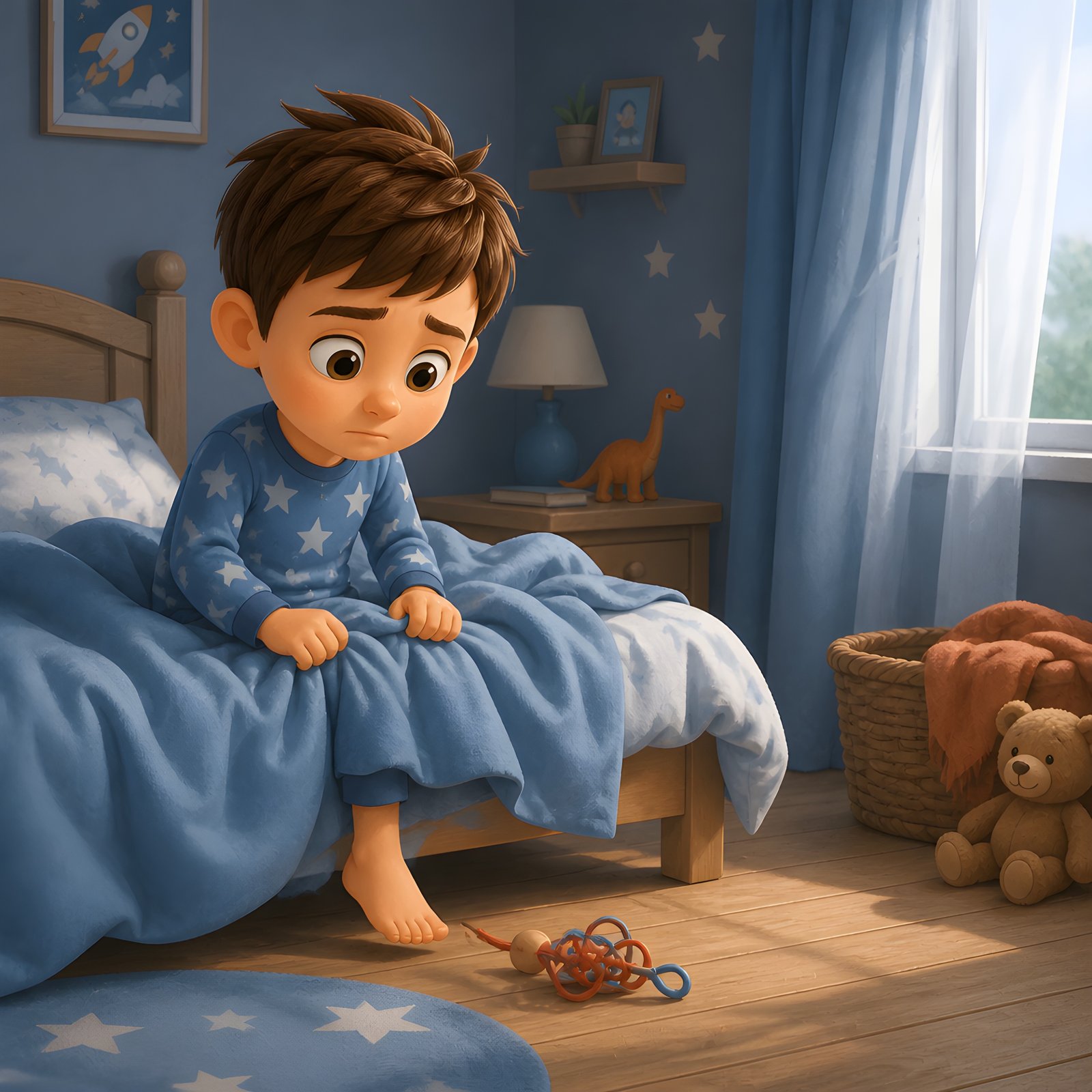
Night came again, creeping softly through the window. The room grew dark, and the corners began to fill with shadows.
Milo felt the familiar bad dream coming closer, even though he still had no idea what was inside it. Whoosh… A quiet, blurry sound brushed past the window.
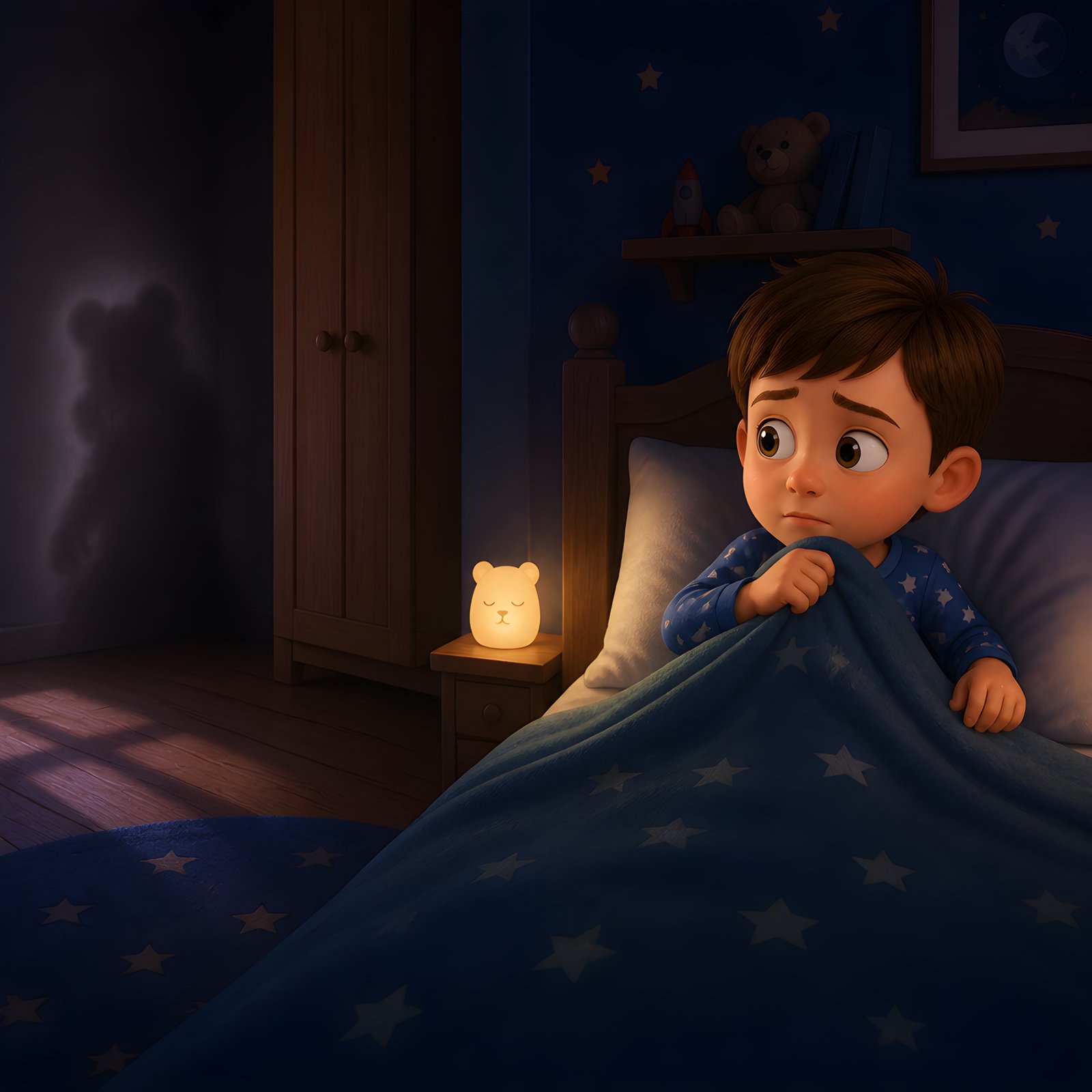
Instead of hiding under the blankets, Milo remembered his little blue dragon flashlight on the bedside table.
He reached out his hand, but his fingers trembled a little. Oh… What if the light is too small?
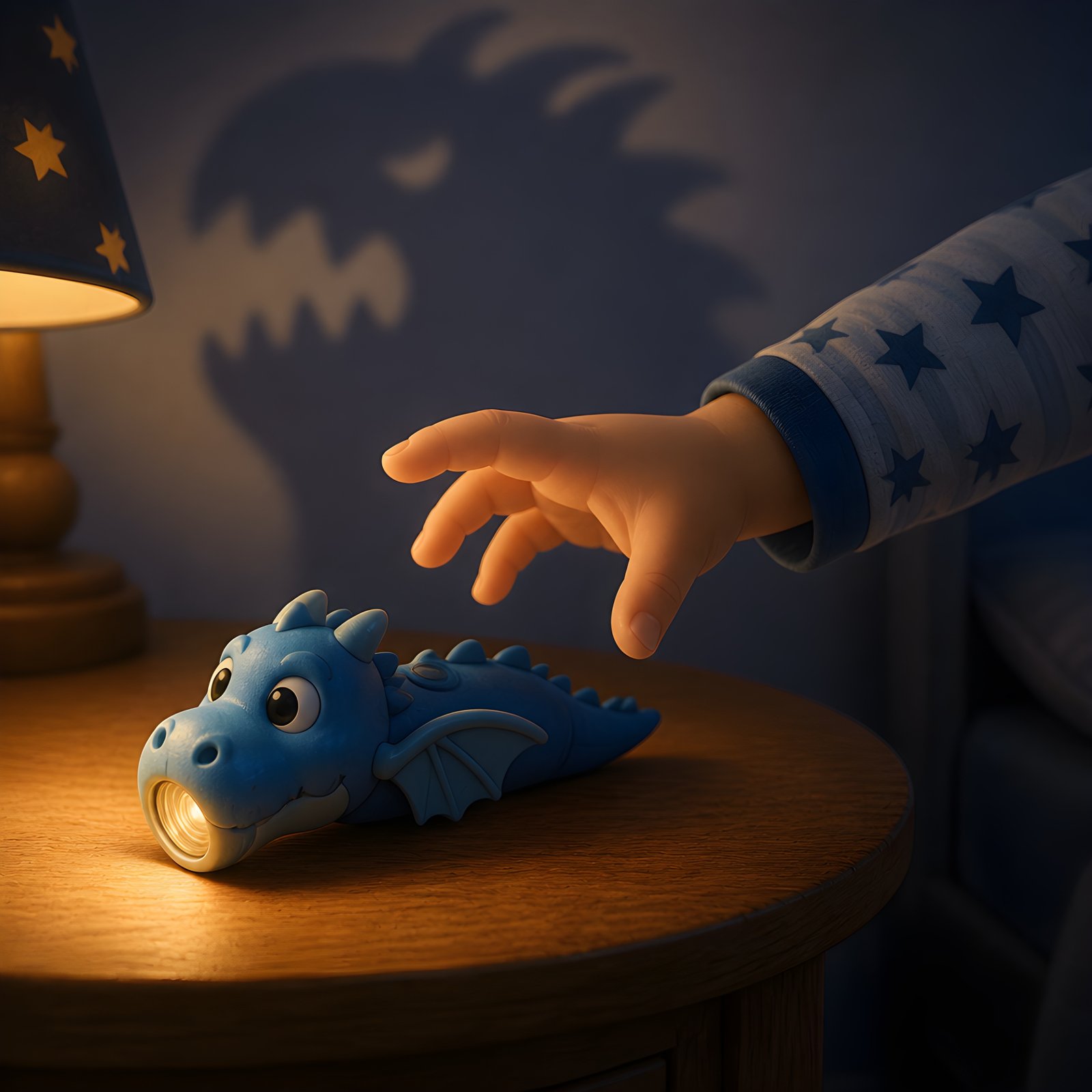
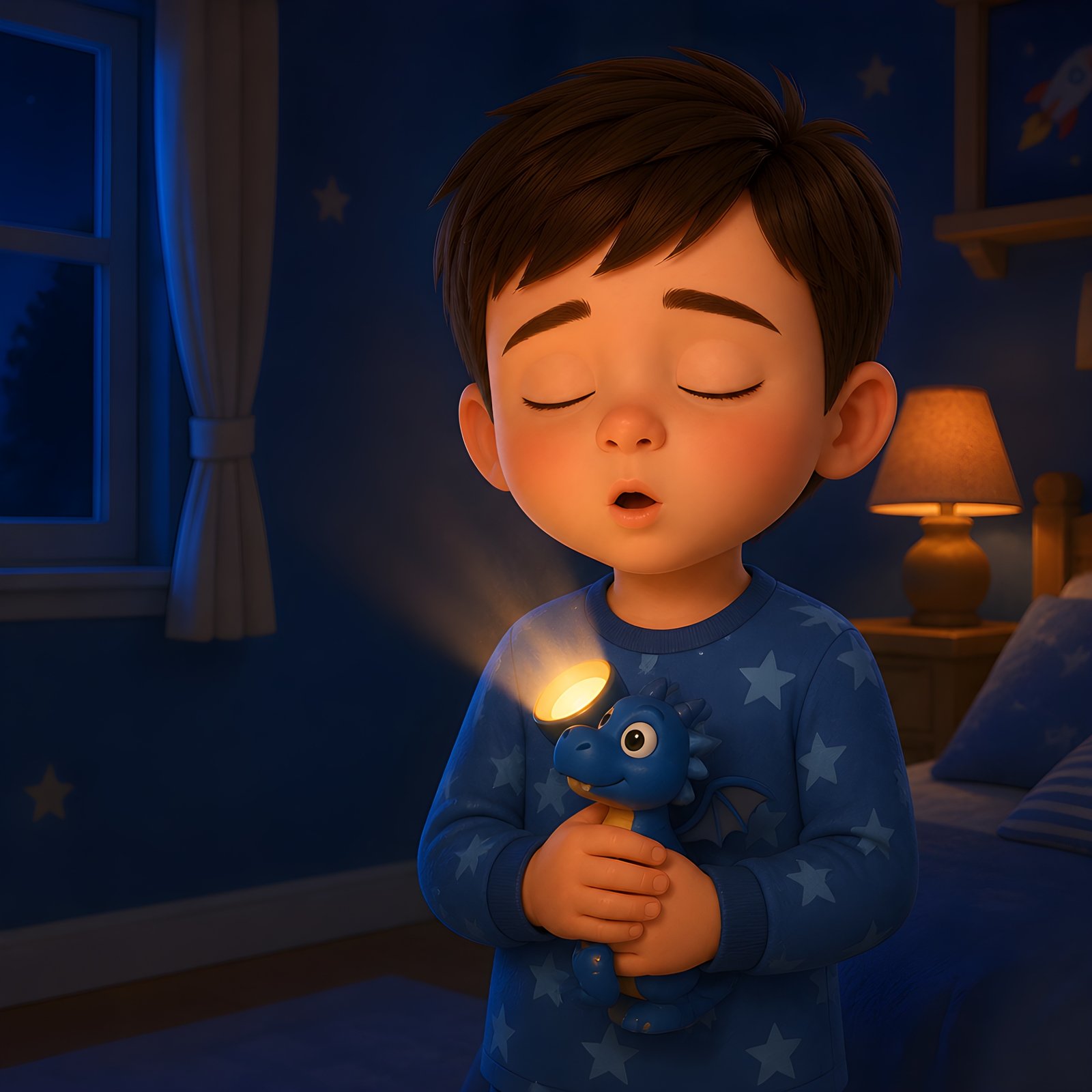
Milo grabbed his blue lamp tightly. He took a long, deep breath—just like a sleepy dragon.
He breathed in slowly, and blew out softly. Fffouuu… His shoulders relaxed. Hope began to grow inside him.
The dream took shape right in front of him, a hazy grey cloud hovering near the rug. Milo squeezed his eyes shut as tightly as he could.
But when he opened them, the shadow was still there. Closing his eyes changed nothing.
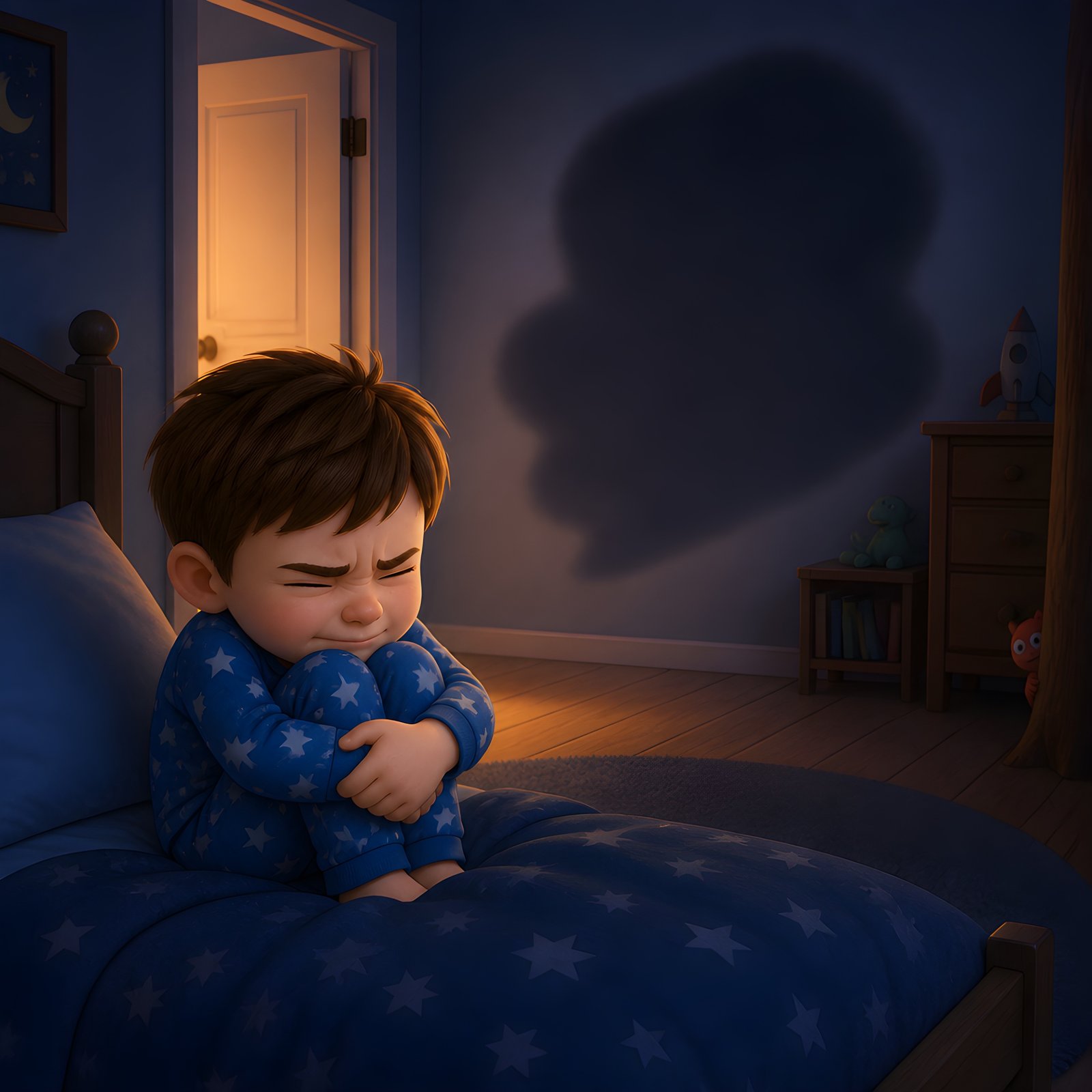
The grey shape seemed to grow taller, and a sudden wave of loneliness washed over Milo. His hands shook slightly on his little lamp.
The night is a soft blanket… he whispered to himself to feel brave.
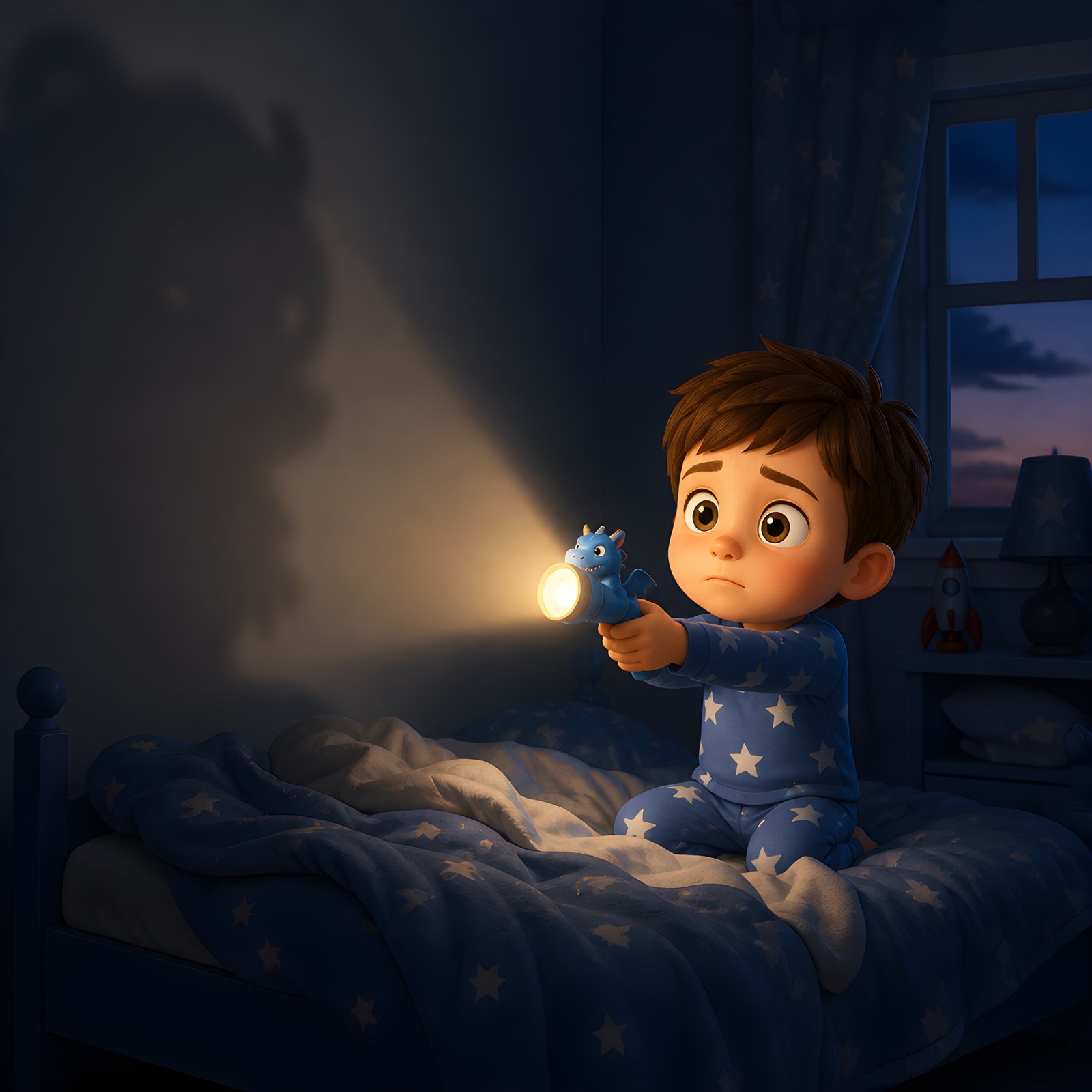
Milo clicked his blue lamp on. Click! A bright beam cut through the dark.
He blinked in surprise. It was not a scary monster at all! Just a little piece of a lost dream, wandering around and looking for its home.
Can you make a big circle with your hands, just like the round, lost dream?

Instead of running away, Milo stepped out of bed very slowly. He spoke in a quiet, gentle voice to soothe the restless shadow.
The grey cloud drifted a little closer. But where was it supposed to go?
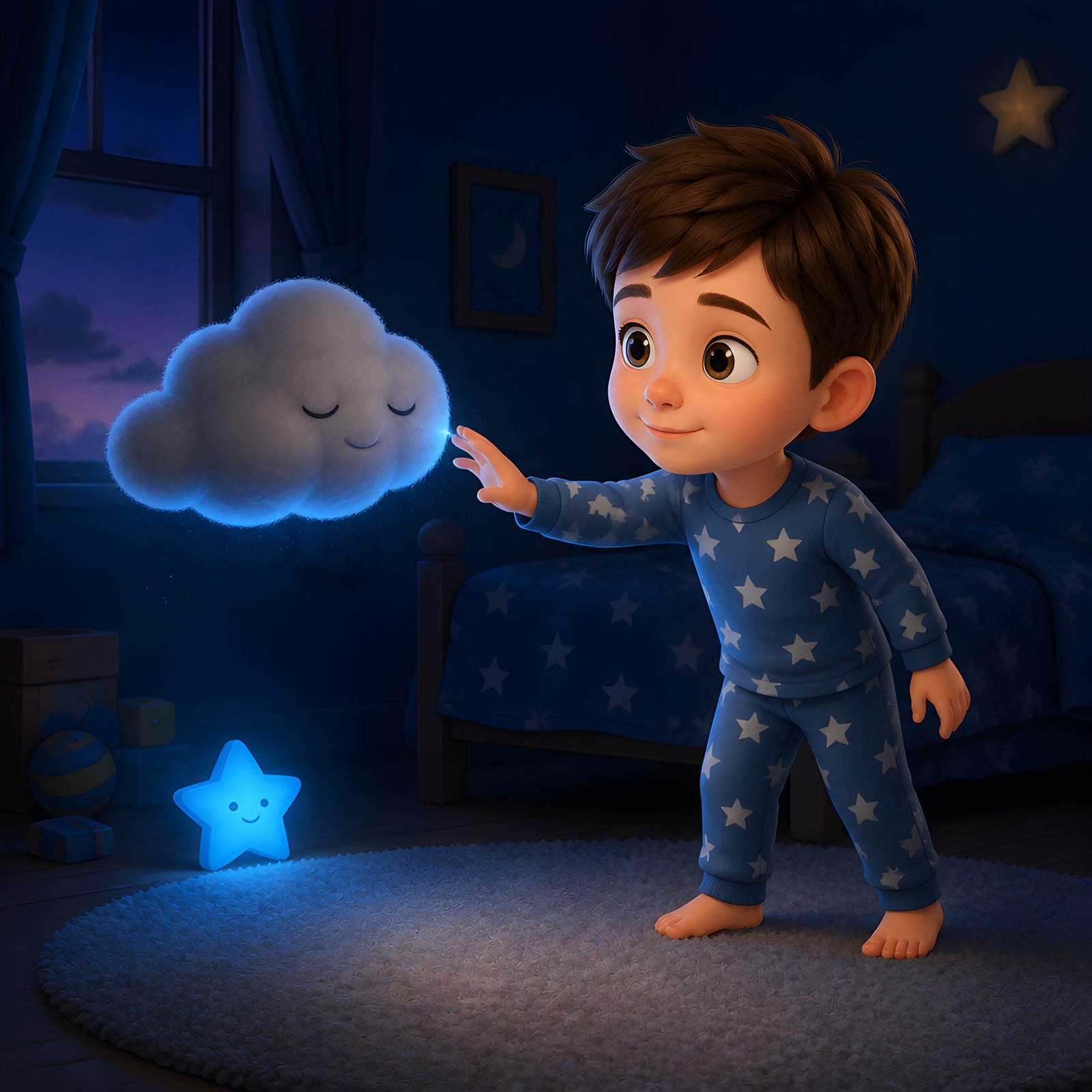
Milo had a brilliant idea. Pointing his blue beam ahead of him, he walked step by step across the room.
Tap, tap, step… He led the lost dream right toward its special storage box on the shelf.
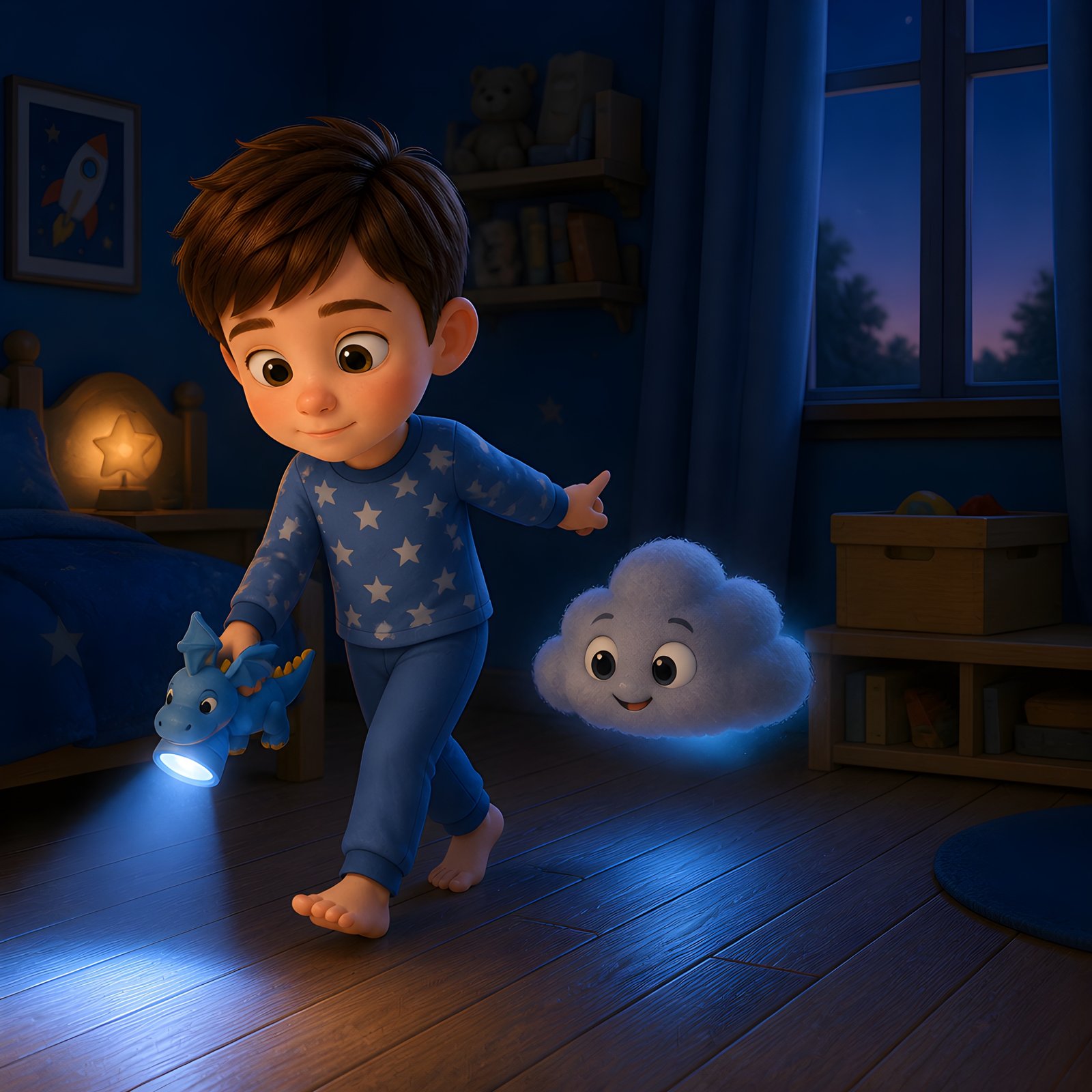
In it went, safe and sound. Milo clicked the lid shut with a satisfying snap!
The room instantly grew calm and warm, filled with its usual gentle glow.
The night is a soft blanket, and Milo watches over it.
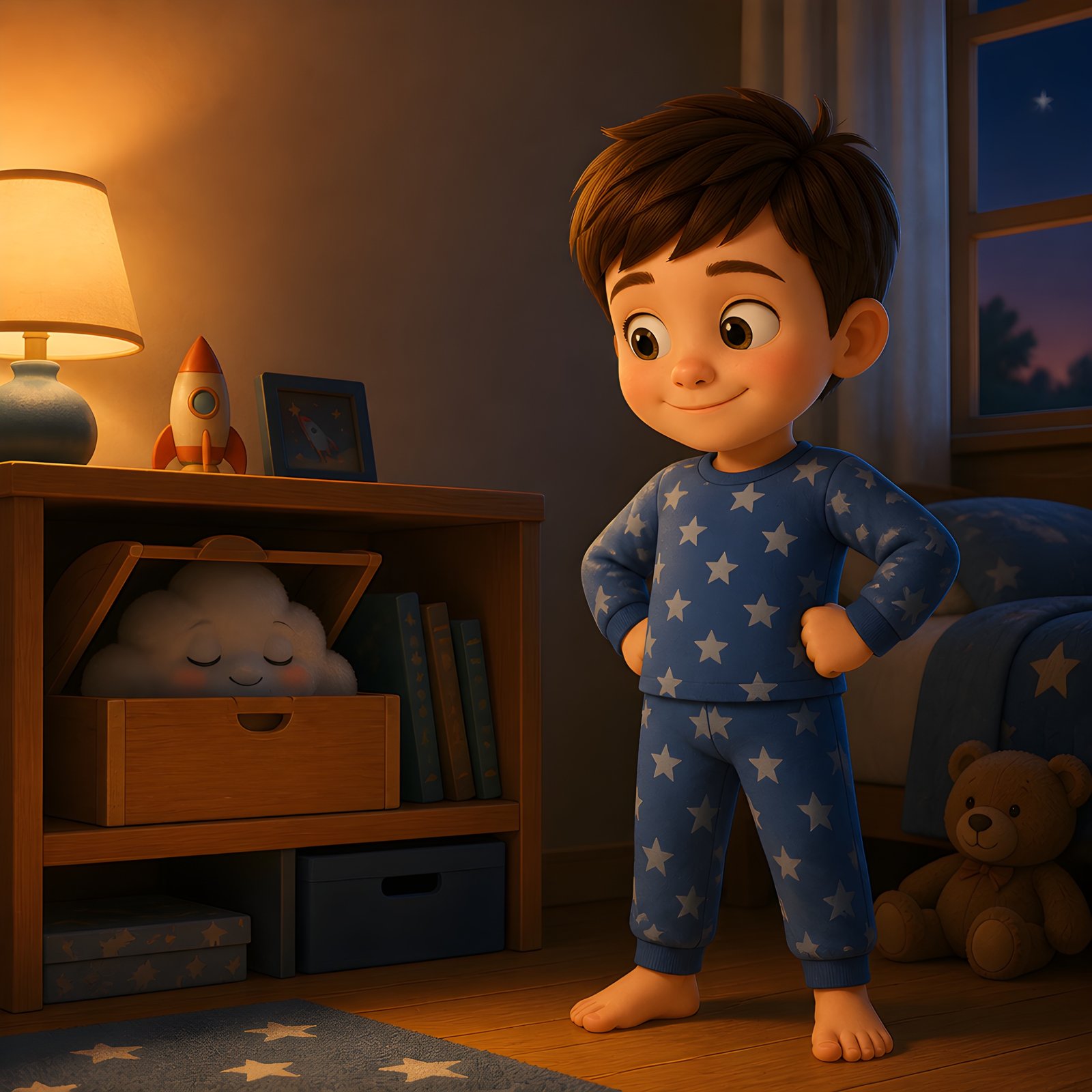
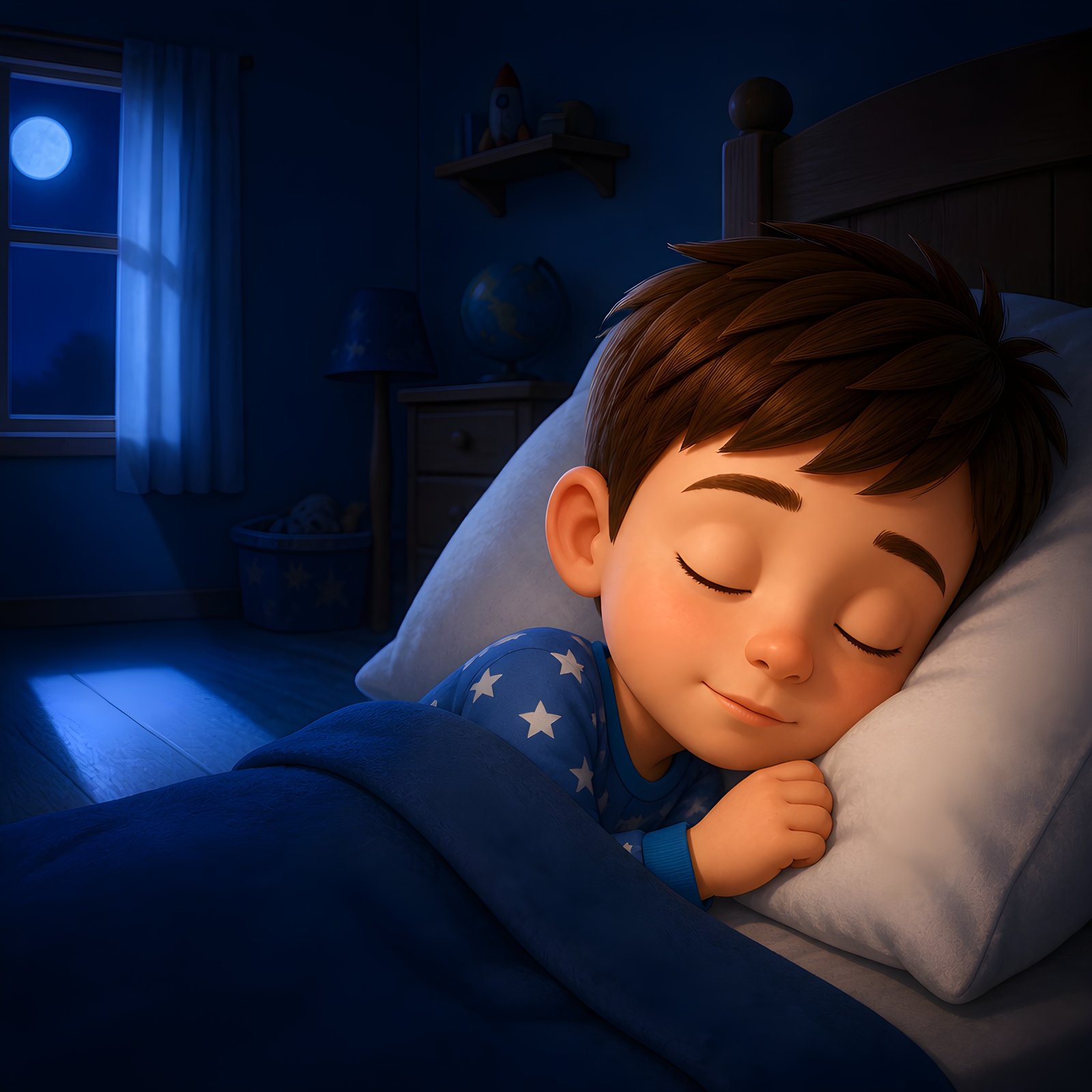
Milo crawled back under his cozy covers. He snuggled deep into the pillows.
He knew exactly how the night was going to end, because he was the one writing the story now.
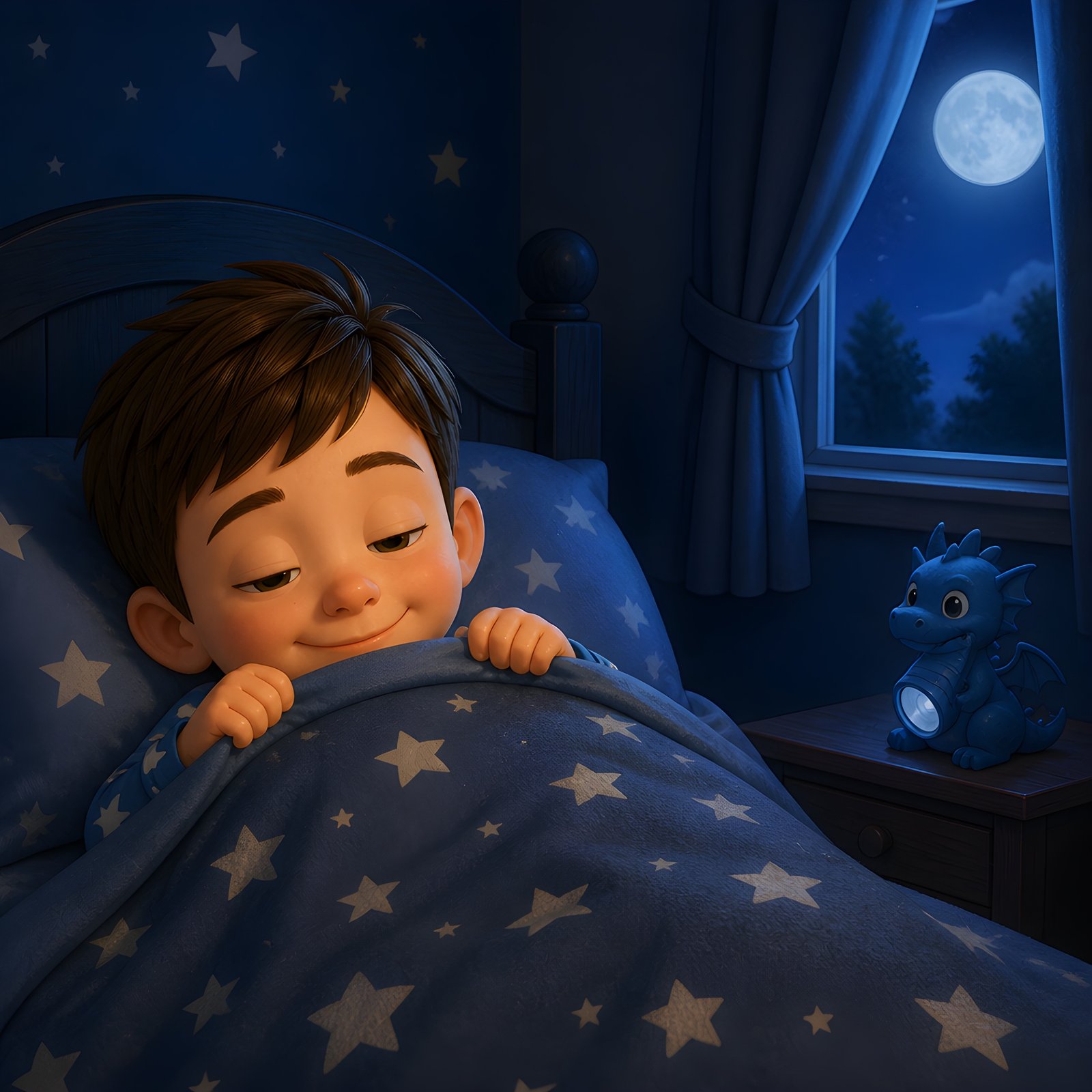
His breathing grew slow and deep. Shhh… shhh…
And you, what little guardian object would you keep near your bed tonight?
Close your eyes. The night is a soft blanket, and sleep is waiting.
cauchemars
The night is a big, soft coat, and Nina was tucked safely in her bed.
The moon-shaped nightlight glowed with a gentle, friendly light. Everything was quiet and warm.
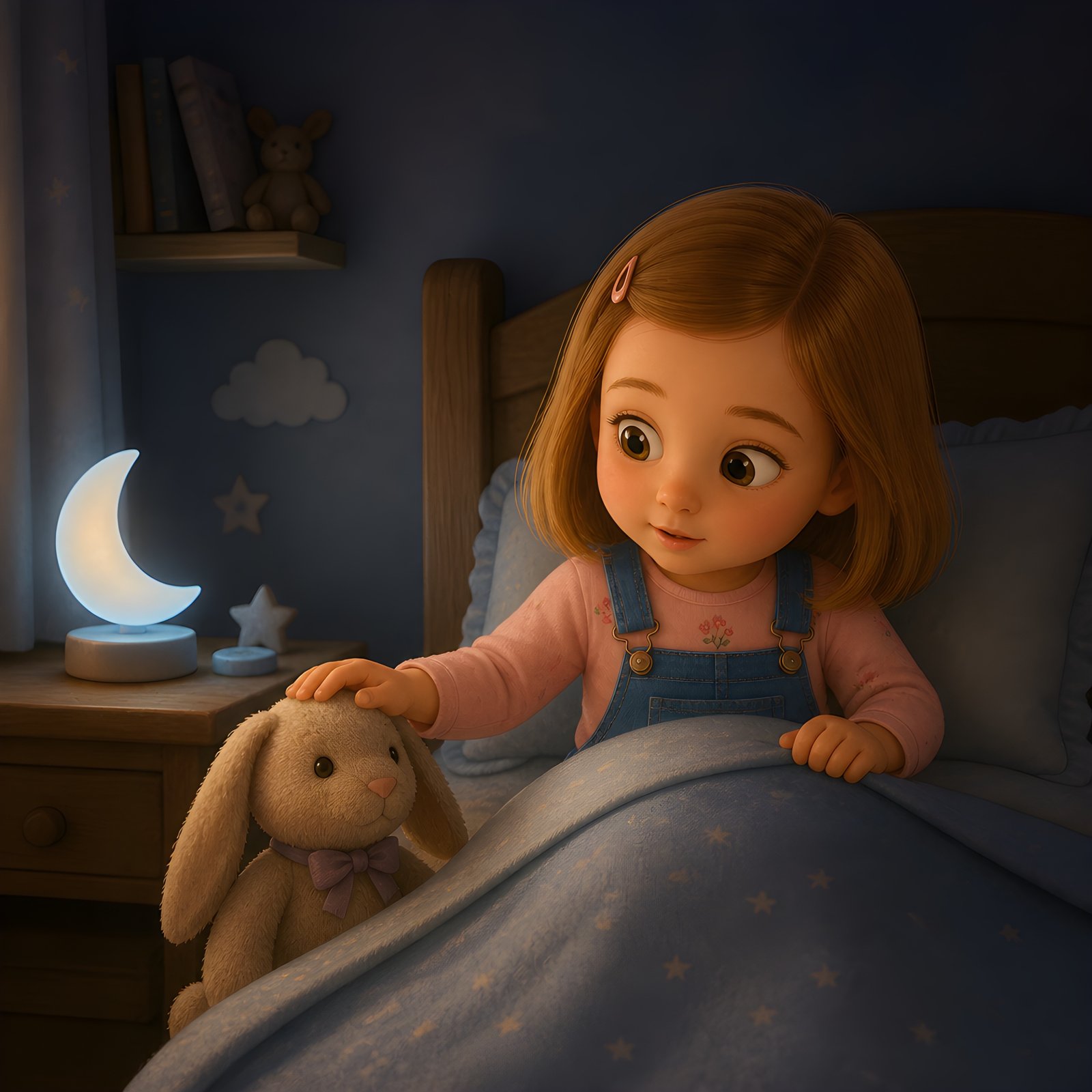
In the middle of the night, Nina woke up with a start.
A bad dream had just swept through the room in a gust of wind, but it was already slipping away. What was it hiding?
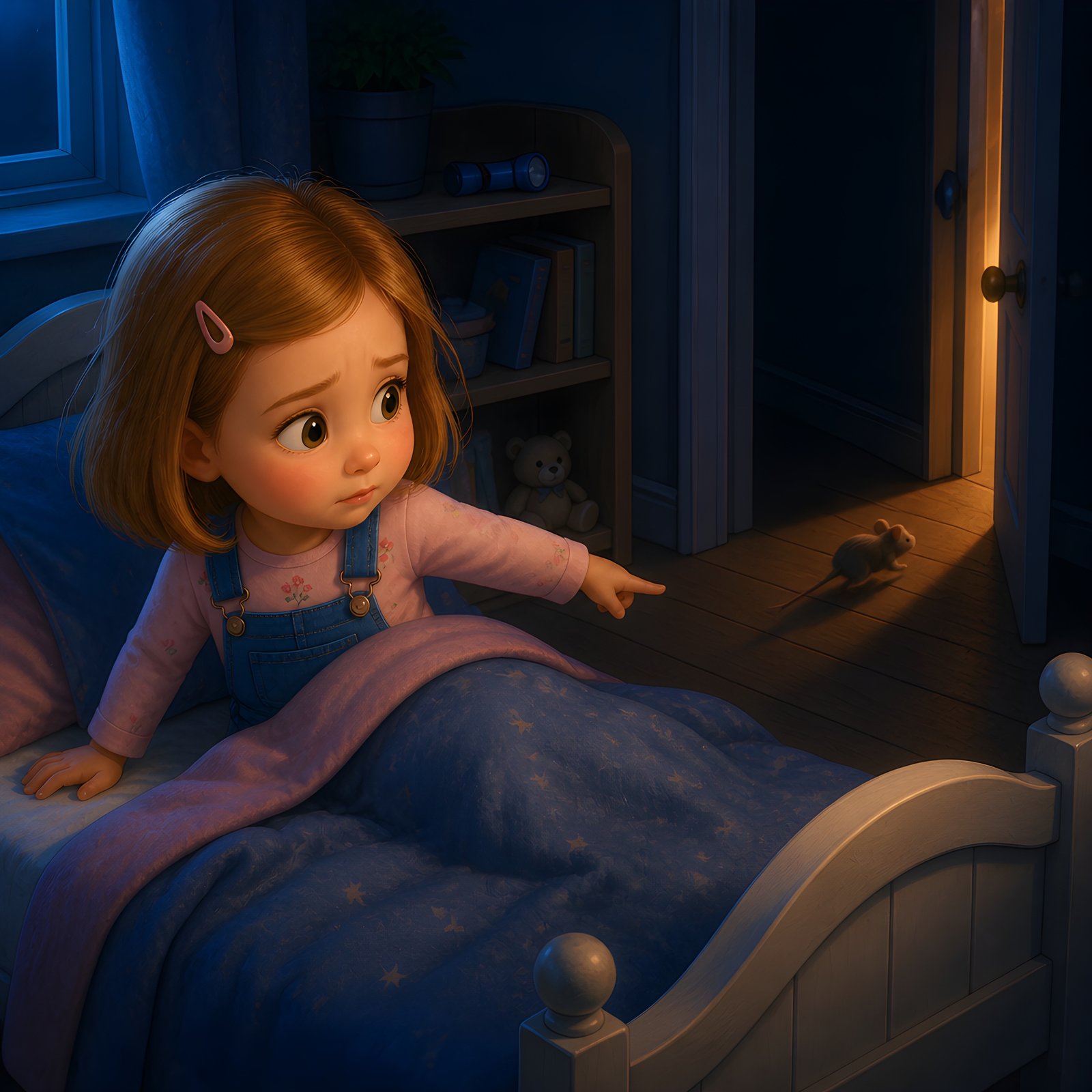
Her heart beat a little faster. Should she call for help? No, she wanted to know.
Can you spot the little blue flashlight waiting right there on the shelf?
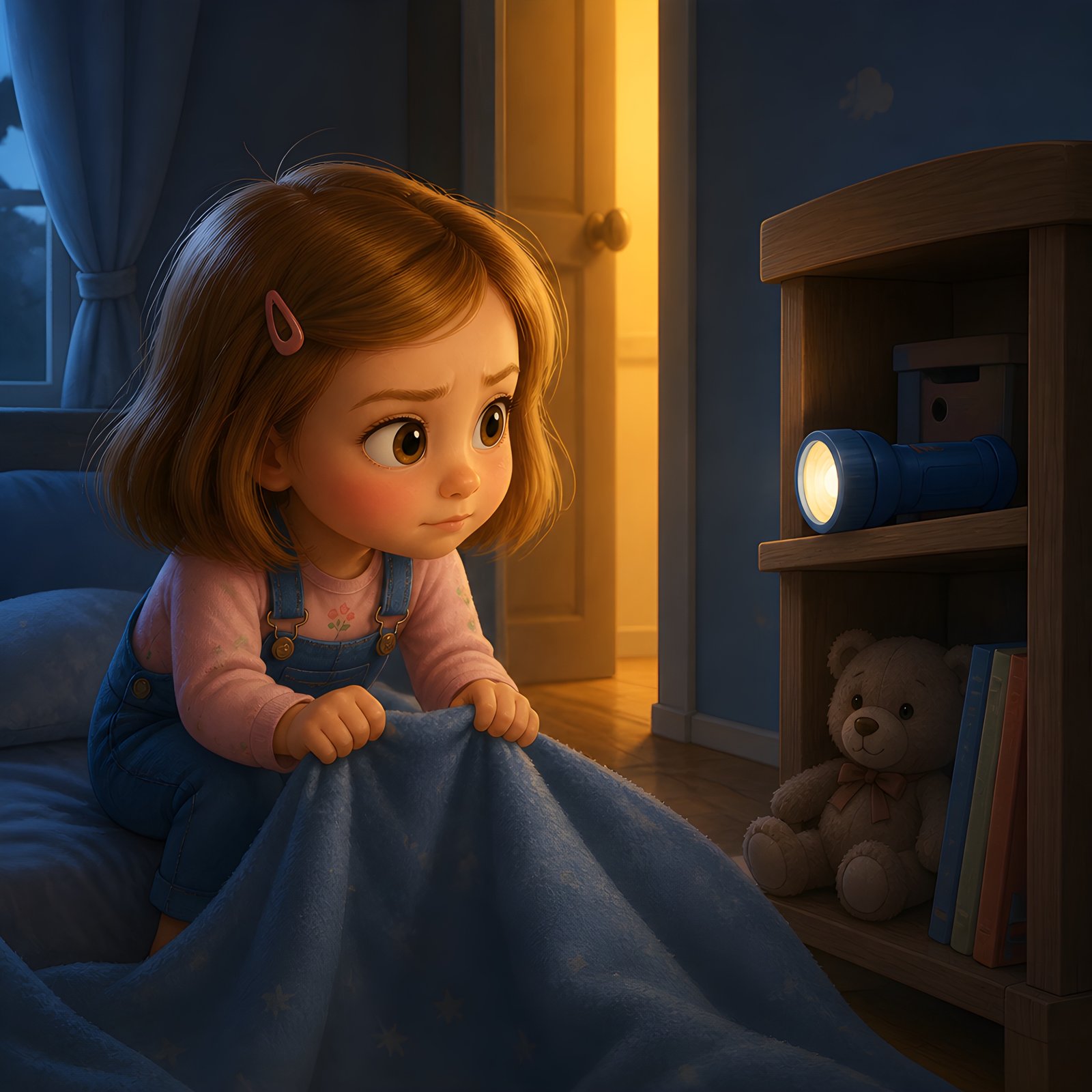
Nina took a deep breath and clicked on her little blue light. She grabbed her fox toy to keep her company.
The night is a big, soft coat, and I have my little light.
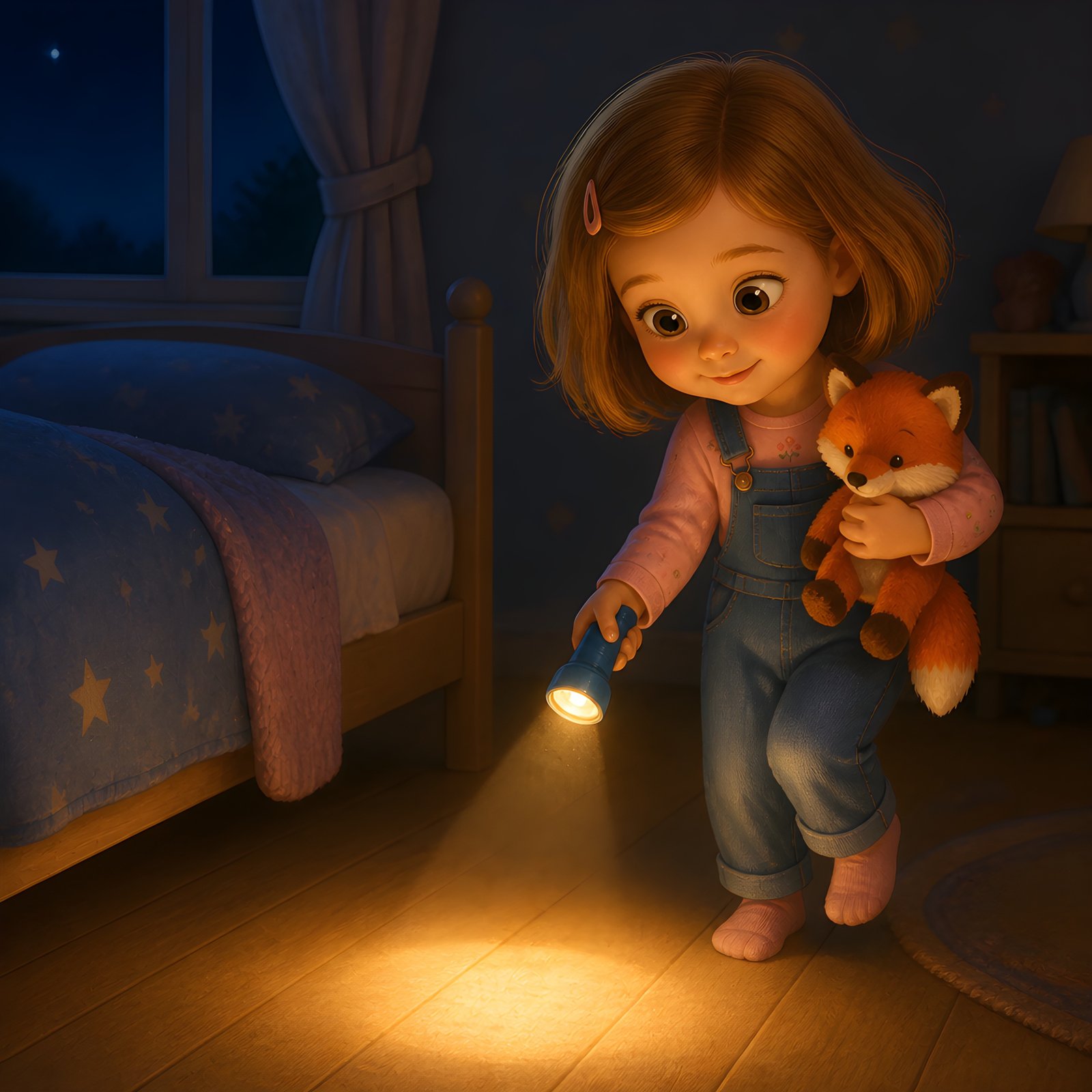
Nina tiptoed out onto the living room rug and shone her beam straight ahead.
Right in the middle of the floor, a little gray puff of dream was spinning round and round. Whirl, whirl!
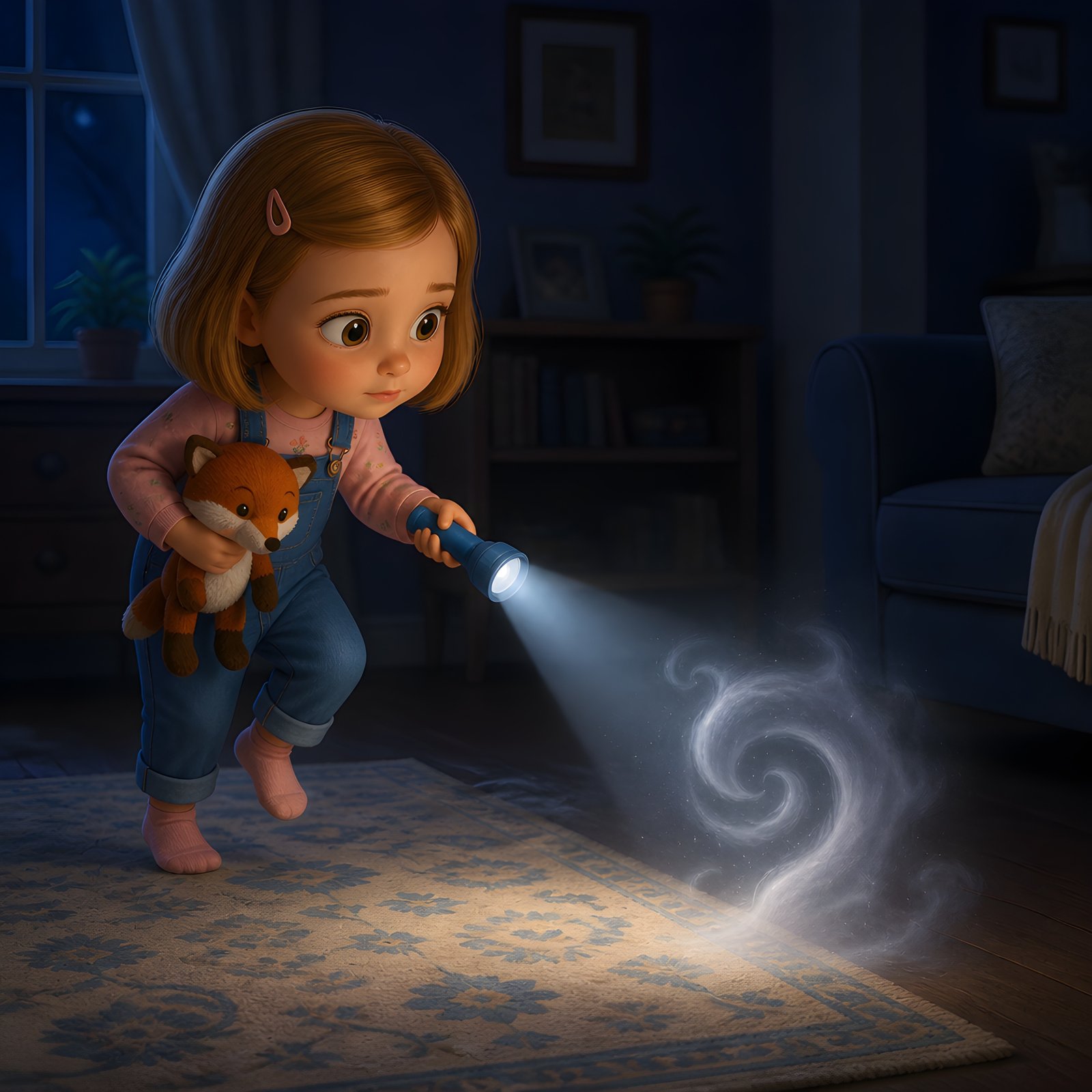
The little dream zipped too fast, threatening to hide beneath the big sofa.
For a second, the room felt very big and very dark. Nina’s shoulders dropped. She felt all alone.
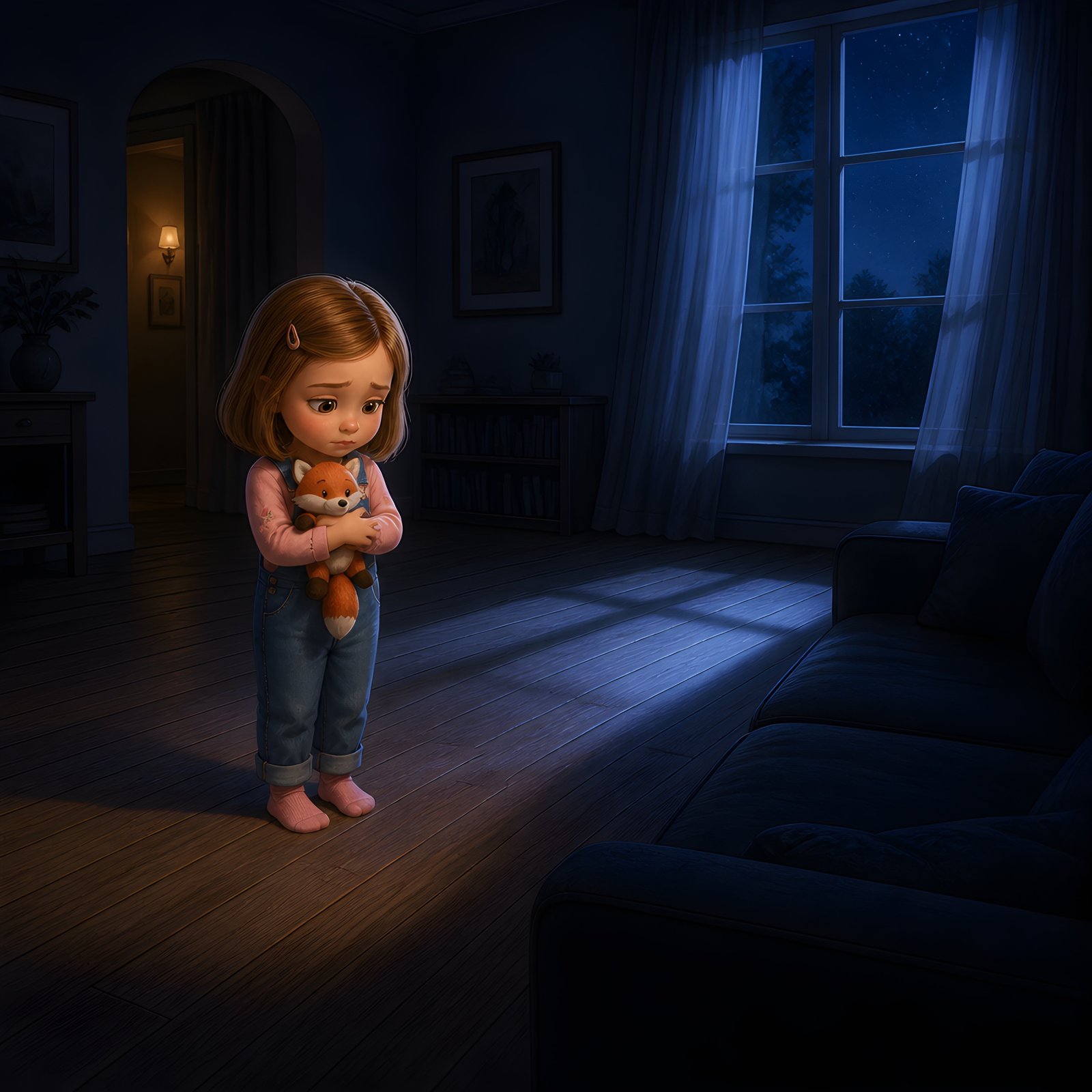
She stopped and watched it closely. It wasn’t a scary monster at all.
“Wait a minute,” whispered Nina. “You’re just lost, aren’t you? You forgot the way back.”
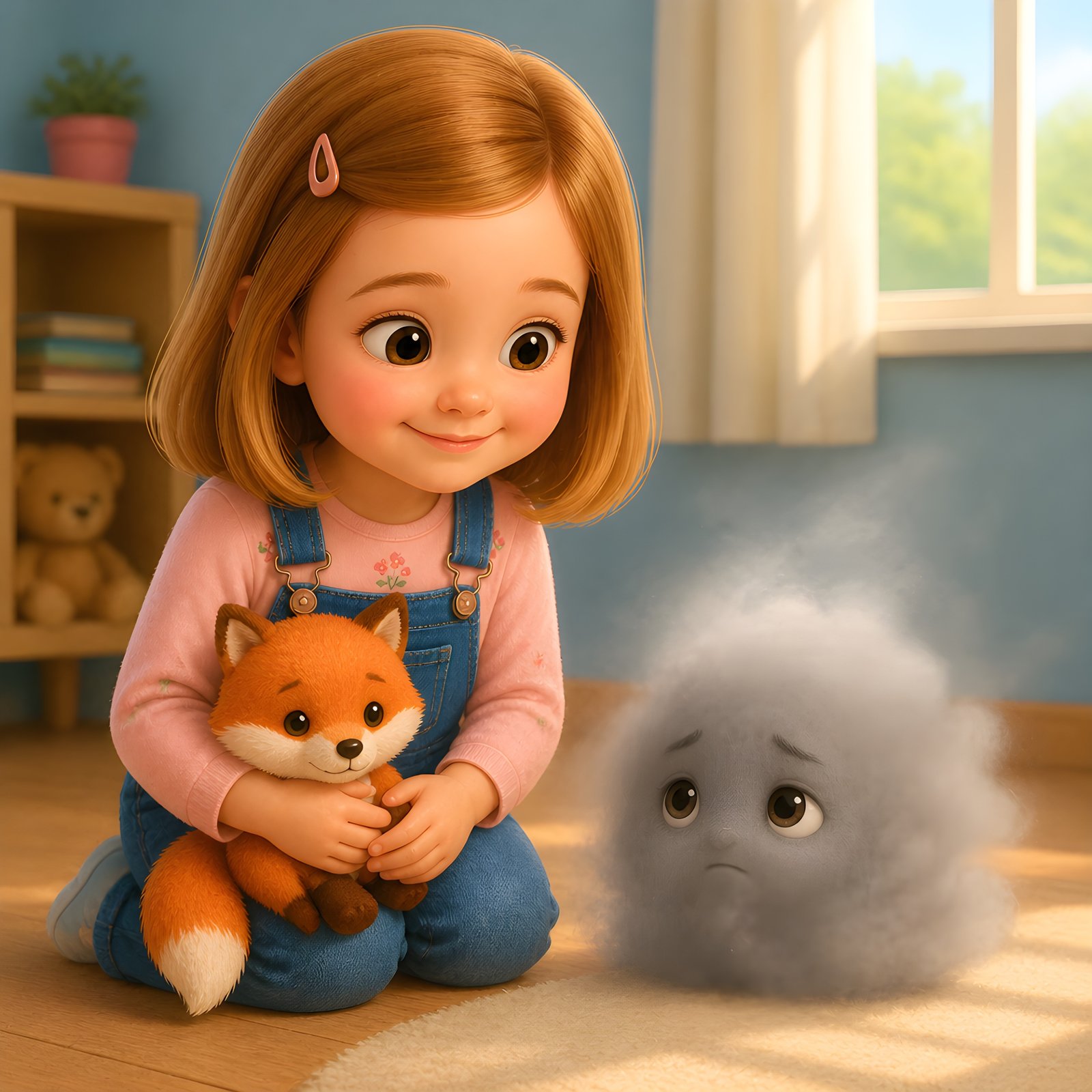
Nina took a long, slow breath, just like a sleeping dragon. Fffouuu…
Can you blow out a slow breath with Nina to help her stay calm?
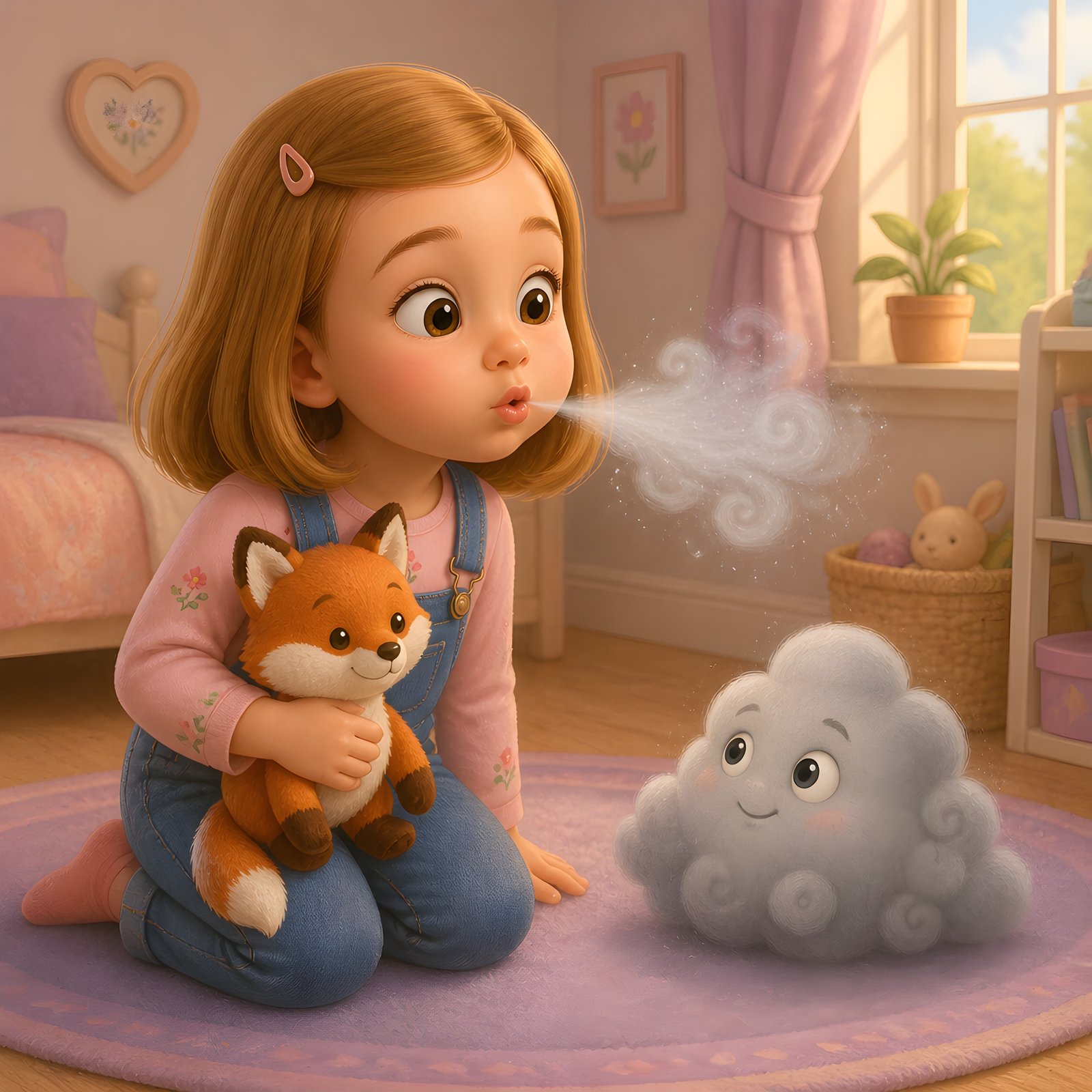
The little dream stopped spinning. It drifted toward the steady light, gentle as a feather.
Pouf ! It landed softly right in the palm of her hand.
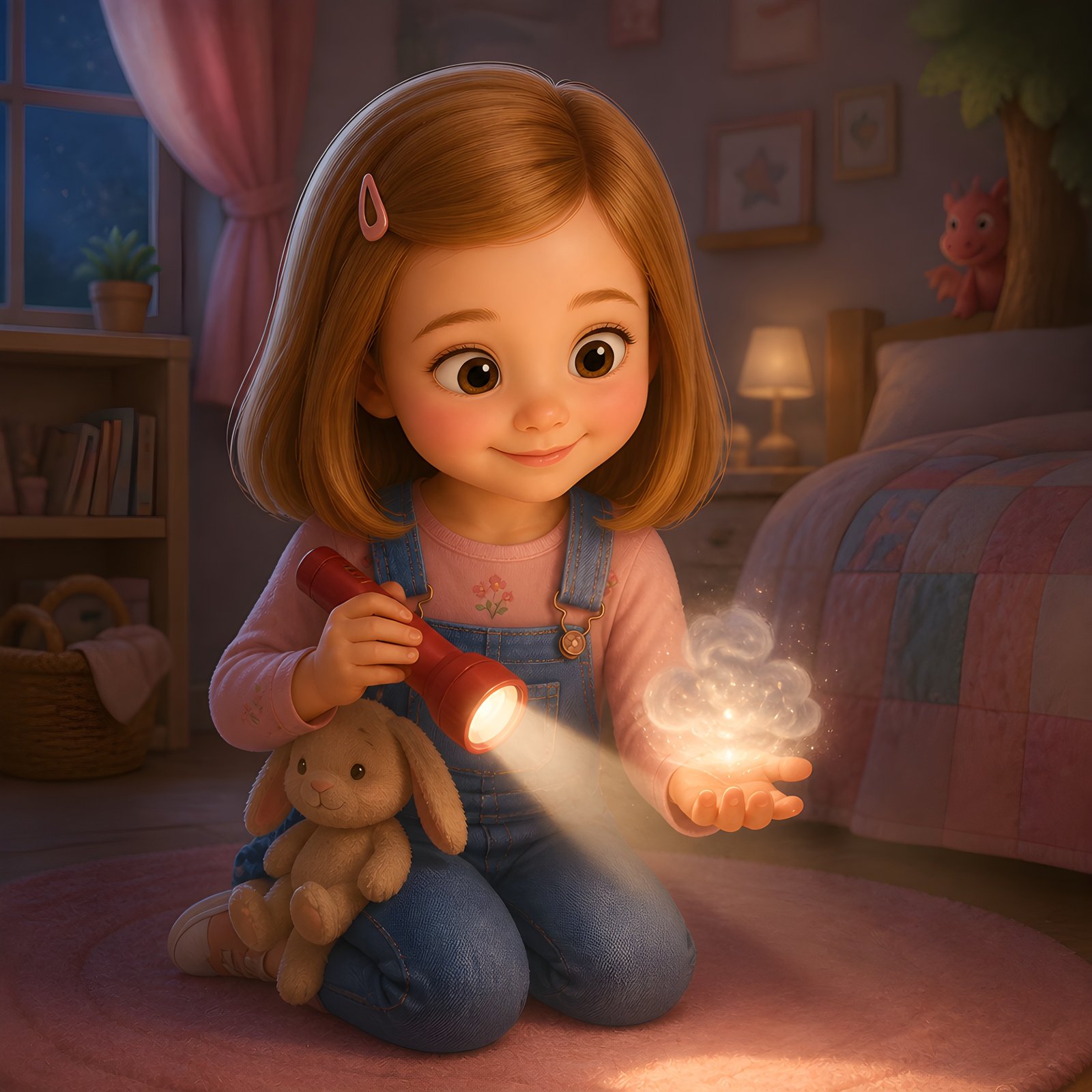
Holding her hand very steady, Nina walked softly back down the hallway.
The night is a big, soft coat, and I know exactly where to go.
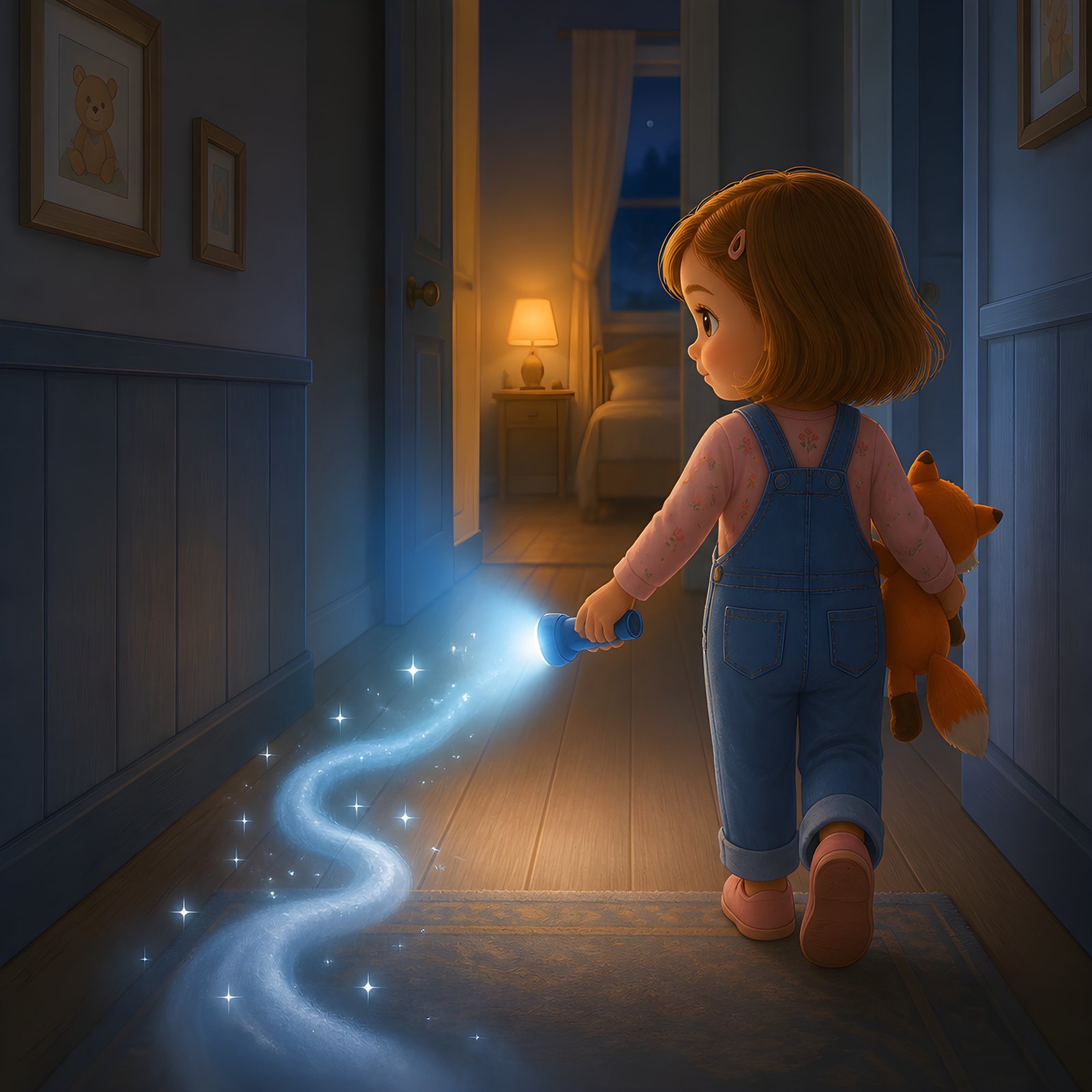
She tucked the little dream safely right onto her pillow, where it closed its tiny eyes.
Nina pulled her blanket up to her chin. The room felt warm, safe, and completely quiet.
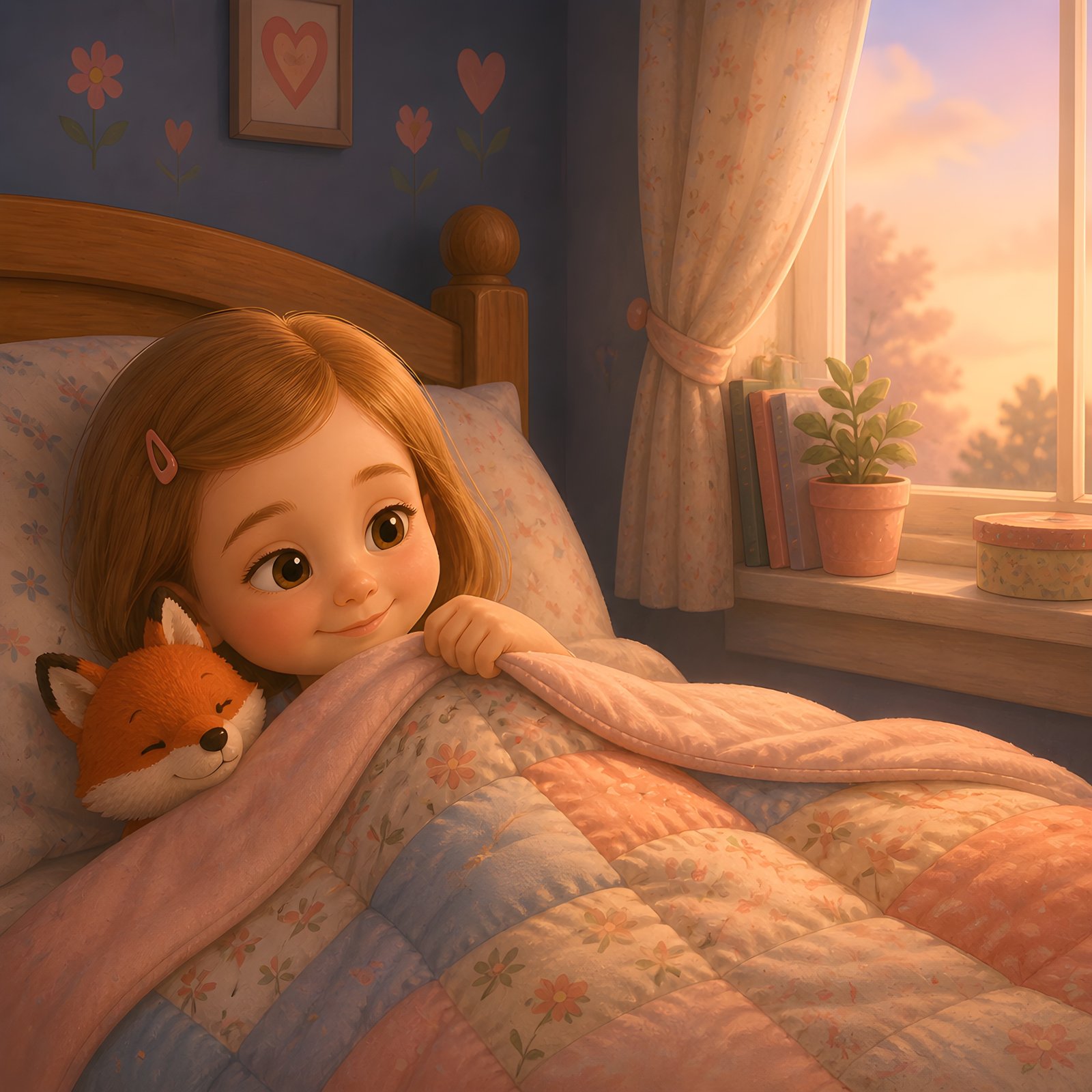
Her eyelids grew heavier and heavier, just like soft curtains closing.
And what wonderful dream will you choose for your night, when you close your eyes? Sleep tight.