Table of contents
How can you help your 2-year-old settle at bedtime without turning the evening into a struggle?
When every night brings one more request, it can be hard to know what to repeat and what to change. A simple bedtime routine for a 2-year-old can help you build a calmer pattern that feels reassuring for you both.
How much sleep to aim for, and when bedtime can begin
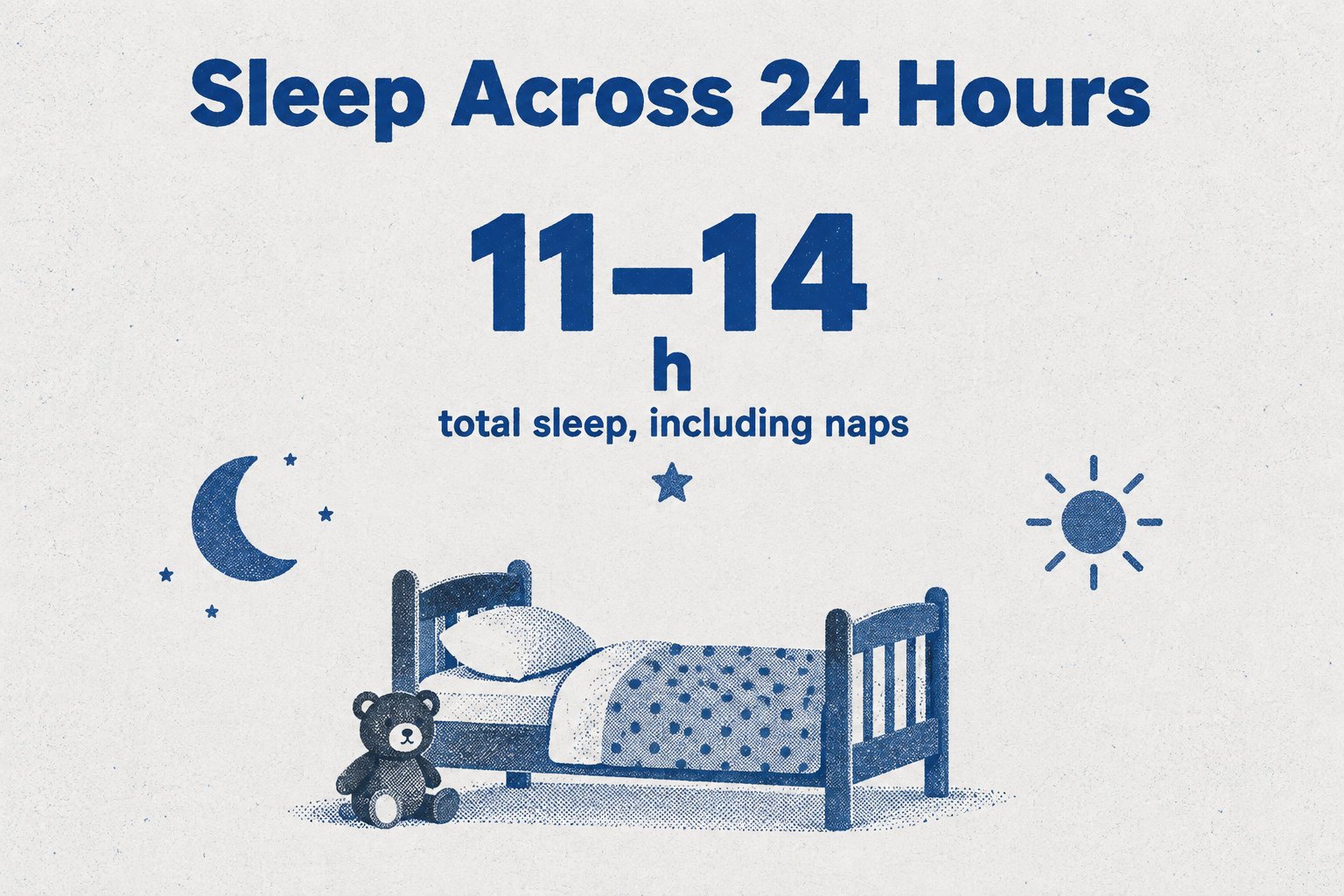
Most 2-year-olds need 11 to 14 hours of sleep in 24 hours, including naps. Many sleep 10 to 12 hours at night and get the rest during the day.
Set bedtime around your child’s wake-up and nap. With a 7 a.m. wake-up and a nap from 1 to 2:30 p.m., you could start the routine at 7 p.m. and turn out the lights at 7:30 p.m. Use this as a starting point, not a fixed schedule.
A bedtime between 7 and 8 p.m., with a wake-up around 6:30 to 7:30 a.m., works for many families. Notice your child’s total sleep, mood, nap, and ease of settling. Yawning, slowing down, or losing interest in play can mean they’re tired. Some children get unusually silly or busy instead.
Why a familiar routine can make bedtime easier
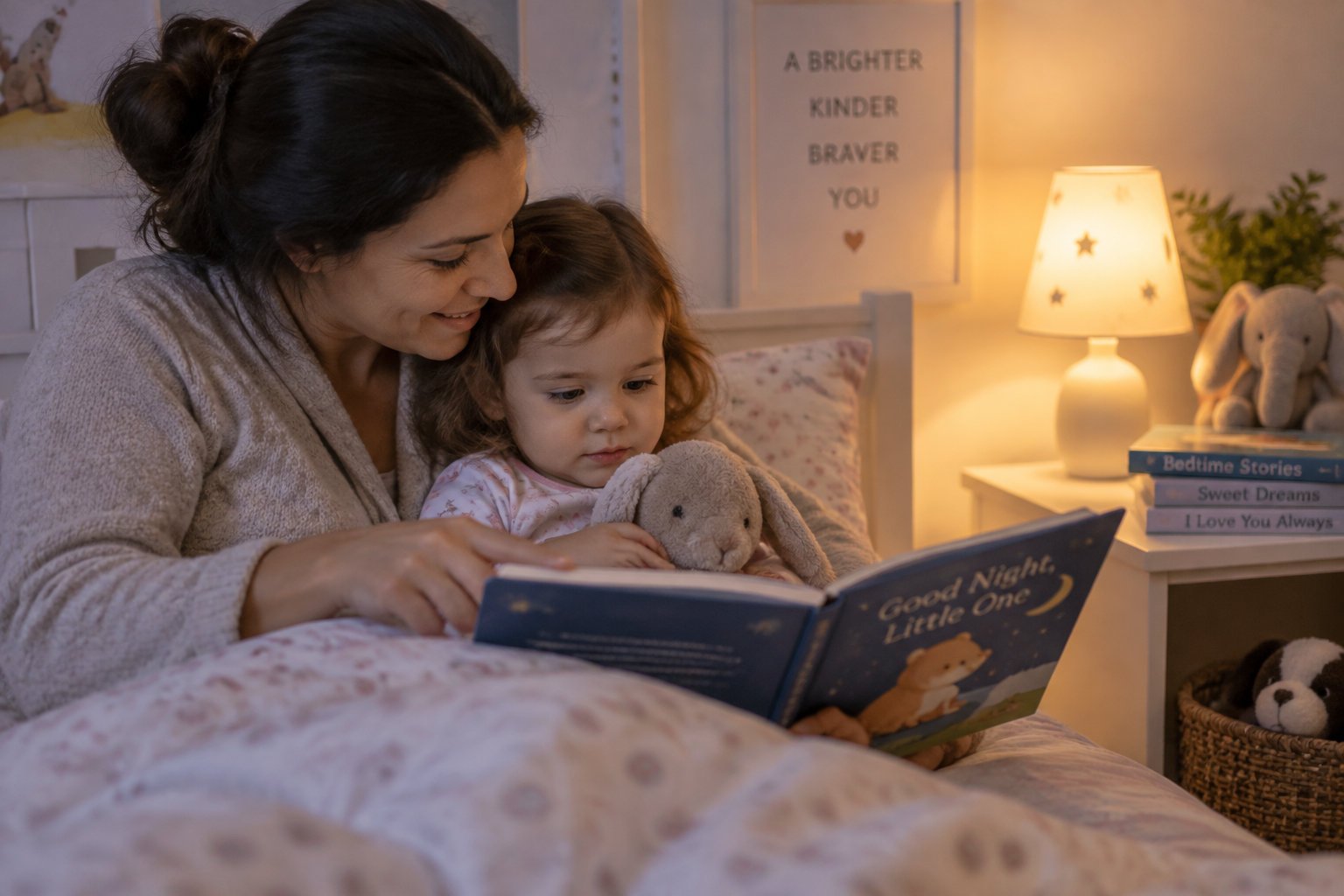
A short, familiar routine helps your 2-year-old know what comes next. Try bath, pyjamas, teeth, story, song, and bed. Keep bedtime and wake-up times within about an hour from one day to the next, even on weekends.
For many families, about 30 minutes is enough for a bedtime routine.
Let your child make a few small choices, like which pyjamas to wear. They get a little say, while the routine stays calm and familiar.
A simple bedtime routine to repeat
A steady routine can help your child move from play to bed. Repeating the same steps makes the change feel easier.

Give your child a clear cue before bedtime begins. You could dim the lights and say, “It is time to start bedtime.”
- Wash or bath: Keep bath time if it helps your child relax. If it leaves them wide awake, move it earlier or try a quick wash.
- Pyjamas and toilet: Keep the bedroom calm. Avoid going back to lively play.
- Teeth: Brush twice daily with a soft, child-sized toothbrush and a smear of fluoride toothpaste about the size of a grain of rice. An adult should brush or supervise closely.
- Books: Choose one or two books. Keep the number the same if stories tend to stretch out.
- Goodnight: End with a song or cuddle. Then turn off the light, or leave a dim night-light if needed.
Small ways to make bedtime calmer
Try to avoid screens for 30 to 60 minutes before sleep. Turn off the TV, tablet, phone, and games before the bedtime routine starts.
If your child gets out of bed, guide them back with few words. Repeat the same calm line. If they settle more easily with you nearby, sit beside the bed. Don’t start the story again. Move farther away over several nights. If they become very distressed, slow the change and reassure them.
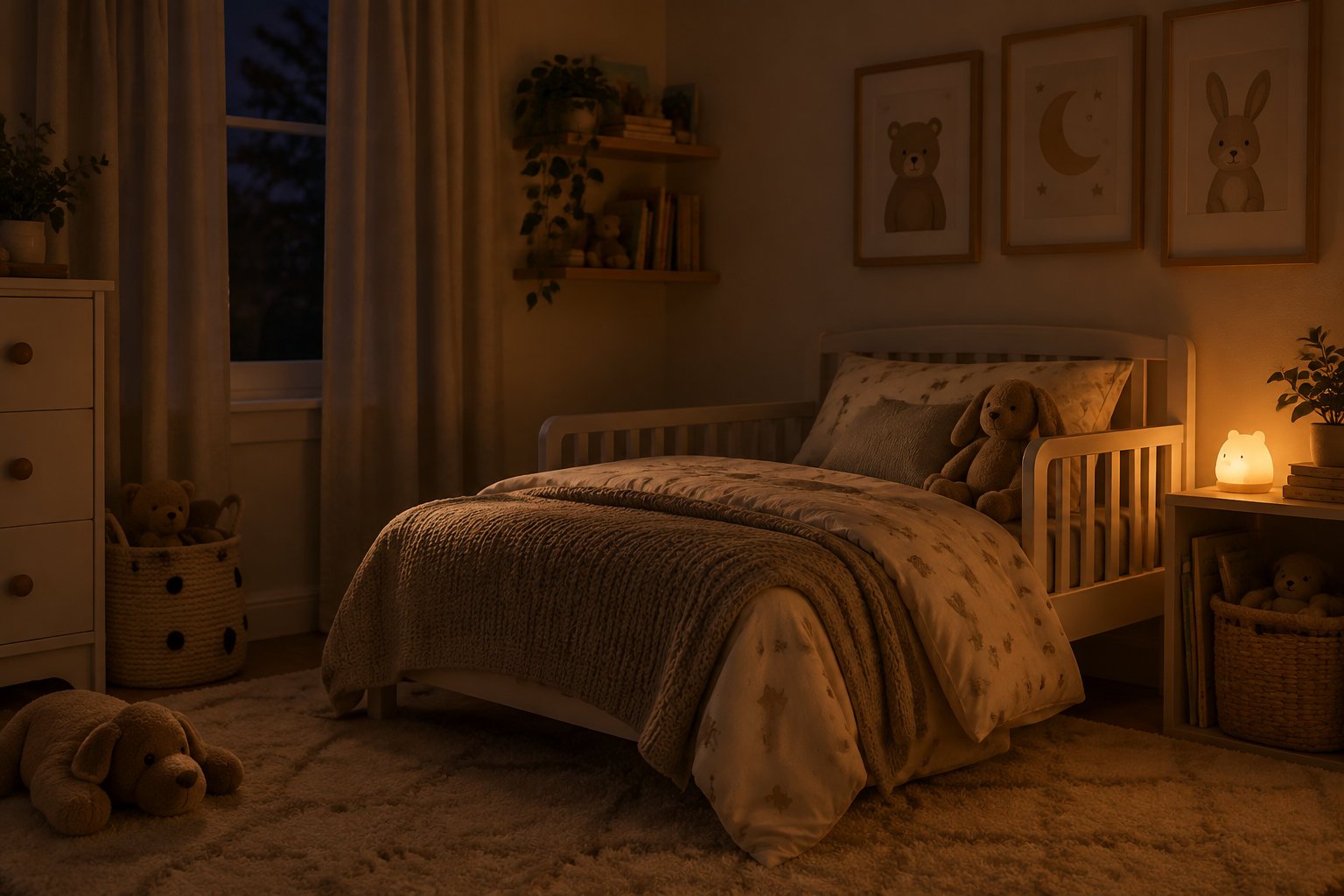
Keep the bedroom calm and cosy for sleep. Aim for low noise, comfy bedding, and a room temperature of around 16 to 20°C.
Naps and the rhythm of the day
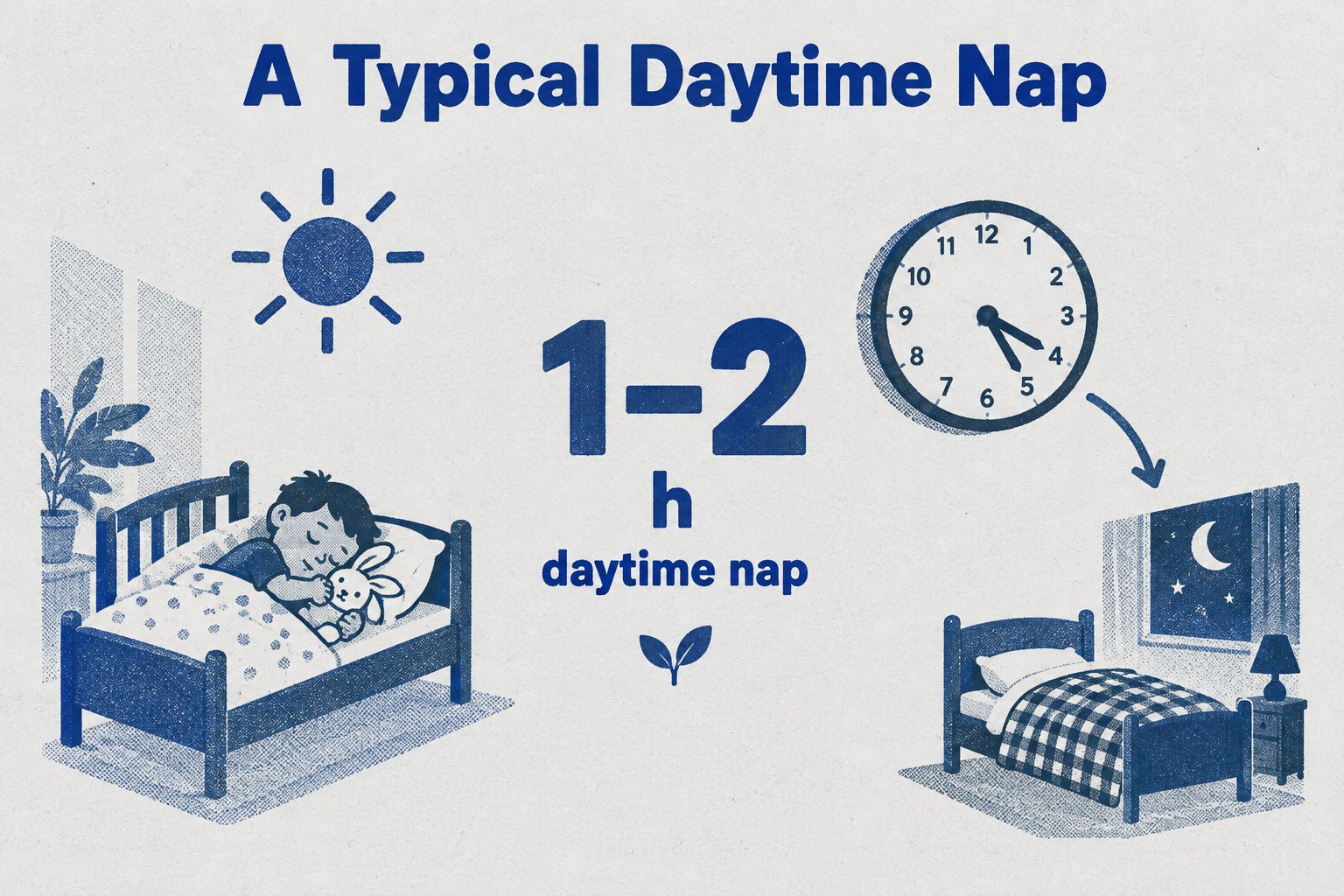
Many 2-year-olds take one nap during the day. It often lasts one to two hours. Some children still need more sleep. Others start to resist naps as they get close to age 3. A long or late nap can make bedtime harder. Your child has had less time awake.
Your child may still need a nap if they get tearful, clumsy, or irritable. Falling asleep in the afternoon can also be a sign. Dropping the nap all at once can leave your child overtired. Then settling down may be harder.
When nap times change, keep lunch and quiet time near their usual times. Try to do the same with your evening routine.
A steady wake-up time can help keep the day on track. Open the curtains and let in daylight. Start the day at about the same time.
When to ask for medical advice
Ask a doctor if sleep problems last and affect your child during the day. Seek advice if bedtime or night waking stays very hard for several weeks, even with a steady routine. A doctor can check for physical causes and help with your child’s sleep-wake rhythm.
Talk to a doctor about loud snoring that happens often. This is especially important if your child also pauses or gasps while breathing, breathes through their mouth, sleeps restlessly, or seems to struggle to breathe.
In France, you can contact your child’s médecin traitant, paediatrician, or another doctor who knows them. Your local centre de protection maternelle et infantile (PMI) can also give information and offer medical and preventive care for children under 6. Services vary by area.
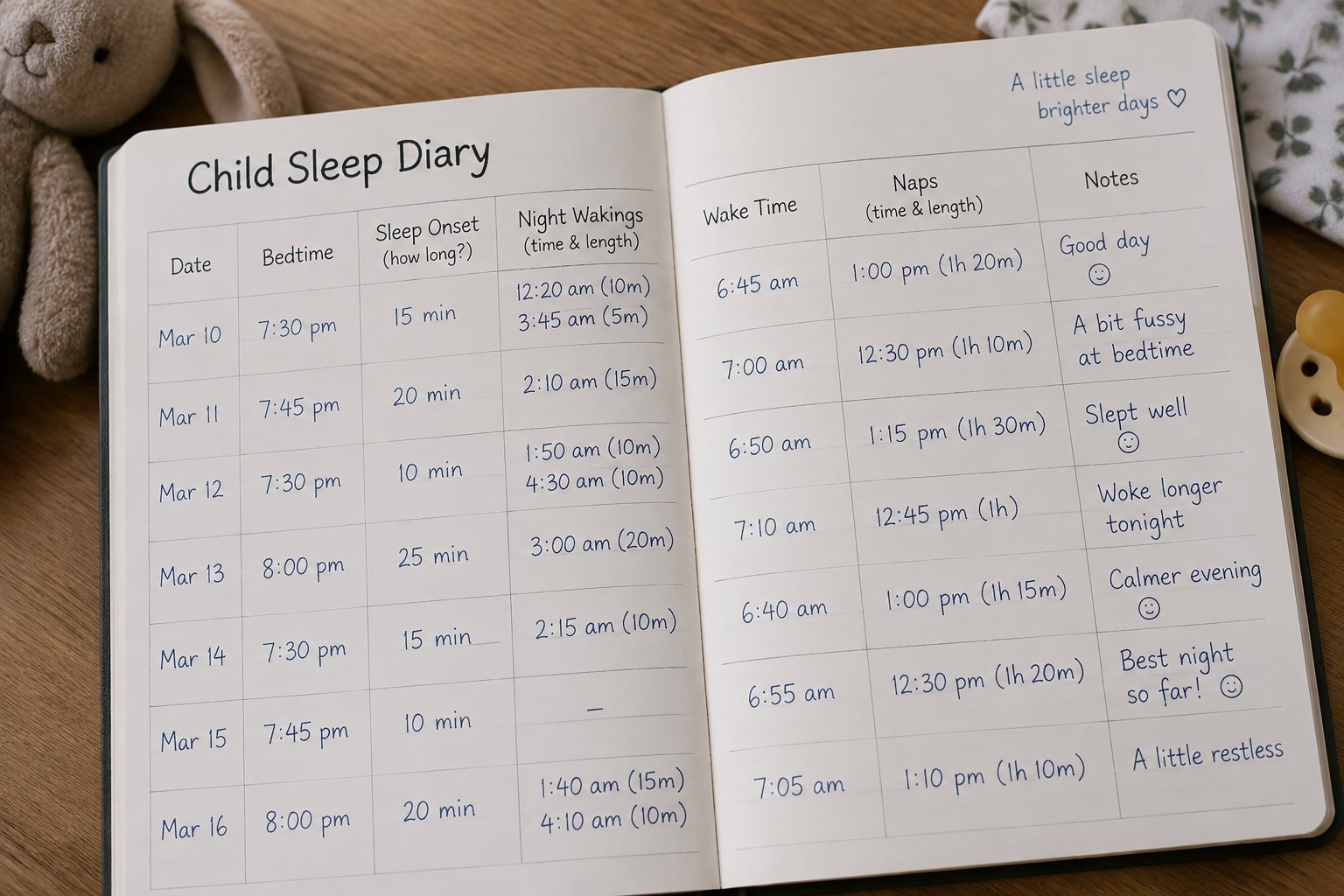
A short sleep diary can help during your appointment.
- For several days, note bedtime
- When your child falls asleep
- Wake-up time
- Naps
- Night wakings
- Snoring or breathing changes
- Screen use
- What happens after each response
Tonight, choose a calm, repeatable 30-minute routine and set its start around your child’s usual wake-up and nap. Keep morning wake-up steady, then repeat the same steps tomorrow. If bedtime has drifted late, move it earlier by 5 to 10 minutes each week.
Frequently asked questions
Should a 2-year-old sleep with white noise?
Soft, steady background sound may help some children settle, while others sleep better in silence. Keep the device well away from your child’s head and use a low volume that does not mask your voice or other important sounds.
Should bedtime stay the same during holidays?
Try to keep bedtime and wake-up time close to your usual schedule, with flexibility of about an hour. Larger changes can make it harder to return to nursery mornings, especially if naps change too.
What should I do if my child falls asleep before the routine ends?
Do not wake your child just to finish every step. Move the essential parts earlier the next evening, especially teeth brushing, pyjamas, and the final toilet visit.
Is a comfort object safe for a 2-year-old?
A familiar cuddly toy or blanket can help your 2-year-old settle. Choose an item your child can manage easily, keep it clean, and avoid letting it lead to long conversations after lights out.
Can the same routine work for naps?
Yes, use a shorter version of the bedtime routine for naps. Try closing the curtains, reading one book, sharing a cuddle, and using the same goodnight words so your child recognises that rest time is beginning.